



When an unexpected car repair or medical bill pops up, the panic sets in quickly. In these moments of intense financial stress, it is incredibly tempting to seek out an easy loan to make the problem disappear immediately. However, those high-interest microloans—often marketed as payday loans or instant cash advances—frequently lead to a vicious cycle of debt that is notoriously difficult to escape. Exorbitant interest rates and hidden fees can easily turn a minor financial hiccup into a long-term economic crisis.
Fortunately, you have much safer options. Before you sign on the dotted line with a high-interest lender, consider these five practical alternatives to cover your emergency expenses.
1. Credit Union Personal Loans

Credit unions are non-profit financial cooperatives that generally offer much more favorable terms than traditional banks or predatory lenders. Because they are member-focused, they prioritize your financial well-being over corporate profits. If you are a member of a local credit union, you might qualify for a small, short-term personal loan.
- Lower Rates: Interest rates on credit union loans are typically capped at a much lower percentage than commercial microloans.
- Flexible Terms: Repayment terms usually span several months rather than demanding full payment by your next paycheck.
- Relationship-Based: Approval is often based on your ongoing banking relationship with the institution, rather than solely relying on your credit score.
2. Employer Paycheck Advances

Depending on where you work, your employer might be willing to help you out during a sudden financial emergency. Many companies offer formal or informal paycheck advance programs to support their staff during tough times. This arrangement allows you to receive a portion of your already earned wages before your official payday.
- Zero Interest: Most employer-sponsored cash advances involve absolutely no interest charges or hidden fees.
- Automatic Repayment: The advanced amount is simply deducted directly from your upcoming paycheck, making the repayment process seamless.
- Safe Access: It is a secure way to access your own money early without paying a premium to a third-party lender.
3. Borrowing from Family or Friends

Asking loved ones for financial assistance can be a highly uncomfortable conversation, but it is entirely preferable to paying triple-digit interest rates to a predatory lender. If you choose this route, the secret to success is treating the exchange as a formal business transaction to preserve your personal relationship.
- Draft an Agreement: Write a clear, simple contract detailing the exact loan amount and terms.
- Set a Schedule: Establish a realistic, fixed repayment schedule that you know you can afford.
- Maintain Trust: Stick strictly to your promises and communicate openly if you encounter any unexpected delays.
4. Credit Card Cash Advances
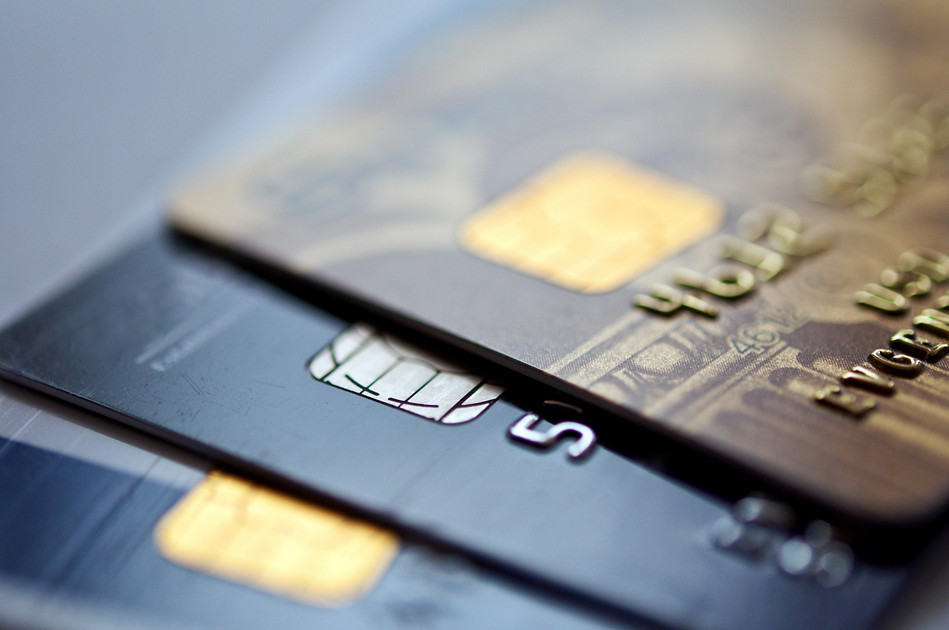
While financial experts generally advise against using credit card cash advances for everyday purchases, they can serve as a strategic lifeline during a genuine, unavoidable emergency. By using your credit card at an ATM to withdraw cash, you bypass the dangerous microloan industry entirely.
- Better Rates: The interest rates, while higher than regular credit card purchases, are still significantly lower than those attached to payday loans.
- No Credit Check: You do not have to undergo a new credit check or lengthy application process to access the funds.
- Quick Payoff: To avoid compounding interest, be sure to pay off the cash advance balance as quickly as your budget allows.
5. Community Nonprofits and Charities

If you are facing a severe emergency, such as an eviction notice, a utility shut-off, or a lack of basic groceries, local charitable organizations can provide direct, immediate relief. Many community action agencies, religious organizations, and local nonprofits offer emergency assistance programs.
- Direct Payments: Funds can often be applied directly to your rent, utility providers, or medical bills.
- Need-Based Support: Assistance is typically based on immediate financial need rather than credit history.
- Debt-Free Help: These are usually grants rather than loans, meaning you avoid taking on any new debt altogether.
Final Thoughts
Financial emergencies are stressful enough without the added burden of predatory interest rates hanging over your head. While a high-interest microloan might seem like the quickest fix in a moment of panic, the long-term consequences simply are not worth the temporary relief. By exploring credit union loans, employer advances, or community resources, you can successfully weather the storm without sabotaging your financial future. Once the immediate emergency has safely passed, focus your energy on building a small emergency savings fund so you are fully prepared for whatever life throws your way next.