
- Walkaround
- Specifications
- Energy Efficiency
- The Good
- The Split Tailgate Is The Right Idea, Executed Well
- 167 kW DC Fast Charging Is Genuinely Impressive For This Price
- Interior Space And Lifestyle Features Punch Above The Class
- NVH is Surprisingly Good
- The Value Proposition Is Difficult To Argue Against
- Speakers Are Decently Enjoyable
- The Bad
- The Chassis Is Built For City Driving And Does Not Pretend Otherwise
- The Steering Offers Accuracy Without Any Conversation
- The Lane Keep Assist Needs To Be Disabled
- The Adaptive Cruise Calibration On Open Roads Needs Work
- Rear Air Conditioner Only Has A Single Vent
- No Wireless Android Auto
- No Mobile App, At Least Not Yet
- Dongfeng VIGO Verdict
Offer price: 108888
Currency: MYR
-
Appearance - 8.5/108.5/10
-
Efficiency - 8/108/10
-
Features - 8.5/108.5/10
-
Materials - 8/108/10
-
Performance - 7/107/10
-
User Experience (UX) - 7.5/107.5/10
-
Value - 8/108/10
Summary
The Dongfeng VIGO is a car that is considerably more interesting in person than its price suggests, and it has genuine ideas of its own rather than simply copying what the segment expects.
Overall
7.9/10Pros
- The Split Tailgate Is The Right Idea, Executed Well
- 167 kW DC Fast Charging Is Genuinely Impressive For This Price
- Interior Space And Lifestyle Features Punch Above The Class
- Surprisingly Good NVH
- The Value Proposition Is Difficult To Argue Against
- Speakers are Decently Enjoyable
Cons
- The Chassis Is Built For City Driving And Does Not Pretend Otherwise
- The Steering Offers Accuracy Without Any Conversation
- The Lane Keep Assist Needs To Be Disabled
- The Adaptive Cruise Calibration On Open Roads Needs Work
- No Wireless Android Auto
- Single Rear Air Conditioning Vent
Walkaround
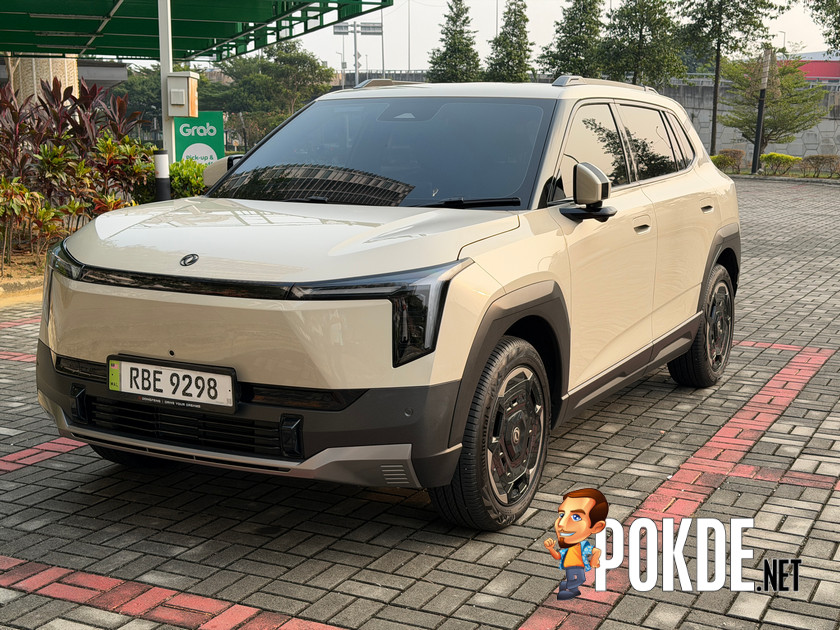
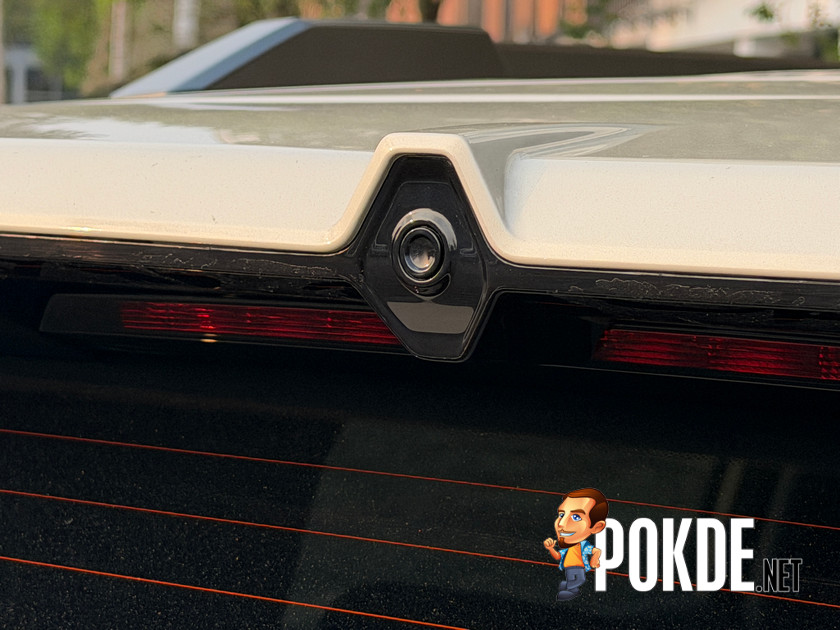
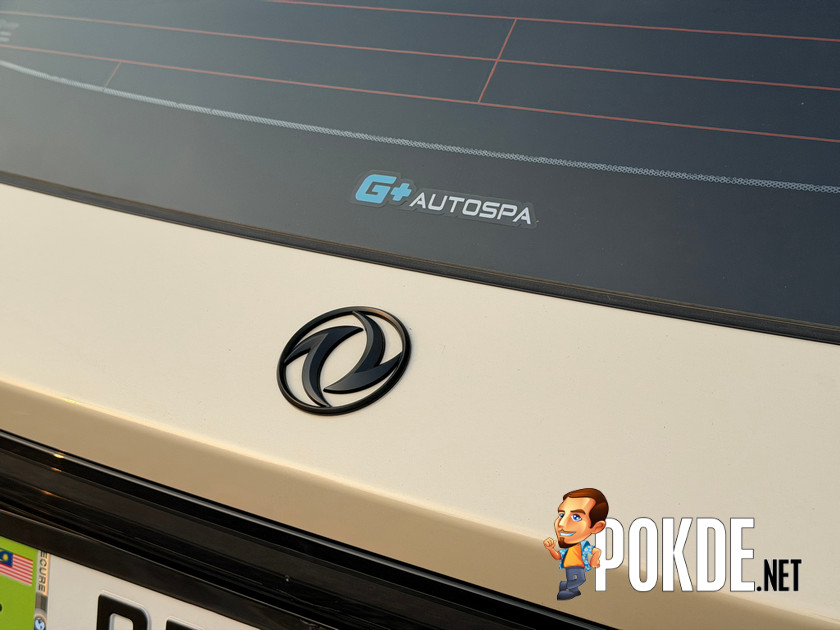
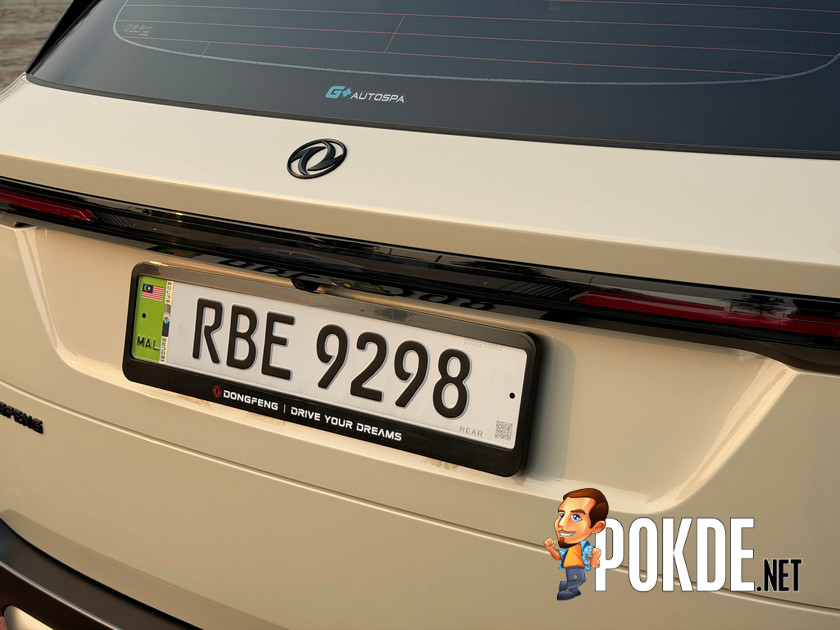
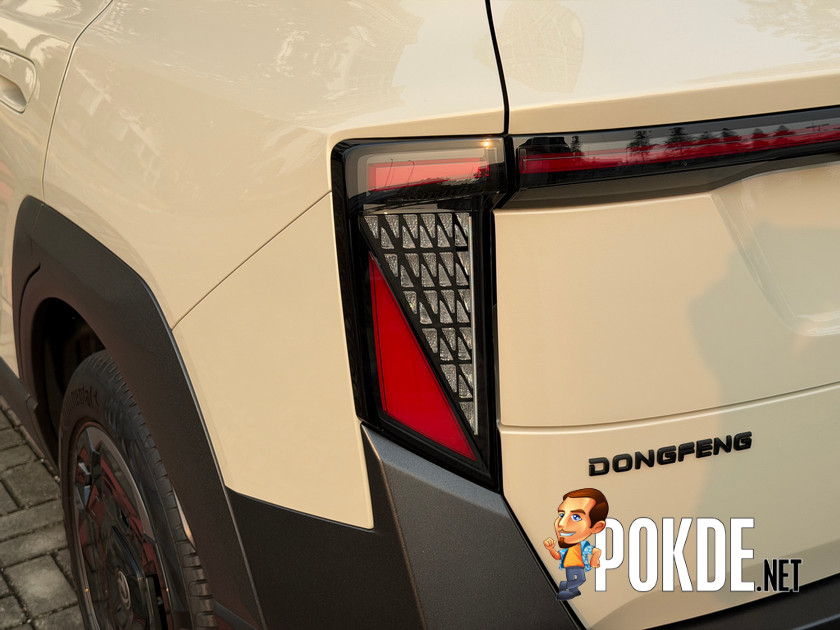
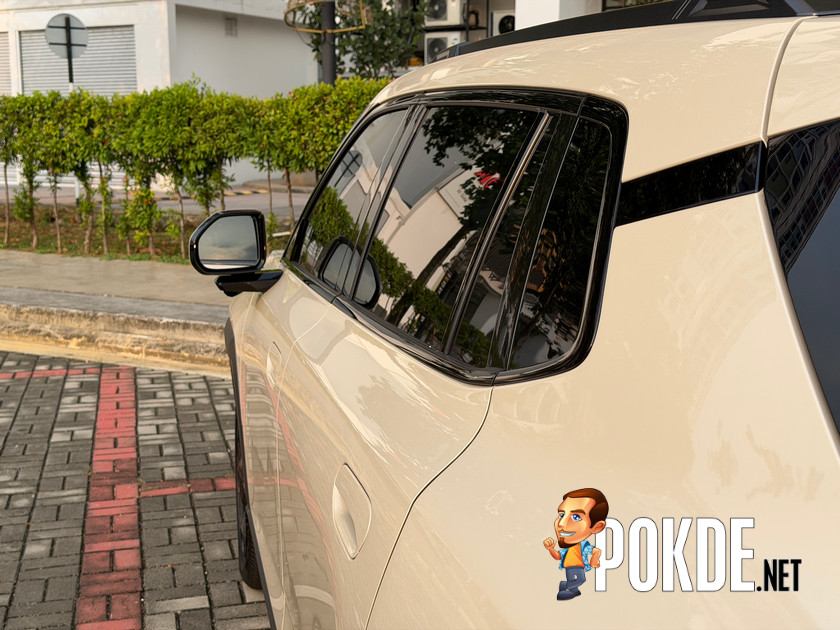
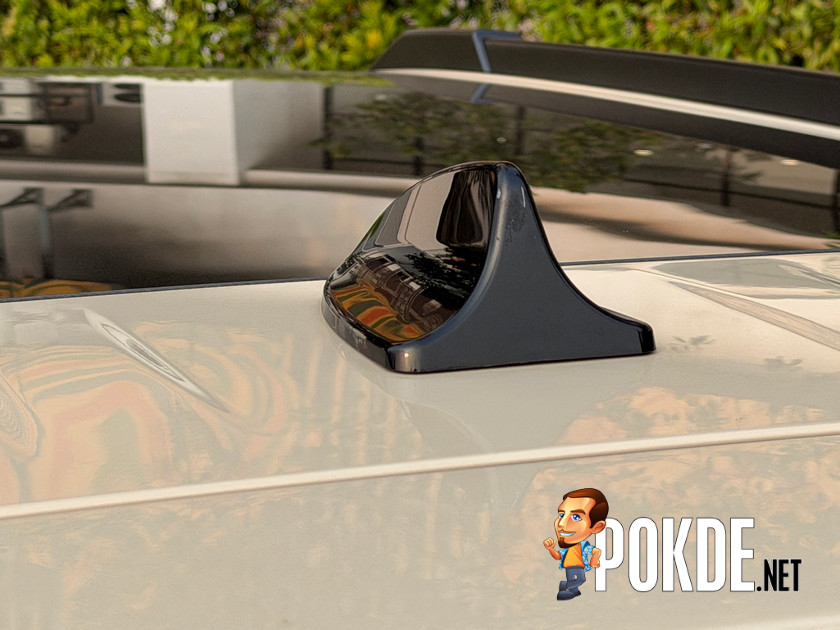
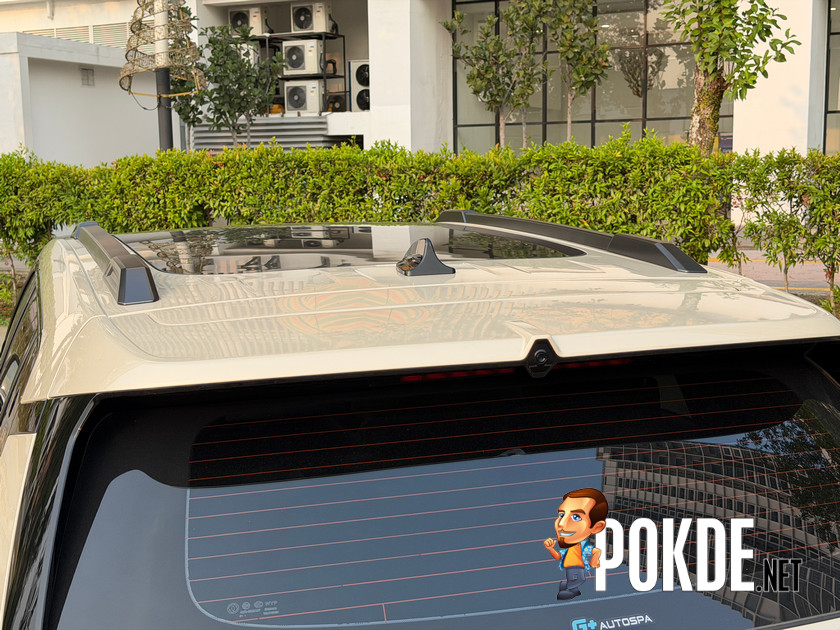
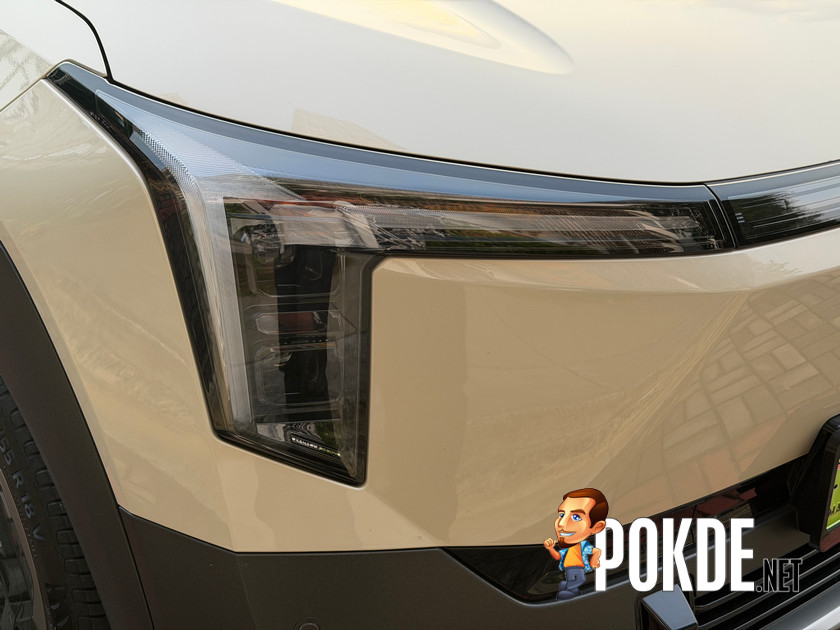
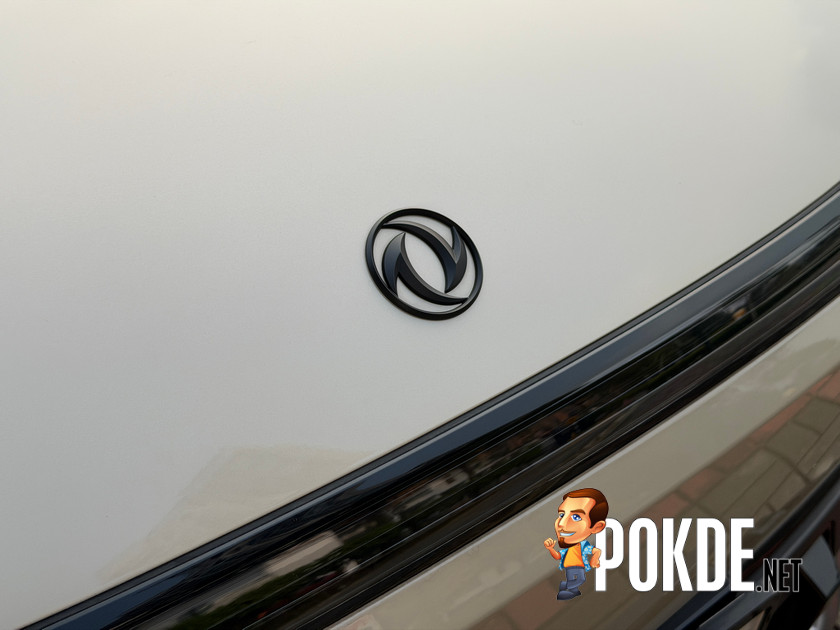
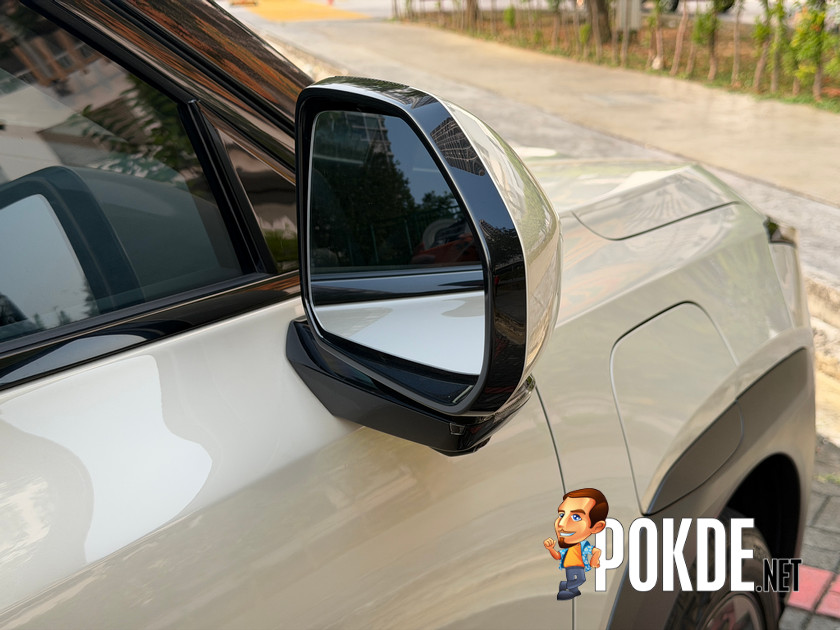
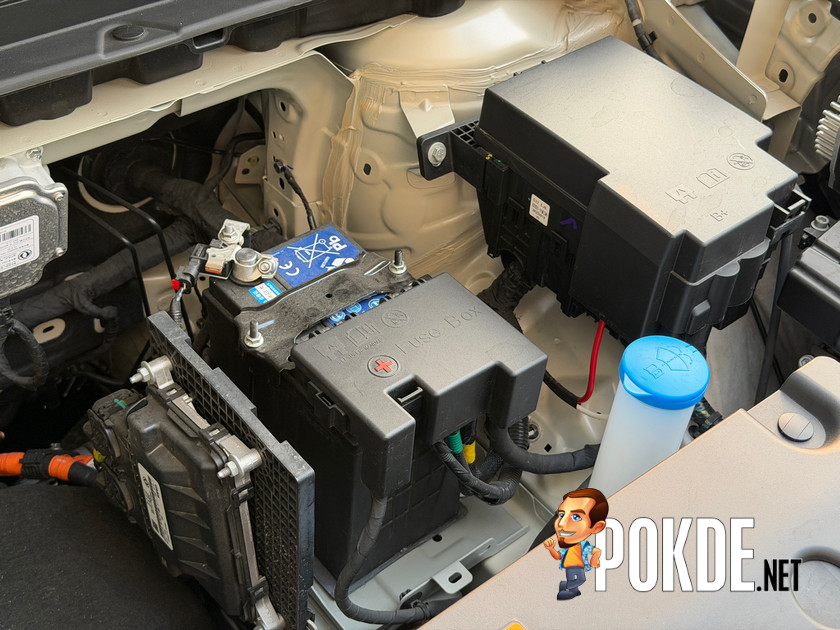
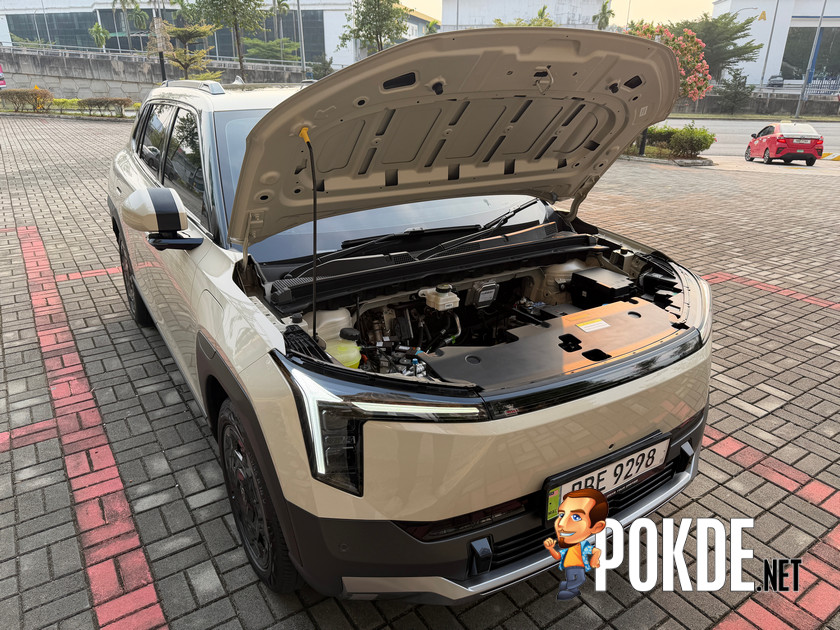
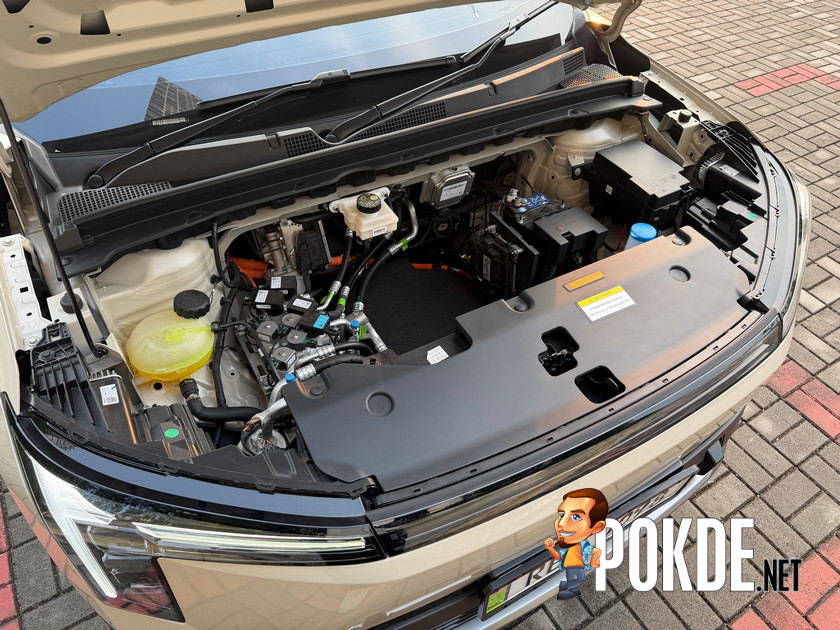
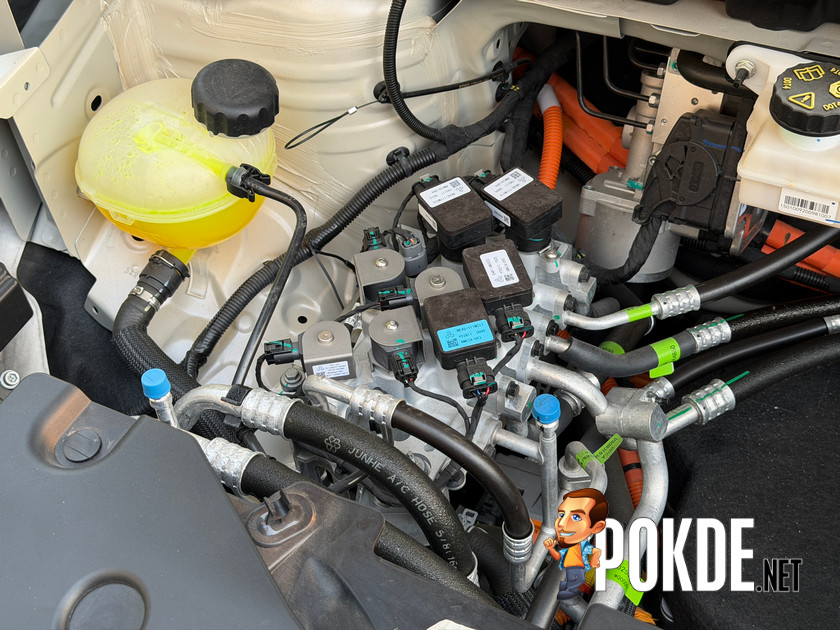
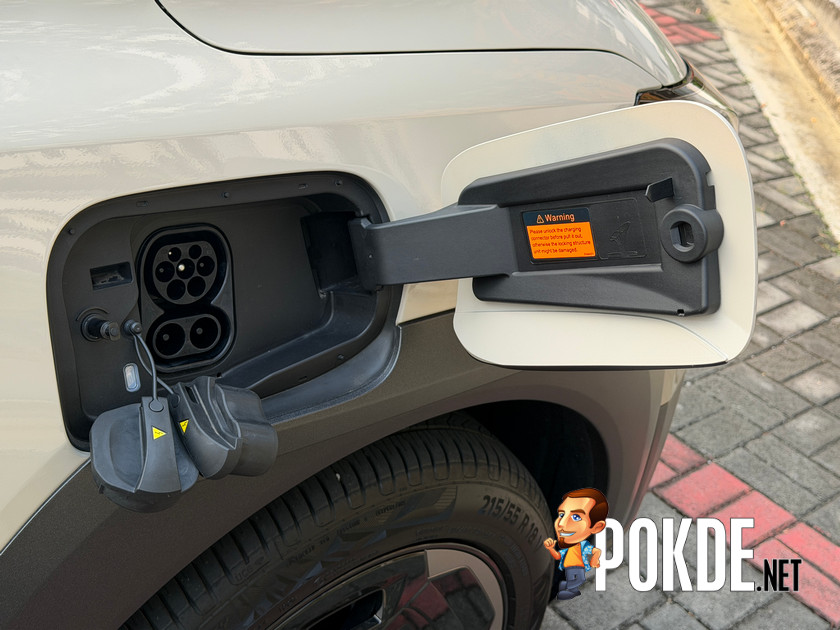
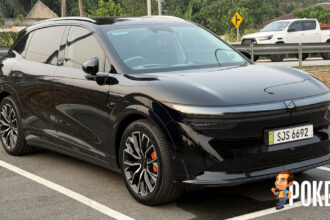
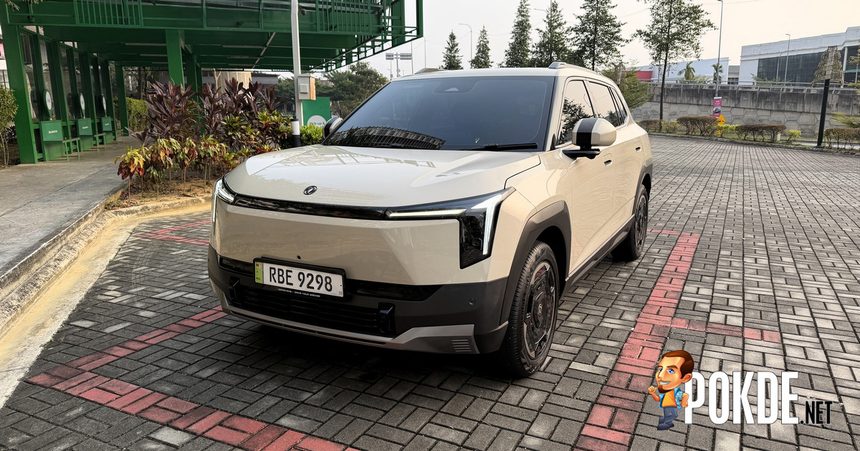
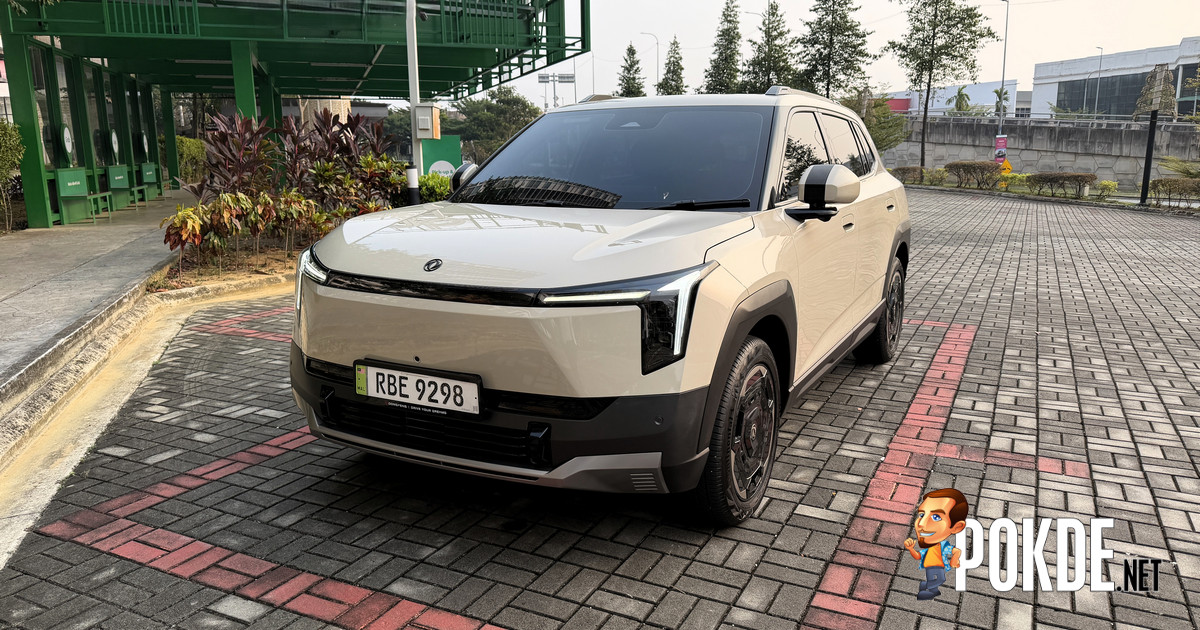
There is something quietly confident about the way the Dongfeng VIGO presents itself in person. On paper it is a subcompact SUV priced to compete with entry-level petrol crossovers. When driving it however, it carries itself like something more ambitious. The Sandstone Beige colorway on our loan unit softens the angular body lines enough that it reads as approachable rather than aggressive, and the minimal overhangs on either end of the 4,306mm body make it look proportionally longer than it is, which is not a bad trick for a compact SUV.
The front face is angular and modern, with LED daytime running lights and headlamps that form a clean downlit signature. Dongfeng’s logo, two swallows in pursuit, sits on the bonnet, and if you look closely at the headlamp clusters you will find a small set of coordinates etched in. They point to Dongfeng’s headquarters in Wuhan. It is the kind of Easter egg that says the designers were having fun, and a second one appears on the windscreen, a small Vigo silhouette scaling a mountain. Neither of these does anything functional, but they give the car a personality that most vehicles in this price bracket do not bother trying to establish.
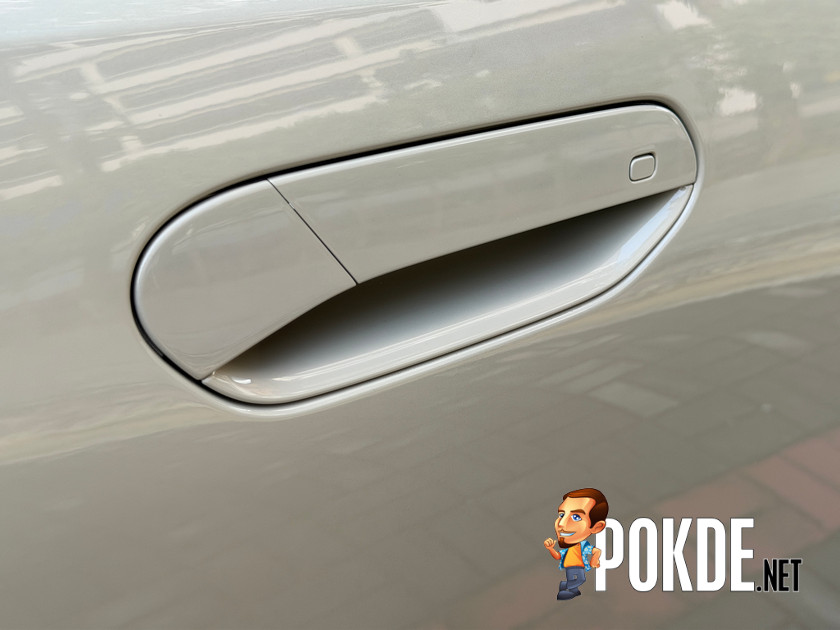
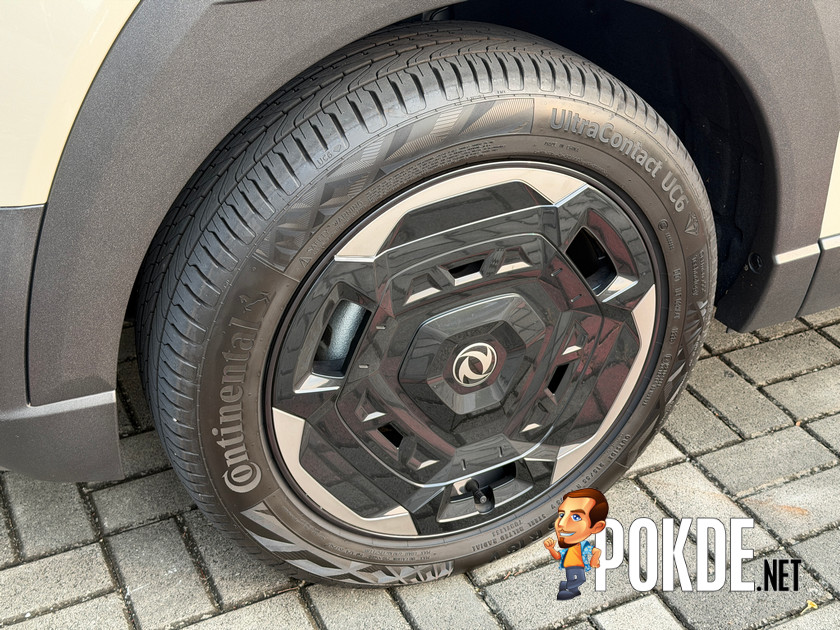
The flush door handles take a moment to get used to as it’s not meant for pulling. Instead, a soft press on the inside releases them from the body, but they add a premium finish that makes the exterior feel more deliberate than its price suggests. The 18-inch alloys with their plastic aero covers, roof rails as standard, and relatively high ground clearance round out an exterior that sits comfortably in the family urban SUV category without looking like it is apologising for being there.
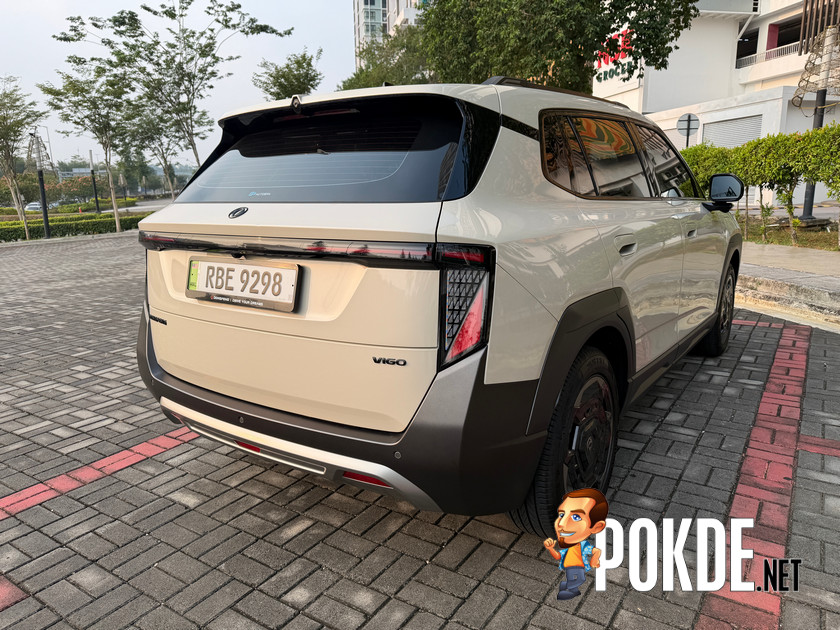
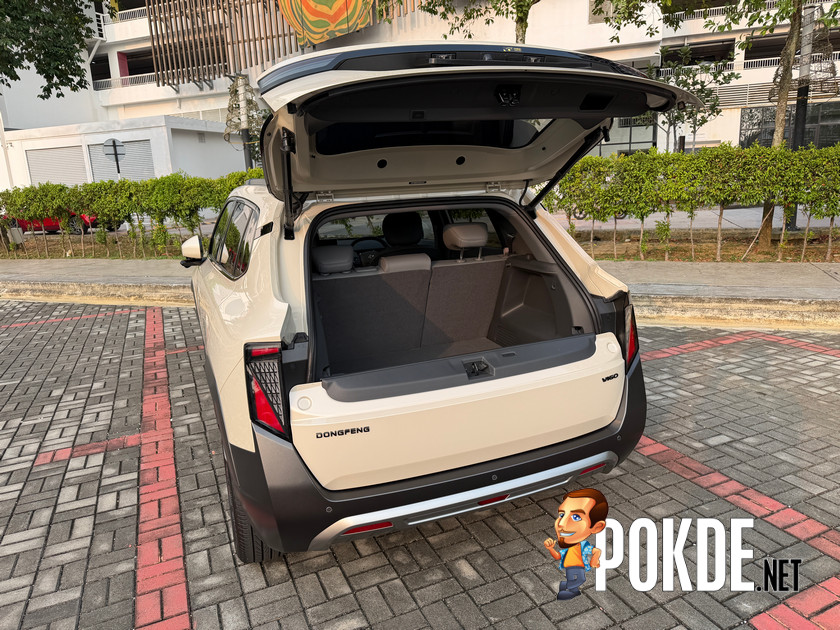
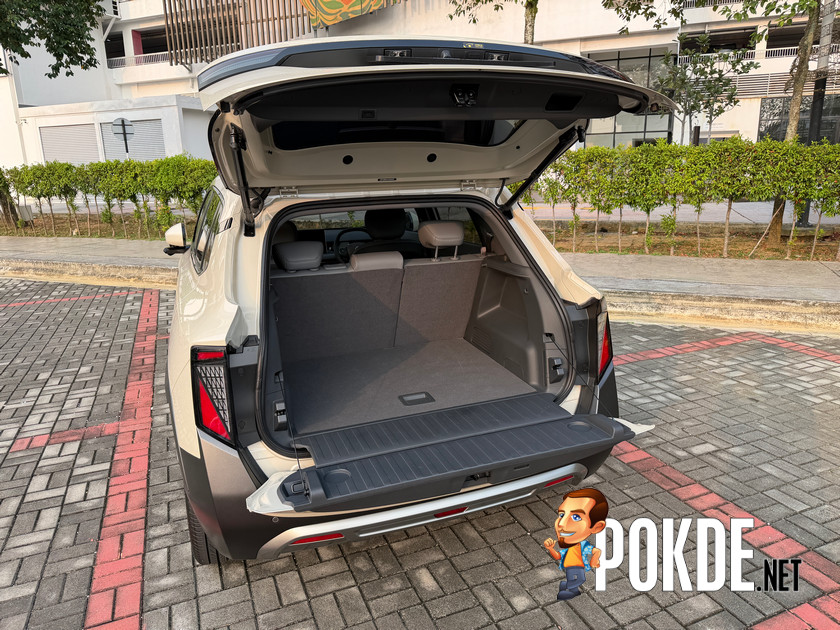
The rear is where things get genuinely interesting. The split tailgate, upper section for quick access and lower section as a 150kg-rated platform for sitting, loading, or whatever a weekend calls for, is the most distinctive thing about the VIGO and probably the feature that will be demonstrated at every family gathering for the first 3 months of ownership. No other car at this price offers it, and it is useful in ways that become obvious the moment you use it for the first time.
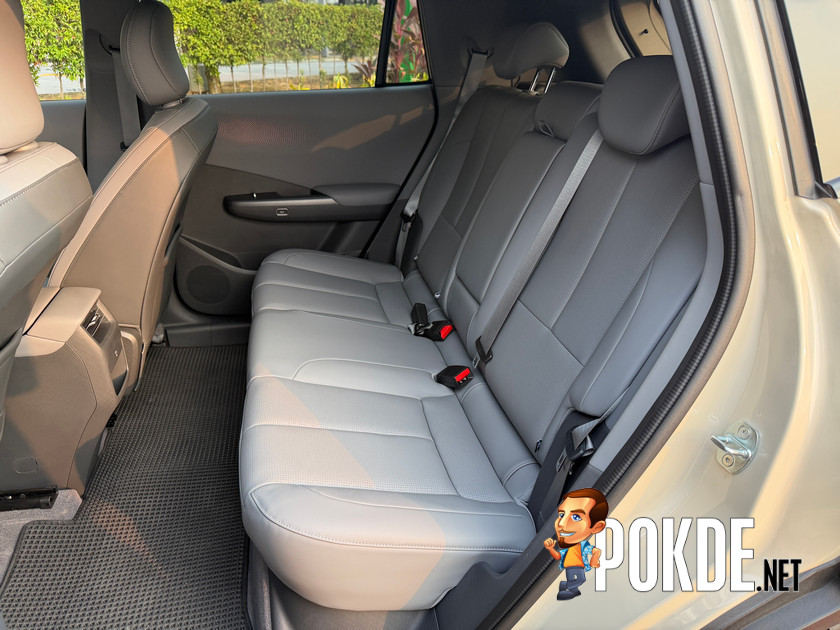
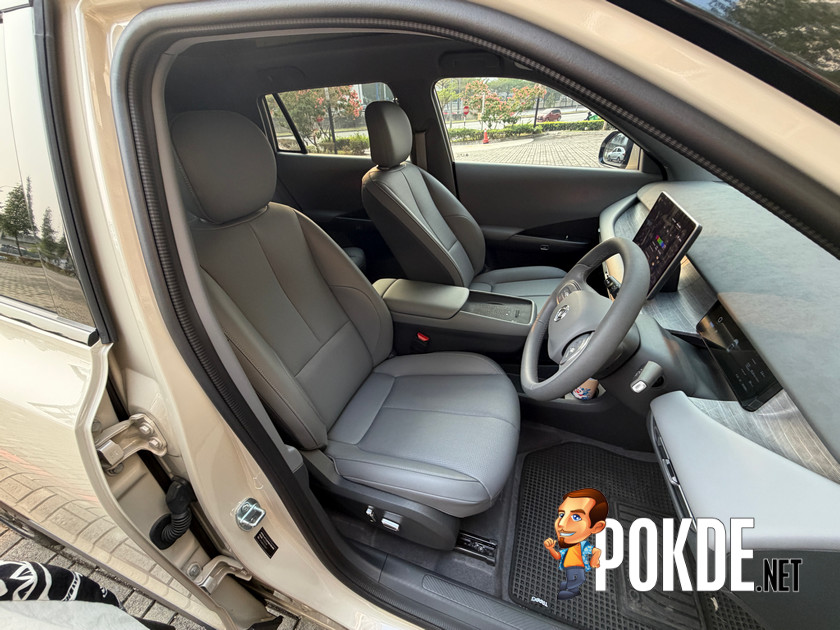
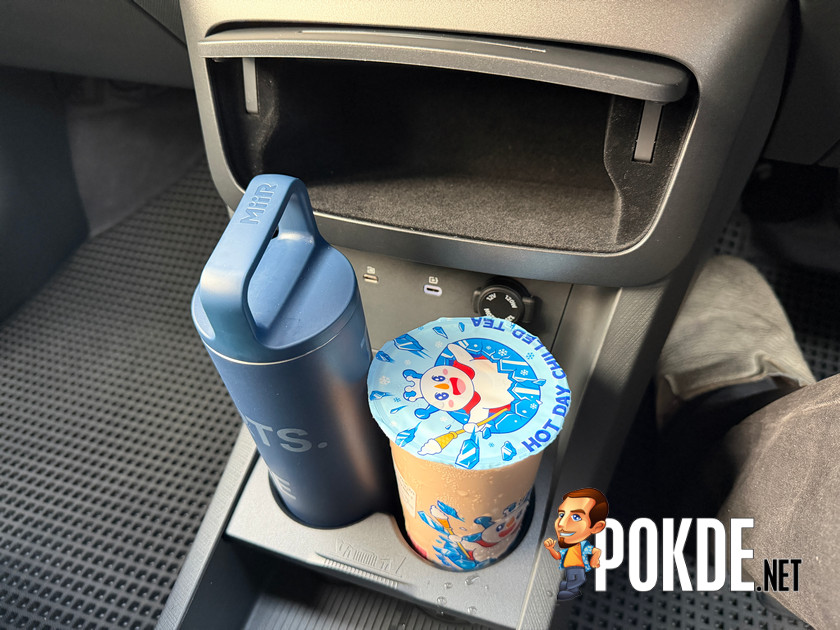
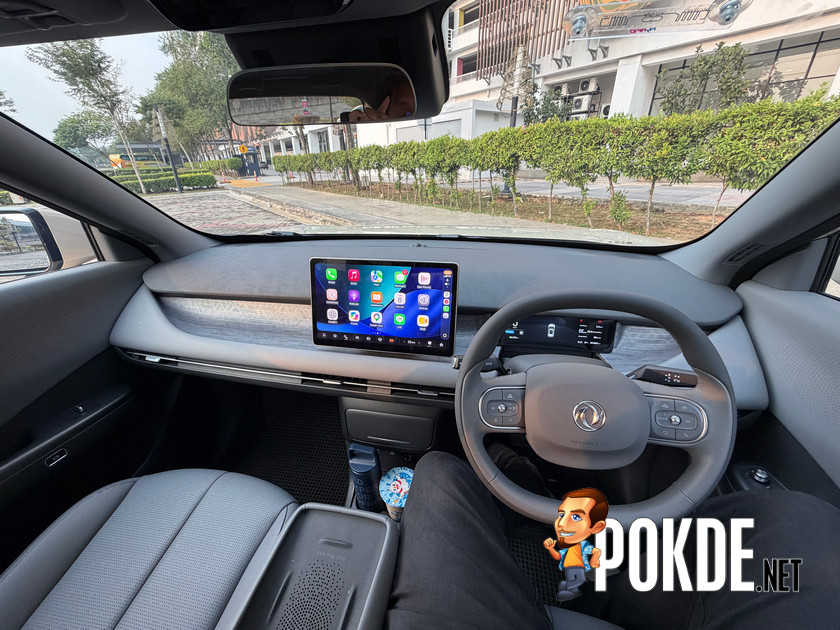
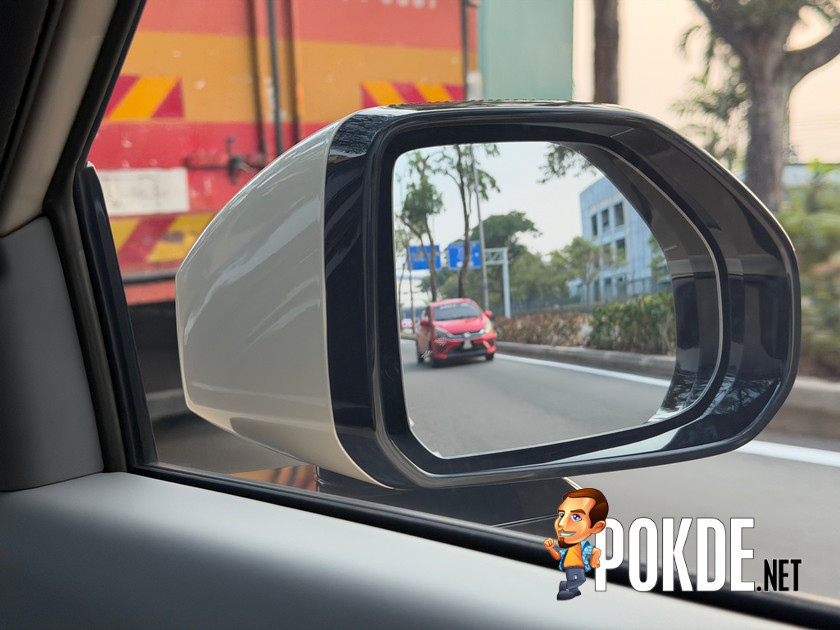
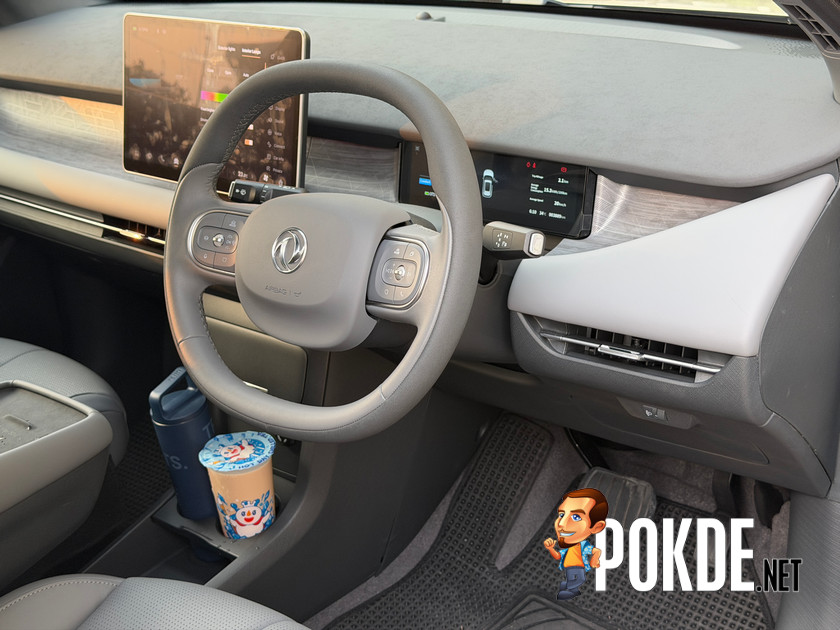
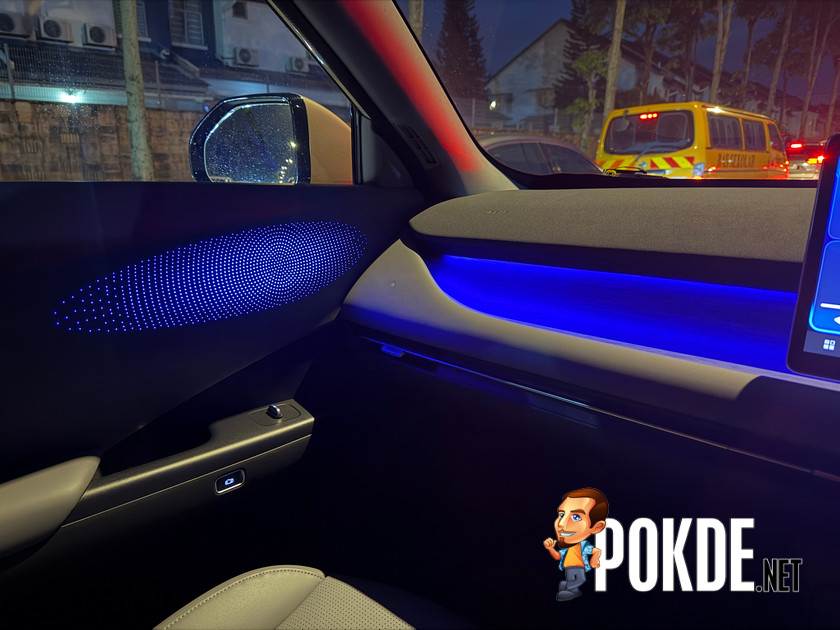
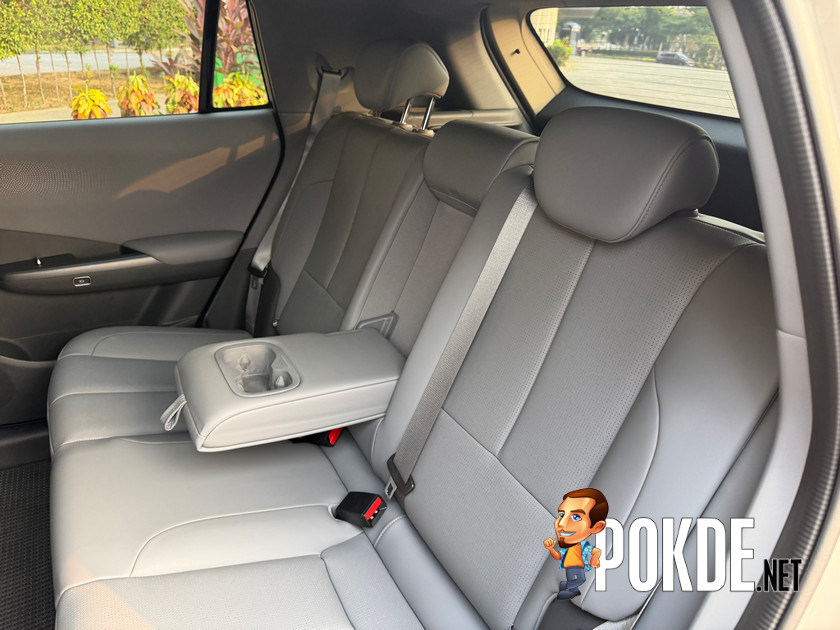

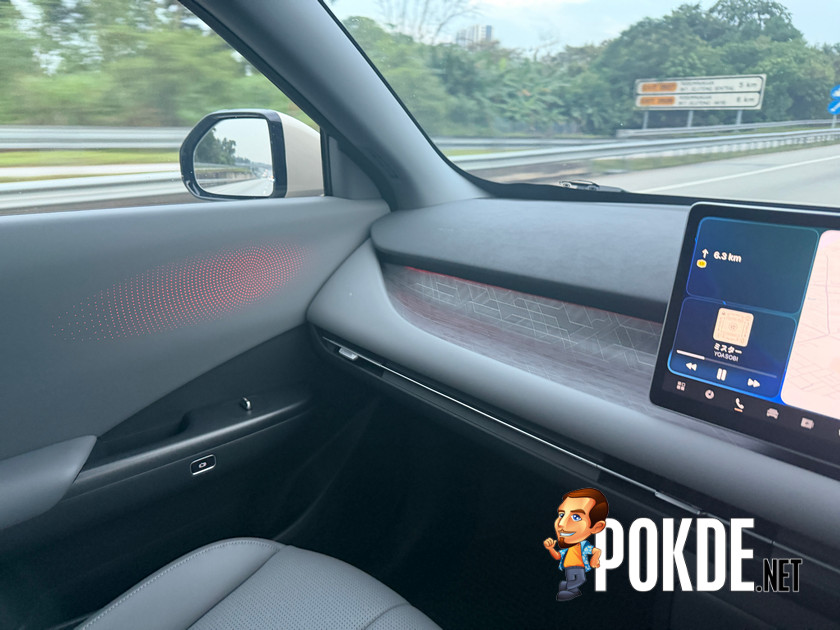
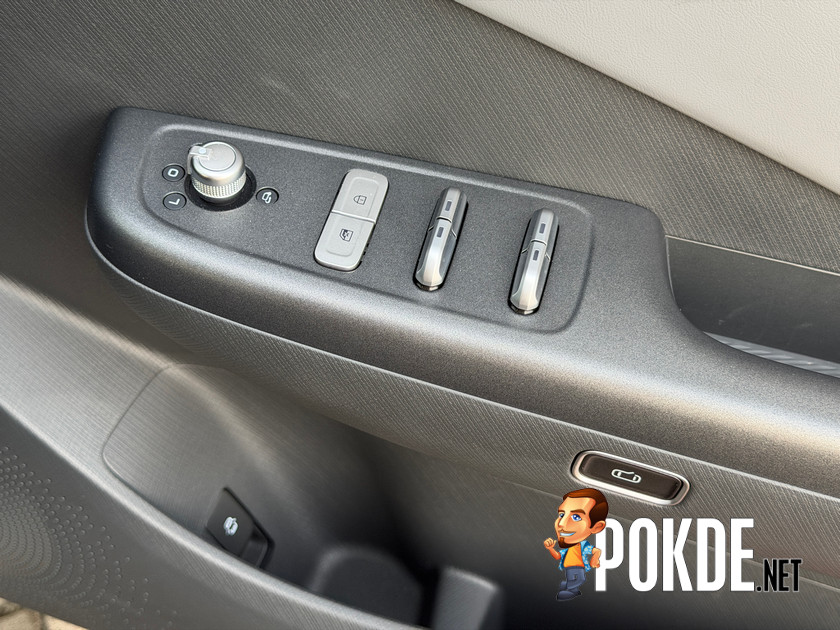
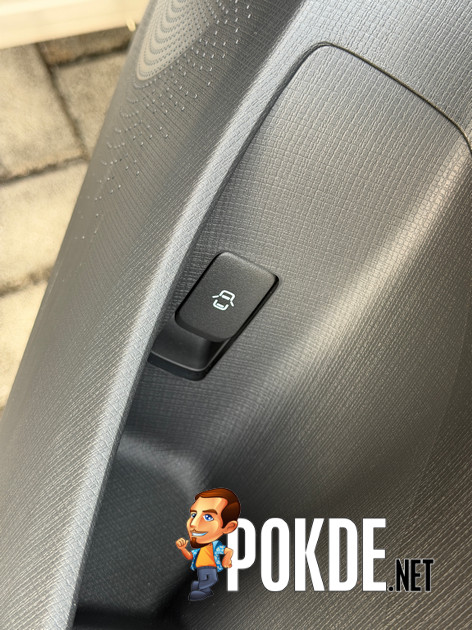
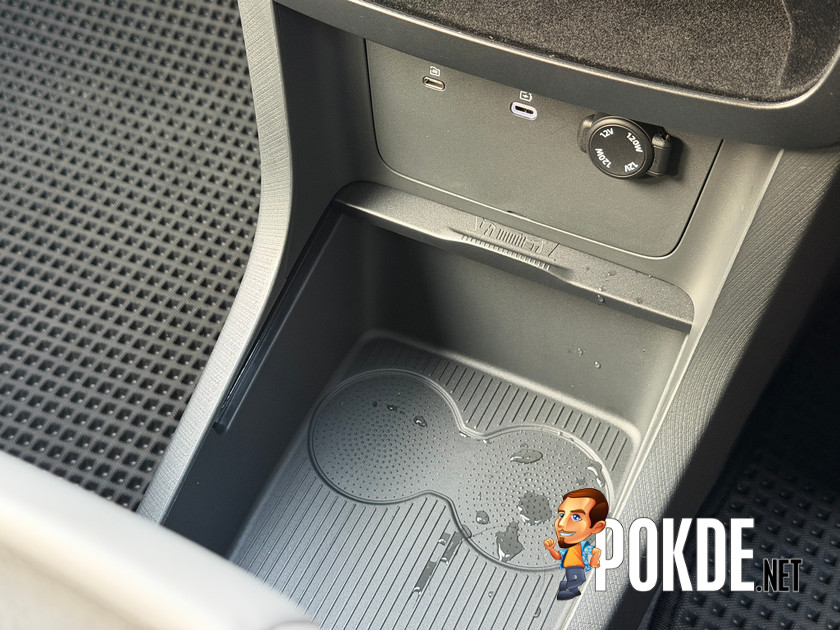
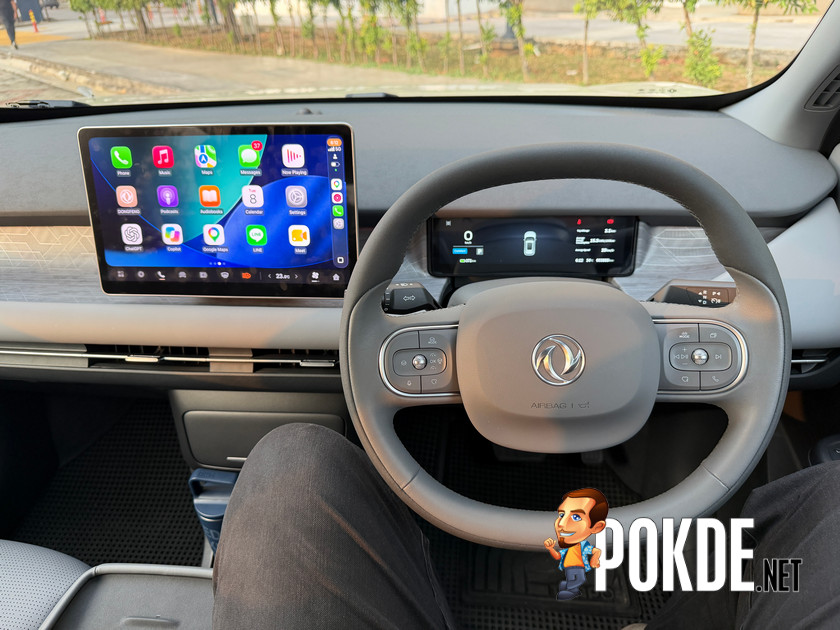
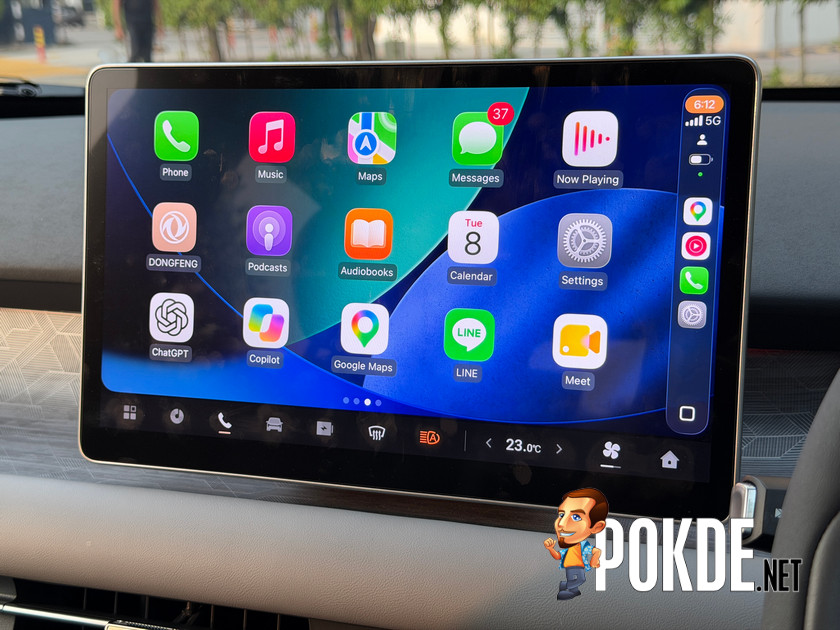
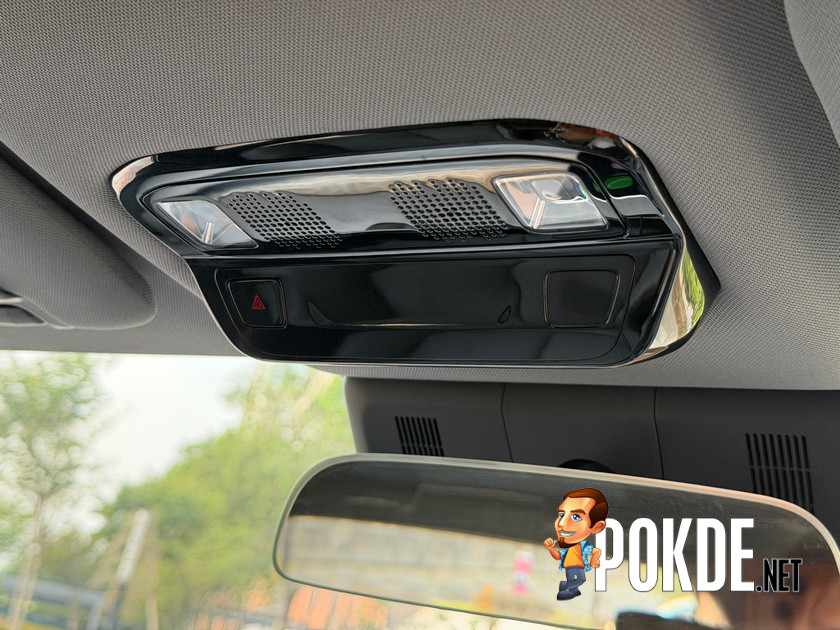
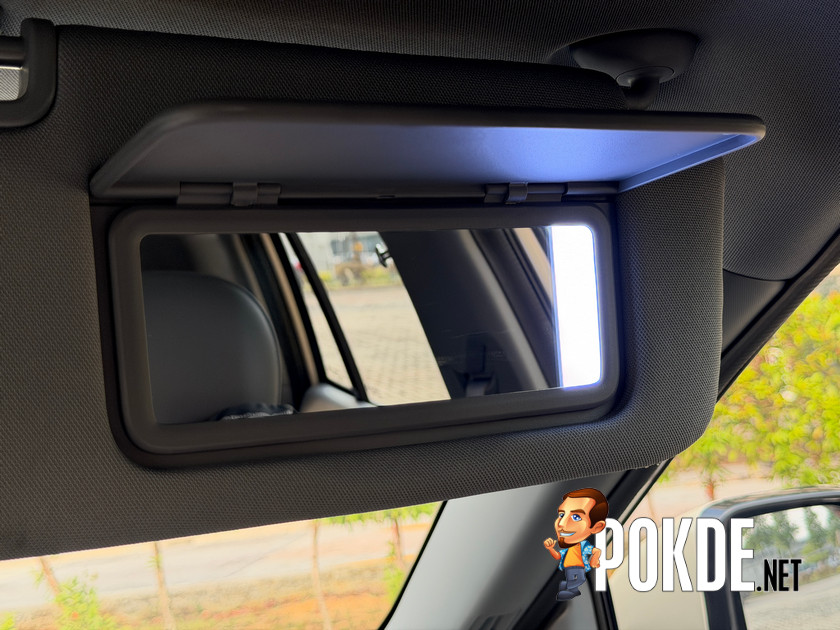

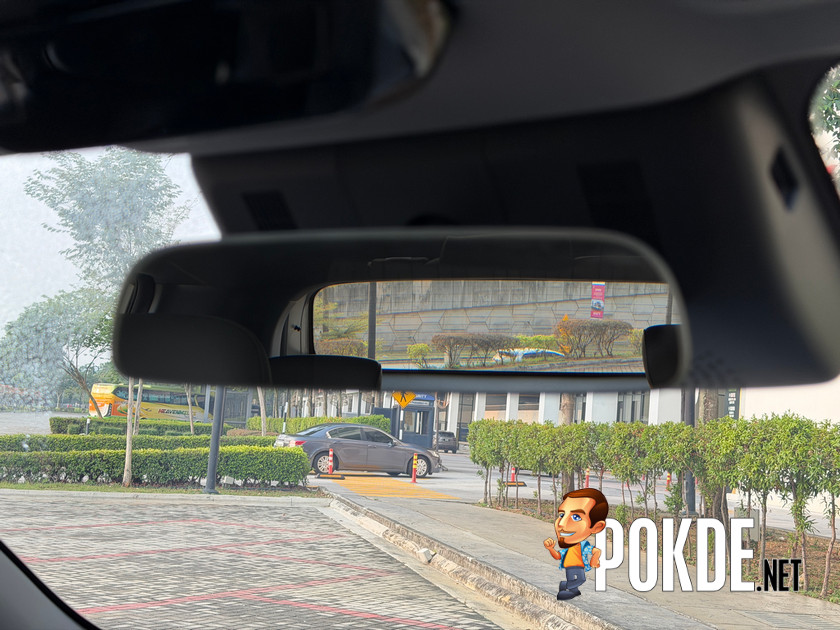
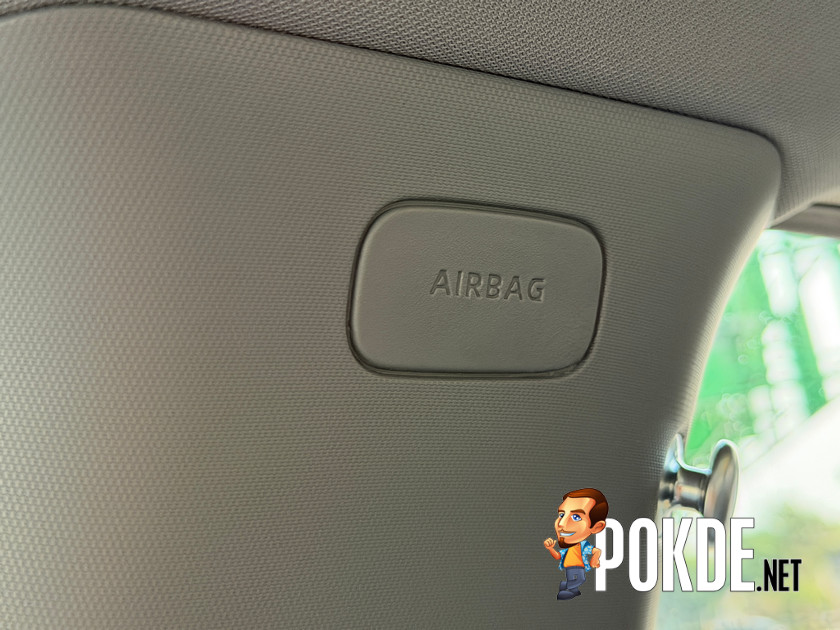
Inside, the cabin is more considered than the price would suggest. A 12.8-inch central touchscreen dominates the dashboard without blocking visibility, and the 128-color ambient lighting running through the cabin gives it a premium feel in the evenings. The leatherette seats are comfortable, and the front seats recline almost completely flat, to 175 degrees, which alongside the dedicated Nap Mode in the infotainment system suggests Dongfeng is serious about the lifestyle EV brief. Camp Mode keeps the climate running for overnight stays. An external speaker at the front of the car lets you project sound outside while parked, which will either delight or annoy your neighbours depending on when you use it.
The 2,715mm wheelbase earns its keep in the cabin. Rear legroom is genuinely generous for a car this size, and there is enough headroom for taller passengers even under the panoramic roof. Boot space measures 500 litres in standard configuration and opens up to 1,040 litres with the rear seats folded flat, with a deep underfloor well that adds usable hidden storage on top of that. The interior materials are a mix of leatherette and textured surfaces that feel appropriately placed, and lower trim plastics are harder but smoothed enough that nothing reads as visibly cheap.
Specifications
| Specification | Details |
|---|---|
| Motor Output | 120 kW / 161 PS |
| Torque | 230 Nm |
| Drivetrain | Front-Wheel Drive |
| 0-100 km/h | 9.5 seconds |
| Battery Type | LFP |
| Battery Capacity | 51.87 kWh |
| Range (CLTC) | Up to 471 km |
| Range (WLTP / Real-world estimate) | Up to 380 km |
| DC Fast Charging | Up to 167 kW (30%-80% in approx. 18 minutes) |
| AC Charging | 6.6 kW |
| Drive Modes | Normal / Sport |
| ADAS | Level 2 suite (Adaptive Cruise Control, Lane Keep Assist, Forward Collision Warning, others) |
| Tow Rating | 750 kg |
| Suspension | Front MacPherson Strut / Rear (independent) |
| Ground Clearance | 190mm |
| Dimensions | 4,306mm (L) x 1,868mm (W) x 1,645mm (H) |
| Wheelbase | 2,715mm |
| Kerb Weight | Approx. 1,572 kg |
| Boot Space | 500L (seats up) / 1,040L (seats folded) |
| Infotainment | 12.8-inch touchscreen, Wireless Apple CarPlay, Android Auto (wired) |
| Ambient Lighting | 128-color |
| Additional Features | 540-degree camera, 6 speakers, dual-zone climate control, front seat heating and ventilation, power driver seat with 4 memory positions, Nap Mode, Camp Mode, external front speaker, split tailgate, roof rails |
| Warranty | 6-year unlimited mileage (vehicle); 8-year unlimited mileage (powertrain and battery) |
| Colors | Canyon Orange, Mosswood Green, Cyber Black, Arctic White, Sandstone Beige, Titanium Silver |
| Price | RM108,888 (RM100,000 after discount) |
Energy Efficiency
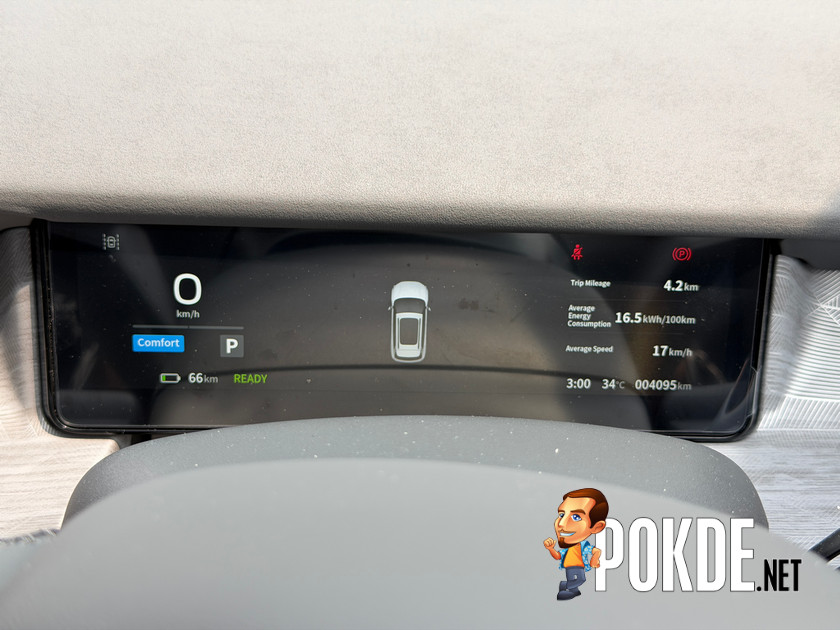
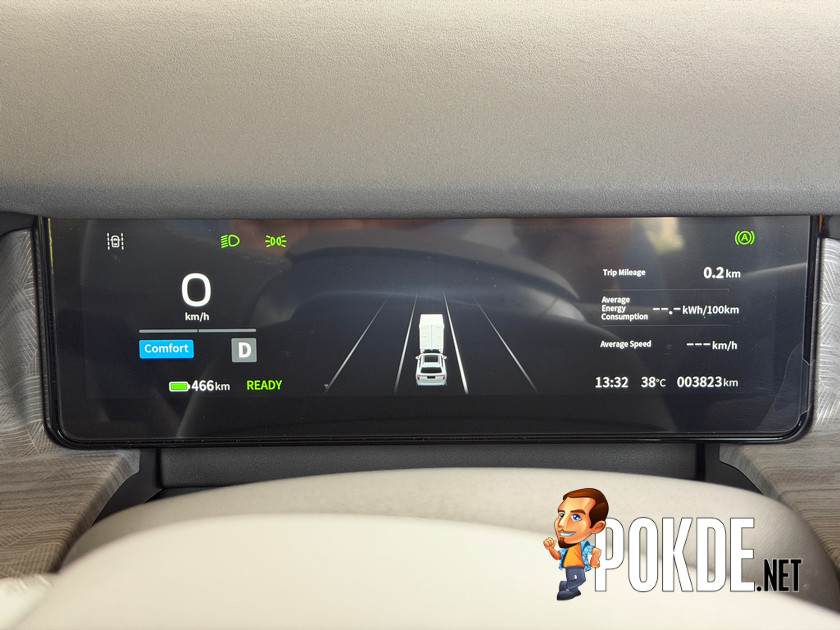
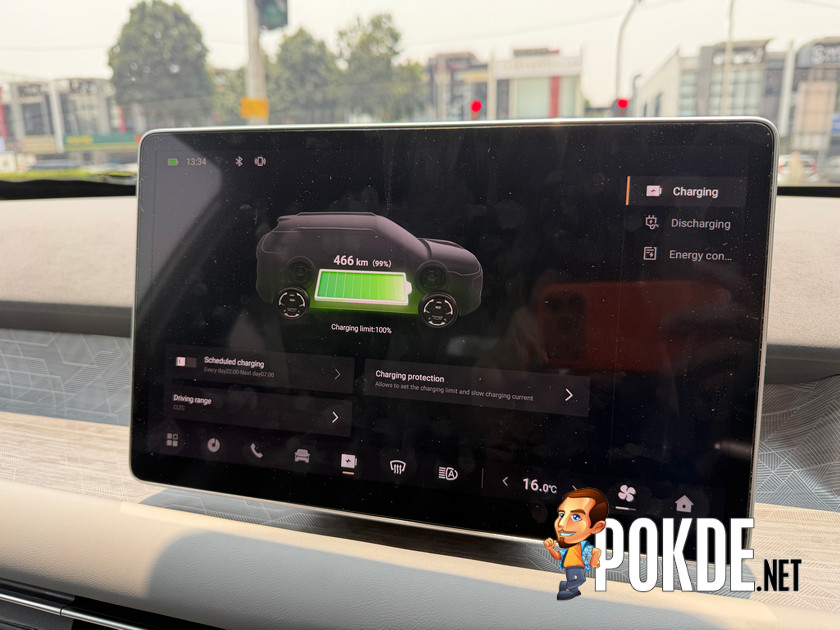
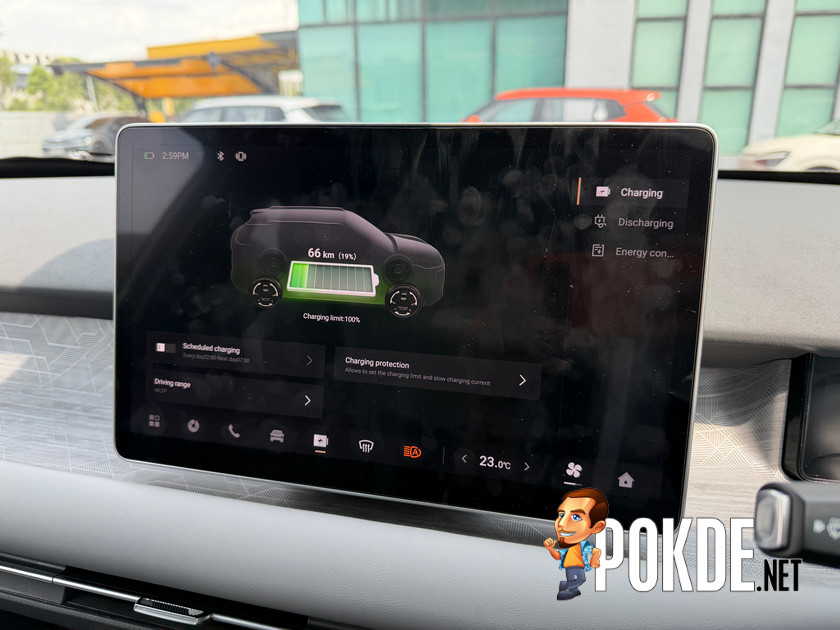
During our review period, we drove the Dongfeng VIGO for 272km in a 60/40 urban to highway mix, and used up 81% of its 51.87 kWh battery, which equals to 42.01 kWh. This means we got an energy efficiency of:

| Metric | Figure |
|---|---|
| Energy Efficiency | 6.4 km/kWh |
| Energy Consumption | 15.45 kWh/100km |
| Range Per 1% Battery | 3.36 km |
| Theoretical Full Charge Range | 336 km |
| Claimed WLTP Range | Up to 380 km |
While there are moments where I drove past 110 km/h, that’s purely for overtaking and one particular moment where I was getting a feel of its NVH. For the most part, I was limiting myself to 100 km/h on the highway. It’s not the most energy-efficient BEV that we’ve driven but it’s still pretty good. If I didn’t intentionally drive as fast as I did in those aforementioned moments, I believe it is capable of doing 350 to 360km per full charge, but 380km may be challenging to reach.
If this doesn’t sound like much, we’ve seen plenty of feedback from real owners of a BYD Atto 3 extended range (the earlier variants, not the newer Ultra models) with larger 60.48 kWh capacities reaching about the same range despite the claimed 420km WLTP range, though this one is slightly bigger and has more overall power. The Dongfeng VIGO can last slightly longer than the e.MAS 5 Premium (albeit that one is a hatchback with smaller battery and less power), and that’s more than enough if you have convenient access to an AC charger.
The Good
The Split Tailgate Is The Right Idea, Executed Well
There is no other car at RM100,000 that offers a split tailgate. The upper section opens for quick boot access in tight car parks. The lower section drops down into a 150kg-rated platform that works for loading groceries over the lip, sitting on while loading the car, or providing a staging area for weekend activities. It sounds like a gimmick until you have used it a few times, and then it becomes one of those features that makes other cars feel like they are missing something obvious. The boot itself offers 500 litres in standard form and 1,040 litres with the seats folded, which is substantial for a car of this footprint.
167 kW DC Fast Charging Is Genuinely Impressive For This Price
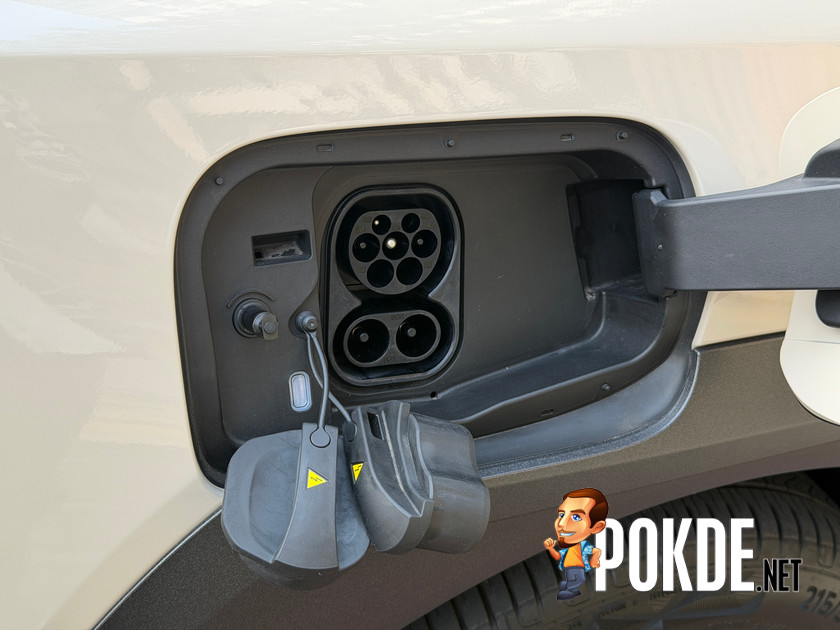
The Dongfeng VIGO supports DC fast charging at up to 167 kW, taking the battery from 30 to 80% in approximately 18 minutes. That number is more commonly associated with EVs costing considerably more, and it meaningfully changes the ownership conversation for anyone concerned about charging stops on longer drives. The AC charging at 6.6 kW is par for the course at this point and handles overnight home charging without any issues.
Interior Space And Lifestyle Features Punch Above The Class
The long wheelbase delivers rear legroom that embarrasses similarly priced cars from segments above this one. Moreover, it’s said to be extra spacious for a car of this size due to a clever combination of engineers pushing the wheels all the way out to the extreme four corners of the chassis and a concave interior door trim that curves outward into the frame door.
Apart from that, the front seats recline almost completely flat, Nap Mode and Camp Mode are actual features and not just naming exercises, and the 128-color ambient lighting gives the cabin a warmth and flexibility that most budget SUVs do not bother attempting. The 4-position memory for the power driver seat, dual-zone climate control, and driver seat heating / ventilation complete a comfort picture that reads more expensive than the sticker.
NVH is Surprisingly Good
One area that I wasn’t really expecting much given its body is the NVH. To my surprise, they have done an excellent job with the Dongfeng VIGO. At urban areas, it’s practically silent while on highways, both road and wind noise are well-managed. During those moments where I drove around 120km/h and more, it becomes more noticeable but still within reasonable levels. I hear more wind noise sitting inside a Honda HR-V eHEV and a Corolla Cross Hybrid. The softer suspension coupled with the rear torsion beam means going over potholes will result in a somewhat bouncy experience, though there are no loud thuds or any odd sounds from what I’ve experienced.
I thought road noise would be more apparent as I expected it to use Wanli Harmonic Plus, a set of tyres I’m not familiar with but as it turns out, our unit was fitted with a set of Continental UltraContact UC6 tyres instead, which is pretty good. Combine that with what the company claims to be 37 layers of sound insulation, you get a quiet ride that is uncommon at this price point. It would be nice if it used a multi-link suspension but as it is, I can’t complain with the results.
[Editor’s Note @ 5th September 2026] As it turns out, it does indeed come with Wanli Harmonic Plus tyres by default. To be precise, a set of SP022 215/55R18 Wanli Harmonic Plus 99V XL tyres. Our loan unit came with the Continental UltraContact UC6 as the default tires that it initially used became worn out after bringing it to Sepang for track day activities.
The Value Proposition Is Difficult To Argue Against
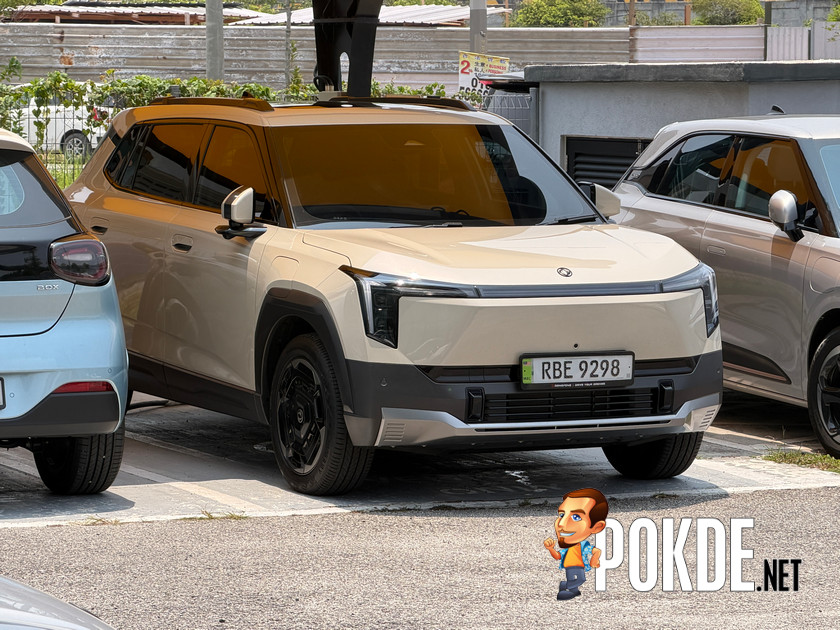
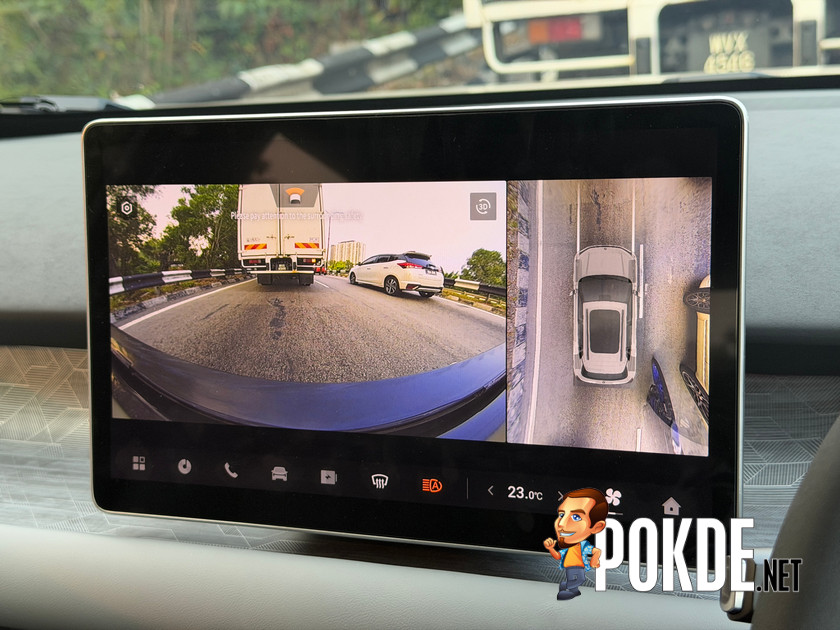
At RM100,000 on the launch price, the VIGO arrives with a 167 kW fast charging capability, a 500-litre boot with the split tailgate, C-segment interior space, a panoramic sunroof, Level 2 ADAS, 540-degree cameras (360 degree surround + 180 degree transparent chassis view), wireless Apple CarPlay, and a 6-year unlimited mileage vehicle warranty backed by 8 years on the battery. The split tailgate alone differentiates it from everything at this price point. For buyers who need a practical daily urban SUV with genuinely fast charging access, the VIGO makes an argument that is hard to dismiss on paper.
Speakers Are Decently Enjoyable
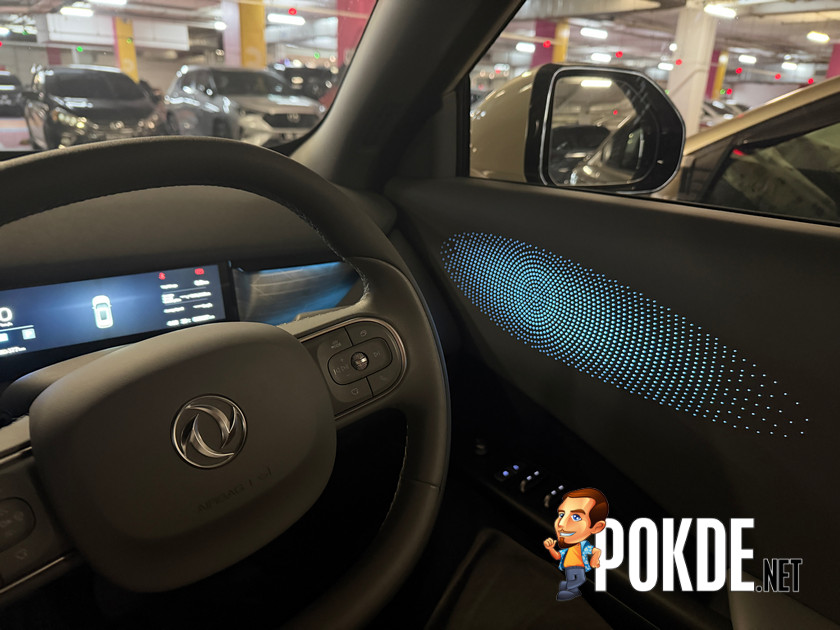
Unlike the more expensive 007, the Dongfeng VIGO has a more modest 6-speaker setup. While I expected it to sound disappointing, that was not the case at all. Sure, it’s not something that will satisfy audiophiles or bassheads but you do get a pretty decent overall sound. If I were to describe it, you get to enjoy clear mids and highs with a slight touch of bass to it. For those who are experiencing a more hollow sound profile, you will need to tinker with the equalizer a bit but generally speaking, I don’t foresee anyone (at least the ones who aren’t keen on aftermarket audio upgrades) complaining about it.
It’s worth pointing out that the external speaker can make for a pretty fun parlor trick, with the dogs barking being demonstrated to me on the day of me picking up the car. However, this is a novelty that would fade out fast if it isn’t already irrelevant to you from the start. But hey, it can make for a pretty decent conversation starter.
The Bad
The Chassis Is Built For City Driving And Does Not Pretend Otherwise
The VIGO’s suspension is calibrated very much on the soft side, which works well in urban stop-start driving and makes the car feel composed and comfortable over the kind of broken tarmac that makes up much of everyday Malaysian road conditions. The moment you take it onto a faster-moving road and ask it to handle corners at higher speeds, the soft setup runs out of control. Understeer arrives quickly and the body starts to move in ways that do not feel particularly settled. This is a car built around urban comfort, and it should be driven with that clearly in mind. It is not a criticism so much as a boundary that needs to be understood before signing.
The Steering Offers Accuracy Without Any Conversation
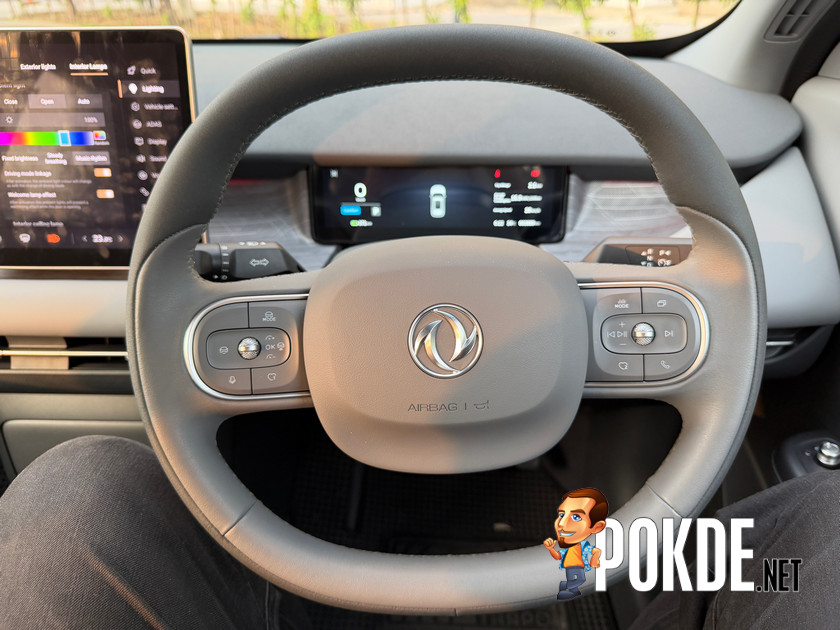
The electric power steering is light and accurate enough for urban driving and tight car parks, and in city traffic that character is appropriate. What it does not do is tell you anything about what the front wheels are in contact with. Sport mode adds a degree of weight to the steering, which provides a slightly more planted feel, but it does not add feedback. The VIGO gets you where you want to go without drama, and for buyers who want a calm, easy daily car that does not demand engagement, this will read as a feature rather than a flaw. Drivers who want the road to communicate through the wheel will feel the gap.
The Lane Keep Assist Needs To Be Disabled
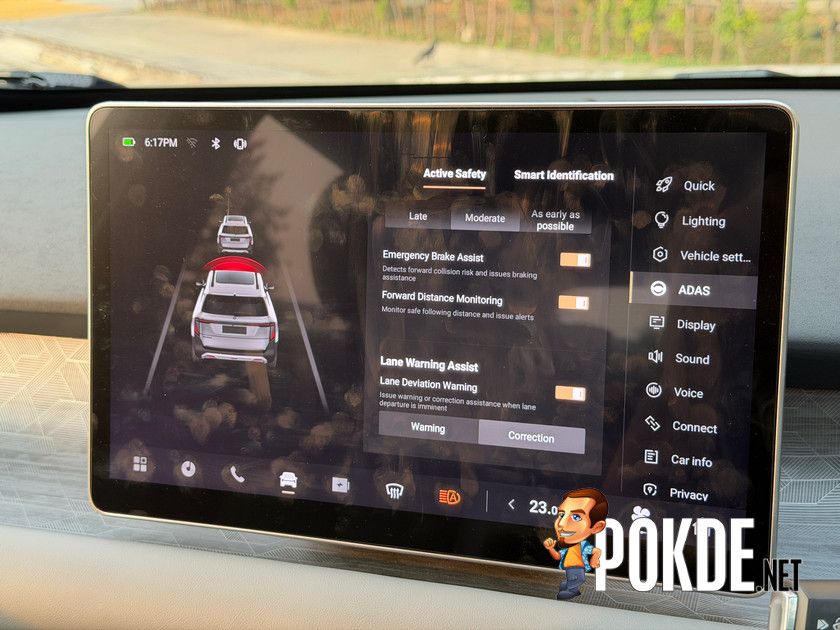
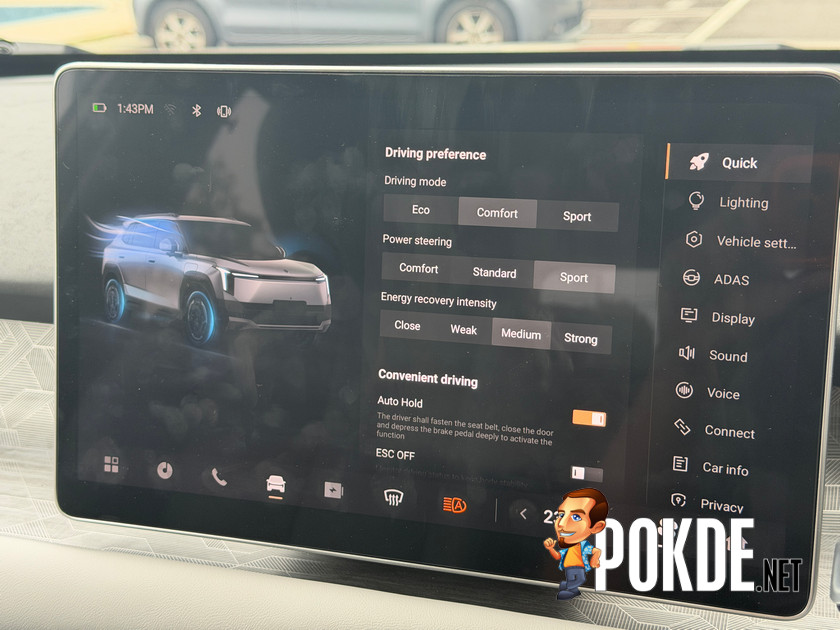
The lane keep assist system on our loan unit is the most persistent issue to report. Rather than keeping the car centred in its lane, it tends to pull toward the lane marking, and when it reaches it, it corrects sharply back in the opposite direction. The result on a straight highway section is an uncomfortable left-right oscillation that is distracting rather than helpful. The system defaults to on every time the car starts, which means it requires three touches of the screen to disable at the beginning of each drive.
This is the kind of issue that a software update can resolve, and Dongfeng is actively working on recalibrations. If it was a mild recorrection, it’s fine but the automatic correctional steer can feel rather sudden and aggressive, which is rather scary.
The Adaptive Cruise Calibration On Open Roads Needs Work
Related to the above, the adaptive cruise control works smoothly in slower city traffic and on open highway sections, but on roads with any curvature it sheds speed aggressively, sometimes washing off significantly more than the situation requires. For highway driving in Malaysia where lane changes and varying traffic speeds are constant, the system asks for more driver intervention than the best adaptive cruise implementations at this price point. Again, this is a software behaviour rather than a hardware limitation, and it is correctable, but it will be the first thing you notice on a longer drive.
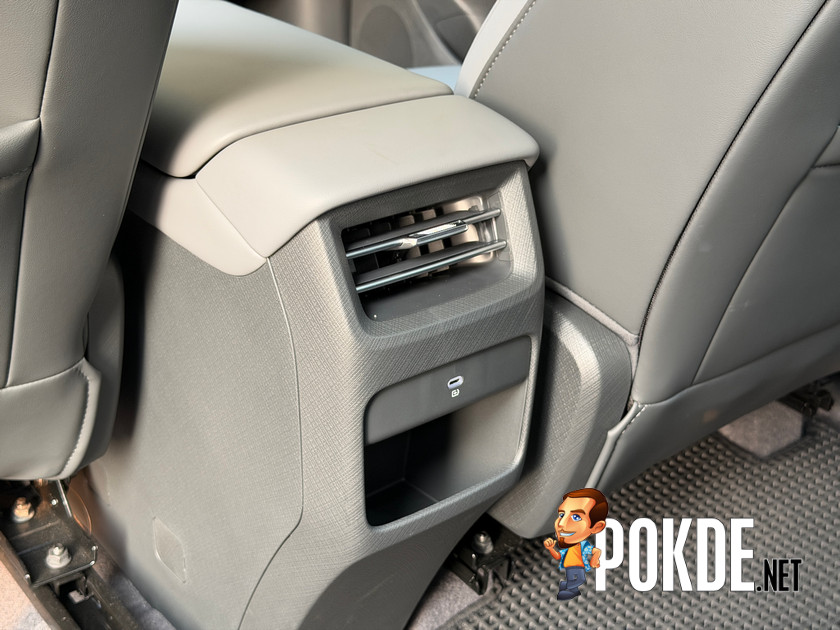
Rear Air Conditioner Only Has A Single Vent
While rear air conditioning vents have become rather common, this is one of those situations that might be better to have none for a specific kind of driver. I say that because there’s only a single rear air vent, so if you have 2 or 3 people sitting in the rear, they will have to fight for it or take turns. This is something I’m personally fine with as I don’t usually get to sit in the back of a car since I’m usually the designated driver, and in moment where I’m not, I’m usually forced to be the front passenger given my height (186cm).
On a personal level, I think it would make for a more fun ride to make some friends compete over the rear air conditioning vent but not everyone would have the luxury of enjoying this type of spectacle. For a growing family with kids, it’s not gonna be a fun thing to deal with.
No Wireless Android Auto
Apple CarPlay and Android Auto have been an important part of the in-car multimedia experience for a while now, so much so that it would be ridiculous for it to be absent in any new car in this day and age regardless of price. The Dongfeng VIGO supports both, but only Apple CarPlay gets the wireless experience while Android Auto is limited to wired only.
Apparently, this is due to licensing issues rather than the infotainment system being incapable of it. Unless a major update were to suddenly pop up, this will likely be the case for a long time. With that being said however, it’s not a complete lost cause as you can always opt for a wireless dongle that will allow you to use Android Auto wirelessly at the expense of a single USB port, and this will cost you about RM20 to RM50 depending on discounts.
No Mobile App, At Least Not Yet
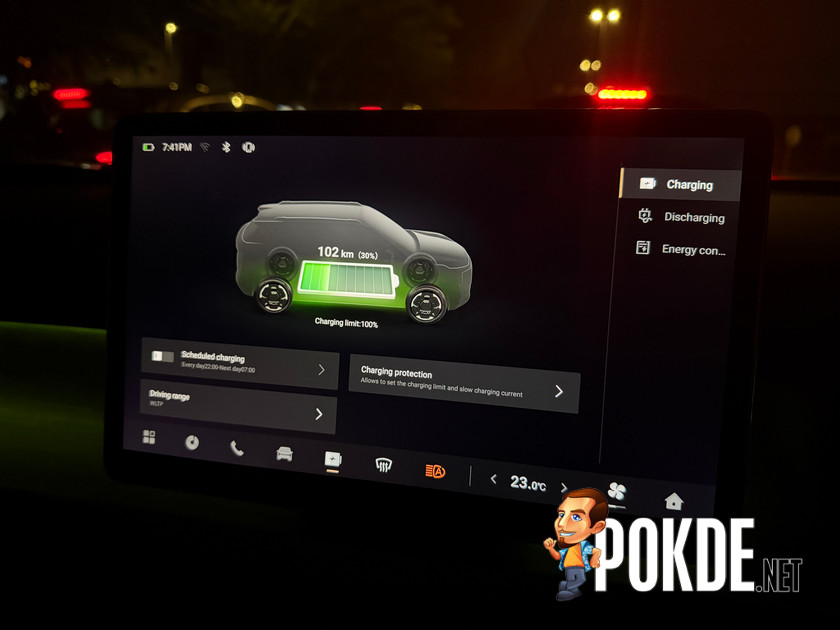
One of the best reasons to get an electric car these days is the ability, at least to some degree, to control the car using your smartphone. If you’re considering the Dongfeng VIGO, you’re likely considering BYD’s Atto 3 and Atto 2, along with MG’s S5 EV. While I can see why people might lean towards the VIGO, the one weakness it has is the lack of a dedicated mobile app for it.
This means you can’t easily access the vehicle’s health, check the battery / charging status, GPS tracking, have any kind of digital key to access the car without the keyfob, and precondition the car before you hop into it. The latter is probably the one thing people in Malaysia would truly appreciate given how hot the weather is here, and turning the air conditioner for a few minutes could make a huge difference. Hopefully this is something we will eventually see with Dongfeng cars here in this country.
Dongfeng VIGO Verdict
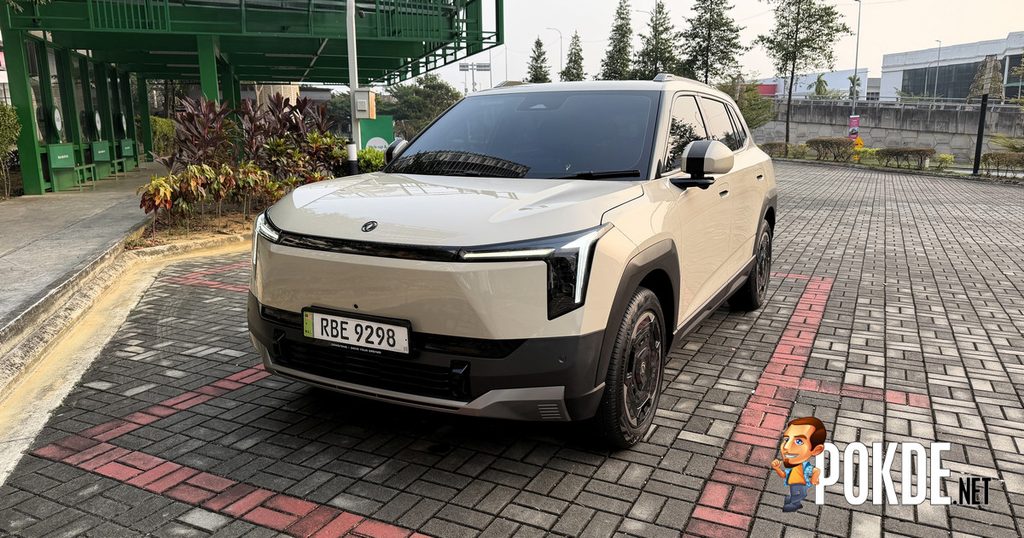
The Dongfeng VIGO is a car that is considerably more interesting in person than its price suggests, and it has genuine ideas of its own rather than simply copying what the segment expects. The split tailgate is a genuinely useful feature that nothing at this price offers. The 167 kW DC fast charging rate is class-leading. The interior space and lifestyle features give it a personality that makes it memorable to spend time with. And the value case at RM100,000 on the launch price is difficult to argue against for a buyer whose primary use is urban daily driving with occasional longer runs.
What it asks in return is an honest acknowledgement of its limits. The chassis is a city chassis, the steering has accuracy without communication, the lane keep assist requires a manual disable at every start until DongFeng updates the calibration. These are not reasons to dismiss the car, but they are things a buyer should know before the first highway drive reveals them without warning. While it’s meant to fight against the likes of the Atto 2, its size and its spaciousness feels like it’s competing more with the Atto 3, albeit the latter is the faster option if speed is what matters to you.
With that in mind, the Dongfeng VIGO earns our Silver Pokdeward, and it’s currently in my consideration of a BEV I might upgrade to.

Big thanks to Volt Auto Malaysia and Dongfeng Cars Malaysia Kota Damansara for loaning us this car for the purpose of this review.