
- Unboxing the HONOR Magic9 Pro Max
- Walkaround
- Specifications
- Performance
- Camera
- The Good
- A Practical Workflow With Built-In Looks and an ARRI Interface
- A Design That Stands Out and a Display That Delivers
- A Clean, Familiar Software Experience
- The Bad
- The Camera Button and Slippery Sides Are Annoying
- AI Features Are More Novelty Than Utility, and Zoom Gets Overenthusiastic
- A High Price and Accessories That Cost Extra
- HONOR Magic9 Pro Max Verdict
Offer price: 5999
Currency: MYR
-
Appearance - 8.5/108.5/10
-
Efficiency - 9/109/10
-
Features - 8/108/10
-
Materials - 8.5/108.5/10
-
Performance - 7.5/107.5/10
-
Portability - 8/108/10
-
User Experience (UX) - 8/108/10
-
Value - 8/108/10
Summary
The HONOR Magic9 Pro Max is a rather interesting flagship smartphone, though its biggest appeal hits content creators more than anyone else. However, that doesn’t mean that your average consumer won’t be able to have a good time with it.
Overall
8.2/10Pros
- Snapdragon 8 Elite Extreme Gen 6 has more than enough firepower for most users
- Best thermals for a recent Android flagship that we’ve tested thus far
- Excellent Main and Telephoto Cameras With Strong Stabilisation
- A Design That Stands Out and a Display That Delivers
- Big Battery and Fast Charging, With the Charger in the Box
- A Clean, Familiar Software Experience
Cons
- ARRI Cinema Mode Is Limited to the Main and Telephoto Cameras
- Enhanced Stabilisation Comes With a Noticeable Crop
- The Ultra-Wide Camera Falls Short of the Rest
- Regular Video and Stills Do Not Match the ARRI Look
- The Camera Button and Slippery Sides Are Annoying
- AI Features Are More Novelty Than Utility, and Zoom Gets Overenthusiastic
- A High Price and Accessories That Cost Extra
Unboxing the HONOR Magic9 Pro Max
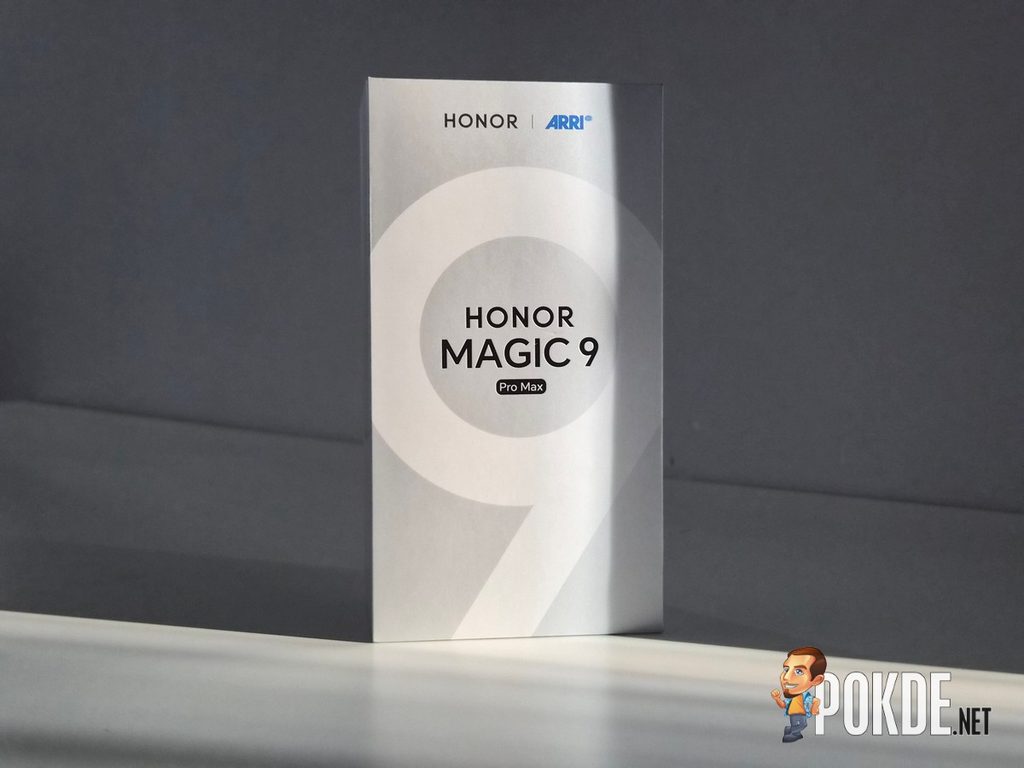
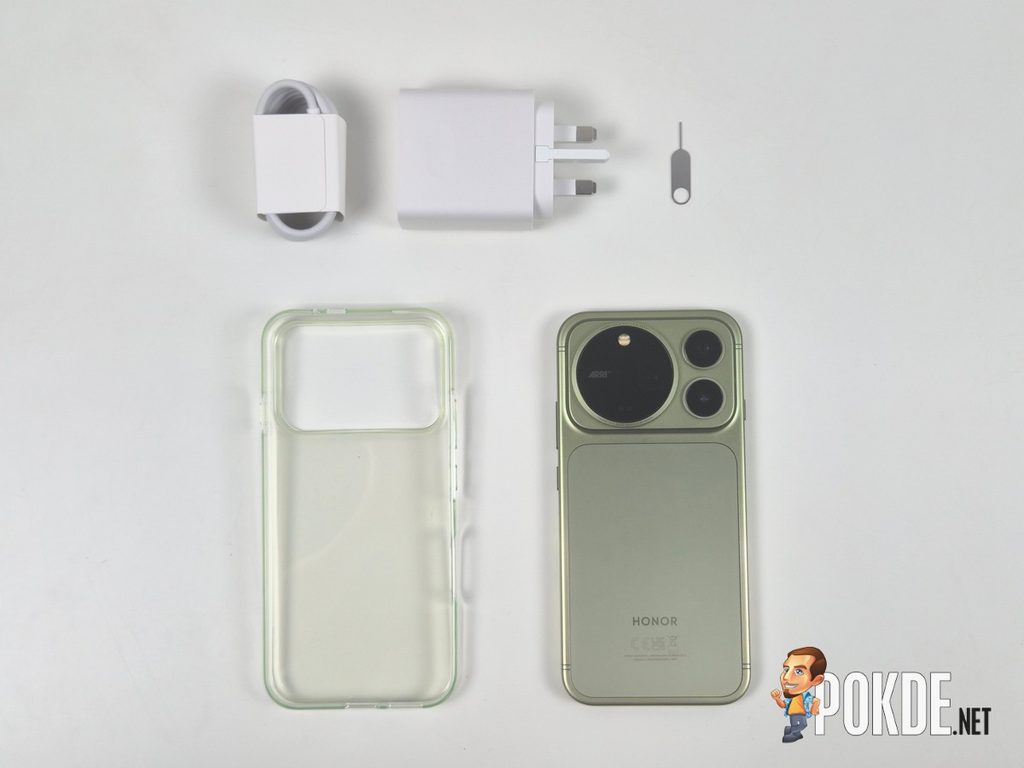
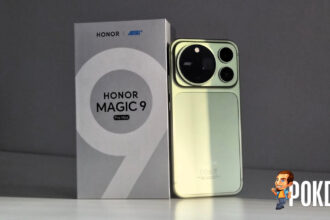
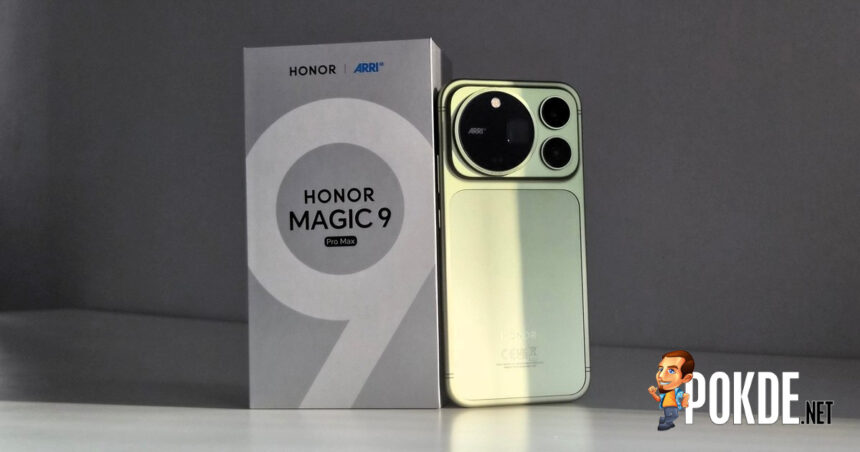
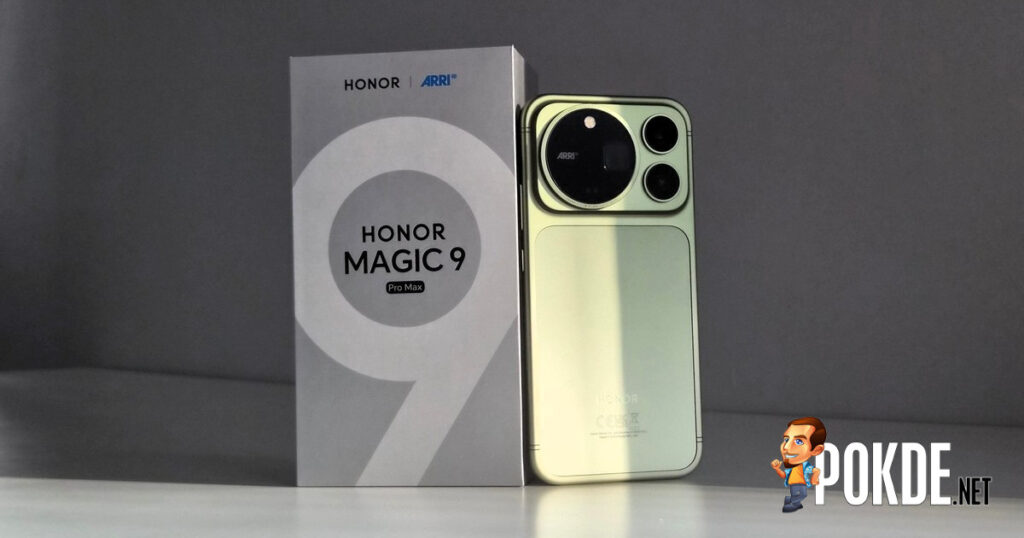
The HONOR Magic9 Pro Max skips the usual black slab for a taller, more industrial-looking two-piece box. The lid is a matte, brushed silver-gray with a large, faint circular “9” motif across the centre. The “HONOR | ARRI” badge and model name sit on it in dark metallic lettering, and lifting it reveals a stark white inner tray. The muted gray-and-white palette feels closer to professional camera gear packaging than a typical phone box, which suits the ARRI partnership.
The box is also chunkier than most flagship packaging, because HONOR still includes a 100W charger and a protective case in Malaysian retail units. Inside you get the phone, the aforementioned 100W HONOR SuperCharge charger, a USB-C cable, a TPU protective cover, a SIM ejector tool, and the usual documentations. Our review unit is in Mossy Green, with Shadow Black and Glacier Silver also available as options.
Walkaround
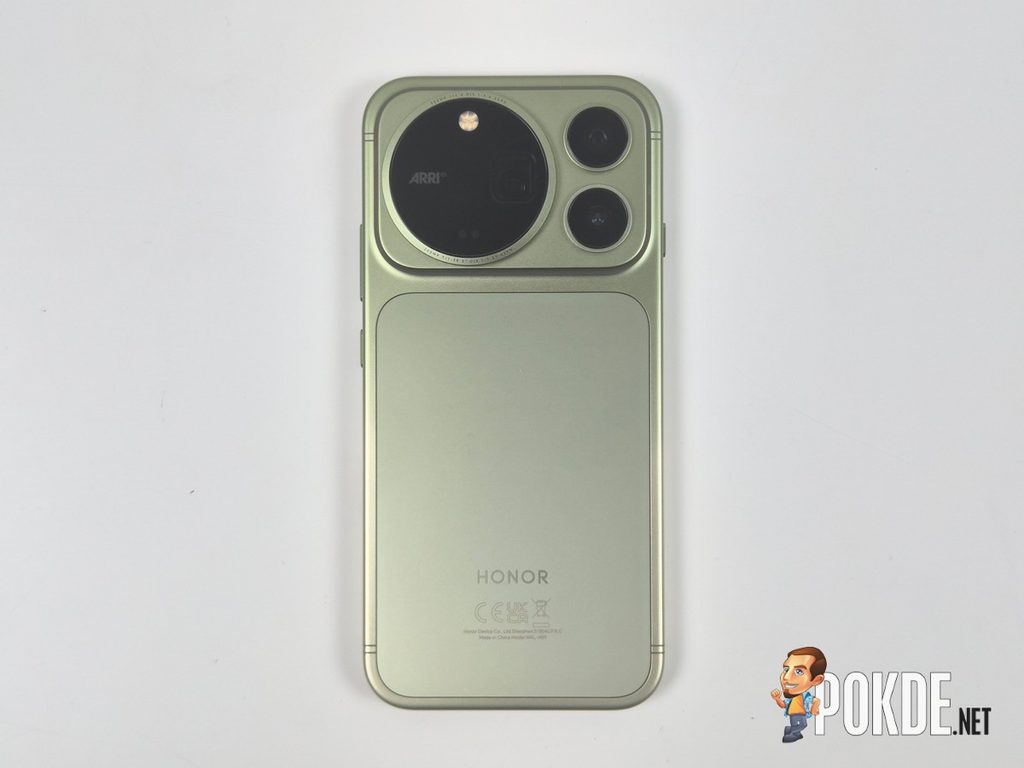
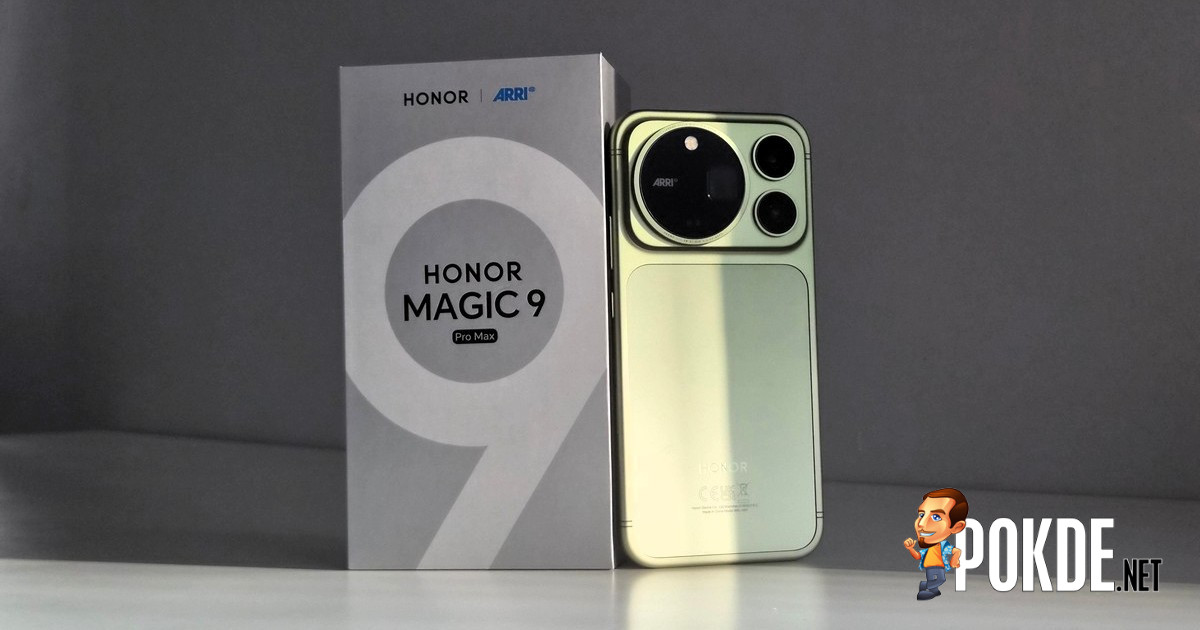
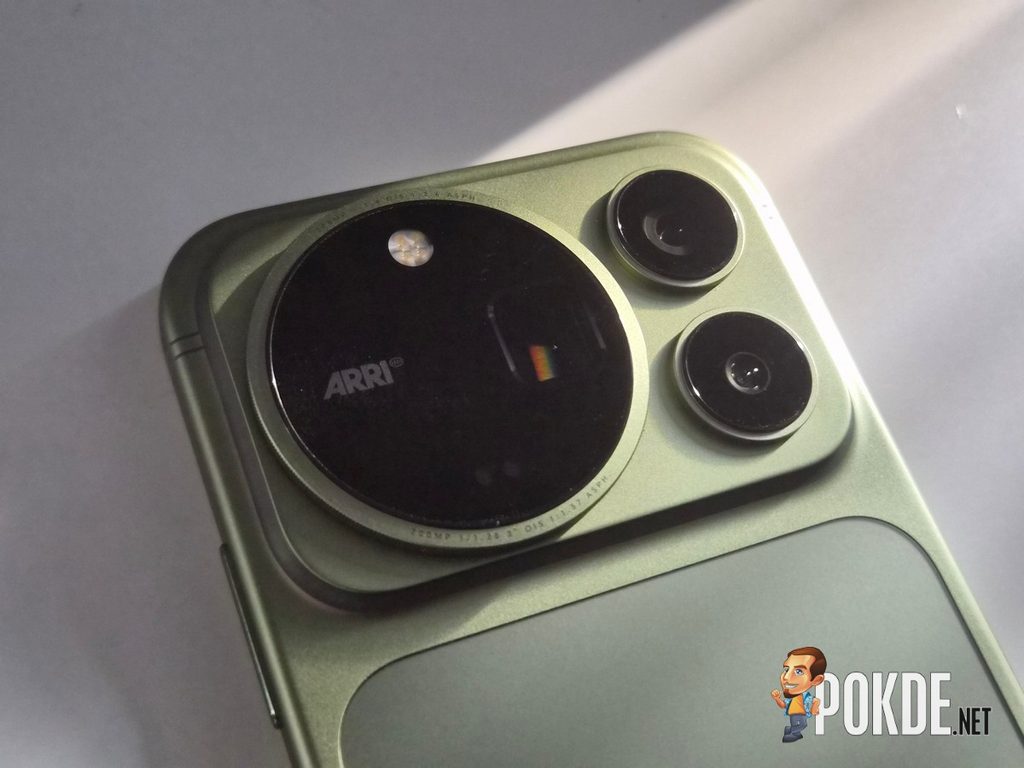
The HONOR Magic9 Pro Max is a good-looking phone. The Mossy Green of our unit is lovely, and there is a suede-like richness to it that the more conventional black and silver options will not give you. The camera cutout and plateau on the back are a little iPhone-esque, but HONOR has done something more interesting with the lens layout. The three cameras are arranged to resemble the triple-lens turret of the original ARRIFLEX 35 film camera from 1937, complete with a textured metal ring around the main lens. Camera islands have grown enormous on modern phones, and this is one of the few that looks deliberate rather than imposed.
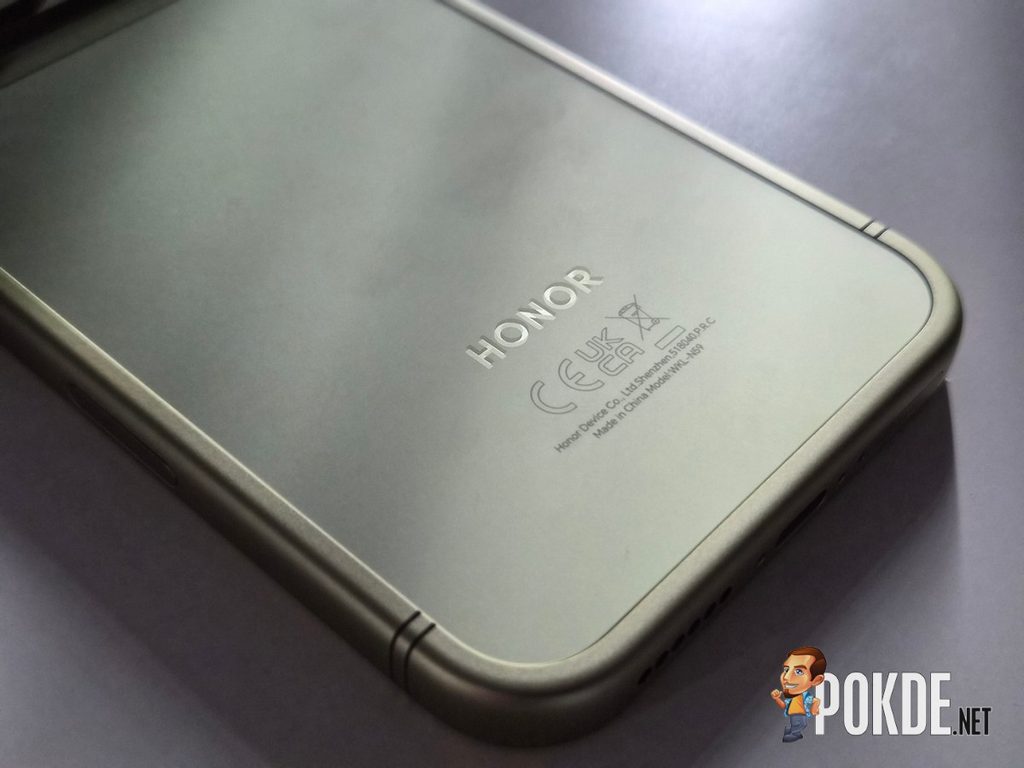
The all-metal unibody feels premium, and at 233g it is not a light phone. The weight is nicely distributed, so it feels balanced in hand. My one complaint is that the smooth metal sides are a little too rounded, which makes the phone slippery without a case. Fortunately, a TPU protective cover is included in the box.
HONOR has kept the dedicated camera button, with a dedicated AI button on the opposite side. Both can be reassigned to other shortcuts. I appreciate having a physical way to launch the camera, but sliding a finger along the side to adjust settings is fiddly and imprecise compared to using the on-screen controls. The phone is rated IP68, IP69, and IP69K for dust and water resistance, and the screen is protected by HONOR’s latest Anti-Scratch NanoCrystal Shield glass.
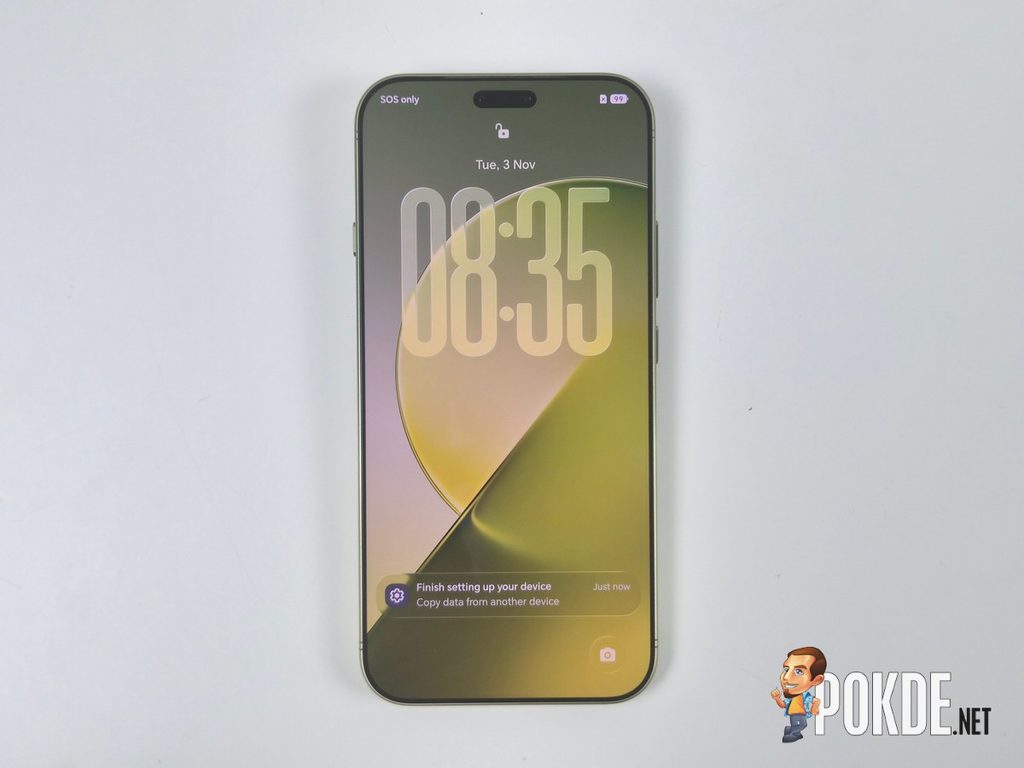
The 6.8-inch OLED display is excellent. The 2868 x 1320 resolution is sharp, and colours look very good without being oversaturated, which matters on a phone whose biggest selling point is its colour science. You can tune the colour temperature to match a monitor or laptop screen, which is useful if the phone is part of a wider video workflow. HONOR also continues to take eye comfort seriously, with 4,320Hz PWM dimming and low blue light options, and it remains one of the few Android brands offering dedicated 3D face unlock hardware.
For serious filmmakers, HONOR offers an optional SmallRig video cage with handles, accessory mounts, filter support, and a built-in cooling fan, plus two optical teleconverters that extend the reach of the cameras to 200mm and 500mm. I did not test any of these accessories.


Specifications
Performance

The HONOR Magic9 Pro Max takes the AnTuTu crown with 4,065,000 points, about 3% ahead of the realme GT 8 Pro (3,947,844) and nearly 15% ahead of the iPhone 18 Pro Max (3,537,170). The breakdown is more interesting than the total though. The GPU score of 1,733,573 is the highest here by a mile, about 21% above the realme, and it also leads in Memory. However, it actually trails the realme in CPU (1,069,615 vs 1,137,647) and falls well behind in UX (704,117 vs 874,937), where even the iPhone and the Xiaomi 17 Ultra edge it out. In other words, the GPU is doing most of the heavy lifting for that top spot.
This is where the “Extreme” in Snapdragon 8 Elite Extreme Gen 6 starts to feel a little optimistic. Despite prime cores rated at up to 5.01GHz, the Magic9 Pro Max manages 9,605 in multi-core and 3,447 in single-core, which lands it 5th out of 7. That’s about 14.5% behind the Samsung Galaxy S26 Ultra and 7.7% behind the realme GT 8 Pro, both of which run last year’s Snapdragon 8 Elite Gen 5. The iPhone 18 Pro Max stays comfortably out of reach at 12,801 and 4,741. It still beats the POCO F8 Pro and the HONOR 600 Pro, but on this showing, it looks like HONOR has tuned the CPU for efficiency rather than chasing peak scores.
The 3DMark results paint a much rosier picture, and the heavier the workload, the better the Magic9 Pro Max looks. In Wild Life Unlimited it scores 27,889, which is 4th and basically tied with the Xiaomi 17 Ultra. But it climbs to second behind only the iPhone 18 Pro Max in Wild Life Extreme Unlimited (7,856) and Steel Nomad Light (3,342), where it beats the realme GT 8 Pro by 6.6% and 21.5% respectively.
Ray tracing is a similar story; 14,387 in Solar Bay puts it second, and 1,789 in Solar Bay Extreme is about 35% ahead of the next best Android phone, although the iPhone’s 3,077 is still in a different league. Sustained performance is where it really stands out among the Androids.
Its 73.0% stability rating is the best of the Android pack, with the iPhone’s 99.9% coming with the caveat that it’s capped at 60fps. In Wild Life, it drops from 23,312 to around 17,000 by the fourth run and then barely moves for the remaining 16 runs, which is exactly the kind of predictable behaviour you want for long gaming sessions. The heavier Wild Life Unlimited loop is less kind, stepping down to 18,840 for a 64.0% rating, but it’s still a far cry from the realme GT 8 Pro, which posts a higher peak and then collapses to a 28.3% stability rating.
GPUScore Sacred Path is the odd one out. The HONOR Magic9 Pro Max’s Official score of 3,287 is third, but only by a hair over the Xiaomi 17 Ultra (3,279), and a long way behind the realme GT 8 Pro (4,757) and the iPhone 18 Pro Max (5,058). The Native score of 3,014 is actually the lowest of the bunch, behind even the HONOR 600 Pro and POCO F8 Pro on the older Snapdragon 8 Elite. The VRS score (3,015) is practically identical to Native, so enabling VRS doesn’t buy it anything, whereas the realme and Xiaomi both scale up nicely. Given how well the phone does in 3DMark, this looks more like immature GPU drivers or software tuning for a brand-new chip than a lack of raw power, and it’s something an update could fix. For now though, it’s a weak result.
PCMark Work 3.0 continues the trend we saw in Geekbench. The Magic9 Pro Max scores 17,740, which is 5th out of 6 and only ahead of the Xiaomi 17 Ultra (16308). The realme GT 8 Pro runs away with it at 28897, and even the HONOR 600 Pro with the older Snapdragon 8 Elite scores about 12% higher. Since PCMark Work simulates everyday tasks like browsing, writing and photo editing, it rewards phones that ramp up their clocks aggressively, and HONOR clearly doesn’t. In practice, I’d be surprised if anyone could actually feel the difference while scrolling through social media, and the flip side of this conservative tuning is that chart-topping battery life.
In day-to-day use, the Snapdragon 8 Elite Extreme Gen 6 paired with 12GB of RAM feels suitably speedy. The software runs MagicOS 11 on Android 17, which is clean, well laid out, and easy to navigate. It is also one of the easier Android skins to pick up if you are switching from an iPhone, thanks to its iOS-inspired liquid and frosted glass effects. There is plenty of room to customise the home screen with widgets and expandable app folders, and you can change the interface scale, text size, and even the font.
The 8,000mAh silicon-carbon battery does exactly what you’d hope it does. The HONOR Magic9 Pro Max lasted 1,139 minutes in the PCMark battery test, which works out to almost 19 hours, and that puts it at the top of the chart. It finished 90 minutes ahead of the HONOR 600 Pro (1,049 minutes) and 95 minutes ahead of the Xiaomi 17 Ultra (1,044 minutes). Before we hand out medals though, keep in mind that much of this comes down to sheer capacity rather than efficiency. Per mAh, it’s roughly on par with the POCO F8 Pro, while the Samsung Galaxy S26 Ultra squeezes about 35% more runtime out of each mAh from a 5000mAh cell. Still, nobody buys a phone for its minutes-per-mAh figure, and if you just want the phone that lasts the longest, this is it.
As for charging speed, this is what we managed to get using our 160W UGREEN GaN charger from 2% battery life:
- 15 minutes = 35% battery life
- 30 minutes = 63% battery life
- Full charge = 57 minutes
Camera
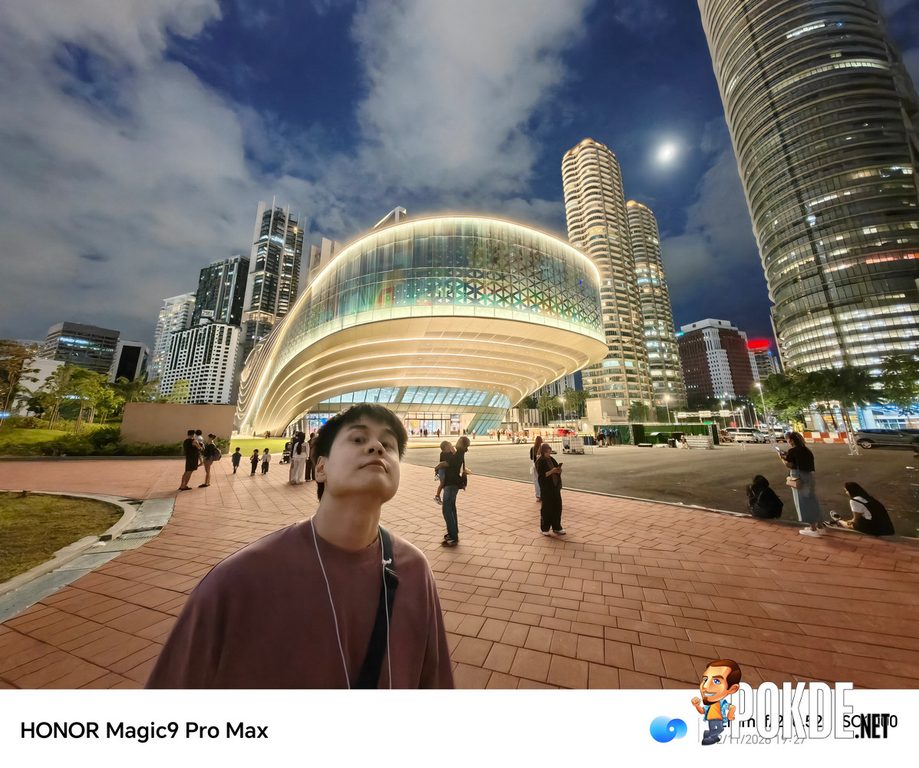
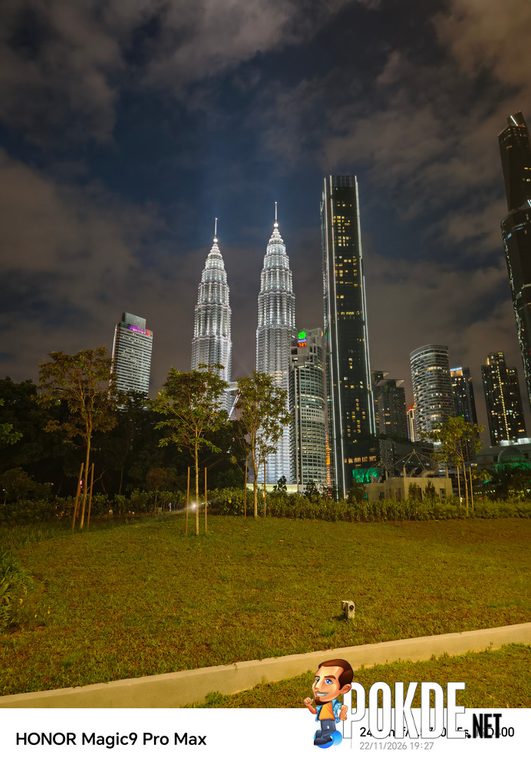
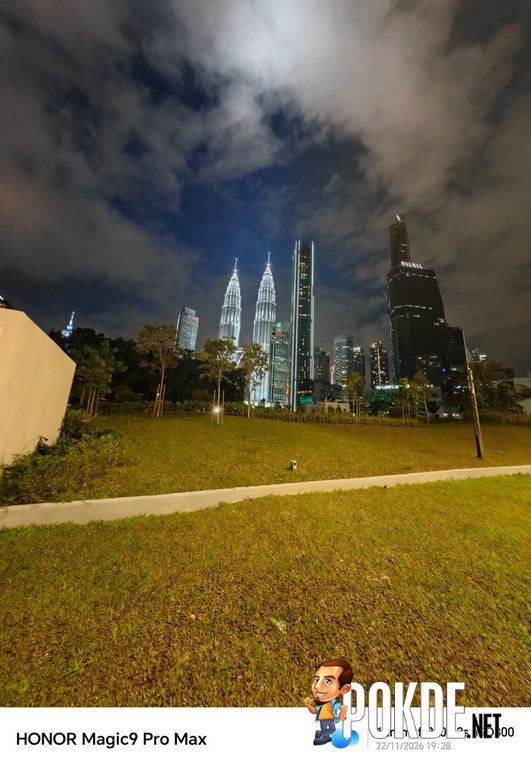
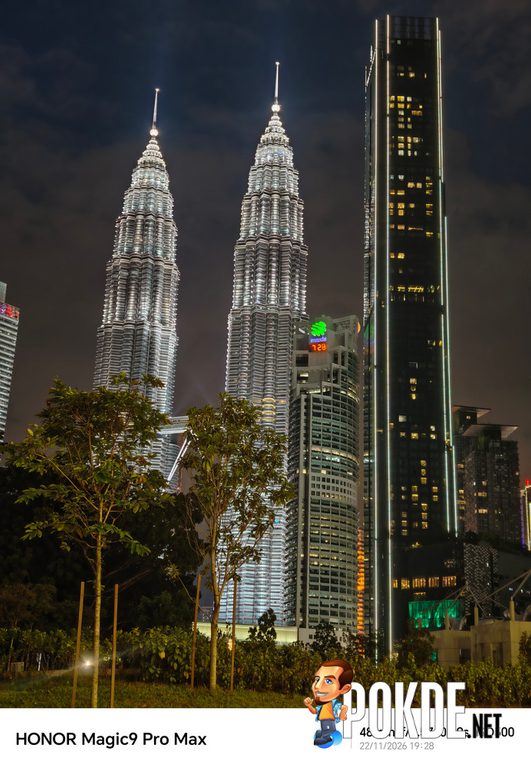
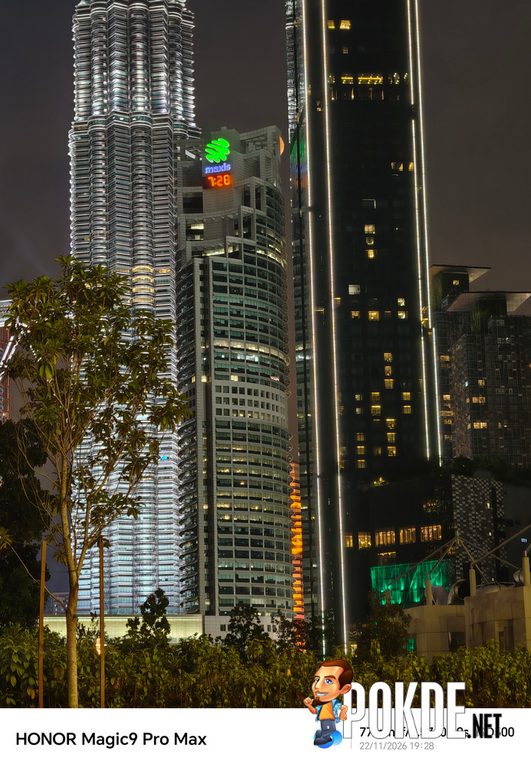
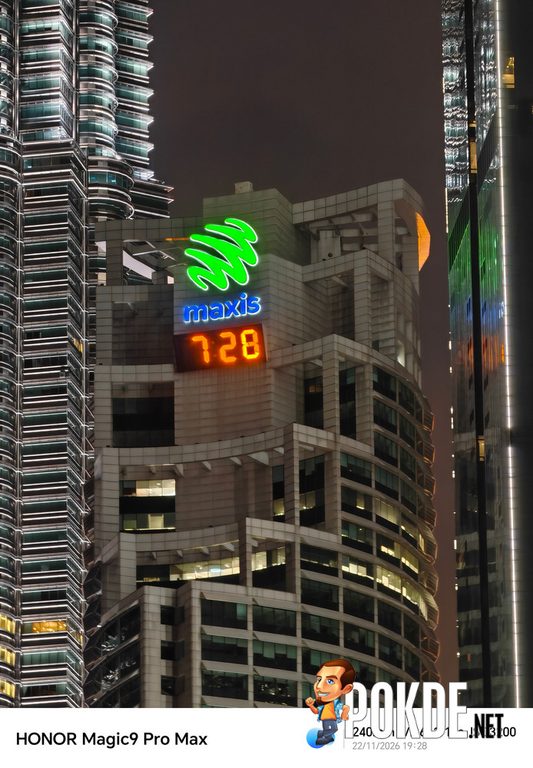
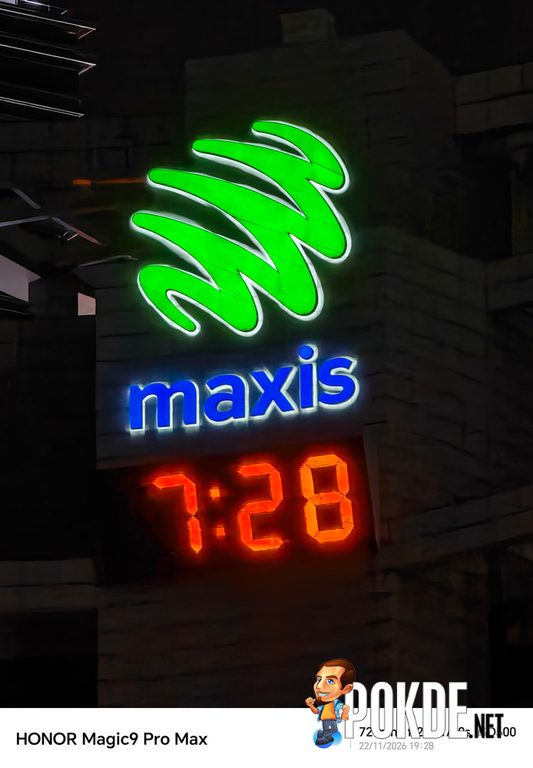
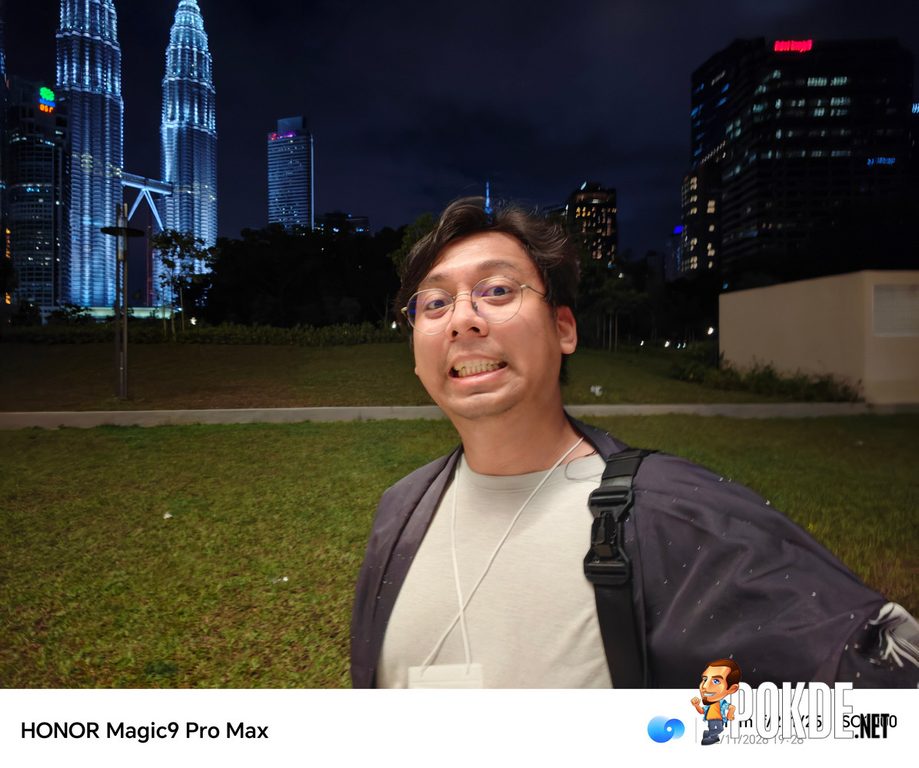

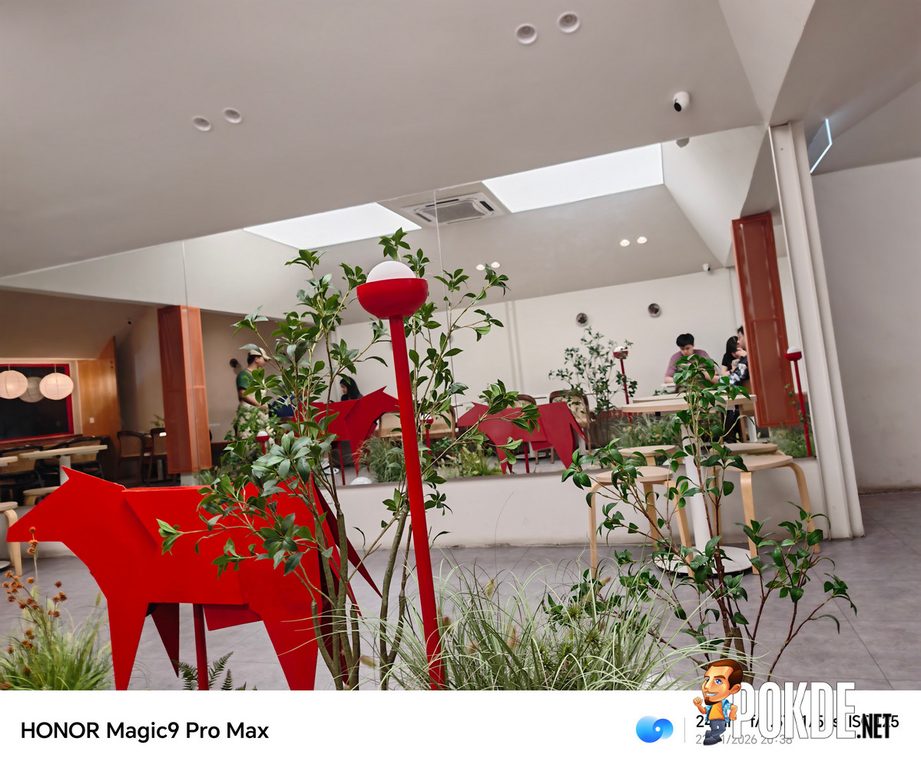
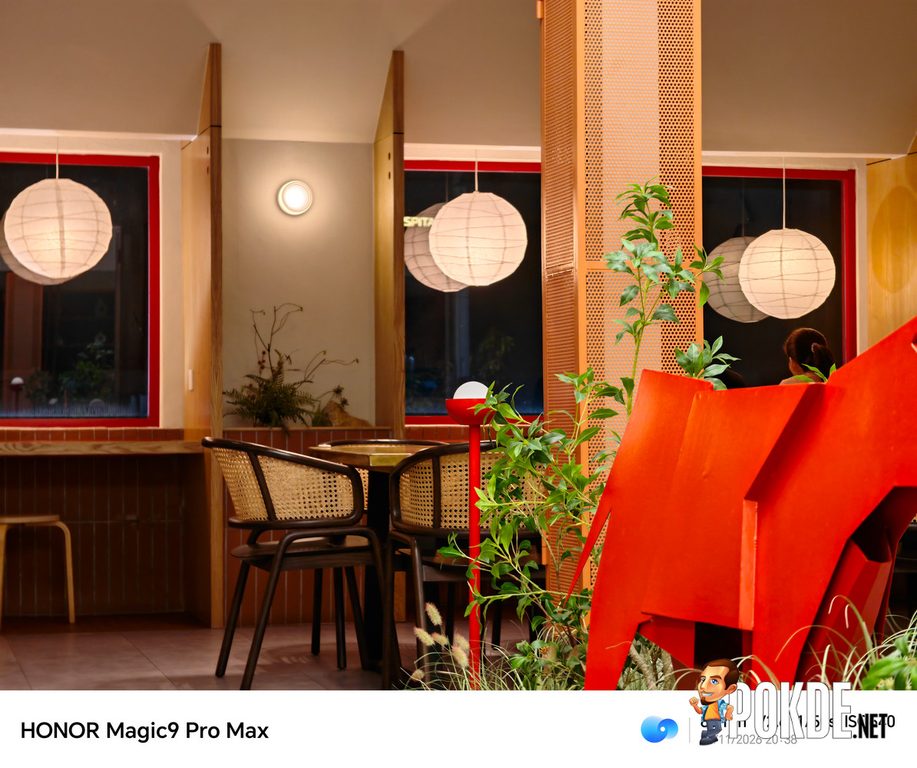
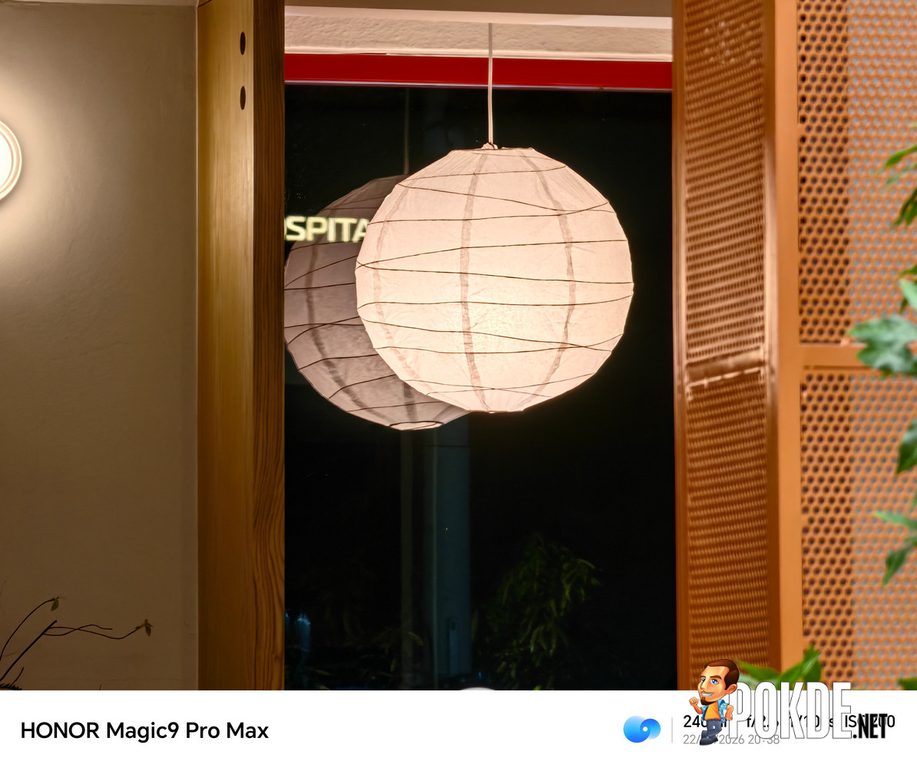
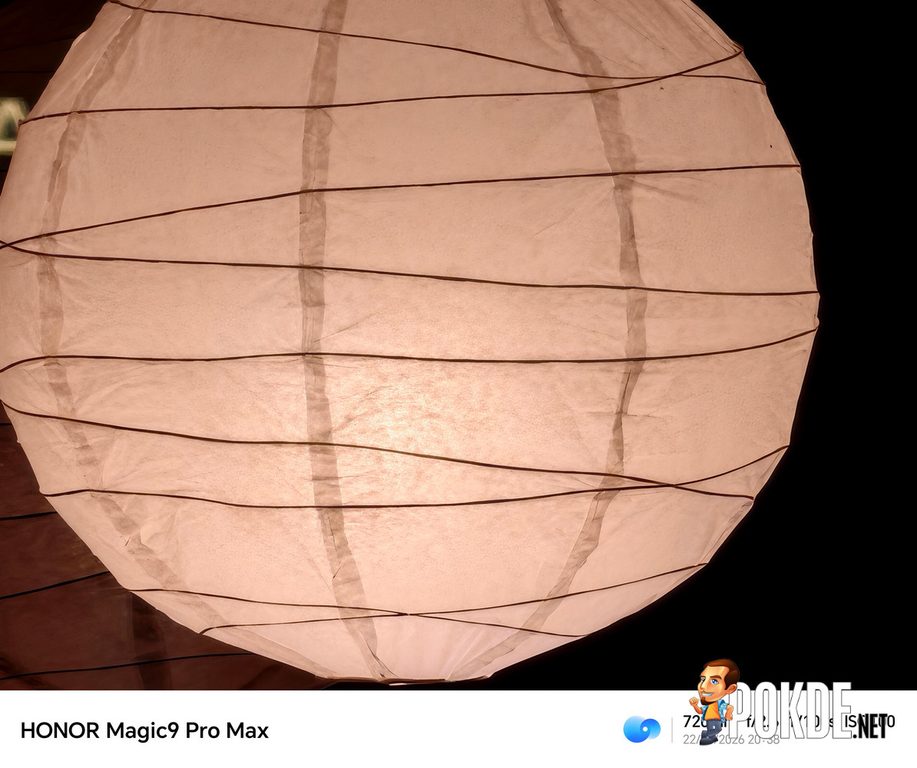
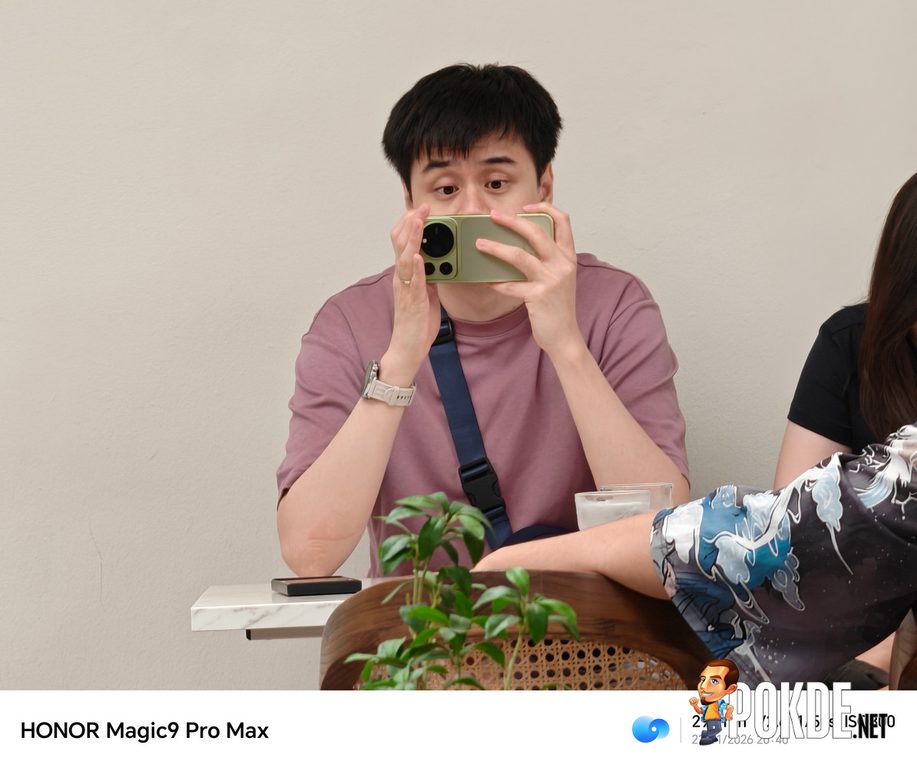





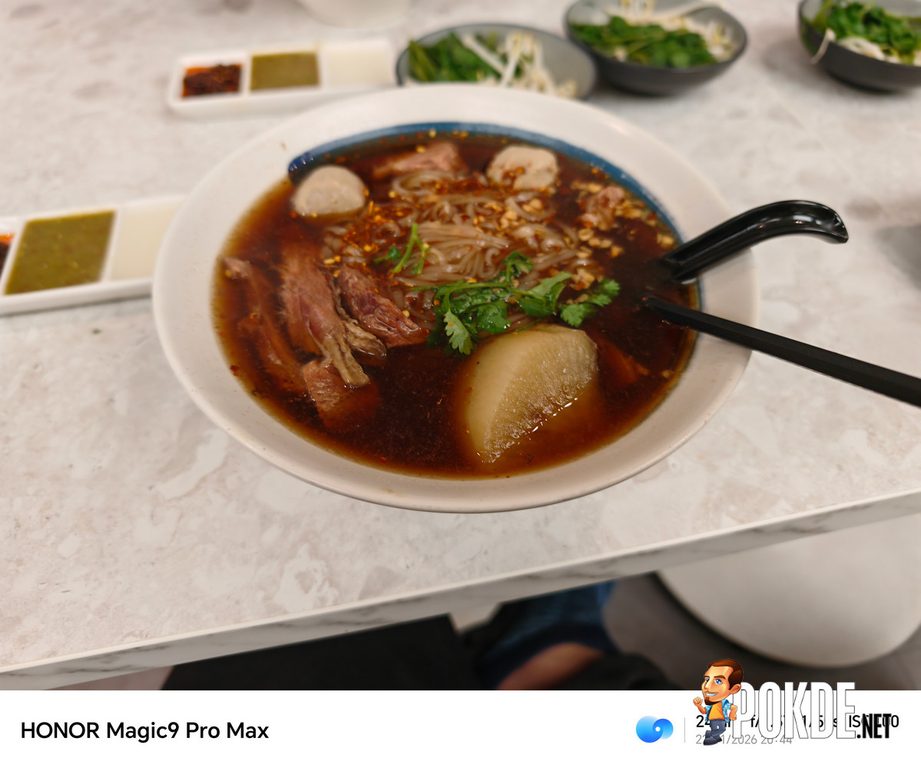
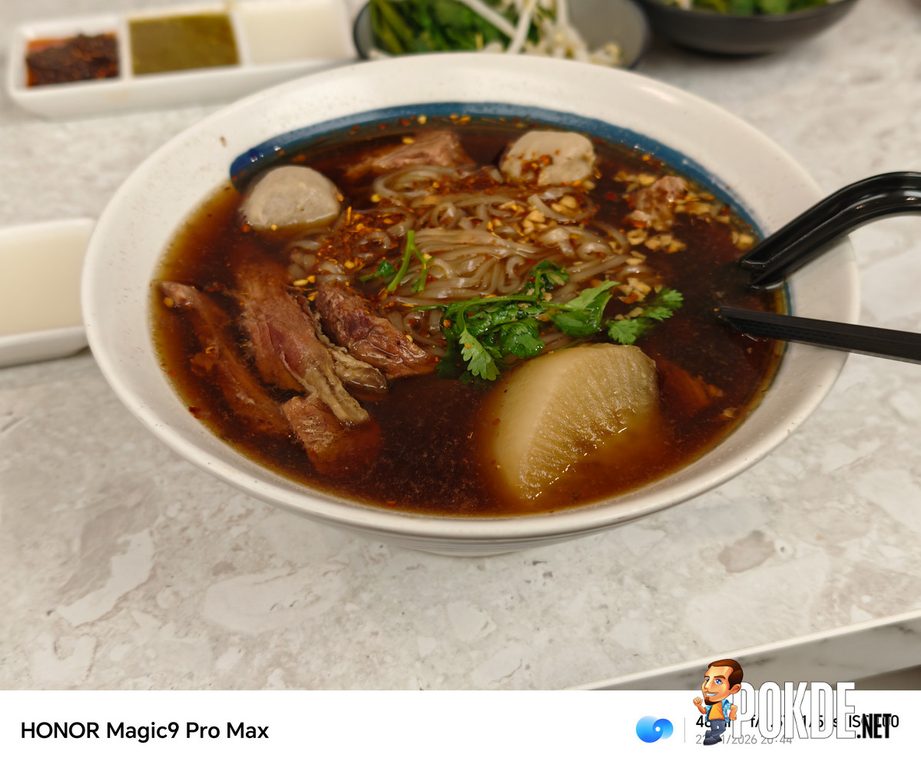
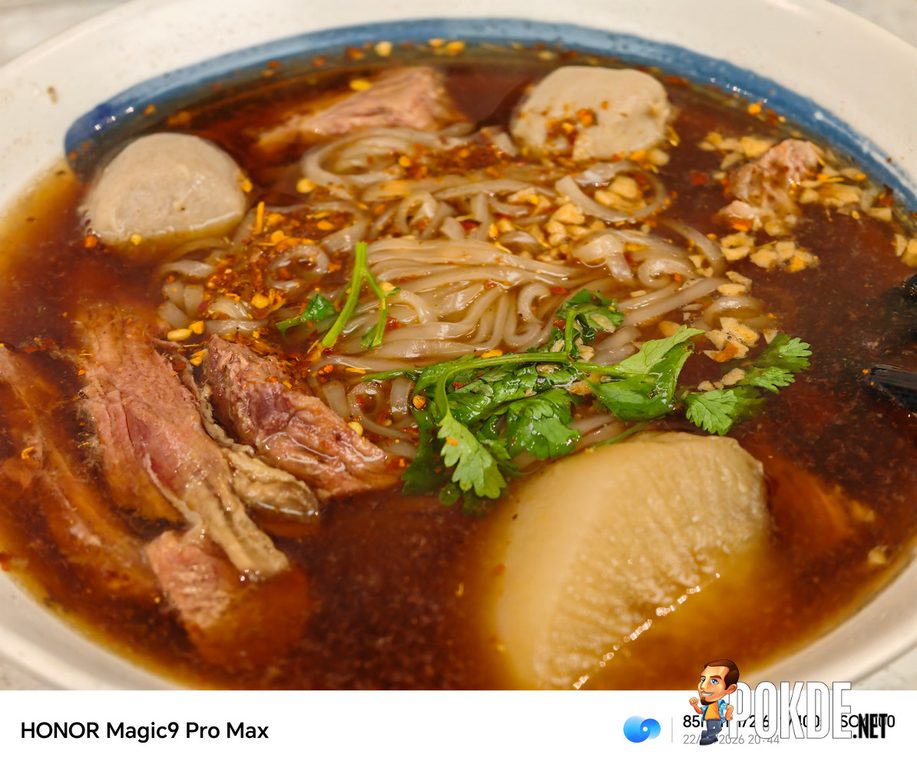
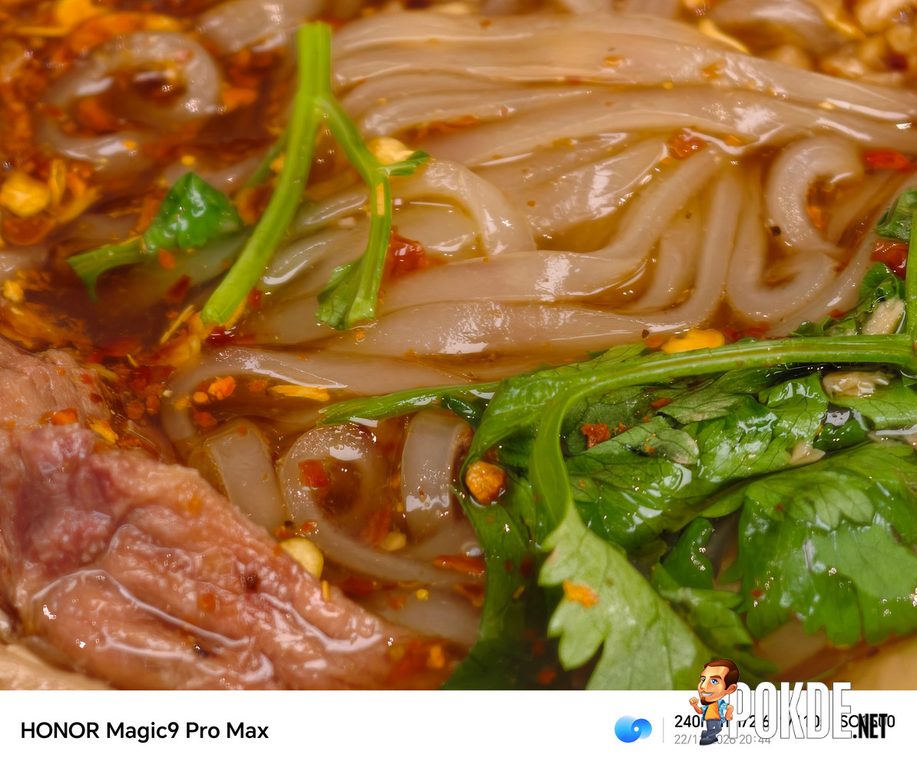
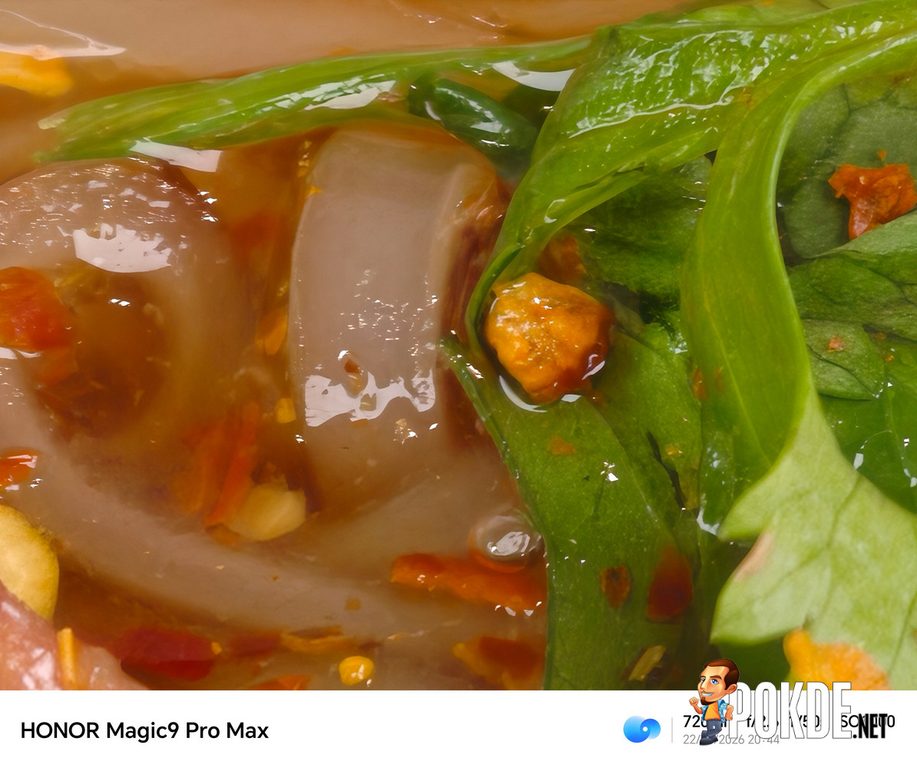


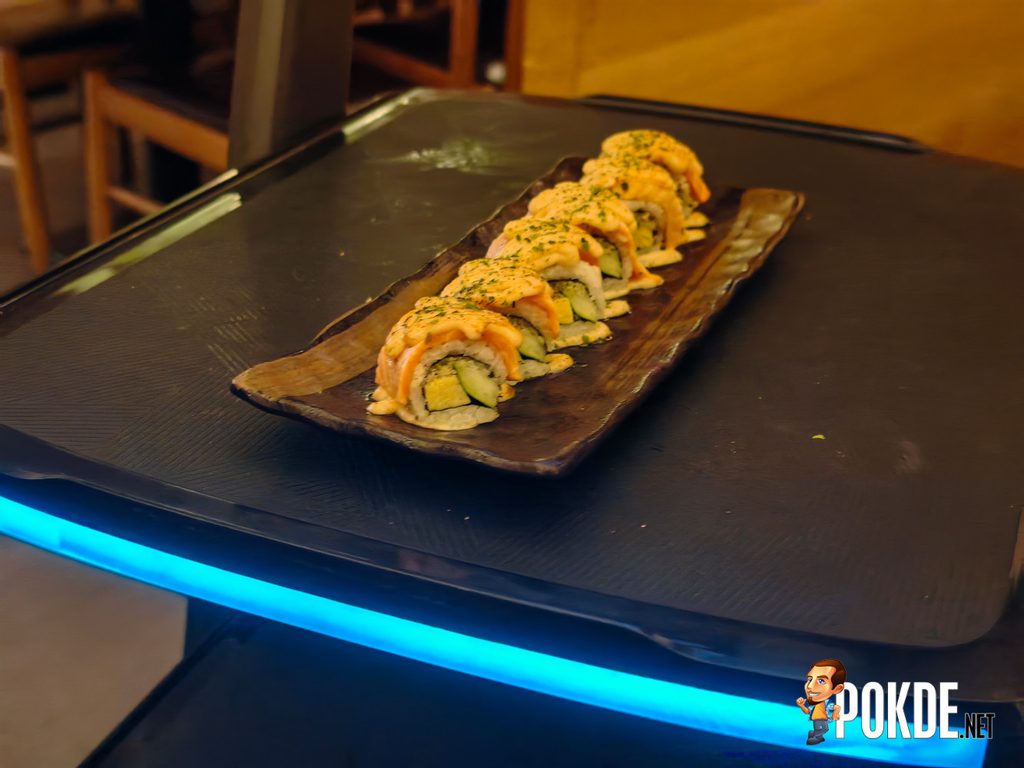

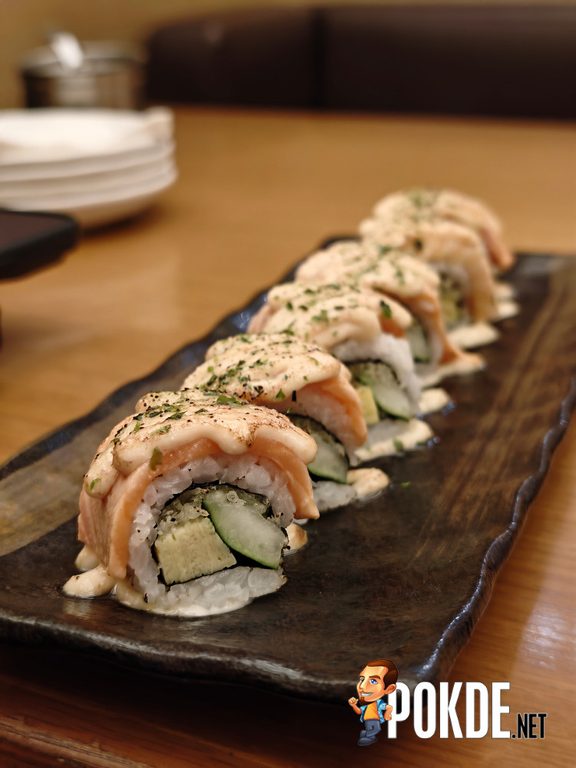


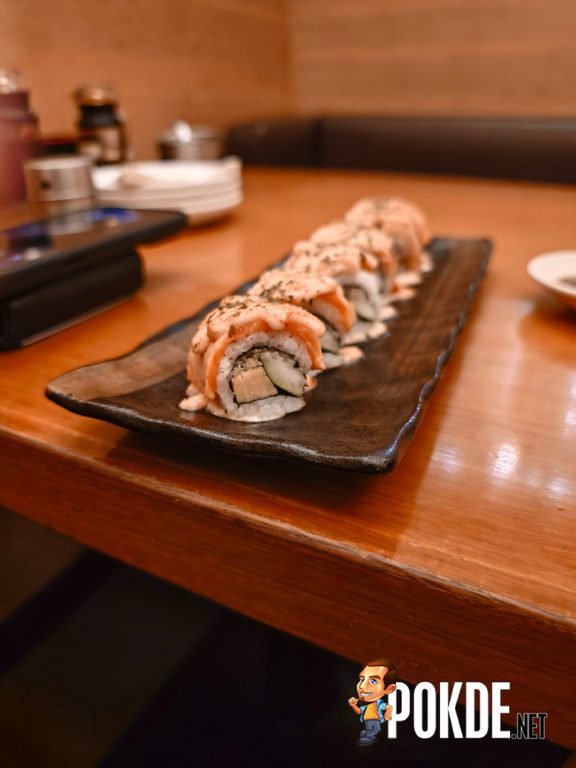
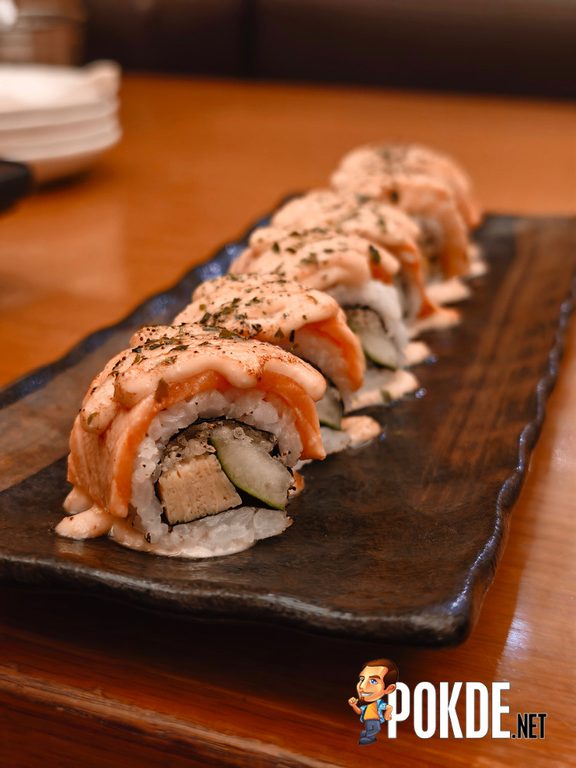


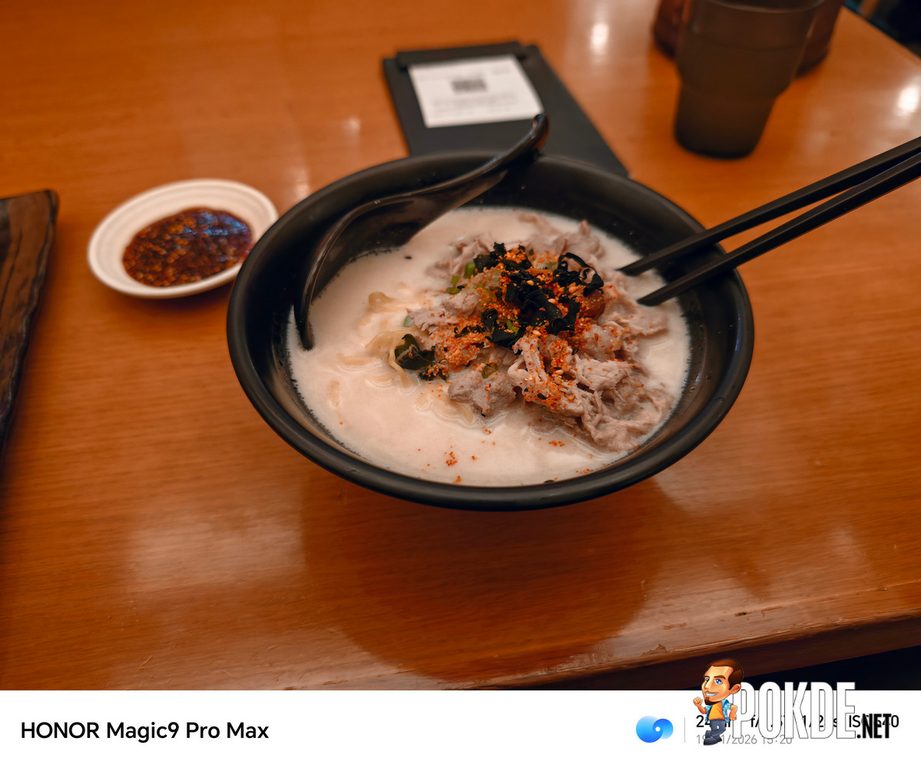
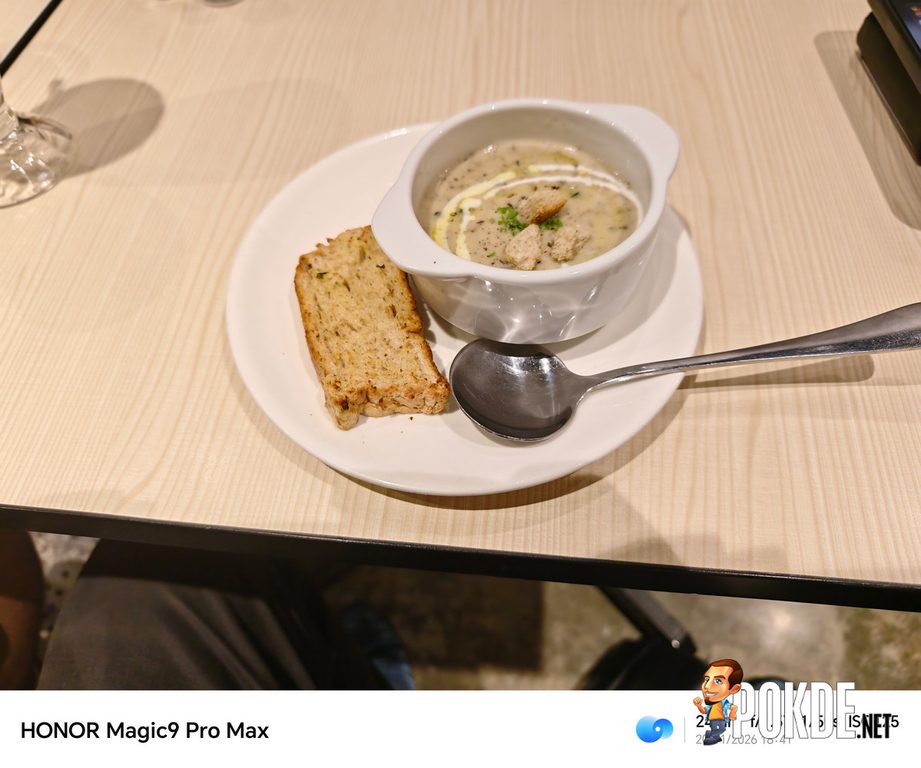
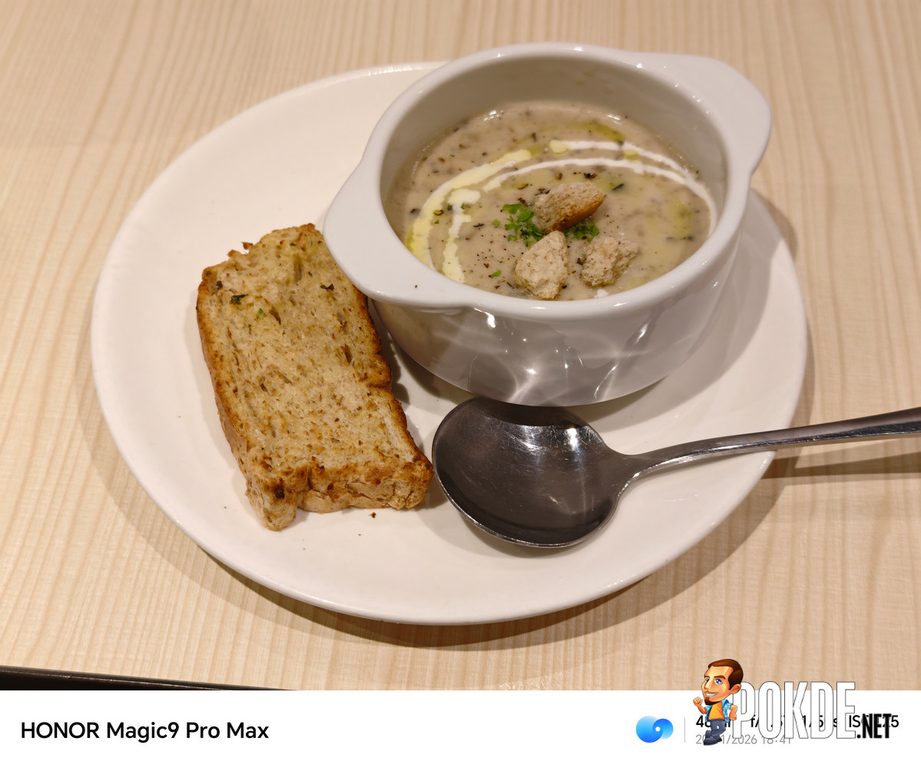
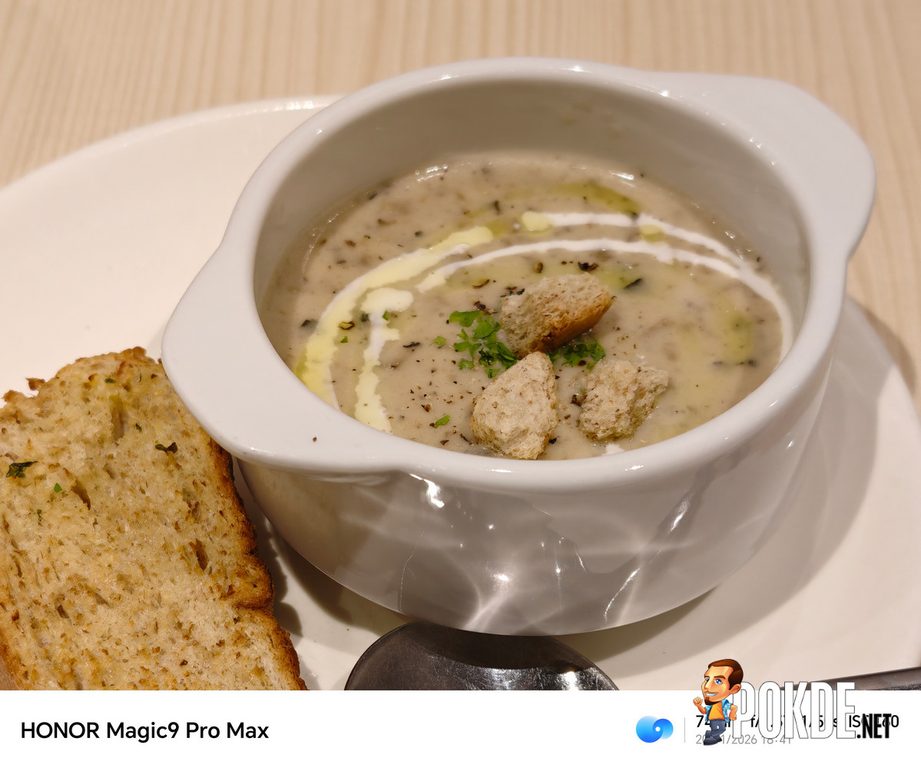
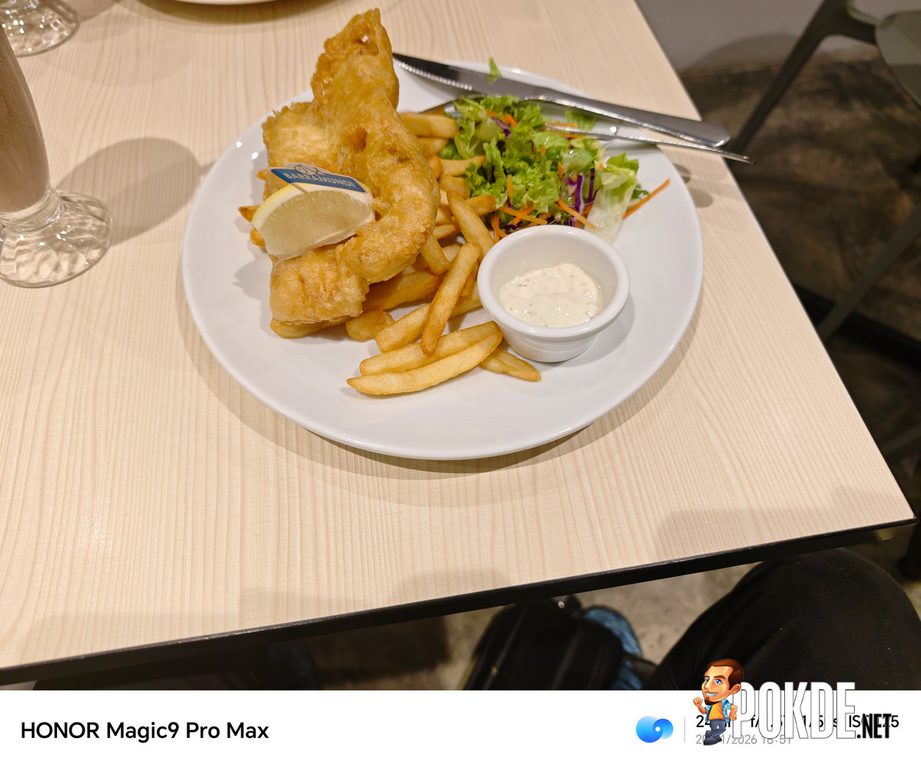
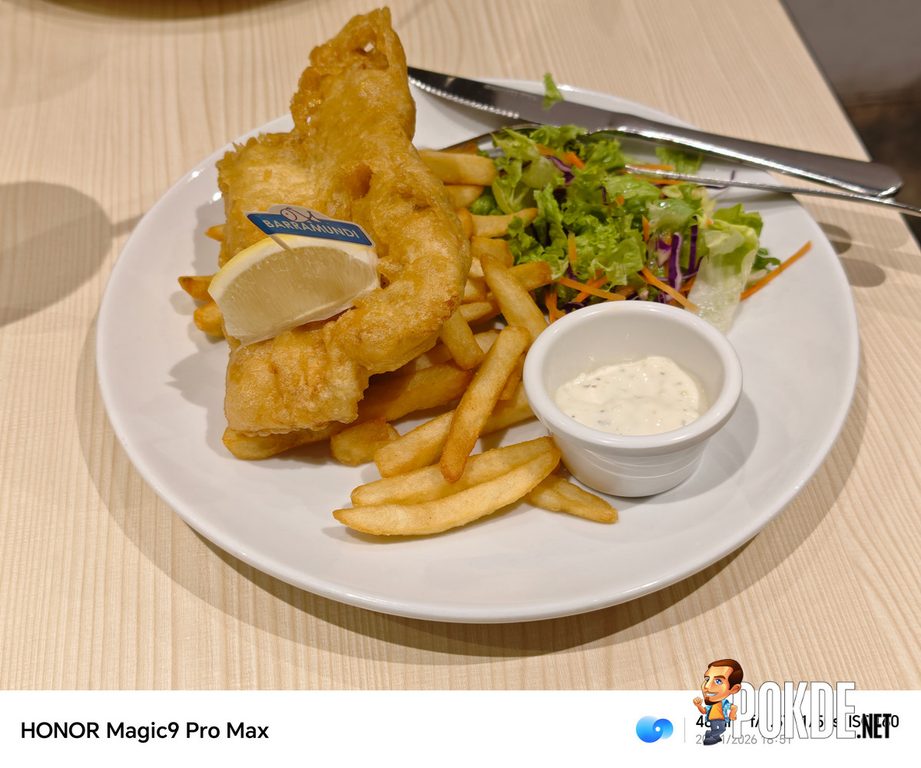
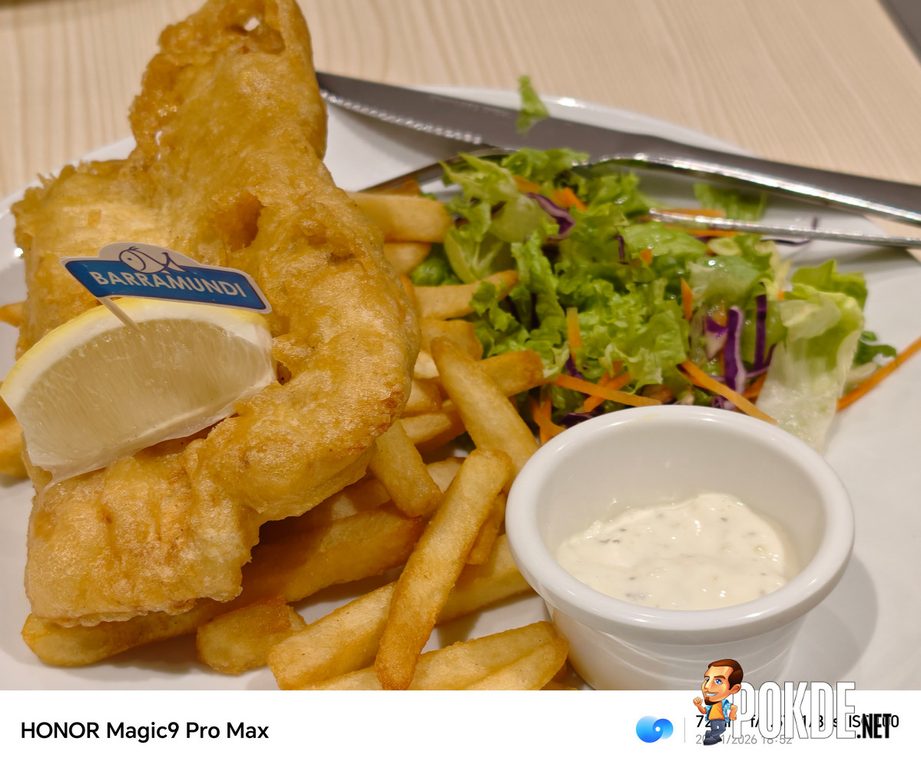


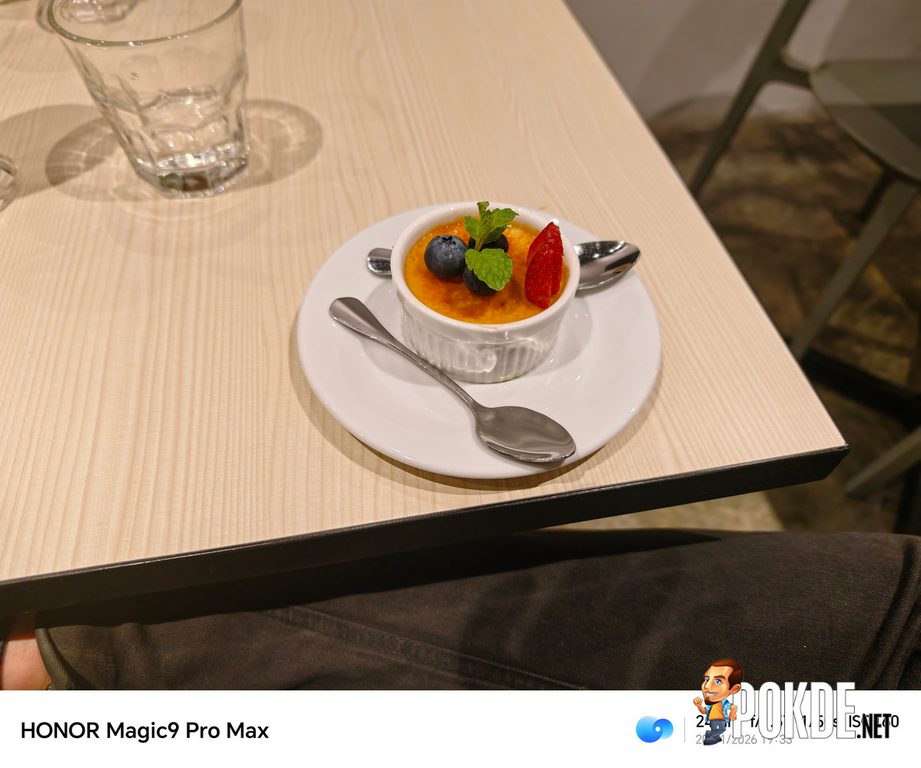
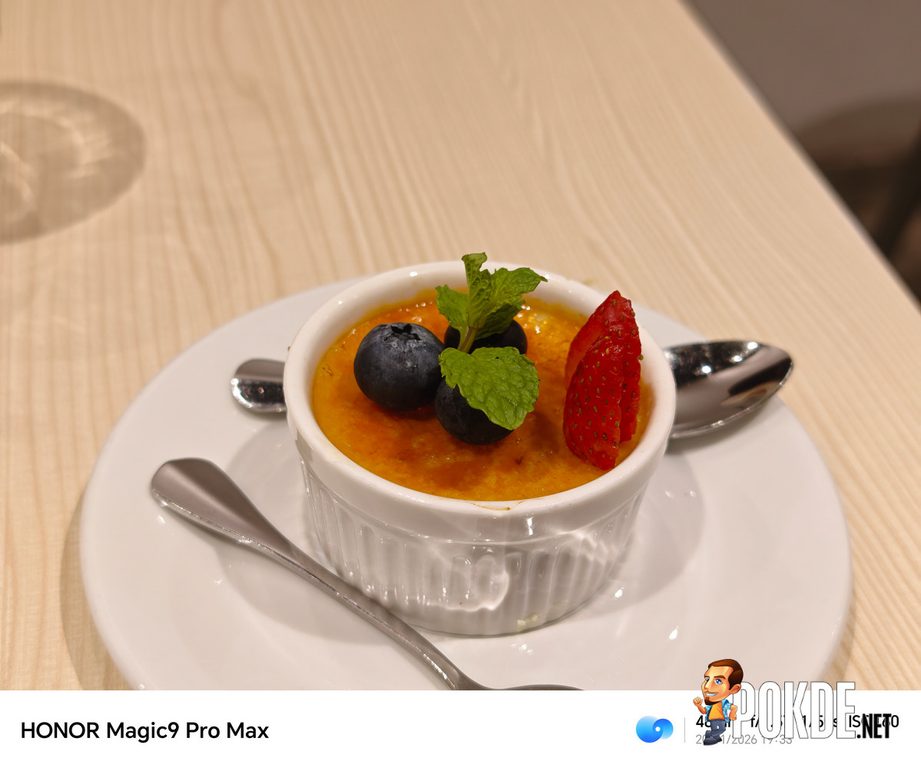
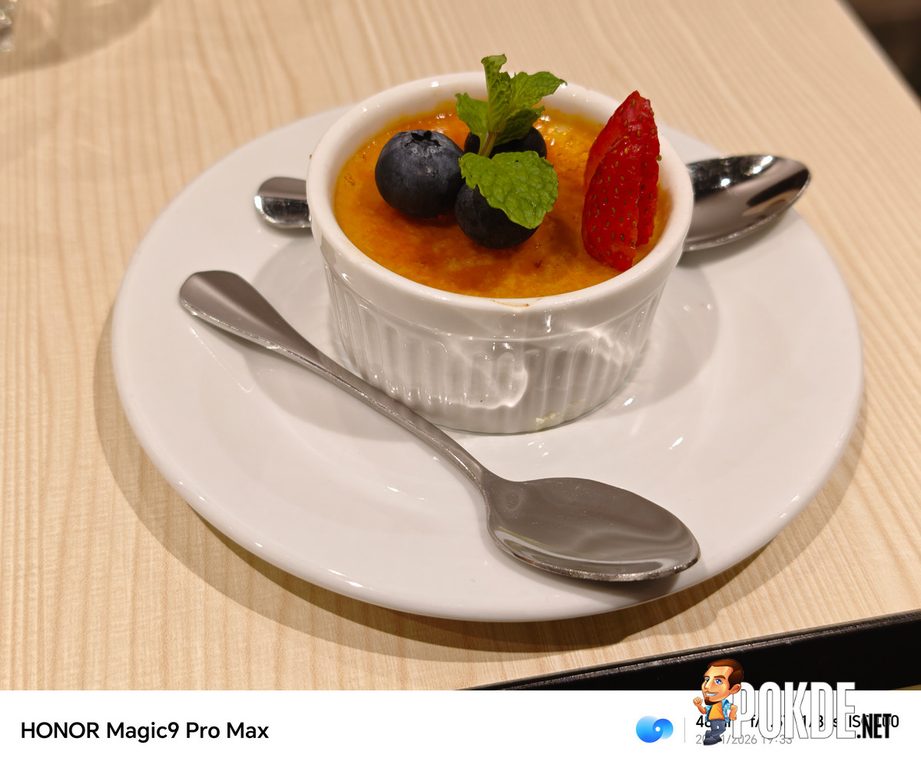
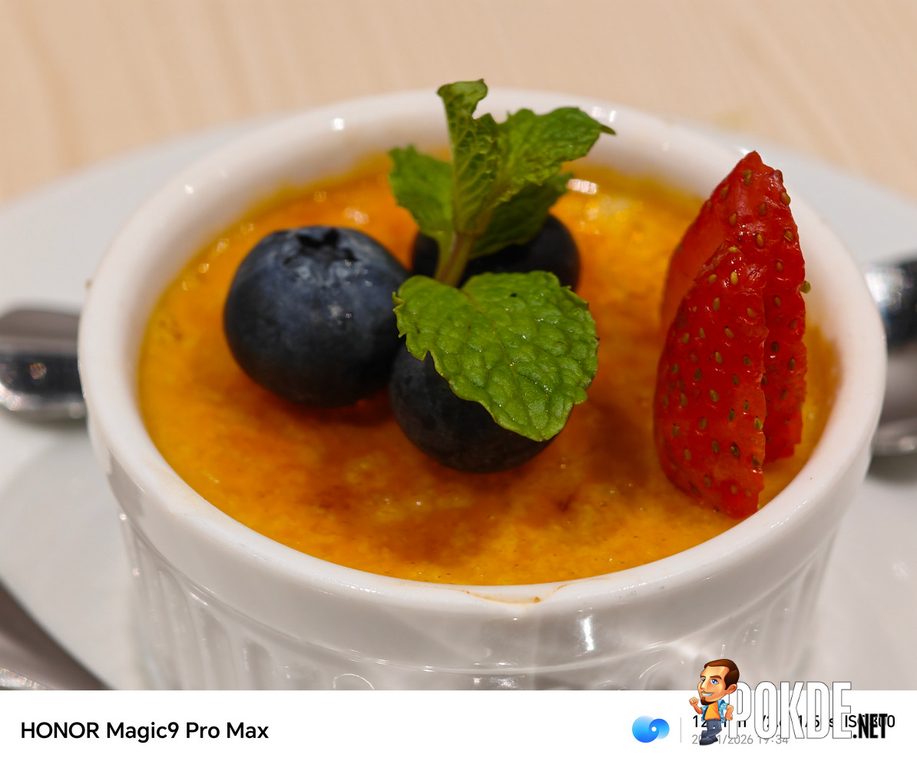
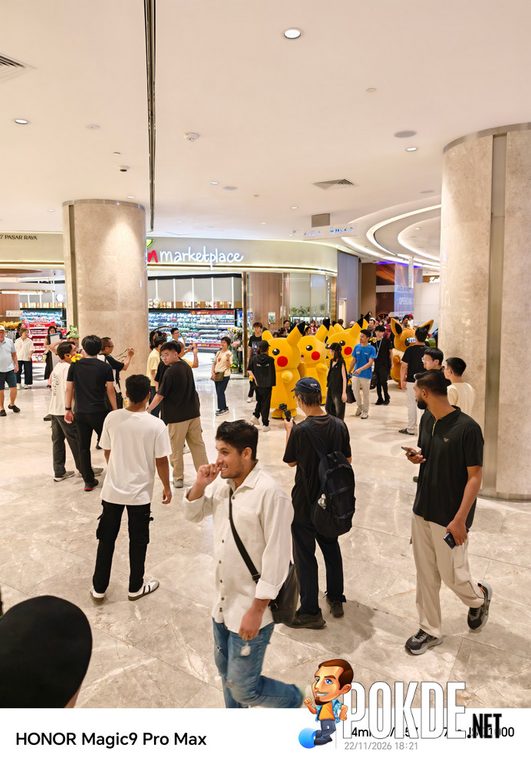


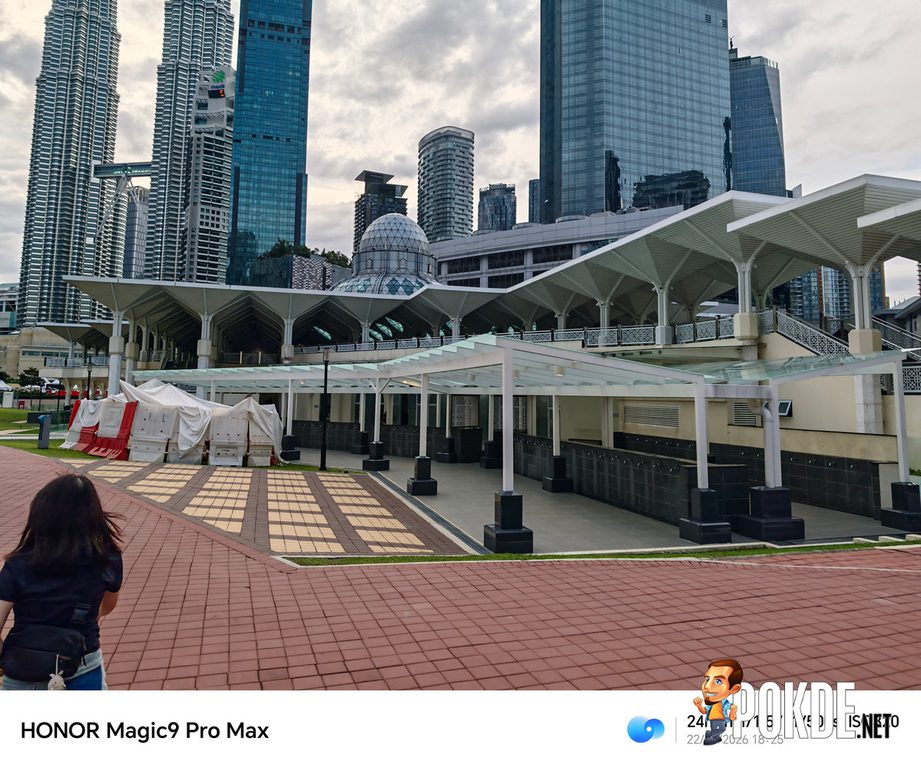
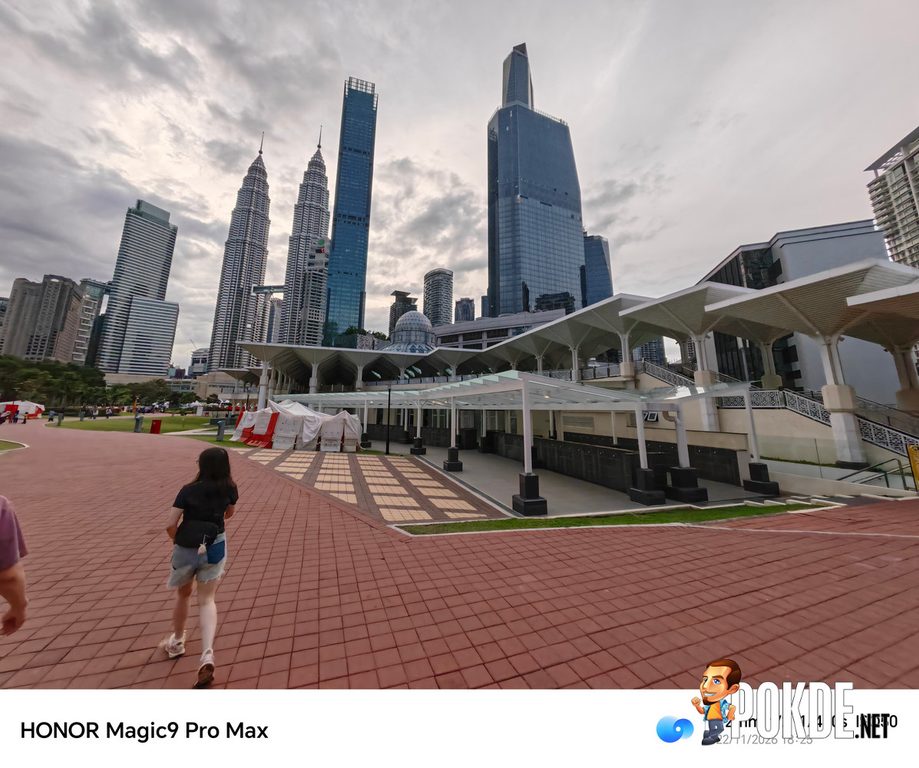
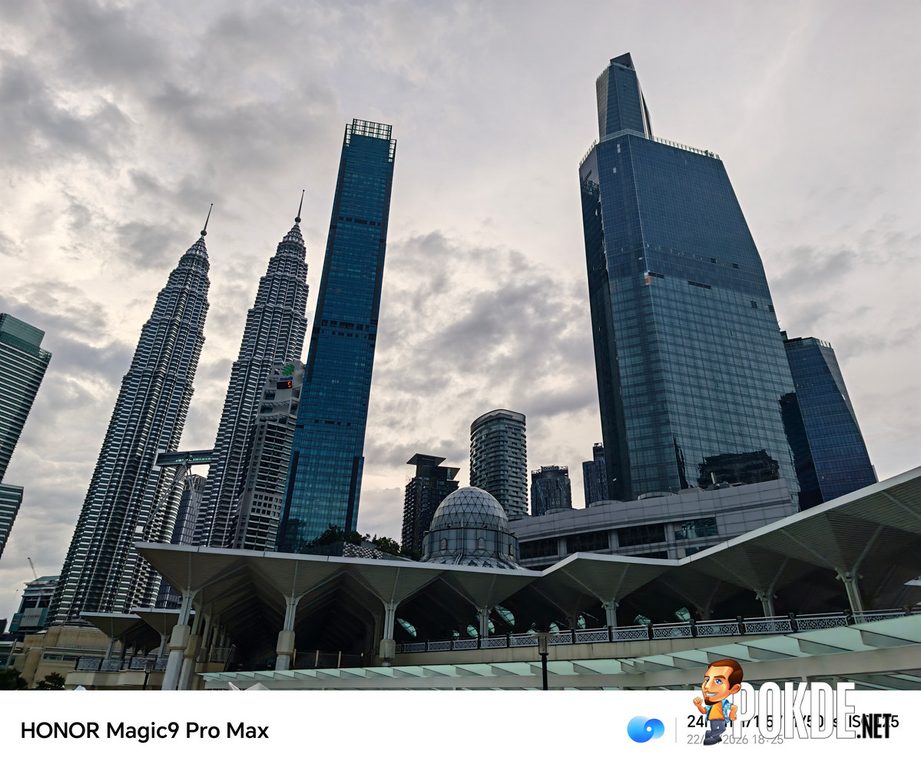
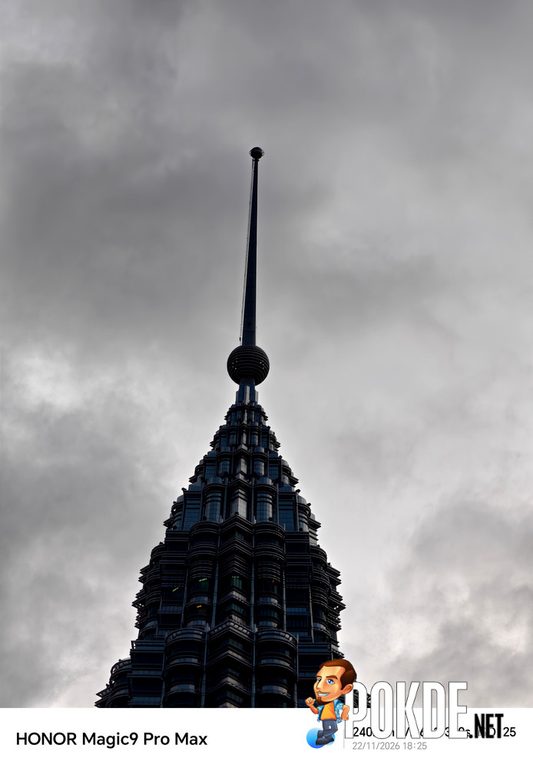
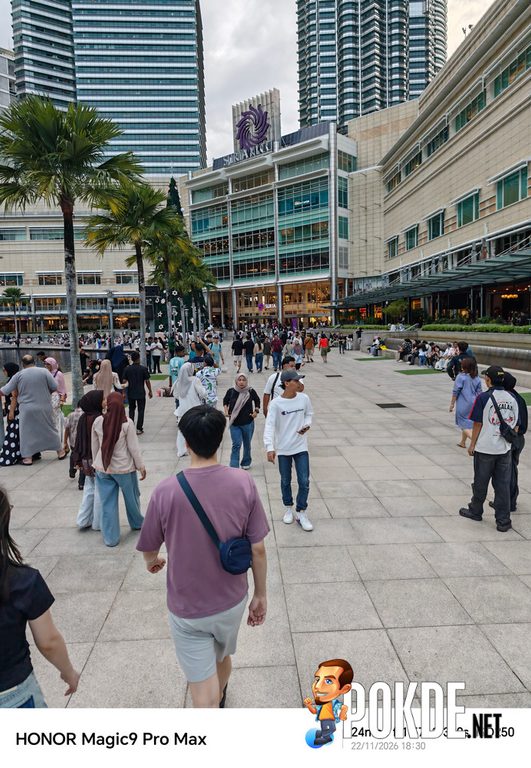


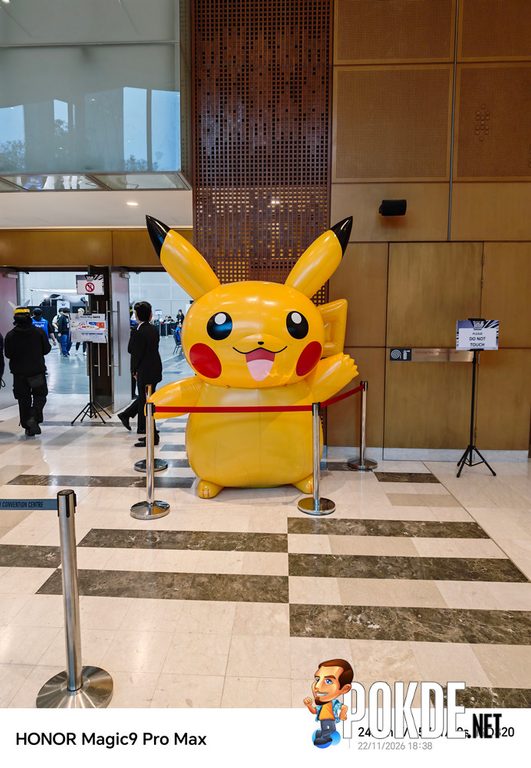




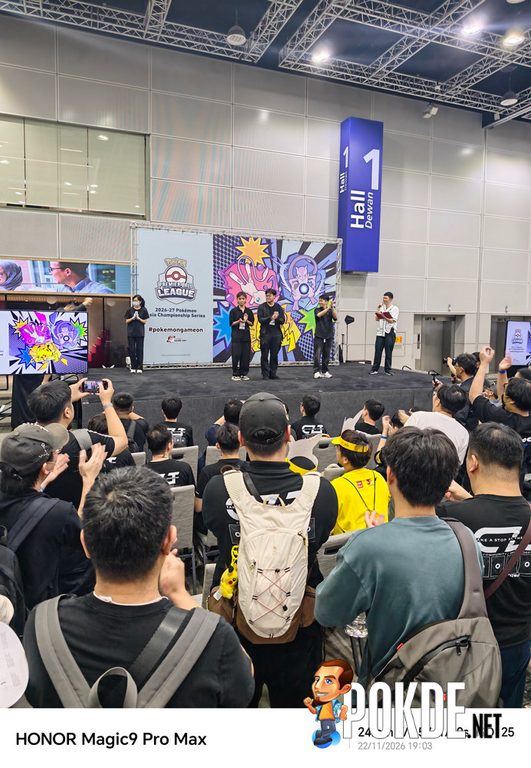







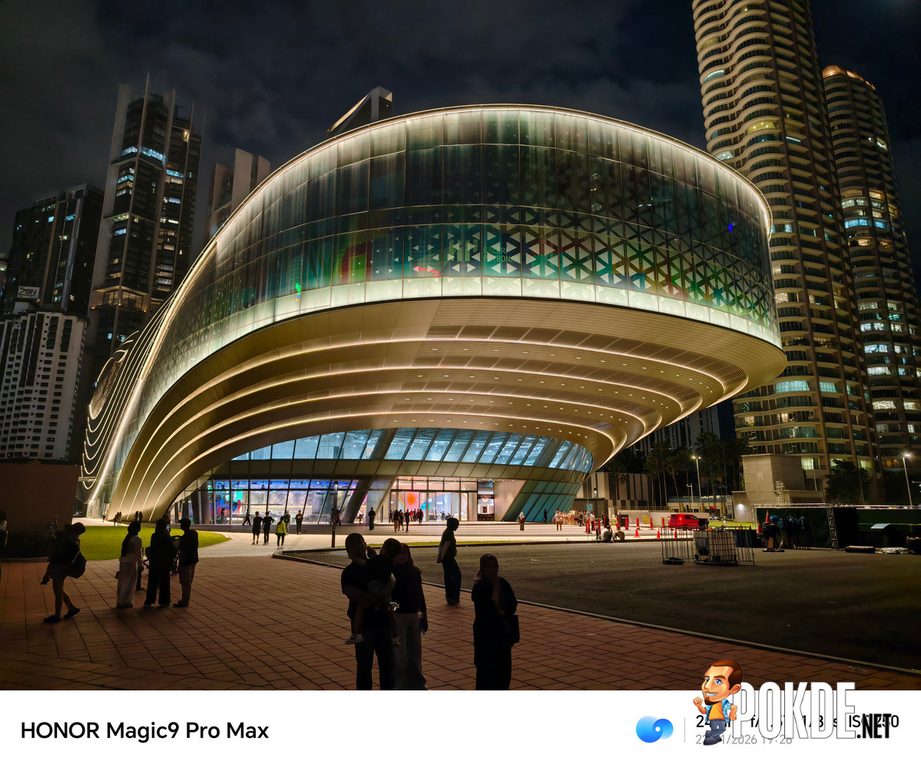
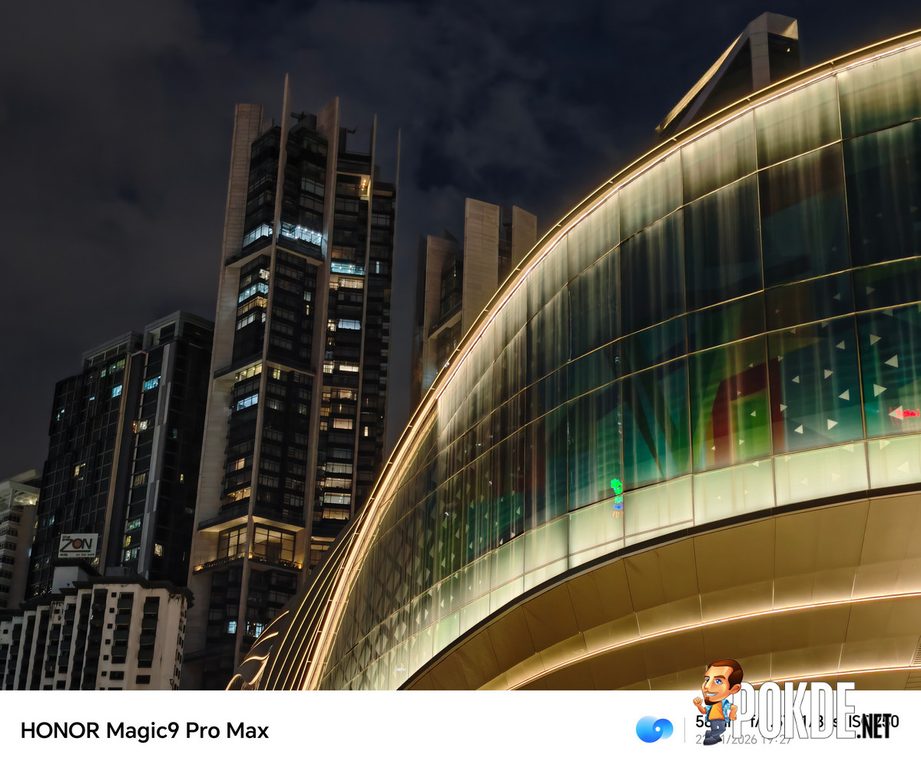
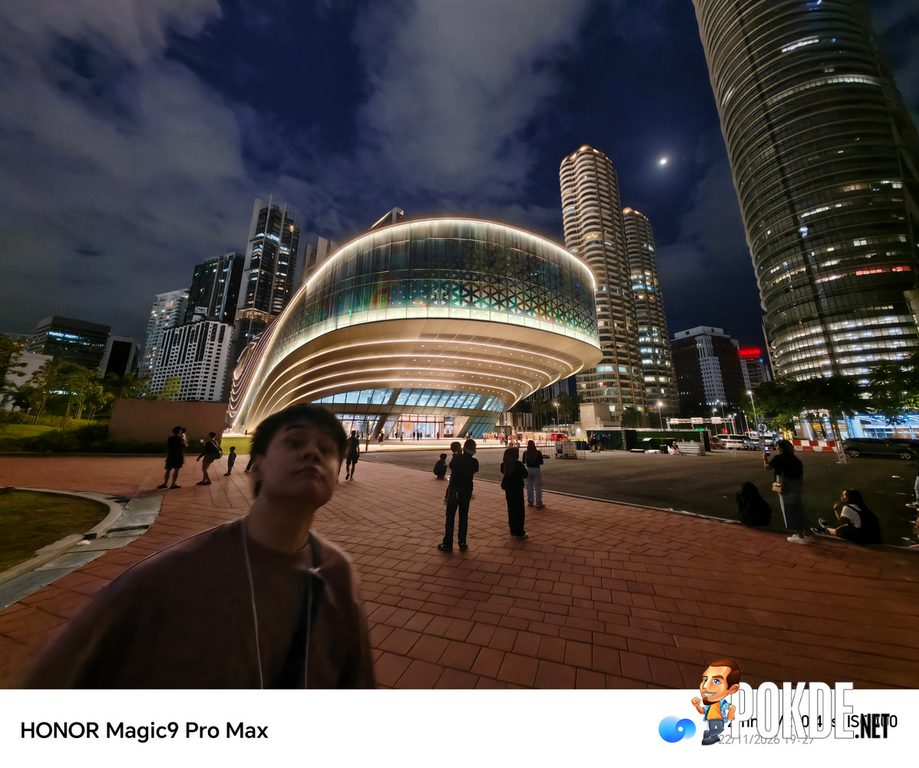
Both the 200MP 24mm-equivalent main camera and the 200MP telephoto capture a lot of detail, and the high resolution means 48MP or 170mm in-sensor crops look as good as the native focal length in most lighting. Low-light performance from both cameras is very good, with minimal noise and well-handled HDR. Macro shots are sharp, though the Super Macro mode uses the main camera even though the telephoto can focus close with great results. Just be mindful that at times when you zoom in too far on something with finer details like a string of text, the AI might start inventing details out of thin air, which can either look like gibberish or a completely different language.
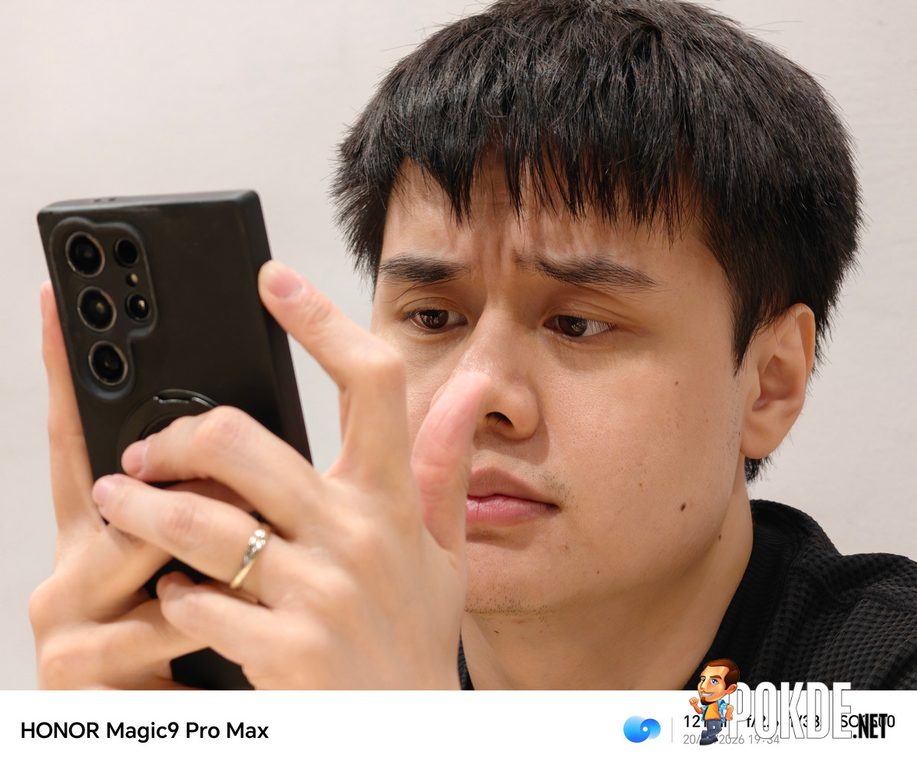
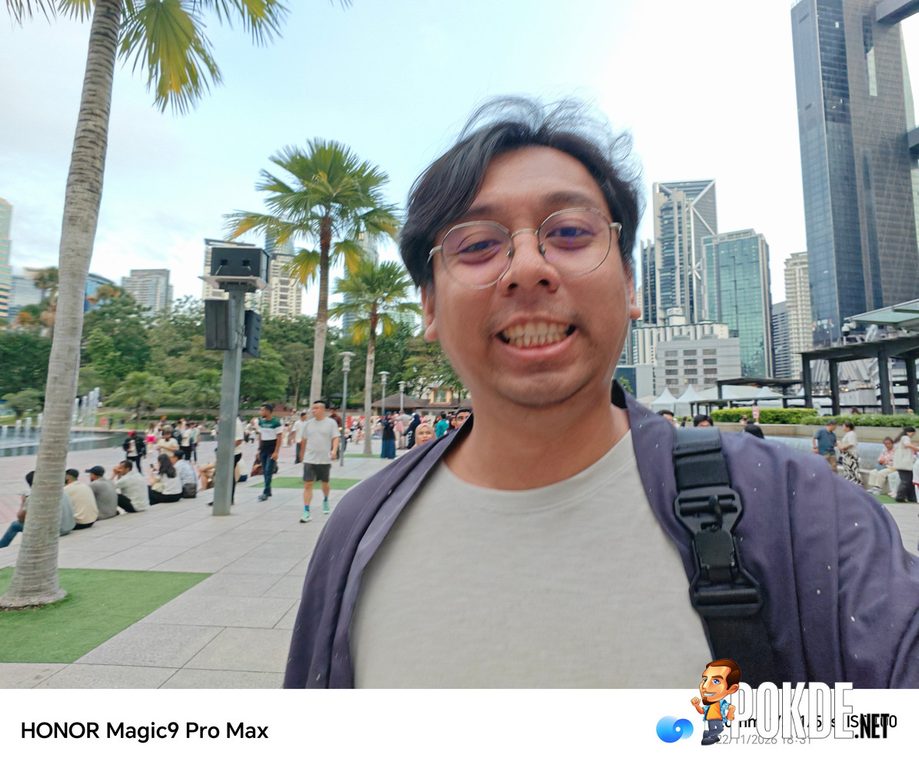
HONOR offers three image profiles for stills: Vibrant, Natural, and Authentic. I gravitate toward Natural, which is the most balanced and realistic. Vibrant has punchier colours with stronger contrast and sharpening, and Authentic’s heavy contrast and vignette do not quite deliver the film look it is going for. The 50MP ultra-wide is the weak link. Fine detail is limited, textures turn painterly when you zoom in, and I would avoid it at night. The 55MP front camera captures a 1:1 sensor area and records 4K video at 3840 x 3840, which suits social content well, but you will need steadier hands here compared to using the other cameras on this smartphone, otherwise you’ll get similar selfies to mine.
The best video mode on the phone does not work with the ultra-wide camera, which is a real frustration. After stabilisation crops the frame, the 24mm main camera is often not wide enough for the shot I want. ARRI Cinema is also capped at 4K 60fps, even though the main and telephoto cameras support 4K 120fps in the regular video mode. The smoothness of the footage is excellent, but it is partly achieved by cropping into the frame. Combined with the lack of ultra-wide support in ARRI Cinema, it makes shooting in tight spaces more awkward than it should be. It is a trade-off worth knowing about before committing to the phone as a primary video tool.
Once I had shot a lot in ARRI Cinema, HONOR’s regular video mode felt less appealing, with more sharpening and HDR processing than I like. I almost wish ARRI Cinema was the default. Stills are good, but they still look like phone photos, and some of the restrained ARRI character has not carried over. There is also occasional inconsistency between the 24mm, 48mm, and 85mm views.
The Good
A Practical Workflow With Built-In Looks and an ARRI Interface
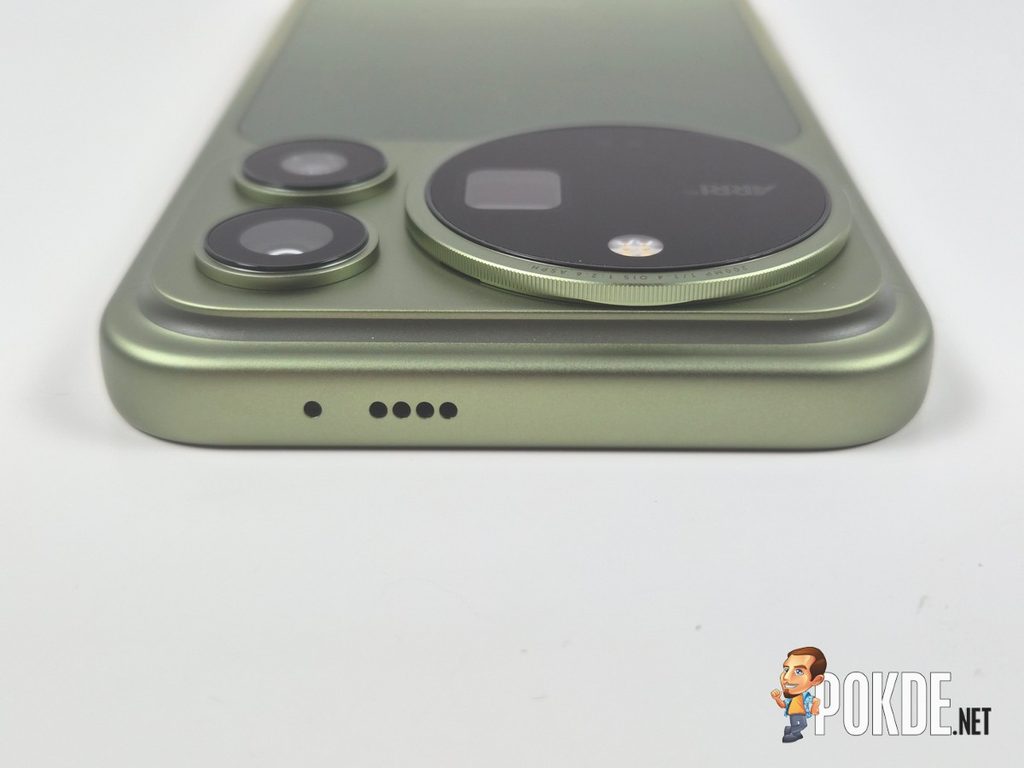
14 built-in Looks and access to 87 more from the ARRI Look Library, applied in a couple of taps in the gallery app, take much of the fiddliness out of grading. You can also bake a Look directly into SDR or HDR footage and skip grading entirely. The ARRI-style interface with shutter angle, false color, and manual controls will feel familiar to anyone who has shot on ARRI gear, and it is easy to pick up if you have not.
A Design That Stands Out and a Display That Delivers
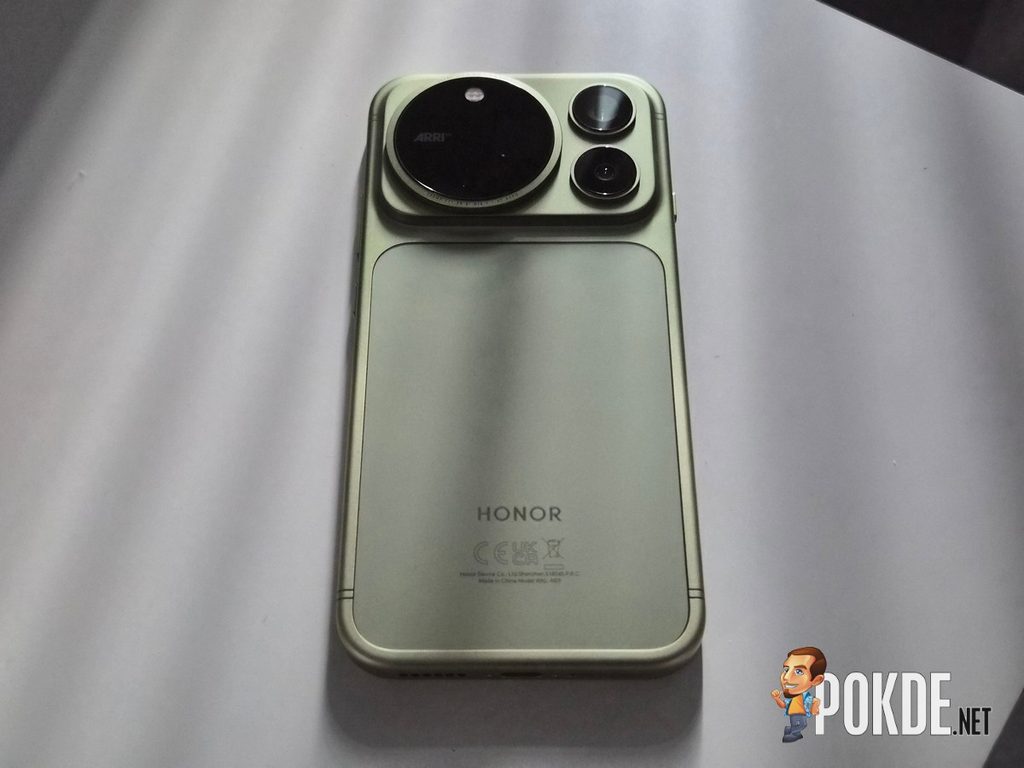
The ARRIFLEX-inspired camera island is one of the better camera layouts on any phone right now, and the all-metal unibody feels premium and well balanced. The 6.8-inch OLED is sharp and accurate, with colour temperature tuning that helps if you use the phone in a video workflow. Add IP68, IP69, and IP69K protection and an Anti-Scratch NanoCrystal Shield, and it is built to last as well as look good.
A Clean, Familiar Software Experience
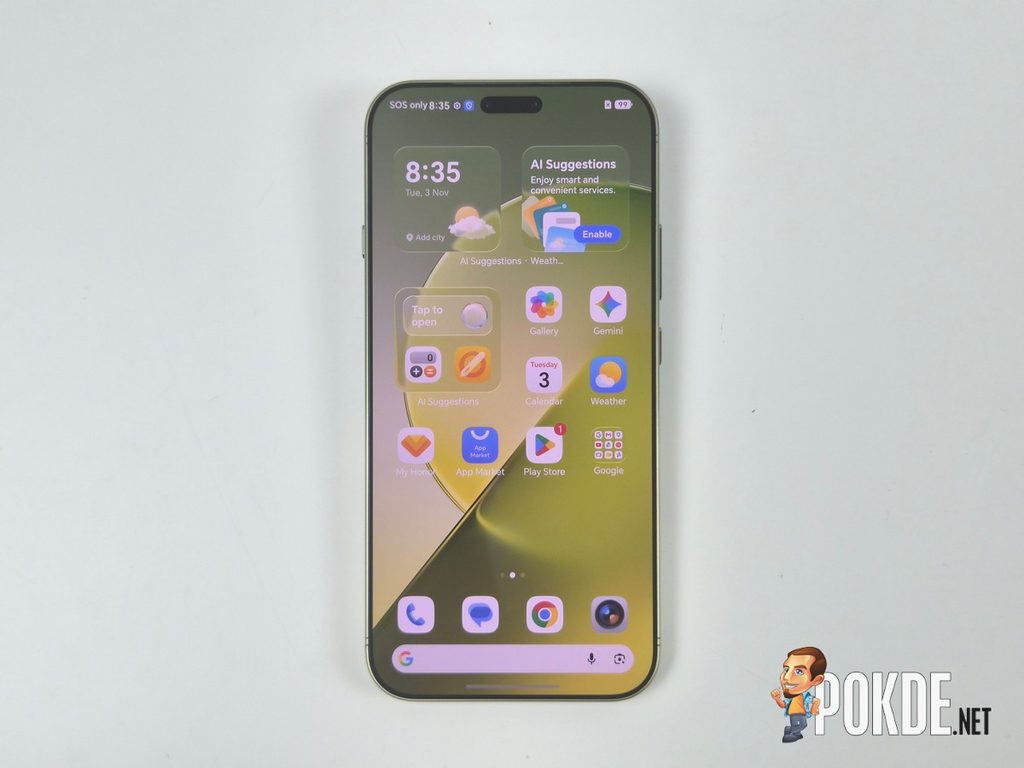
MagicOS 11 is well laid out and easy to navigate, with plenty of customisation options and an iOS-inspired design that makes it easy for iPhone users to adapt. It runs on Android 17 and feels smooth in daily use. Built-in AI tools like live subtitles, translations, and context-aware suggestions add extra utility, and I still lean toward Google’s Gemini and Circle to Search for most tasks.
The Bad
The Camera Button and Slippery Sides Are Annoying
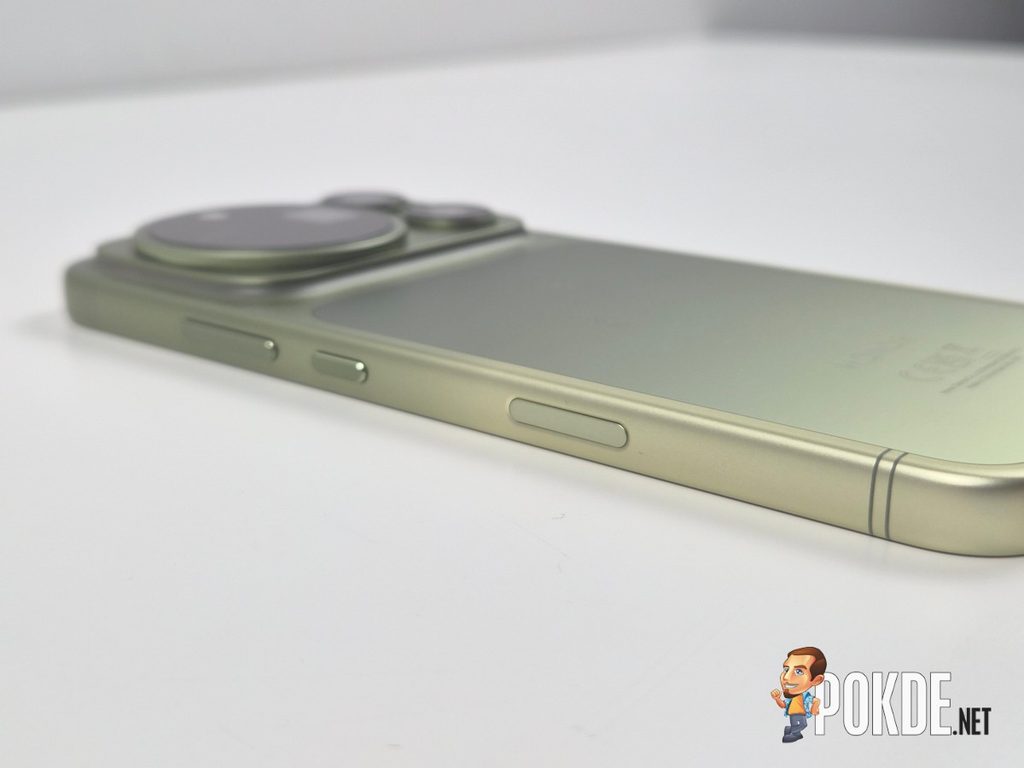
Sliding a finger along the side of the phone to change camera settings is fiddly compared to simply using the screen. The rounded metal sides also make the phone slippery without a case, and at 233g, a dropped phone is a more expensive mistake.
AI Features Are More Novelty Than Utility, and Zoom Gets Overenthusiastic
The photo editing tools, including the object eraser, image upscaling, generative expansion, and Magic Color, produce results that are rarely convincing enough to use. AI Remove is the most useful, though larger removals tend to leave repetitive patterns.
A High Price and Accessories That Cost Extra
At RM5,999, the HONOR Magic9 Pro Max is a significant investment. Sure, you can get some interesting free gifts with it, especially if you’re getting one during the pre-order period, but Teleconverter G200 Silver costs RM999 (RM699 as add-on), the SmallRig mobile video is RM1,299, and the Teleconverter G500 Silver is RM1,599 (RM1,599 as add-on). Buying even 2 out of the 3 accessories I mentioned would add at least RM2,000 more on top of the phone’s price, and that’s a rather steep investment.
HONOR Magic9 Pro Max Verdict
The HONOR Magic9 Pro Max is a rather interesting flagship smartphone, though its biggest appeal hits content creators more than anyone else. However, that doesn’t mean that your average consumer won’t be able to have a good time with it. The main and telephoto cameras are excellent, the design is distinctive, the display is superb, and the battery and fast charging mean you are not tethered to a plug.
The weaknesses are real. The ultra-wide camera is behind the best in the business, ARRI Cinema is held back by its restrictions on lens choice and frame rate, and the stills do not yet carry the same distinctive identity as the video. At RM5,999 it also demands a serious budget. But for a creator who wants a flagship phone that takes camera seriously, the HONOR Magic9 Pro Max earns its place, and it has few real competitors in that space.
The HONOR Magic9 Pro Max earns our coveted Gold Pokdeward.

Big thanks to HONOR Malaysia for sending us this smartphone for the purpose of this review.