

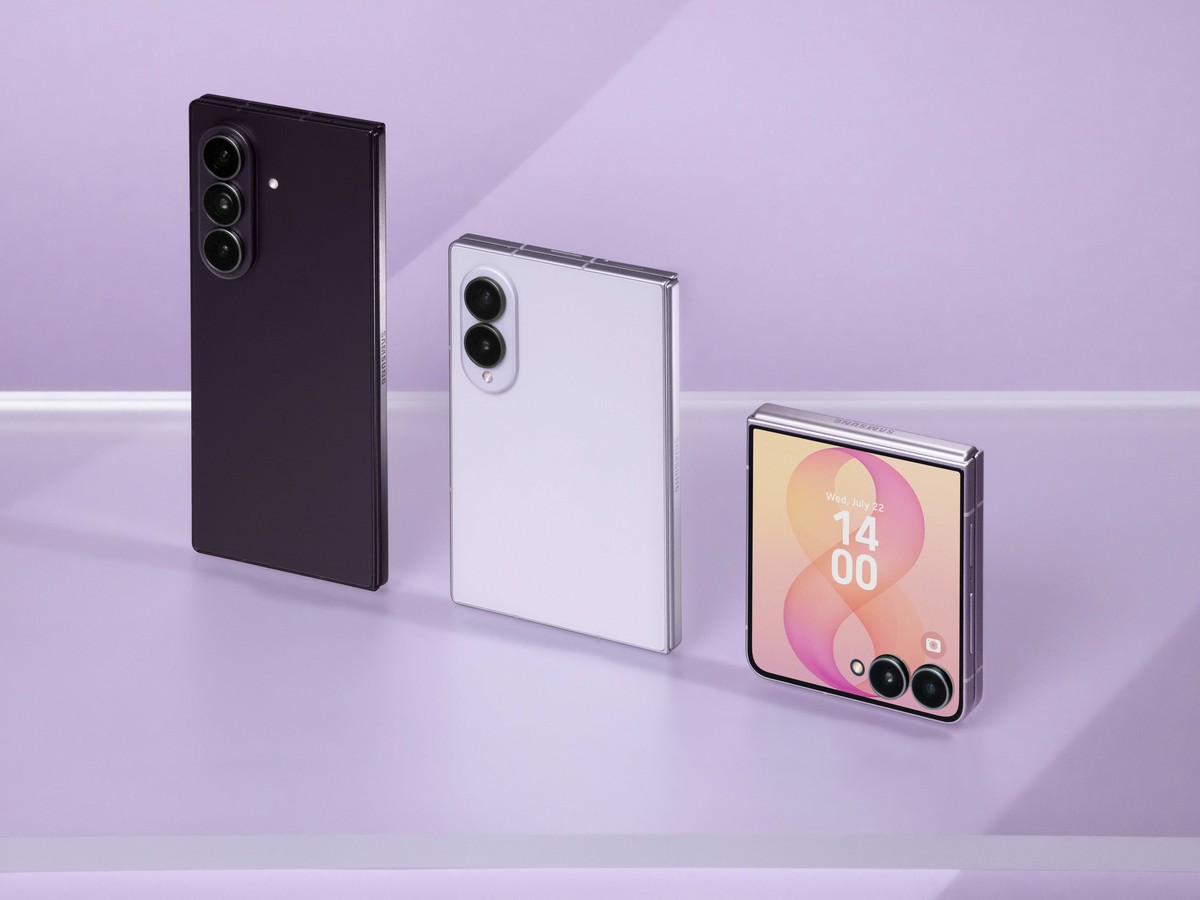
Samsung Malaysia Electronics President Charles Kim has shared his perspective on the growing competition in the foldable smartphone segment, arguing that more brands entering the category is a sign of the technology’s growing relevance rather than a threat.
Writing in a byline piece, Kim frames the arrival of new competitors as a force that raises standards for everyone, including Samsung, which has been developing foldable phones since the original Galaxy Fold launched in 2019. Of course, its foldable lineage has evolved substantially since then – for example, the original Galaxy Fold weighed 276 grams, whereas the Galaxy Z Fold8 Ultra comes in at just 215 grams, not to mention a lot thinner than the original, too.
Samsung Welcomes Foldable Competition
Kim points to Malaysia as a key market for foldable adoption, citing national data showing mobile phone usage among individuals reached 99.6% in 2025 and internet usage hit 98.3%. With smartphone penetration already near-universal, he argues the question is no longer whether people carry a phone but whether a different form factor could meaningfully improve how they use one.
Samsung’s own 2024 post-launch research across Southeast Asia and Oceania, which included 300 Malaysian respondents, found strong purchase interest in the Galaxy Z series among Millennials and Gen Z. Respondents associated foldables with productivity, creativity and photography rather than novelty.
On top of that, pre-order data for the Galaxy Z Fold8 and Fold8 Ultra also showed approximately 60% growth compared to the previous generation across Southeast Asia and Oceania, measured within less than a month of the series being unveiled at its respective Unpacked event. Samsung also recorded more than 60% growth in switchers from other brands to the latest Fold generation.
Kim acknowledges that foldables present a uniquely demanding engineering problem: beyond making a screen fold, manufacturers must continuously address durability, hinge design, display quality, software integration, weight, and battery capacity, all while matching or exceeding the camera capabilities consumers expect from any conventional flagship smartphone.
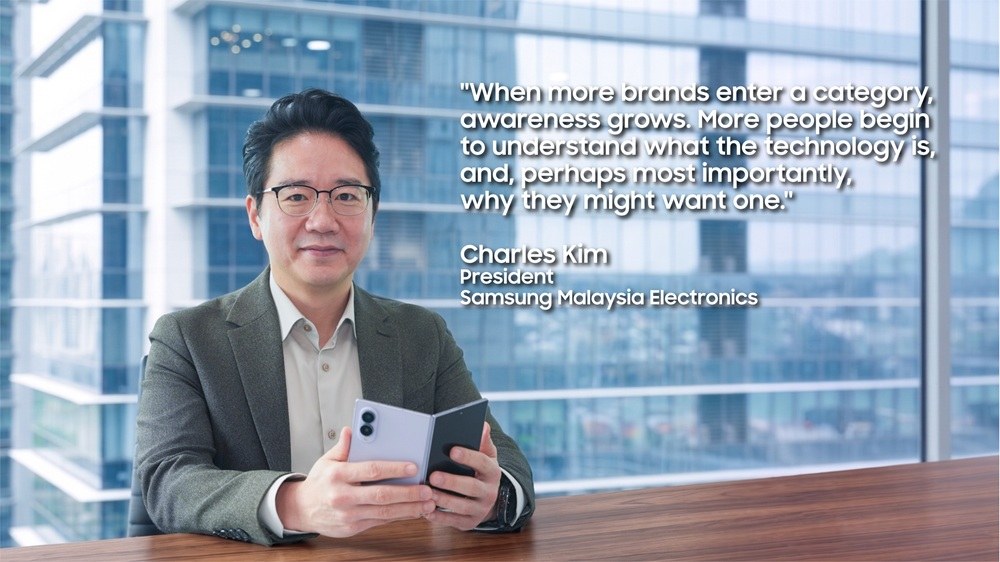
He describes competition as essential to driving those improvements, noting that consumer feedback, both direct and indirect, has shaped each generation of the Galaxy Z series. With more brands bringing different approaches to foldable design, Kim expects consumers to become more informed buyers who ask more specific questions about durability, daily utility and practical fit.



Kim writes that Samsung’s position as a pioneer in the category does not mean it expects to be the only voice in the conversation. He frames a thriving foldable market as one that benefits engineers, designers, software developers and ultimately consumers, as competing ideas push the category forward in ways a single company could not achieve alone.
Pokdepinion: Competition is good and all, but Samsung has had seven generations to get this right, so the pressure is well deserved.