
- Walkaround
- Specifications
- Fuel Efficiency
- The Good
- The Yaris Cross experience at a more accessible price
- A complete Level 2 ADAS package that shames its sibling
- Sharper handling than its sibling without sacrificing comfort
- Interior details that quietly justify the Toyota premium
- The Bad
- The powertrain story is familiar, and that cuts both ways
- The HEV variant’s hybrid battery packaging advantage is reversed here
- Platform origins still show in the cabin
- 2026 Toyota Yaris Cross 1.5S Verdict
Offer price: 99900
Currency: MYR
-
Appearance - 8/108/10
-
Efficiency - 5/105/10
-
Features - 8/108/10
-
Materials - 7/107/10
-
Performance - 7/107/10
-
User Experience (UX) - 6.5/106.5/10
-
Value - 7/107/10
Summary
The 2026 Toyota Yaris Cross 1.5S makes a compelling case as the entry point into the Yaris Cross range. However, the HEV variant remains the stronger all-round proposition over a full ownership period.
Overall
6.9/10Pros
- The Yaris Cross experience at a more accessible price
- A complete Level 2 ADAS package that shames its sibling
- Sharper handling than its sibling without sacrificing comfort
- Interior details that quietly justify the Toyota premium
Cons
- Fuel consumption can be rather high
- The powertrain story is familiar, and that cuts both ways
- The HEV variant’s hybrid battery packaging advantage is reversed here
- Platform origins still show in the cabin
If you have been following our coverage of the Yaris Cross range, you would have already read our review of the HEV variant. That one made a compelling case for itself on the strength of its fuel efficiency, its feature set, and the sheer value of Toyota’s 4th generation hybrid system. But not everyone needs a hybrid, and not everyone wants to pay the premium that comes with one.
Enter the Toyota Yaris Cross 1.5S, the pure combustion variant that sits RM10,000 lower at RM99,900, and asks a simple question; how much of the Yaris Cross experience can you get without the hybrid badge?
The answer, as it turns out, is quite a lot.
Walkaround
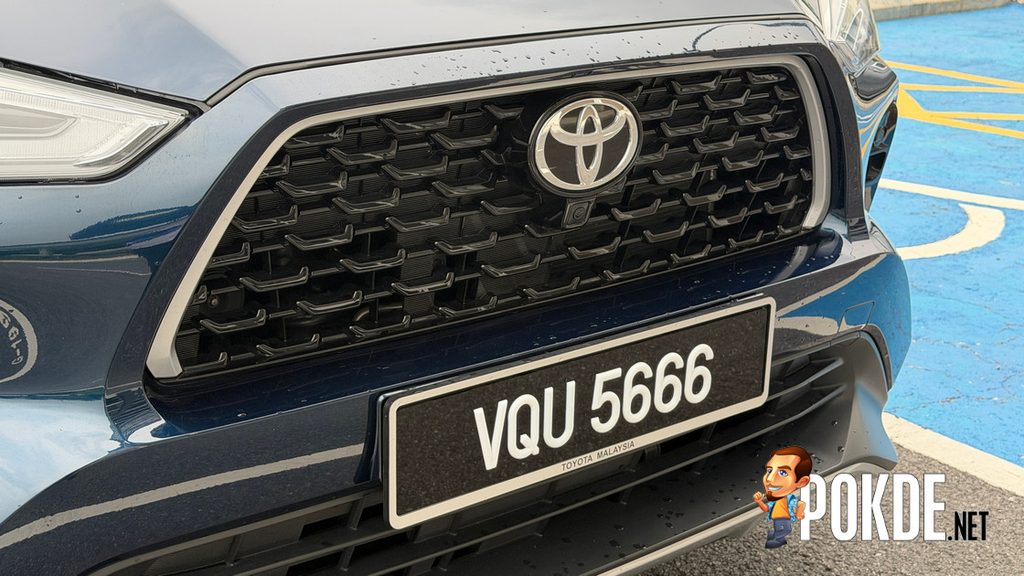
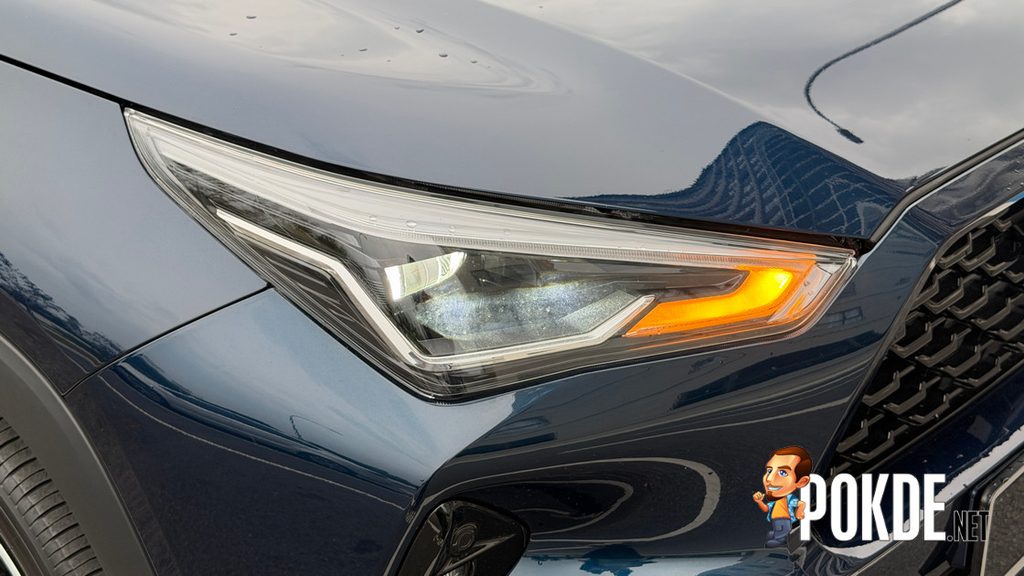
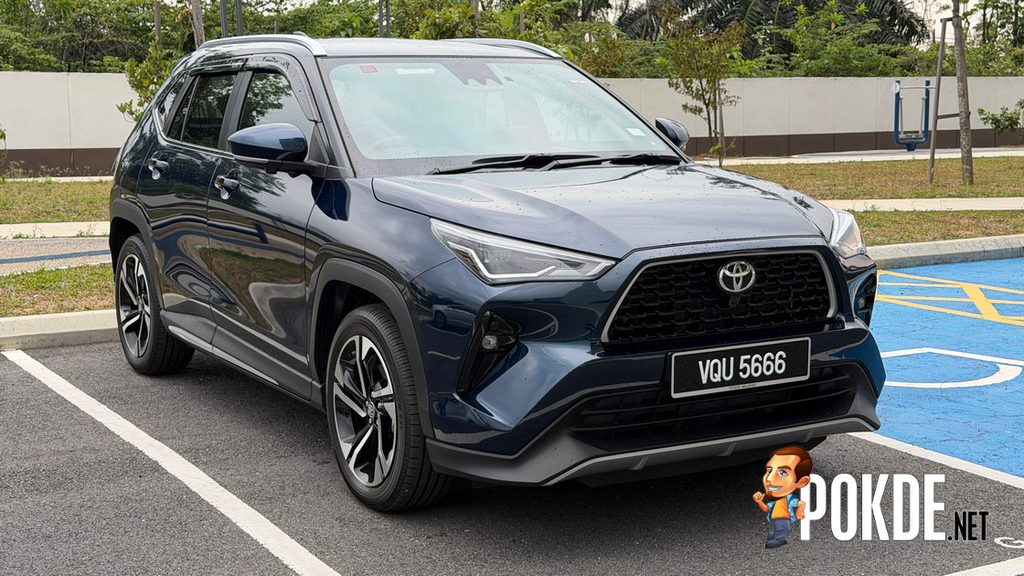
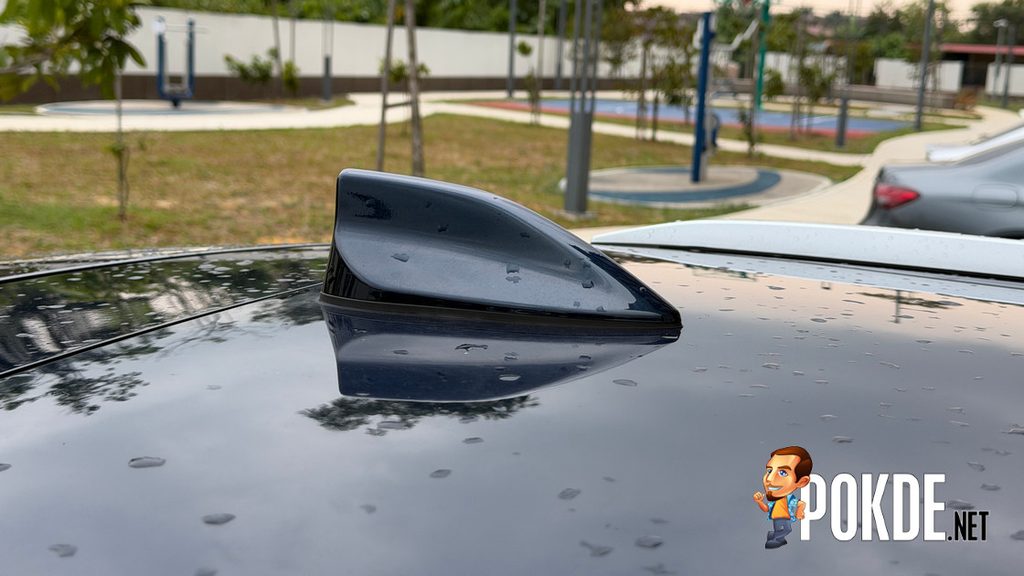
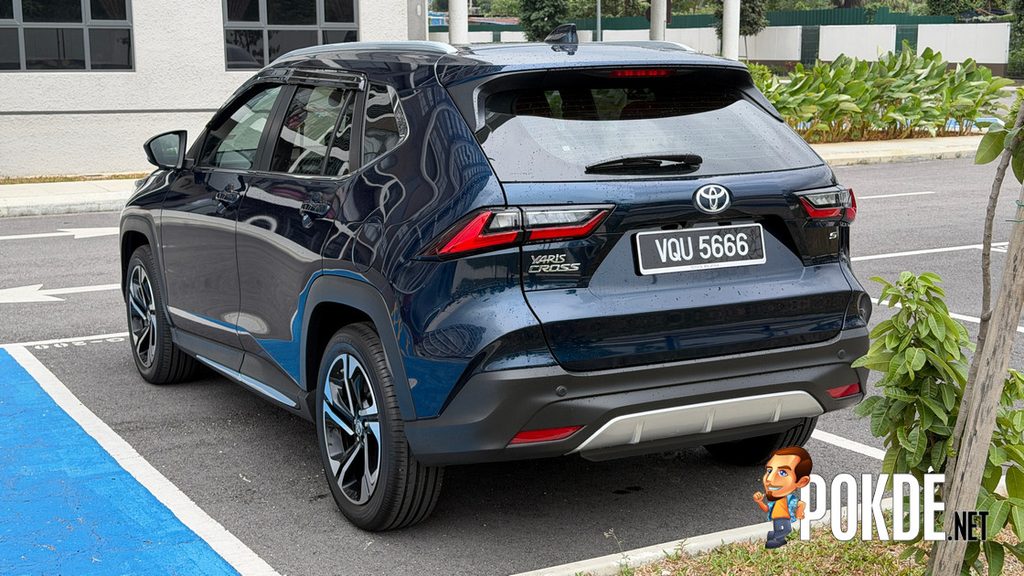
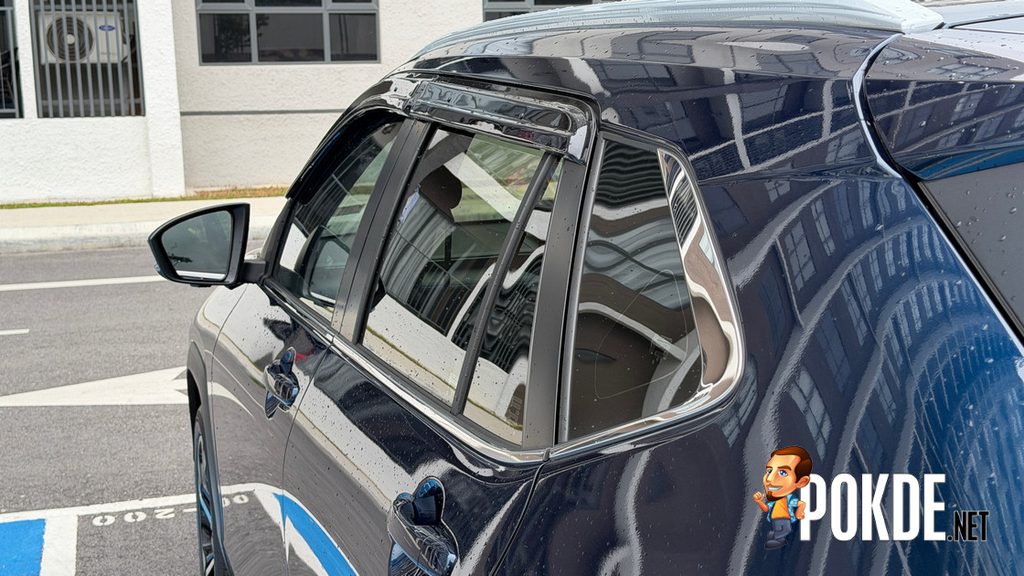
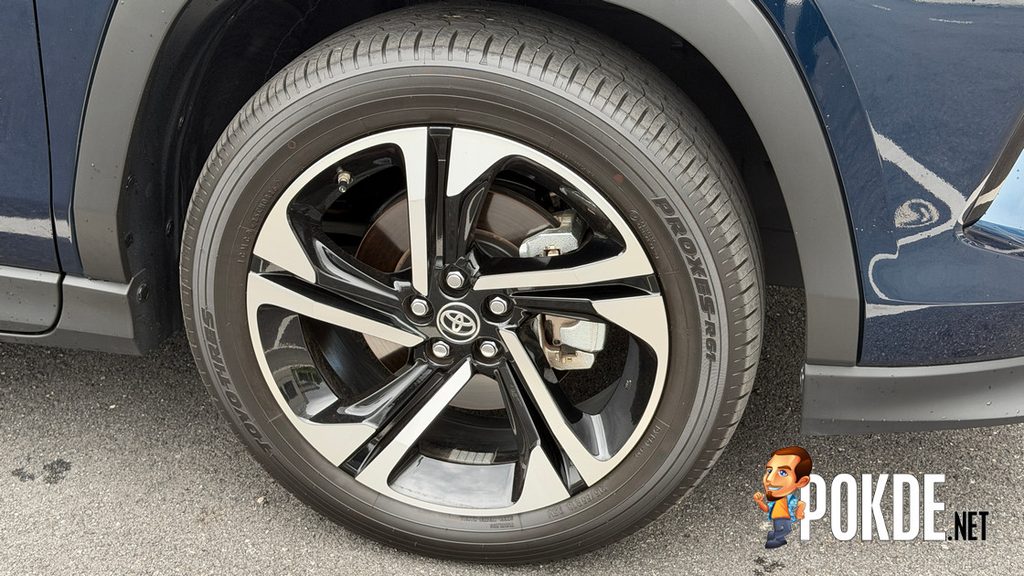
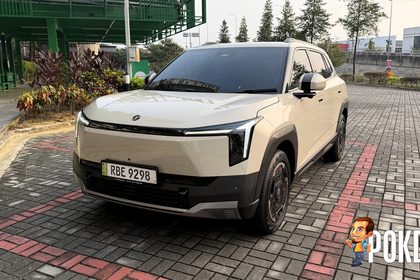
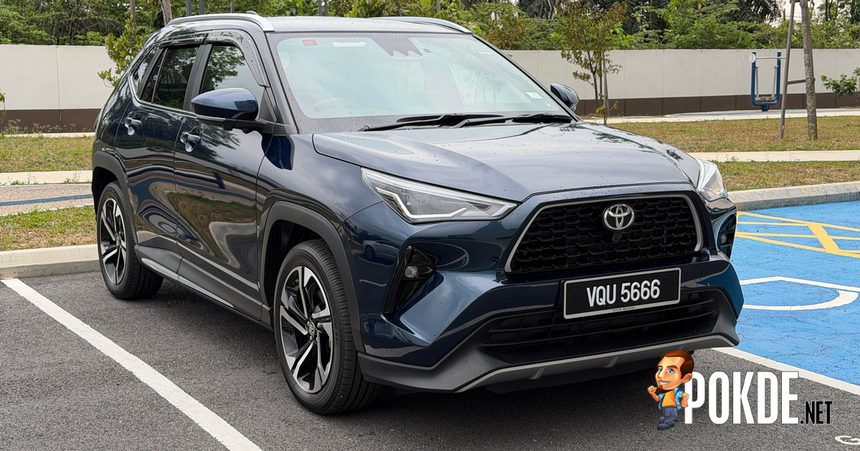
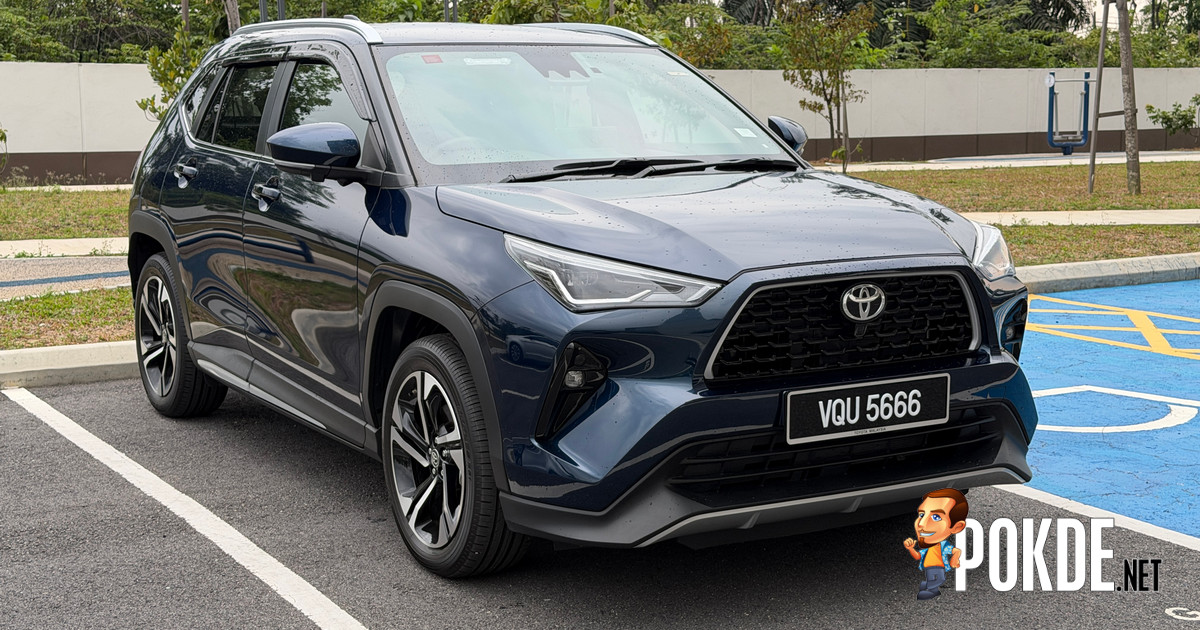
From the outside, there is nothing to tell you that this is the non-hybrid variant. The Yaris Cross ICE carries the same “Playful Boldness” design language as its HEV sibling, complete with the bold trapezoidal grille, sharp LED headlamps, square fenders, and muscular rear haunches that made the HEV such an attractive proposition on the road. The 18-inch two-tone machined alloy wheels are present here as well, filling the wheel arches considerably better than the 17-inch wheels you would find on its Perodua Traz sibling. The light curtain LED rear combination lamps tie the rear end together cleanly, and the roof rails and door visors come as standard.
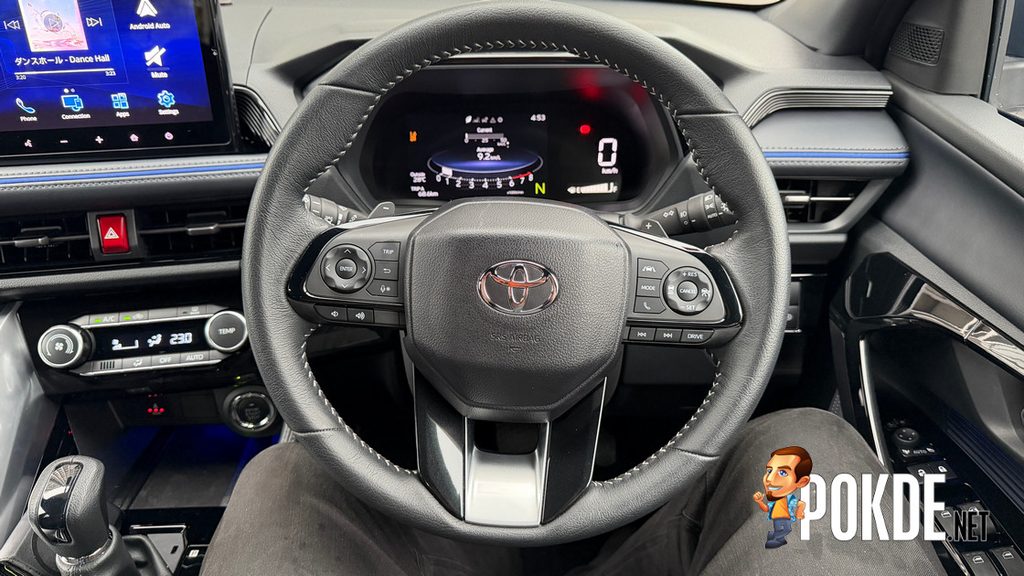
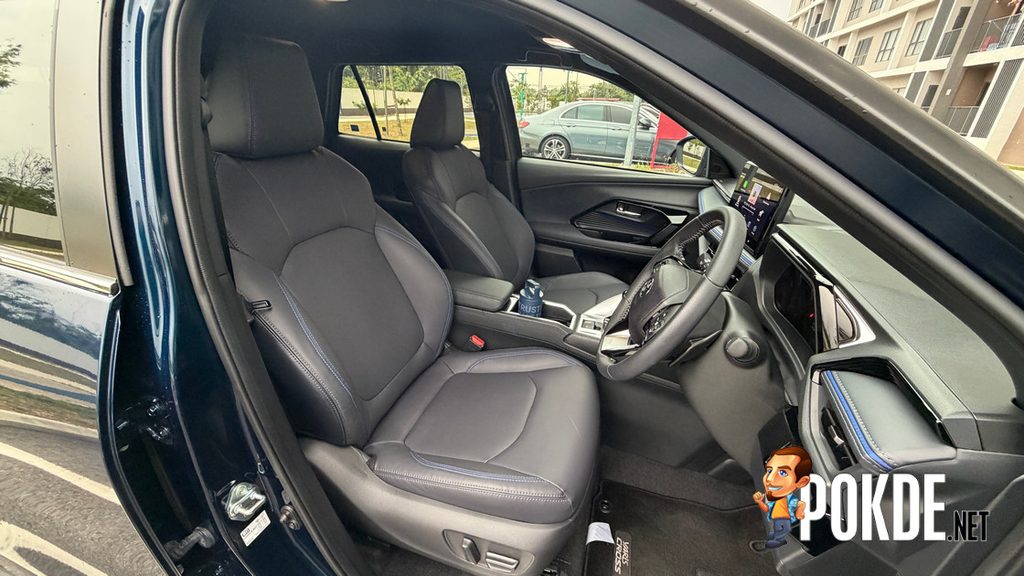
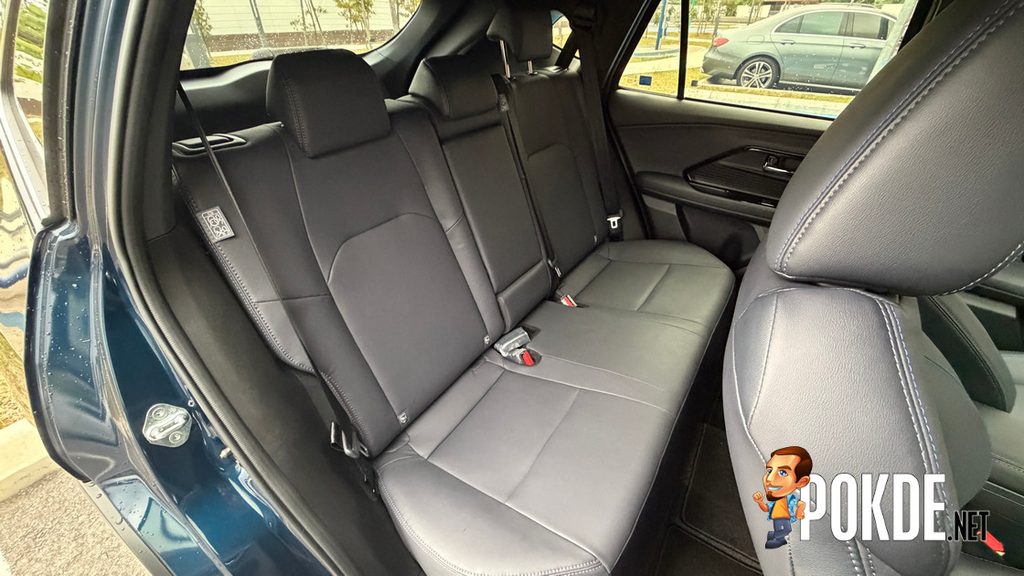
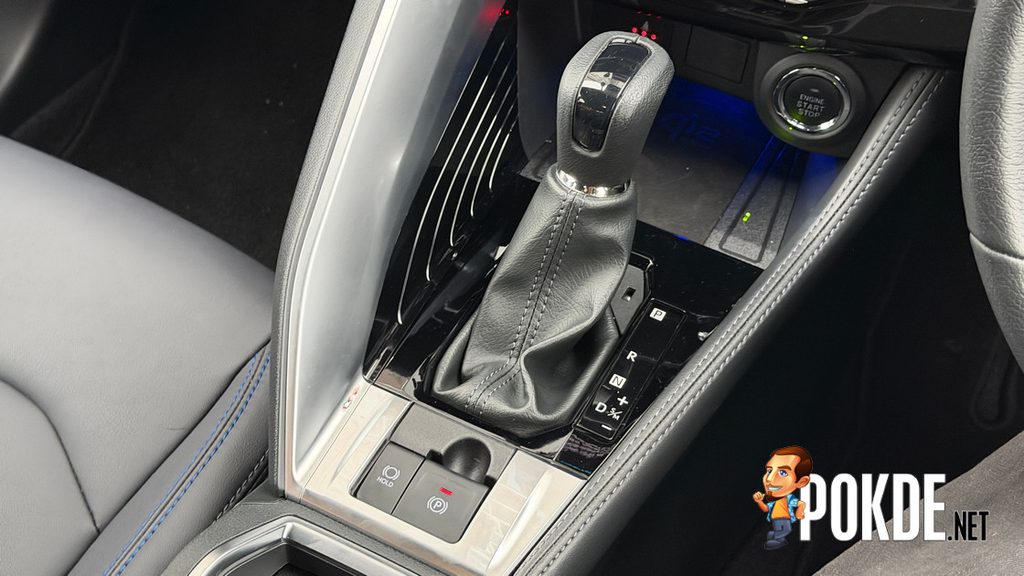
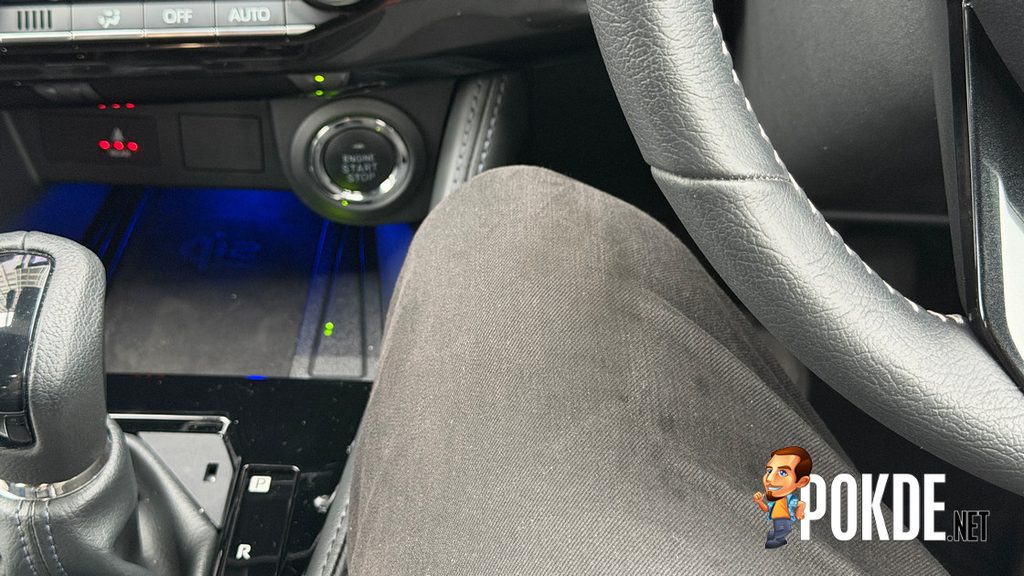
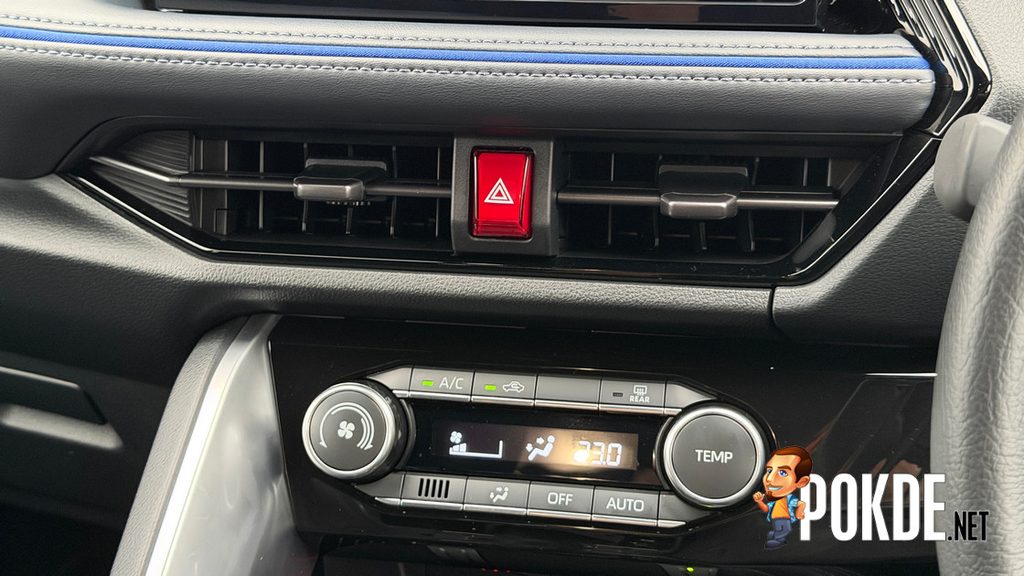
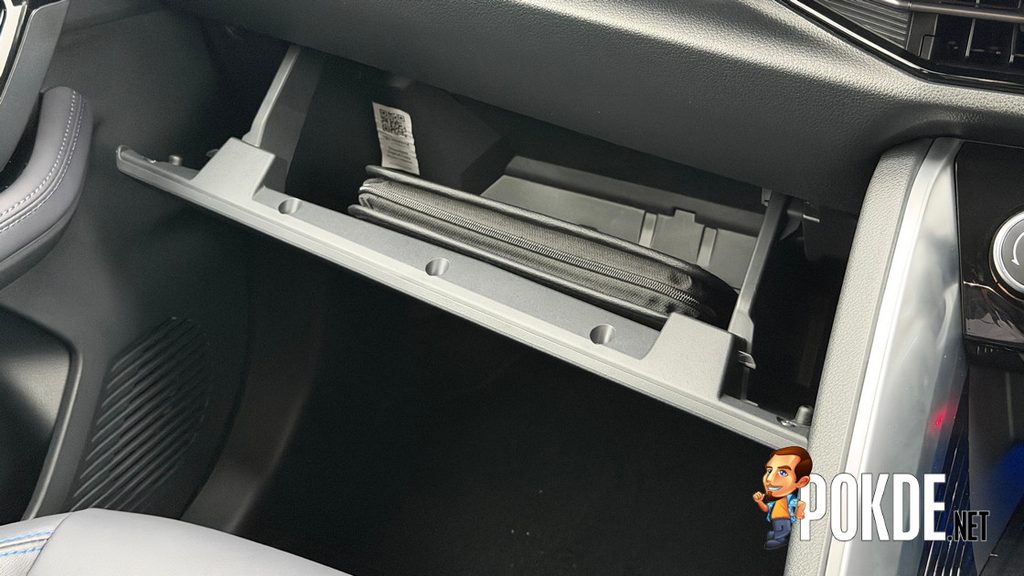
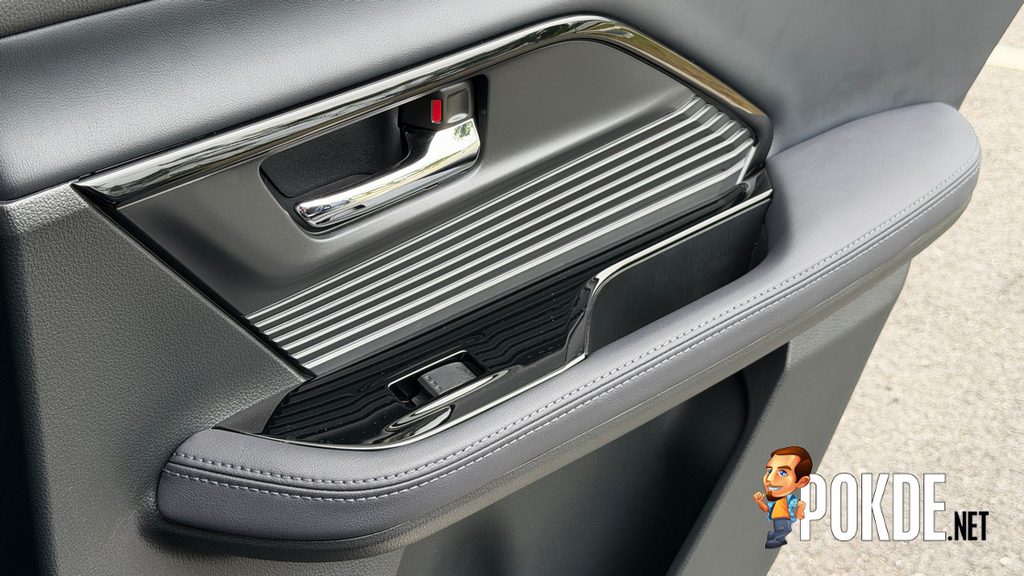
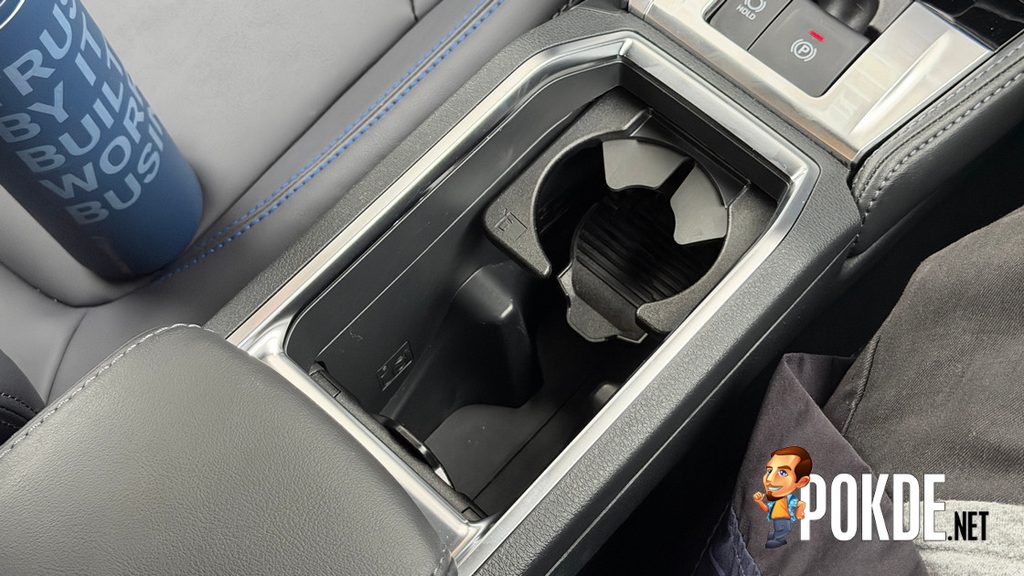
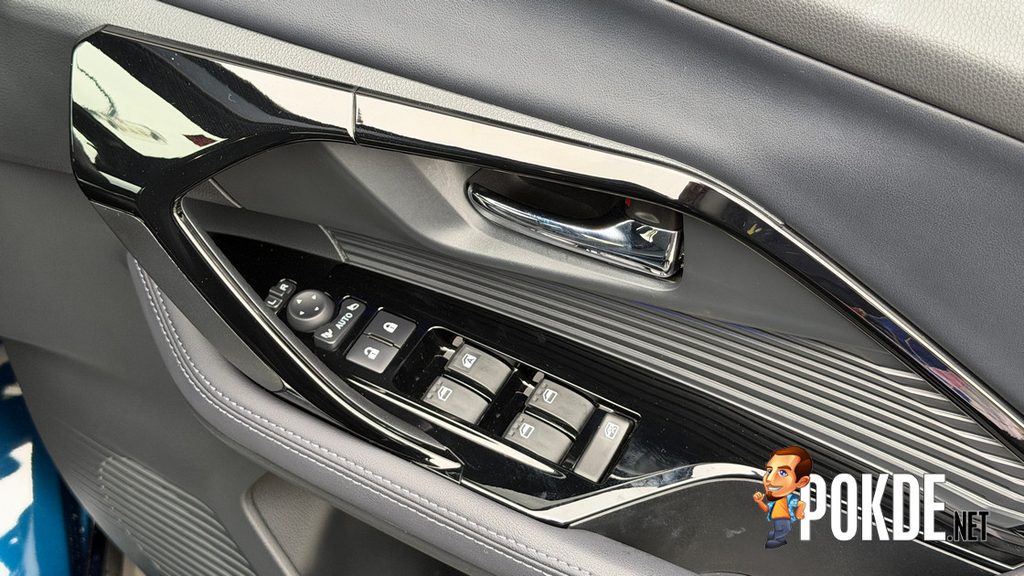
Step inside and the cabin will feel immediately familiar if you have spent time in the HEV. The general layout is shared, the blue interior highlights are carried over, and the overall quality of the fit and finish is on par. The plastics used throughout are built to a budget, which is no surprise given the shared parts bin with its Daihatsu-platform sibling, but the execution is tidy and nothing feels poorly assembled. Toyota has opted for soft-touch leather on the seats, and it genuinely is softer to the touch than what you would find even on the higher-specification Traz variants. The driver’s seat gets electric adjustment, though I did find that the electrically adjustable setup places me sitting slightly higher than I would prefer compared to the manually adjusted seat in the Traz. That said, this is a personal preference rather than a real flaw.
On the dashboard, the fully digital instrument cluster makes the Yaris Cross stand out from the Traz immediately. It is not new technology by Toyota’s standards, having appeared in the Vios and Veloz before, but it is absent from the Traz and its presence here elevates the cockpit feel noticeably. Four display modes let you personalise the layout, and the black background keeps readability consistent across different lighting conditions. A tyre pressure monitoring system readout is integrated into the cluster as well, which is a practical touch.
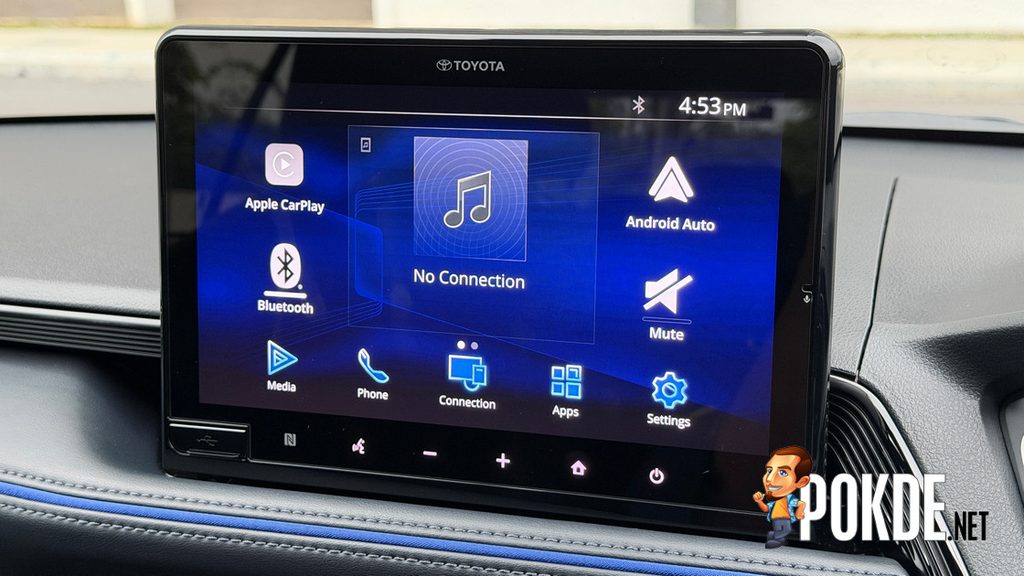
The 10.1-inch infotainment screen handles wireless Apple CarPlay and Android Auto, the latter being absent from the Traz entirely, and benefits from the Yaris Cross’s taller vehicle profile which means it does not intrude on the driver’s sightline the way it can in lower-slung models. The 360-degree camera image quality is noticeably cleaner than on the Traz, the six-speaker audio system sounds better than you might expect, and the steering wheel gains additional control buttons and paddle shifters that the Traz does not offer.

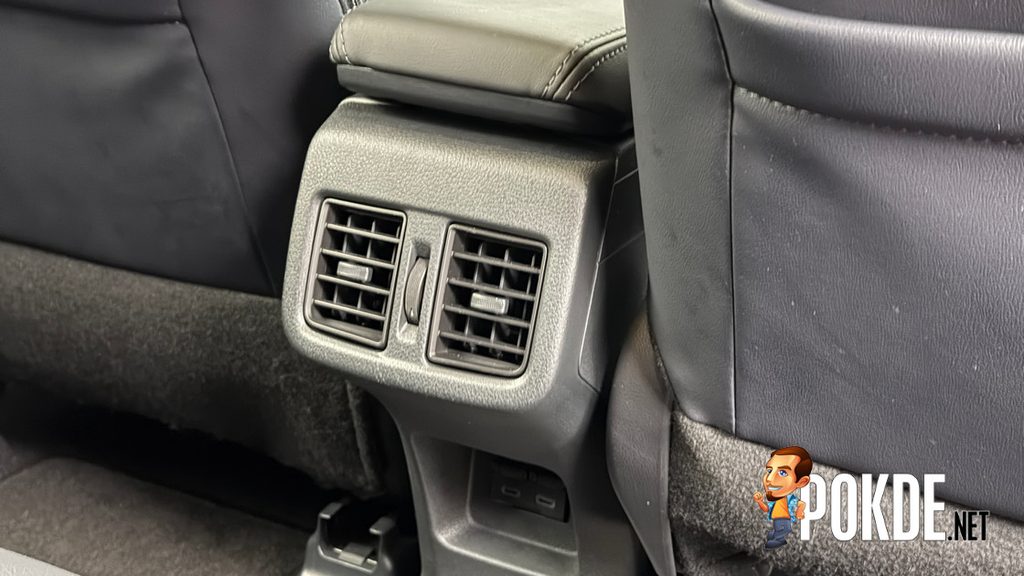
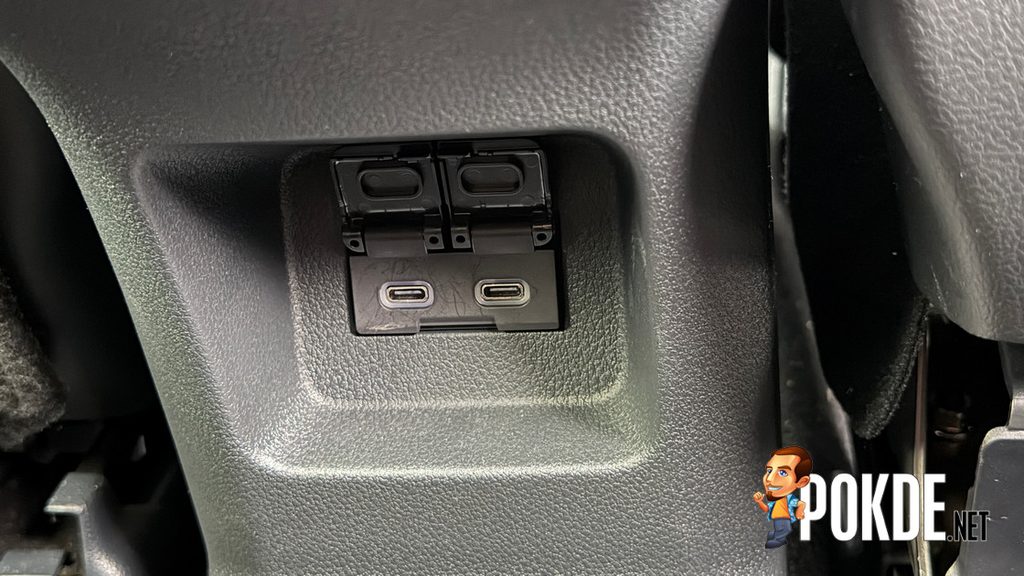
Rear passengers get the same two USB-C charging ports and dedicated air conditioning vents as the HEV variant. Boot space is rated at 471 litres here, slightly more than the HEV’s 465 litres due to the absence of the hybrid battery packaging, and Toyota includes a model-specific boot tray that can be removed and cleaned independently, which is a thoughtful practical addition that owners will quietly appreciate.
On the road, the 1.5-litre naturally aspirated engine producing 106PS and 138Nm drives through a CVT to the front wheels, exactly as it does in the Traz. The driving experience is broadly familiar, but there are meaningful differences to note. NVH refinement is marginally better in the Yaris Cross, with slightly less engine noise filtering into the cabin compared to the Traz, though the gap is not dramatic.
Where the Yaris Cross does pull noticeably ahead is in ride and handling character. The 18-inch wheels wrapped in thinner 215/55 R18 tyres produce a slightly stiffer ride than the Traz’s 17-inch setup, as the reduced sidewall transmits more road texture into the cabin. But the tradeoff is sharper, more eager turn-in, better steering feedback, and a greater sense of driver confidence through corners. The suspension itself is unchanged between the two cars but the wheel and tyre combination does enough to give the Yaris Cross a more engaging character behind the wheel.
Specifications
| Specification | Details |
|---|---|
| Engine | 1.5L 2NR-VE DOHC + Dual VVT-i |
| Max. Output | 78 kW (106 PS) at 6,000 rpm |
| Max. Torque | 138 Nm at 4,200 rpm |
| Transmission | 7-speed CVT with Sequential Shiftmatic |
| Paddle Shifters | Yes |
| Suspension (Front) | Macpherson Strut with Stabiliser |
| Suspension (Rear) | Torsion-Beam with Stabiliser |
| Brakes (Front/Rear) | Disc / Disc |
| Tyres & Rims | 215/55 R18 Alloy (Machining) |
| Steering | Electric Power Steering |
| Length | 4,310 mm |
| Width | 1,770 mm |
| Height | 1,615 mm (inc. antenna) |
| Wheelbase | 2,620 mm |
| Ground Clearance | 210 mm |
| Kerb Weight | 1,150 kg |
| Fuel Tank Capacity | 42 litres |
| Cargo Space | 471 litres |
| Safety Rating | 5-Star ASEAN NCAP |
| Safety Features | Toyota Safety Sense (PCW, PCB, PCBA, ACC Full Speed Range, LDW, LDP, LKC, AHB, BSM, RCTA, Pedal Misoperation Control) |
| Colors | Dark Turquoise, Platinum Pearl White, Silver Metallic, Spicy Scarlet SE, Attitude Black Mica |
| Warranty | 5 years unlimited mileage |
Fuel Efficiency
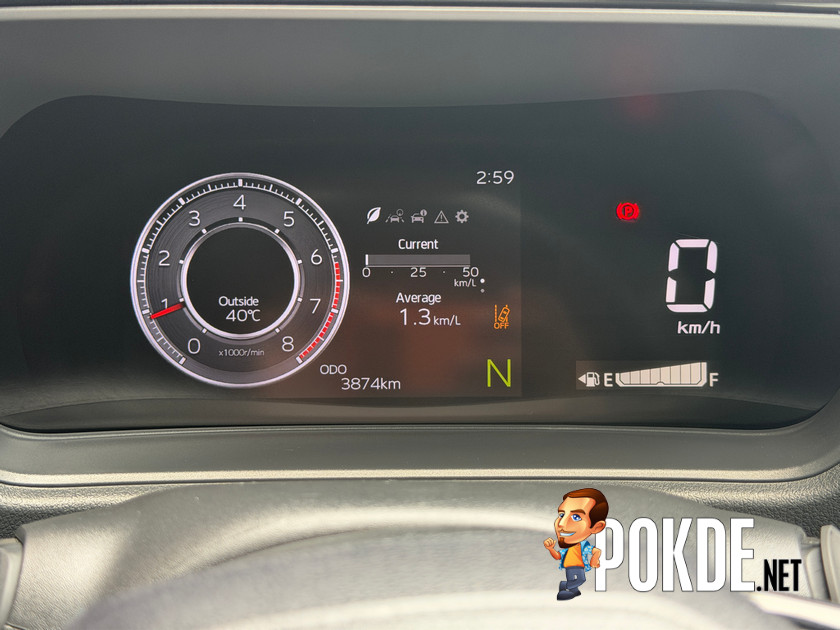
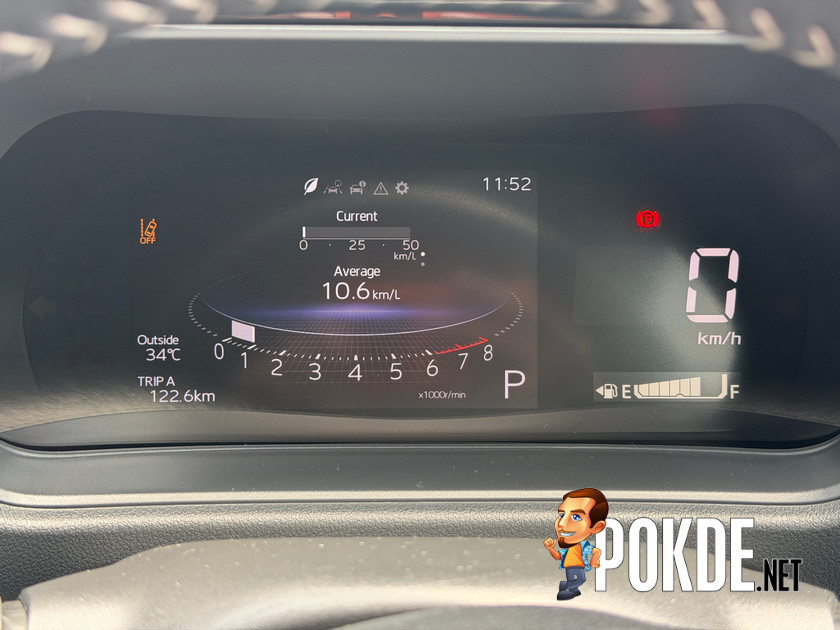
During our review period, we received the Toyota Yaris Cross 1.5S with a full tank of gas and drove for 122.6 km in a 60/40 urban to highway mix. By the end, we used roughly 10.5 litres of fuel. This means we got a fuel efficiency of:
| Metric | Toyota Yaris Cross 1.5S | Toyota Yaris Cross 1.5S HEV |
|---|---|---|
| Fuel Efficiency | 11.67 km / L (8.57 L / 100km) | 20.3 km / L (4.92 L / 100km) |
| Fuel Tank Capacity | 42 L | 36 L |
| Theoretical Full Tank Range | 490km | 730.8 km |
| Claimed Figures | 21.2 km / L (4.7 L / 100 km) | 27.8 km / L (3.6 L / 100 km) |
It’s interesting that we got closer to the claimed figured of the ICE variant with the HEV variant instead. With that being said however, we were rather heavy-footed when driving it around so I’m not surprised to see such poor figures. Even still, reaching the claimed figures would require a very light-footed approach in ideal driving situations. Assuming I don’t find myself being stuck in traffic jams often, I believe a reasonable driving approach would yield about 15 to 16 km / L figures at best.
If you weren’t impressed by the HEV variant’s fuel consumption, this at least shows that you can almost double the mileage per litre of fuel with some hard driving. If you were expecting the full tank range to be higher, do note that the HEV variant has a slightly smaller fuel tank at 36L, compared to the ICE variant’s 42L.
The Good
The Yaris Cross experience at a more accessible price
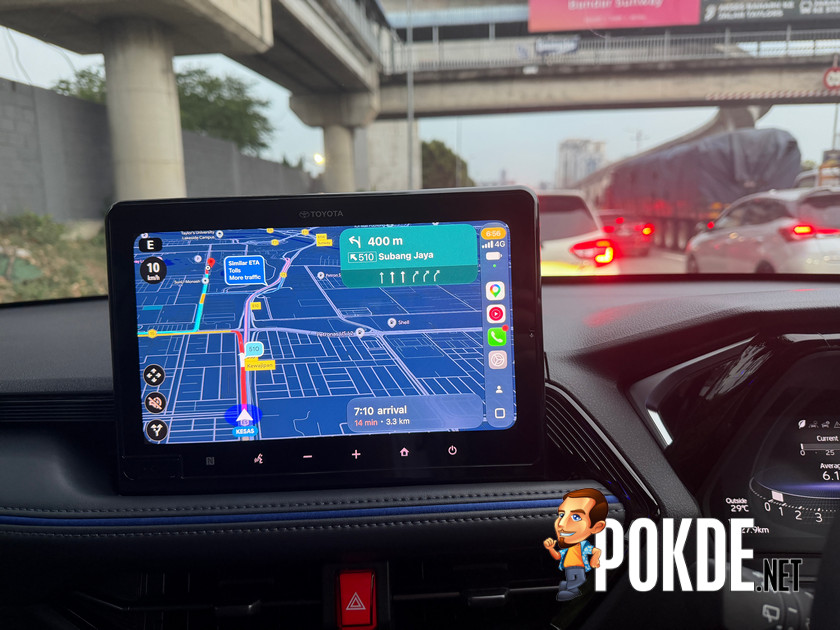
At RM99,900, the Yaris Cross 1.5S is RM10,000 cheaper than the HEV variant, and yet it carries almost the entire feature package of its hybrid sibling. Wireless Apple CarPlay and Android Auto, the fully digital instrument cluster with four display modes, 18-inch alloy wheels, soft-touch leather seats, electric driver seat adjustment, a 360-degree camera, the model-specific boot tray, and the full Toyota Safety Sense suite with adaptive cruise control are all present. If your priority is getting the Yaris Cross ownership experience without the hybrid premium, the ICE variant makes a genuinely strong case.
A complete Level 2 ADAS package that shames its sibling
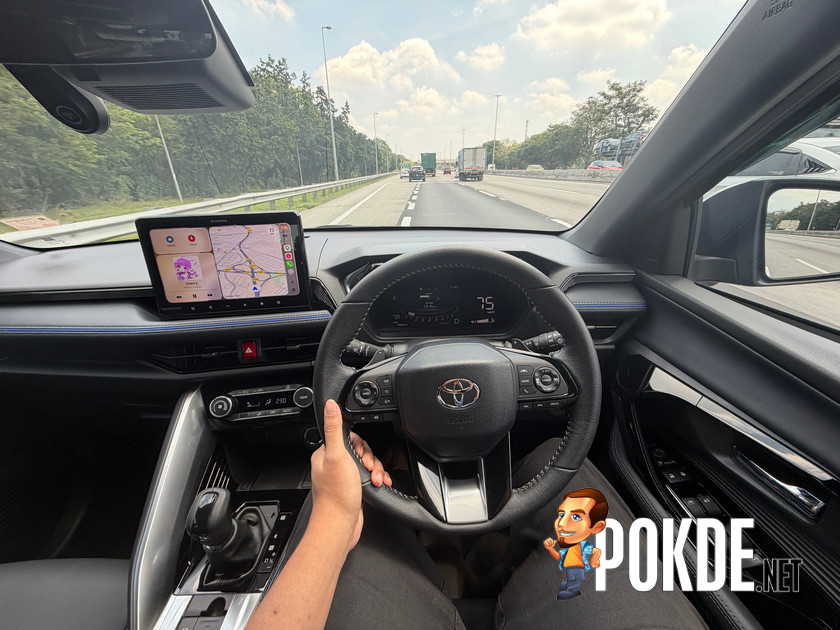
The adaptive cruise control that is conspicuously absent from the Traz is here on the Yaris Cross, completing a full Toyota Safety Sense suite that makes this a proper Level 2 autonomous driving assistance vehicle. Pre-collision warning and braking, lane departure prevention with steering assist, lane keeping control, blind spot monitor, and rear cross traffic alert combine with the adaptive cruise control to create a safety and driver assistance package that feels genuinely modern and complete. For highway driving in particular, the difference between having and not having adaptive cruise control is a meaningful one.
Sharper handling than its sibling without sacrificing comfort
The 18-inch wheel and tyre combination gives the Yaris Cross a noticeably more eager, more communicative driving character than the Traz. Turn-in is sharper, steering feedback is more present, and driver confidence through corners is higher. The tradeoff is a slightly stiffer ride over broken surfaces due to the reduced tyre sidewall, but it is not uncomfortable, and for anyone who appreciates a car that responds crisply to their inputs, the Yaris Cross ICE delivers more of that than you might expect from a compact SUV at this price.
Interior details that quietly justify the Toyota premium
The softer leather, the cleaner 360-degree camera image, the better-sounding audio system, the additional steering wheel controls, the paddle shifters, and the boot tray are all small things individually. Together, they add up to an interior experience that consistently feels a notch above the Traz, and they are the kinds of details that make a difference over the course of daily ownership rather than just during a test drive.
On a general level, the audio quality of speakers are decent and far from great. I say that because anything you play will have a hollow sound and clearly lacking in lows. If you’re listening to music or podcasts just to keep yourself entertained while driving, it’s not an issue but if you’re particularly picky, do consider adding a subwoofer for an overall better listening experience.
The Bad
The powertrain story is familiar, and that cuts both ways
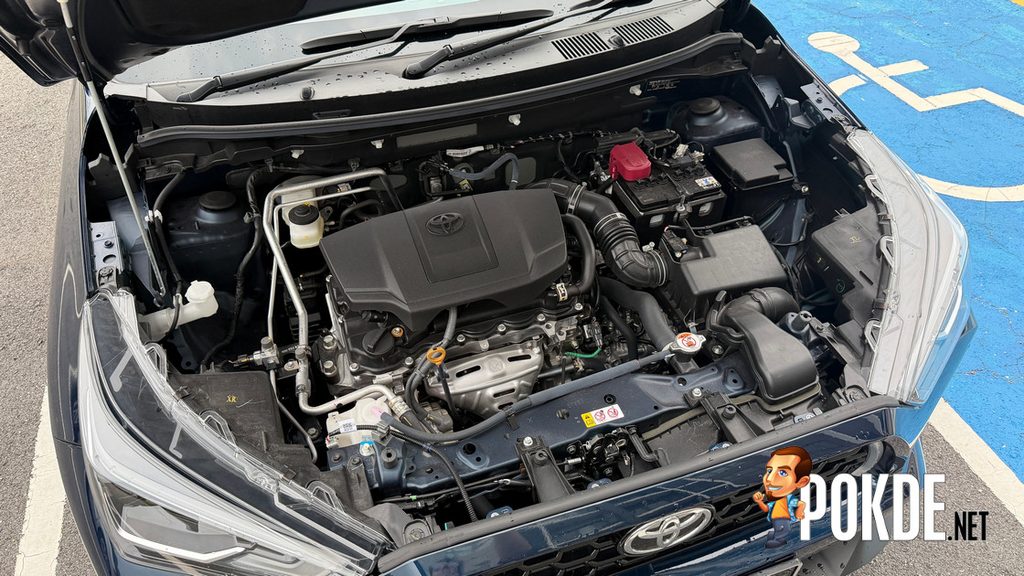
The 1.5-litre naturally aspirated engine and CVT combination is a known quantity. It is smooth, reasonably refined, and entirely adequate for daily use. But it is not exciting, and the CVT does little to help with driving engagement even with the paddle shifters available. Compared to the HEV variant, the lack of the electric motor’s instant torque contribution means the ICE variant feels noticeably less eager off the line, and the fuel consumption gap between the two is significant enough that over a full ownership cycle, the RM10,000 price difference starts to look less commanding.
It’s also worth noting that if you’ve already experienced driving the HEV variant, then both the Traz as well as the Yaris Cross ICE will feel significantly noisier due to the engine noise. To be precise, it becomes a lot more apparently when driving past 80km/h.
The HEV variant’s hybrid battery packaging advantage is reversed here
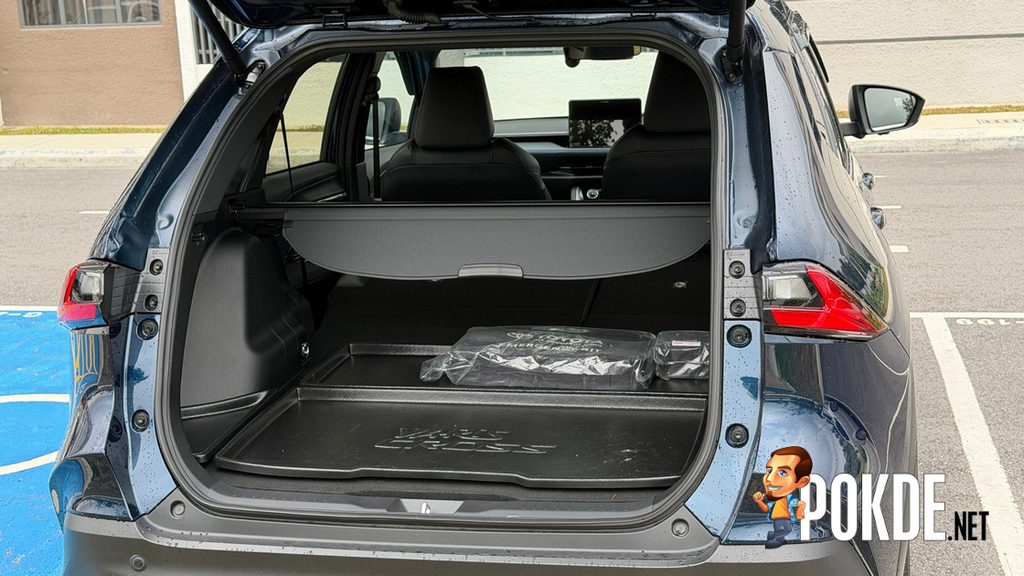
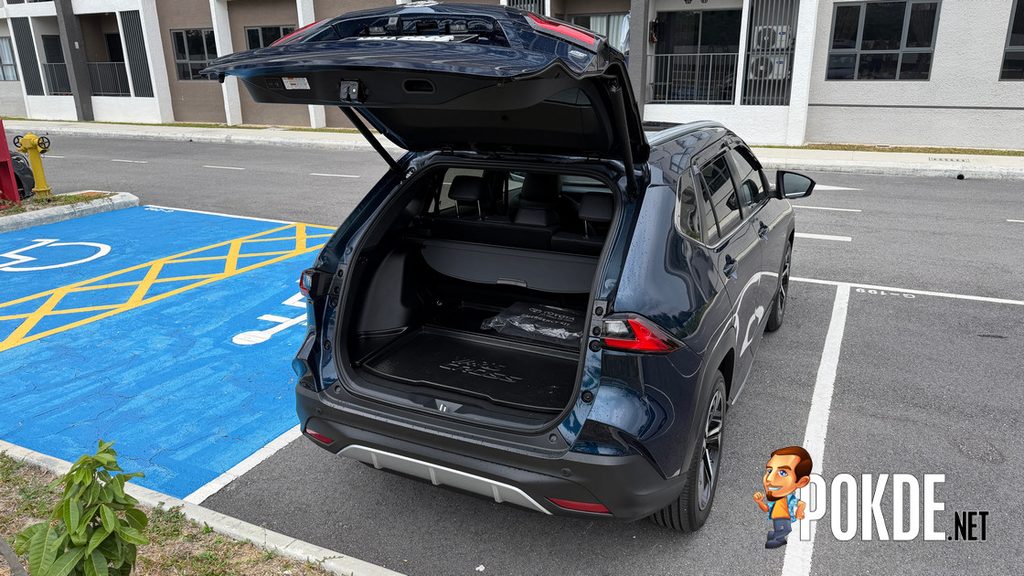
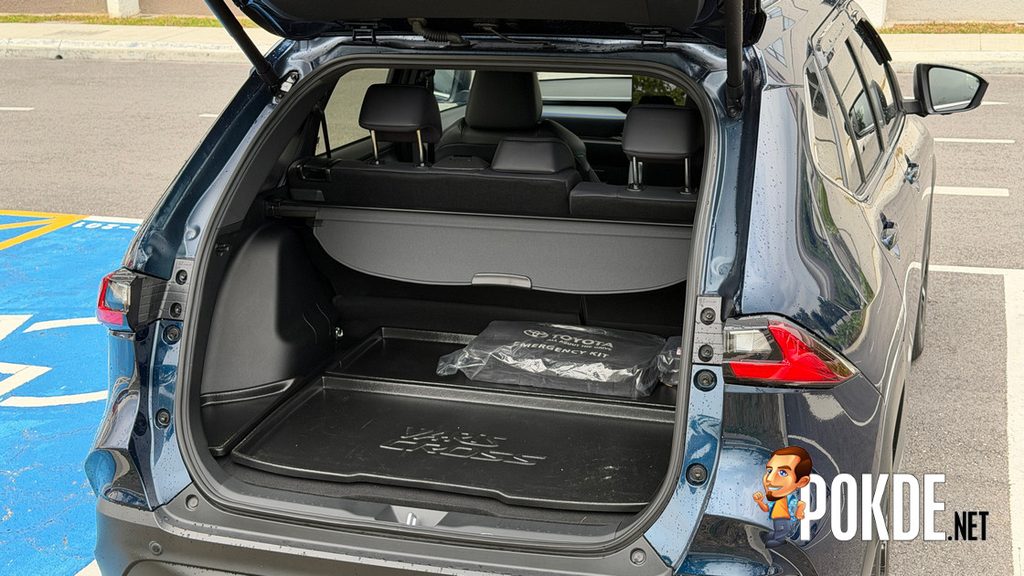
One of the Yaris Cross HEV’s cleverest engineering moves was repositioning the hybrid battery beneath the rear seats to preserve boot space. The ICE variant does not have that constraint and its 471-litre boot is slightly larger as a result, but the adjustable cargo floor that the HEV offers is not replicated here. It is a minor point, but HEV buyers do get a more flexible boot layout as part of their package.
Platform origins still show in the cabin
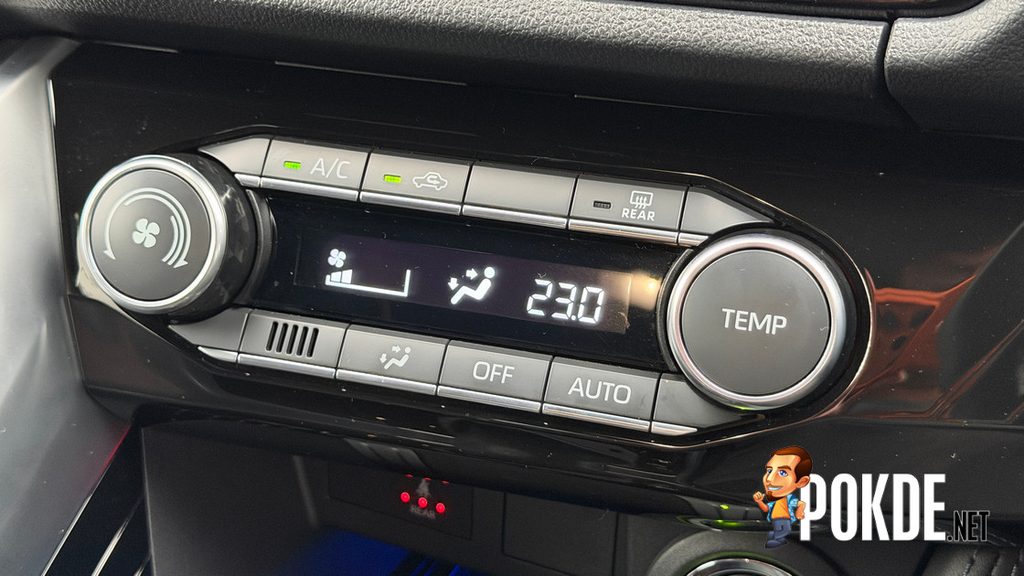
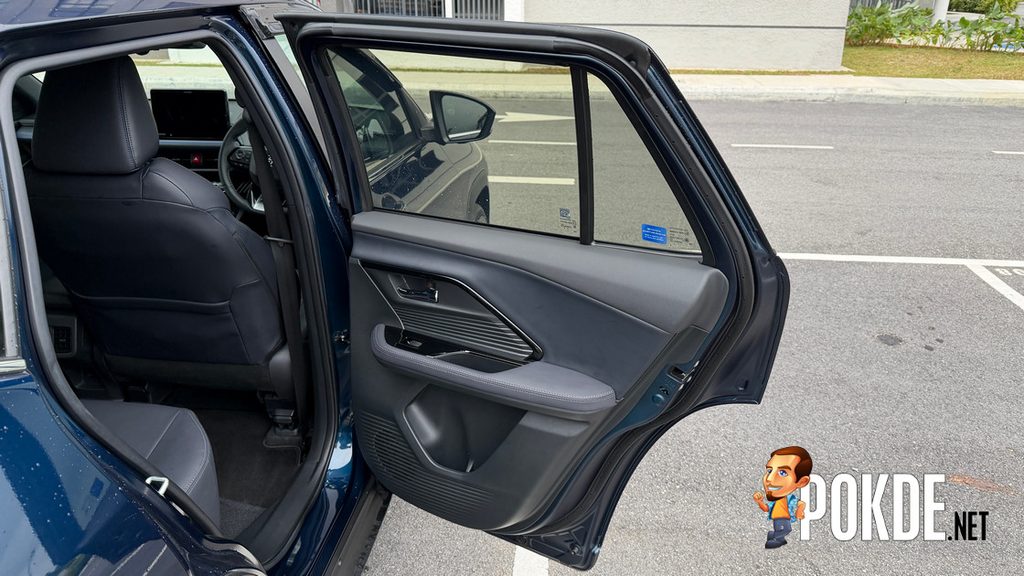
As noted in the HEV review, the shared Daihatsu platform means hard plastics dominate the dashboard and the door panels carry that familiar hollow feel. These are the same observations here, and the RM99,900 price point means buyers at this level may reasonably expect more material refinement. It is not a dealbreaker, but it is a consistent reminder that the Yaris Cross, for all its Toyota branding and thoughtful feature additions, is still built on an economy platform at its core.
2026 Toyota Yaris Cross 1.5S Verdict
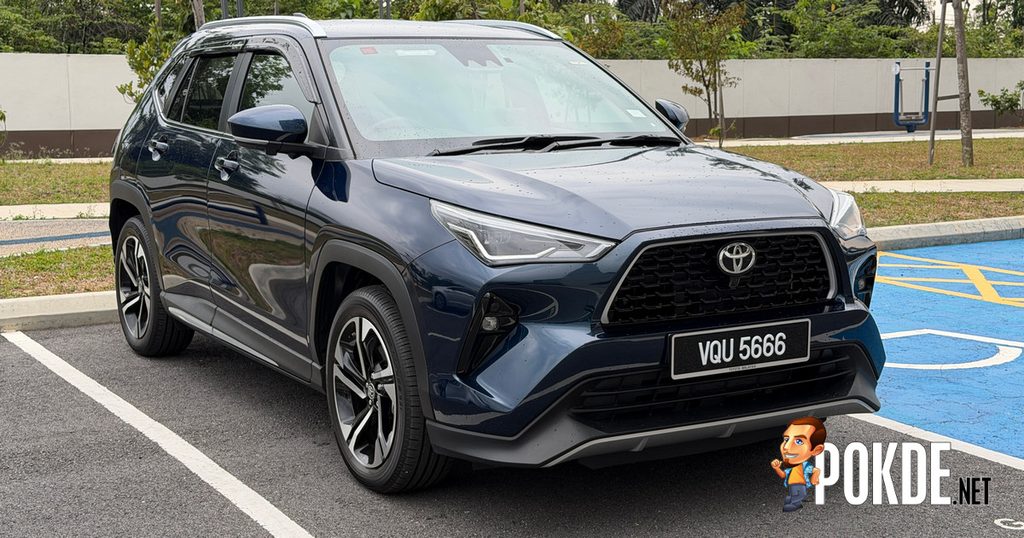
The 2026 Toyota Yaris Cross 1.5S makes a compelling case as the entry point into the Yaris Cross range. It carries the design, the feature set, the safety suite, and the Toyota brand confidence at a price that is RM10,000 easier to justify than the HEV. For buyers who do not see themselves needing the hybrid system’s efficiency benefits, or who simply want to own a Yaris Cross without stretching the budget that far, the ICE variant is a well-rounded, sensibly priced compact SUV that holds its own in a competitive segment. That said, if you can stretch the budget, the HEV variant remains the stronger all-round proposition over a full ownership period. But on its own terms, the 1.5S is a decent car.
With that in mind, I award the 2026 Toyota Yaris Cross 1.5S with our Bronze Pokdeward.

Big thanks to Toyota Malaysia for loaning us this car for the purpose of this review.