
- Unboxing the Apple AirPods 5
- Walkaround
- Mic Test
- The Good
- Active Noise Cancellation That Defies the Open-Ear Design
- Sound Quality Is the Best Standard AirPods Has Offered
- Personalised Spatial Audio With Head Tracking
- Ecosystem Integration Is Seamlessly Smooth for Apple Users
- The Bad
- Open-Ear Fit is Divisive and Limits Sound Quality Ceiling
- No Bluetooth Multipoint for Non-Apple Device Switching
- Find My Speaker Only on Wireless Charging Case
- No Lossless Audio Support Over Bluetooth
- Battery Life Is Adequate but Not Class-Leading
- Apple AirPods 5 Verdict
Offer price: 699
Currency: MYR
-
Appearance - 7/107/10
-
Efficiency - 7.5/107.5/10
-
Features - 8.5/108.5/10
-
Materials - 7.5/107.5/10
-
Performance - 8.2/108.2/10
-
Portability - 9/109/10
-
User Experience (UX) - 9/109/10
-
Value - 8.5/108.5/10
Summary
The Apple AirPods 5 is the most capable standard AirPods Apple has made, and for a specific buyer it represents genuinely excellent value.
Overall
8.2/10Pros
- Active Noise Cancellation That Defies the Open-Ear Design
- Sound Quality Is the Best Standard AirPods Has Offered
- Personalised Spatial Audio With Head Tracking
- Ecosystem Integration Is Seamlessly Smooth for Apple Users
- Conversation Awareness and Adaptive Audio Work Naturally
- Head Gestures Add Hands-Free Control
- Comfortable for Extended Wear, With the Right Ear Shape
Cons
- Open-Ear Fit Limits Sound Quality Ceiling
- No Bluetooth Multipoint for Non-Apple Device Switching
- Fit Is Divisive and Non-Adjustable
- Find My Speaker Only on Wireless Charging Case
- No Lossless Audio Support Over Bluetooth
- Battery Life Is Adequate but Not Class-Leading
Unboxing the Apple AirPods 5
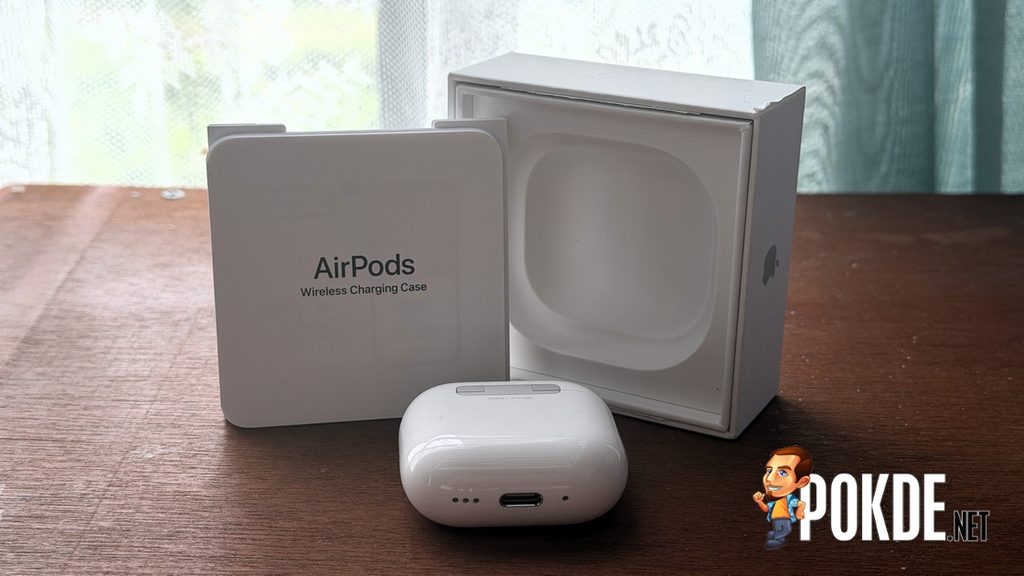
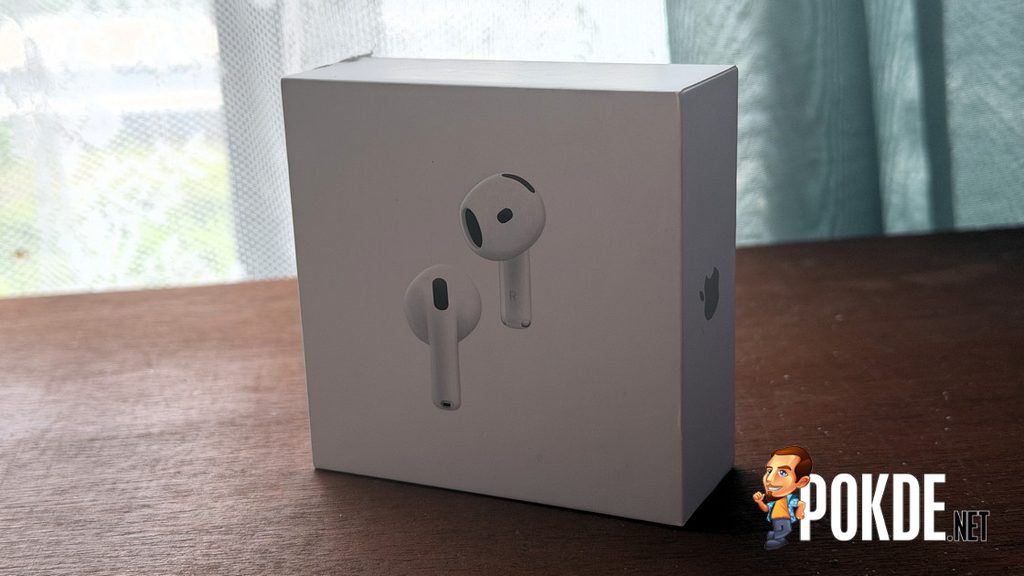
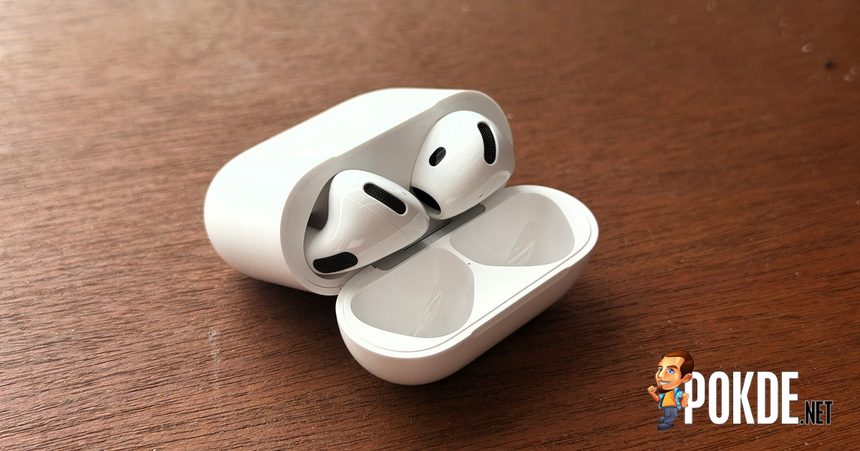
The Apple AirPods 5 arrives in minimalist packaging that is standard Apple fare for accessories. The box is compact and clean with no excess material, consistent with Apple’s ongoing push toward more sustainable packaging. Inside you get the AirPods themselves and the charging case, along with documentation. There is no USB cable included whatsoever, which means you will need to use your own cable, or charge wirelessly for the wireless charging case variant.
Just to be clear, the unit Super Daddy got for me is the Apple AirPods 5 with Wireless Charging Case, retailing at RM699. The standard model without wireless charging is available at RM599.
Walkaround
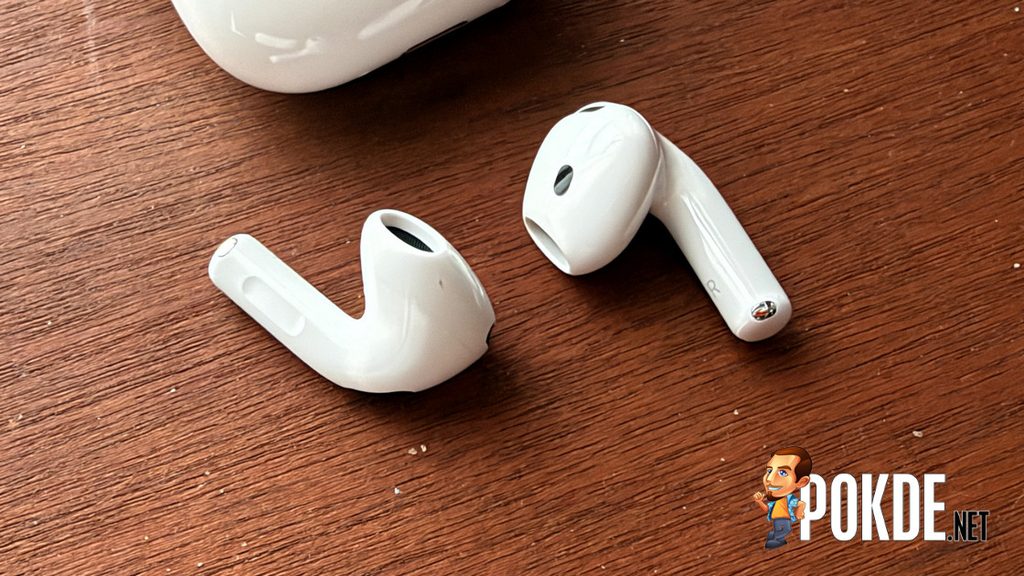
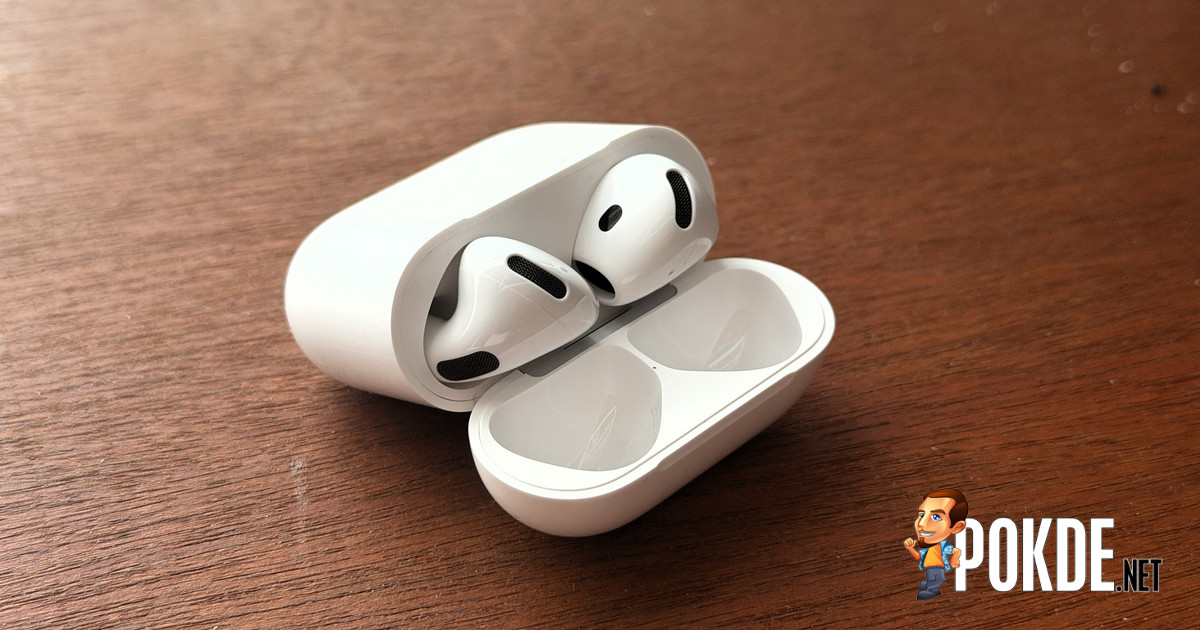
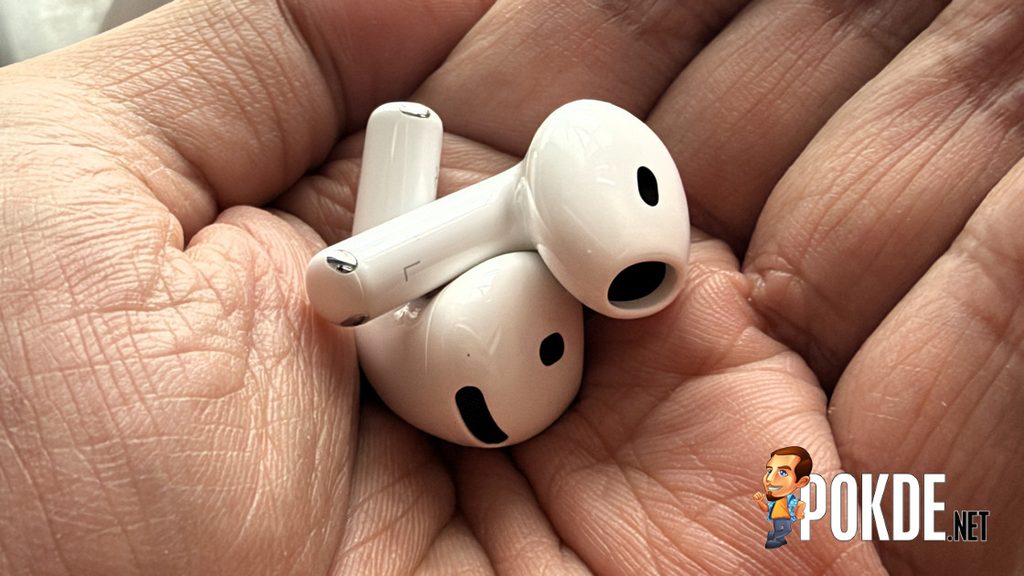
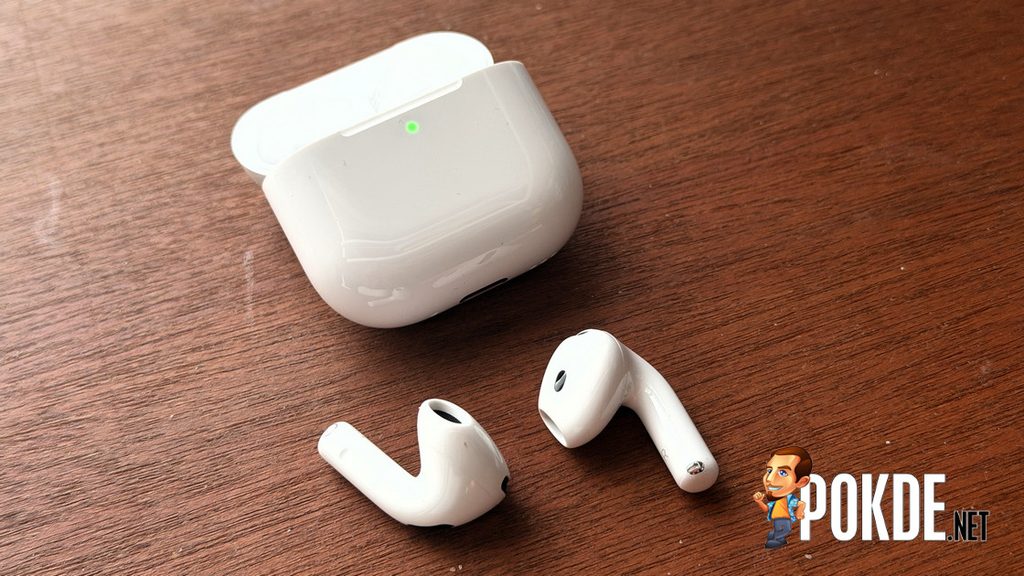
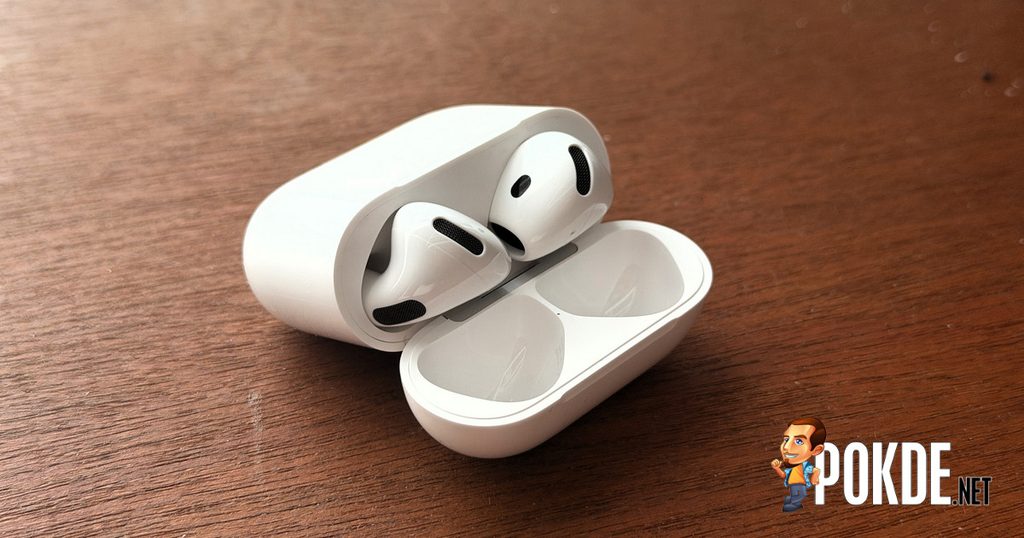
The Apple AirPods 5 represents the most significant physical redesign of the standard AirPods line in several generations. The stems have been shortened noticeably compared to the AirPods 4, giving the earbuds a more compact and less protruding look when worn. The overall silhouette is cleaner and sits closer to the ear, which contributes both to aesthetics and to a more secure feel during movement.
The earbuds retain the stemmed design with no ear tips, which remains the most consequential design decision Apple makes with the standard AirPods line. Whether this works for you depends almost entirely on your ear shape. I find them comfortable even during extended wear of several hours, with no pressure buildup or fatigue that in-ear tips can sometimes cause. That said, the fit is genuinely one of the most divisive aspects of any AirPods product.
Users whose ear canals and concha geometry align well with the AirPods shape will find them secure and comfortable. Those whose ears do not naturally cup the earbud will find them loose, prone to falling out during activity, and unable to achieve the passive seal that improves both isolation and bass response. This is not a design flaw so much as a fundamental characteristic that buyers should test before committing.
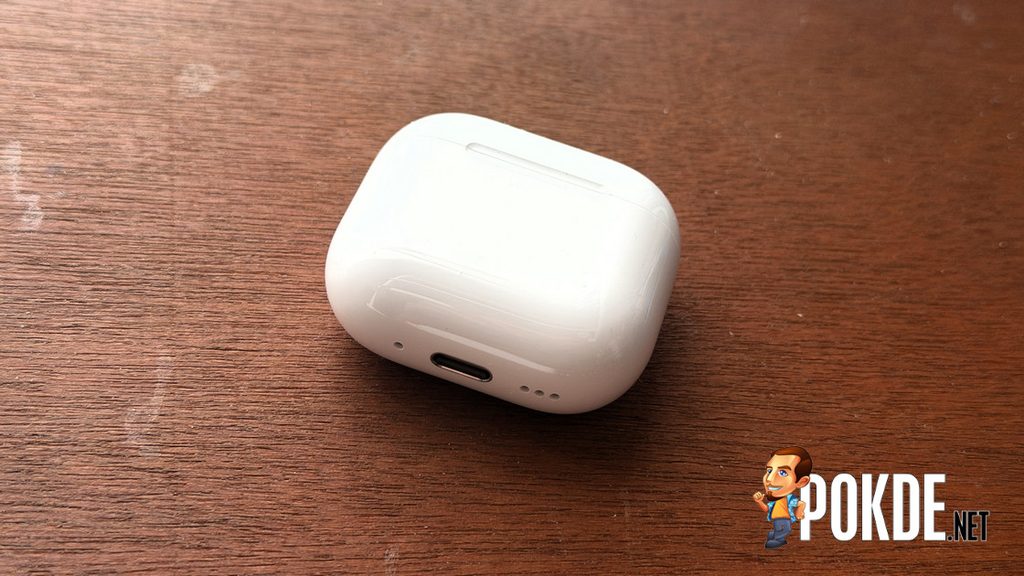
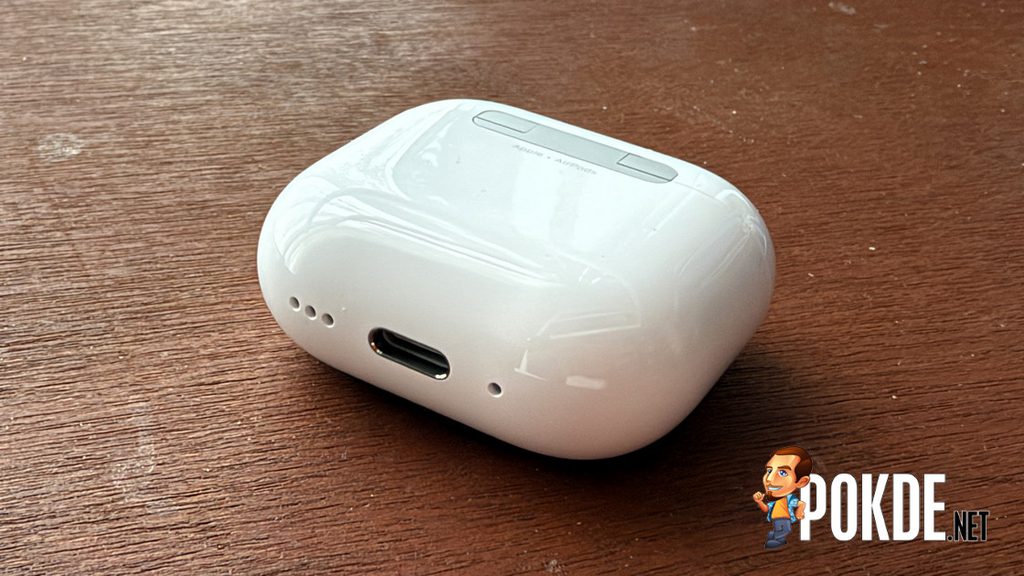
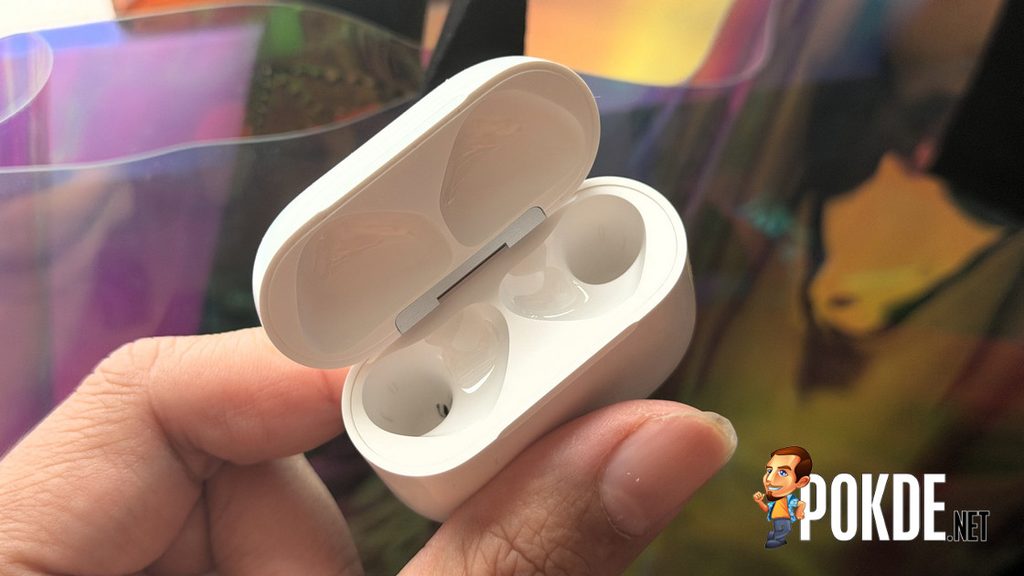
The case on the wireless charging variant is smooth and pocketable, with a satisfying magnetic closure. The hinge feels precise and well-machined. A speaker on the wireless charging case enables Find My audio alerts, which is a genuinely useful addition for locating a misplaced case. This speaker is not present on the standard case, so if Find My audio matters to you, the RM100 premium for the wireless charging case is additionally justified beyond just the charging convenience.
IP57 dust and water resistance is present on both the earbuds and the case, which is pretty good and is a notable improvement of the AirPods 4’s IP54 rating. This means that while dust protection remains the same, the new AirPods can handle a bit of water submersion between 15 cm and 1 meter. It’s not something you’d take for a swim, but shouldn’t be a problem if you accidentally drop it into the sink or if you’re using it in the rain (provided the rain isn’t too heavy, as the bigger worry here would be them flying off your ears).

Specifications
| Specification | Details |
|---|---|
| Driver | Custom high-excursion Apple driver |
| Chip | Apple H2 |
| ANC | Yes, Active Noise Cancellation |
| Transparency Mode | Yes, with Adaptive Audio |
| Personalised Spatial Audio | Yes, with dynamic head tracking |
| Conversation Awareness | Yes |
| Fit | Open-ear, no ear tips |
| Controls | Force sensor, touch controls, head gestures |
| Voice Assistant | Siri |
| Connectivity | Bluetooth 5.3 |
| Multipoint | No (Apple ecosystem multi-device switching via iCloud) |
| Battery (Earbuds) | Up to 6 hours (ANC off), up to 5 hours (ANC on) |
| Battery (With Case) | Up to 30 hours total |
| Charging | USB-C / Wireless (MagSafe, Qi) on wireless charging case variant |
| Find My Speaker | On wireless charging case only |
| Water Resistance | IP57 |
| Colors | White |
| In the Box | AirPods, charging case, documentation |
| Price | RM599 (standard case), RM699 (wireless charging case) |
Mic Test
For those of you who are planning to use the Apple AirPods 5 for any vocal application, you’ll be happy to know that the microphone can record your voice pretty well. There’s definitely some depth to my voice and it’s surprisingly clear, making it easy to hear. Unsurprisingly, it would sound at its best in a quiet room, though it does a good job at isolating your voice from all of the environmental noise around you. However, do keep in mind that your voice may sound heavily processed if your surroundings are particularly noisy.
In case you were wondering, it uses dual beamforming mics, in conjunction with the Apple H2 chip for computational audio features like Voice Isolation for clear vocal quality. It’s definitely a big step above the typical phone call quality voice, though you won’t sound that good in an actual phone call. For online voice calls like on Discord, it works pretty well but I wouldn’t rely on it for professional voiceover work unless it’s truly a last resort.
Conversation Awareness, which automatically lowers media volume and increases microphone sensitivity when you begin speaking to someone, works reliably without requiring any input. It activates quickly and returns to normal playback smoothly once the conversation ends. Adaptive Audio, which blends ANC and Transparency mode dynamically based on the environment, reduces the need to manually toggle between modes in changing settings.
Both features work as described and become part of the experience rather than something you consciously manage. With that being said, there are occasional delays on when the media volume gets lowered but for the most part, it happens fast enough that you wouldn’t mind the hiccups.
The Good
Active Noise Cancellation That Defies the Open-Ear Design
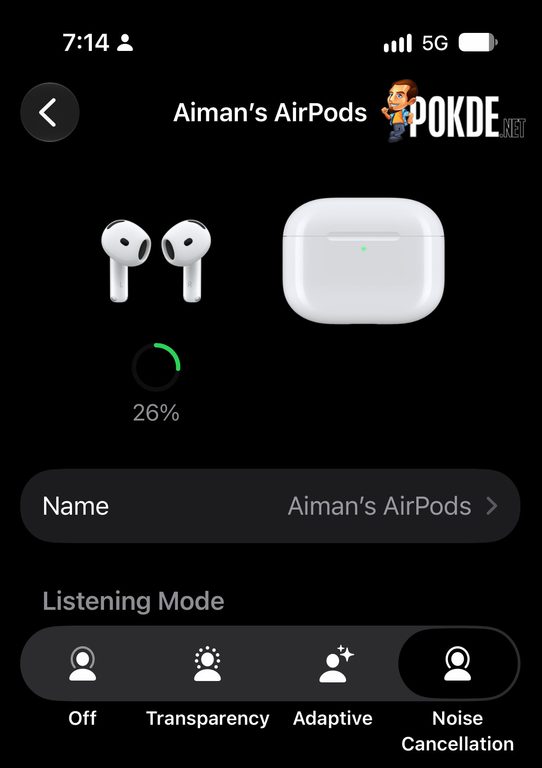
The most impressive technical achievement of the AirPods 5 is delivering effective ANC without an in-ear seal. Standard ANC earbuds rely on the physical isolation of ear tips to block passive noise before the electronics handle the rest. The AirPods 5 has no such seal, yet the ANC performs meaningfully well, reducing consistent background noise like air conditioning, office hum, and street noise to comfortable levels. It will not match the isolation of well-fitted in-ear ANC earbuds, but it substantially exceeds what you might expect from an open design. For a product that cannot seal the ear canal, this is a genuinely impressive result.
I found the AirPods 5 comfortable for extended sessions of several hours without the pressure or fatigue that in-ear tips can introduce over long wear periods. The redesigned shorter stem and slightly revised earbud geometry also contribute to a more natural feel compared to previous generations. The important caveat is that this comfort is ear-shape dependent. Buyers whose ears naturally cup the earbud will share this experience. Those whose ear geometry does not align with the AirPods shape will find them unstable and potentially uncomfortable regardless of wear duration.
Sound Quality Is the Best Standard AirPods Has Offered
Using the custom high-excursion driver paired with the H2 chip, the AirPods 5 produces a sound signature that is more balanced and detailed than its predecessors. Bass is present and punchy without overwhelming the midrange, making tracks like Dua Lipa’s Levitating feel energetic and well-defined in the low end. Vocals on Adele’s Someone Like You come through with clarity and warmth, sitting naturally in the mix without the hardness that cheaper earbuds can introduce.
At the top end, the treble is present and detailed without crossing into sibilance. The overall signature is consumer-friendly rather than studio-flat, which is the right call for a product at this price aimed at everyday listeners. That said, dedicated headphones / earphones at RM599 to RM699 from audiophile-adjacent brands will outperform these in raw sound quality, and buyers who prioritise audio fidelity above all else should factor that into their decision.
Personalised Spatial Audio With Head Tracking
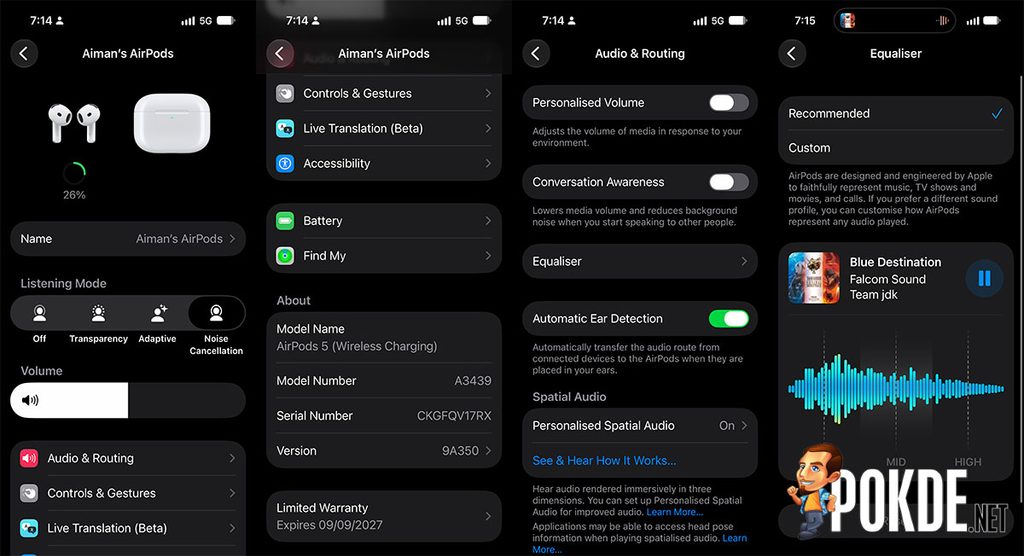
The spatial audio implementation on the AirPods 5, which uses the accelerometer and gyroscope to map audio to your head position and maintain it as you move, adds a genuine layer of immersion to movies, Apple Music’s Dolby Atmos tracks, and supported games. Head tracking means that audio remains anchored to the virtual screen position rather than moving with your head, creating a convincing sense of sound coming from a fixed point in space. It is one of the more practically impressive features in the package for media consumption.
Ecosystem Integration Is Seamlessly Smooth for Apple Users
For anyone already within the Apple ecosystem, the AirPods 5 integration is close to frictionless. Pairing happens automatically on first open near an iPhone, the connection is shared instantly across all devices signed into the same Apple ID including iPhone, iPad, Mac, and Apple Watch, and switching between them is handled automatically based on which device is active.
This is not Bluetooth Multipoint, which would allow true simultaneous connection to two devices from different ecosystems, but within an all-Apple setup the automatic multi-device switching is more seamless than most Multipoint implementations in practice. For users split between Apple and non-Apple devices, the limitation of iCloud-based switching is a real constraint.
The ability to nod to accept or shake your head to decline phone calls and Siri prompts without touching the earbuds or the phone is a small but practically useful addition. It works consistently and feels intuitive after a short adjustment period, particularly useful in scenarios where your hands are occupied. Personally, it’s not something I would do in a room full of people, like a packed LRT / MRT train for instance, as you might get some odd stares directed your way but hey, it’s better to have it than to not have the option at all.
The Bad
Open-Ear Fit is Divisive and Limits Sound Quality Ceiling
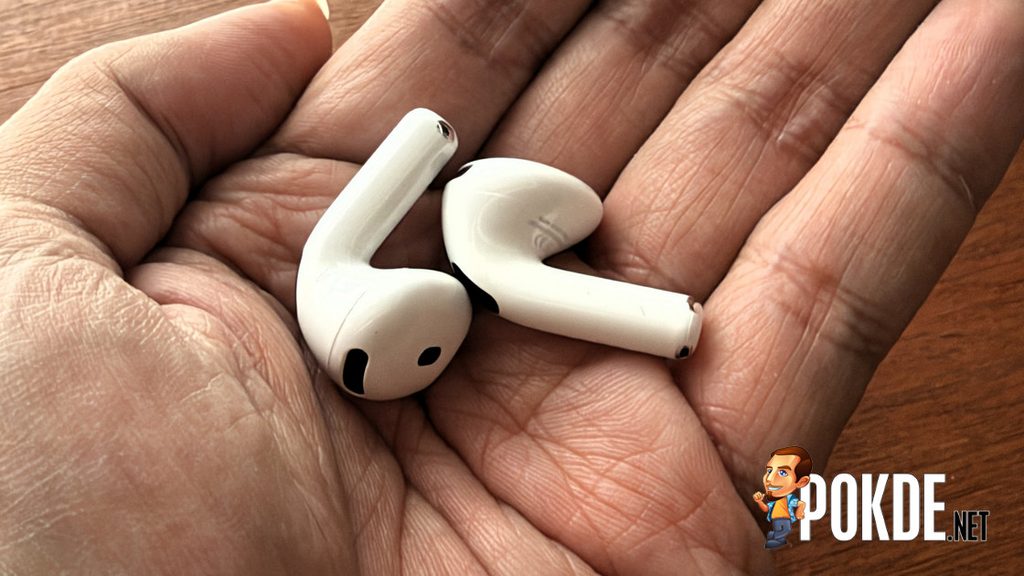
The absence of ear tips is simultaneously a comfort advantage and a hard technical ceiling on what the AirPods 5 can achieve in audio quality. Without a seal, passive isolation is minimal, bass extension is reduced compared to in-ear designs, and the ANC, while impressive for the design, cannot compete with the isolation of properly fitted in-ear ANC earbuds. Dedicated earphones at a similar price point with ear tips will consistently outperform the AirPods 5 in measured audio quality. This is an inherent characteristic of the open-ear design rather than a deficiency in Apple’s execution, but it is a genuine performance ceiling that potential buyers should understand.
The open-ear stemmed design works well for users whose ears naturally accommodate it, but there are no ear tip options, no wing tips for additional stability, and no alternative fit configurations. If the default fit does not work for your ear shape, there is no adjustment available beyond returning the product. For an active use case such as running or gym workouts, users with less accommodating ear shapes will find the AirPods 5 unstable in a way that no amount of careful placement resolves.
No Bluetooth Multipoint for Non-Apple Device Switching

The automatic multi-device switching works beautifully within an all-Apple ecosystem, but it is entirely dependent on iCloud and Apple ID. Users who work across Apple and Windows, Apple and Android, or any combination that includes non-Apple devices will find that seamless switching is unavailable since it does not support Bluetooth Multipoint, which would allow connection to two devices simultaneously regardless of platform.
Find My Speaker Only on Wireless Charging Case
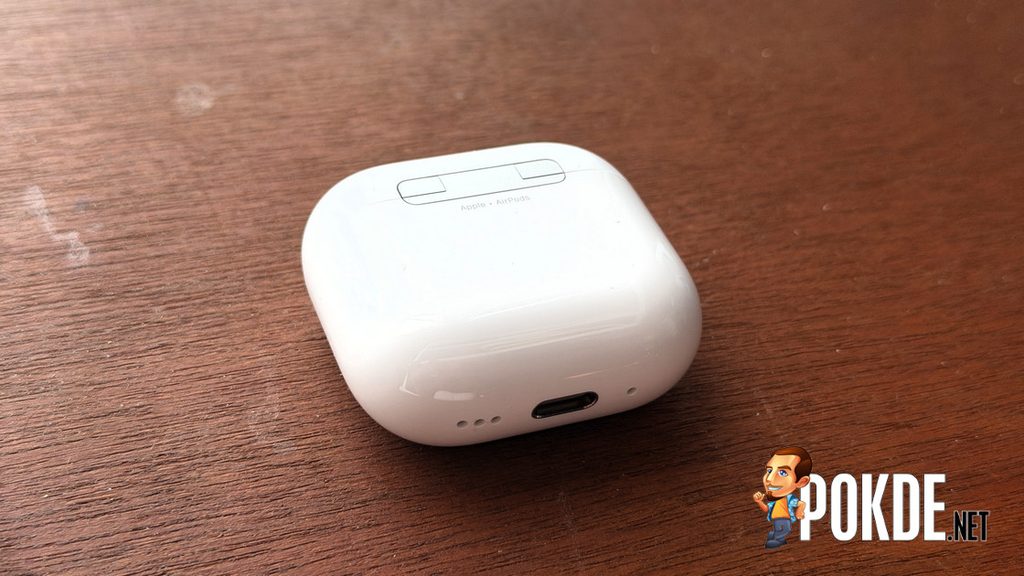
The speaker that enables Find My audio alerts for locating the case is exclusively available on the wireless charging case variant at RM699. The standard RM599 case does not include it. Given how frequently small accessories like earbuds cases get misplaced, limiting this genuinely useful feature to the higher-priced variant feels like an unnecessary tiering of a practical safety net rather than a premium feature addition. Personally, I believe it would make more sense if they just sold a single model instead of multiple variants, focusing on the wireless charging case model and ensuring that everyone who buys the AirPods 5 get the same experience throughout.
No Lossless Audio Support Over Bluetooth
The AirPods 5 connects over Bluetooth 5.3 and supports AAC codec, which is Apple’s preferred wireless audio codec and performs well within the Apple ecosystem. It also supports SBC, which is a universal Bluetooth codec standard, and AAC-ELD for improved voice quality during calls. However, it does not support lossless audio transmission, meaning subscribers to Apple Music Lossless cannot hear the benefit of lossless audio through the AirPods 5 wirelessly.
Battery Life Is Adequate but Not Class-Leading
Up to 7 hours per charge without ANC and up to 5 hours with ANC enabled is functional but trails some competing earbuds at similar price points that offer 7 to 8 hours per charge. The 30-hour total with the case (22 hours-ish for pure ANC listening) brings the overall stamina to a more competitive level, but the per-charge figure means that you will be putting it back in the case rather often. It might not sound like much for normal day-to-day use but if you’re using it for travel, you can definitely feel the annoyance then.
Apple AirPods 5 Verdict
The Apple AirPods 5 is the most capable standard AirPods Apple has made, and for a specific buyer it represents genuinely excellent value. The ANC performance for an open-ear design is technically impressive, the sound quality is a clear step up from previous standard AirPods, the spatial audio and head tracking implementation adds real immersion, and for users fully embedded in the Apple ecosystem the seamless multi-device switching is as frictionless as wireless earbuds get.
The fit dependency remains the most important consideration for any prospective buyer. If your ears naturally accommodate the stemmed open-ear design, the AirPods 5 is comfortable, secure, and a pleasure to use daily. If they do not, no amount of strong features elsewhere in the package compensates for earbuds that do not stay in place or feel uncomfortable during wear.
At RM599 for the standard case and RM699 for the wireless charging case, the AirPods 5 sits at a price point that is reasonable for what it delivers within its intended ecosystem. Users outside the Apple ecosystem or those who prioritise raw audio fidelity over integration and convenience will find better value elsewhere. With that in mind, I award the Apple AirPods 5 with our Gold Pokdeward.