
- Walkaround
- Specifications
- Fuel Consumption
- The Good
- The Steering Is What Electric Power Steering Was Always Supposed To Feel Like
- 300 PS From Three Cylinders Feels Like More Than The Numbers Suggest
- The GR-Four AWD System With Torsen LSDs Is Genuinely Special
- The Brakes Are Among The Best Fitted To Any Road Car At This Price
- The 2026 Updates Address The Previous Generation’s Most Notable Shortcomings
- The Bad
- RM315,600 Buys A Plasticky Interior
- Rear Visibility Has A Genuine Blind Spot
- The Seat Height Does Not Suit Every Driver
- 2026 Toyota GR Yaris MT Verdict
Offer price: 315600
Currency: MYR
-
Appearance - 8.5/108.5/10
-
Efficiency - 6.5/106.5/10
-
Features - 8/108/10
-
Materials - 8/108/10
-
Performance - 9/109/10
-
User Experience (UX) - 8/108/10
-
Value - 8/108/10
Summary
The 2026 Toyota GR Yaris MT is the most complete driver’s car Toyota has produced in recent memory, and probably one of the most complete driver’s cars available in Malaysia at any price.
Overall
8/10Pros
- The Steering Is What Electric Power Steering Was Always Supposed To Feel Like
- 261 PS From Three Cylinders Feels Like More Than The Numbers Suggest
- The GR-Four AWD System With Torsen LSDs Is Genuinely Special
- The Brakes Are Among The Best Fitted To Any Road Car At This Price
- The 2026 Updates Address The Previous Generation’s Most Notable Shortcomings
Cons
- RM315,600 Buys A Plasticky Interior
- Rear Visibility Has A Genuine Blind Spot
- The Seat Height Does Not Suit Every Driver
Walkaround
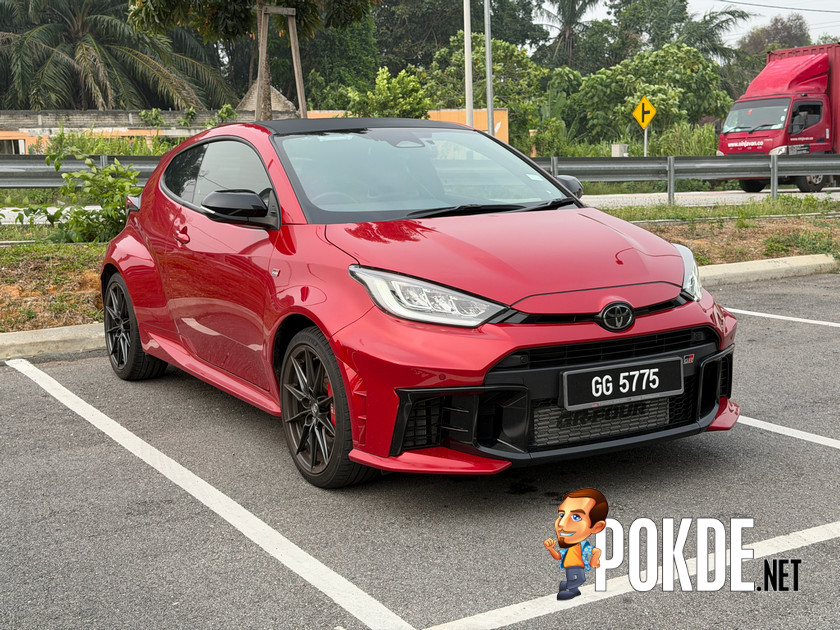
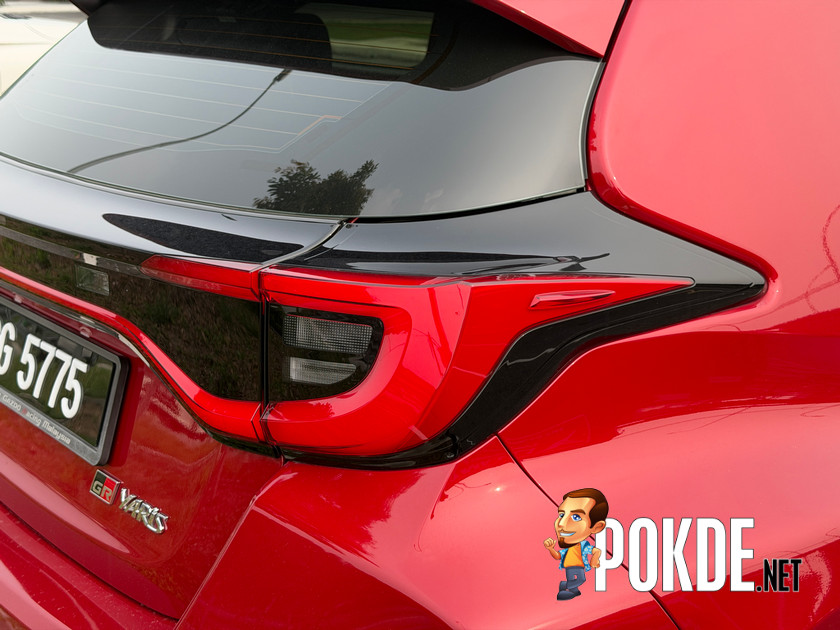
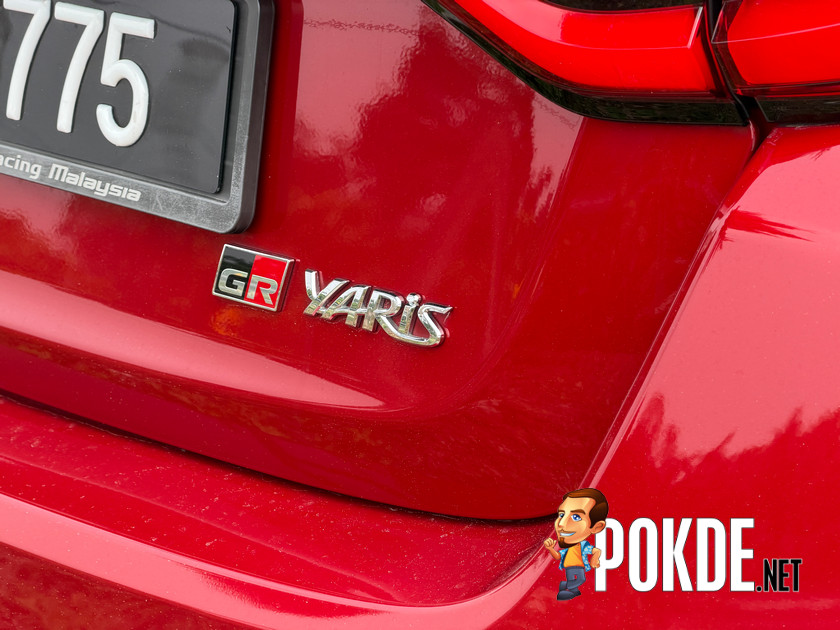
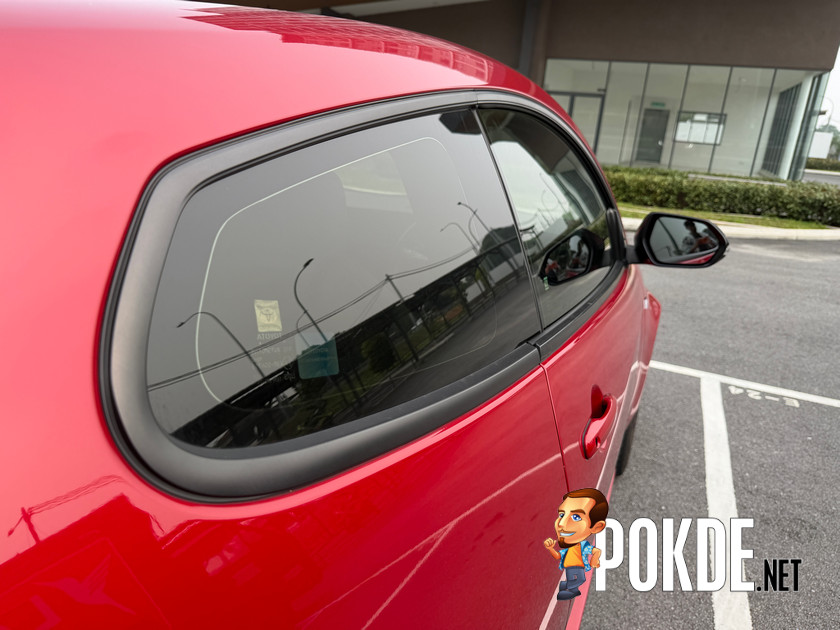
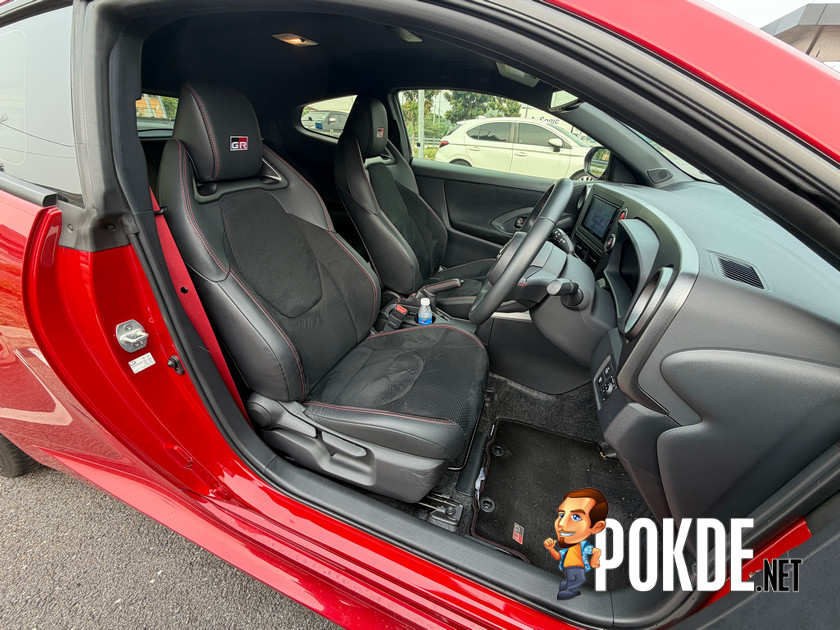
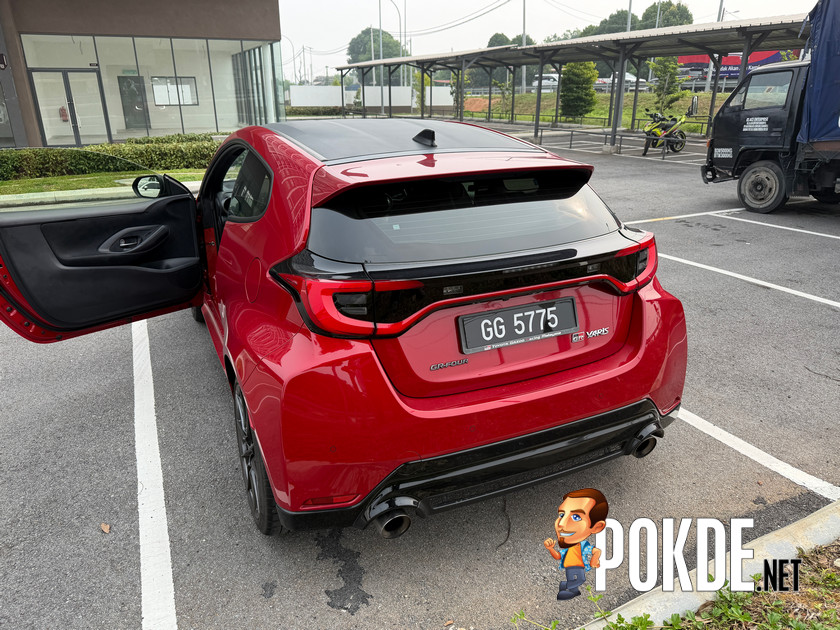
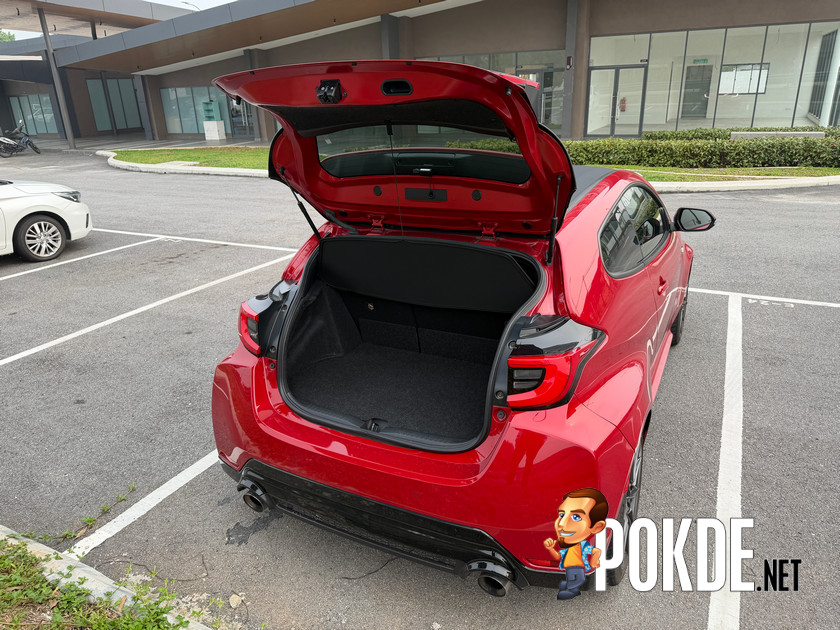
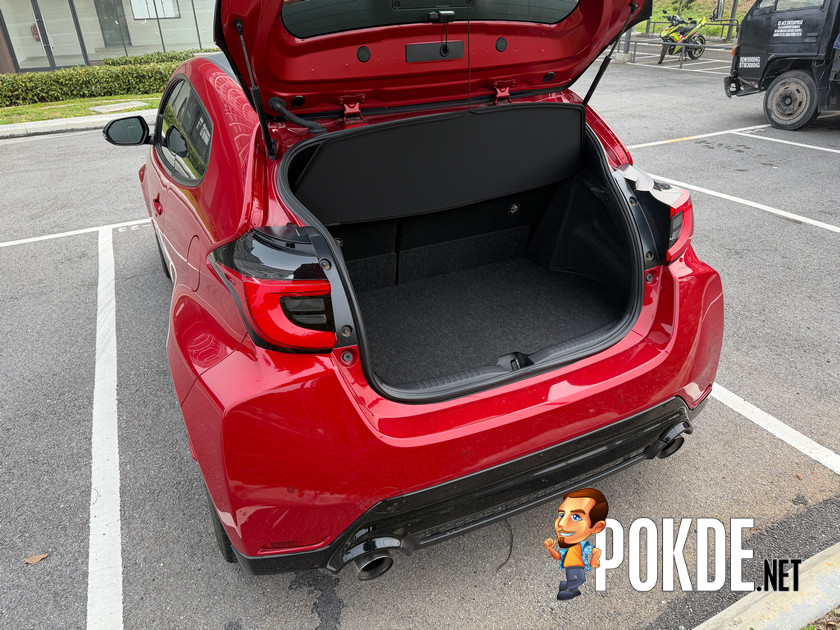
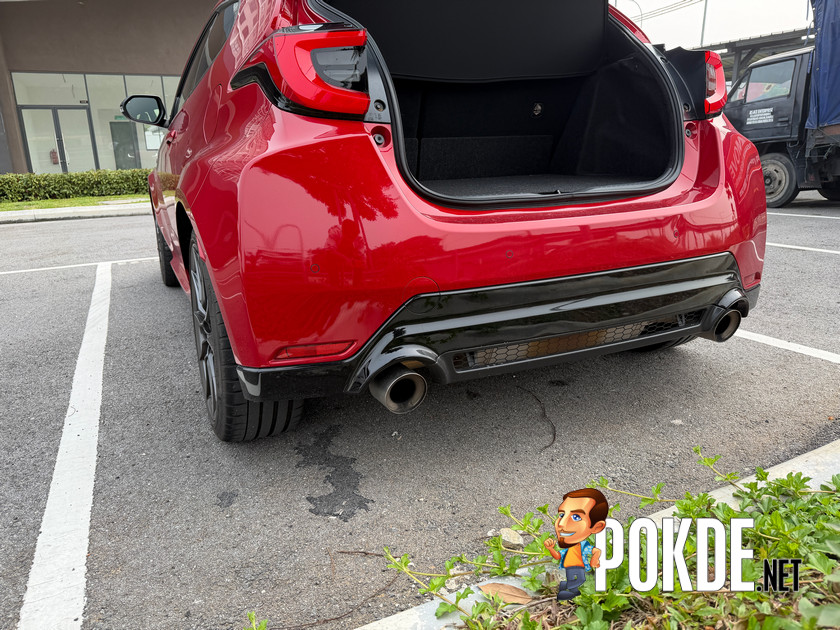
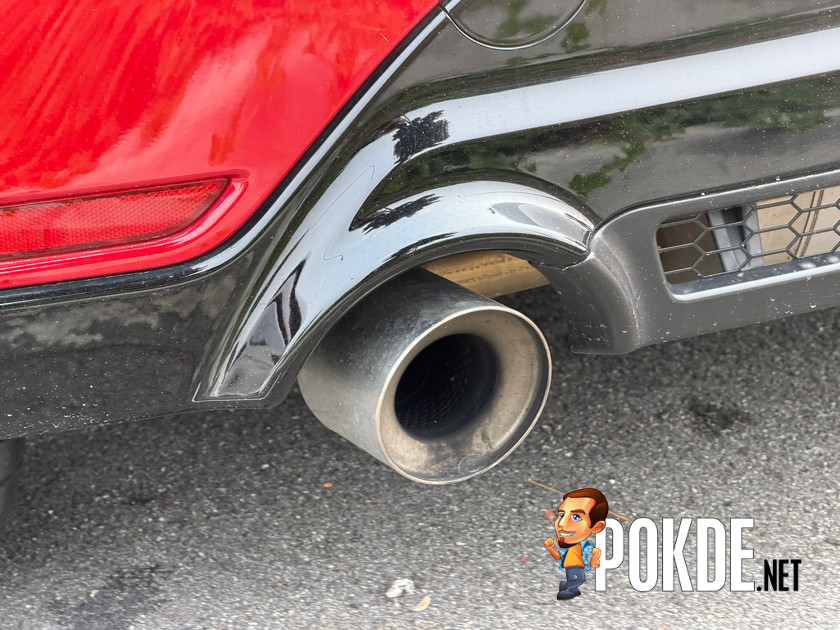
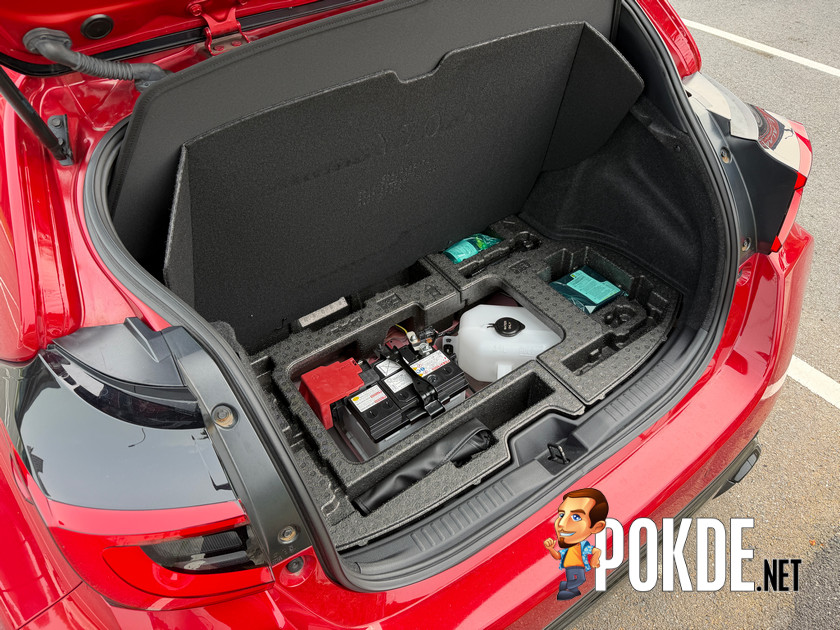
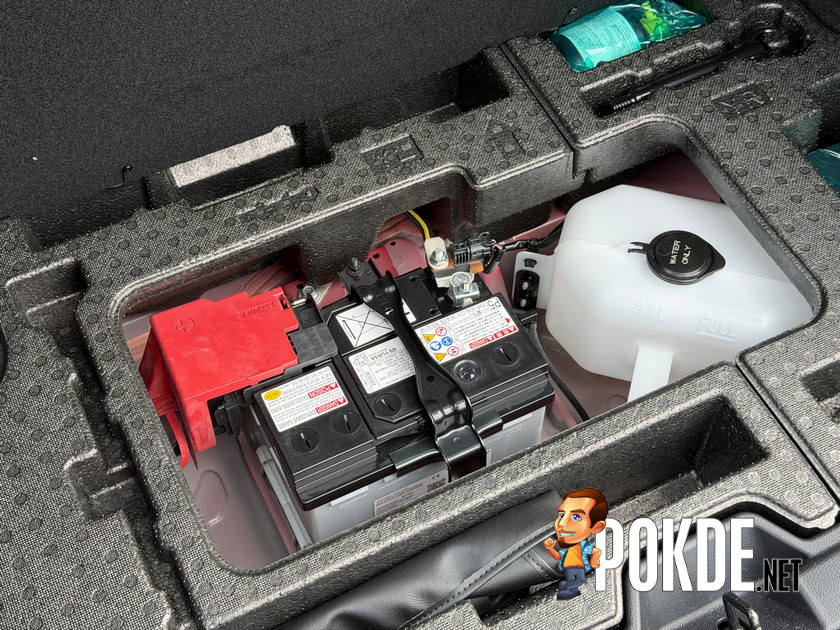
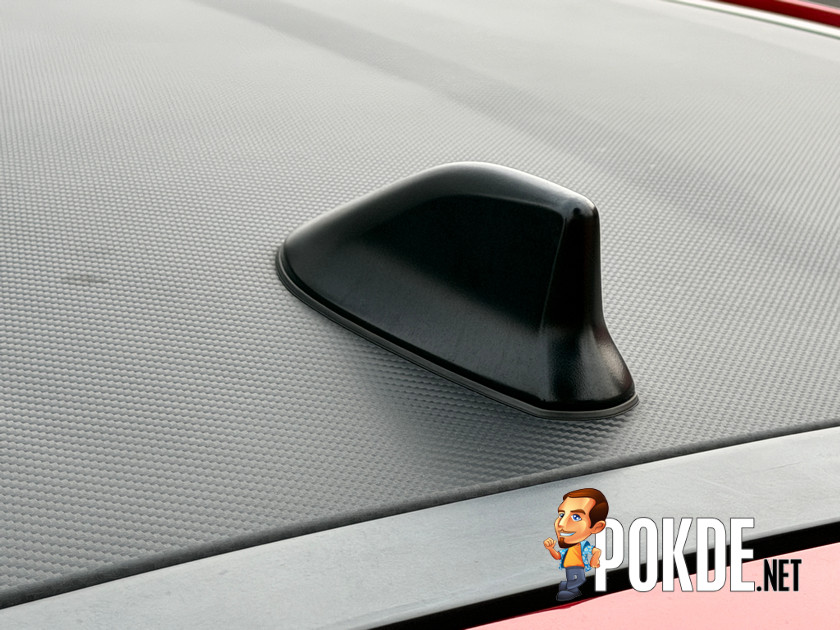
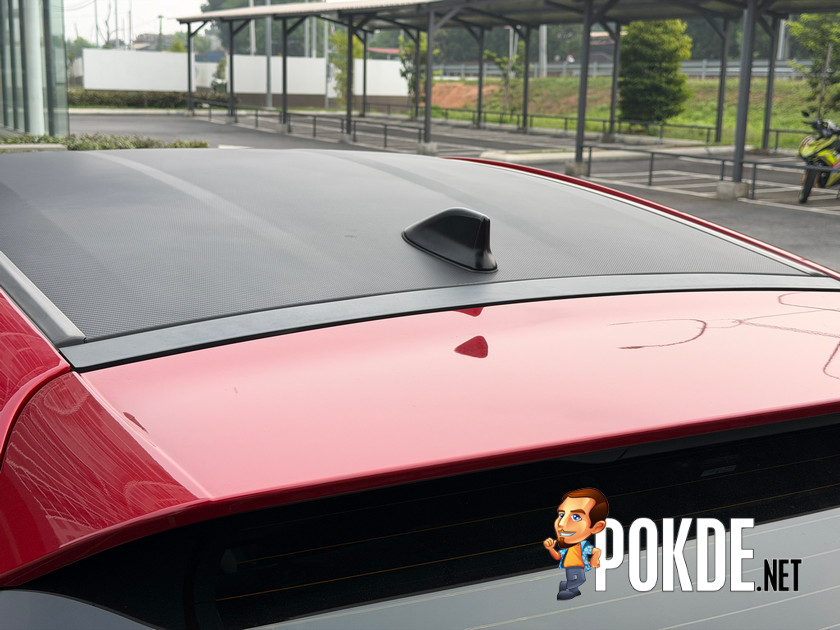
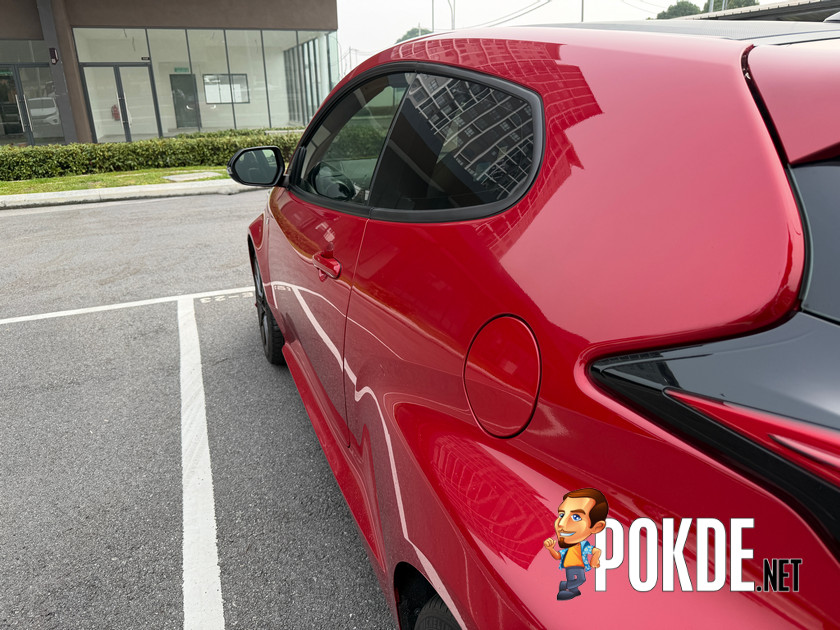
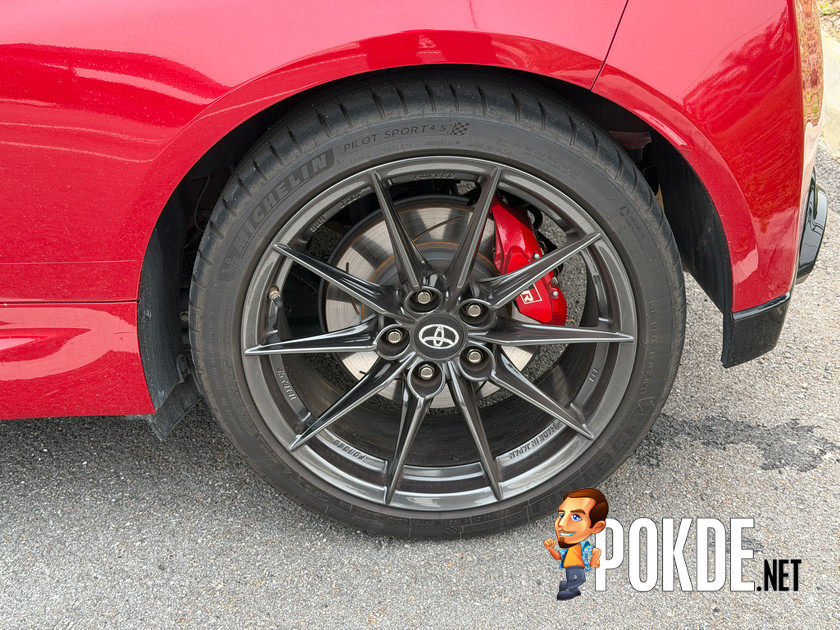
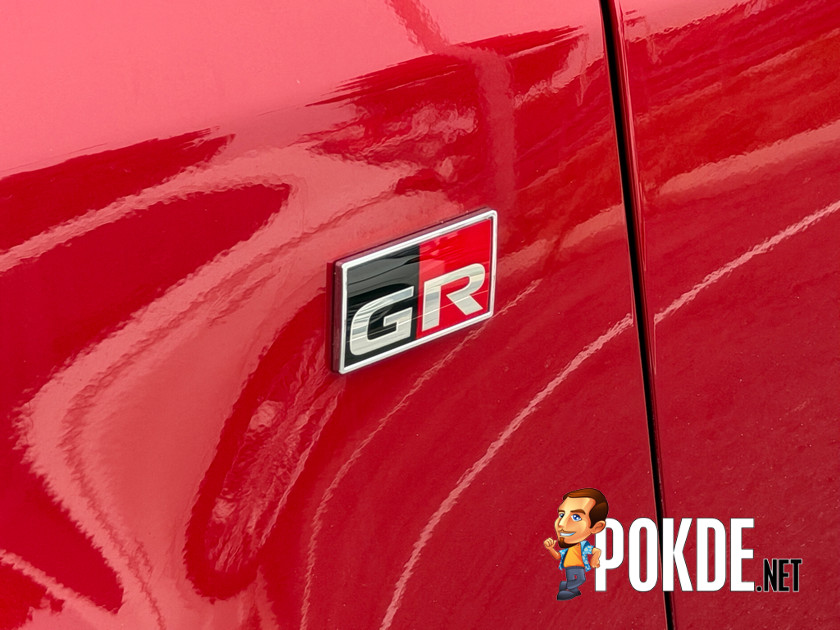
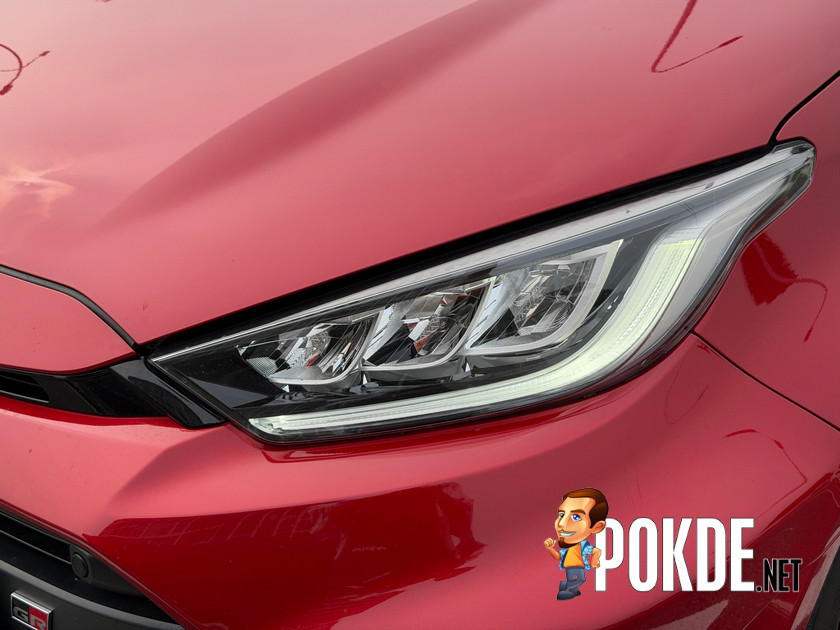
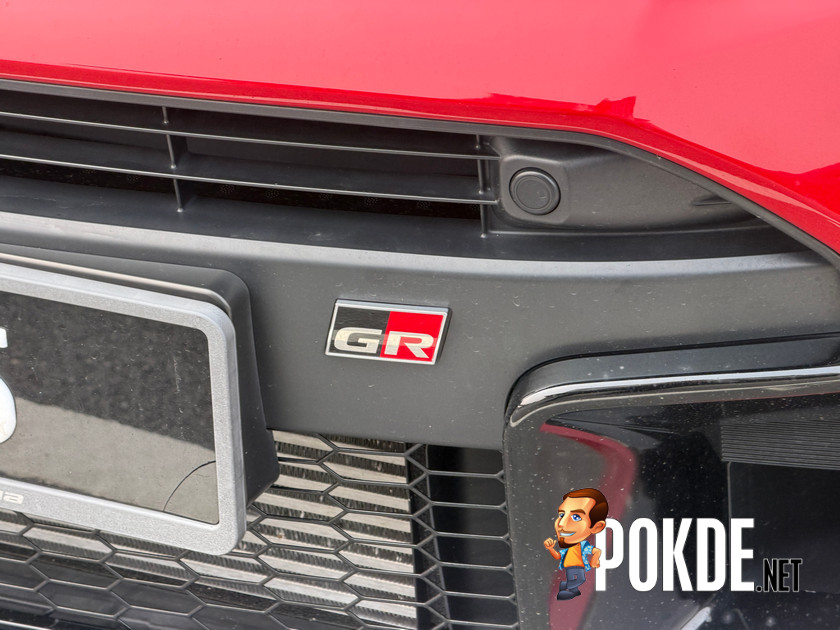
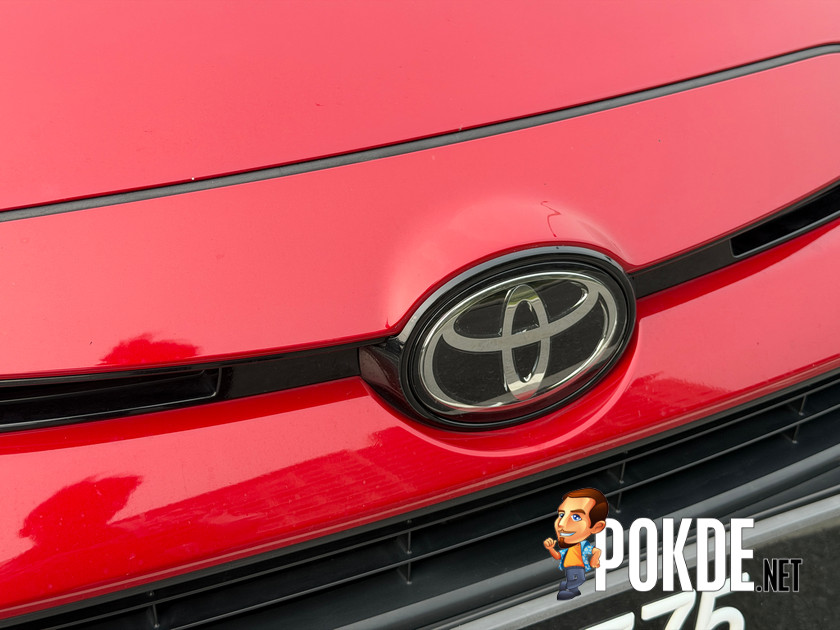
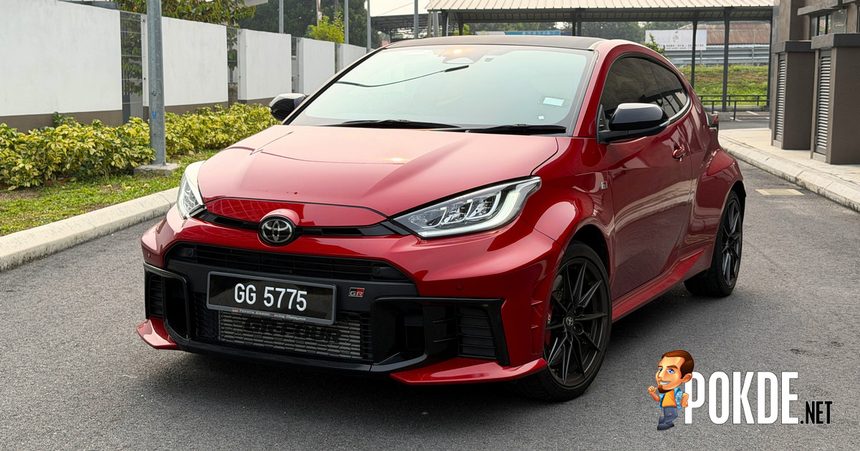
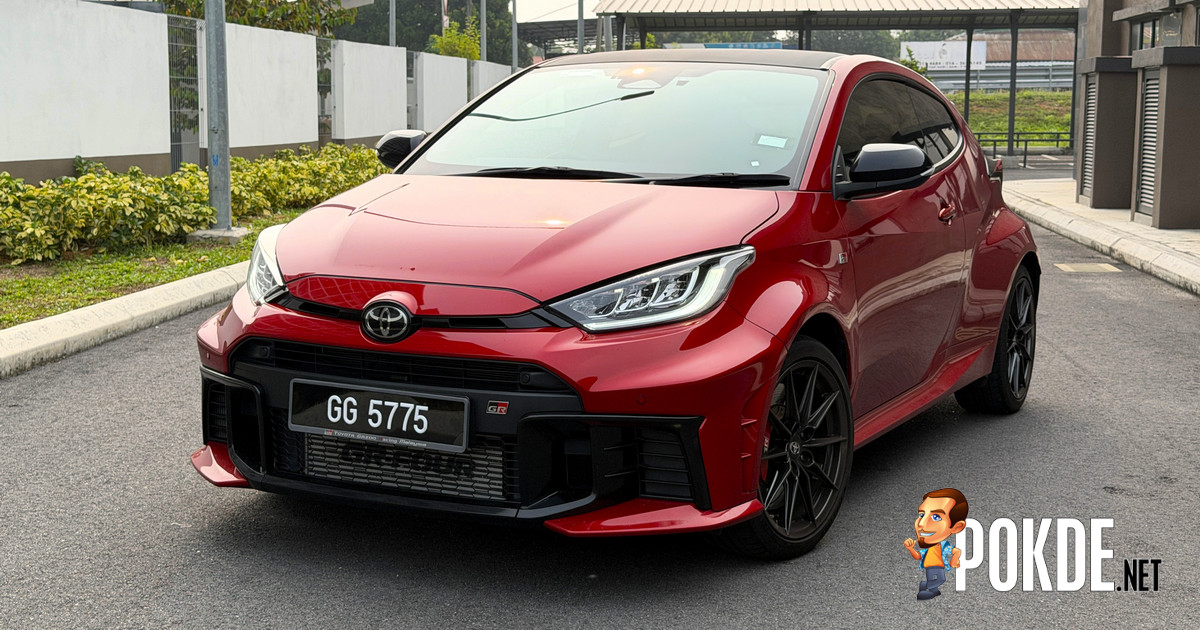
There is a short list of cars that exist because a company president gave a team of engineers a blank cheque and an honest brief. The GR Yaris is on that list. Unlike the GR Supra or the GR86, which share platforms and running gear with other manufacturers, the GR Yaris is bespoke Toyota from the ground up. It was built with one purpose; winning rallies. The result is the most complete driver’s car Toyota has produced in a generation.
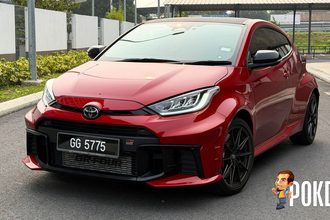
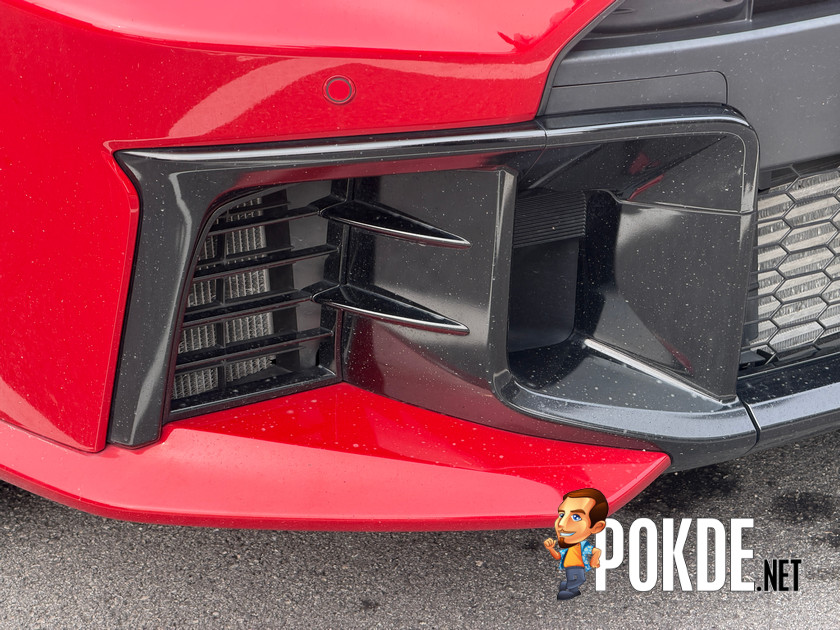
The exterior is not trying to look fast. It actually is fast, and the design decisions all flow from function rather than decoration. The Functional Matrix grille is a GAZOO Racing exclusive, the large front bezel accommodates a brake duct and intercooler, and the front under spoiler controls airflow with a raised centre section. The carbon fibre roof is not a styling choice. It is there to lower the centre of gravity and reduce unsprung weight, a decision that costs money and saves grams in equal measure. The dual sports muffler exits cleanly at the rear, flanking the GR Yaris badging and the GR-Four designation that marks the four-wheel drive system underneath.
The 18-inch BBS forged alloy wheels shod in Michelin Pilot Sport 4S tyres from the factory are the clearest signal of intent from the outside. Red braking hardware visible through the spokes confirms it. These are not aftermarket upgrades or option-list additions. They are what Toyota decided this car needs as standard, and the choice of both BBS and Michelin PS4S as original equipment is a statement about who the GR Yaris is built for.
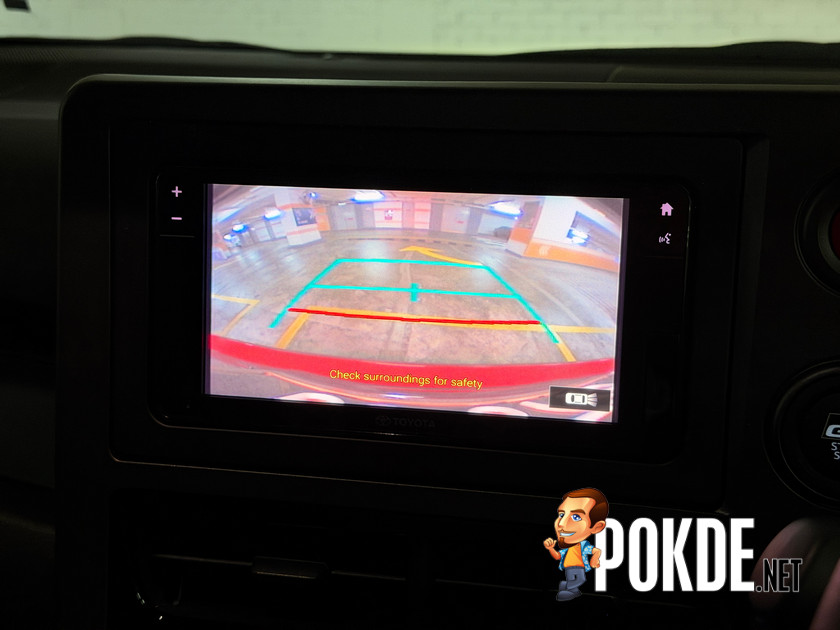
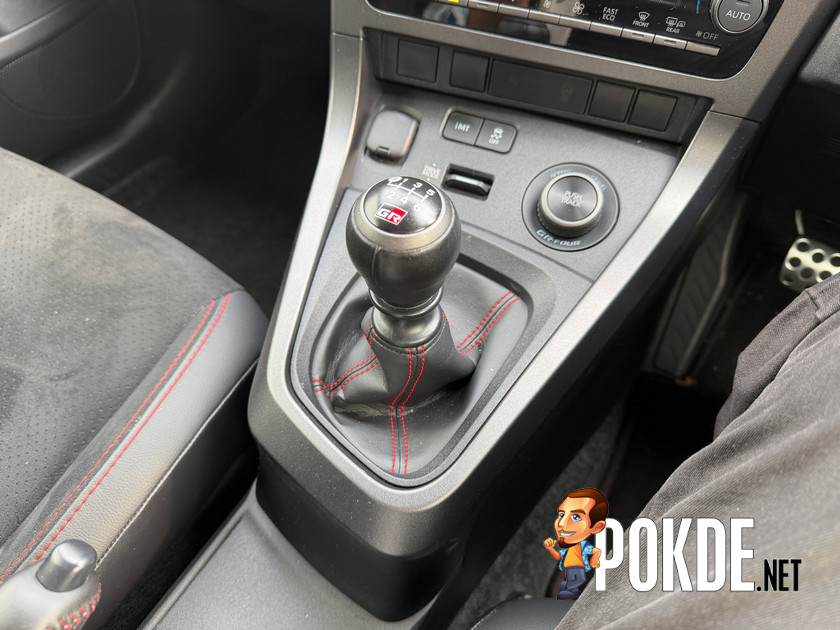
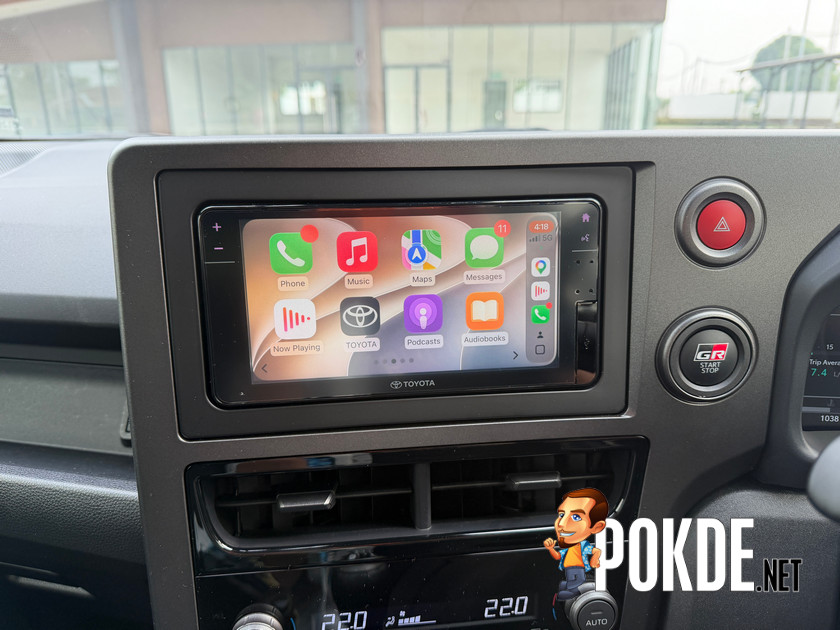
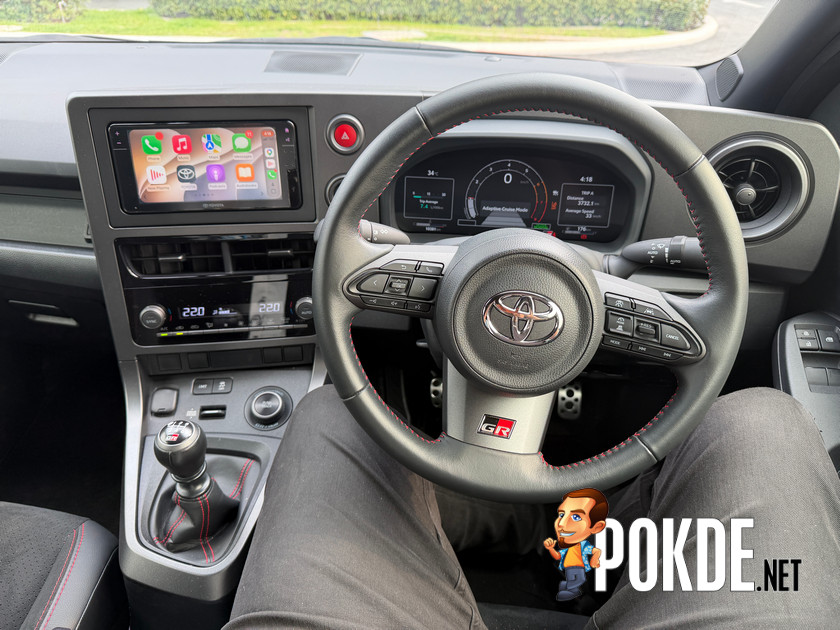
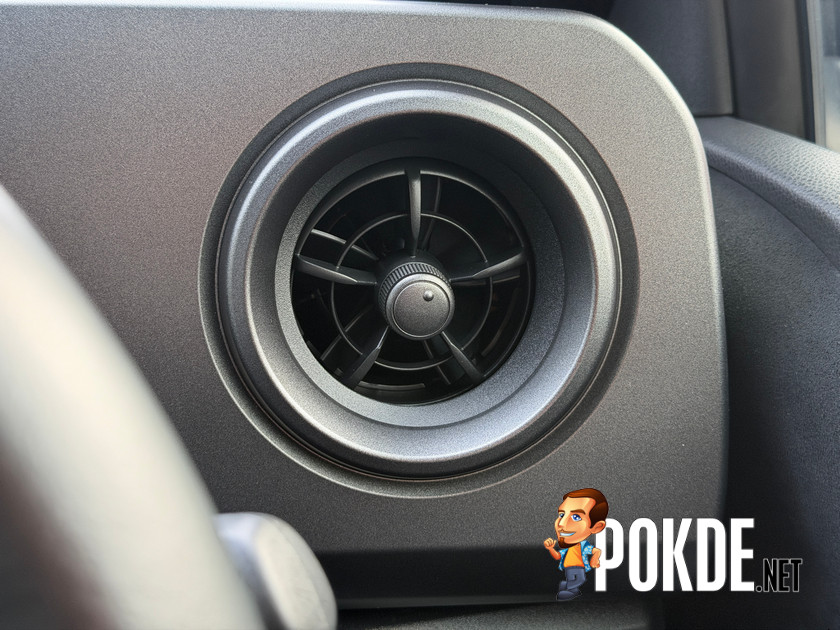
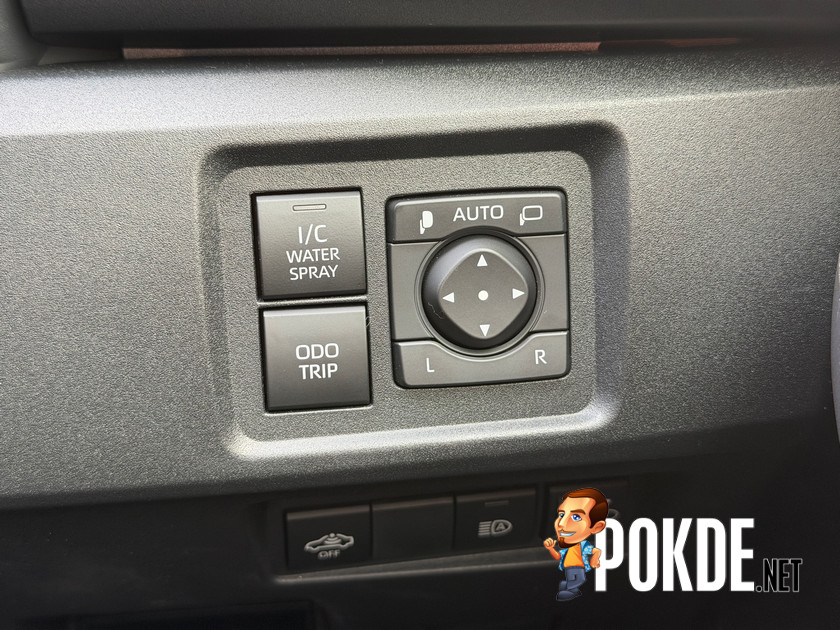
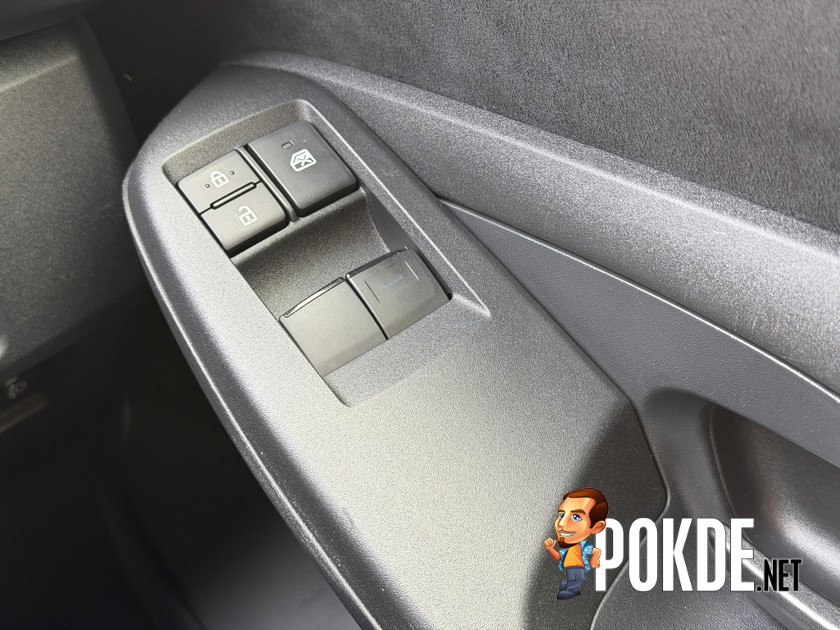
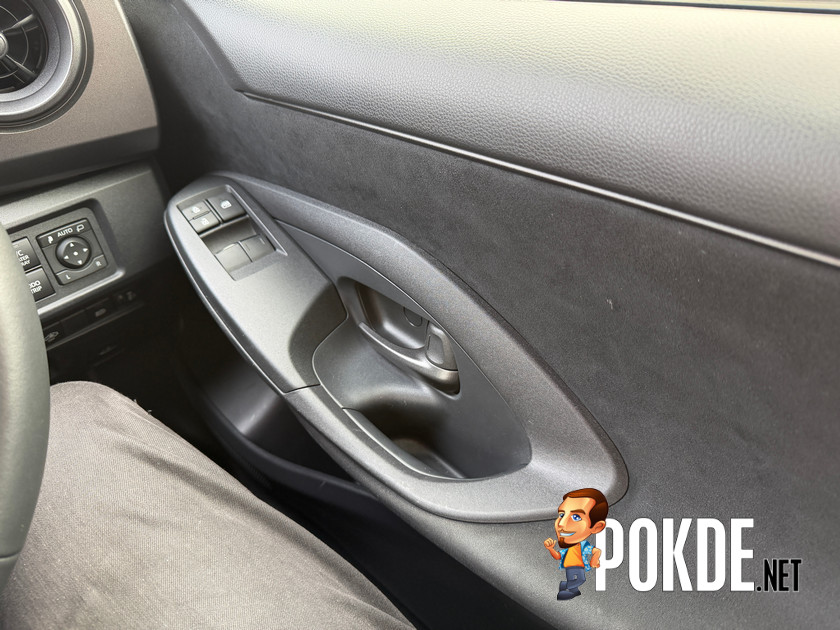
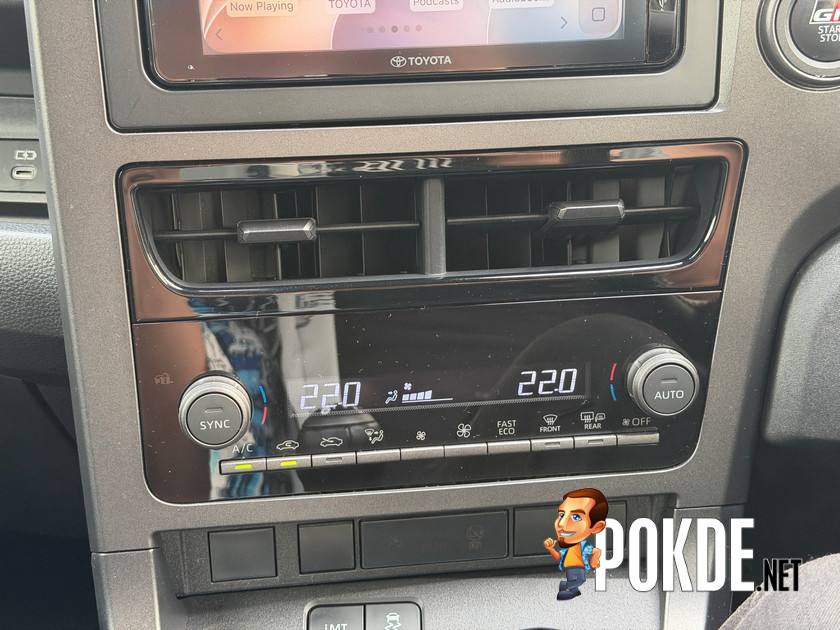
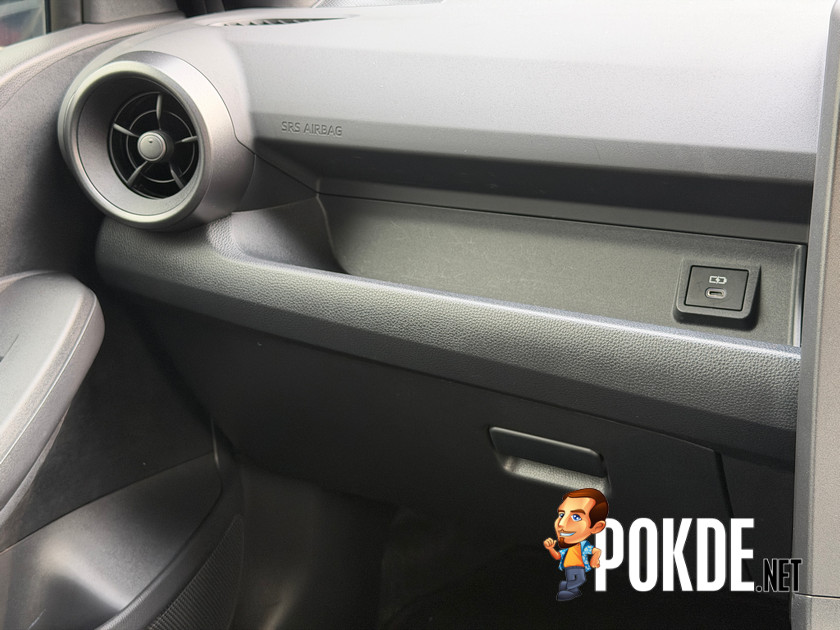
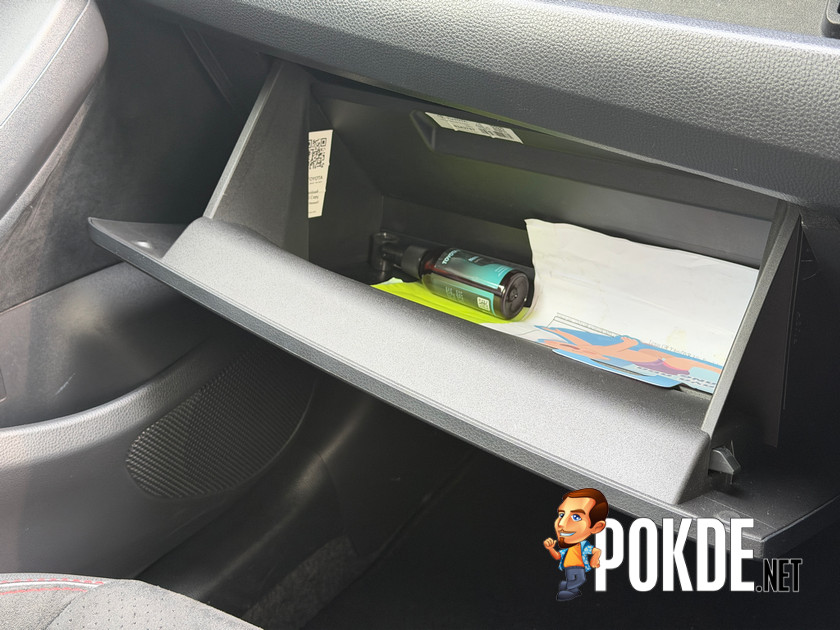
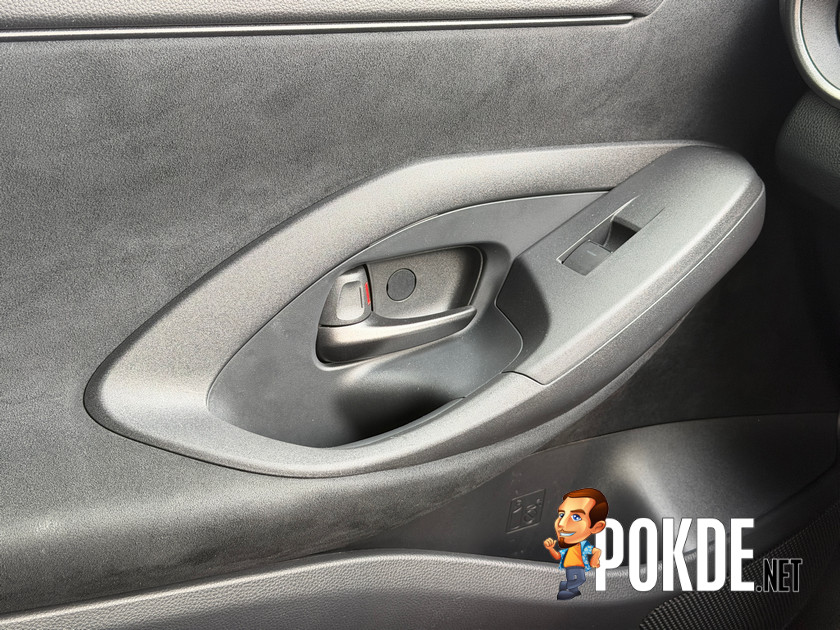
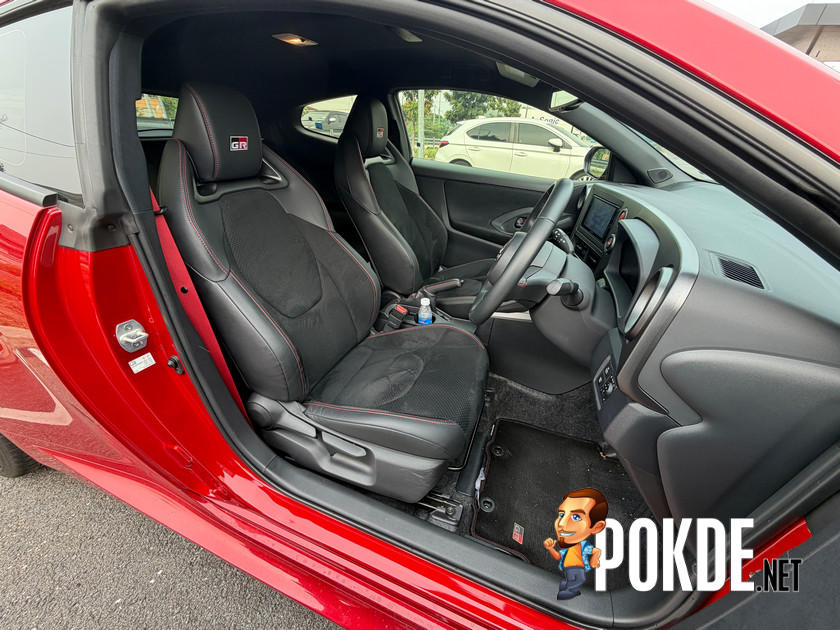
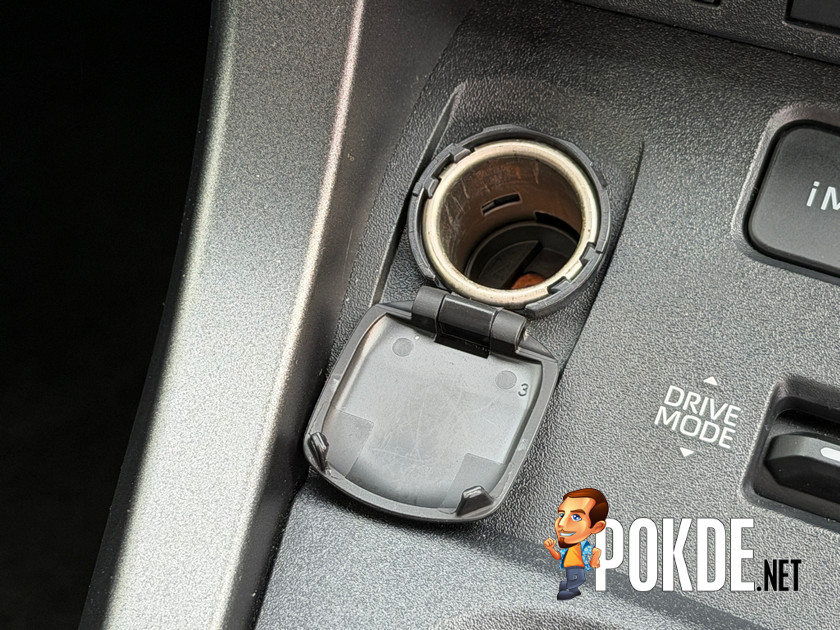
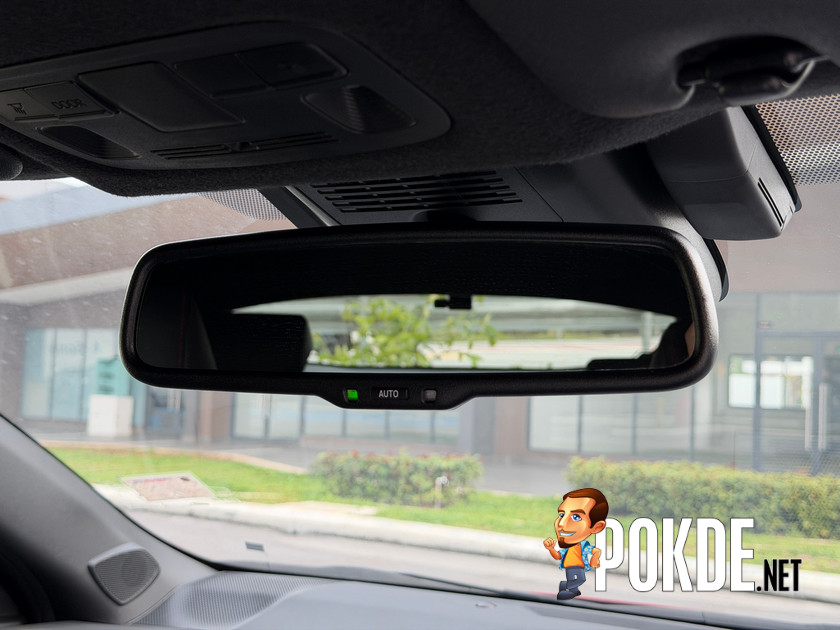
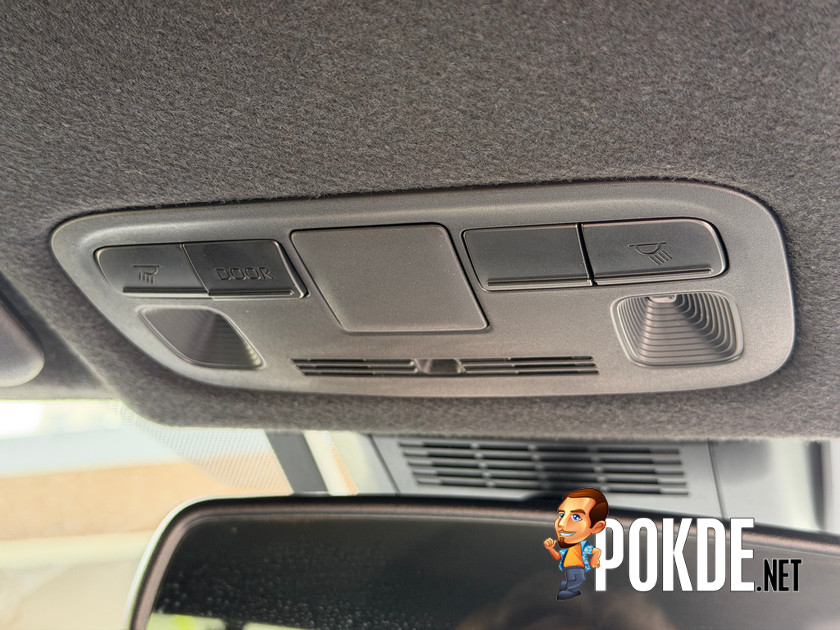
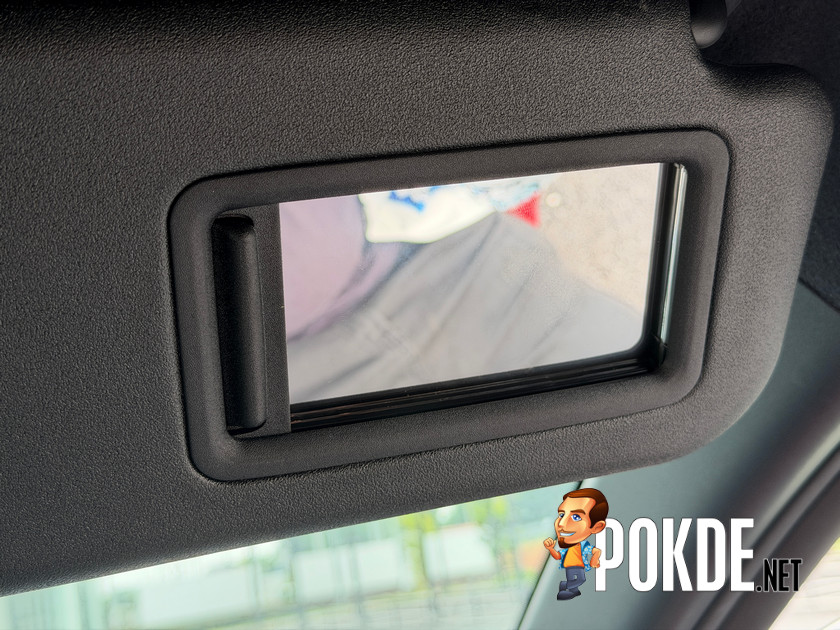

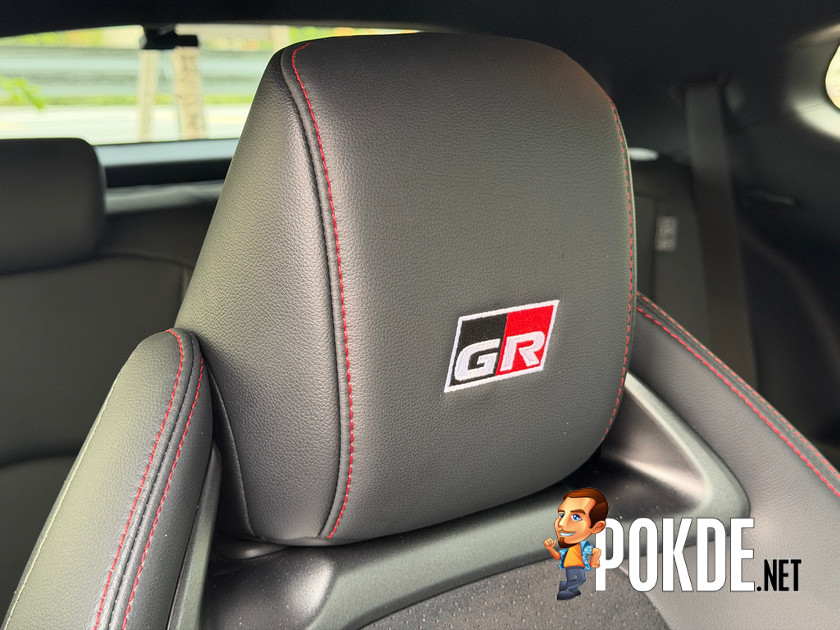
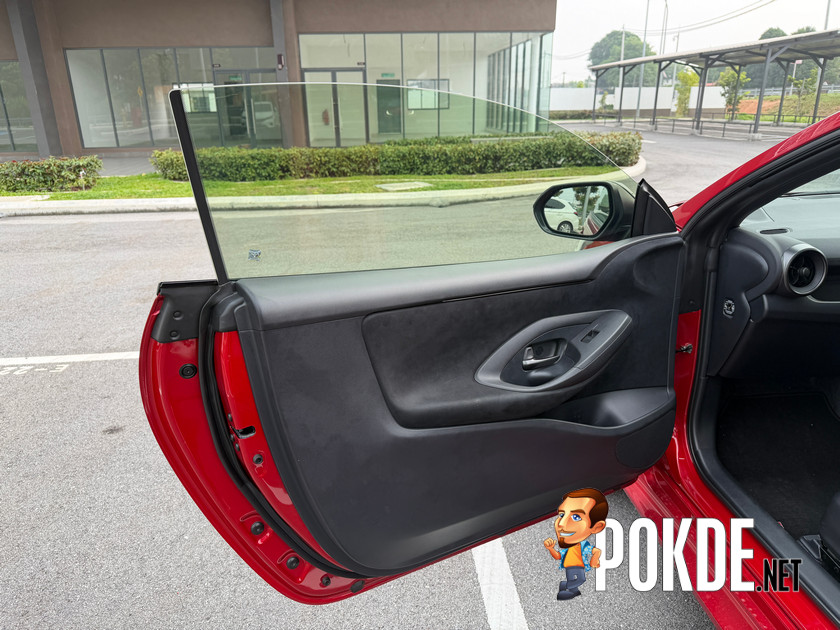
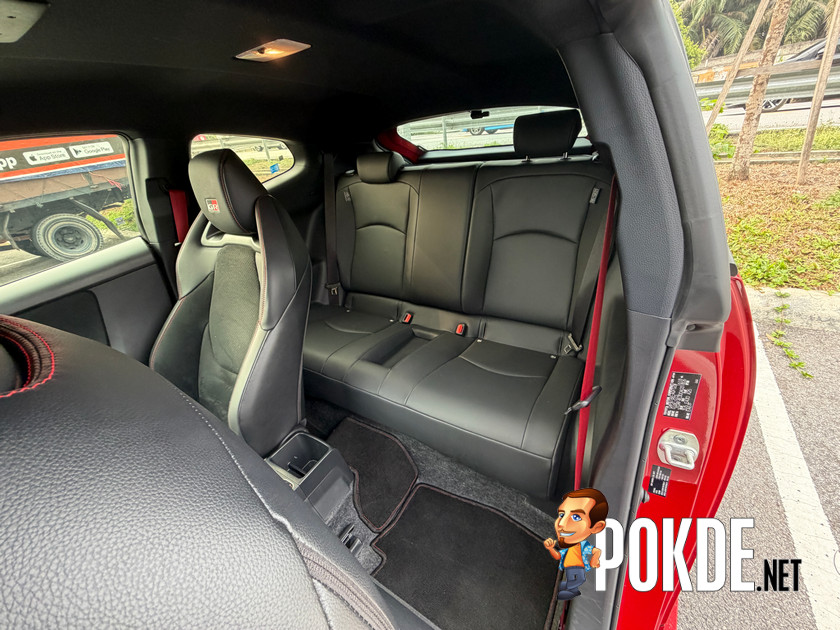
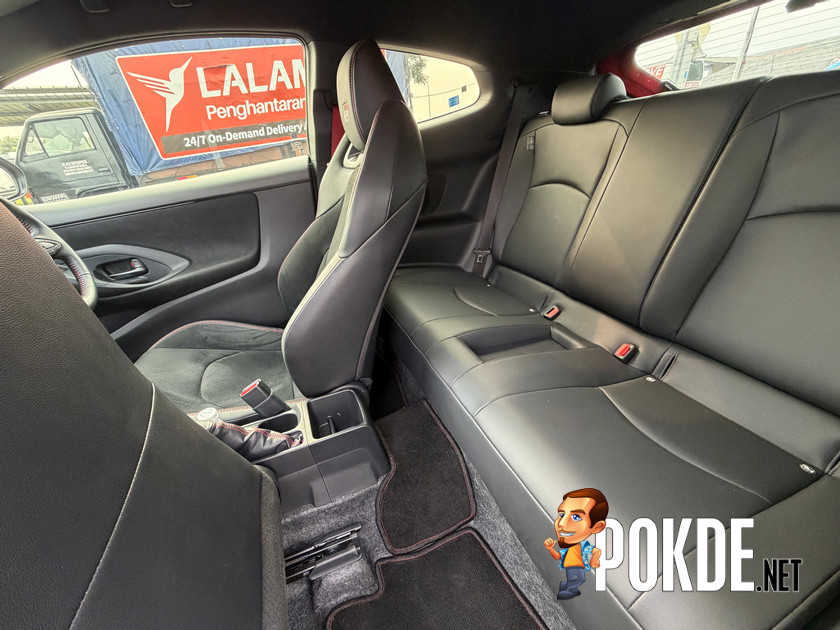
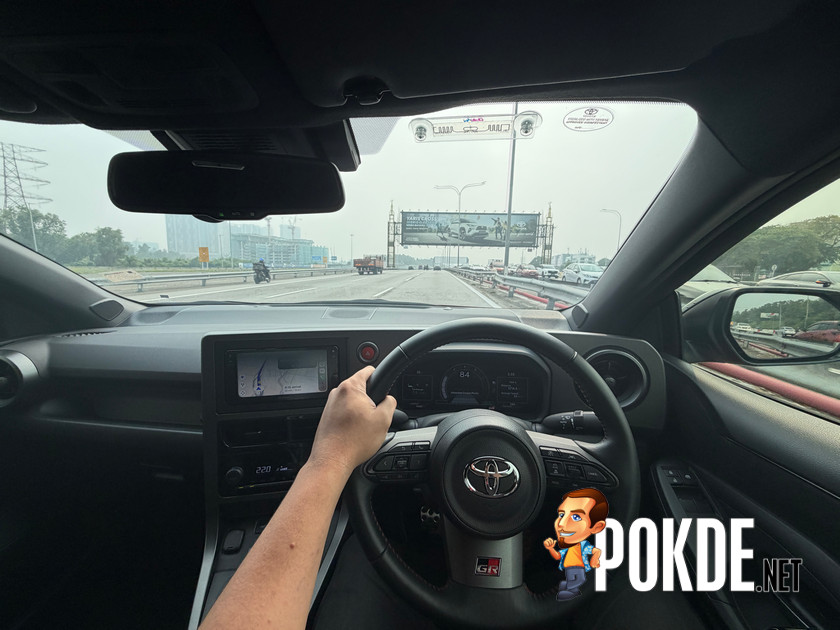
Step inside and the 2026 model brings several updates that address meaningful criticisms of the previous generation. The digital instrument cluster now sits lower in the dashboard, which opens up forward visibility in a way that makes a genuine difference when you are placing the car precisely on a road or a track. The steering wheel has been replaced with a smaller-diameter motorsport-inspired unit carrying better grip contours and relocated, illuminated switches that are easier to reach and read in motion. The effect is a cockpit that feels more focused and more deliberately positioned around the driver than before.
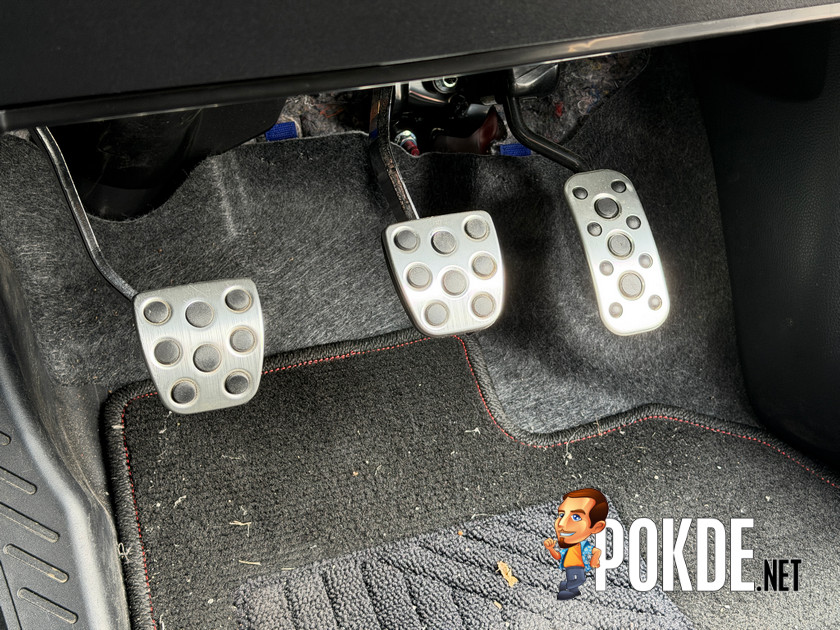
The GR semi-bucket seats hold you in place against lateral G without demanding that you slide in and out through a narrow opening, and the red stitching throughout the black cabin is present but not excessive. Aluminium sports pedals sit exactly where three-pedal driving demands them, and the leather-wrapped gear lever knob has the weight and mechanical feel that every piece of the driving interface in this car seems to share.
Where the GR Yaris falls short in the cabin is material quality relative to its price. The hard plastics that cover much of the interior are functional and assembled consistently, but they do not feel like RM315,600‘s worth of interior. Toyota’s decision to spend on carbon fibre roofs and BBS wheels rather than soft-touch dash panels is the right one for the car this is, but it will register as a contrast every time you sit inside it.
Specifications
| Specification | Details |
|---|---|
| Engine | G16E-GTS, 3-cylinder In-line DOHC, Intercooler Turbo |
| Displacement | 1,618cc (87.5 x 89.7mm bore x stroke) |
| Max Output | 300PS / 6,500 rpm |
| Max Torque | 400 Nm / 3,000-4,600 rpm |
| Transmission | 6-speed Manual with iMT |
| Drive System | GR-Four Full-time Sports 4WD |
| Torque Split (Normal) | 60:40 (Front:Rear) |
| Torque Split (Sport) | 53:47 (Front:Rear) |
| Torque Split (Track) | 60:40 to 30:70 (Dynamic Adjustments) (Front:Rear) |
| Differential | Torsen LSD (Front and Rear) |
| 0-100 km/h | 5.5 seconds (manufacturer) |
| Top Speed | 230 km/h (limited) |
| Suspension (Front) | Performance Tuned MacPherson Strut with Stabiliser |
| Suspension (Rear) | Performance Tuned Double Wishbone with Stabiliser |
| Brakes (Front) | 2-piece Ventilated and Slotted Disc, 4-piston Monoblock Calipers |
| Brakes (Rear) | Ventilated and Slotted Disc, 2-piston Monoblock Calipers |
| Steering | Electric Power Steering (EPS), recalibrated for 2026 |
| Tyres and Rims | 225/40R18, BBS Forged Alloy Rims, Michelin Pilot Sport 4S |
| Kerb Weight | 1,280 kg |
| Dimensions | 3,995mm (L) x 1,805mm (W) x 1,455mm (H) |
| Wheelbase | 2,560mm |
| Fuel Tank | 50 litres |
| Fuel Consumption | Approx. 8 L/100 km (as tested) |
| Infotainment | 7-inch Capacitive Touchscreen, Apple CarPlay, Android Auto-ready, 6 speakers, USB, Bluetooth |
| MID | 4.2-inch Colour Display (lower-set for 2026) |
| HUD | With |
| Safety | Toyota Safety Sense (PCS, DRCC, LDA, LTA, AHB), VSC, ABS with BA, 6 SRS Airbags, ISOFIX, TPMS, Rear Parking Sensors |
| Additional Features | Smart Entry and Push Start, Dual Zone Automatic Climate Control, Electrochromic Mirror, Aluminium Foot Pedals, Front DVR, Carbon Fibre Roof, Dual Sports Muffler, Rear Spoiler |
| Warranty | 5 years unlimited mileage |
| Colors | Platinum White Pearl MC, Emotional Red 2, Precious Black |
| Price | RM315,600 (OTR without insurance) |
Fuel Consumption
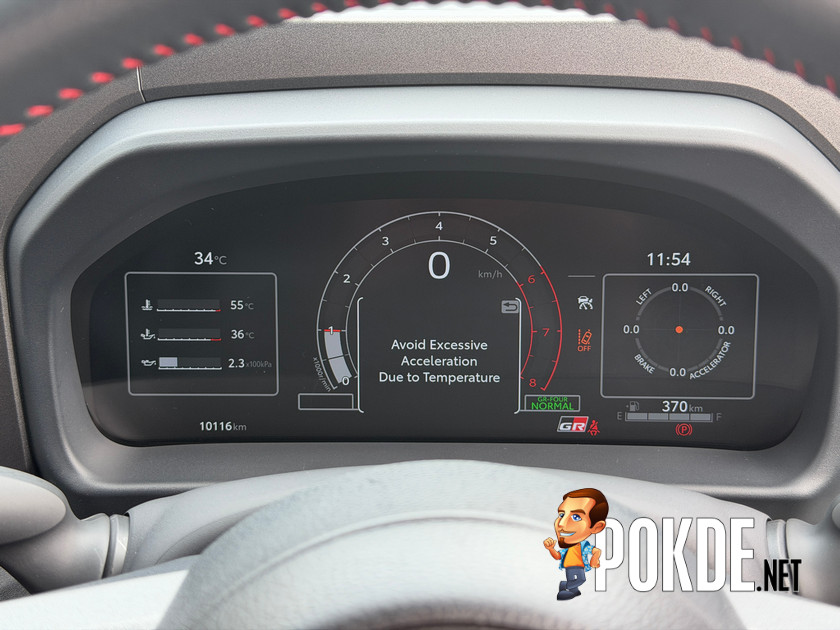
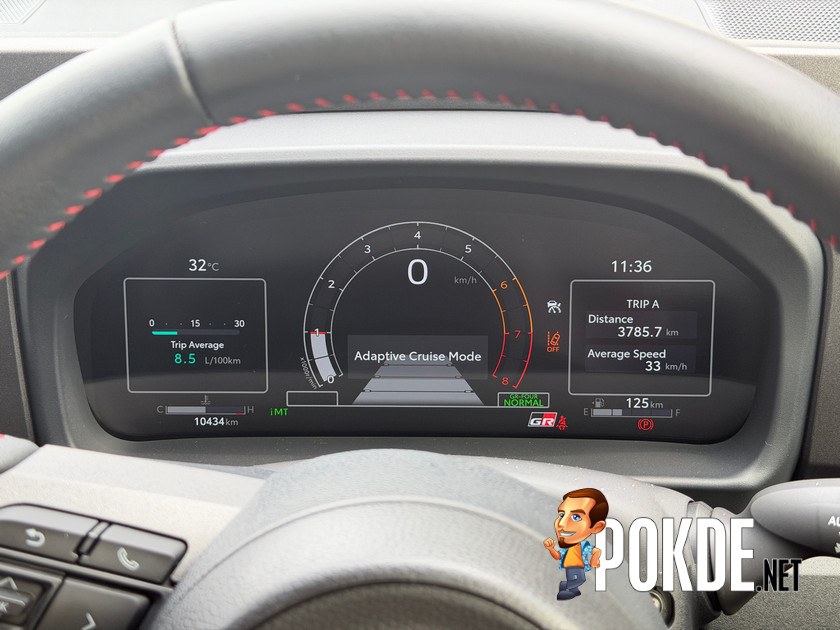
During our review period, we received the 2026 Toyota GR Yaris MT with a full tank of gas and drove for 318 km in a 60/40 urban to highway mix. By the end, we used roughly 31.25 litres of fuel. This means we got a fuel efficiency of:


| Metric | 2026 Toyota GR Yaris MT |
|---|---|
| Fuel Efficiency | 10.17 km / L (9.83 L / 100km) |
| Fuel Tank Capacity | 50 L |
| Theoretical Full Tank Range | 508km |
| Claimed Figures | 11 to 12.2 km / L (8.2 to 9.1 L / 100 km) |
We definitely got worse results than the official figures but with that being said, I’m not surprised. Given the nature of the car, of course we had to push it real hard and when that happens, fuel efficiency is expected to go downhill. I think if you drive more reasonably, which I feel somewhat beats the purpose of owning this, you should be able to reach those official figures relatively easy. With that being said however, if you’re willing to consider something like this in the first place, fuel efficiency isn’t a priority anyway, especially since it’s a must to use RON97, which is very costly today.
The Good
The Steering Is What Electric Power Steering Was Always Supposed To Feel Like
The 2026 model’s recalibrated EPS settings are the most significant mechanical update to this generation of GR Yaris, and after spending extended time with the car, the improvement is not subtle. The steering weight is near perfect, the ratio is appropriately direct without being nervous, and crucially, the feedback through the wheel builds in a wonderfully linear manner as you add input. You can feel it loading up through a corner, communicating what the front tyres are doing beneath you in a way that makes the car feel genuinely connected rather than merely controlled.
Electric power steering has accumulated a deserved reputation among enthusiasts for filtering out the road rather than conveying it. The GR Yaris dismantles that reputation. Paired with the new motorsport-inspired smaller-diameter wheel with its improved grip contours, the steering setup in this car sets a standard for what the technology is capable of when the brief is driving feel above all else.
300 PS From Three Cylinders Feels Like More Than The Numbers Suggest
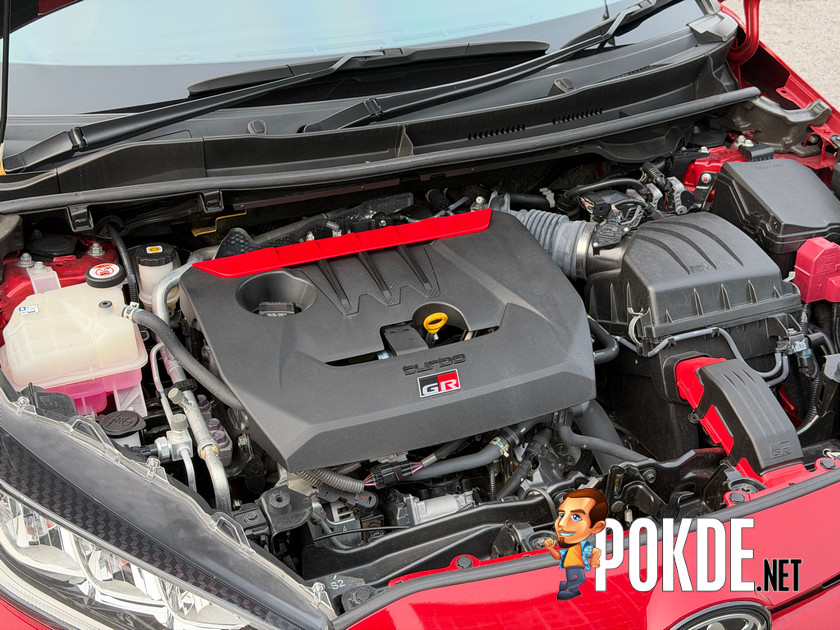
The G16E-GTS engine holds a legitimate claim as the world’s largest-output production three-cylinder at the time of its introduction, and every time you drive the GR Yaris it behaves exactly like that. The pull from first to third gear is genuinely intoxicating, the kind of acceleration that produces involuntary sounds from the driver’s seat. The turbocharged delivery is progressive rather than sudden, and the engine note from the dual sports muffler rewards higher revs with a sound that does not try to disguise what it is.
Above third gear the pace becomes more measured, which is worth understanding before purchase. This is not a car that overwhelms you with speed. At 300 PS and 1,280 kg, what it does instead is give you all of its performance at speeds where you can actually use it without the sensation of impending consequence. The result is a car you can explore properly on Malaysian roads rather than one that requires a closed circuit before it reveals itself.
The GR-Four AWD System With Torsen LSDs Is Genuinely Special
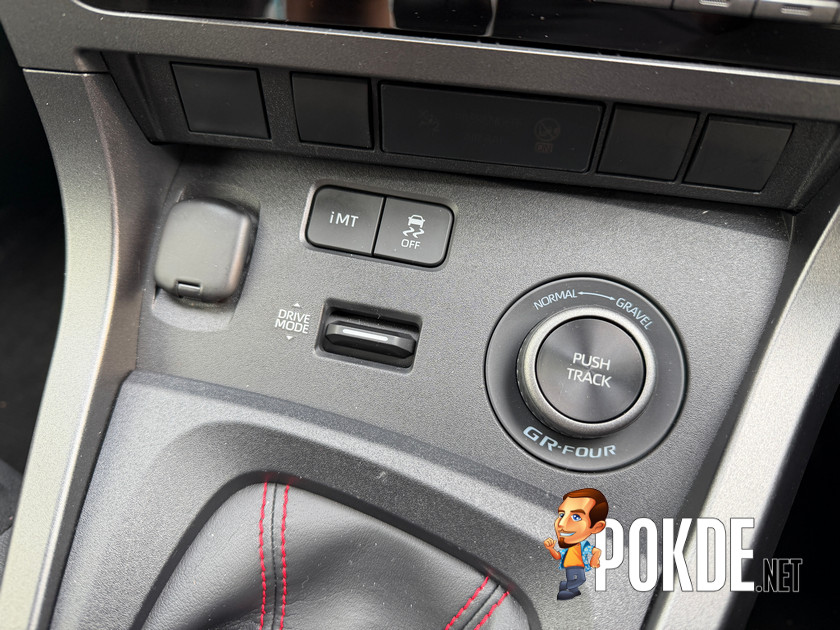
Three selectable torque split modes, each with a different character: Normal at 60:40, Gravel at 53:47 rear-biased, and Track dynamically adjusts from 60:40 to 30:70, paired with Torsen limited-slip differentials at both axles. Written as a specification list, this reads as impressive. Behind the wheel, the system’s ability to rotate the car on throttle and distribute grip to wherever it is needed moment to moment is what elevates the GR Yaris from a very good hot hatch to something more difficult to categorise. It does what you ask of it, which is a deceptively demanding thing for an AWD system to achieve without either understeering into safety or oversteering into drama.
The Brakes Are Among The Best Fitted To Any Road Car At This Price
The 2-piece ventilated and slotted discs with 4-piston monoblock front calipers are not here for visual appeal, though they are visually excellent. They are here because a car that can be driven this way needs braking hardware that inspires total confidence. The pedal feel is firm and consistent, the stopping power is exceptional, and the feedback through the pedal gives you the information you need to be precise rather than approximate with your braking points. The one ergonomic caveat is that the brake pedal sits slightly high for comfortable heel-and-toe technique in everyday driving conditions. This is the GR Yaris’s only friction point in its otherwise exceptional driving interface, and it will matter more to some drivers than others depending on technique.
The 2026 Updates Address The Previous Generation’s Most Notable Shortcomings
The lower-set digital instrument cluster opens up forward visibility in a way that is immediately noticeable when you pull out of a car park or approach a corner with a tighter sightline. The previous instrument placement was one of the more consistent criticisms of the GR Yaris, and the 2026 correction is straightforward and effective. The smaller steering wheel, the relocated and illuminated switches, and the recalibrated EPS and revised suspension dampers that now perform more consistently across both smooth and rough surfaces collectively make the 2026 car meaningfully better than its predecessor in the areas that show up most in daily and performance driving. These are not facelift-level changes applied to maintain sales. They are the kind of adjustments that suggest the engineers drove the car extensively and corrected what they found.
The Bad
RM315,600 Buys A Plasticky Interior
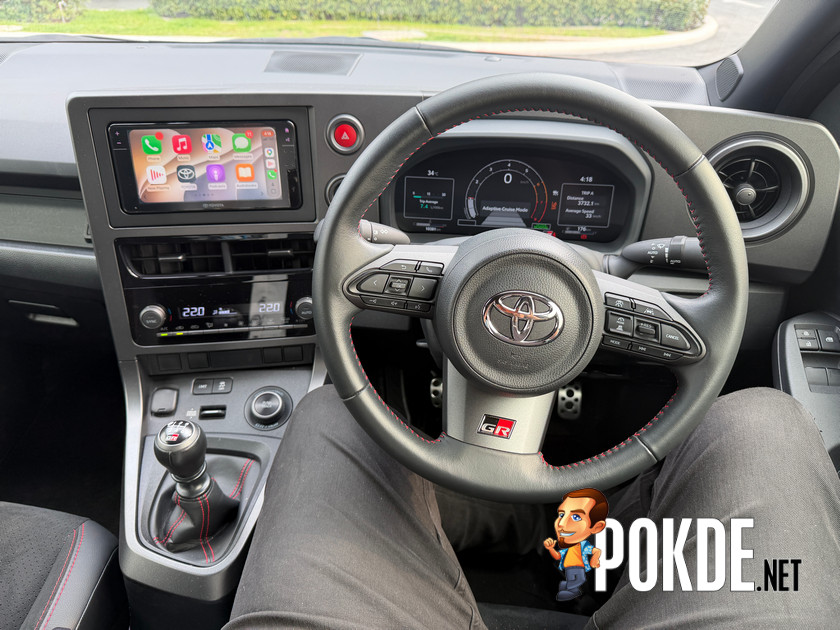
This is the most consistent observation from every GR Yaris driver and it remains true on the 2026 model. Toyota’s decision to invest in carbon fibre roofing, BBS wheels, Michelin PS4S tyres, and dual Torsen differentials rather than soft-touch interior surfaces is defensible when you understand the car’s priorities. But when you sit inside a car that costs this much and run your hand across the dashboard, the materials register below what the exterior promises. This is the trade-off the GR Yaris asks you to accept, and buyers who prioritise interior ambience should understand it clearly before visiting a showroom.
Rear Visibility Has A Genuine Blind Spot
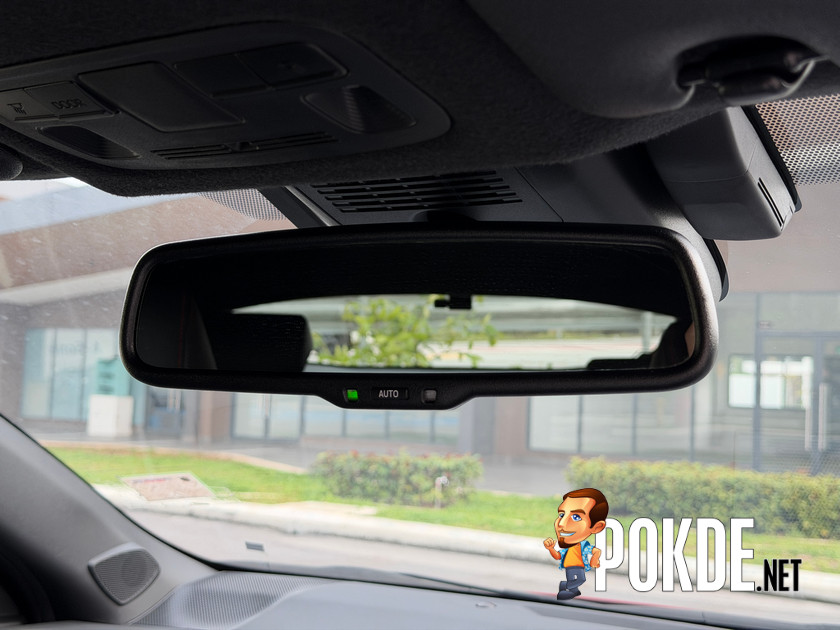
The swept roofline and the placement of the rear-view mirror create a meaningful obstruction in the rear view, particularly when reversing or checking mirrors at junctions. The 2026 model’s revised instrument cluster improves forward visibility, but the rear remains a limitation that requires deliberate adjustment on the driver’s part. The rear parking sensors help, but the visual field from the driver’s seat rearward is not what you would design from scratch if you were not also prioritising the aerodynamic and structural commitments the GR Yaris’s body makes.
The Seat Height Does Not Suit Every Driver
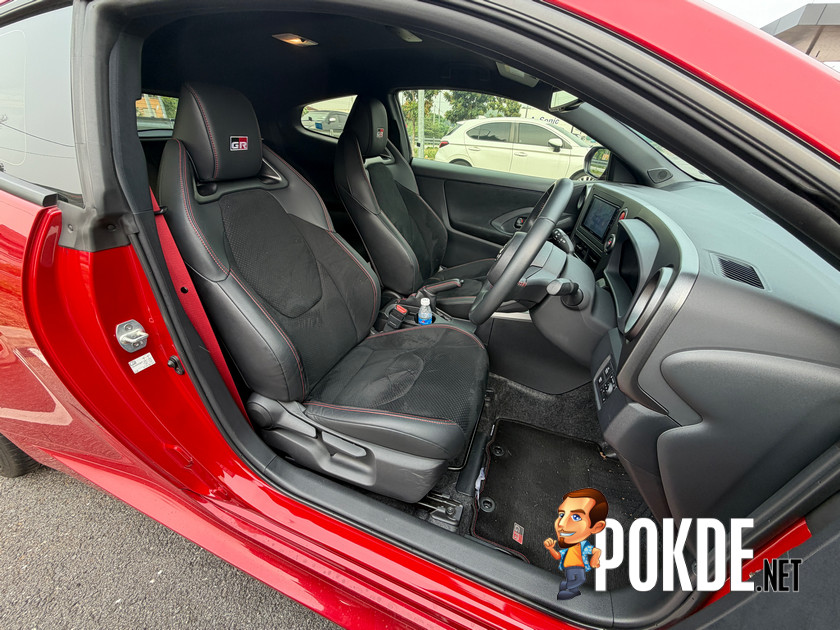
The GR semi-bucket seats sit at a height that places some shorter drivers closer to the roof than they would prefer, limiting the low, planted seating position that most performance cars aim for. This is not a universal criticism, and taller drivers will find the position more natural, but it is worth sitting in the car before committing to it if seating position is a meaningful part of how you experience a car.
2026 Toyota GR Yaris MT Verdict
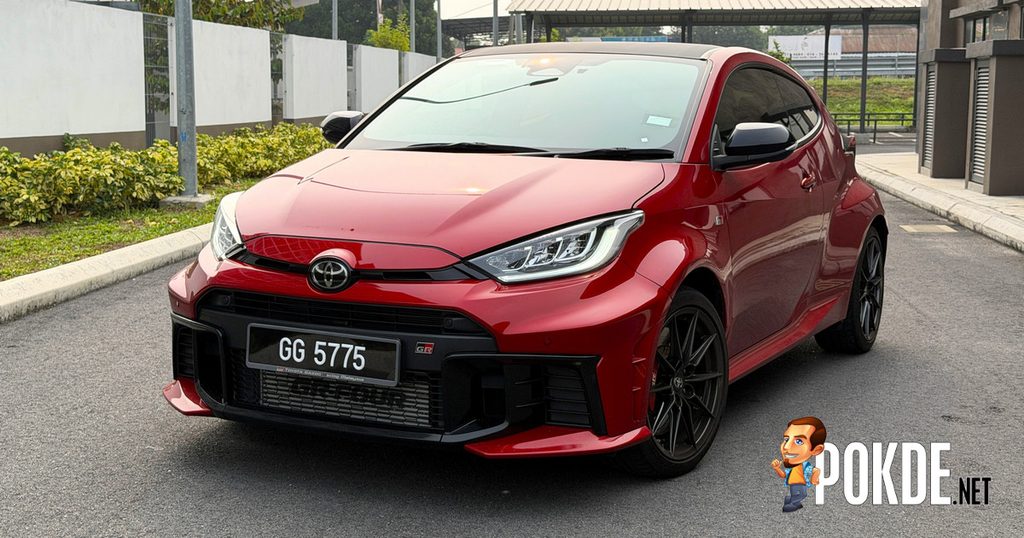
The 2026 Toyota GR Yaris MT is the most complete driver’s car Toyota has produced in recent memory, and probably one of the most complete driver’s cars available in Malaysia at any price. It exists because Toyota’s engineers were given a genuine competition brief and allowed to follow it all the way to the road, and the result is a car that rewards every driver who meets it on its own terms. The steering is exceptional. The brakes inspire confidence that most performance cars at twice the price do not match. The GR-Four AWD system with dual Torsen differentials is as sophisticated as it sounds. And the 2026 updates have addressed the most legitimate criticisms of the original with real engineering rather than cosmetic revision.
What it asks in return is honest engagement. The interior materials will not flatter the purchase price. The rear view requires adjustment. And at RM315,600, this is a significant commitment for a three-door hatchback that returns 8 L/100 km and carries two adults in any real comfort. With that being said however, if you’re considering this car, seating more than two adults at once is likely not even a part of your worry. Otherwise, you would have immediately gone for the GR Corolla instead.
All of that is beside the point once you are driving it. The GR Yaris is addictive in the way that genuinely great driver’s cars are addictive; not because it goes faster than everything else, but because it communicates more clearly than almost anything else and rewards better driving with a feedback loop that makes you want to find the next road and do it again.
With all of that said, I award the 2026 Toyota GR Yaris MT with our Gold Pokdeward.

Big thanks to Toyota Malaysia for loaning us this car for the purpose of this review.