
Product Name: Starlight X (SLX Nightfall)
Brand: Finalmouse
Offer price: 179
Currency: USD
-
Appearance - 8/108/10
-
Efficiency - 7.5/107.5/10
-
Features - 8.5/108.5/10
-
Materials - 9/109/10
-
Performance - 9/109/10
-
Portability - 9/109/10
-
User Experience (UX) - 8/108/10
-
Value - 7/107/10
Summary
The Finalmouse Starlight X (SLX Nightfall) is purpose-built for competitive play, though that comes with a trade-off in practicality in non-gaming uses.
Overall
8.3/10Pros
- Light as a feather
- TMR speed, mechanical feel
- Xpanel customization & tuning
- Clicky side buttons
Cons
- Non-paracord cables
- Lack of spare skates & grip tapes
- Not ideal for productivity use
Unboxing & Walkaround
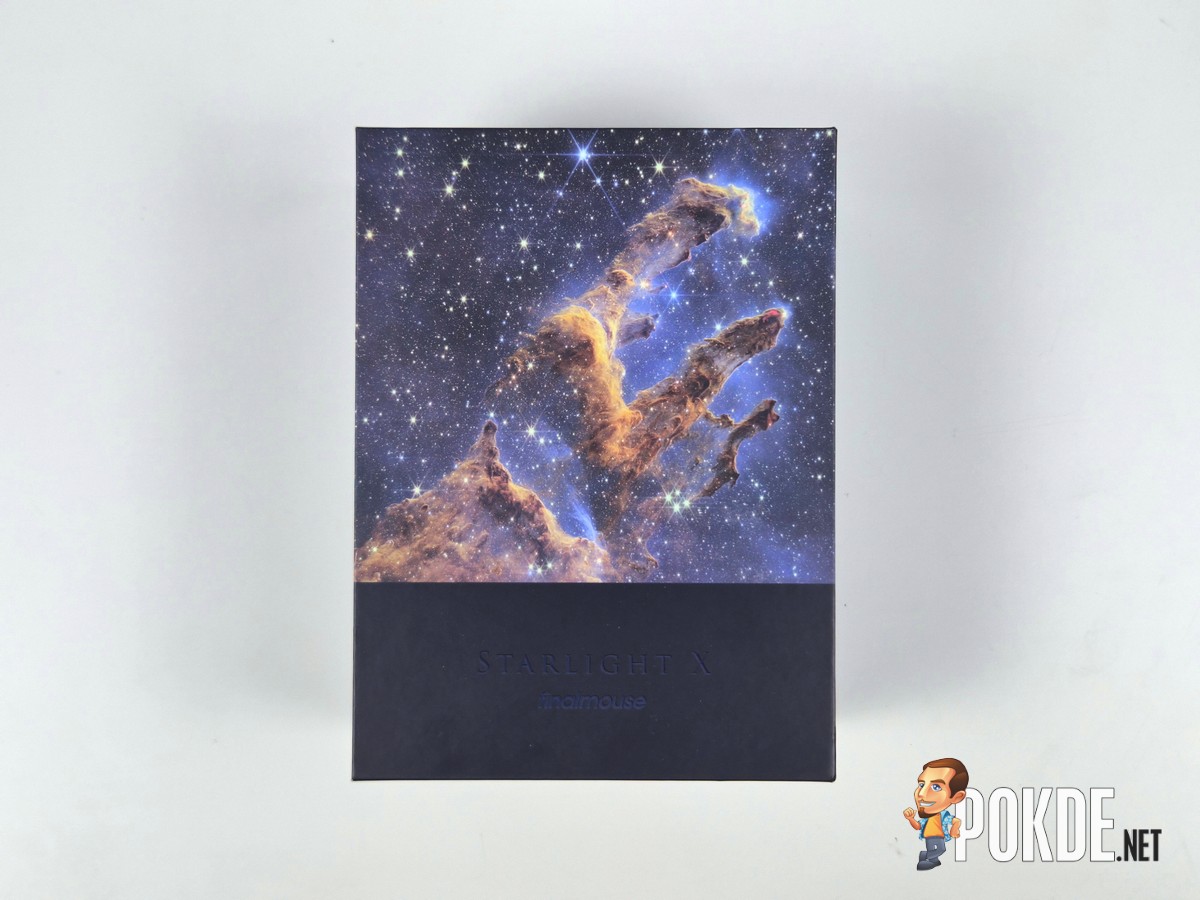
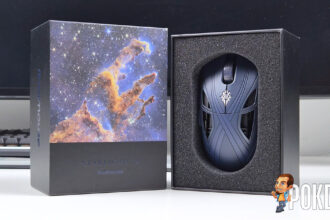
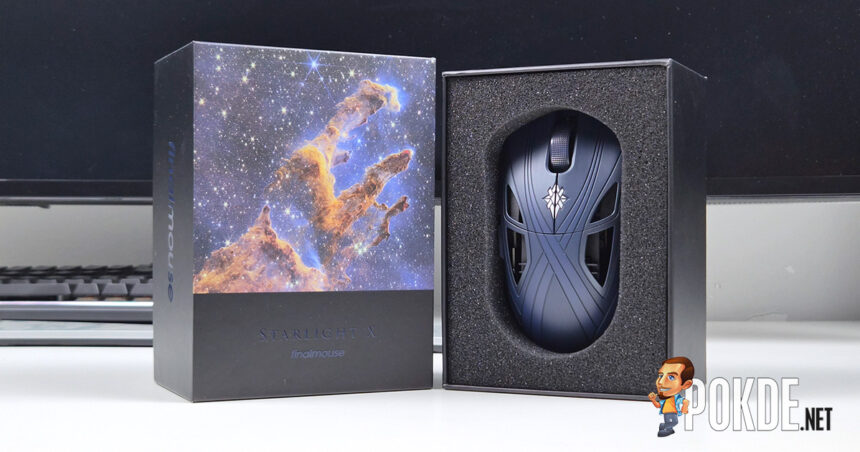
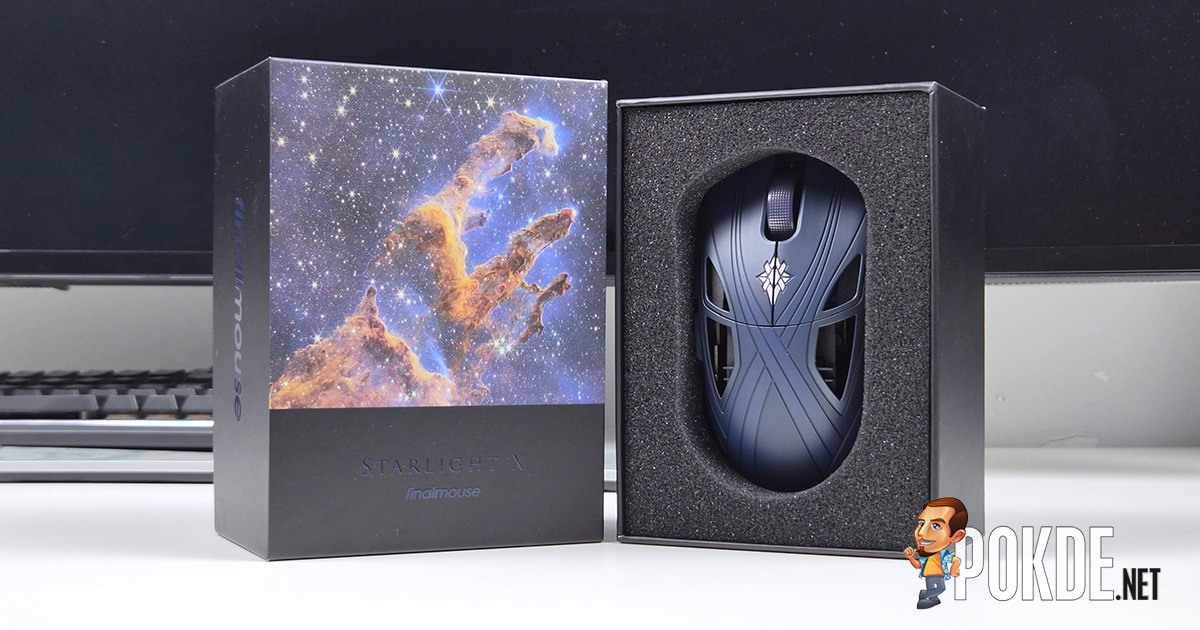
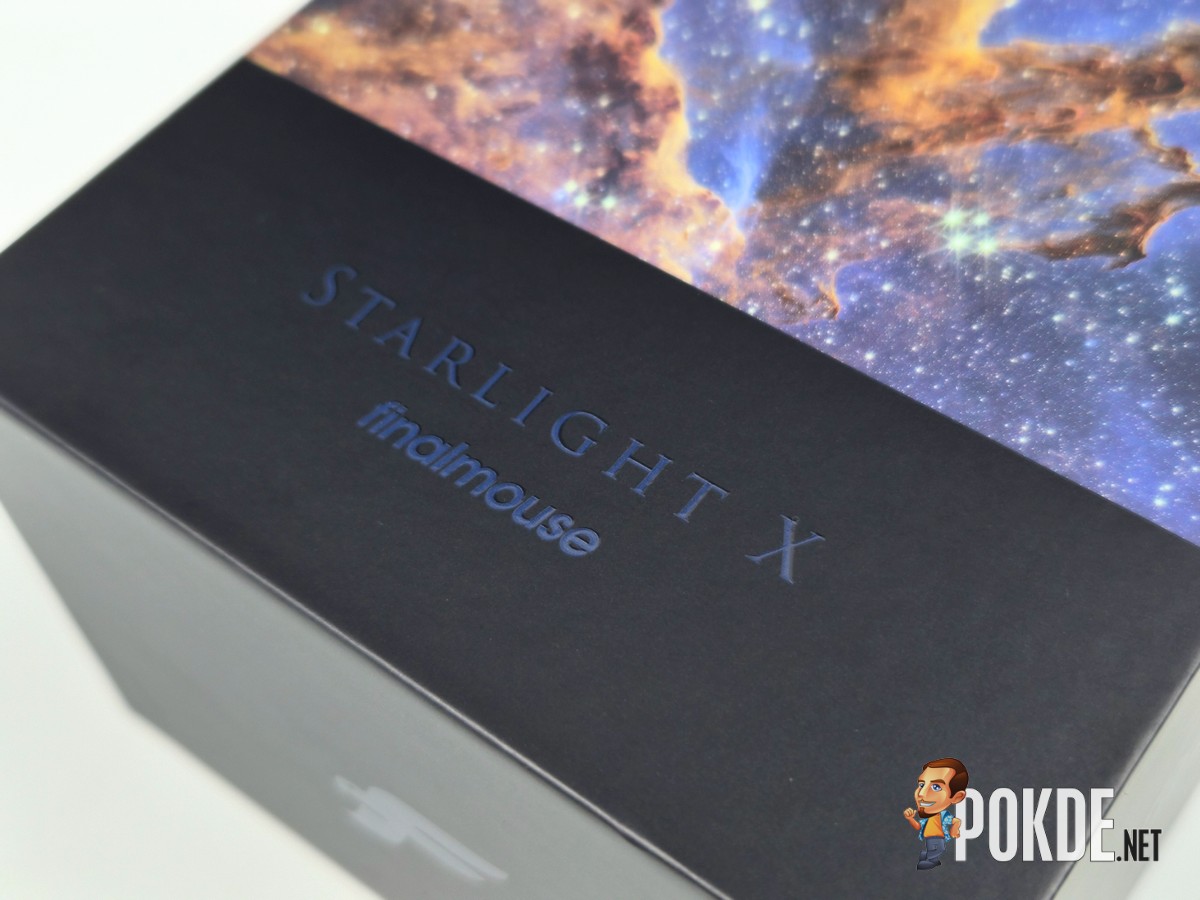
Finalmouse is known for exclusive mouse drops (for better or worse), and among those are some of the most bleeding-edge stuff you’ll find in the scene. Here we have one of the new models, the Finalmouse Starlight X – now named SLX Nightfall presumably due to additional variants released since then. And yes, the box art you see above is indeed the imagery of the famous “Pillars of Creation” interstellar body, in this case taken by the newer James Webb Space Telescope (specifically, via near-infrared using NIRcam) in 2022.
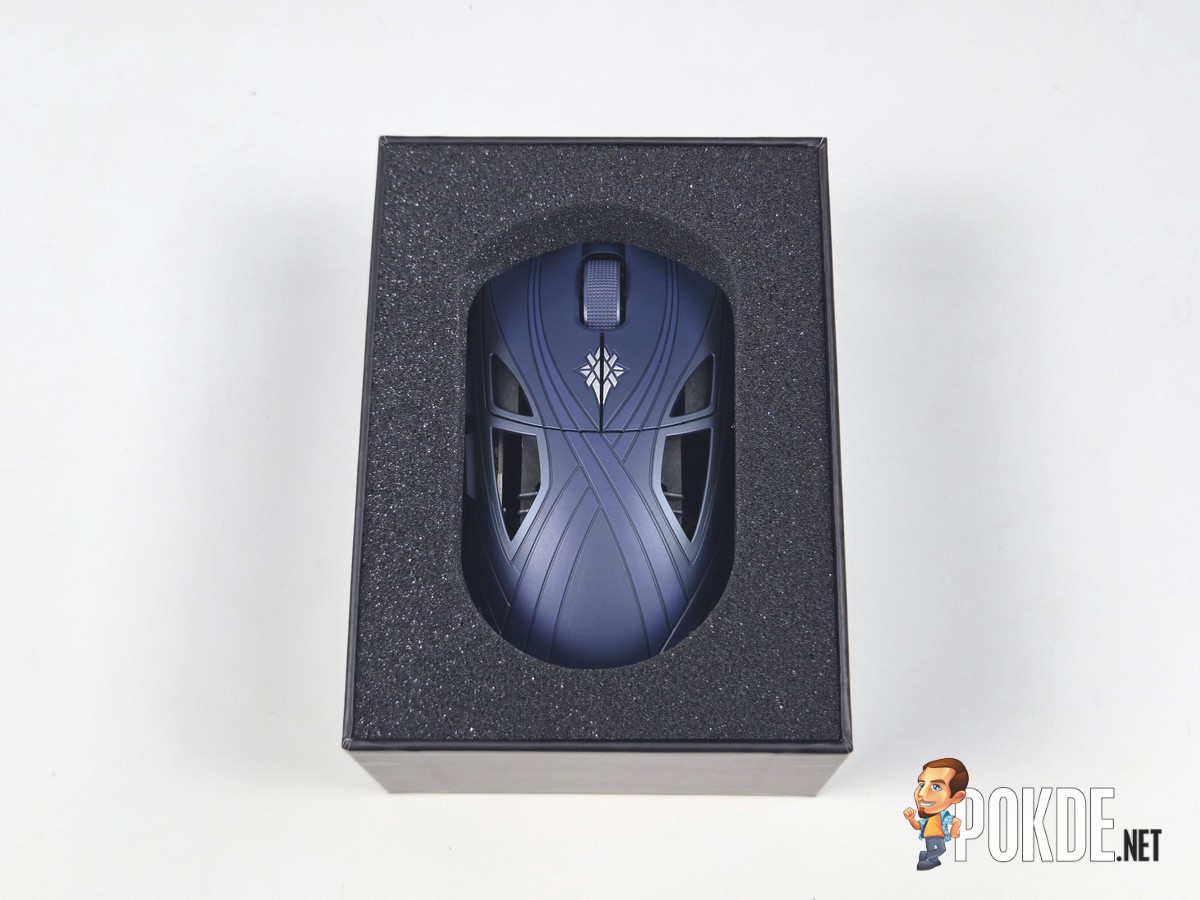
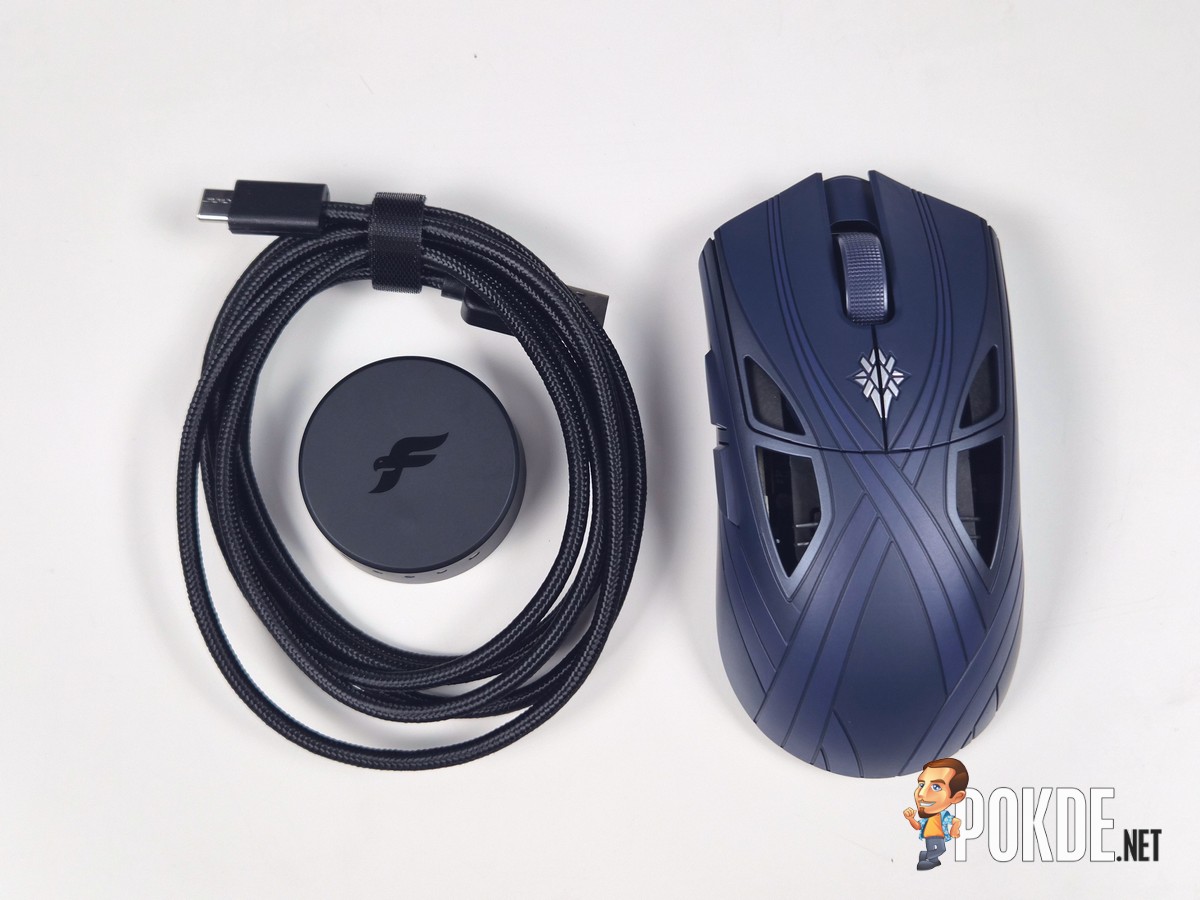
Pretty-looking box aside, you don’t get much inside: only a USB-A to USB-C cable, a wireless puck, and the Finalmouse Starlight X itself is provided. No spare skates, grip tapes, or documentation of any kind. Suffice to say this is not meant for the casuals – you’ll have to dig very deep into the gaming mice rabbit hole to even start considering models from the California-based brand.
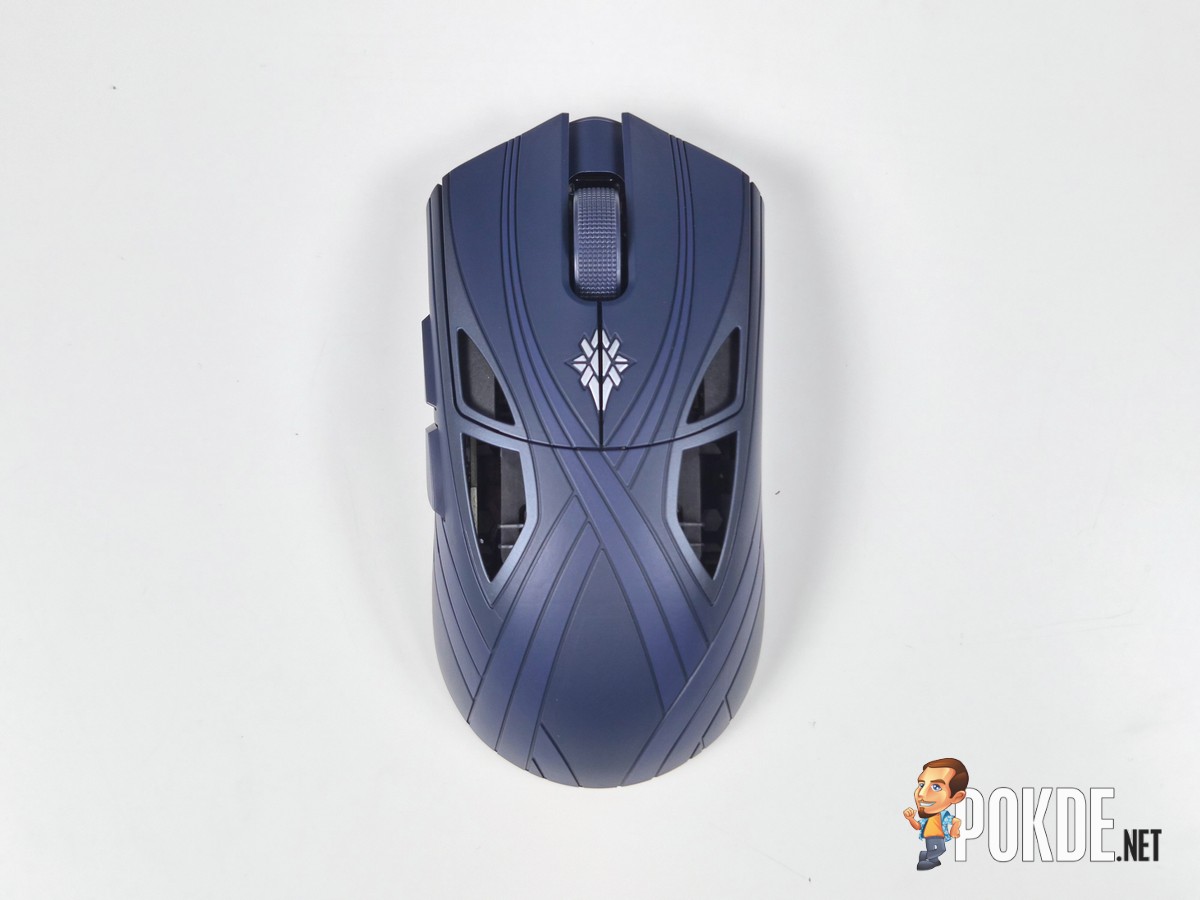
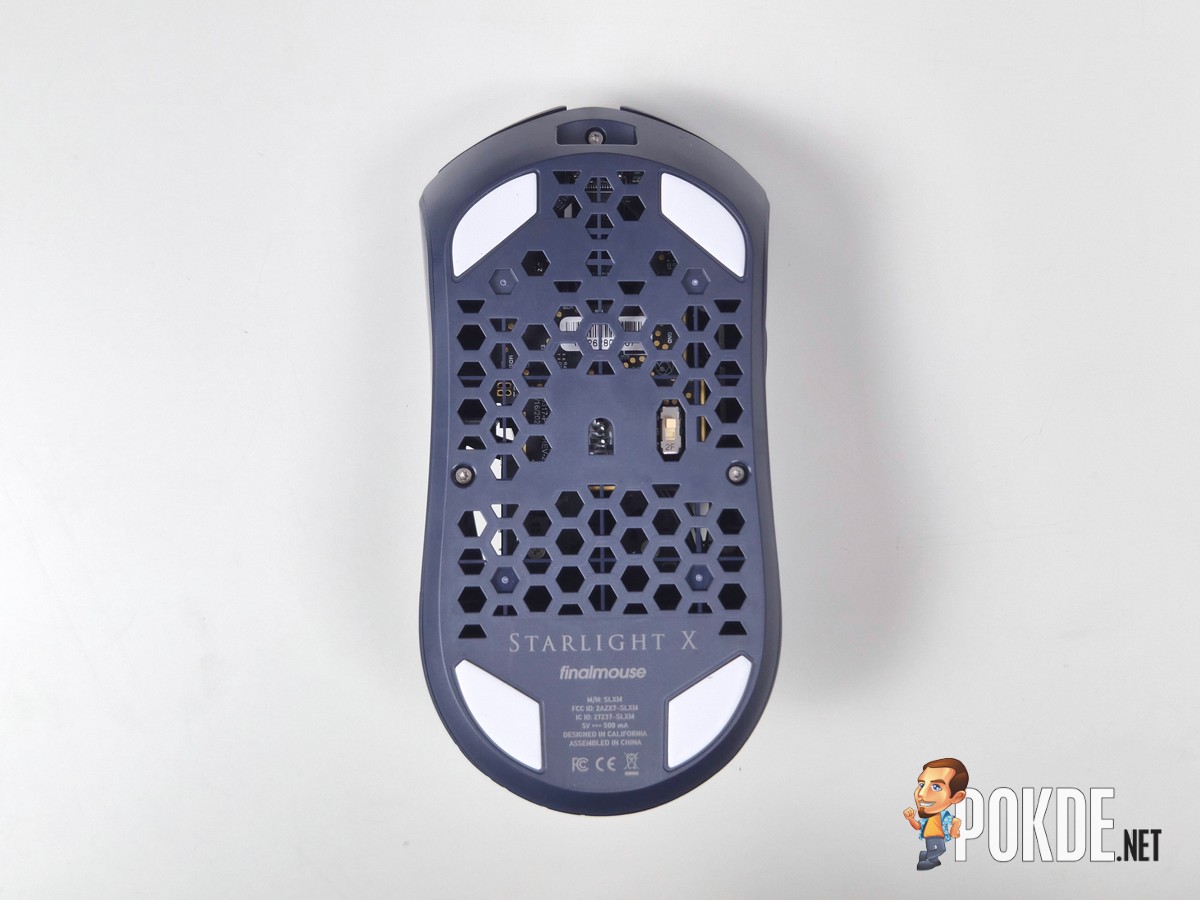
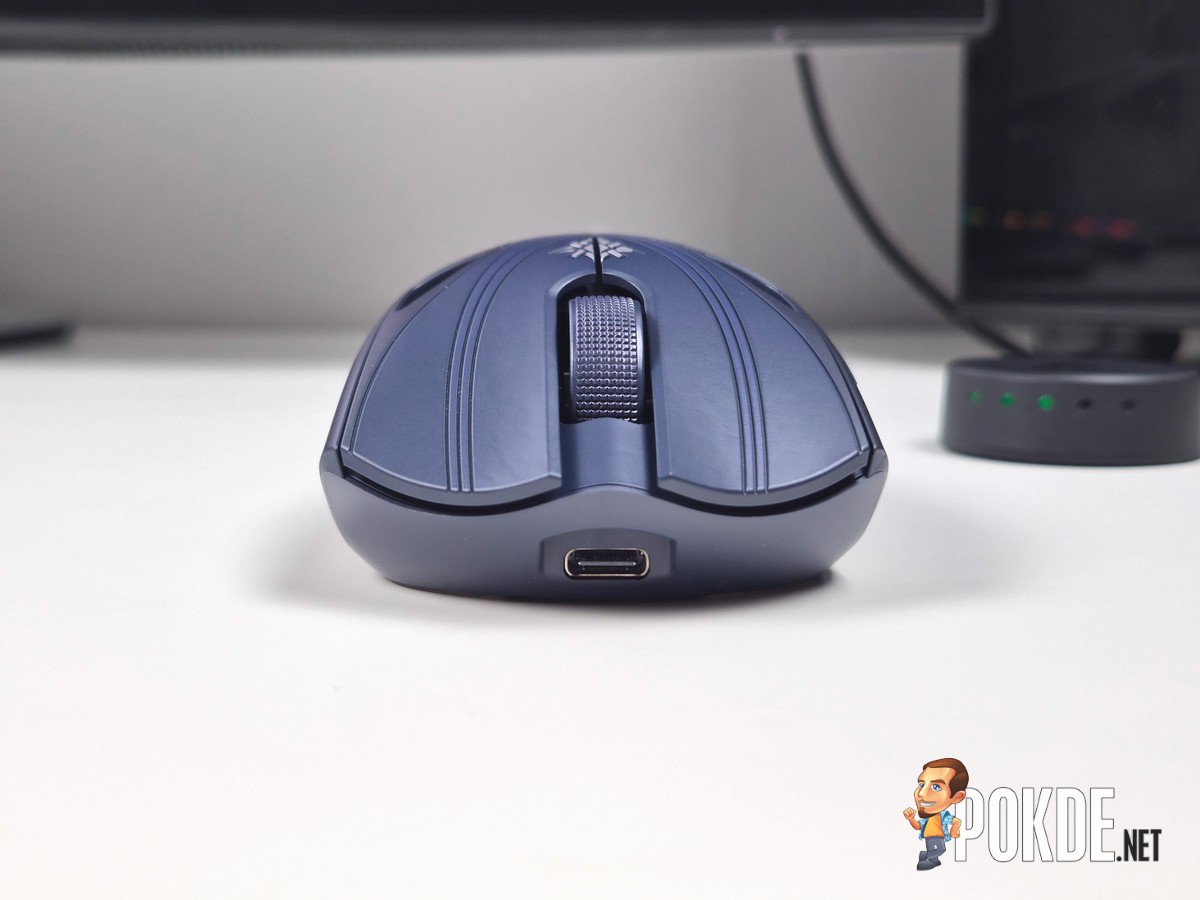
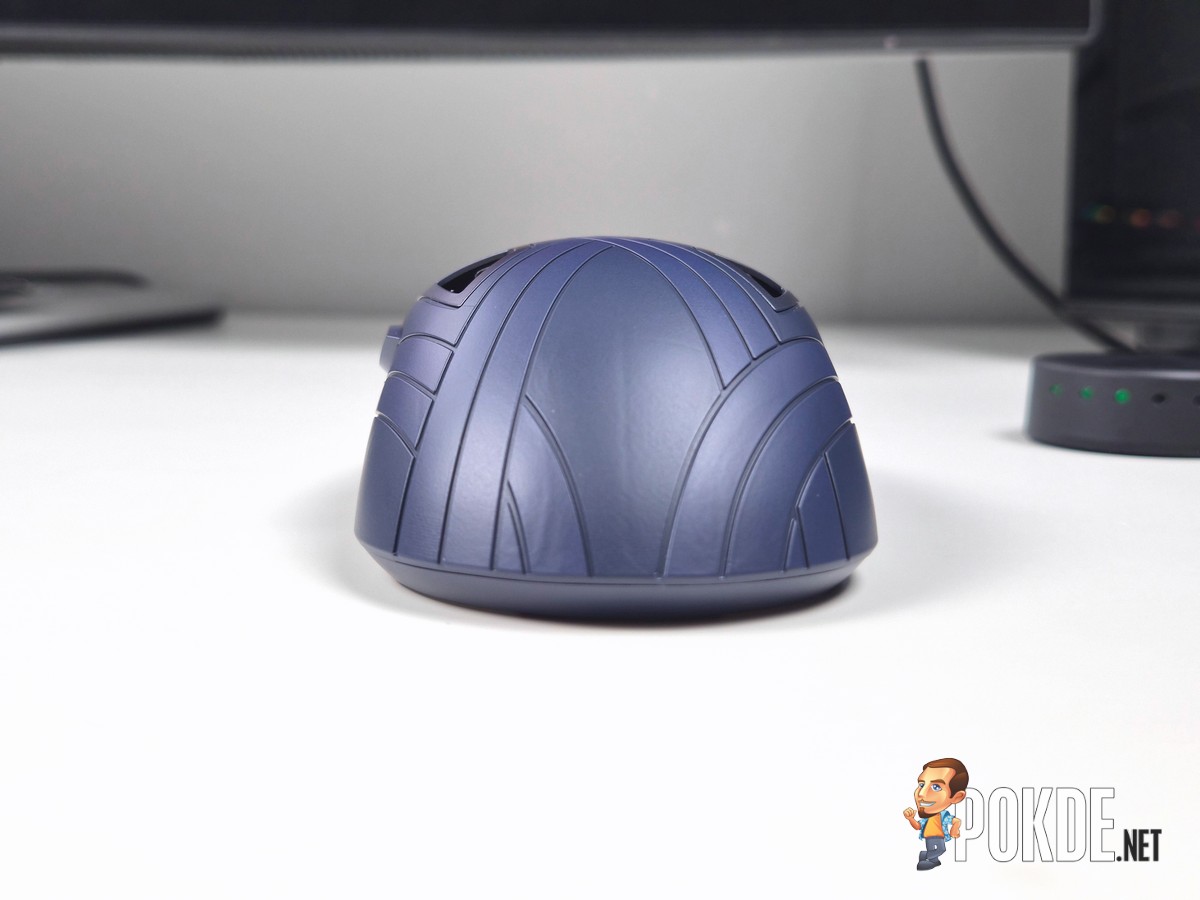
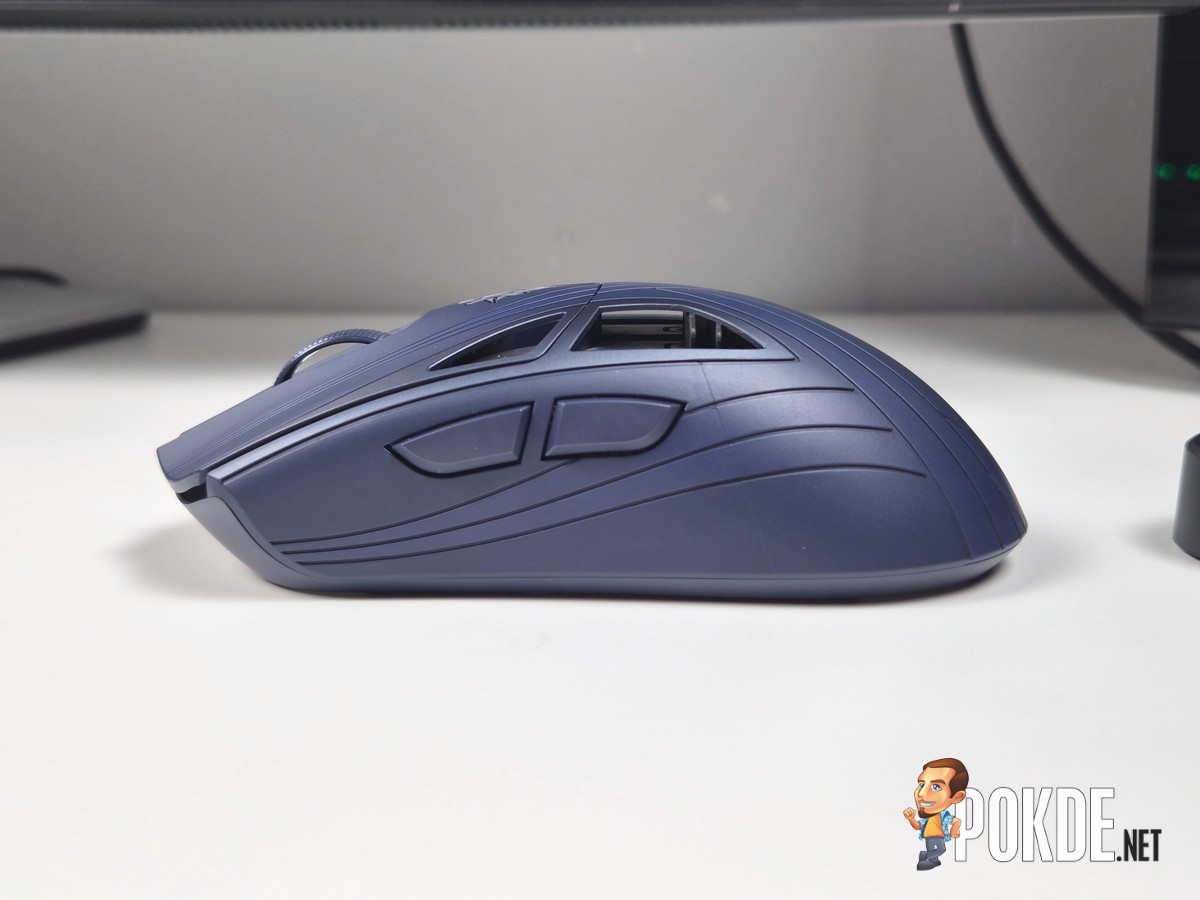
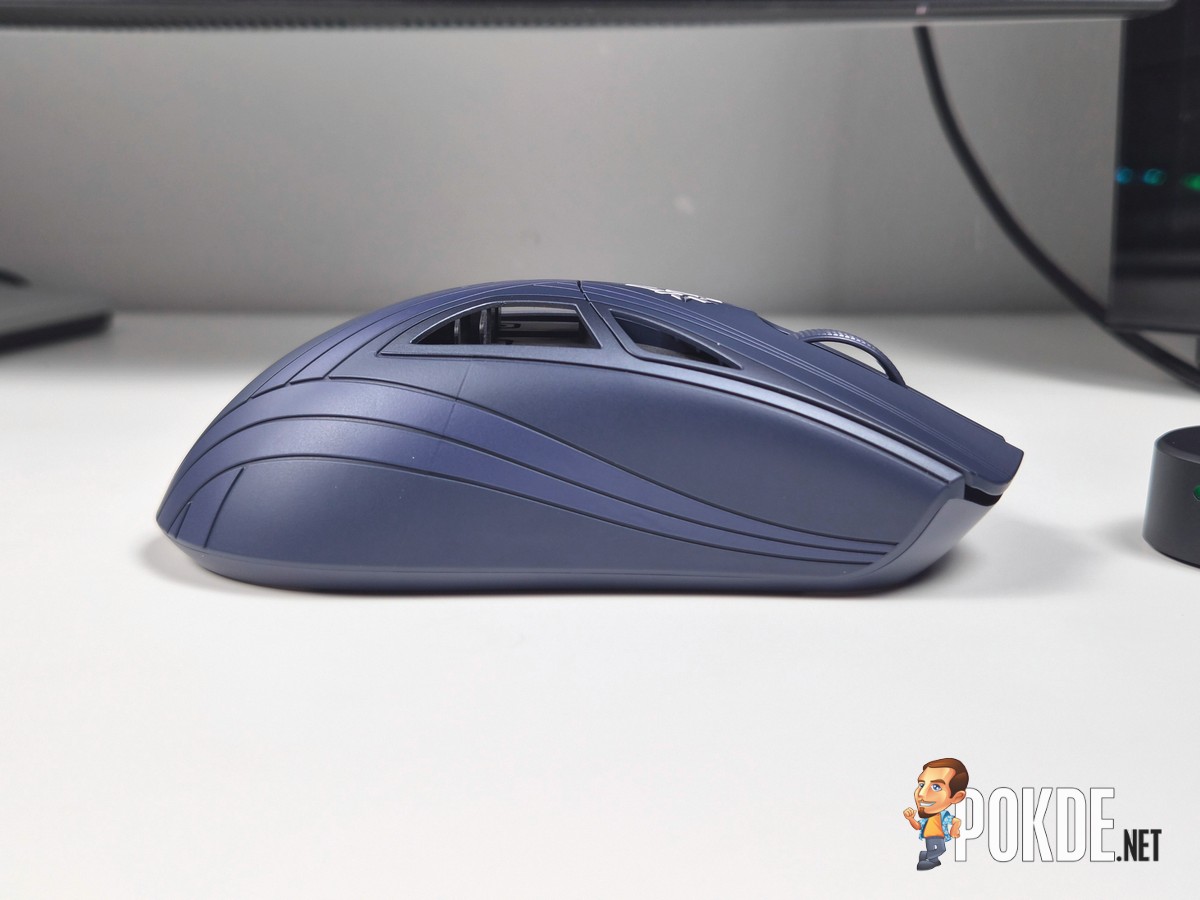
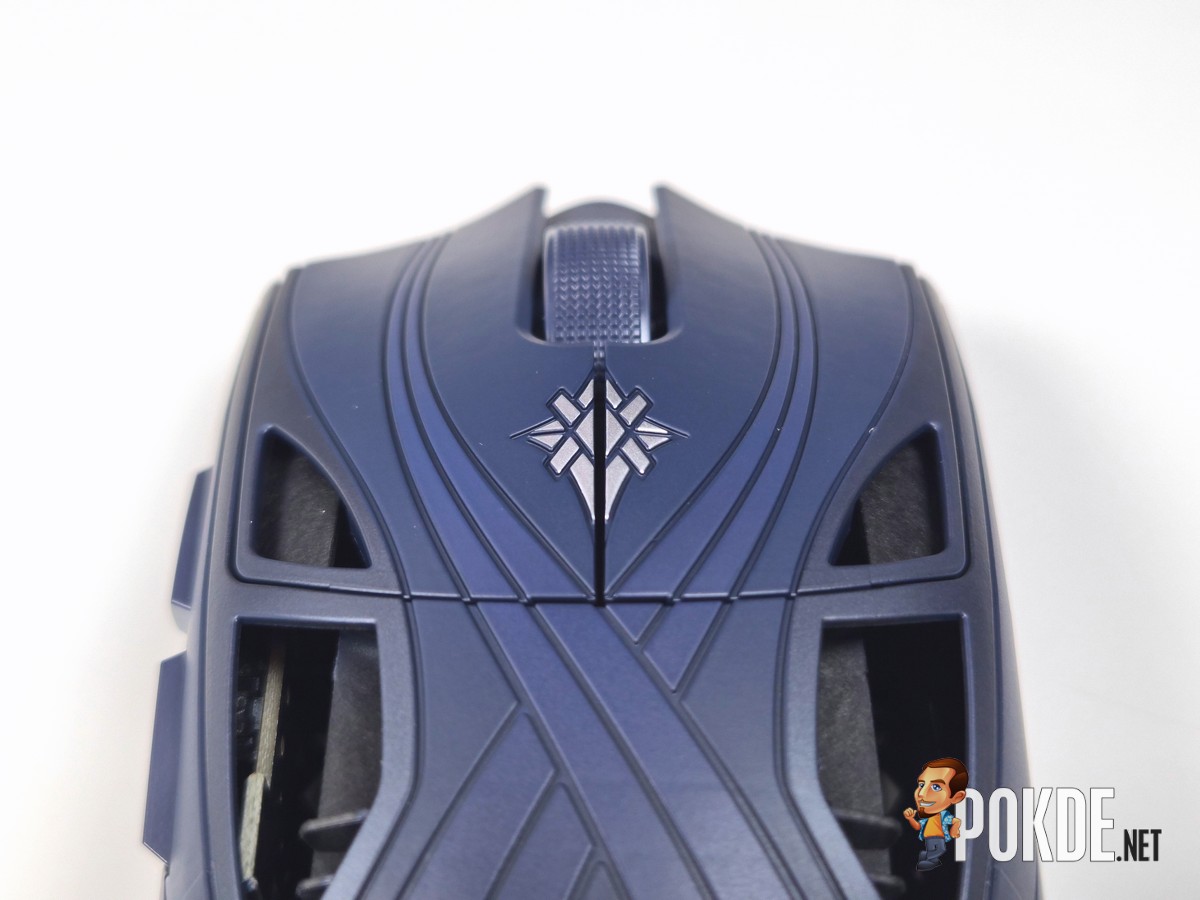
The shape of the Starlight X / SLX Nightfall is fairly conventional as far as esport-adjacent models are concerned, though this one clearly is one of the more exotic ones with perforations to further save weight. All of this – in regular size class – weighs only 38 grams thanks to carbon fiber composite construction, where a plastic-based model like the ASUS ROG Harpe II Ace is still at 48 grams despite near-identical sizes.
Ergonomic-wise, the mouse features dips in the clicking surfaces with ridges presumably double as a function to improve hand grip; same applies to the sides where it features a slight contour. Both sides are fully symmetrical with the exception of side buttons on the left to accommodate right-handed users, and at the front is the USB-C port, primarily for charging, although you can use the mouse wired as well. We’ll explain why we mean by “primarily for charging” later on.
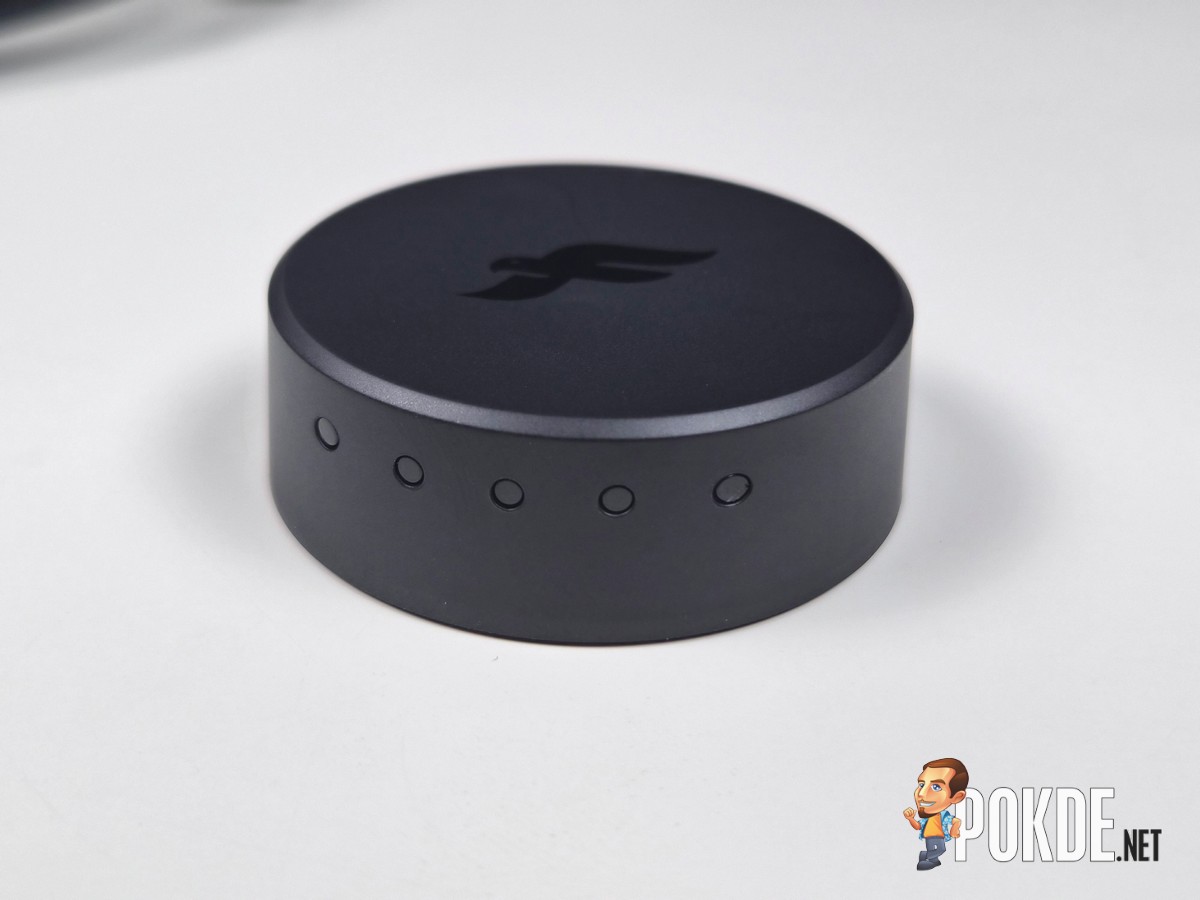
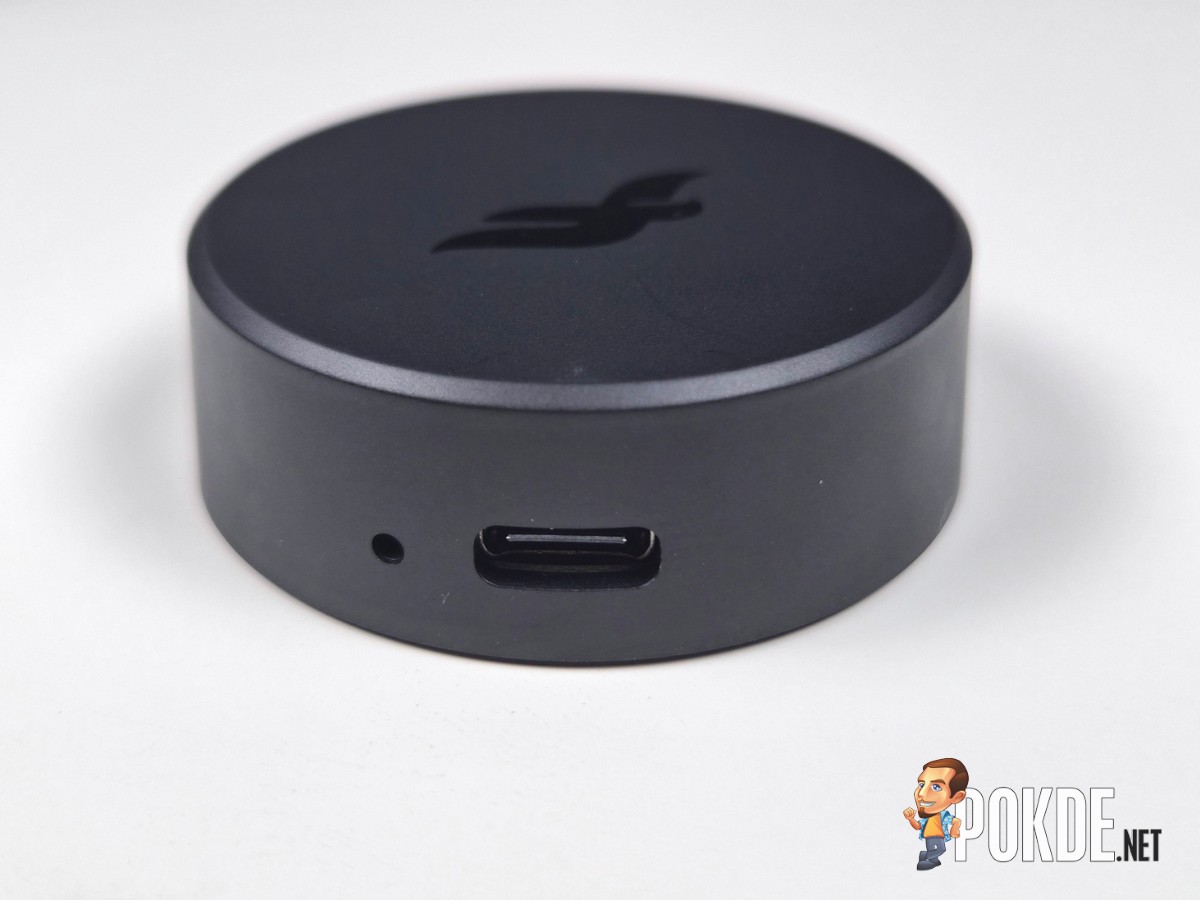
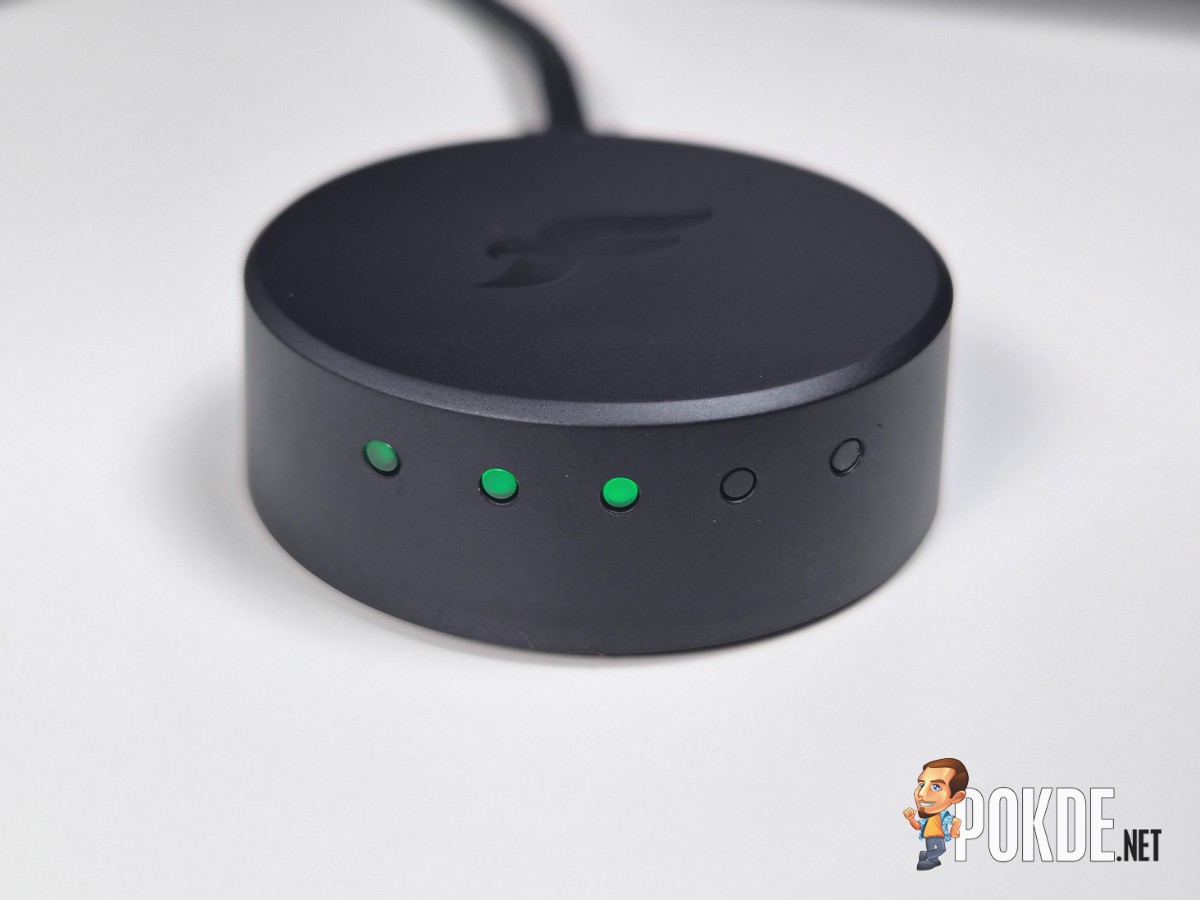
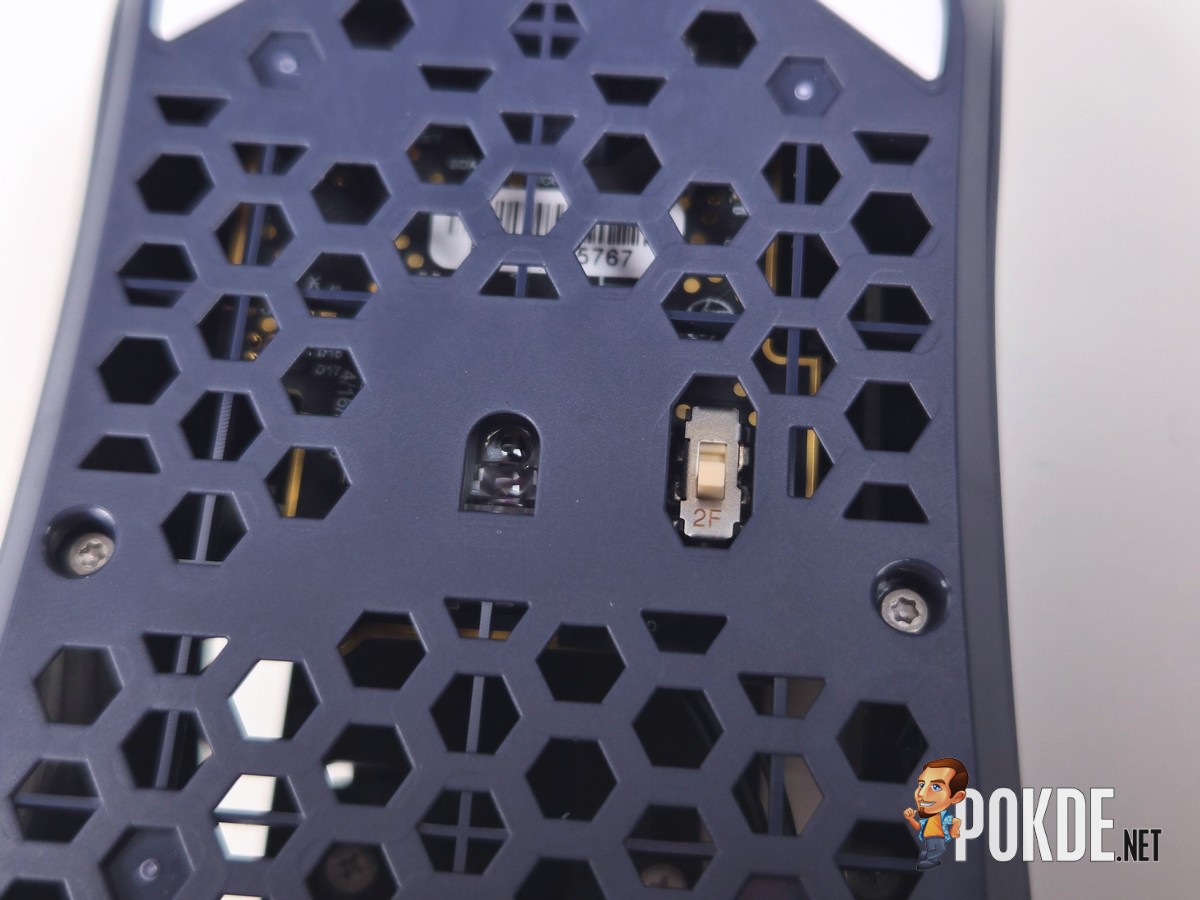
Finalmouse expects Starlight X users to use the 2.4GHz puck to operate the mouse wirelessly, and it’s also connected via the same USB-C cable found in the box. The LEDs onboard only works for a single function: to check the mouse’s battery level. On the mouse’s side, the extreme weight-saving is likely why it doesn’t come with Bluetooth function, so 2.4GHz is the only way to operate this mouse wirelessly – the switch seen above simply turns the wireless mode on and off, and there is no other onboard controls like DPI or profiles like you’d see in more feature-packed equivalents.
Specifications
Finalmouse Starlight X (SLX Nightfall)
Full specifications available on product datasheet.
| Mouse Body Type | Right-hand symmetrical |
| Body Material | Carbon fiber super composite |
| Skate Material | PTFE |
| Switch Type | Huano Blue Sheel Pink Dot switch TMR-DS analog sensor system |
| Microcontroller Unit (MCU) | Nordic nRF54LM20 (25nm) |
| Sensor | Finalmouse F1 *Sensor specifications unspecified |
| DPI Modes | Fixed*, 100 DPI increments *Only customizable via Xpanel |
| Polling Rate | 8000Hz dongle 1000Hz onboard |
| Onboard Memory | Single profile only |
| Onboard Lighting | Single in-chassis LED (customizable) |
| Connectivity | USB-C wired, RF 2.4GHz (via wireless dongle) |
| Cable | USB-A to USB-C braided cable |
| Battery | 250mAh Li-ion |
| Dimensions | 124.8 x 58.9 x 39.5 mm |
| Weight | 38g |
| Colors | Nightfall [As tested] Achilles, Son of Peleus Achilles, Son of Thetis |
The Good
Light As A Feather
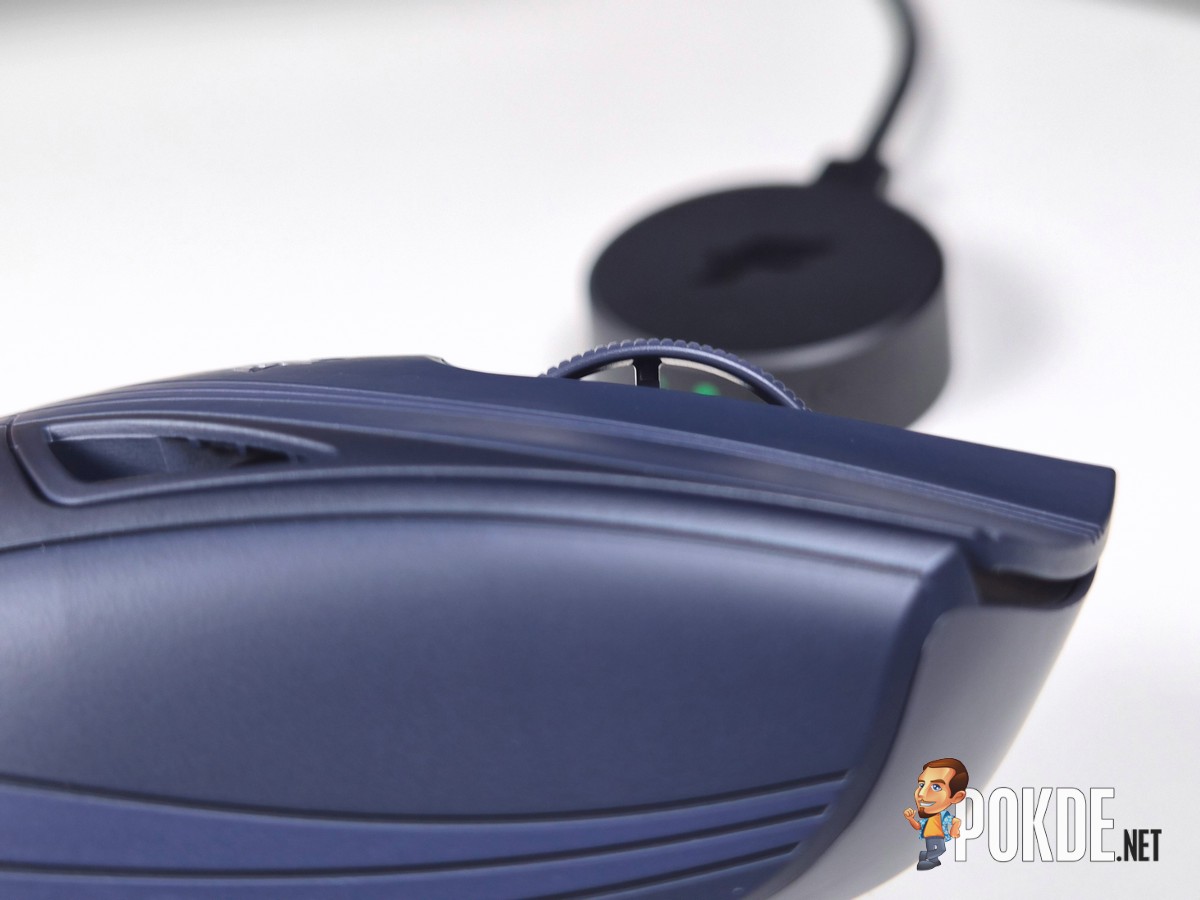
To achieve just 38 grams of weight in a relatively large mouse takes a lot of weight-saving measures, and the result is impressive. It is the lightest mice we’ve tested at this point, and holding it up takes virtually no effort beyond what’s needed to physically flex your hand muscles. Lighter weight means less inertia in high-speed flicks, and that converts to a small but crucial competitive advantage for esports pros. Of course, since this is all carbon fiber, there is no flex to speak of, despite its extremely light chassis.


TMR Speed, Mechanical Feel
One interesting approach to speed from Finalmouse is to essentially combine the best of two worlds: the mechanical feel of a mouse switch, and the responsiveness offered in TMR (tunnelling magnetoresistance) sensors. Unlike Logitech SUPERSTRIKE’s full-analog approach, the Starlight X retains the mechanical switches, which can function as traditional mechanical-based mice if you disable the TMR-DS function via the Xpanel page. Otherwise, the actuation duty is taken over by TMR sensors, which cuts a substantial amount of input latency by removing the time taken to physically actuate the switch (which is the same principle as Logitech’s HITS system).
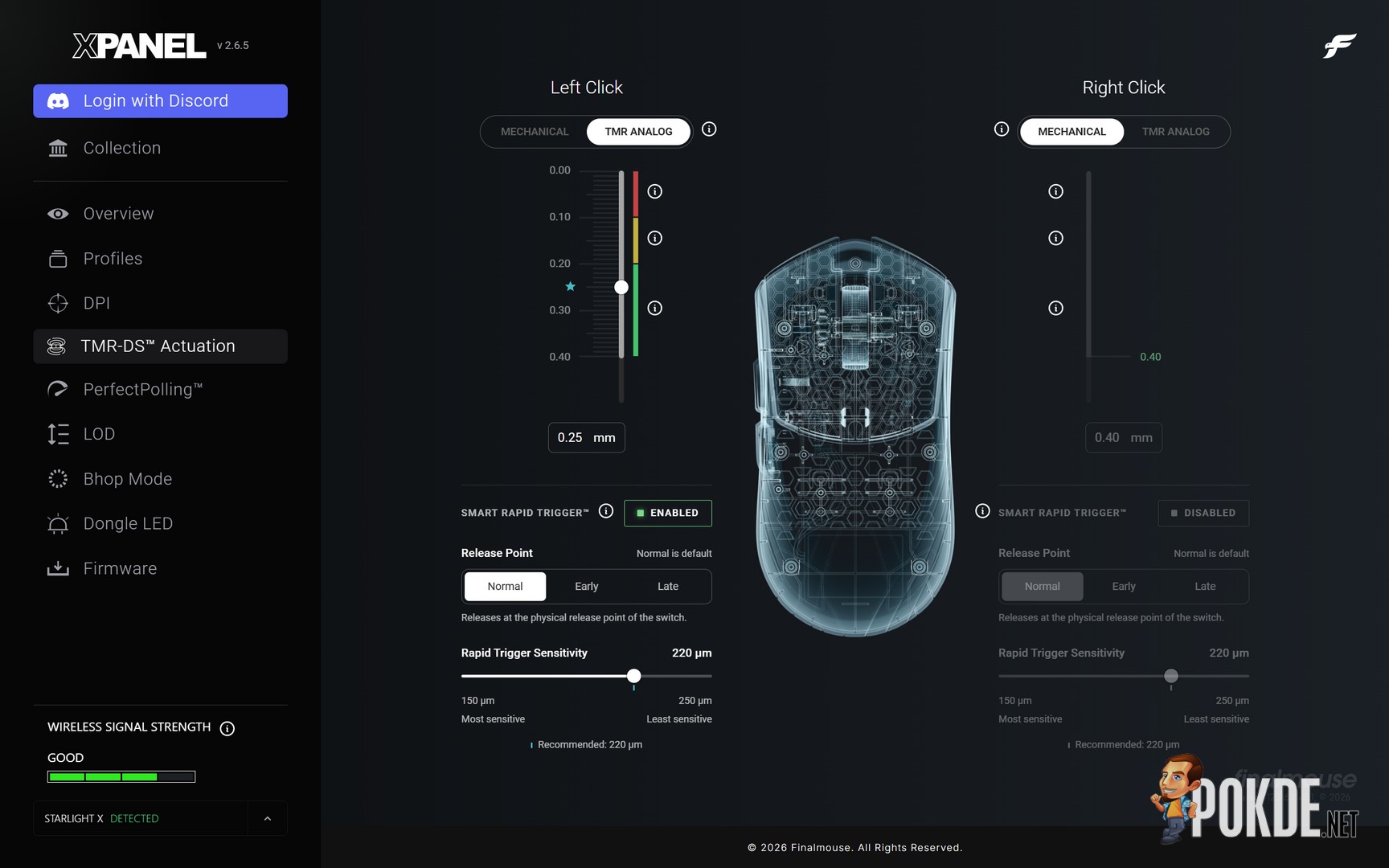
Now we should stop for a minute and explain in detail how TMR-DS works in the context of Starlight X / SLX Nightfall. You can choose the actuation distance – higher means shallower detection point – and more aggressive settings essentially cuts the time between your finger physically moving to the switch fully actuating.
That said, moving above 0.25mm will actually register actuations even before the mechanical switches are actuated, and as it has noted in the interface, highly aggressive settings (<0.1mm) are not recommended for normal (or even competitive) use; those are for latency testing purposes only. Similar to keyboards, the mouse also offers rapid trigger functions, though the efficacy of this function in this mouse is likely very limited given the very narrow actuation room you’re working with.
Xpanel Will Be Your Best Friend
While we’re on the subject of customization and tuning, let’s turn our attention to Xpanel, the web-based software that Finalmouse Starlight X requires to operate (we actually recommend keeping this tab always-on in the background). All that weight-saving means many onboard controls are absent, so they’re all moved to Xpanel where anything you customize is immediately carried to the mouse itself. The settings are carried via Discord sign-ins, and from there you basically have no practical limit on how many profiles you want to set.
There are several settings you can adjust: aside from the aforementioned TMR-DS settings, there is also DPI settings (which you can’t switch via onboard buttons, somewhat unfortunately), lift-off distance, and “Bhop Mode” designed to filter rare erroneous triggers (due to the nature of the scroll wheel itself) that can cause accidental scroll inputs in competitive settings, where some players use scroll wheel to perform rapid jumps on the map (hence “Bhop” or “bunny hop”).
Clicky Side Buttons
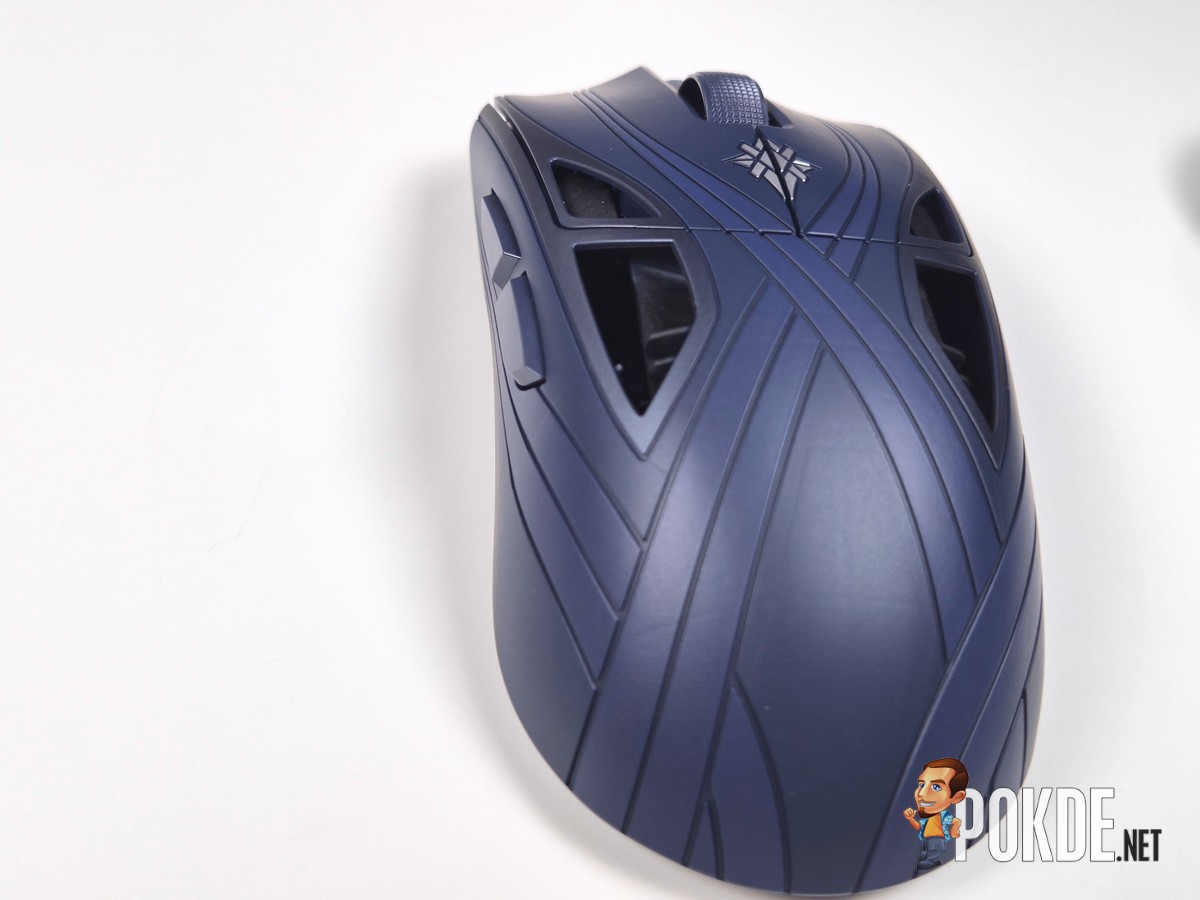
One minor detail that we appreciate is the side buttons of the Finalmouse Starlight X. Many esports-grade mice – even big-branded ones – often have rather mushy side buttons which makes it quite unpleasant to press on, and presumably there is some latency penalty in those as well. Not in this one, as the side buttons are sturdy and responsive; we won’t even blame you if you ended up fidgeting this mouse by clicking the side buttons randomly.
The Bad
Wireless Optimal, Wired… Not So Much
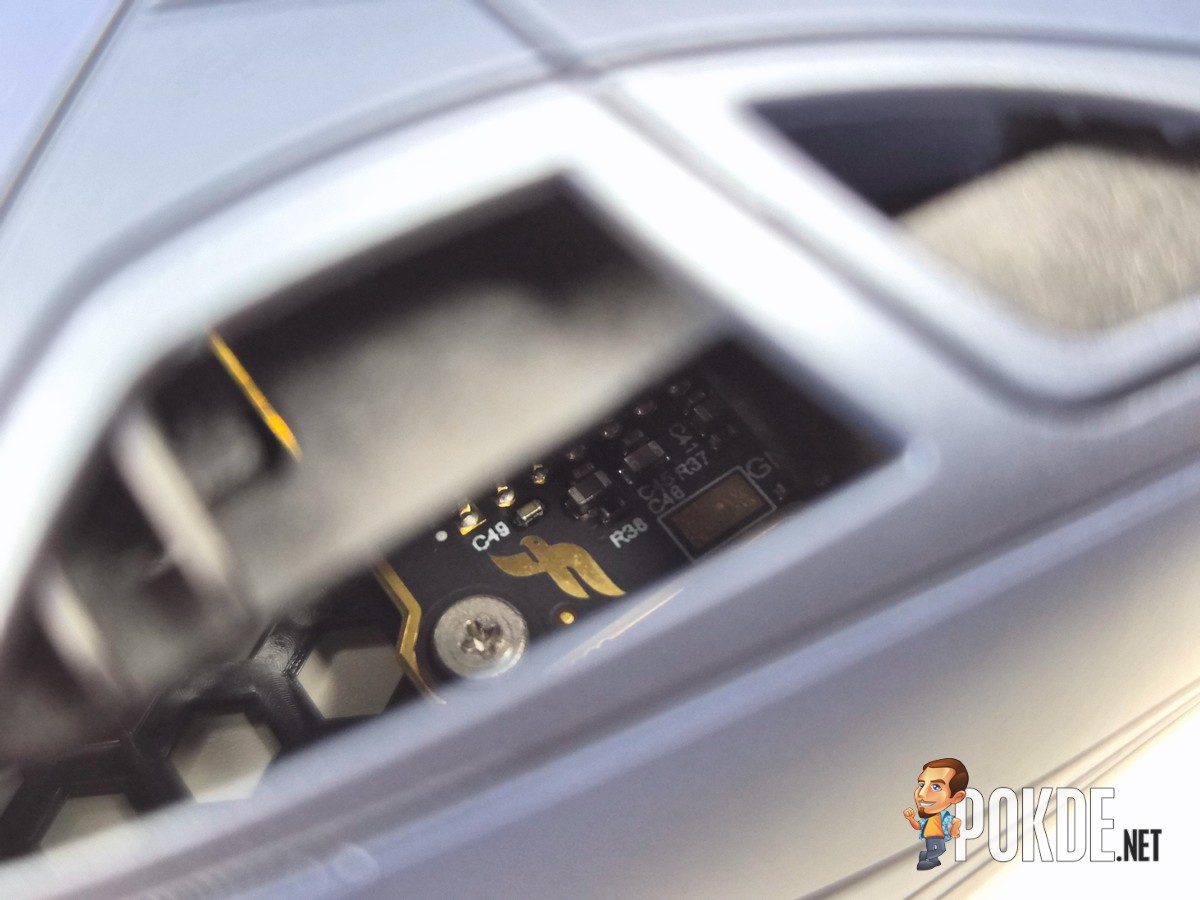
One slightly baffling design decision on Finalmouse’s part, in our opinion, comes down to the cables. The mouse’s design expects you to use it wirelessly, given that the cables provided is not a paracord-based material that allows it to flex easily; a similar model from Epomaker provides a paracord cable which gives users the option to not worry about battery, while not impacting the maneuverability of the mouse itself. While the mouse itself can last around a week per charge, it’s a minor detail that shouldn’t be here for the price you’ll be paying for this.
Lack Of Accessories
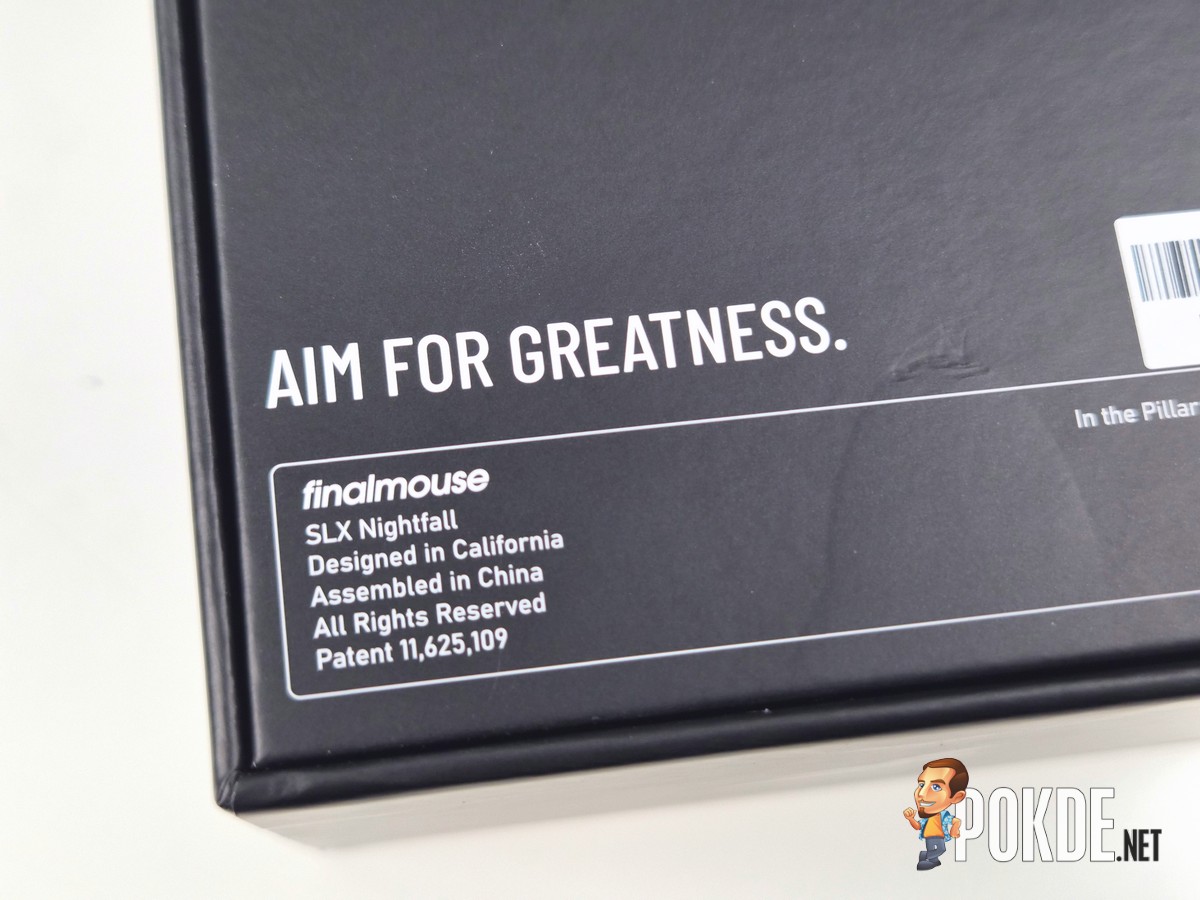
Continuing on the subject pertaining to the lack of value, the mouse doesn’t not offer anything much – no spare skates, and no grip tapes either, both of which are considered consumables as they do wear out over time. You’re expected to source them yourself, which is another thing that makes this rather unfriendly to anyone but the most devoted users of esports-grade mice.
Not For Productivity Users
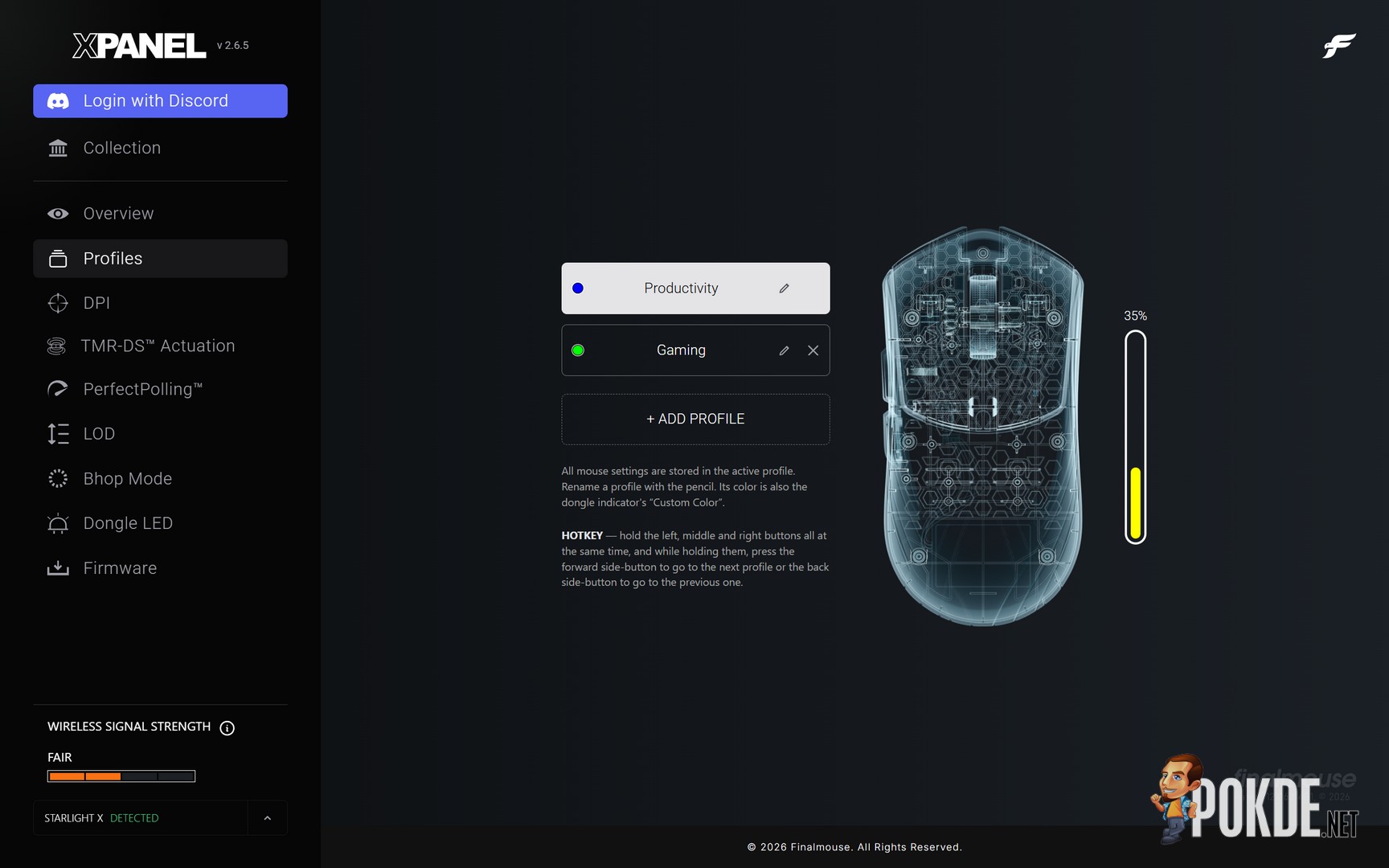
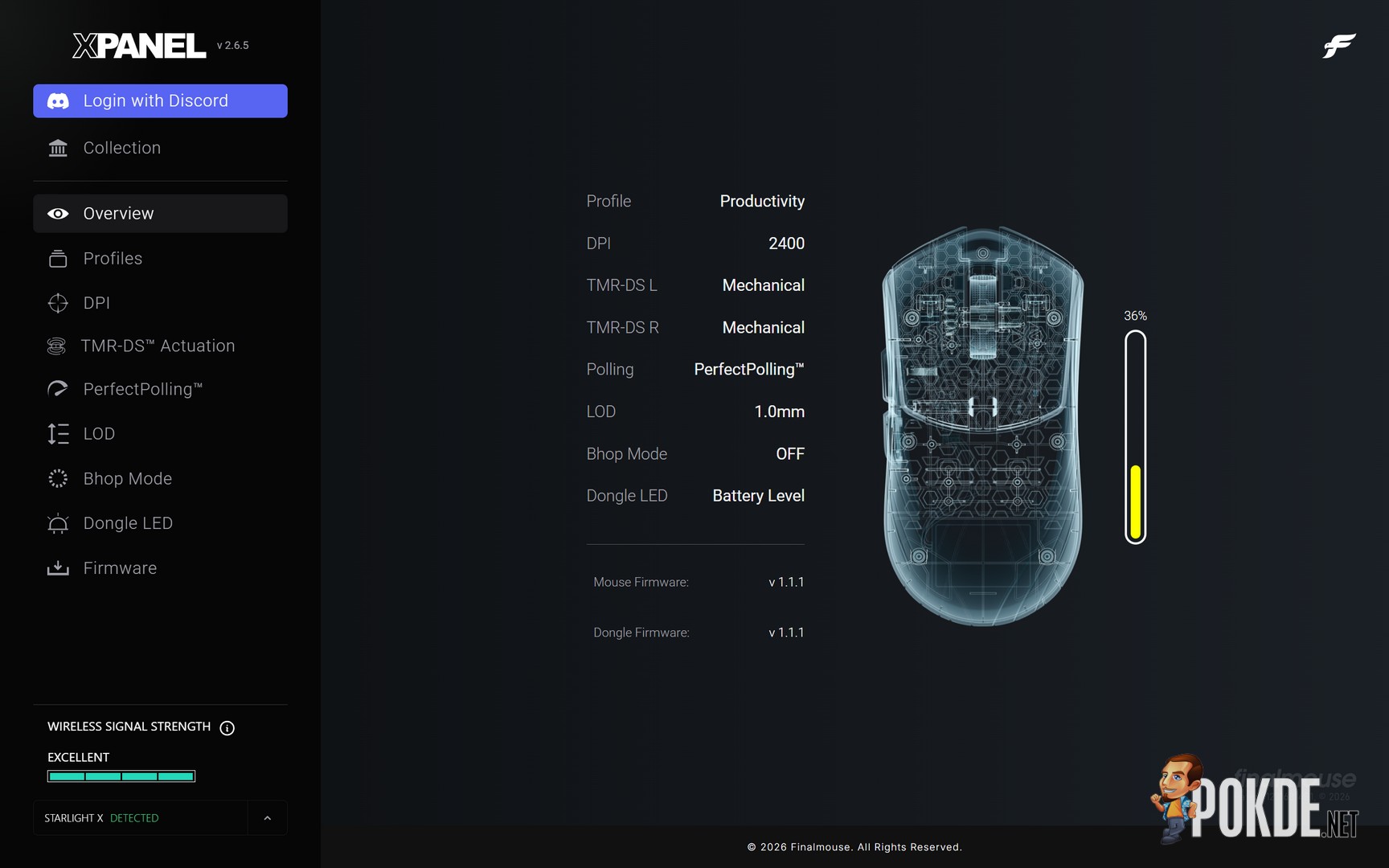
Lastly, and this is a slightly ironic bit as depicted in the image above – this mouse is not really designed for productivity, even though that’s the default profile it comes out of the box with. You can’t remap the side buttons natively (yes, AutoHotKey exists, but it works only on the OS-level), which is a big points deduction for me personally as my daily driver, the Corsair Harpoon Wireless, can be mapped for Alt+Tab macro, plus a sniper button (useful for fine tuning sliders), among other things. Here, you’re stuck with the default, which is Forward and Back.
Verdict
The Finalmouse Starlight X (SLX Nightfall) is a highly purpose-built mouse designed for competitive gaming, and while it offers a lot of competitive feature set to give you the edge in matches, the extreme weight-saving measures do introduce some practical limitations that makes this less ideal for a daily driver. If you know what you’re getting into, this is a great mouse to tag along in your trip to local tournaments; though if you want something that can do both work and play, best look elsewhere for that.
Just be aware that this won’t come cheap – Finalmouse is asking for $179 (~RM731) for the honor of owning one of these units, and if you’re outside United States, that’s another $14.95 shipping (for over 40 countries) that you’ll need to shell out for. Getting one of these also requires you to keep yourself notified of “drops” as they are not regularly available, but if you’re determined to get one at this point, then best of luck to you.

Our thanks to Finalmouse for providing the Starlight X (SLX Nightfall) for this review.