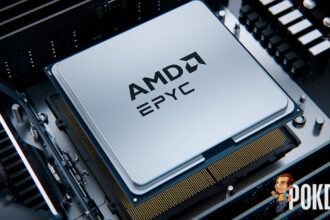



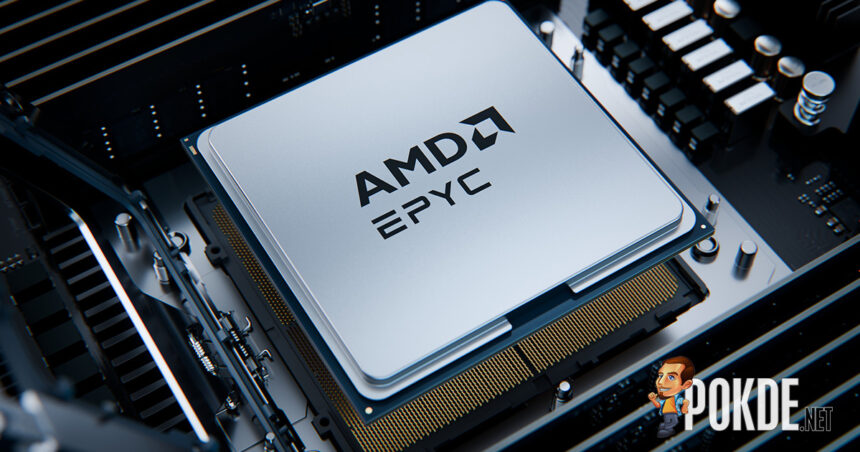
AMD has announced the general availability of its 6th Gen EPYC server SP7 processors, based on the new “Zen 6” architecture, with systems now shipping from leading server vendors worldwide. The lineup, AMD says, is designed to address the expanding compute demands of agentic AI deployments, cloud infrastructure, high-performance computing, and critical enterprise applications. Cloud instances from Microsoft Azure and Oracle Cloud Infrastructure (OCI) are also coming soon.
Alongside the server launch, AMD also introduced the EPYC Embedded 9006 Series SP7 processors, extending the same Zen 6 architecture into high-performance embedded applications such as semiconductor automated test equipment, network security, and enterprise storage.
AMD 6th Gen EPYC Debuts
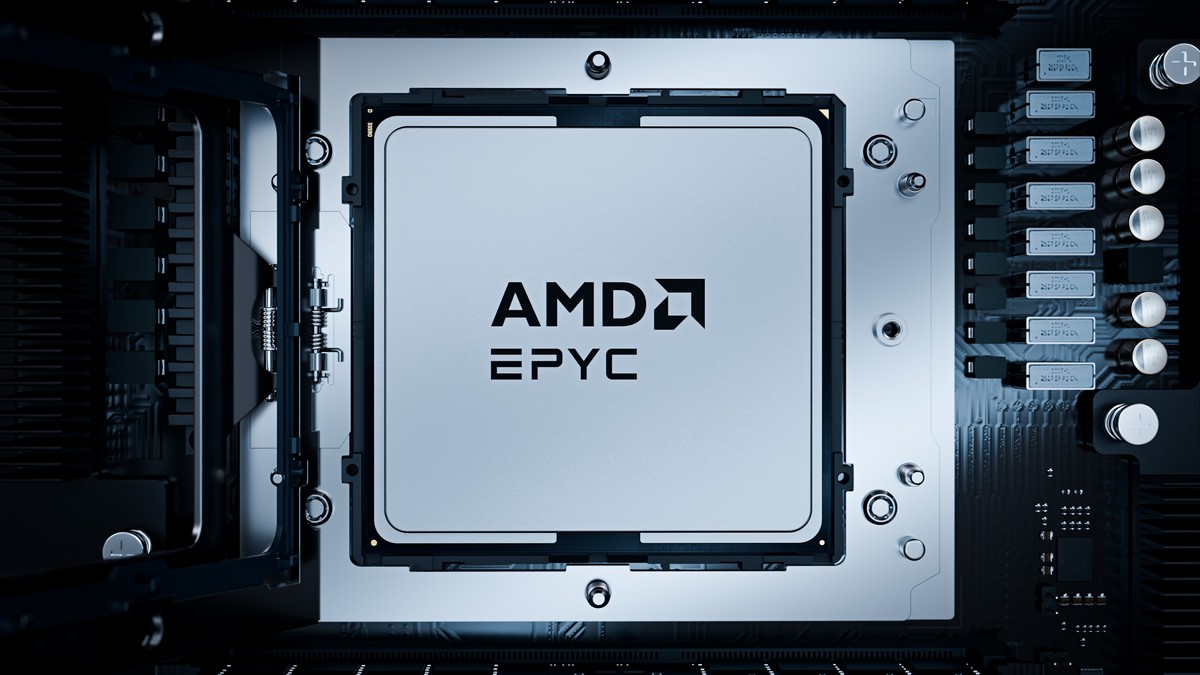
The 6th Gen EPYC portfolio is built around three distinct CPU roles in agentic AI infrastructure: general-purpose services, GPU host nodes, and agent sandboxes. AMD’s flagship EPYC 9996 CPU is positioned as the top general-purpose processor in the lineup, with AMD claiming it delivers up to 3.7x more performance compared to an NVIDIA Vera CPU-based system and up to 2.2x the performance of an Intel Xeon 6980P system, based on SPECrate 2017 integer benchmark results.
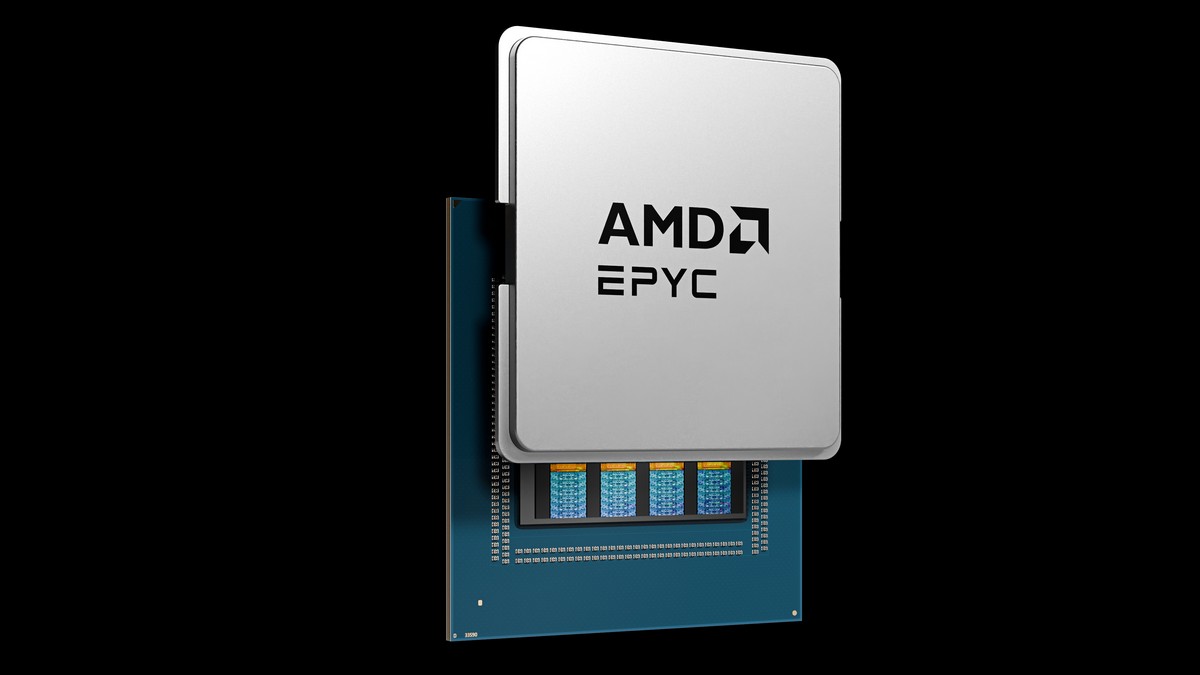
For GPU host node workloads, high-frequency processors reaching up to 5.3GHz are said to deliver up to 1.8x the LLM output throughput compared to the previous 5th Gen EPYC processors, with the improvement attributed to the transition from PCIe 5.0 to PCIe 6.0 host-to-GPU bandwidth. For agent sandboxes, AMD claims its high-density EPYC processors offer approximately 3.3x more agents per CPU watt compared to NVIDIA Vera and approximately 2.5x over Intel Xeon 6980P.
AMD also introduced the Helion agentic AI rack platform alongside this launch. The Helion family comes in three configurations: Helion Liquid for large-scale liquid-cooled deployments alongside AMD Helios rackscale solutions, Helion Air for air-cooled data centers, and Helion Air Inference for combined CPU execution and local GPU inference. Some Helion rack configurations are said to reach up to 73,728 threads per rack.
EPYC Embedded 9006 Series
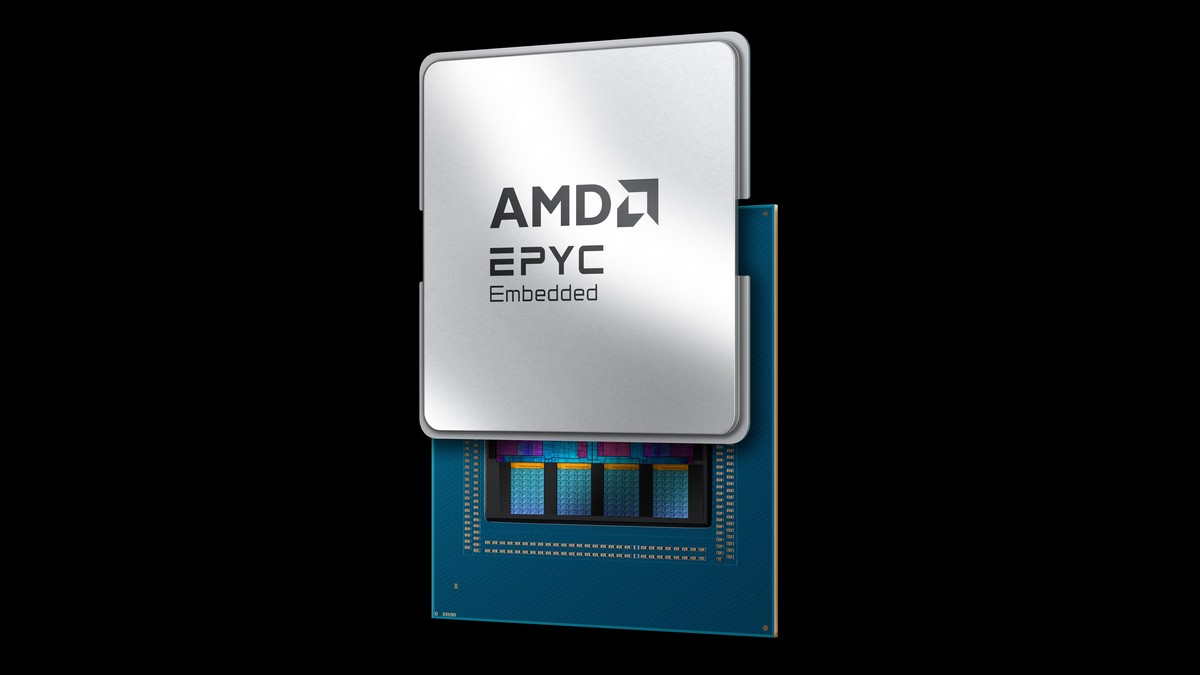
The EPYC Embedded 9006 Series SP7 processors bring the same Zen 6 architecture to embedded applications, offering up to 256 cores and 512 threads. AMD says the new embedded CPUs deliver up to 1.8x higher throughput compared to the previous 5th Gen EPYC 9005 Series, along with up to 1.5x higher I/O bandwidth and up to 2.7x higher memory bandwidth over the prior generation.
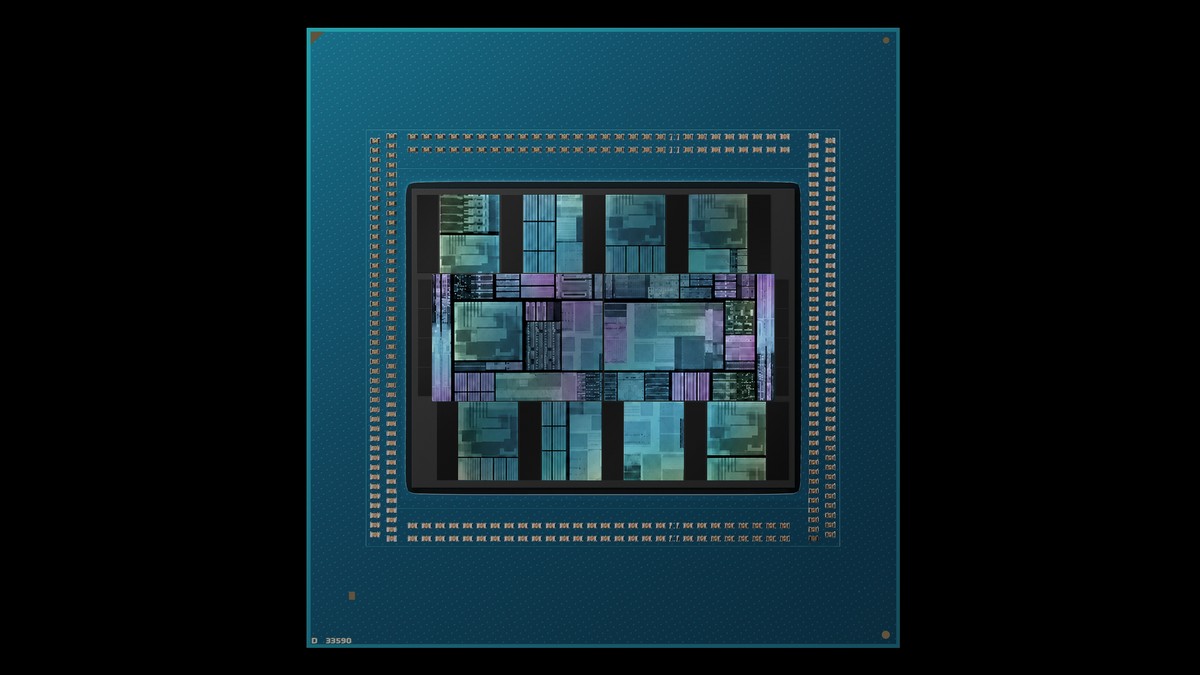
The processors support 16 DDR5 memory channels with RDIMM speeds up to 8,000 MT/s and MRDIMM speeds up to 12,800 MT/s. Up to 96 PCIe 6.0 lanes operate at 64 GT/s, with flexible PCIe 6.0 and CXL 3.1 support for high-speed connectivity to networking, storage, accelerators, test equipment, and memory expansion devices.



In network security applications, the EPYC Embedded 9006 is said to provide up to 1.3x higher firewall throughput compared to the previous generation, relevant for 400G and 800G network environments. For enterprise storage, the processor delivers up to 1.5x improvement on the ISA-L storage benchmark, which measures performance for compression, caching, and RAID workloads. The embedded series also carries a seven-year product longevity commitment, along with support for post-quantum cryptography for firmware signing and ongoing security updates.
Pokdepinion: Still pushing massive core count numbers, six generations on.