


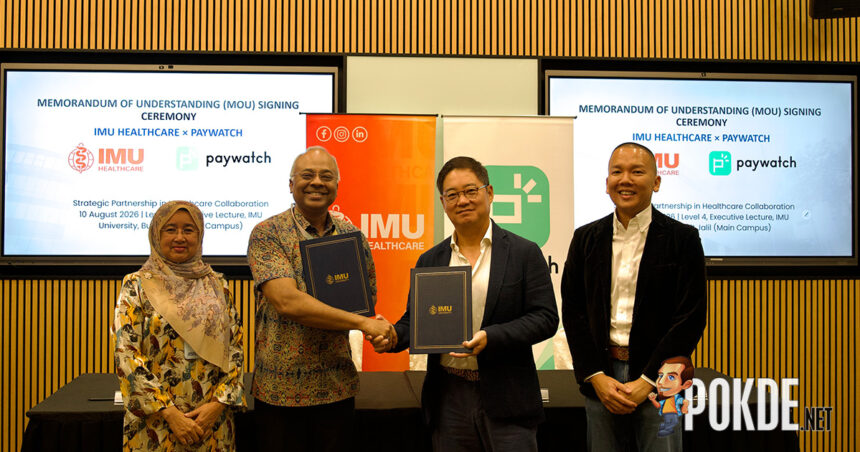
Paywatch, an earned wage access (EWA) provider headquartered in Malaysia, has partnered with IMU Healthcare to launch MediPay, an app feature allowing employees to fund medical and wellness packages using wages they have already earned, rather than relying on credit or loans.
According to cited figures, unmanaged workplace stress and health-related presenteeism are projected to cost the Malaysian economy RM34 billion annually by 2030, equivalent to approximately 1.4% of national GDP. The announcement also cited data showing 70.2% of Malaysia’s formal sector workforce earns RM5,000 or less monthly, while a family of four in Kuala Lumpur requires approximately RM6,183 monthly to cover basic living expenses.
MediPay Allows Employees To Access Healthcare Using Earned Wages

Through MediPay, employees can draw on salaries already worked for to cover healthcare expenses. In a planned second phase, IMU Healthcare and Paywatch aim to expand the program to include additional treatments not typically covered by standard employee insurance (such as chiropractic and dental services) at discounted rates.
Paywatch operates on what it describes as a “strict zero-debt philosophy,” providing access only to wages already earned without interest charges. While MediPay is launching in Malaysia as its primary market, Paywatch stated it plans to extend the initiative to other Southeast Asian markets, including Singapore, the Philippines, and Indonesia, where the company also operates.
MediPay will be available from September 2026 for employees at Paywatch-partnered companies. Through the app, users can select from a range of healthcare packages and pay using their accrued salary. The service will launch with seven preventive and therapeutic health packages, including health screenings, with additional options planned.
The announcement also cited industry data indicating that 4 in 10 Malaysian employees are considering changing employers within the next 12 months due to financial and workplace strain, and that businesses lose an average of 73.1 productive days per employee annually to absenteeism and presenteeism, at an estimated cost of RM2.27 million per year for mid-to-large enterprises. Separate data cited in the announcement found that 46% of job seekers actively look for earned wage access benefits when evaluating new roles.
Pokdepinion: Linking earned wages directly to healthcare spending should hopefully address the affordability gap.