

ASUS announced the Ascent QN10 mini PC featuring an 80 TOPS NPU powered by the Snapdragon X2 Elite chipset with an 18-core Qualcomm Oryon CPU. This is primarily designed for “AI-powered edge computing scenarios,” in similar fashion to NVIDIA’s DGX Spark system.
ASUS Ascent QN10
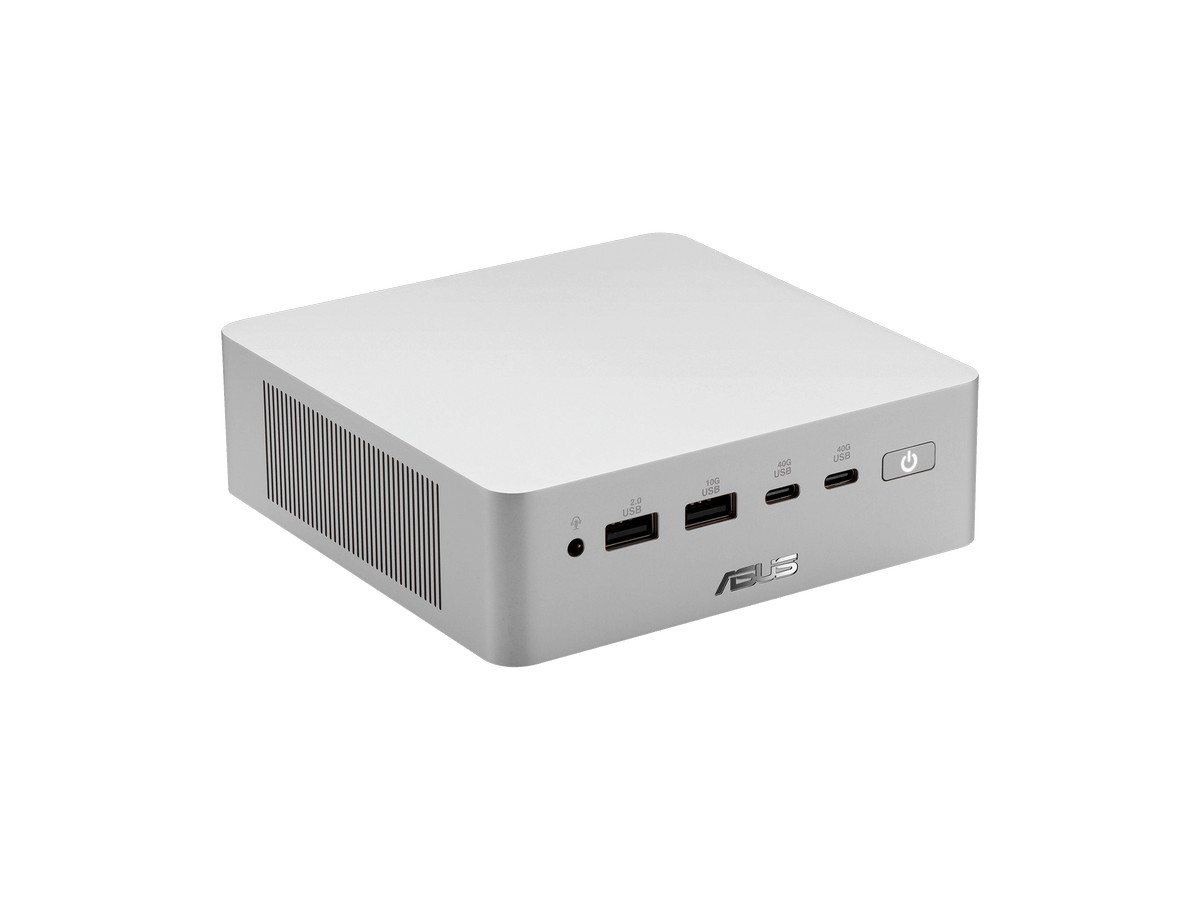
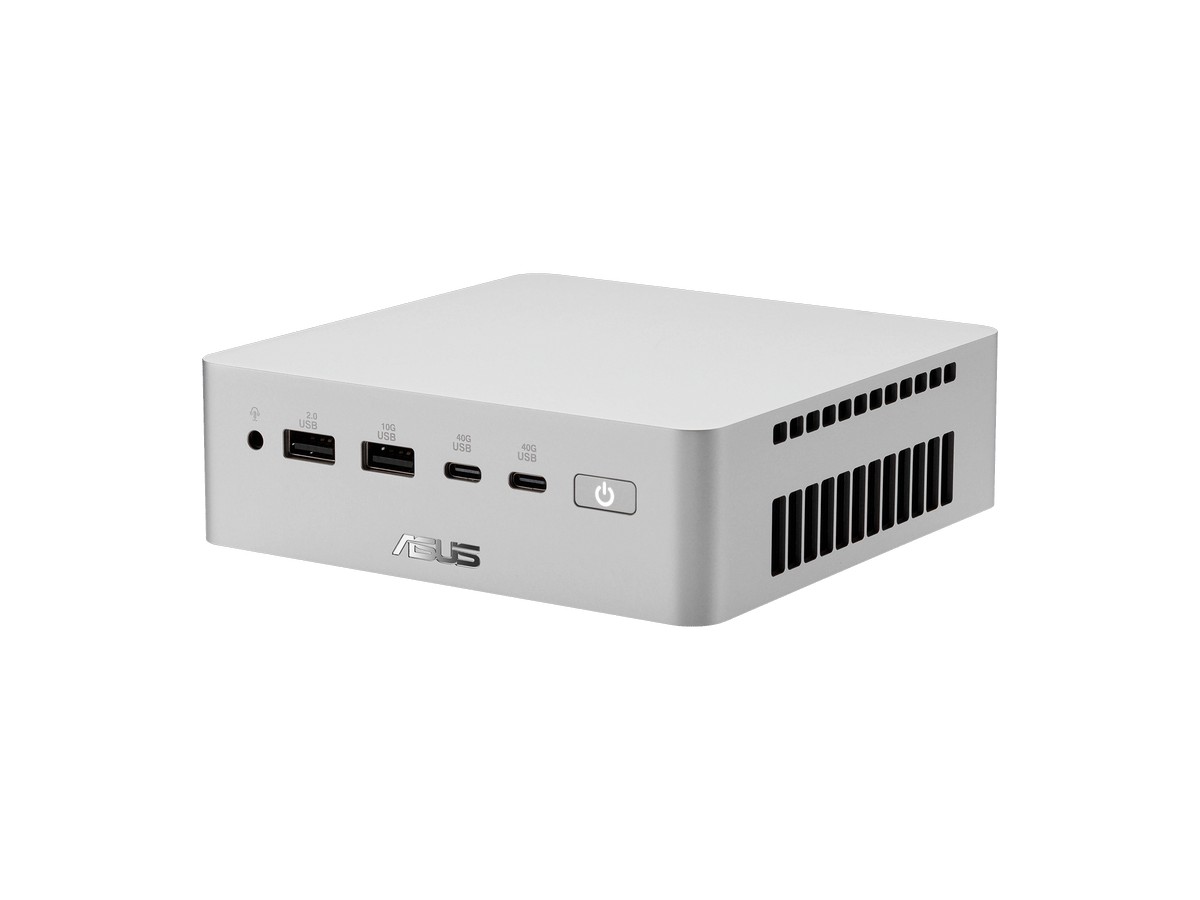
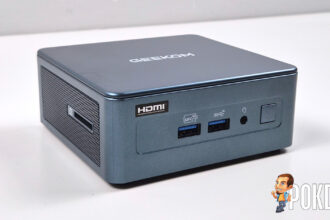
The Ascent QN10 measures just 130 x 130 x 39.96mm and weighs 0.75kg, with a total volume of under 0.7 liters; its Qualcomm Adreno X2-90 GPU offers 2.3x faster performance than the previous generation, ASUS claims. Memory options include LPDDR5X at 8533/9600 MT/s in 16GB or 32GB configurations, while storage comes in either a 512GB or 1TB M.2 NVMe PCIe 4.0 SSD (with expansion available). It runs Windows 11 Pro or Windows 11 Home, both in Copilot+ PC editions.
| Specification | ASUS Ascent QN10 |
|---|---|
| Chipset/CPU | Snapdragon X2 Elite X2E-88-100 (Qualcomm Oryon 18-core) |
| GPU | Qualcomm Adreno X2-90 |
| NPU | Qualcomm Hexagon, up to 80 TOPS |
| Memory | LPDDR5X-8533/9600, 16GB or 32GB |
| Storage | 512GB or 1TB M.2 NVMe PCIe 4.0 SSD |
| Wireless | Wi-Fi 7, Bluetooth 6.0 |
| LAN | 2.5GbE LAN (10/100/1000/2500 Mbps) |
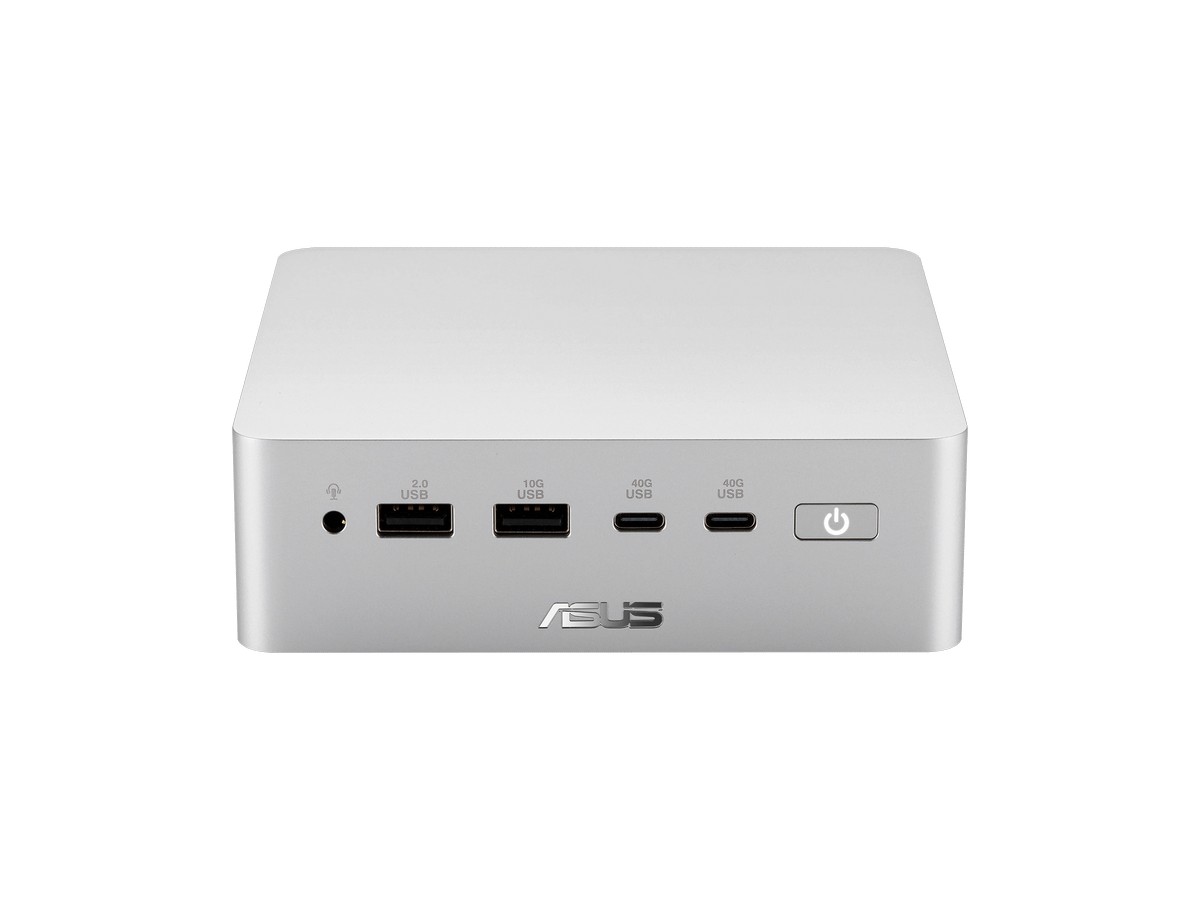
| Front I/O | 1x USB 2.0 Type-A 1x USB 3.0 Gen 2 10Gbps Type-A 2x USB4 40Gbps Type-C (DP 2.1/PD) 1x audio jack |
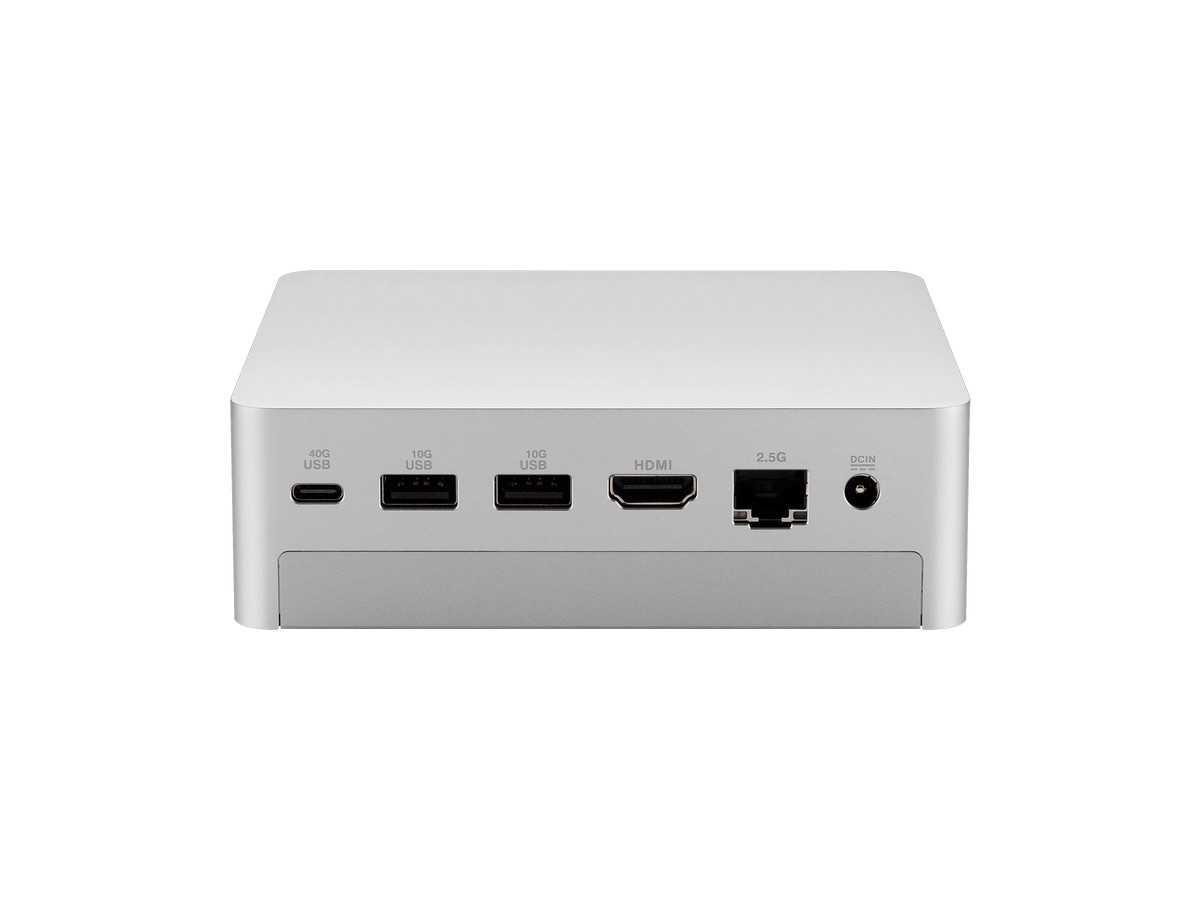
| Rear I/O | 2x USB 3.2 Gen 2 10Gbps Type-A 1x USB4 40Gbps Type-C (DP 2.1/PD) 1x HDMI 1x RJ-45 (2.5GbE LAN) 1x DC-in |
| Power Adapter | 180W (20V DC, 8A) |
| Dimensions | 130 x 130 x 39.96mm |
| Weight | 0.75kg |
| OS | Windows 11 Pro / Home (Copilot+ PC) |
The integrated Qualcomm Hexagon NPU delivers up to 80 TOPS of on-device AI performance, enabling applications such as real-time language translation, content generation, video enhancement, and workflow automation. Developers can access the Qualcomm AI Hub which provides over 175 pre-optimized AI models and supports custom model and data workflows (BYOM and BYOD) for local deployment.
Beyond local processing, the Ascent QN10 supports hybrid Agentic AI workflows that route tasks between cloud LLM APIs and the local NPU. It is compatible with agent frameworks including OpenClaw and Hermes Agent, and users can interact with these agents through platforms such as WhatsApp and LINE.
On the security side, the device features a multi-layered chip-to-cloud architecture covering hardware, firmware, operating system, and cloud environments. This includes fTPM 2.0 for hardware-rooted encryption and a Microsoft Pluton security processor for identity and key protection, supporting always-connected device management and recovery.
The ASUS Ascent QN10 is expected to be available in Malaysia in early Q1 2027. Pricing has not been announced.
Pokdepinion: Wonder what’s the demand for things like these.