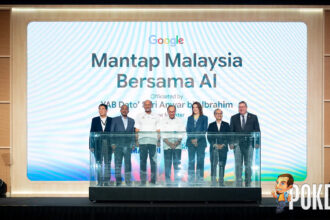




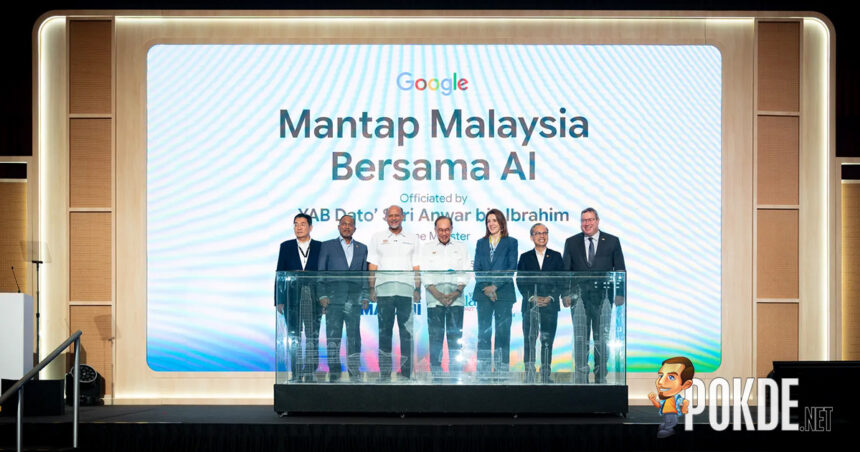
Google has announced a US$15 billion investment in Malaysia over 2027 and 2028, covering datacenter expansion, clean energy development, water resilience projects, and workforce upskilling. The announcement was made at the Mantap Malaysia Bersama AI event in the presence of Prime Minister Dato’ Seri Anwar Ibrahim, marking one of the largest technology infrastructure commitments the country has seen.
Google Increases Its Malaysia Investments
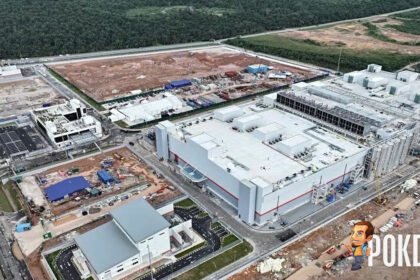
The investment focuses on the development of energy-efficient datacenter campuses in industrial zones, built in collaboration with more than 80 Malaysian suppliers. During construction in 2027 and 2028, the campuses are expected to support over 37,000 local jobs annually, covering roles such as datacenter technicians, mechanical engineers, electrical engineers, logistics operations managers, and physical security managers.
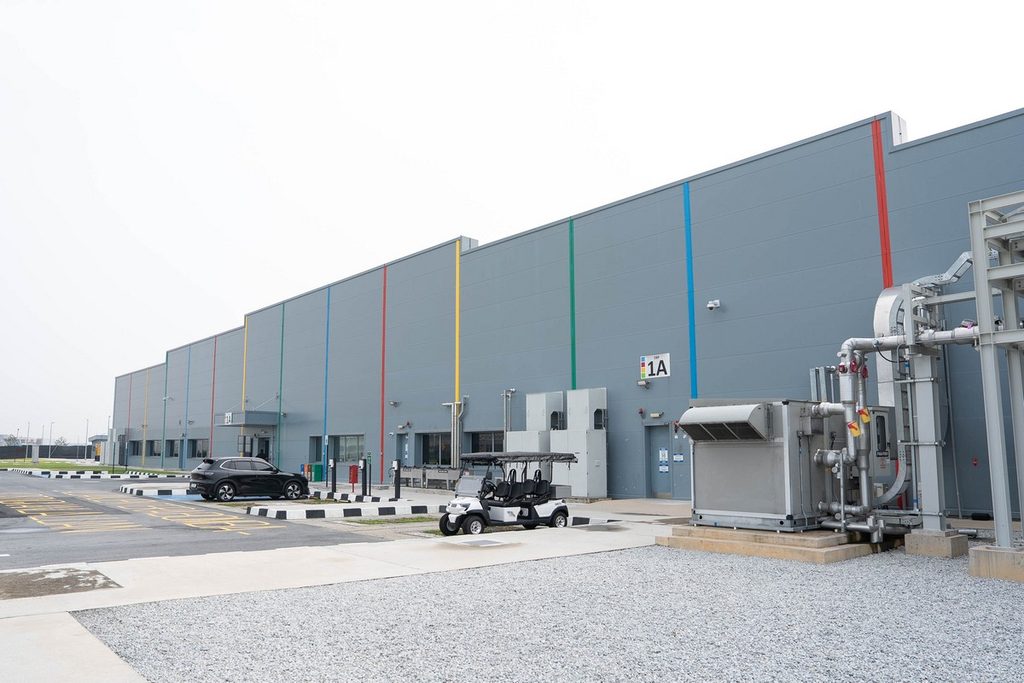
Once operational, the campuses are projected to sustain more than 9,000 jobs annually, spanning both on-site roles and contractor positions with local suppliers, as well as indirect employment at businesses patronized by workers and their families.
Four new programs will be launched to bring AI literacy and career skills to approximately 800,000 Malaysians by 2031. These cover AI education in classrooms, digital growth support for grassroots microentrepreneurs, capacity building for local councils (Pihak Berkuasa Tempatan), and job placement for TVET graduates in datacenter roles, beginning in states that host the new campuses.
Clean Energy & Water Resilience Commitments
Google also plans to add more than 1 gigawatt of new clean energy capacity to Malaysia’s National Grid – the initiative is anchored by a collaboration with Tenaga Nasional Berhad and will support new clean energy generation facilities under Malaysia’s Corporate Renewable Energy Supply Scheme. Google is also working with consortiums led by Shizen Energy-Solarvest and TotalEnergies on grid resilience and decarbonization, with exploration underway for round-the-clock clean energy projects to address the intermittency of solar sources.
On the water front, Google announced two new replenishment projects: the first involves the rehabilitation of the Sungai Buloh and Sungai Selangor river basins, where urban sediment runoff and pollution have degraded raw water quality. The second involves establishing four school-based water resilience centers in Selangor, each capable of providing two weeks of emergency water capacity for up to 2,000 people.
These follow earlier efforts including the Taman Aman Lake restoration, which improved the lake’s water quality from Category D to Category C, and the development of an off-river storage reservoir and water treatment plant in Negeri Sembilan.



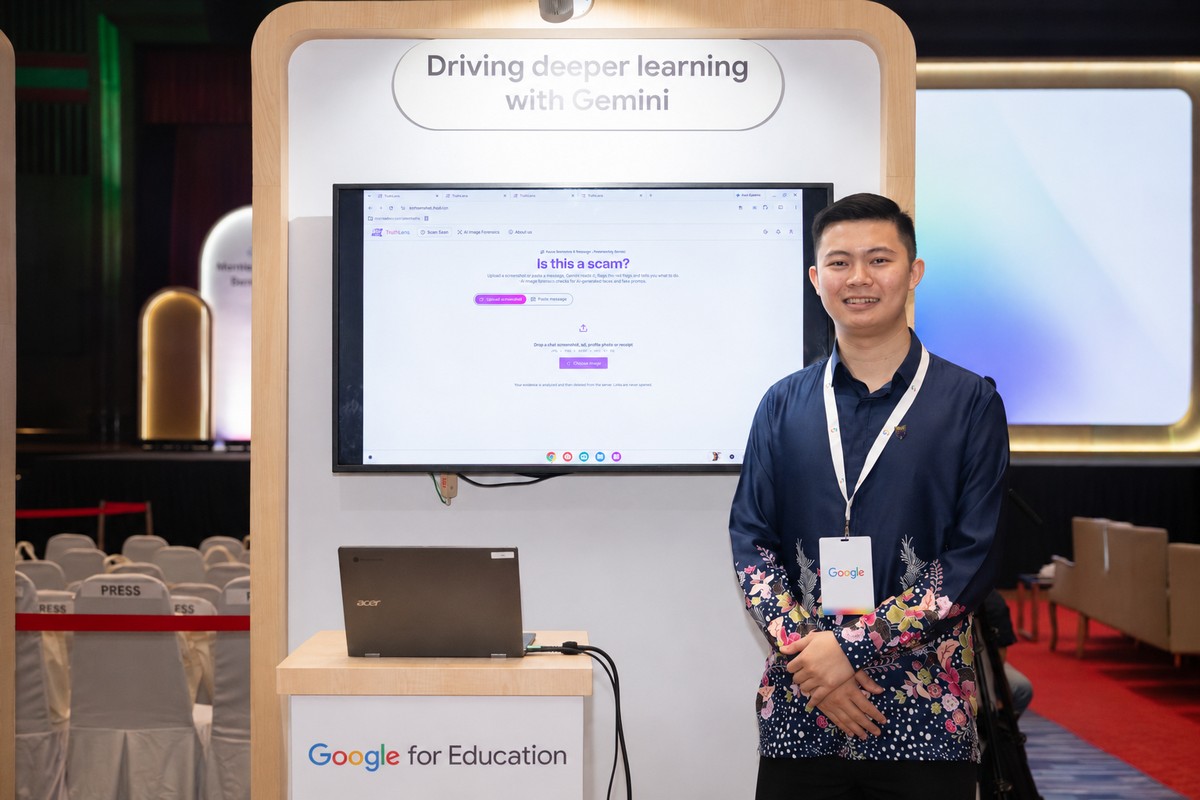
At the same event, Google highlighted TruthLens, a final-year project by Lai Min Han, a fourth-year student at Universiti Malaya. Developed through a partnership between the Ministry of Higher Education, Google Cloud, and Google for Education, TruthLens is a website that allows users to detect and verify scams, AI-generated text, and synthetic images.
Pokdepinion: Interesting timing of this – considering the US midterms made it extremely clear Americans don’t want datacenters in their land.