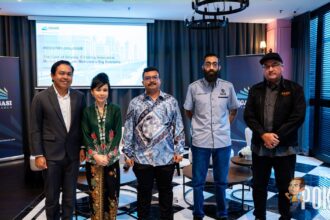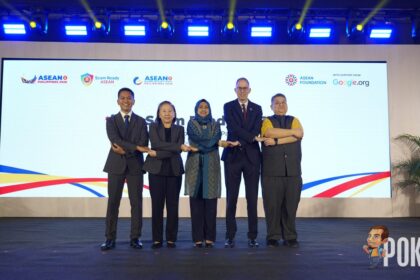


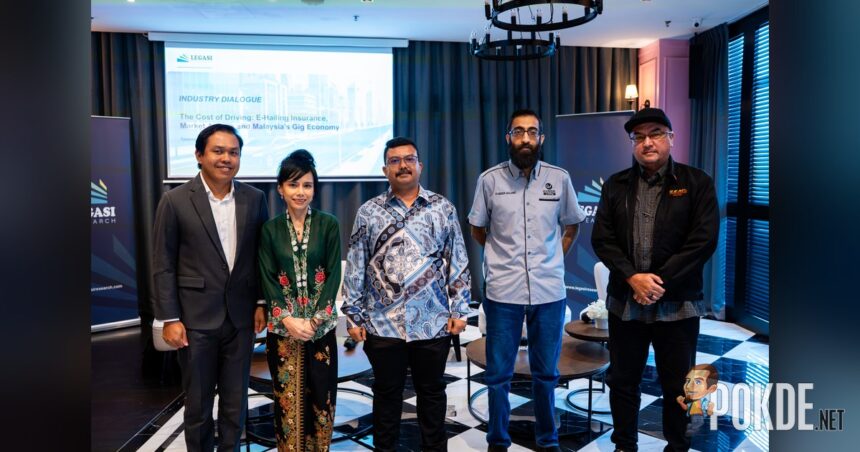
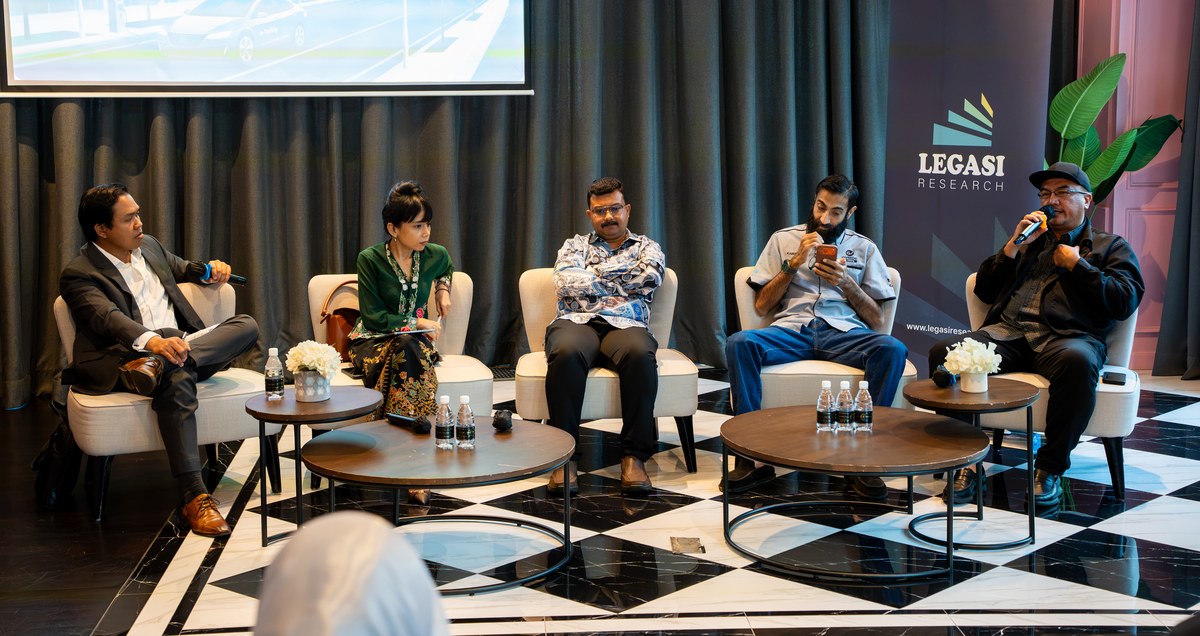
Unequal access to daily and flexible e-hailing insurance coverage in Malaysia is placing a greater financial burden on part-time and occasional drivers, according to discussions held at an industry dialogue organized by LEGASI Research on 17 November 2026. The event brought together representatives from inDrive, Maxim, GV Ride and Gabungan eHailing Malaysia (GEM) to examine how insurance structures affect drivers across the country’s growing e-hailing sector.
Government records included approximately 164,000 e-hailing drivers in operator-submitted data for December 2025, with 33 operators reported operating nationwide as of March 2026. For drivers who work only a few days a month, the upfront cost of an annual insurance policy can make occasional driving less financially practical, as they have fewer trips over which to spread fixed costs.
E-Hailing Insurance Access Differs Across Platforms
Where flexible options such as daily or usage-based e-hailing insurance are available, they tend to be tied to specific platform arrangements. This means drivers with similar working patterns may face different coverage options depending on which platform they choose to work with. Some drivers may gravitate towards platforms offering more suitable arrangements, while others may reduce their driving activity or exit the industry altogether.
GEM’s Chief Activist, Masrizal Mahidin, described the issue as one of fairness rather than premiums alone, noting that insurance arrangements should be reviewed to reflect actual usage without compromising driver protection. He called for shared responsibility among the government, platform operators and insurers, with gig worker representatives involved in the process.
GV Ride CEO Kabeer Singh noted that the company receives enquiries from drivers asking about daily insurance, particularly those who do not drive full-time. Where suitable coverage is not readily available, drivers may consider working through other platforms or reconsider participating in the industry altogether.
inDrive’s Country Public Policy and Government Affairs representative, Zarra Rawi, raised concerns that uneven driver distribution across platforms could affect ride availability, passenger choice and potentially fares. She noted that insurance accessibility could influence when and where drivers choose to work, making the issue one with broader market implications.
Operational and Regulatory Considerations for Flexible Coverage
Mushfique Ahmed Chowdhury, Head of Government Relations and Legal Compliance at Maxim, highlighted that greater accessibility to flexible insurance requires practical arrangements covering eligibility, coverage activation, policy verification and claims handling. This is particularly relevant for drivers who use multiple platforms, where clarity on when coverage is valid and how claims are managed becomes important.


Technology was also identified as an area worth examining, particularly the potential use of secure digital systems to verify active insurance coverage. Any such system would require appropriate safeguards around data protection, insurer integration and reliability.
Bank Negara Malaysia’s 2025 Annual Report noted ongoing efforts with insurers and e-hailing operators to address protection gaps and maintain affordable coverage, while acknowledging that drivers who spend more hours on the road may face greater accident risks. The dialogue participants stressed that affordability should not be assessed solely by upfront costs, as drivers must also understand the extent of their coverage and the conditions under which claims can be made.
The fundamental question raised at the dialogue is whether a driver’s access to suitable daily insurance should depend on which e-hailing platform they use, or whether such coverage could be made more widely available to eligible drivers across the industry. Addressing this will require closer cooperation among regulators, insurers, platform operators and driver representatives.
Pokdepinion: Your insurance options changing based on which app you drive for is wild, frankly speaking.