
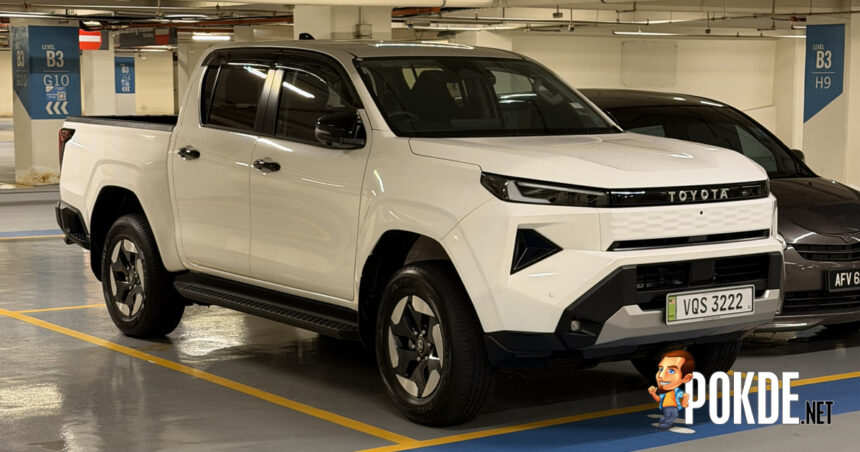
- Walkaround
- 2026 Toyota Hilux BEV Specifications
- The Good
- It Drives Exactly Like A Hilux Should, Just Without The Noise
- Five Multi Terrain Select Modes For When The Road Runs Out
- A Cabin That Keeps Things Where They Should Be
- DC Fast Charging At 150 kW Changes The Refuelling Calculation
- The Bad
- RM226,300 For A Hilux Is A Number That Requires Justification
- Scuttle Shake Stands Out Against An Otherwise Smooth Package
- 315 km NEDC Range With A Loaded Bed Is A Very Different Number
- The Audience Is Very Specific, And That Is An Honest Limitation
- 2026 Toyota Hilux BEV Verdict

Offer price: 226300
Currency: MYR
-
Appearance - 8/108/10
-
Efficiency - 5/105/10
-
Features - 7/107/10
-
Materials - 8.5/108.5/10
-
Performance - 8/108/10
-
User Experience (UX) - 6.5/106.5/10
-
Value - 6/106/10
Summary
The 2026 Toyota Hilux BEV is exactly what it presents itself as, a Hilux with a battery and two electric motors instead of a diesel engine, and it makes no attempt to be anything more complicated than that.
Overall
7/10Pros
- It Drives Exactly Like A Hilux Should, Just Without The Noise
- Five Multi Terrain Select Modes For When The Road Runs Out
- A Cabin That Keeps Things Where They Should Be
- DC Fast Charging At 150 kW Changes The Refuelling Calculation
Cons
- RM226,300 For A Hilux Is A Number That Requires Justification
- Scuttle Shake Stands Out Against An Otherwise Smooth Package
- 315 km NEDC Range With A Loaded Bed Is A Very Different Number
- The Audience Is Very Specific, And That Is An Honest Limitation
Walkaround
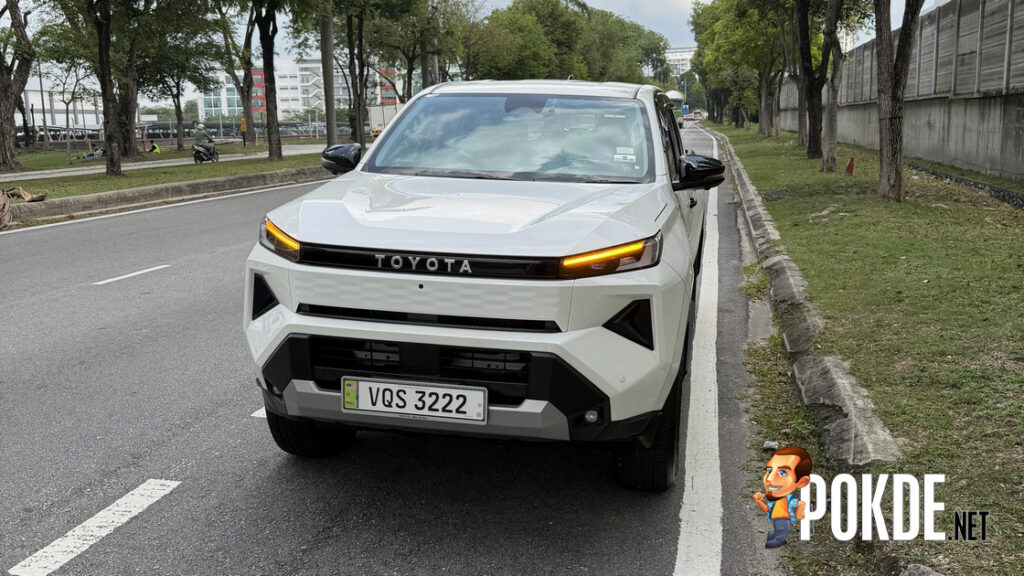
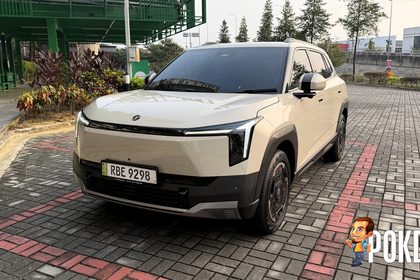
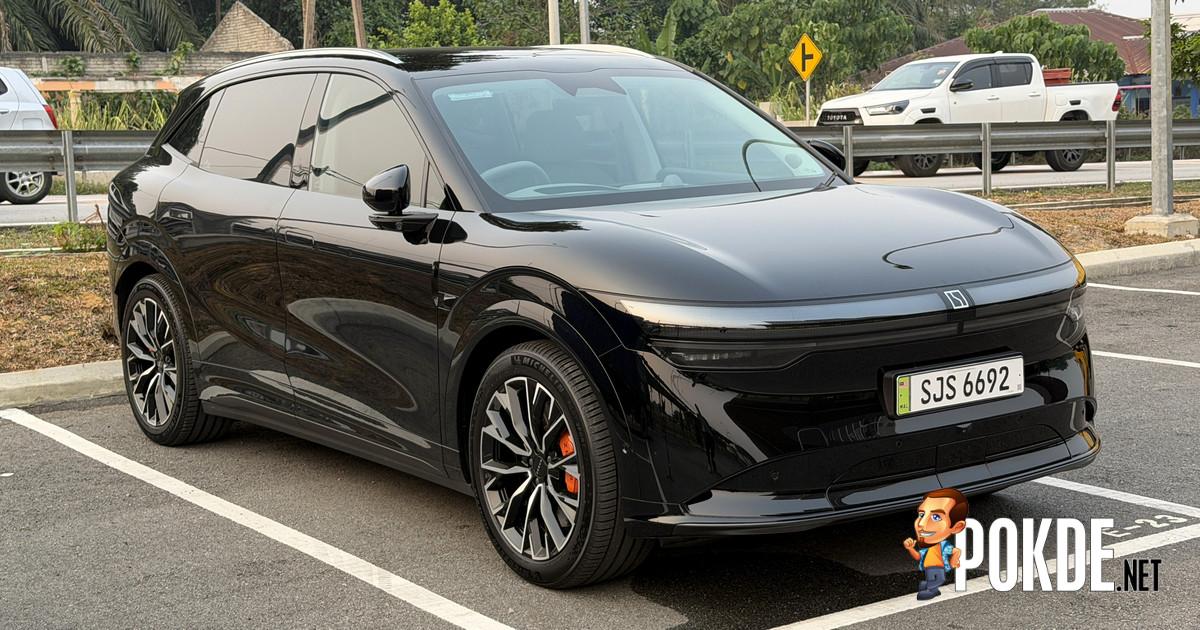
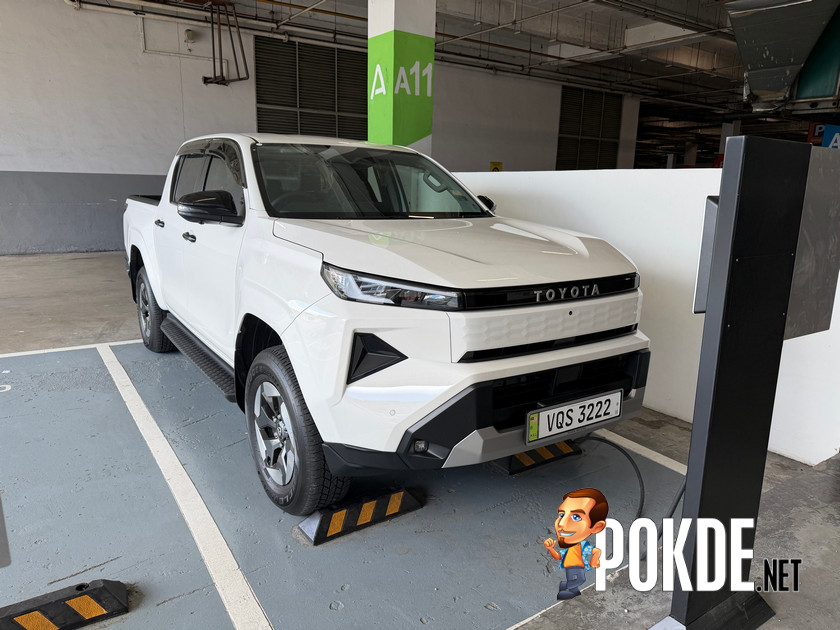
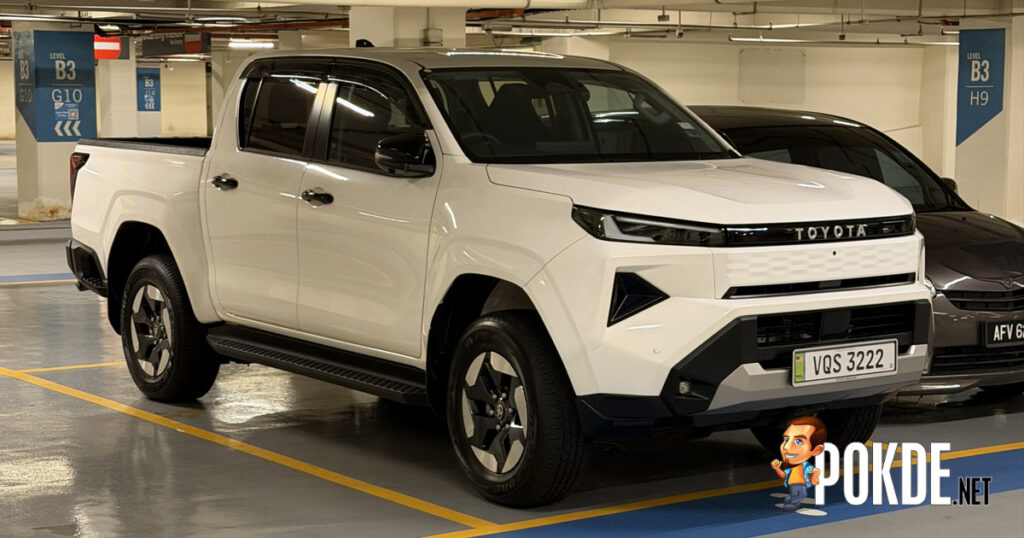
There is a certain type of EV that announces itself from across the car park. All sharp angles, illuminated badges, and what feels like seventeen different lighting signatures competing for your attention at once. The Toyota Hilux BEV is not that type of EV. Toyota calls the design language “Cyber Sumo,” and the name is more accurate than it sounds. It is blocky, wide, and deliberate, with the kind of stance that communicates mass before you even open the door. But it is not trying to look futuristic. It looks like a Hilux that has been very serious about going to the gym.
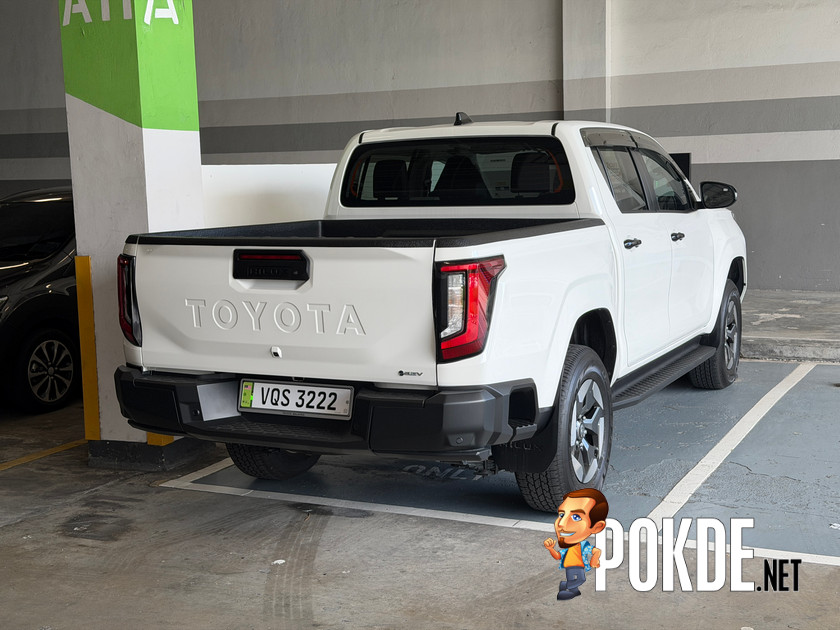
The front face has been redesigned entirely from the conventional Hilux, with a wide horizontal grille housing LED headlamps that auto-level statically, LED daytime running lights, LED front turn signal lamps, and LED fog lamps. The Toyota wordmark sits across the top of the grille in the same fashion as the Land Cruiser, which is a deliberate signal about where Toyota sees this truck in the hierarchy. The rear carries full LED combination lamps and a high mount stop lamp, and the bed comes with a factory-fitted bedliner. The unique BEV alloy wheel design on 265/65R17 rubber fills the arches without looking too road-biased for what is still very much a workhorse vehicle.
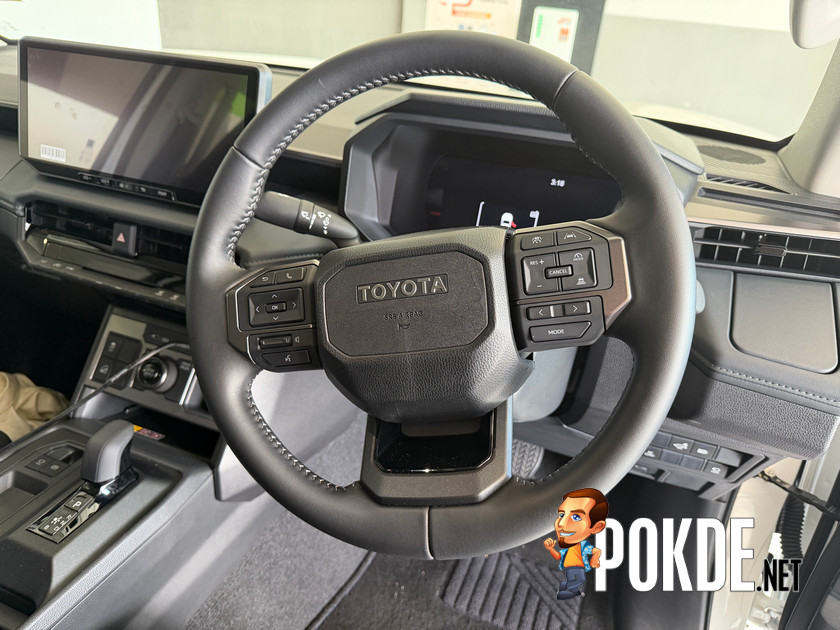
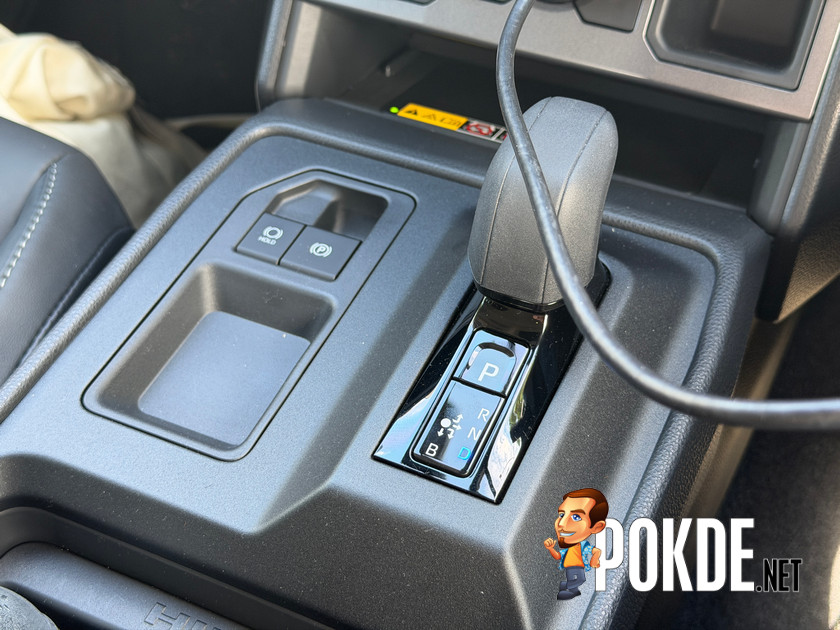
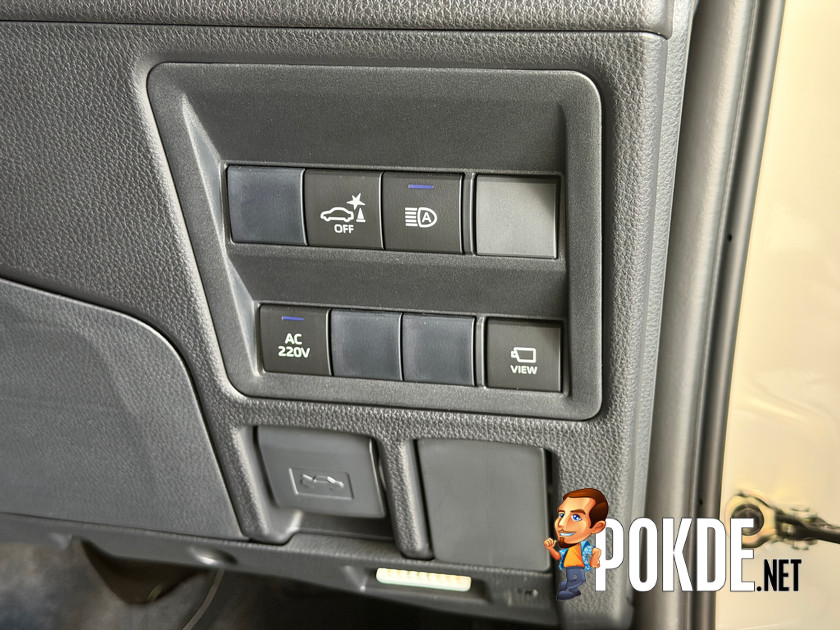
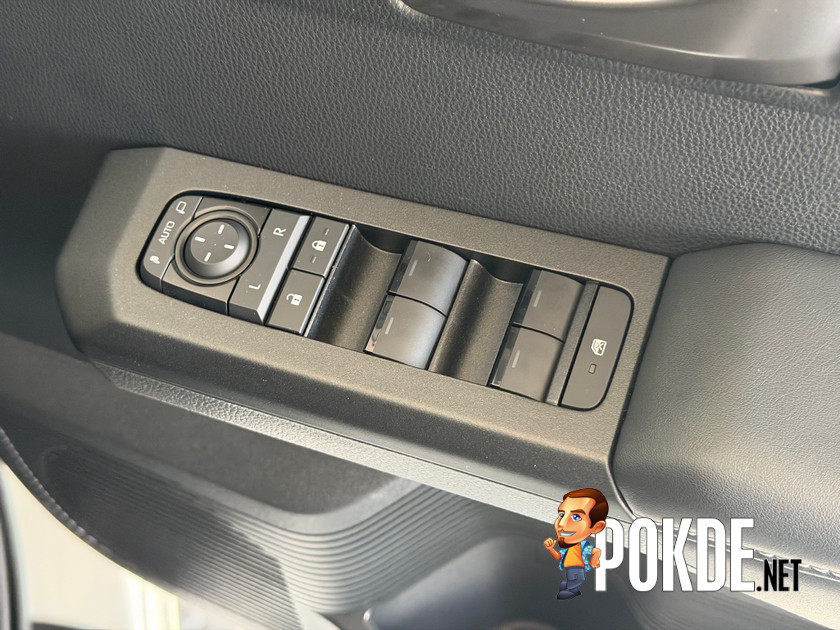
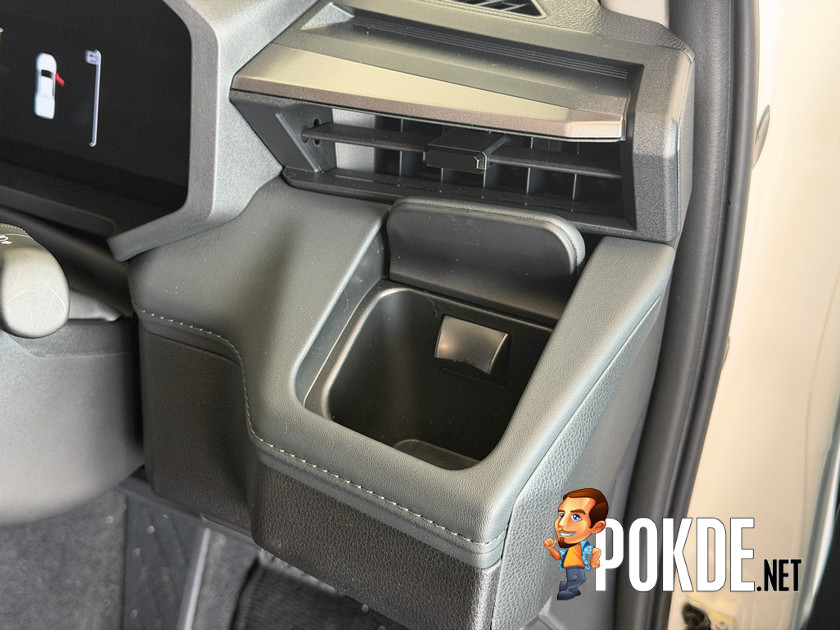
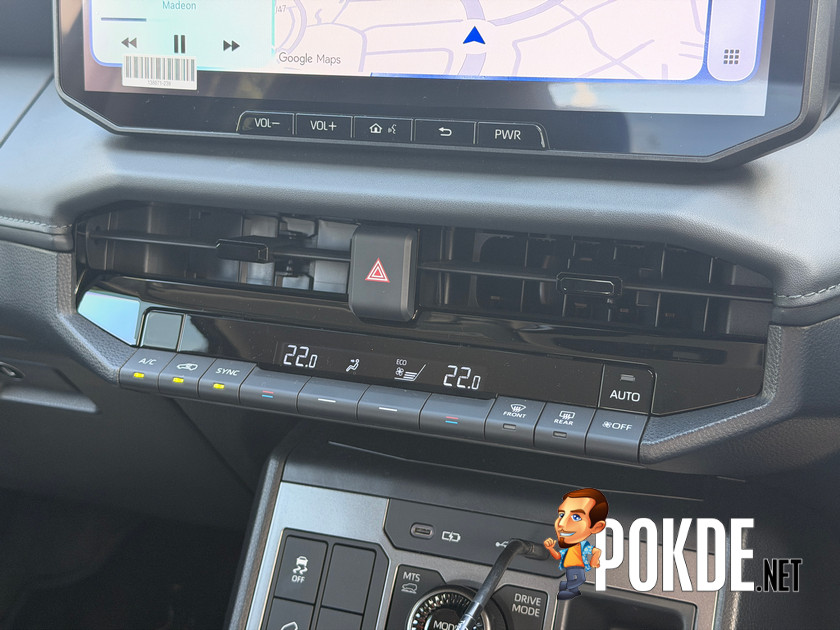
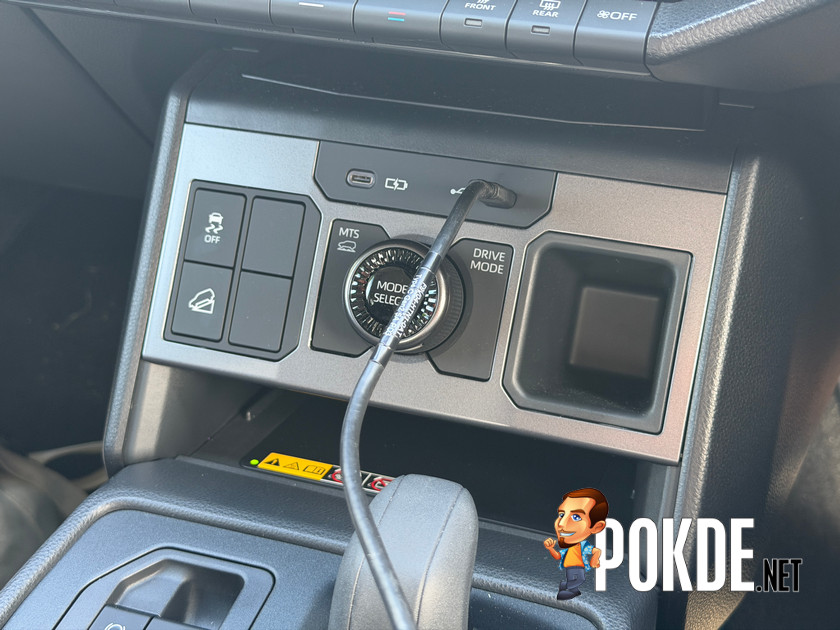
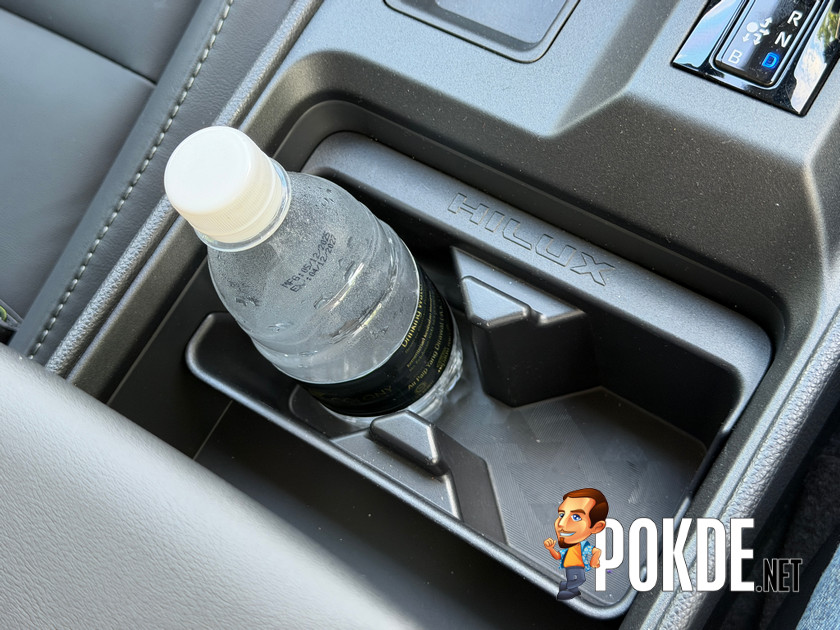
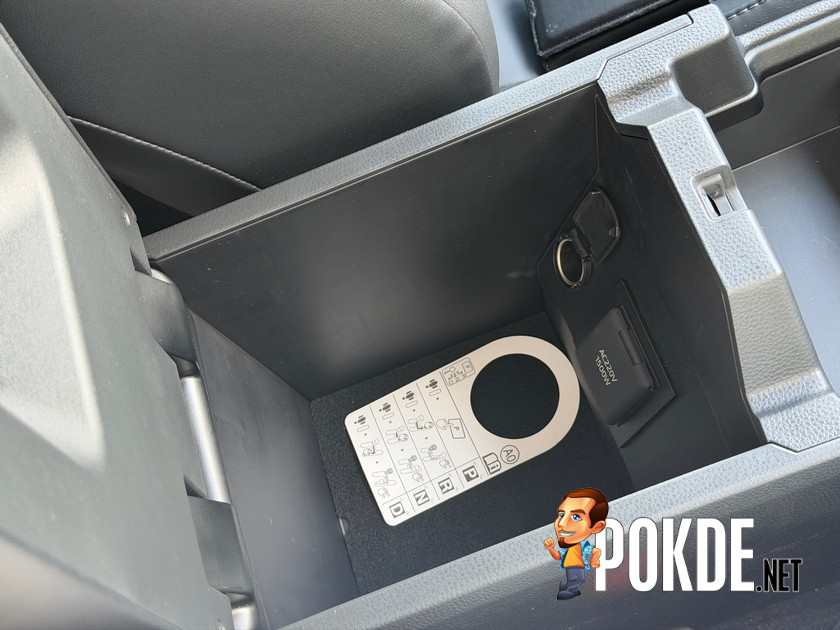
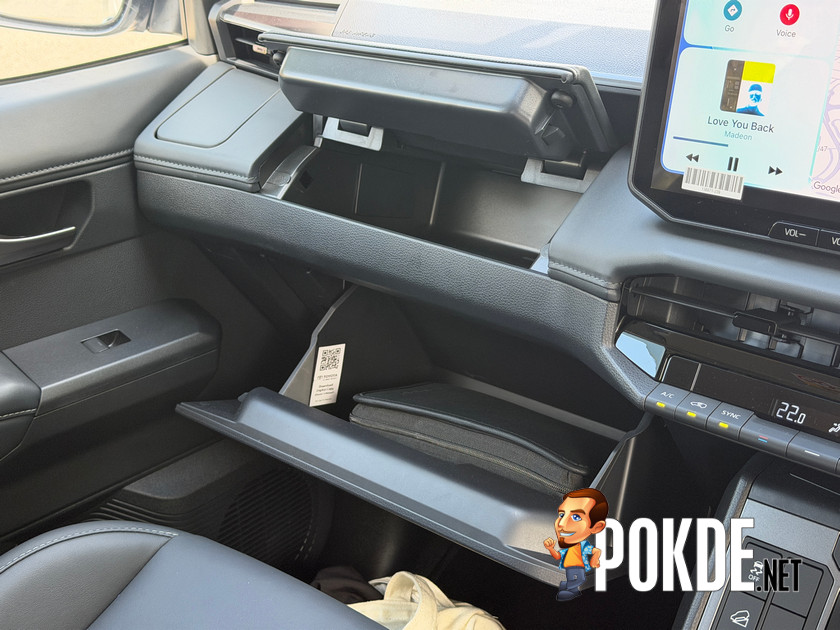
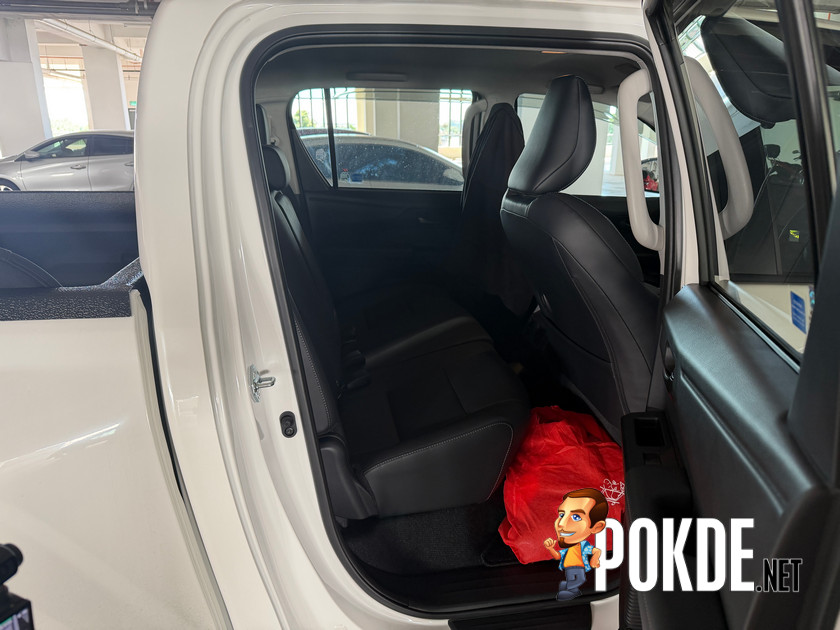
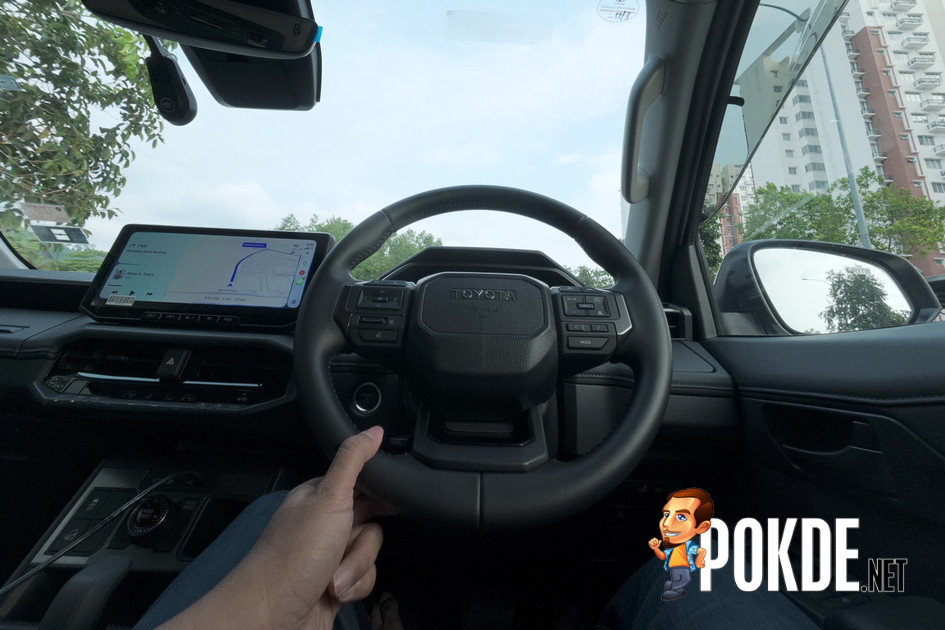
Inside, the cabin is cleaner and more considered than I expected. The Land Cruiser influence is apparent in the steering wheel design and the centre stack layout, and there is a clarity to the controls that I find genuinely refreshing in a segment where complexity has become fashionable. Physical switches for the 4WD control area sit within easy reach, the Multi Terrain Select dial is accessible without looking away from the road, and the shift-by-wire gear selector sits neatly in the console. Nothing about this interior is demanding your attention for the wrong reasons.
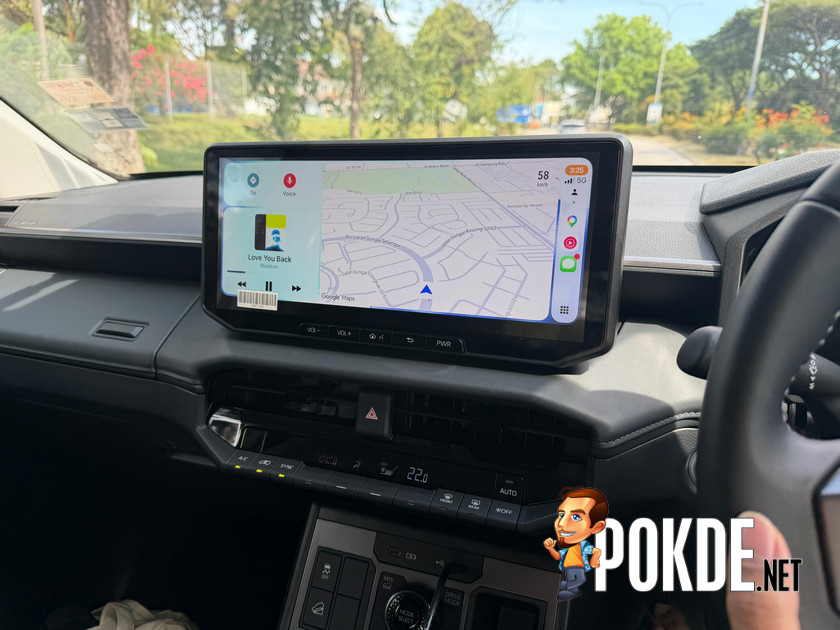
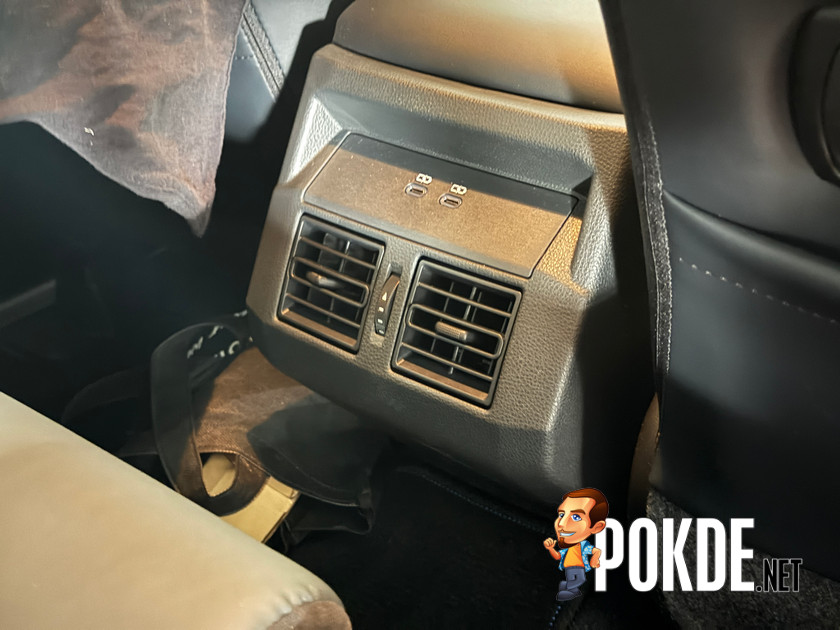
The 12.3-inch high-resolution infotainment display pairs with a separate 12.3-inch color MID, giving you a wide visual spread without the two panels merging into a single oversized slab. The driver’s seat adjusts eight ways with two-way lumbar support, and the dual-zone automatic climate control with rear vents and a PM2.5 clean air filter is the kind of thoughtful inclusion that a fleet manager ordering twenty of these will appreciate. Rear seats fold 60:40 tip-up style, which frees up the cab floor for cargo when needed.
Build quality is solid and purposeful, consistent with what the Hilux nameplate has always delivered.
2026 Toyota Hilux BEV Specifications
| Specification | Details |
|---|---|
| Motor Type | Dual Permanent Magnet Synchronous Motor |
| Front Motor Output | 82 kW |
| Front Motor Torque | 206 Nm |
| Rear Motor Output | 129 kW |
| Rear Motor Torque | 269 Nm |
| Combined System Output | 144 kW / 196 PS |
| Battery Type | Lithium Ion |
| Battery Capacity | 59.2 kWh (80 cells) |
| EV Driving Range | Approx. 315 km (NEDC) |
| AC Charging | Type 2, 10 kW (10%-100% in approx. 6.5 hours) |
| DC Fast Charging | CCS2, 150 kW (10%-80% in approx. 30 minutes) |
| Drive System | Dual Motor All Wheel Drive |
| Multi Terrain Select | Dirt / Sand / Mud / Rock / Mogul |
| Suspension (Front) | Independent Double Wishbone with Coil Springs & Stabilizer Bar |
| Suspension (Rear) | De Dion-Type Leaf Spring |
| Brakes (Front / Rear) | Ventilated Disc / Ventilated Disc |
| Steering | Electric Power Steering (EPS) |
| Tyres & Rims | 265/65R17, Alloy (including spare) |
| Kerb Weight | 2,455 kg |
| Gross Vehicle Weight | 3,170 kg |
| Dimensions | 5,320 x 1,855 x 1,845mm |
| Wheelbase | 3,085mm |
| Minimum Turning Radius | 6.4m |
| Payload Capacity | Max 750 kg |
| Towing Capacity | Max 2,000 kg |
| Wading Capability | 700mm |
| Seating Capacity | 5 |
| Infotainment | 12.3-inch High-resolution Touch Panel Display, Wireless Apple CarPlay & Android Auto |
| MID | 12.3-inch Colour |
| Speakers | 8 speakers |
| Safety | Toyota Safety Sense (Pre-Collision System, DRCC All Speed, Lane Tracing Assist, Auto High Beam, BSM), ABS with BA, DAC, VSC, TRC, HAC, ESS, Brake Hold, TPMS, Parking Clearance Sonar (Front x4, Rear x4), RCTA, PKSB, PVM, Road Sign Assist, 7 SRS Airbags |
| Additional Features | Front DVR, Smart Entry and Push Start, EC Mirror, Wireless Charger, RFID Tag, Electric Parking Brake, Illuminated Entry System, Toyota Remote App with Connected Services, Toyota Premium Security and Solar Film |
| Warranty | 5 years / 150,000 km (vehicle); 8 years unlimited mileage (BEV battery, inverter, BEV ECU, extendable to years 9 and 10) |
| Price | RM226,300 |
The Good
It Drives Exactly Like A Hilux Should, Just Without The Noise
This is the thing that becomes clear almost immediately. The Hilux BEV does not ask you to adjust your expectations or learn new habits. You get in, select your mode, and it behaves like the pickup you already know, with the diesel soundtrack replaced by near-silence. The power delivery is smooth and easy to meter in a way that the 2.8-litre diesel never quite managed, and the controls feel well calibrated for a vehicle of this size. There is no learning curve if you are already comfortable with the dimensions of a double cab pickup.
The dual motor all-wheel drive setup, with 82 kW at the front axle and 129 kW at the rear, gives a combined output of 196 PS and an instant torque response that makes the Hilux BEV feel considerably lighter and more responsive in traffic than its 2,455 kg kerb weight would suggest. The power delivery is calibrated to peak fairly early in the throttle travel, which is the right call for a vehicle that is meant to feel composed and predictable rather than exciting. This is a truck. It should feel like one.
During a route from Shah Alam through Subang and out towards Putrajaya and back, covering approximately 100 km across a mix of federal roads and highway stretches, I arrived back with 67% charge remaining from a full battery. That real-world result, under fairly typical Klang Valley driving conditions, is close enough to the 315 km NEDC figure to be credible rather than merely aspirational. Just be mindful that if you’re a heavy footer, which big boss Super Daddy is, be prepared to see the range drop insanely fast as I personally saw an 8km drive take 40km off its range.
Five Multi Terrain Select Modes For When The Road Runs Out
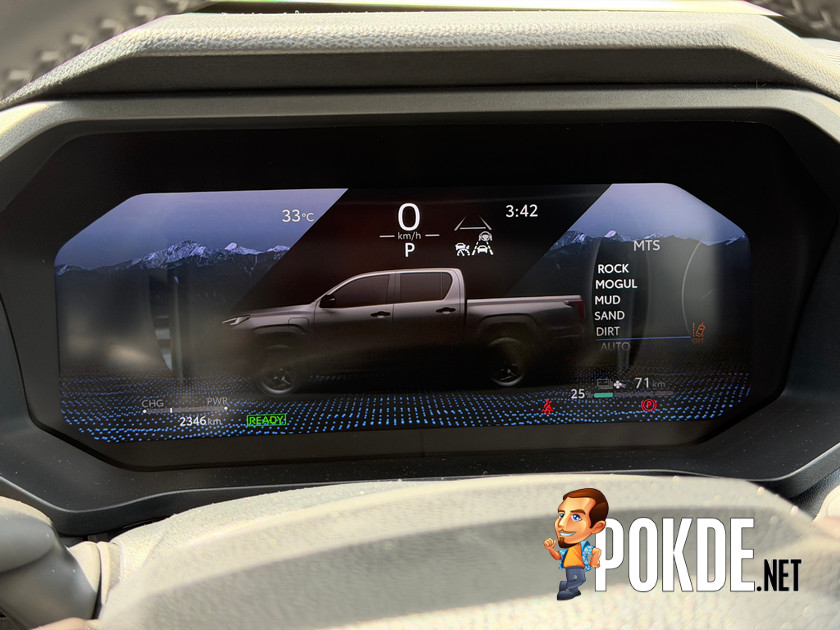
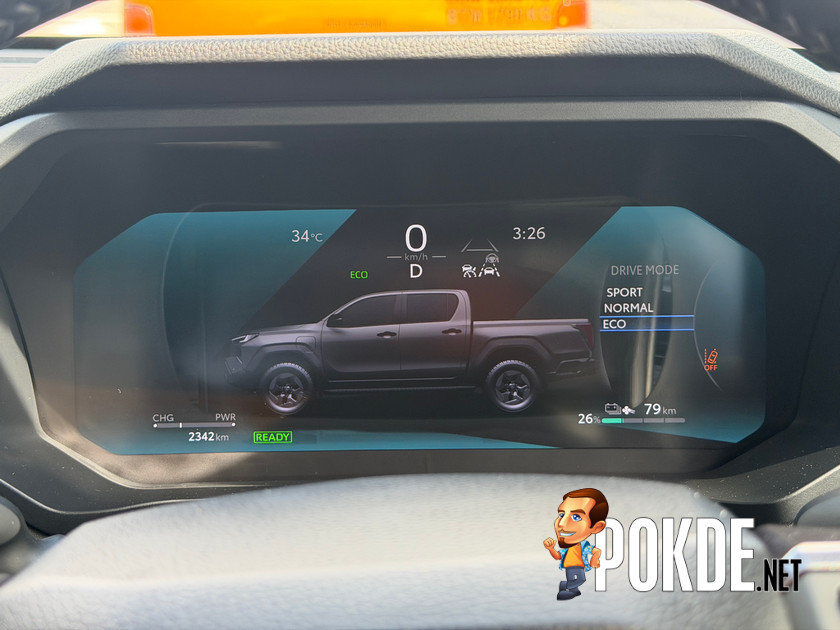
The Hilux BEV arrives with the same practical capability that made the diesel Hilux a default choice for buyers who actually need to go off road rather than just photograph themselves near mud. The five Multi Terrain Select modes, covering Dirt, Sand, Mud, Rock, and Mogul, adjust the dual motor torque distribution and stability management to suit the surface. Combined with a 700mm wading capability and the reinforced underside protection for the eAxle units and driveshafts, the BEV conversion has not cost the Hilux its reason for existing as a pickup.
The independent double wishbone front suspension handles surface variation with more composure than the conventional Hilux’s torsion bar setup, and the De Dion-type leaf spring rear gives the truck the load-carrying character a pickup needs. A maximum payload of 750 kg and a 2,000 kg towing capacity are not going to challenge a diesel equivalent, but they are functional numbers for the kind of predictable work this truck is realistically going to be doing.
A Cabin That Keeps Things Where They Should Be
The physical 4WD control area with its proper switches and rotary Multi Terrain Select dial is one of the most sensible things about the interior. There is an increasing trend of burying vehicle dynamics controls inside touchscreen menus, and the Hilux BEV has resisted that entirely. The shift-by-wire selector is straightforward, the 12.3-inch infotainment system handles wireless Apple CarPlay and Android Auto without complications, and the 8 speaker audio system provides enough quality for long periods behind the wheel without demanding attention.
The 8-way power driver’s seat with 2-way lumbar support and the dual-zone climate control with rear vents and a PM2.5 air filter make the cabin a genuinely comfortable place for the kind of extended daily use a fleet vehicle will see. The Toyota Remote App integration adds remote check and control, battery level monitoring, trip history, Find My Car, geofencing, stolen vehicle tracking, and emergency call connectivity, all of which are directly relevant for fleet operators managing multiple vehicles.
DC Fast Charging At 150 kW Changes The Refuelling Calculation
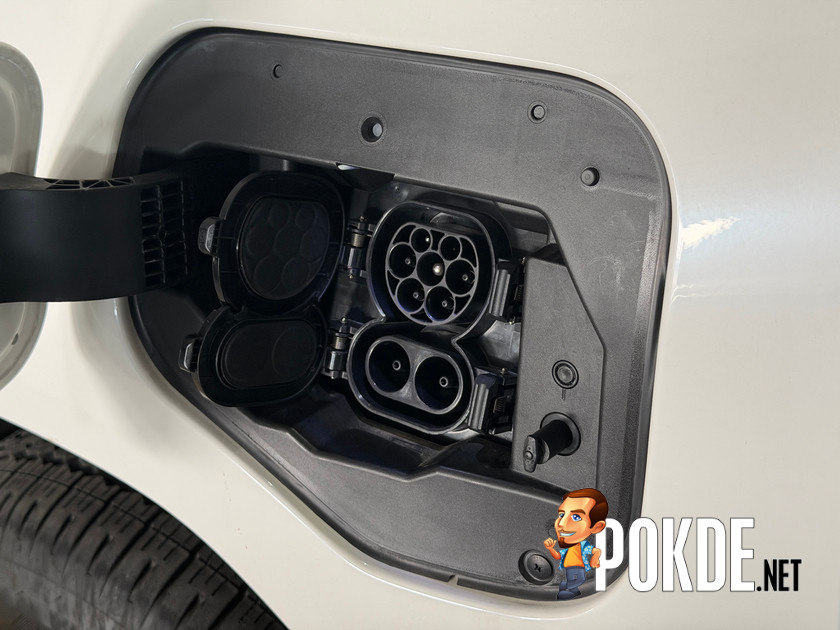
The 150 kW DC CCS2 charging capability means a 10% to 80% charge takes approximately 30 minutes at a compatible fast charger. For an operator running a predictable route with a lunch break or scheduled stop in the middle of the day, the charging requirement slots into existing behaviour rather than disrupting it. The 10 kW AC Type 2 option covers overnight charging at a depot from 10% to 100% in approximately 6.5 hours, which is a realistic expectation for a fleet that parks in a controlled yard.
The 8-year unlimited mileage warranty on the BEV battery, inverter, and BEV ECU, with an optional extension to years 9 and 10, addresses the core concern around long-term battery health for a fleet acquisition. The vehicle warranty itself carries a 5-year or 150,000 km coverage, which reflects the higher expected annual mileage of a working truck rather than the unlimited mileage of a consumer-focused product.
The Bad
RM226,300 For A Hilux Is A Number That Requires Justification
The conventional Hilux double cab sits well below this figure, and the price gap represents a significant amount of fuel at any current pricing. For a private buyer, the total cost of ownership case for the BEV requires a specific operating profile to make sense, primarily high daily mileage on fixed urban or suburban routes where the fuel saving compounds meaningfully over time and charging infrastructure is accessible and predictable. For the kind of buyer who uses a pickup the way most Malaysians do, which is to say variable routes, occasional outstation travel, and no dedicated charging at a fixed overnight location, the diesel remains the more straightforward financial proposition.
Scuttle Shake Stands Out Against An Otherwise Smooth Package
The most noticeable dynamic limitation of the Hilux BEV is not performance-related but structural. At certain road surfaces and frequencies, the body transmits a discernible shudder and shake that I did not fully expect given how refined the powertrain is by comparison. The additional mass of the battery pack was something I hoped would help damp this down, but it has not done so in any obvious way. It is not constant or severe enough to call the ride quality poor, but it stands out specifically because everything else about the way the Hilux BEV moves is so composed and quiet. The contrast makes the shake more noticeable than it might otherwise be.
315 km NEDC Range With A Loaded Bed Is A Very Different Number
The NEDC figure of 315 km is a controlled test result, and real-world range on a full battery under typical Malaysian conditions comes in somewhere closer to 280 km based on the figures from my own drive. That is with an empty cargo bed and a majority highway route. Add a meaningful payload, towing, or a sustained stretch of stop-start city traffic in hot conditions with the air conditioning working hard, and the effective range will be lower.
I tried carrying a simple computer chair and a fully built desktop PC on the cargo bed and I already noticed that its battery life started dropping faster than usual despite me maintaining speeds of below 100km/h. For an operator whose route stays within a predictable radius of a charging point, this is workable. For anyone expecting to use this truck the way a diesel Hilux gets used across Malaysia, it is a genuine operational limitation to plan around.
The Audience Is Very Specific, And That Is An Honest Limitation
The Hilux BEV is not aimed at the traditional Hilux buyer, and Toyota has not really pretended otherwise. The private buyer who wants a pickup for weekend trips to Genting, occasional towing, and flexible long-distance capability is not the target. Neither is the lifestyle pickup buyer who wants the image and the flexibility of a double cab with no real restrictions on where they take it. What remains is a fairly defined group of fleet operators with controlled routes, predictable overnight charging access, and an emissions or running cost target to meet. That is a small audience in Malaysia, and that limits the commercial reach of what is otherwise a technically well-executed vehicle.
2026 Toyota Hilux BEV Verdict
The 2026 Toyota Hilux BEV is exactly what it presents itself as, a Hilux with a battery and two electric motors instead of a diesel engine, and it makes no attempt to be anything more complicated than that. It’s quiet, smooth, effortless to drive, and very straightforward to operate. The cabin is sensible and well-equipped, the fast charging capability is genuinely practical for the right operator, and the multi-terrain capability and towing credentials have been maintained at a level that keeps the BEV useful as a working vehicle rather than just a city runabout in a truck’s body.
Where it falls short is not in the execution but in the fit for most buyers who would look at a Hilux. The price is steep, the electric range has limits that matter for certain use cases, and the scuttle shake is a noticeable contrast against an otherwise refined package. The honest assessment is that this is a fleet vehicle with a very specific brief, and it fulfils that brief well. It is not yet the Hilux for everyone but with some key improvements in future models, it can be. I feel like this is a pickup truck that Tenaga Nasional Berhad would deploy as their fleet, assuming they haven’t already.
With that being said, I award the 2026 Toyota Hilux BEV with our Silver Pokdeward.

Big thanks to Toyota Malaysia for loaning us this car for the purpose of this review.