


- Financial Services Are Becoming Easier to Access
- International Money Transfers Are Changing
- More People Are Exploring Global Financial Markets
- The Trading Experience Has Become More Digital
- Why Financial Knowledge Still Matters
- Traditional Banking and Digital Finance Are Growing Together
- What Lies Ahead for Digital Financial Services?
The way people handle their finances has changed considerably over the last few years. Sending money, keeping track of investments and following international markets no longer require a visit to a bank or access to complicated financial systems. Much of it can now be done through a mobile phone or computer. The growing popularity of crypto has helped push this change forward, introducing new ways to move money and encouraging more people to explore financial opportunities beyond traditional banking.
Financial Services Are Becoming Easier to Access

Where someone lives used to have a significant influence on the financial services available to them. Opening an overseas account, making an international payment or accessing certain investment products could involve lengthy procedures and several visits to financial institutions.
That experience has gradually changed. Online banking and digital financial platforms have made everyday financial activities much easier to manage. People can check their accounts, arrange payments and follow their investments whenever it suits them, without having to depend on physical branches.
Cryptocurrency has brought another option into the picture. Through digital wallets and blockchain networks, users can transfer supported assets directly between compatible addresses. This has created additional possibilities for people who regularly work with international clients or manage financial activities across different countries.
Freelancers, remote workers and small businesses are among those who have shown interest in these developments. Having access to different digital payment methods can make managing international transactions more convenient, particularly when working with customers in several markets.
International Money Transfers Are Changing

Anyone who has regularly sent money overseas knows that international transfers have not always been straightforward. Different banking systems, currency conversions and processing times can make what should be a simple transaction unnecessarily complicated.
Digital payment technology is gradually changing this experience. Some blockchain networks allow transactions to take place directly between compatible wallets, without following the same process as conventional international bank transfers.



Take a freelance professional working with customers in Germany, Singapore and Canada. Receiving payments from several countries can mean dealing with different currencies and payment arrangements. Digital financial services offer additional ways to manage these transactions, depending on the currencies and services supported.
Companies are also exploring blockchain-based payment solutions. For businesses dealing with international suppliers, more efficient settlement processes can help simplify everyday operations and improve the way payments are tracked.
Of course, different payment methods serve different purposes. Traditional banking remains an important part of international finance, while digital assets offer another approach that may suit certain transactions better.
More People Are Exploring Global Financial Markets
One of the most interesting developments in digital finance is the growing interest in investment opportunities among everyday individuals.
Not long ago, learning about different financial markets often meant relying on specialist publications, financial advisers or professional investment services. Today, online platforms have made it considerably easier to follow several asset classes and understand how international markets operate.
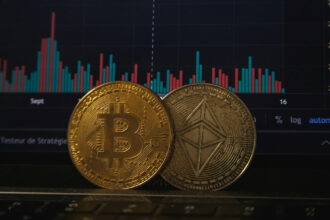
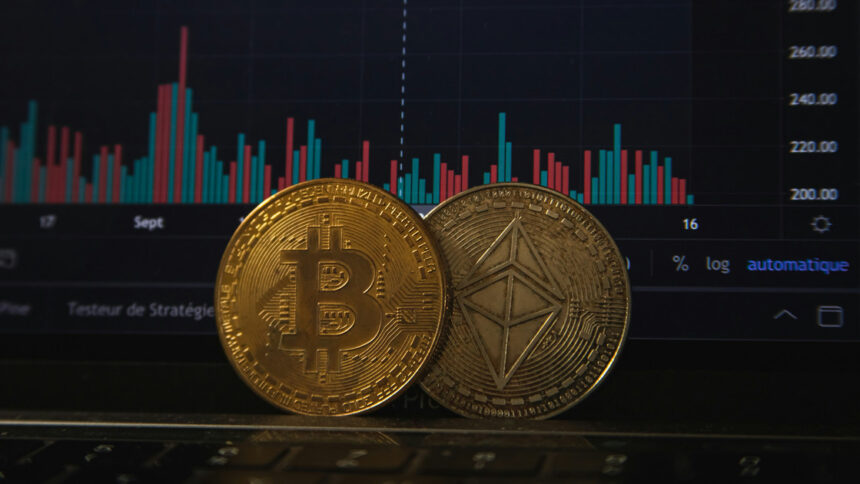
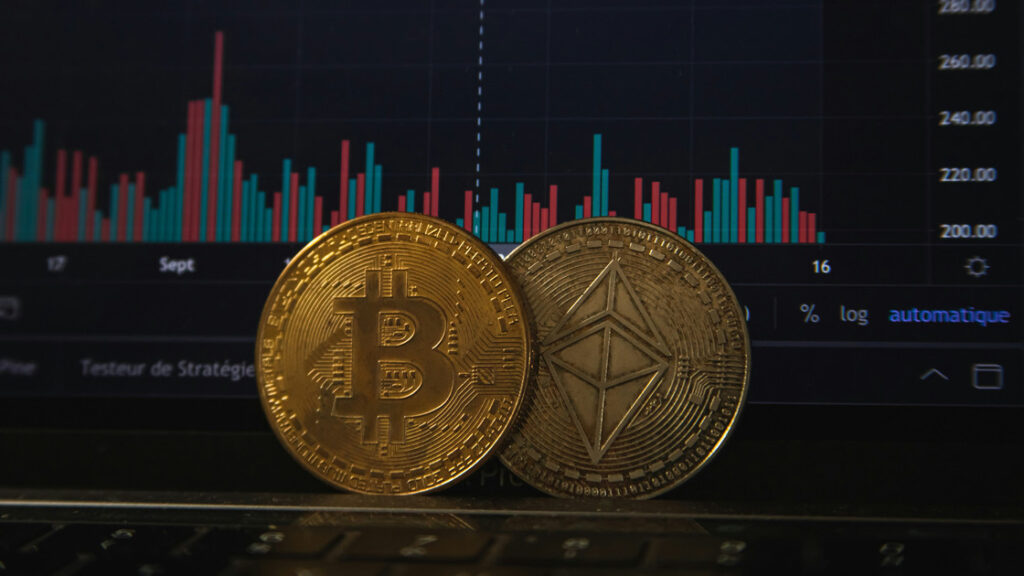
Cryptocurrency has played a noticeable role in attracting new participants. Bitcoin and Ethereum, for example, have introduced many people to blockchain technology and digital asset ownership. As interest in these markets has grown, so has curiosity about other investment opportunities.
Some individuals who initially explore digital currencies eventually become interested in foreign exchange, commodities and stock markets. Each market has its own characteristics, but they all provide opportunities to learn about the forces influencing global financial activity.
Forex is particularly interesting because currency prices respond to developments happening around the world. Interest rate announcements, inflation reports, employment figures and central bank decisions can all influence exchange rates.
Online trading platforms have made it easier for individuals to follow these movements and access different currency pairs. For people interested in understanding how international economies interact, forex provides a practical way to observe these relationships through the financial markets.
The Trading Experience Has Become More Digital
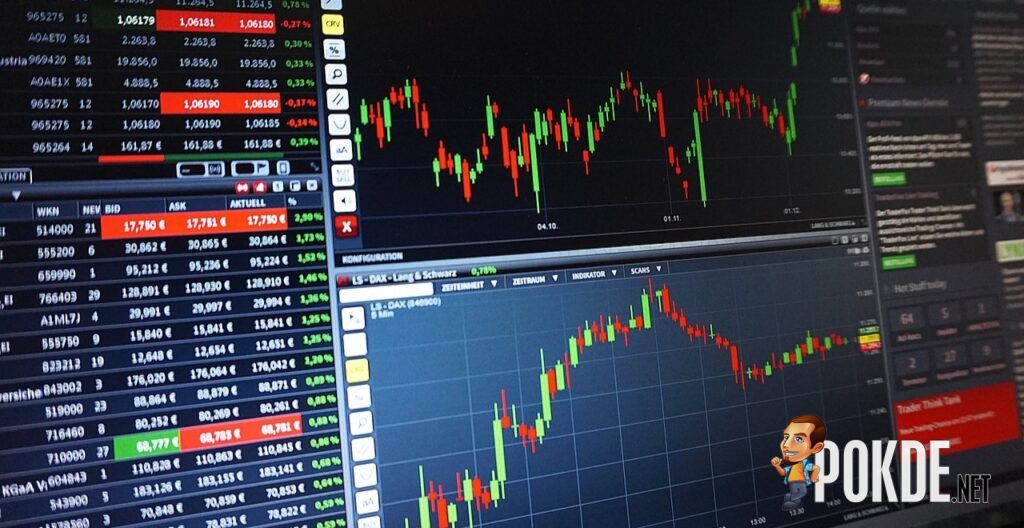
Another major change is the technology available to individual traders.
There was a time when detailed financial charts and advanced market information were mainly associated with professional trading environments. Accessing these resources could require specialised equipment and expensive software.
That is no longer the case. Many online trading platforms now offer charting tools, economic calendars, technical indicators and market information through desktop and mobile applications.
For example, someone following the EUR/USD pair can keep an eye on European Central Bank announcements, review recent price movements and monitor developments in the US economy using readily available online resources.
The convenience of these tools has changed how people approach market research. Instead of relying on scattered information, traders can bring several important elements of their market analysis together in one place.
Trading platforms have also become more user-friendly. Account management, order placement and market monitoring are often available through straightforward interfaces, allowing people to stay connected with financial markets throughout the day.
When comparing brokers, users naturally pay attention to the overall trading experience. Platform functionality, available instruments, pricing conditions, customer support and educational materials can all influence their choice.
Why Financial Knowledge Still Matters
Having access to more financial products does not necessarily mean knowing how to use them effectively. As digital services continue to develop, understanding the basics of different markets is becoming increasingly valuable.
Someone interested in cryptocurrency, for instance, may want to learn how blockchain networks operate before exploring digital asset transactions. Similarly, a person considering forex trading will benefit from understanding currency pairs, spreads, economic indicators and the factors that influence exchange rates.
Educational resources can make this learning process much more approachable. Many financial platforms provide articles, tutorials, market explanations and other materials designed to help users become familiar with different instruments.
Following economic news is another useful habit. A central bank announcement in the United States, for example, can influence the dollar and affect several currency pairs. Understanding the connection between economic developments and market movements helps put daily price changes into context.
For those exploring online trading for the first time, taking time to become familiar with the available tools and terminology can make the experience more rewarding.
Traditional Banking and Digital Finance Are Growing Together

It would be easy to assume that the rise of cryptocurrency means traditional banking is becoming less relevant. In reality, the financial industry is developing in a more interconnected way.
Banks are investing in digital services, payment providers are improving their online systems, and financial technology companies are introducing new ways to manage transactions. Online brokers are also expanding their digital offerings to meet changing customer expectations.
Rather than operating as completely separate industries, these services increasingly form part of the same financial environment.
Customers now expect to access useful financial information, manage their accounts and explore different markets without having to move between numerous disconnected systems.
For financial companies, this creates an opportunity to improve the services they provide. Convenient platforms, access to different financial instruments and helpful educational resources are becoming increasingly important when people decide which services to use.
Regulation is developing alongside these changes. Financial authorities in different countries are working on frameworks that address digital assets, online payments and the responsibilities of financial service providers. These developments will help shape how digital finance evolves in the coming years.
What Lies Ahead for Digital Financial Services?
The financial world is unlikely to look exactly the same in the next few years. Digital wallets, online banking, blockchain-based payments and trading platforms will continue to develop, creating more ways for people to interact with financial services.
One noticeable trend is the growing demand for flexibility. People want to manage their finances around their own schedules, access international markets and find financial information without unnecessary complications.
Technology is making this increasingly possible. As platforms improve and digital services become more closely connected, users may find it easier to explore different financial activities from a single online environment.
For anyone interested in the financial markets, this is also an opportunity to expand their knowledge. Understanding how currencies move, following developments in digital assets and becoming familiar with online trading tools can open the door to a much broader view of global finance.
The influence of crypto adoption extends well beyond the popularity of individual digital currencies. It has encouraged people to rethink how money moves and how financial services should work in a connected world. Traditional banking remains important, but digital solutions are giving individuals and businesses more flexibility in the way they manage their finances and participate in international markets.