



Money goes wherever it’s treated best, and right now a lot of it is being treated very nicely in America. With US government bonds paying the kind of yields nobody would have dreamed of a few years ago, plenty of global investors are asking why they should keep their cash anywhere else, Malaysia included.
That’s left a fair few people in Kuala Lumpur scratching their heads. The local economy hasn’t suddenly fallen apart, yet foreign money has been heading for the exit quicker than many expected, and the ringgit has been feeling the draught.
Why US Yields Matter So Much in Kuala Lumpur
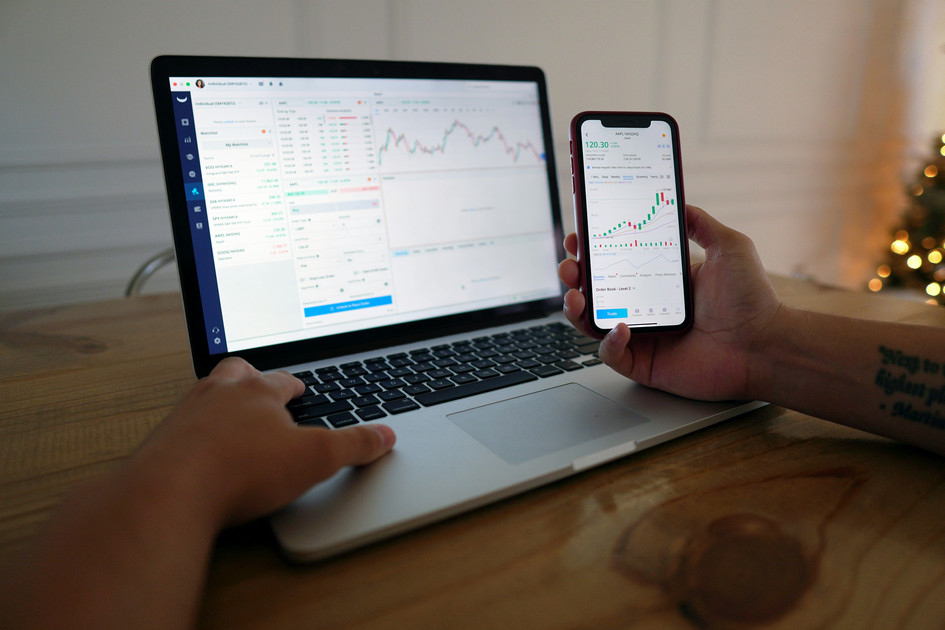
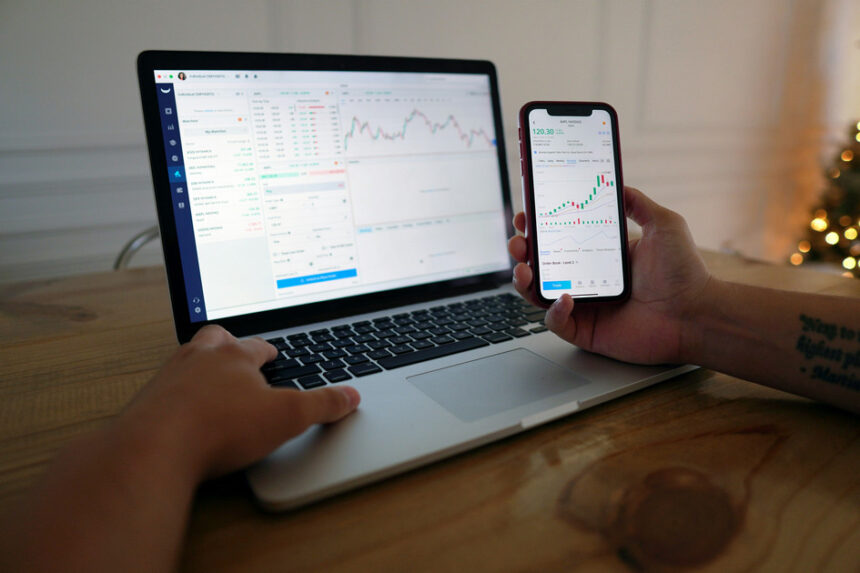
For anyone doing forex trading with USD MYR on their watchlist, the US ten year Treasury yield has quietly become one of the most important numbers on the screen. It may not look like it has much to do with Malaysia, but it decides a surprising amount of where global money wants to sit.
The Gap That Moves Money
Think of it from a big fund’s point of view. If a safe US bond is paying nicely and a Malaysian government bond is paying only a little more, or even less, is the extra risk of holding ringgit really worth it? For a lot of them the answer lately has been no, so they move. It’s a bit like a pasar malam losing its crowd when a bigger, cheaper one opens on the next street over.
Bonds Feel It First
Foreign investors hold a sizeable chunk of Malaysian government bonds, and those holdings are often the first thing to go when US yields jump. Bank Negara Malaysia publishes monthly figures on foreign bond holdings, and people who follow the ringgit closely tend to check those numbers as soon as they come out, since a big drop usually tells you where the selling pressure came from.
So when US yields climb, the effect on Malaysia isn’t some vague, faraway story. It shows up in real flows, often within days.
How the Ringgit Ends Up Paying
Here’s where it gets personal for anyone holding ringgit. When foreign money leaves, it doesn’t just disappear, it has to be swapped back into dollars first, and that swap is what pushes the currency around.



Selling Ringgit to Buy Dollars
Every foreign fund selling Malaysian bonds or shares ends up with ringgit it doesn’t want. To take that money home, it sells the ringgit and buys dollars, and when enough funds do that at the same time, USD MYR climbs. Nobody needs to be panicking for this to happen, honestly, they just need to find the US offer more tempting.
Stocks Get Dragged In Too
It’s not only bonds, either. Higher US yields make shares everywhere look a bit less attractive by comparison, so foreign investors may trim their positions on Bursa Malaysia as well. Banks and bigger blue chip names, which foreigners tend to hold most, often take the first hit.
Put the bond and stock selling together and you can see why the ringgit sometimes slides even on days when local news looks perfectly fine.
What Traders Can Keep an Eye On
You can’t stop global money from moving, but you can get better at spotting it early. A couple of habits go a long way here.
Keep the US Ten Year on Your Screen
Adding the US ten year yield next to your USD MYR chart is probably the single most useful change you can make. When yields push higher during the US session, the ringgit often feels it the next morning once Asian markets open, so the yield chart can give you a head start.
Watch How Bank Negara Responds
Picture a trader in Shah Alam at 9 pm on a Wednesday, watching US yields jump after strong American data and wondering how far the ringgit might fall. Part of the answer depends on Bank Negara Malaysia, which can step in to smooth sharp moves and has the Overnight Policy Rate to think about too. Its comments, even small ones, are worth reading closely.
Neither habit is fancy. They just mean you’re reacting to the cause rather than the symptom.
Conclusion
High US bond yields are giving global investors a very good reason to keep their money in America, and Malaysia is feeling the pull through bond outflows, stock selling and a softer ringgit. It’s less about anything going wrong at home and more about a better offer somewhere else.
What would turn things around? US yields easing back, a stronger outlook for Malaysian growth or a clear signal from Bank Negara could all slow the outflows. Until then, that number from Washington may matter to the ringgit just as much as anything happening in Kuala Lumpur.