
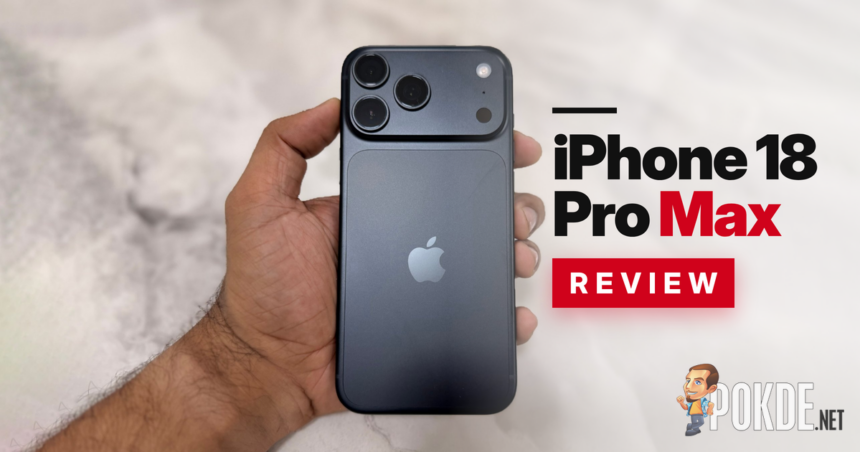
iPhone 18 Pro Max Review
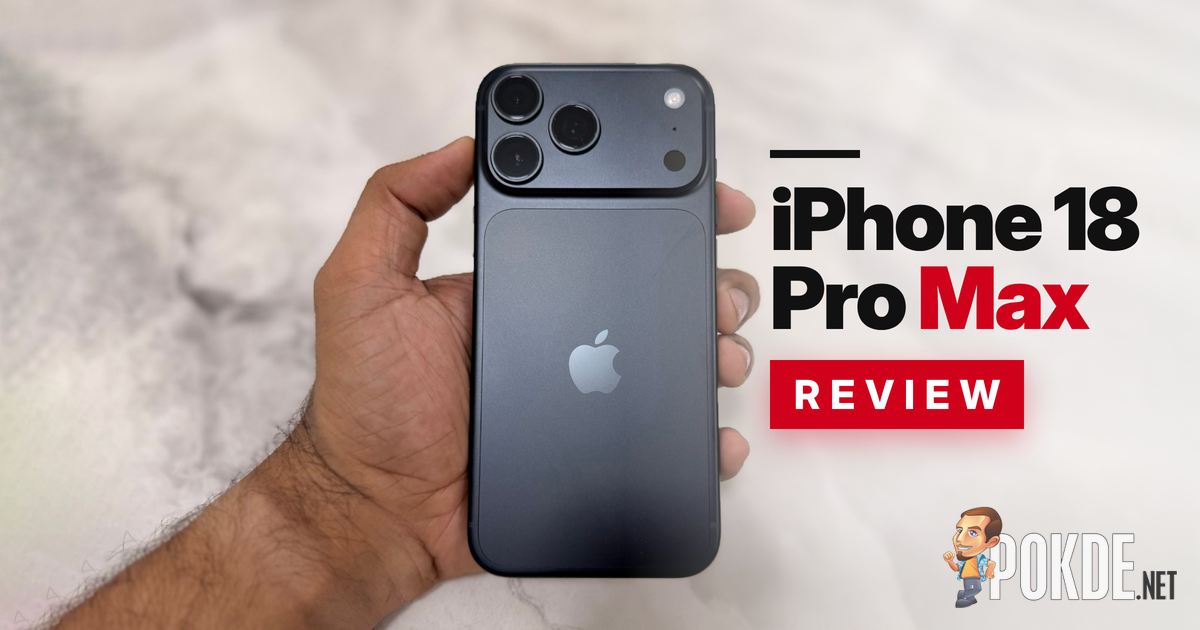
Product Name: iPhone 18 Pro Max
Product Description: The iPhone 18 Pro Max is Apple's 6.9-inch flagship smartphone, powered by the 2nm A20 Pro chip with a much larger vapour chamber for sustained performance. It adds a 48MP Fusion Main camera with variable aperture from f/1.48 to f/4.0, Pro controls for shutter speed and aperture in the Camera app, a smaller Dynamic Island and Siri AI on iOS 27. In Malaysia, it comes in Black, Silver, Glacier and Burgundy with 256GB, 512GB, 1TB and 2TB storage.
Brand: Apple
Offer price: from 5,999
Currency: MYR
-
Appearance - 8.5/108.5/10
-
Efficiency - 9/109/10
-
Features - 8.1/108.1/10
-
Materials - 8.7/108.7/10
-
Performance - 9/109/10
-
Portability - 7.4/107.4/10
-
User Experience (UX) - 8.5/108.5/10
-
Value - 6.8/106.8/10
Summary
The iPhone 18 Pro Max is the most capable iPhone I have tested. Its new vapour chamber keeps the A20 Pro running hard over long sessions, ray tracing performance leaves every other phone I have tested behind, and the camera finally gets variable aperture and proper Pro controls. Battery life comfortably goes past a day, even on my heaviest days. It is still heavy, the camera plateau warms up during long video recordings, and the higher storage tiers cost more than last year, but if you want the best camera and uncompromised performance in an iPhone, you can’t go wrong with this one.
Overall
8.3/10Pros
- Pro controls for shutter speed and aperture, built right into the Camera app
- Variable aperture Main camera that handles low light very well
- Video stabilisation stays smooth even while running
- Ray tracing and gaming performance ahead of every phone I have tested
- New vapour chamber sustains performance over long sessions
- Over 37 hours of battery life in my real-world test
- Siri AI handles multiple tasks and remembers preferences
- Liquid Glass toned down, Safari tab button back where it belongs
Cons
- Heavy at 249g
- Camera plateau gets warm during long video recordings
- Camera Control button adds little value
- Siri AI needed the region set to US, and its memory notes get messy
- 1TB and 2TB tiers cost RM1,000 and RM2,000 more than last year
Every year, the iPhone Pro Max is the one I look forward to the most. When we talk about an iPhone, the Pro Max is the cherry on top, the model that gets every top feature an iPhone can possibly have. And every year I can’t wait to see what’s new, because whatever debuts on the iPhone Pro Max tends to set a trend across the smartphone industry, and suddenly we can predict what’s coming from other brands too.
Last year, I called the iPhone 17 Pro Max a beauty, a beast, and a bulk. This year, the iPhone 18 Pro Max arrives with the new A20 Pro chip, a redesigned cooling system with a much larger vapour chamber, a Main camera with variable aperture and, on paper, the longest battery life of any iPhone. I pushed it harder than any iPhone I have reviewed before and put it side by side with my own iPhone 17 Pro Max. Is it the upgrade it promises to be? Let’s find out in our iPhone 18 Pro Max review here today.
Unboxing iPhone 18 Pro Max
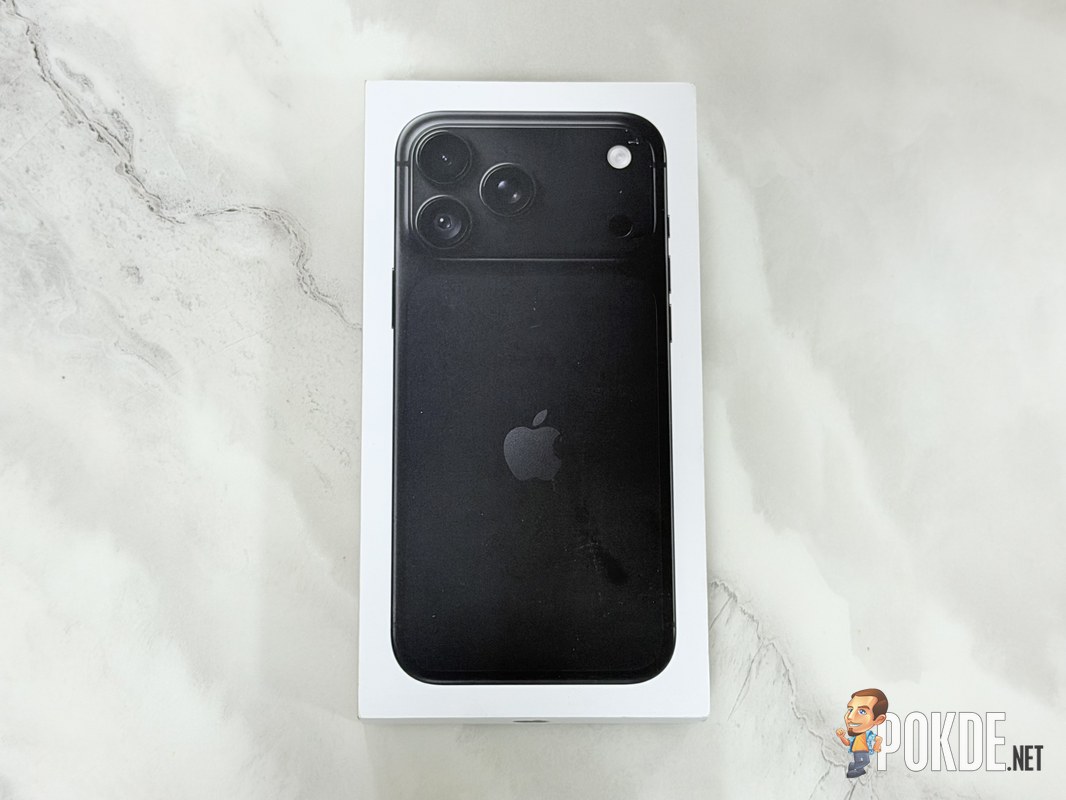
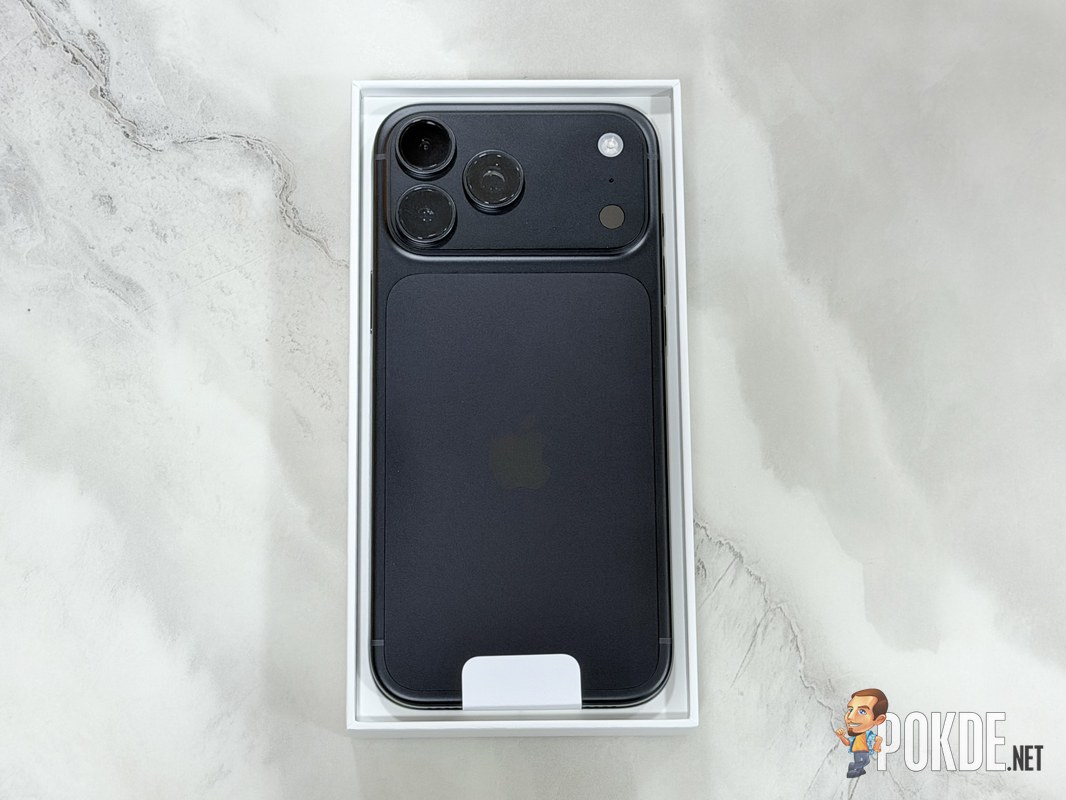
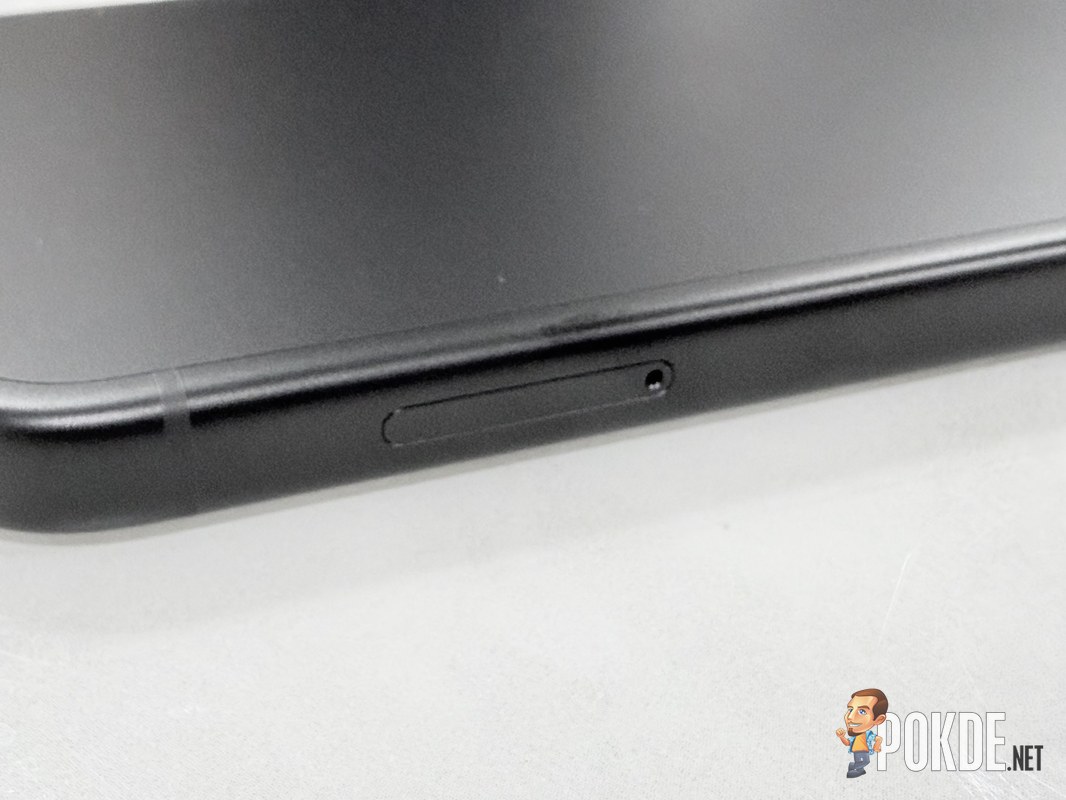
The box keeps things minimal as usual. Inside, you get the iPhone 18 Pro Max running iOS 27, a 1-metre braided USB-C Charge Cable and a SIM ejector tool tucked into the cable wrap. The Malaysian unit keeps a physical nano-SIM tray alongside eSIM, so you can still pop in a regular SIM card. There’s no power adapter, and you’ll want to keep that in mind for later when we get to charging.
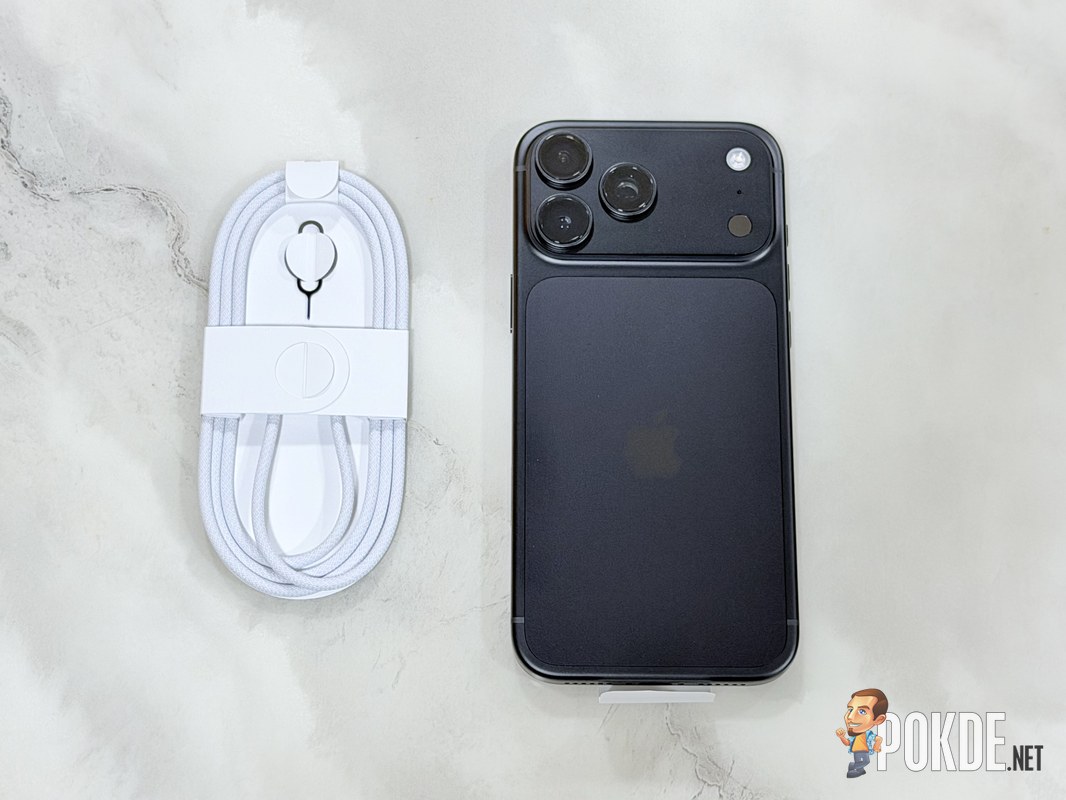
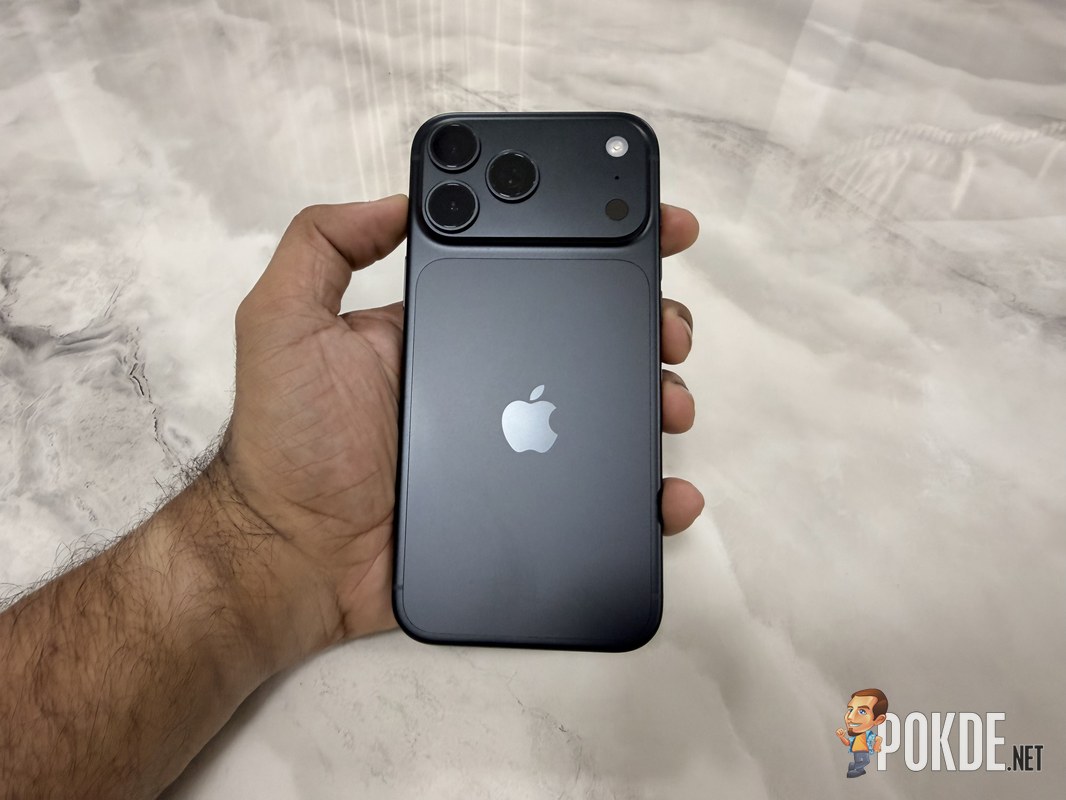
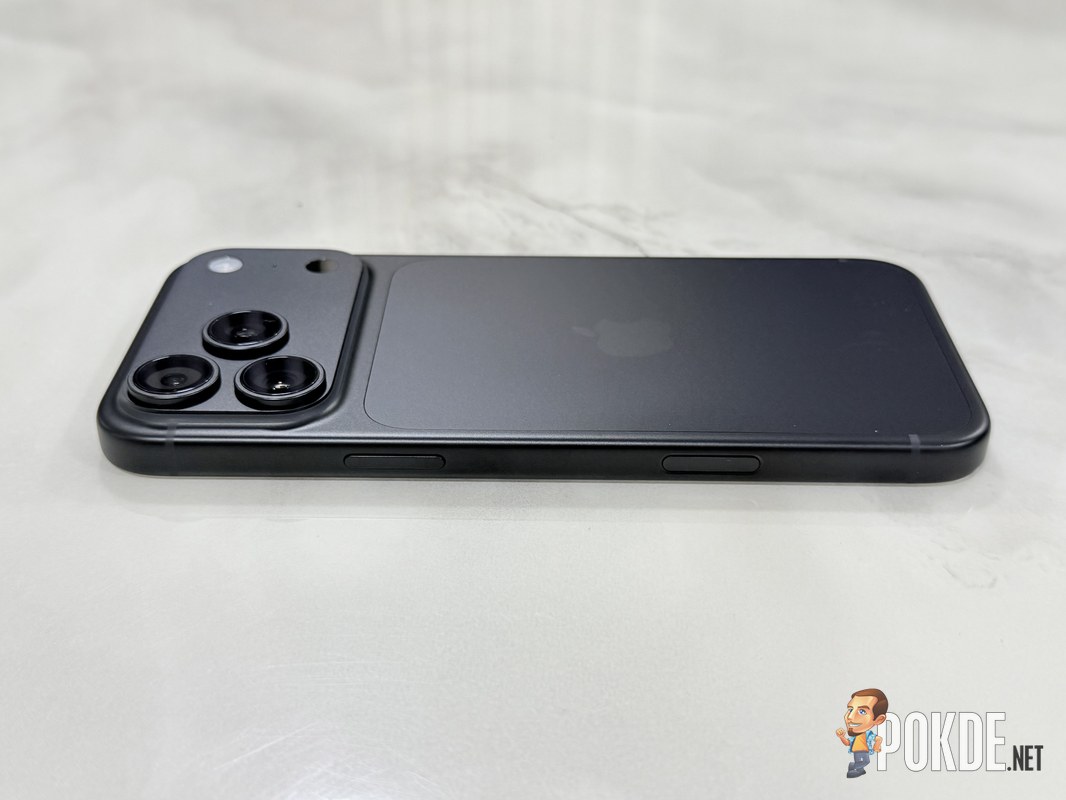
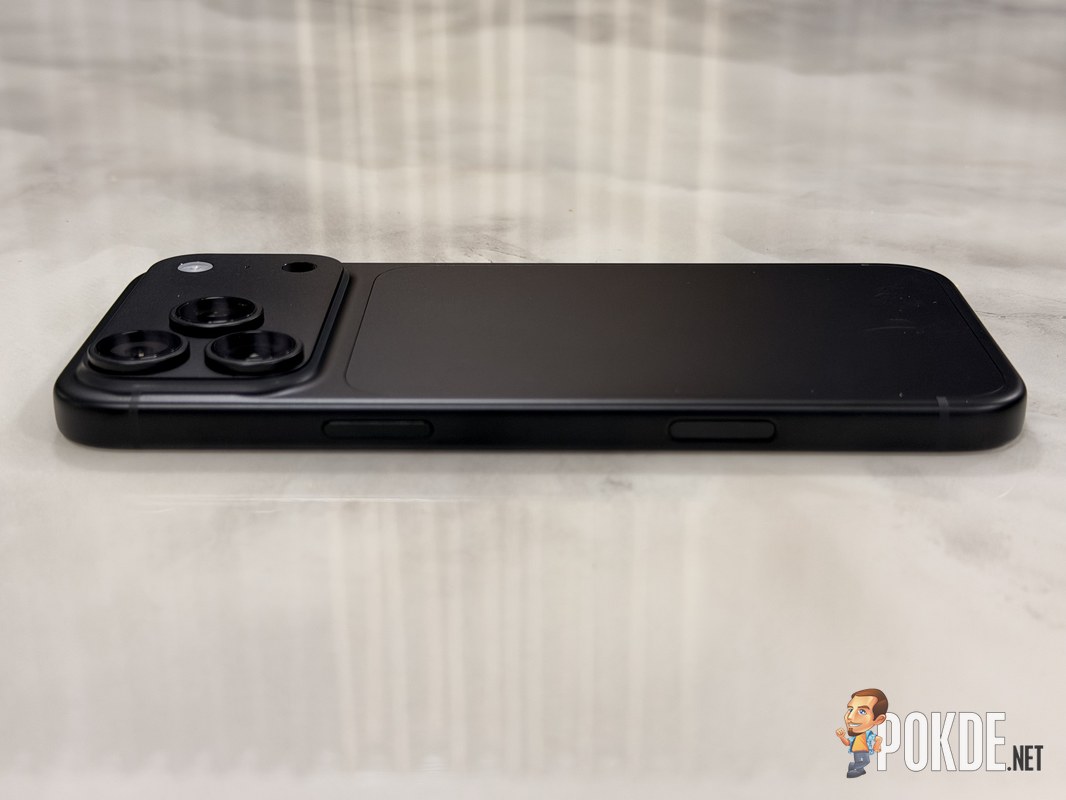
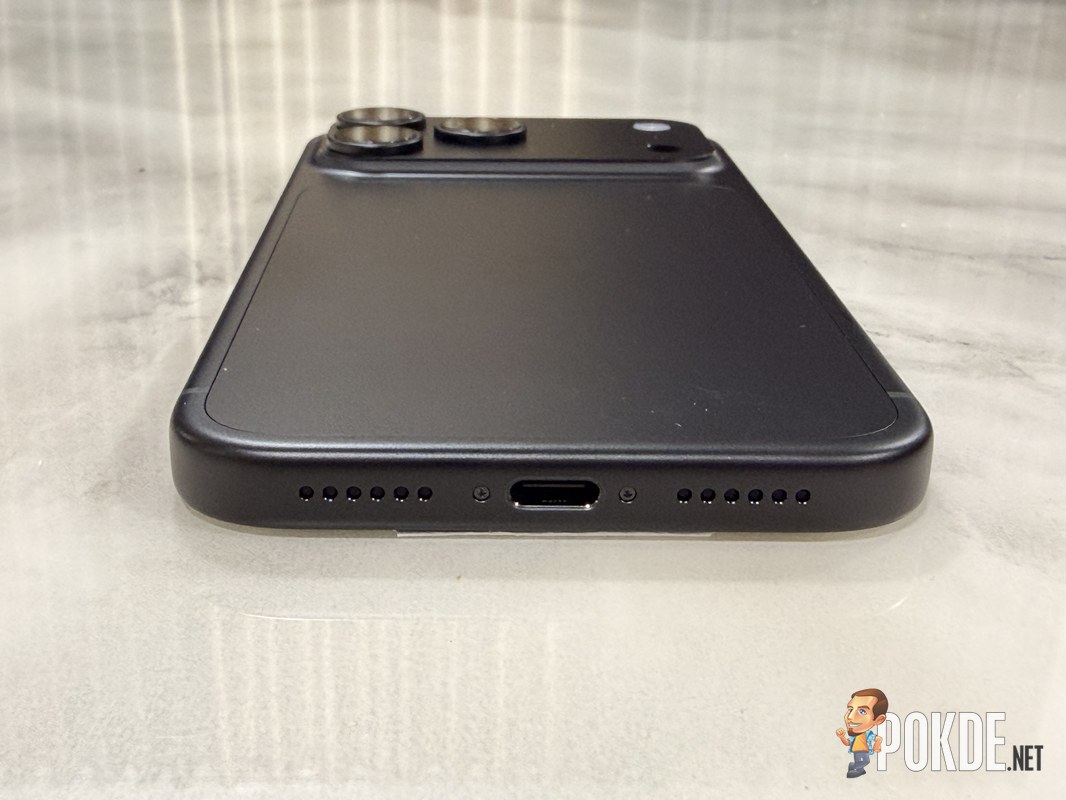
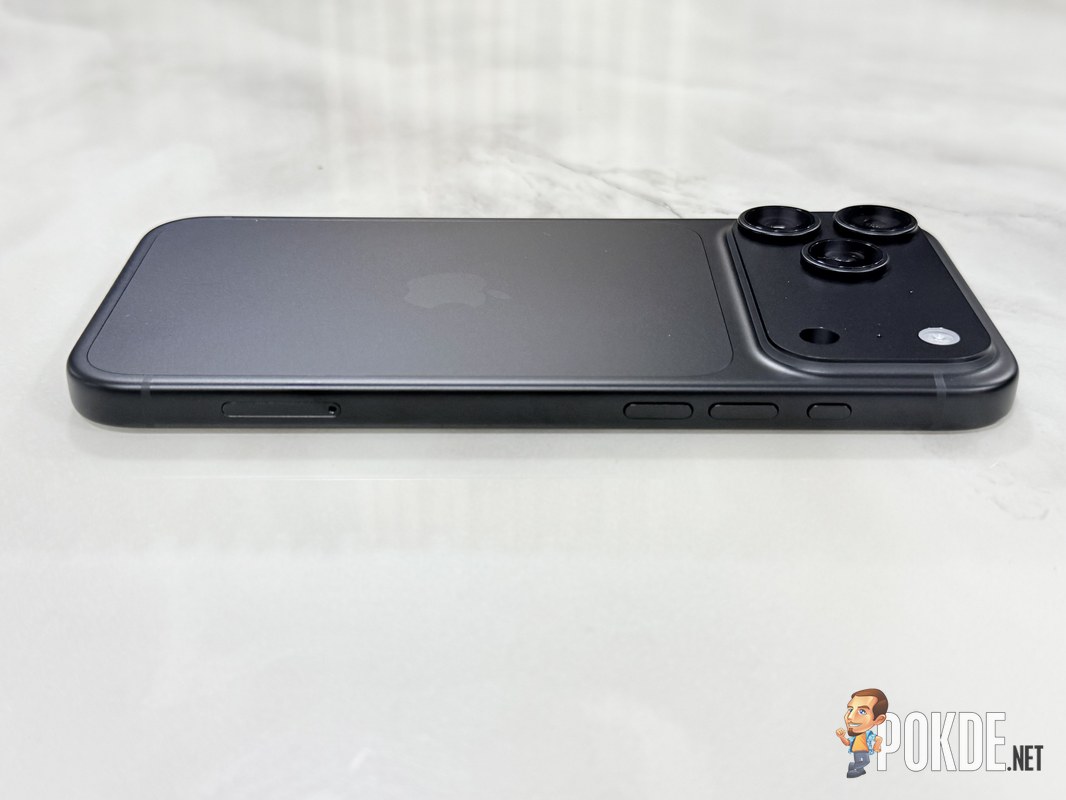
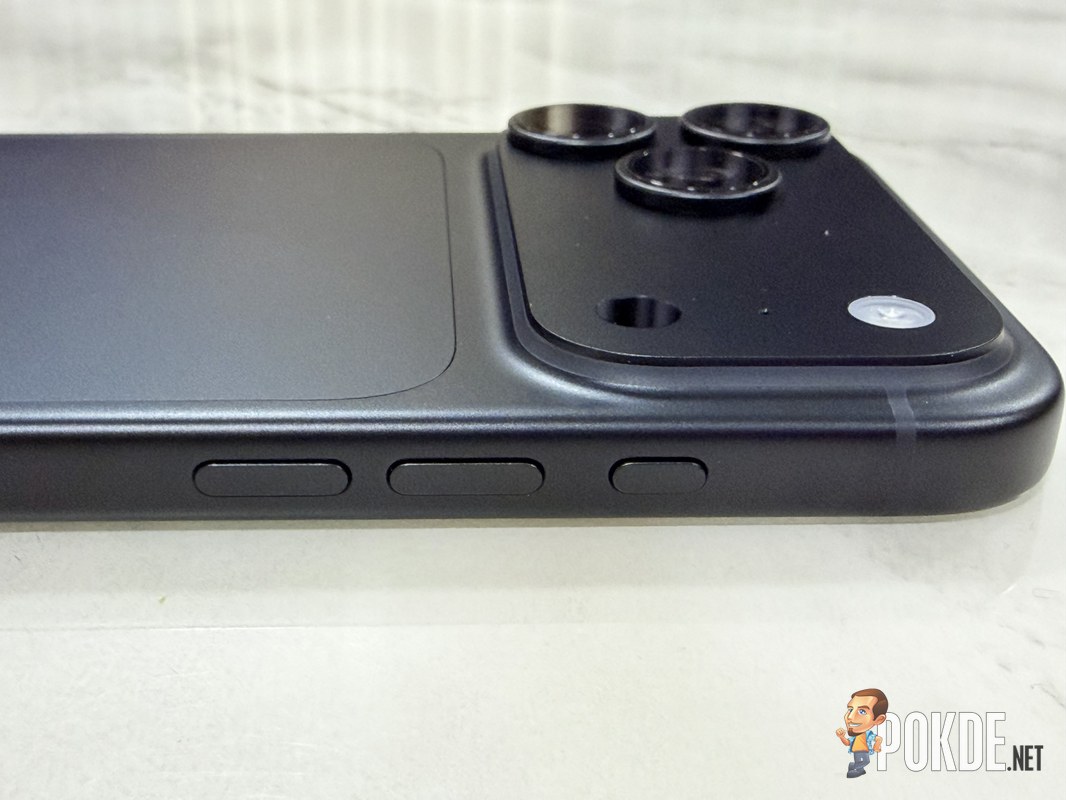
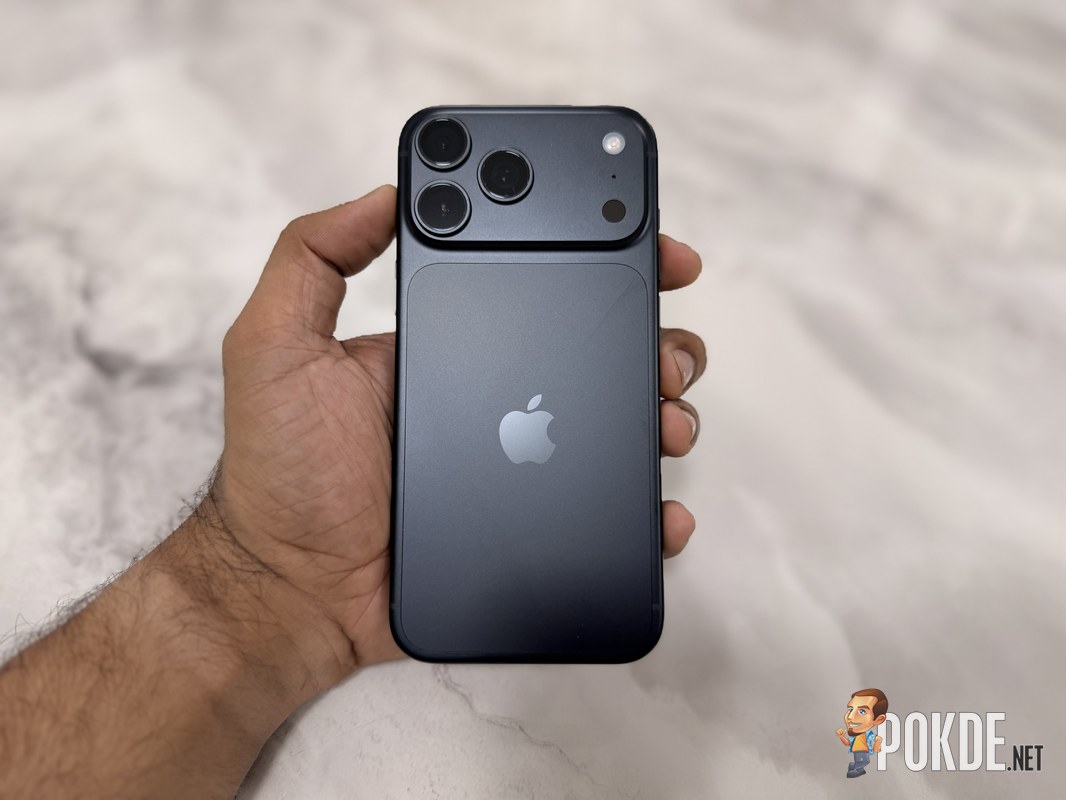
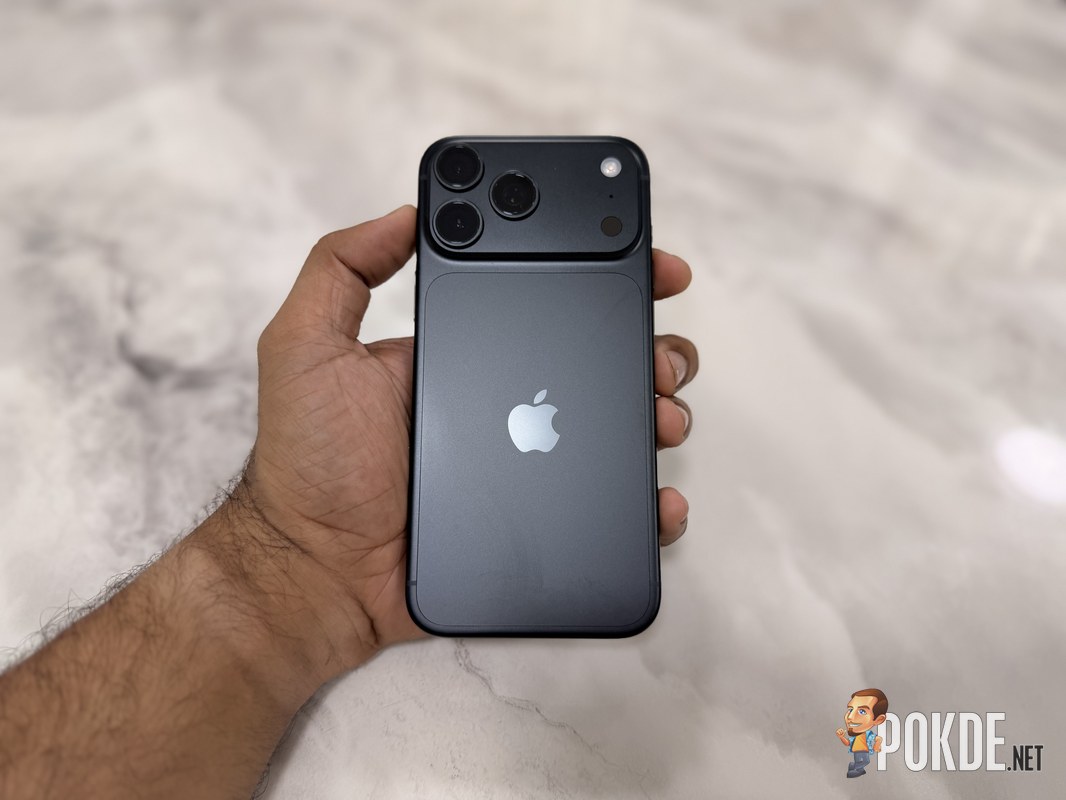
I went with Black this round, simply because it looks elegant. Honestly, I wish iPhones would someday come in a duo-tone finish, black and red being my favourite colour combination. Until that day comes, the Black iPhone 18 Pro Max is the closest I’ll get, and it wears the aluminium unibody well.
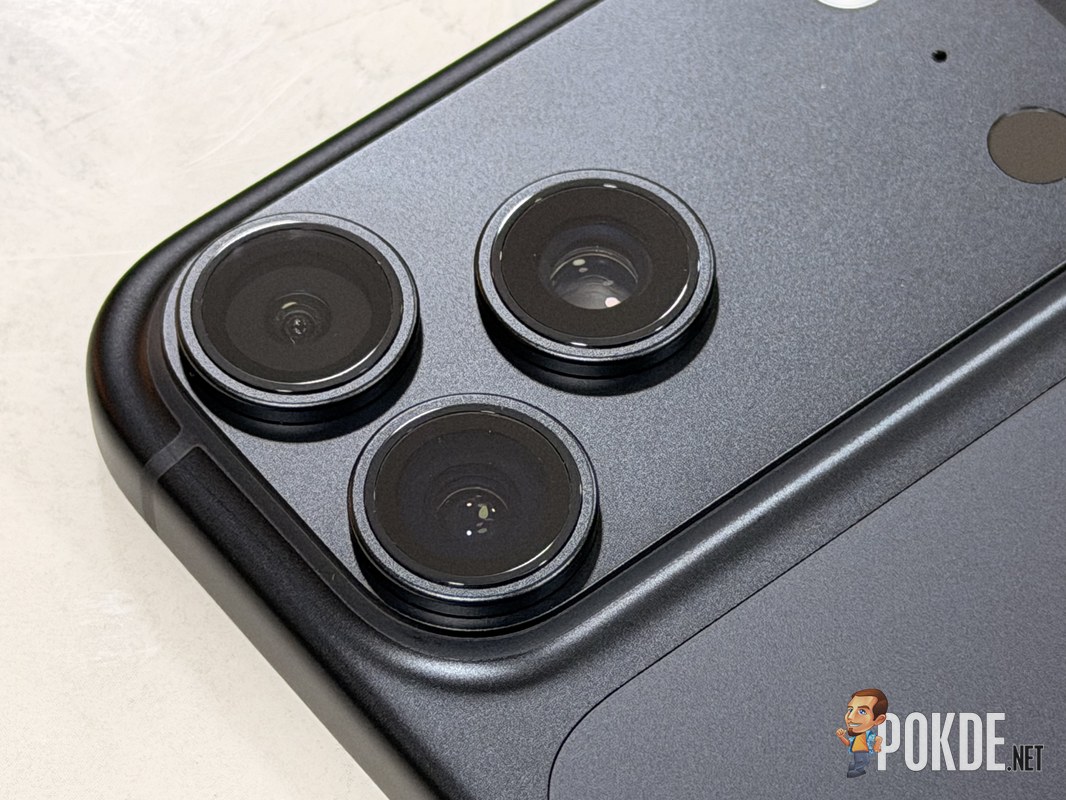
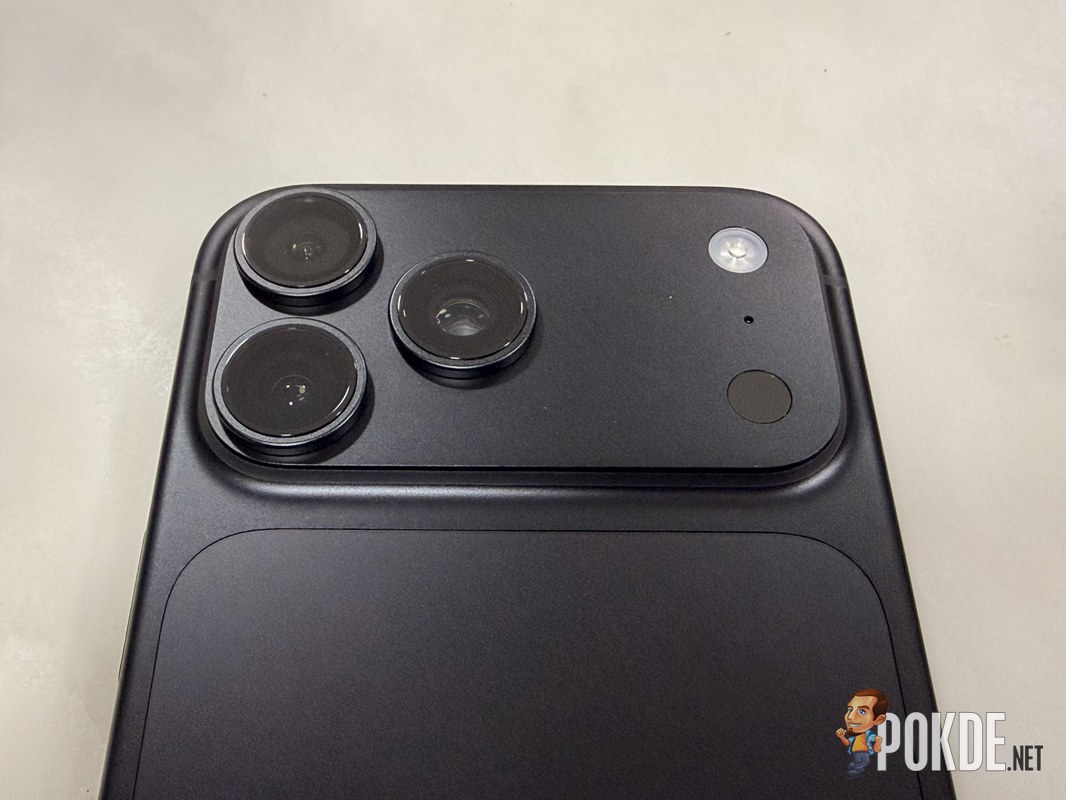
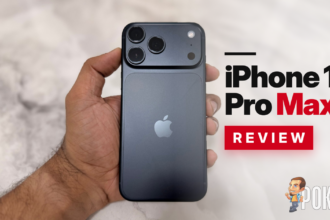
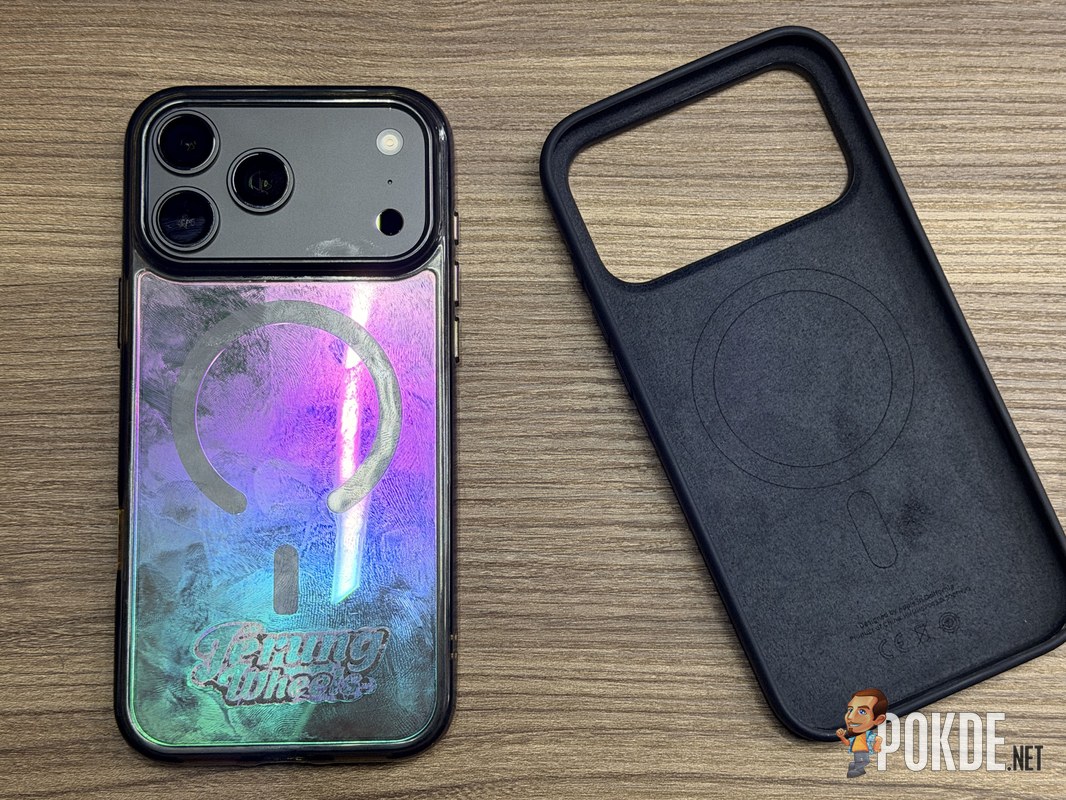
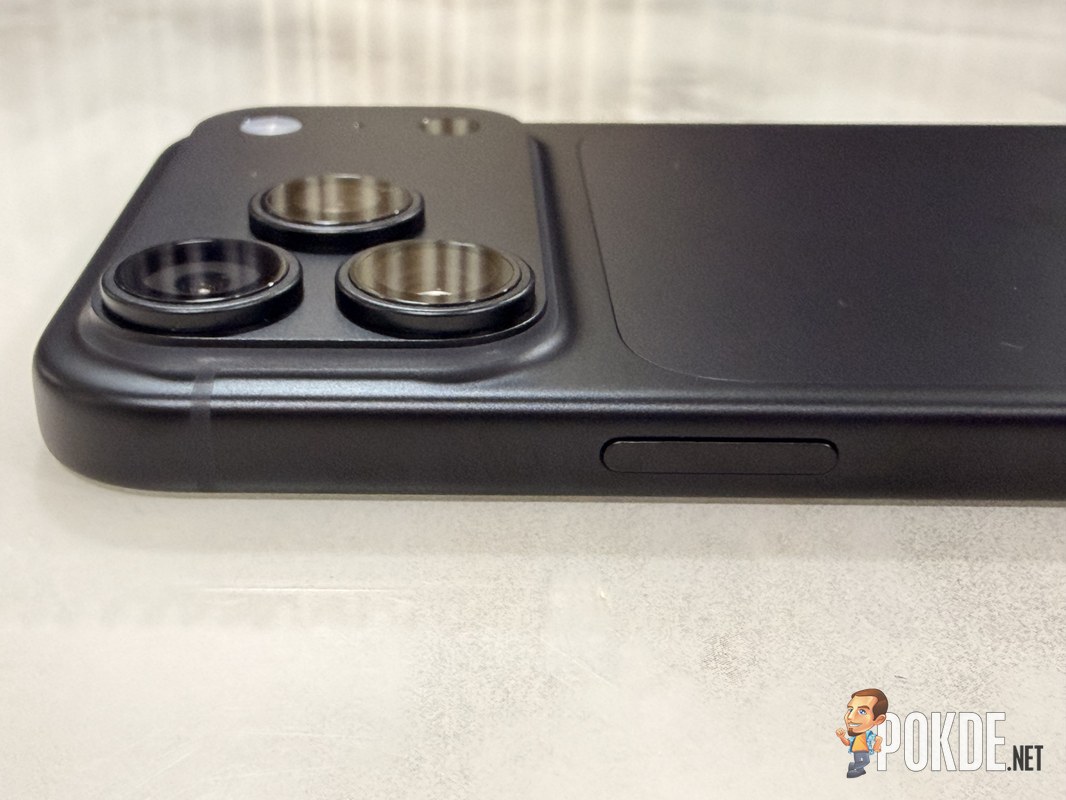
From the back, the iPhone 18 Pro Max looks almost identical to the iPhone 17 Pro Max. The camera plateau is a little thicker this year, which I noticed straight away, yet my old iPhone 17 Pro Max case still slips right on and fits the iPhone 18 Pro Max just fine. If you are upgrading, your current case may well carry over.
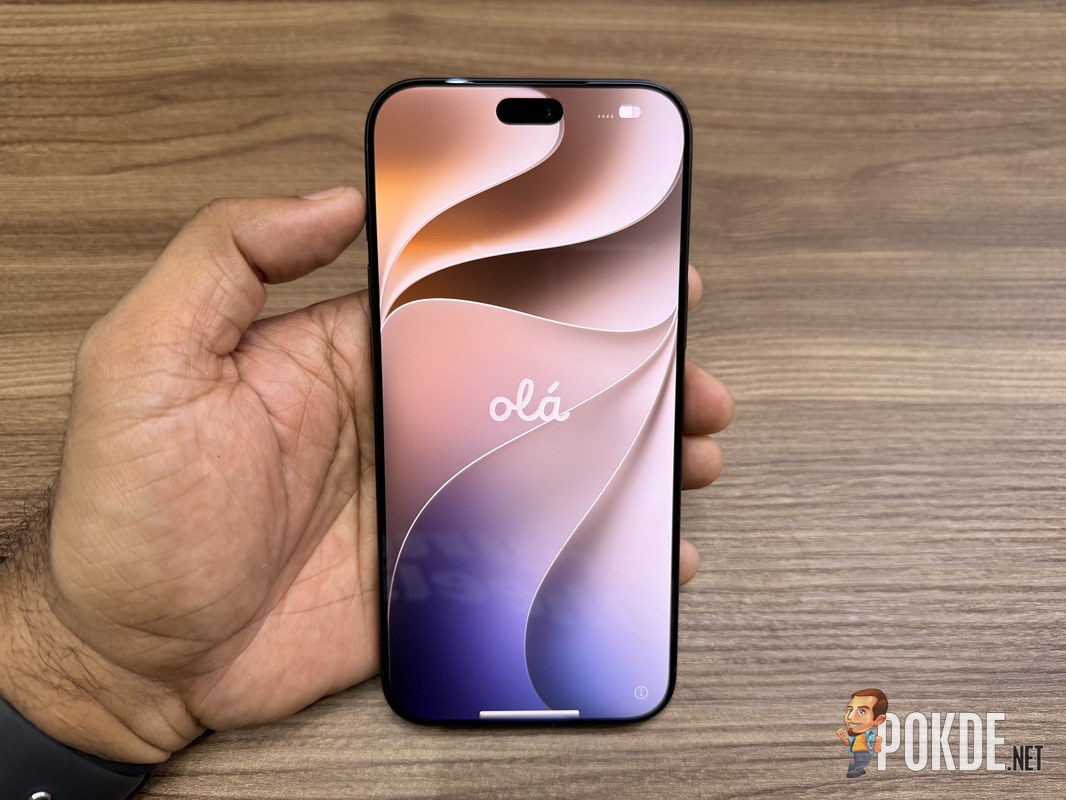
The easiest way to tell the two apart is from the front. The Dynamic Island is noticeably smaller this year, about 25% smaller, and it is easily the talking point of this model, because otherwise the iPhone 18 Pro Max and the iPhone 17 Pro Max look very much alike. The trick is that the infrared camera used for Face ID no longer sits inside the island. It now lives behind the display itself, underneath the active pixels, so the cutout only needs to make room for the rest of the front sensors. At a normal viewing distance, I couldn’t spot where that camera hides, and Face ID unlocks just as quickly as it did on my iPhone 17 Pro Max.
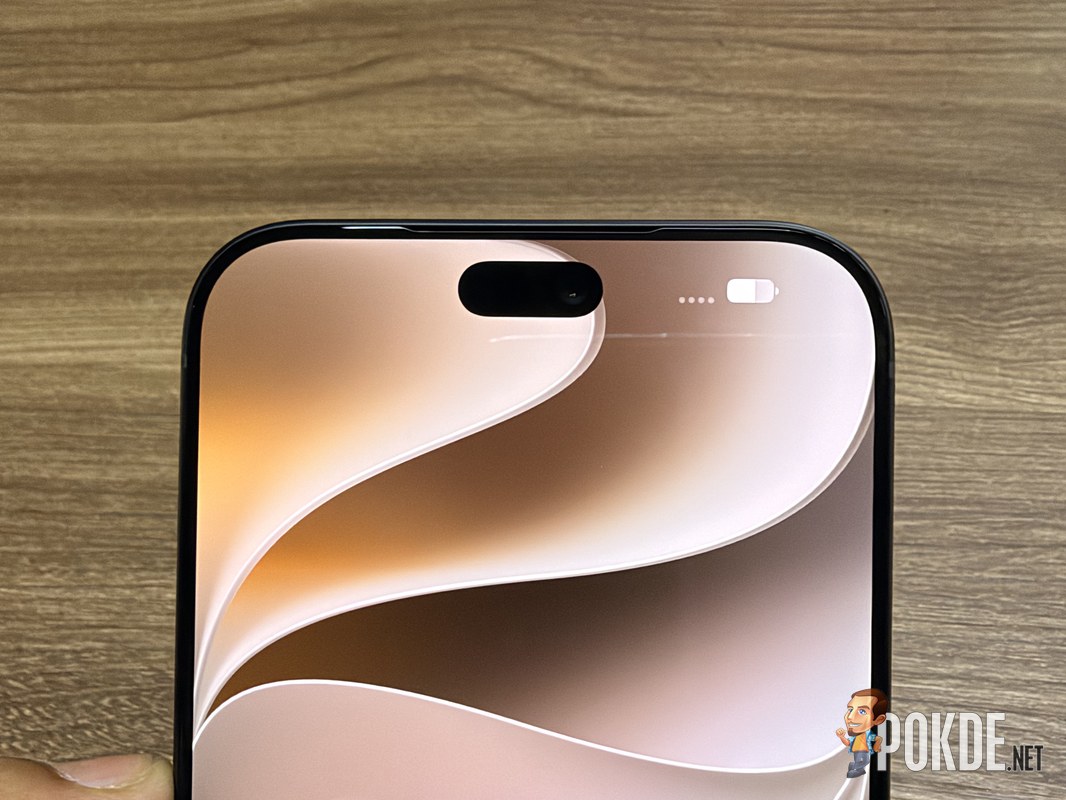
Beyond the smaller Dynamic Island, the display itself hasn’t changed much. It is the same 6.9-inch size with 120Hz ProMotion and Always-On, and in daily use I couldn’t spot a meaningful difference from my iPhone 17 Pro Max. There’s simply not much to talk about here, and that’s worth knowing if the display is your reason to upgrade.

Then there’s the weight. At 249g, the iPhone 18 Pro Max does feel heavier, and I don’t need a scale to tell. Every time I pick up my iPhone 17 Pro Max again, I can feel the difference right away. Last year I already called the Pro Max a bulk, and this year it has put on a little more.
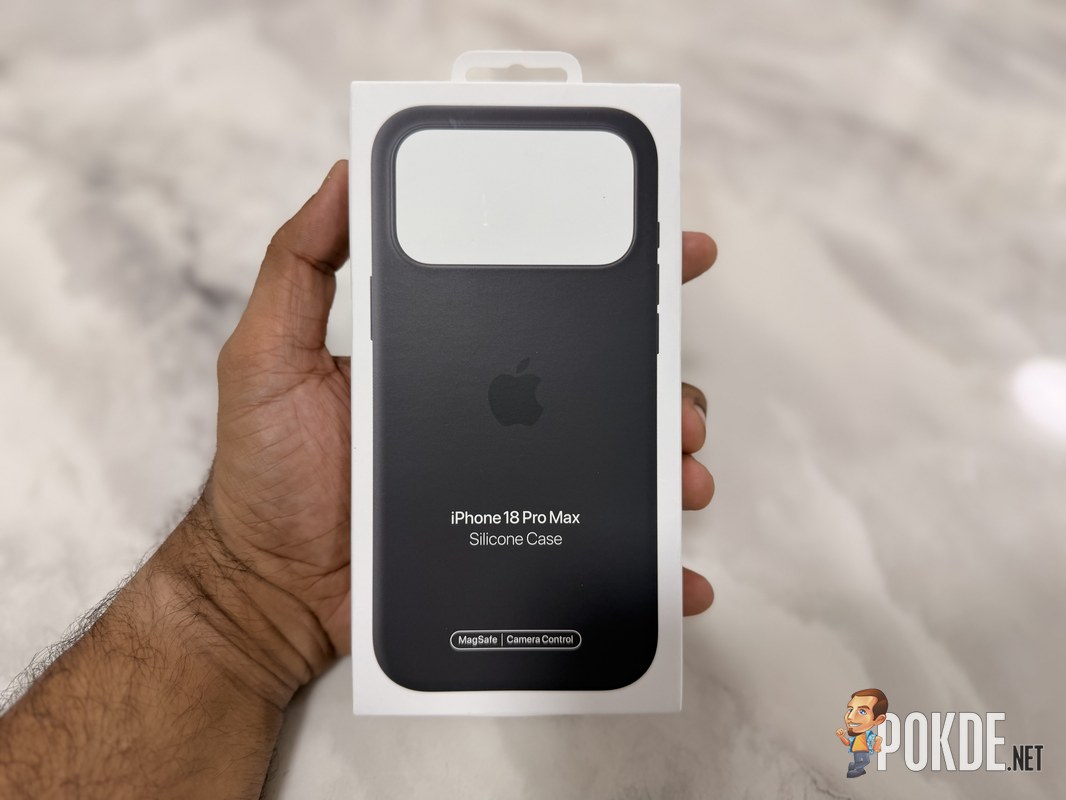
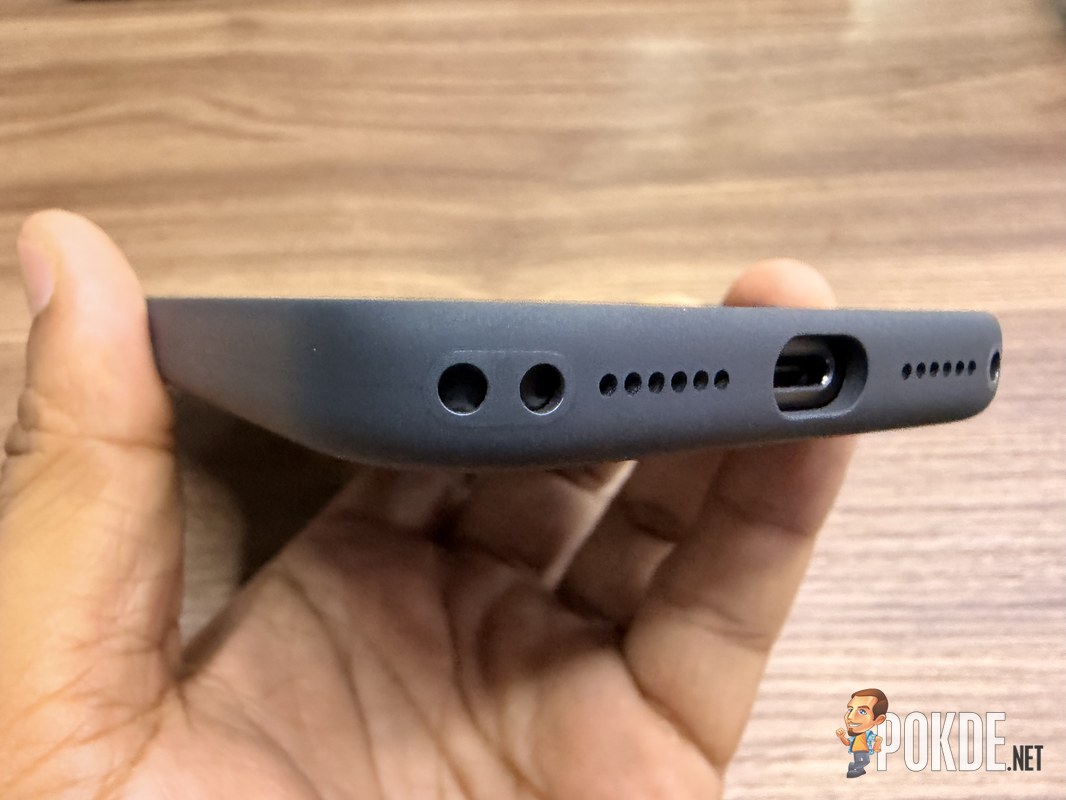
A case obviously won’t make the iPhone 18 Pro Max any lighter, but if you are getting one anyway, the iPhone 18 Pro Max Silicone Case is a good pick. It feels adequate in size, makes the phone more comfortable to hold despite its weight, and gives it really good protection.
iPhone 18 Pro Max Specifications
| CPU | Apple A20 Pro 6-core CPU (2 performance cores, 4 efficiency cores) Dual 16-core Neural Engine |
| GPU | 7-core GPU with Neural Accelerators Hardware-accelerated ray tracing |
| Display | 6.9″ 2868 x 1320 (460ppi) Super Retina XDR OLED ProMotion adaptive refresh rate up to 120Hz Always-On display, Dynamic Island 1,000 nits typical, 1,600 nits HDR, 3,000 nits outdoor peak, 1 nit minimum 2,000,000:1 contrast ratio Ceramic Shield 2 front |
| Storage | 256GB, 512GB, 1TB, 2TB |
| Audio | Stereo speakers 4x studio-quality microphones |
| Camera | 48MP Fusion Main 24mm, variable aperture f/1.48, f/1.8, f/2.8, f/4.0, second-generation sensor-shift OIS Also enables 12MP optical-quality 2x Telephoto (48mm) 48MP Fusion Ultra Wide 13mm, f/2.2, 120° field of view 48MP Fusion Telephoto 100mm (4x), f/2.8, tetraprism, 3D sensor-shift OIS Also enables 12MP optical-quality 8x Telephoto (200mm) Digital zoom up to 40x Pro controls for aperture, shutter speed, white balance and histogram Apple Reference Image, Photographic Styles 3, ProRAW |
| Video | Up to 4K 120fps Dolby Vision ProRes and ProRes RAW, Apple Log 2, ACES, Genlock External recording, Cinematic mode effects from video, Audio Mix |
| Front Camera | 18MP Center Stage, f/1.9, autofocus |
| Battery | Up to 43 hours video playback (rated) |
| Charging | USB-C wired fast charging with 60W-capable USB PD adapter with AVS MagSafe and Qi2 wireless charging up to 25W |
| Connectivity | Apple C2 modem, 5G (sub-6GHz) with 4×4 MIMO Apple N1: Wi-Fi 7 (2×2 MIMO), Bluetooth 6, Thread Second-generation Ultra Wideband, NFC |
| Port | USB-C, USB 3 (up to 10Gb/s), DisplayPort |
| SIM | Dual SIM (nano-SIM and eSIM), Dual eSIM |
| Durability | IP68 (6 metres up to 30 minutes) Aluminium unibody, Ceramic Shield back |
| Dimensions | 163.4 x 78.0 x 8.75mm |
| Weight | 249g |
| Colours | Black, Silver, Glacier, Burgundy |
| OS | iOS 27 |
iPhone 18 Pro Max Performance
The A20 Pro is built on a 2nm process, gets one more GPU core than last year, and sits on a new cooling system with a much larger vapour chamber. Numbers on a spec sheet only mean so much, so here is how it behaved in my own tests. As always, every benchmark was run with the phone cooled down first, out of its case and unplugged.
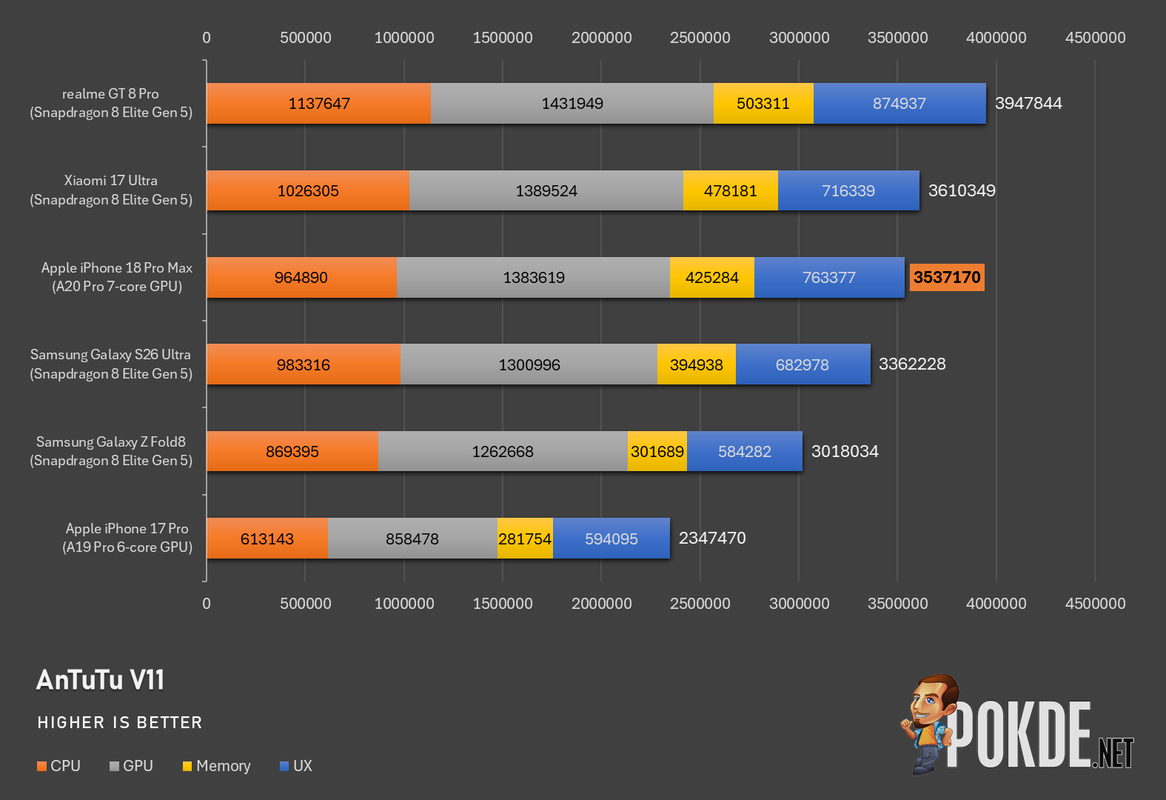
In AnTuTu V11, the iPhone 18 Pro Max scored 3,537,170 points. That’s a big jump of about 51% over the iPhone 17 Pro’s 2,347,470, but it is not the top of the chart. The realme GT 8 Pro (3,947,844) and Xiaomi 17 Ultra (3,610,349) still sit ahead of it. AnTuTu weighs memory and UX heavily, and the Snapdragon 8 Elite Gen 5 phones are tuned to do well there. So for once, the iPhone isn’t sitting on top of the chart here.
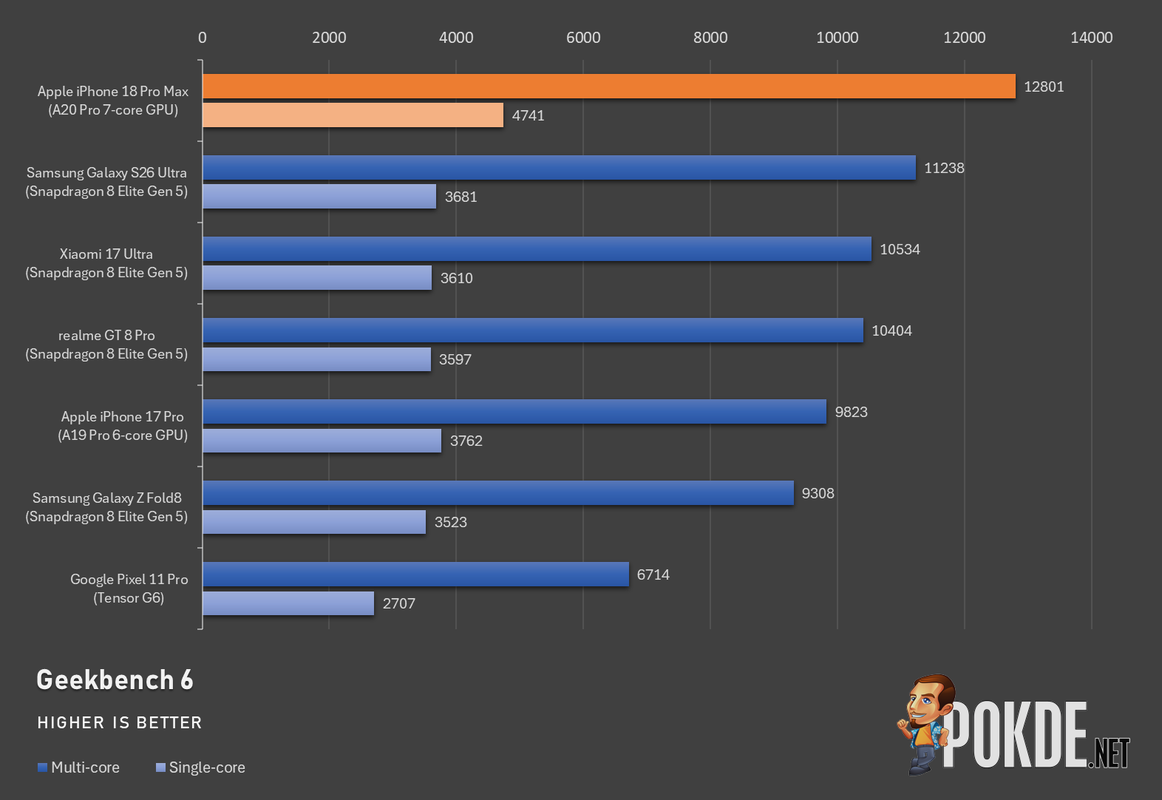
Geekbench 6 is where the A20 Pro starts to stretch its legs. The iPhone 18 Pro Max scored 4,741 in single-core and 12,801 in multi-core, the highest on both counts in my chart. Against the iPhone 17 Pro (3,762 and 9,823), that’s about 26% more single-core and 30% more multi-core performance. The closest Android phone, the Samsung Galaxy S26 Ultra, trails at 3,681 and 11,238. In daily use, the single-core number is the one you feel, because it decides how quickly apps open and pages load.
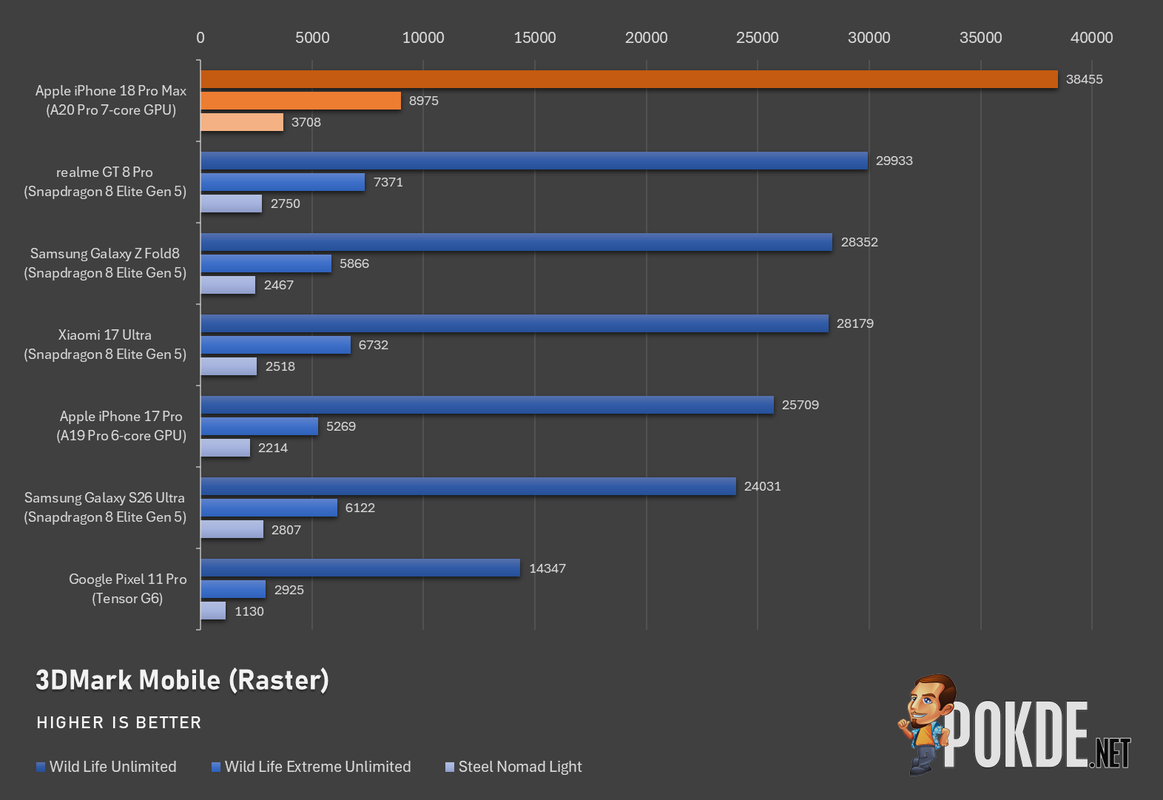
On to graphics. In 3DMark, the iPhone 18 Pro Max scored 38,455 in Wild Life Unlimited, 8,975 in Wild Life Extreme Unlimited and 3,708 in Steel Nomad Light. Compared with the iPhone 17 Pro, that’s roughly 50%, 70% and 67% higher respectively. Even the strongest Android phone I have tested this year, the realme GT 8 Pro, sits 22% to 35% behind it across all three tests. One extra GPU core alone doesn’t explain a jump this size. The new chip packaging and cooling are letting the GPU run much harder.
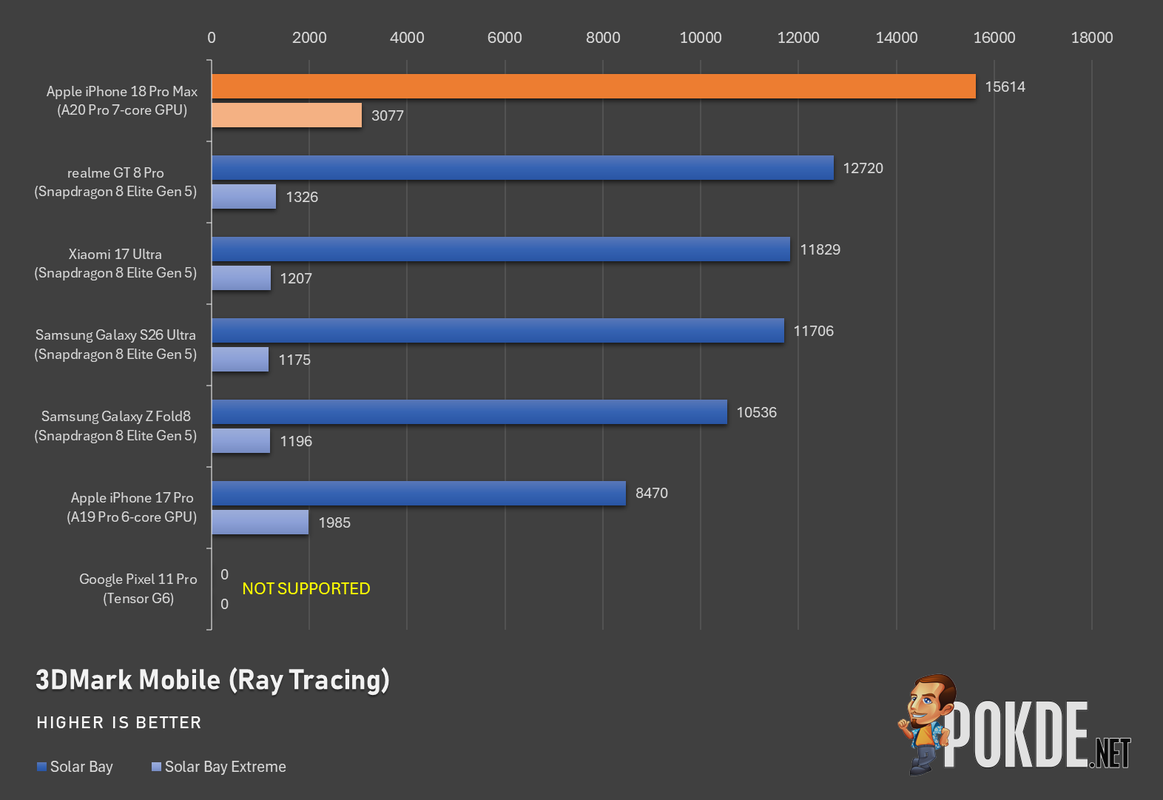
Ray tracing is where the gap gets almost unfair. The iPhone 18 Pro Max scored 15,614 in Solar Bay and 3,077 in Solar Bay Extreme. The best Android result in Solar Bay Extreme is 1,326 from the realme GT 8 Pro, so the iPhone more than doubles it. The iPhone 17 Pro scored 8,470 and 1,985, which makes this an 84% and 55% improvement in a single generation. If you play games with ray-traced lighting, this is the phone that will hold up the longest.
This one deserves a special pat on the back. Solar Bay is the benchmark we run specifically to gauge a phone’s gaming capabilities, and for years, the iPhone lagged behind in it. This year, the iPhone 18 Pro Max smashed the competition and came out far ahead, leaving every other phone I have tested behind. It shows how seriously the iPhone has matured as a device for AAA gaming. You are, after all, paying top dollar for this phone, and this time it delivers.
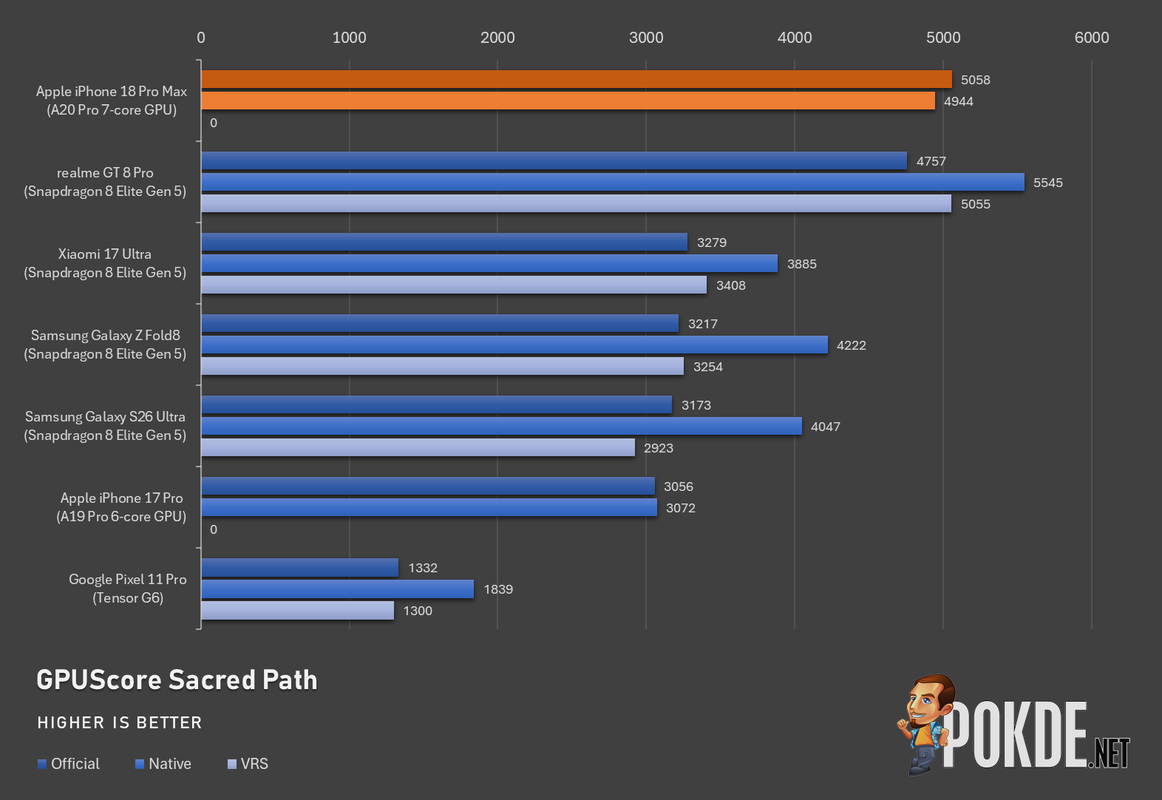
GPUScore Sacred Path tells a more balanced story. The iPhone 18 Pro Max scored 5,058 in Official and 4,944 in Native, up from 3,056 and 3,072 on the iPhone 17 Pro, which is around 61% to 66% faster. The realme GT 8 Pro beats it in Native (5,545) and also runs the VRS test that iPhones don’t support in this benchmark, but the iPhone still leads the Official result. Every other phone on the chart sits well below 4,300.
The Stress Test: Pushing Past The 60fps Cap
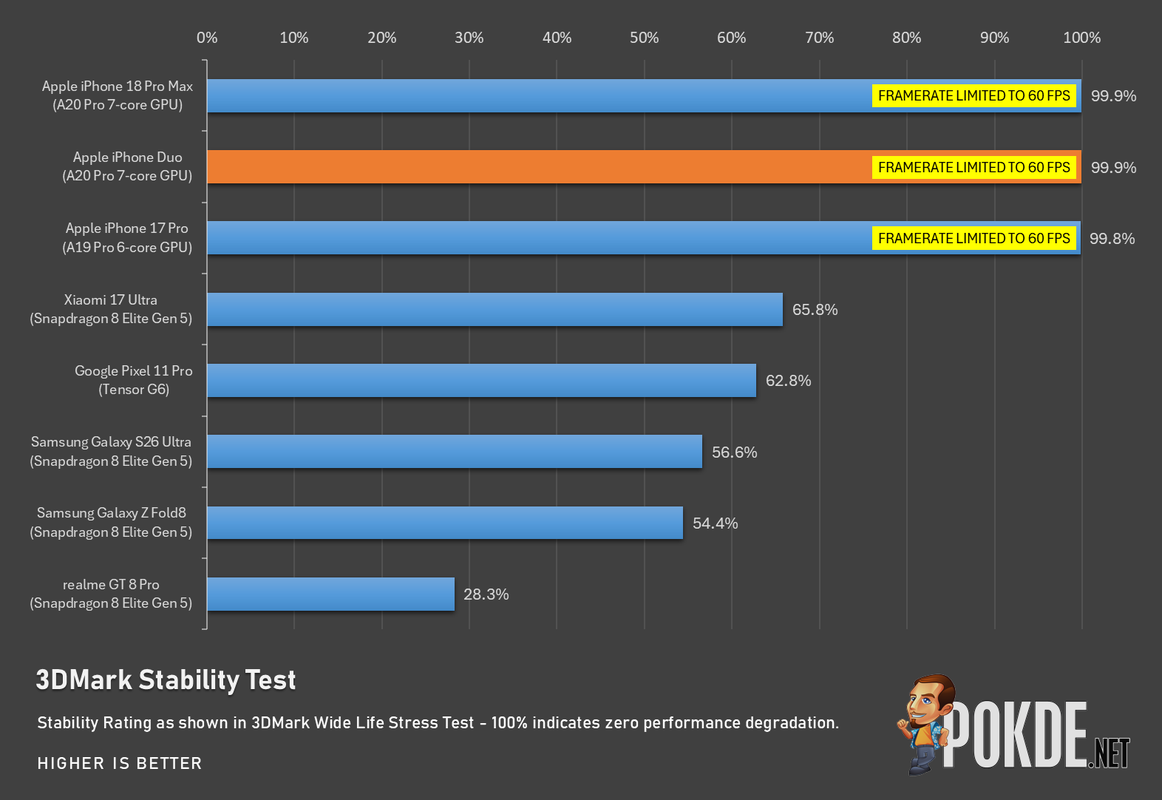
The standard 3DMark Wild Life Stress Test runs 20 loops to see how well a phone holds its performance. On the iPhone 18 Pro Max, it scored 99.9% stability, just like the iPhone 17 Pro (99.8%) last year. But on iOS, the standard Wild Life test caps the frame rate at 60 fps. The iPhone 18 Pro Max sat at that cap for all 20 loops, so the test never pushed it hard enough to throttle. Android phones don’t have this cap, which is why they show figures between 28% and 66%. The iPhone results on this chart are accurate, but they aren’t comparable with the Android ones, which is why I’ve labelled them as frame rate limited.
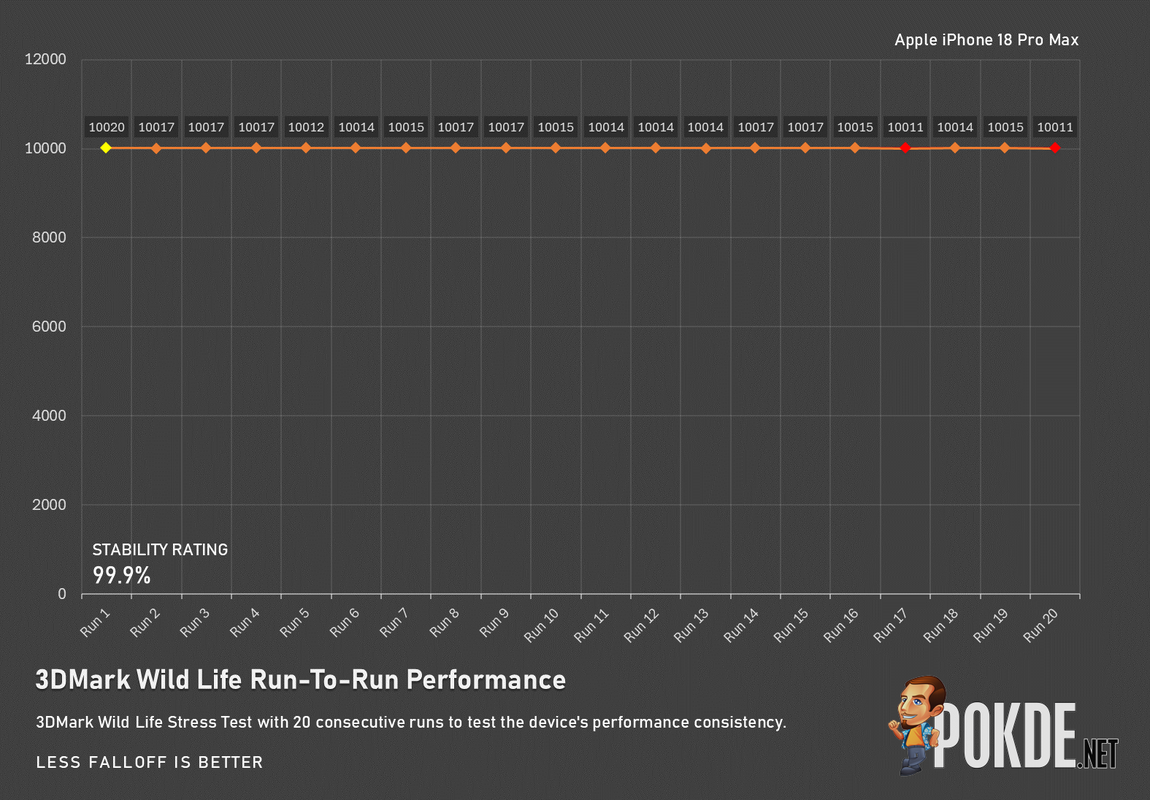
To give the A20 Pro a proper push, I also ran the Wild Life Unlimited Stress Test, which removes the frame rate cap. Then I ran the exact same test on my own iPhone 17 Pro Max under the same conditions.
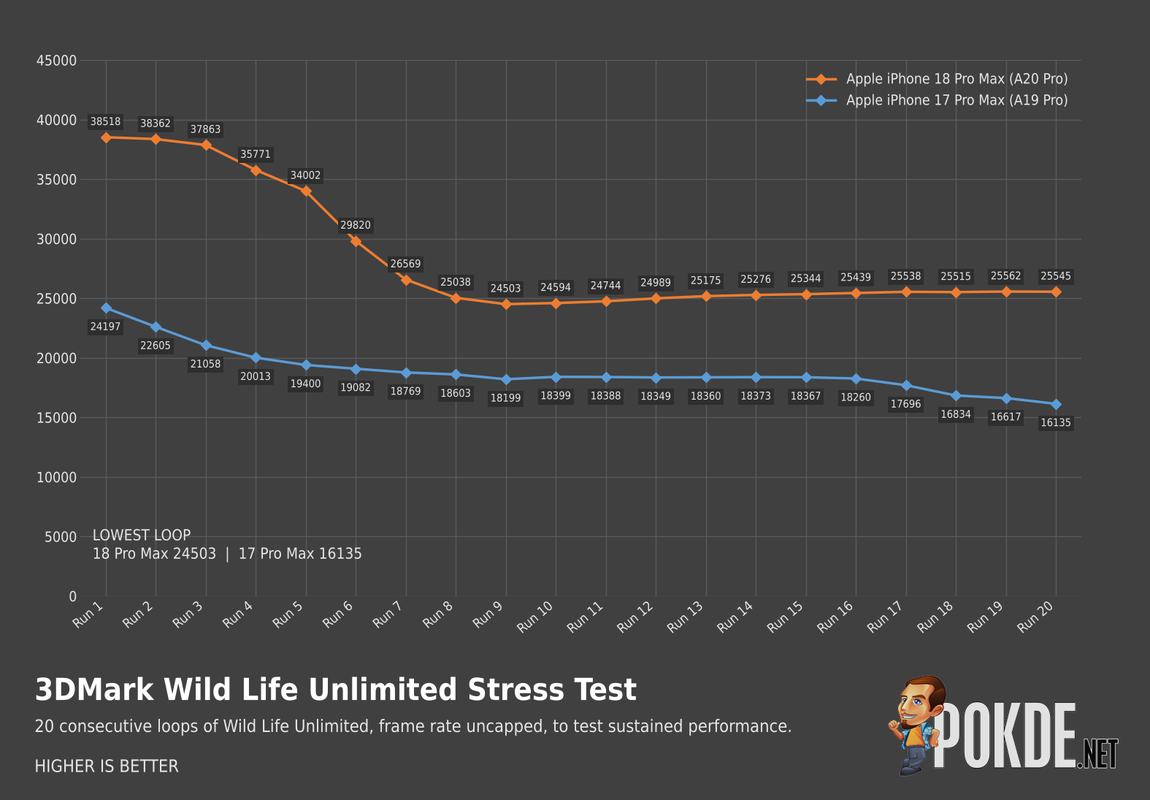
This is the chart that tells the real story. The iPhone 18 Pro Max started at 38,518 and throttled gradually to its lowest point of 24,503 on loop 9. After that, it recovered slightly and settled at around 25,500 for the rest of the run. The iPhone 17 Pro Max started at 24,197, held around 18,300 for most of the run, then kept sliding and ended at 16,135 on the final loop, still dropping.
Put simply, the slowest loop on the iPhone 18 Pro Max is faster than the fastest loop on the iPhone 17 Pro Max. Across all 20 loops, it was 50% faster on average, and once both phones were fully heat-soaked from loop 10 onwards, it stayed 42% ahead. At no point in the run was the lead smaller than 34%.
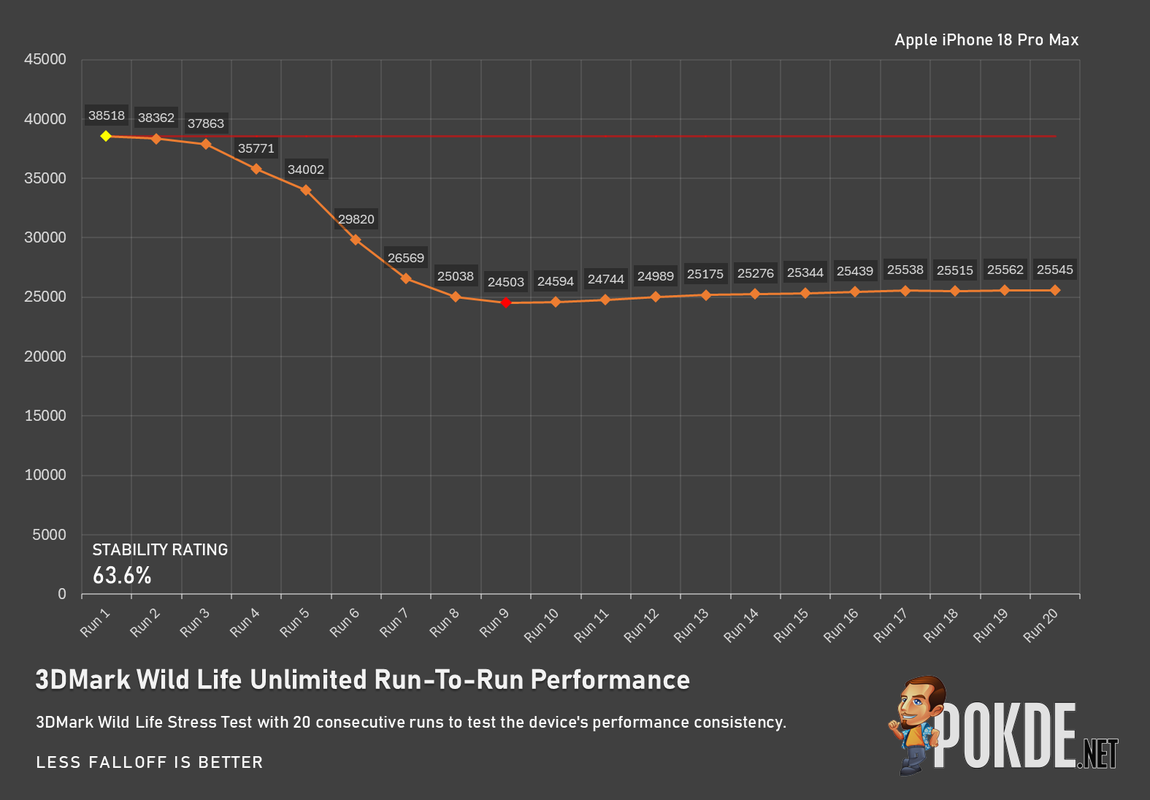
You may notice that the stability rating reads 63.6% for the iPhone 18 Pro Max and 66.7% for the iPhone 17 Pro Max. Don’t let that fool you. The stability rating only measures how far a phone drops from its own best loop. The iPhone 18 Pro Max starts so much higher that it has more room to fall, yet it’s faster than the iPhone 17 Pro Max on every single loop. The other thing I noticed is that the iPhone 18 Pro Max levels off and climbs back up, while the iPhone 17 Pro Max was still losing performance when the test ended.
There’s one more detail in that chart worth pointing out. After bottoming out at loop 9, the iPhone 18 Pro Max doesn’t just hold steady. It gradually climbs back up all the way to loop 20, from 24,503 to around 25,500. To me, that slow recovery is the clearest proof that the vapour chamber is doing an excellent job, because the phone is getting rid of heat faster than it builds up. In my testing, not many devices manage to rise again after the fall. Most either flatten out or keep sliding, just like my iPhone 17 Pro Max did.
So yes, the iPhone 18 Pro Max does throttle when you push it to the limit, like every other phone. But even its throttled floor is higher than the best single Wild Life Unlimited run from the Samsung Galaxy S26 Ultra (24,031) in my charts, and that’s the part that matters if you play long gaming sessions or edit videos on the go.
In real use, my experience is a little mixed. Gaming doesn’t feel half as bad as I expected. Long video shoots are a different story. After recording for a while, the camera plateau gets noticeably warmer than it does on my iPhone 17 Pro Max, which I have used daily for a year, so I know what normal feels like. Interestingly, the heat stays around the plateau instead of spreading across the whole body. My guess is that the chip generates a lot of heat and the vapour chamber does spread it well, but the plateau, where all the processing happens, is where the heat builds up first while it waits to be carried away.
iPhone 18 Pro Max Battery Test
Since PCMark’s Battery Test isn’t available on iOS, I rely on real-world testing for iPhones, the same way I did for the iPhone 17 Pro Max. My daily use is mostly communication, social media, navigation and work, and I don’t game on my primary phone. I took the iPhone 18 Pro Max off the charger at noon and used it as my daily driver until it ran low.
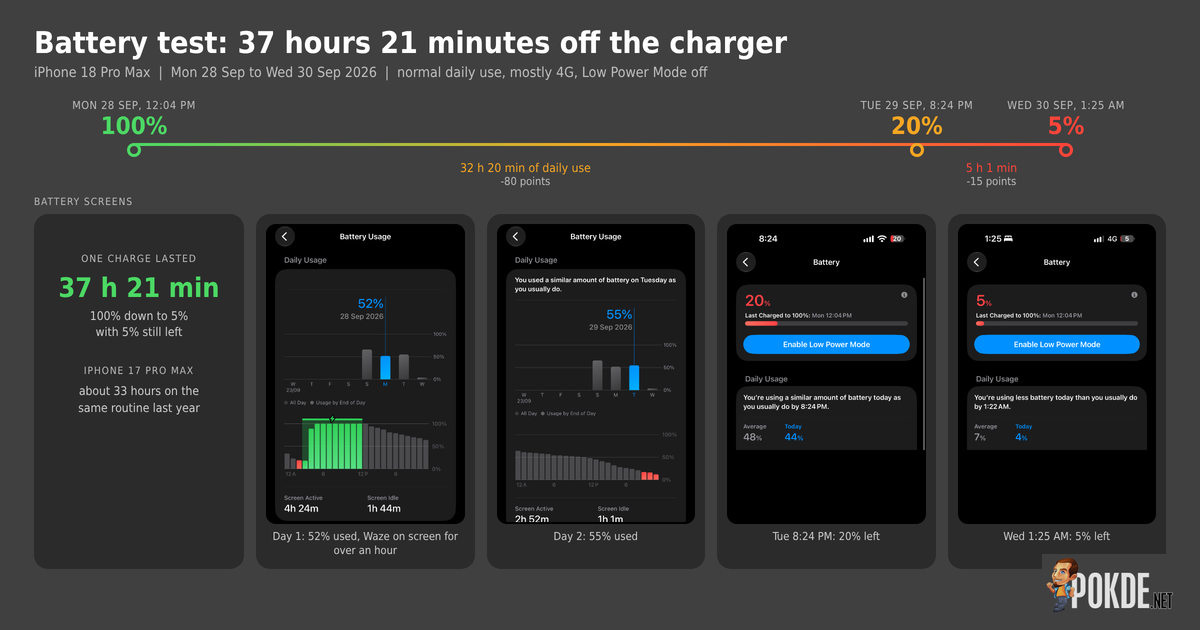
I unplugged it at 12:04 PM on a Monday. On the first day, it navigated me around with Waze on screen for over an hour, on top of the usual Facebook, WhatsApp and smart home controls, mostly on 4G. By 8:24 PM the next day, it still had 20% left. It finally hit 5% at 1:25 AM on Wednesday, which works out to 37 hours and 21 minutes from full to 5%, with charge still left in the tank.
For comparison, the iPhone 17 Pro Max ran for about 33 hours on the same routine last year before switching off at around 2%. The iPhone 18 Pro Max went over four hours longer and still had 5% to spare. Considering how heavy my first day was, I’m confident most people will comfortably get two days out of this phone.
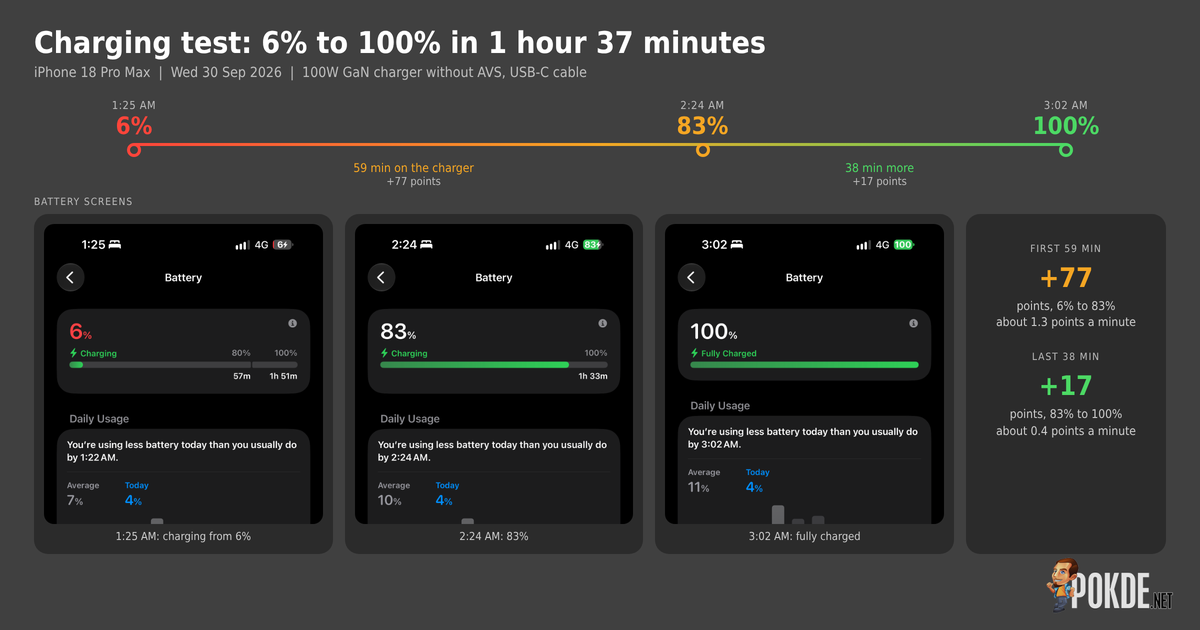
For charging, I used the same 100W GaN charger as last year. The iPhone 18 Pro Max went from 6% to 83% in 59 minutes and reached 100% in 1 hour and 37 minutes, about the same pace the iPhone 17 Pro Max managed on this charger. There’s a catch here though. The faster wired charging on this generation needs a 60W-capable USB PD adapter with Adjustable Voltage Supply (AVS), and my trusty old GaN charger doesn’t support AVS. So if you’re hoping for faster charging, check your charger first, because an older one like mine will simply charge it at last year’s speed. Wireless charging through MagSafe and Qi2 goes up to 25W.
iPhone 18 Pro Max Camera
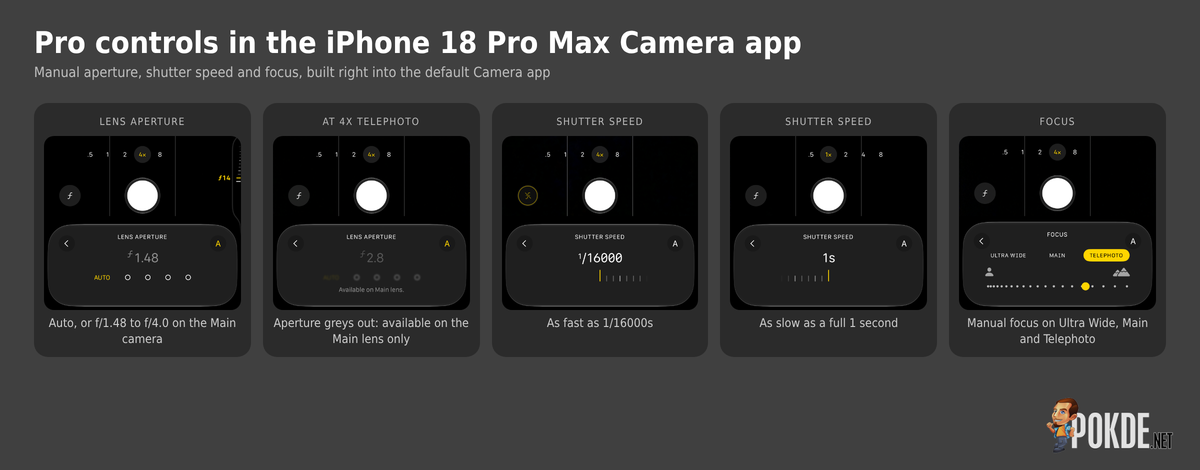
The biggest change in the camera this year is the 48MP Fusion Main camera with variable aperture. Instead of a fixed opening, it can switch between f/1.48, f/1.8, f/2.8 and f/4.0. By default, the camera picks the aperture on its own, and I could see it in my photos. Shots taken in daylight and indoors came out at f/1.8, while my night shots opened up all the way to f/1.48 to pull in more light.
In practice, though, don’t expect a dramatic change in background blur between f/1.48 and f/4.0. Stopping down does bring a little more of the scene into focus, but the difference in depth of field is subtle.
There’s also something that will make a lot of people happy. In our iPhone 17 Pro piece last year, one of the biggest complaints was the lack of a Pro mode and manual shutter control. The iPhone 18 Pro Max now has Pro controls built right into the Camera app. I could set the shutter speed anywhere from 1/16000s to a full second on all three rear cameras, while aperture control is limited to the Main camera. Switch to 4x and the aperture options grey out.
Where the aperture does make a visible difference is with lights. Point it at a scene full of lights and they start turning into little stars. You can already see it at f/1.8 in this shot I took at KLIA, and the effect gets stronger the smaller you go towards f/4.0.

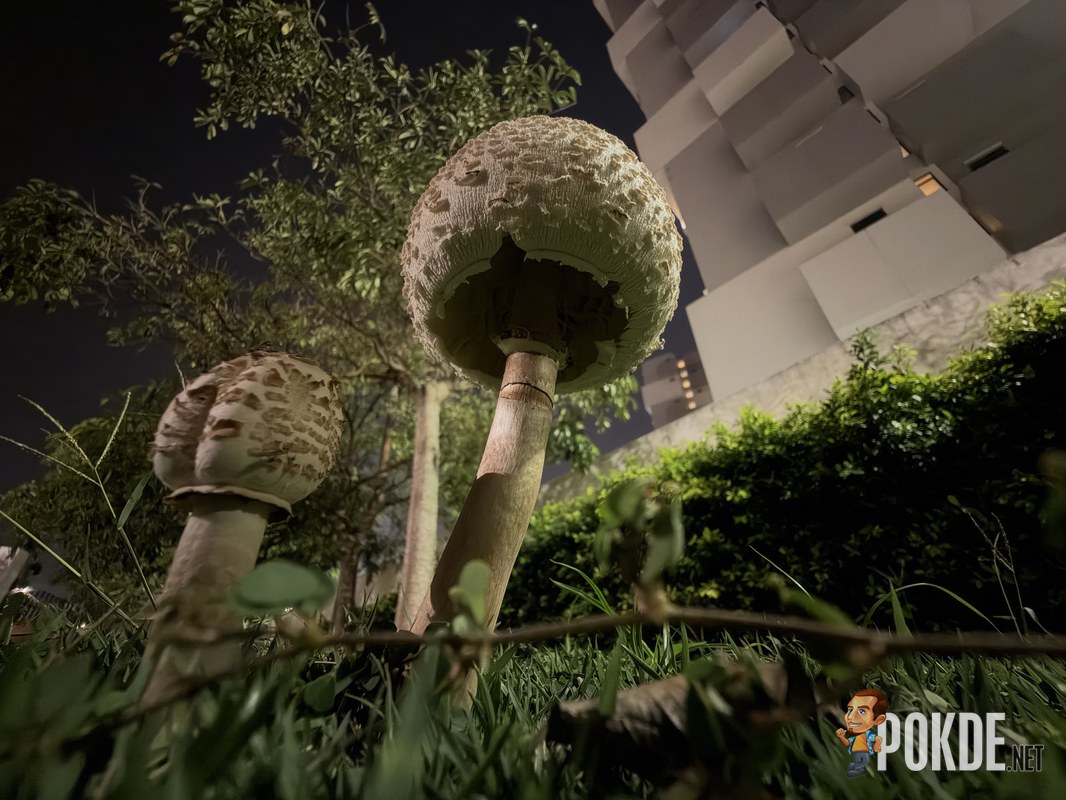
Low light is where this camera surprised me the most. I shot these mushrooms at night with very little light around them, on the Ultra Wide camera, handheld. It still pulled off a proper macro shot with plenty of detail.
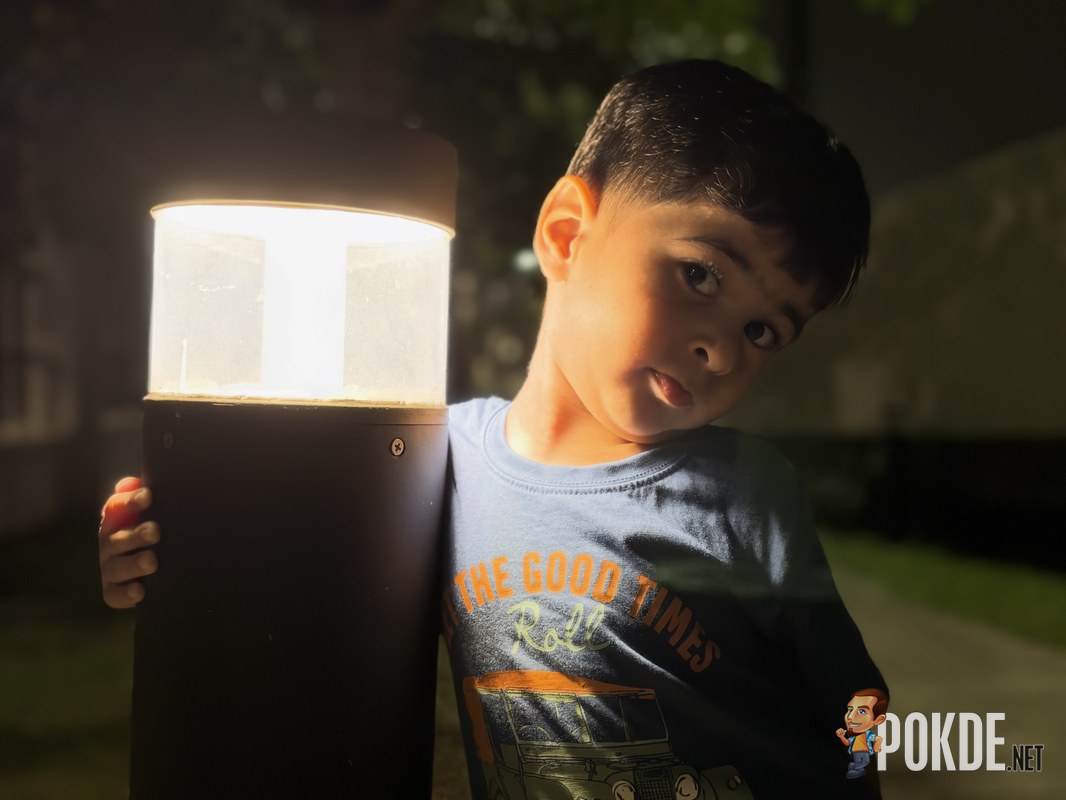
For portraits at night, I tried a tough one with the light source right next to my subject. The camera opened up to f/1.48 and kept the face well exposed without blowing out the lamp.
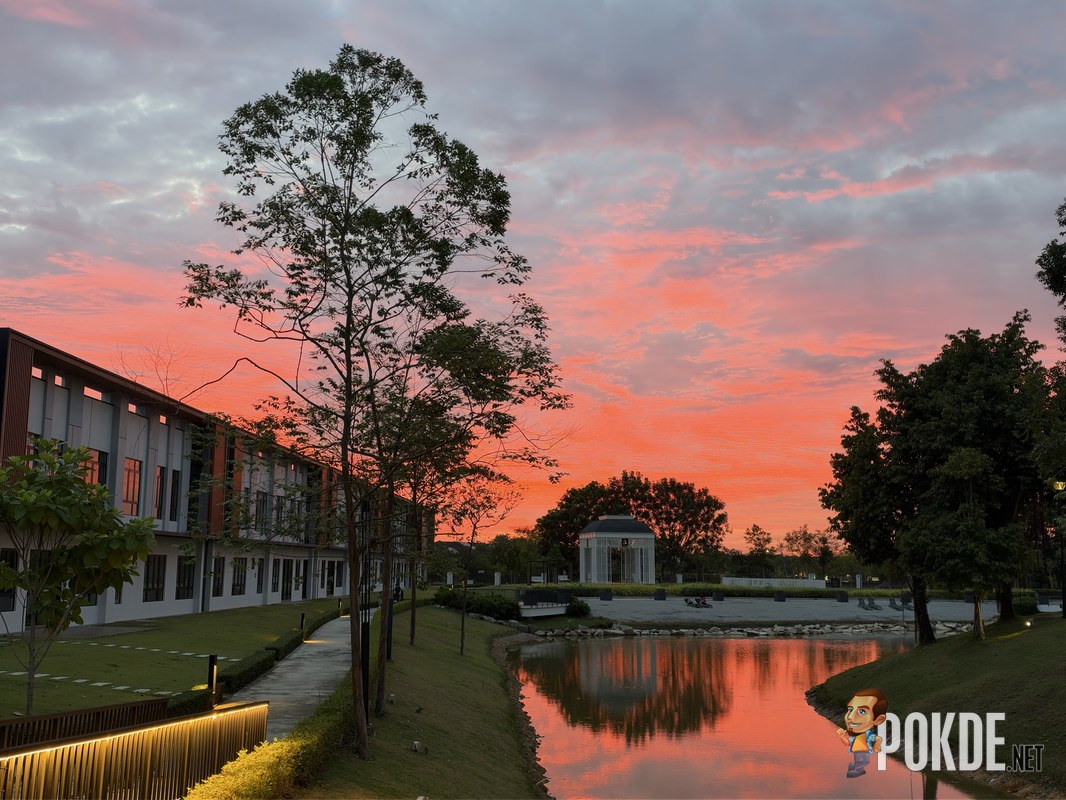
The same goes for this sunset I caught one evening. The Main camera opened up to f/1.48, and the orange sky, the clouds and the reflection on the pond all came through without the highlights blowing out or the shadows turning to mush.
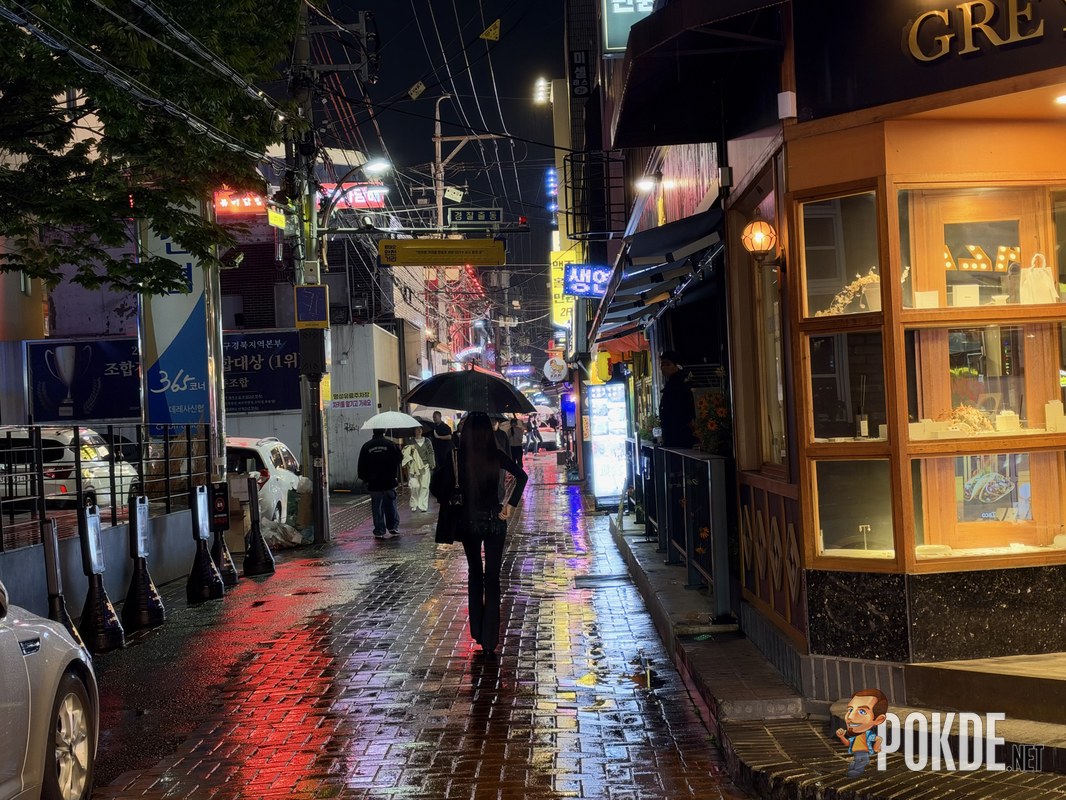
This night street shot in Daegu, Korea is one of my favourites from the whole review. The wet street, the shop lights and the people walking past all came out just the way I saw them.
For zoom, the iPhone 18 Pro Max goes from 0.5x on the Ultra Wide, through the 1x and 2x Main camera, to 4x and 8x on the Telephoto, all the way up to 40x digital zoom. Here are two sets that run through the full range.
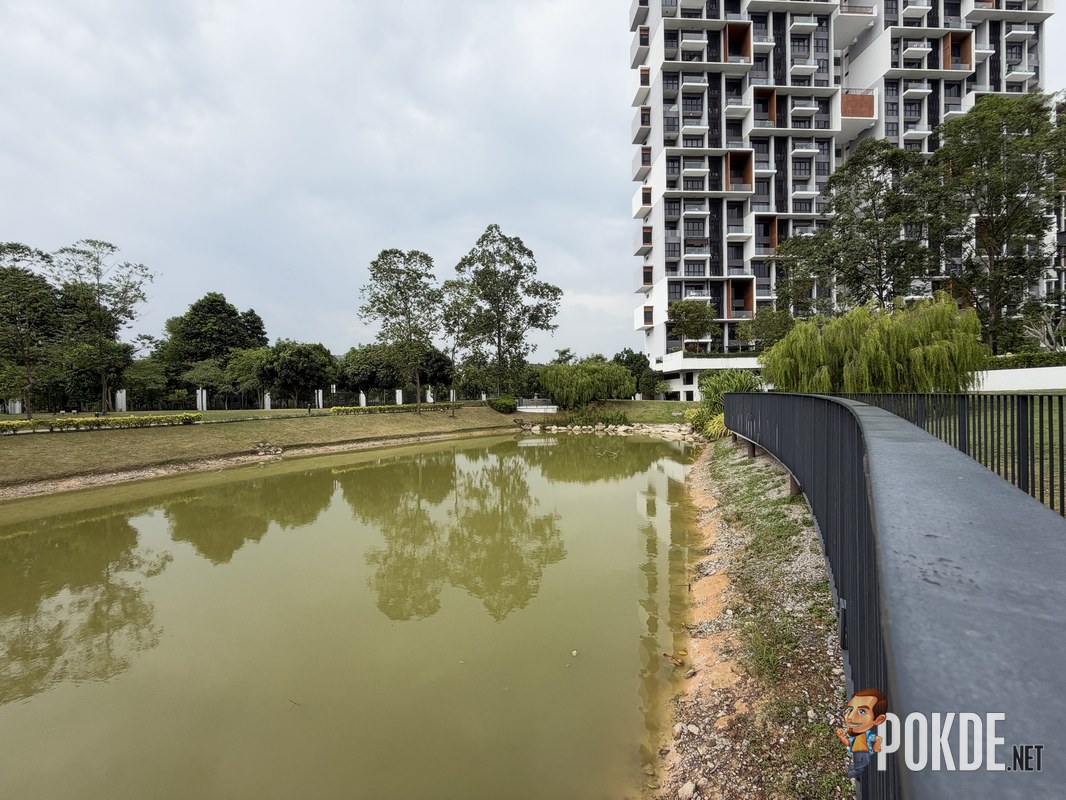
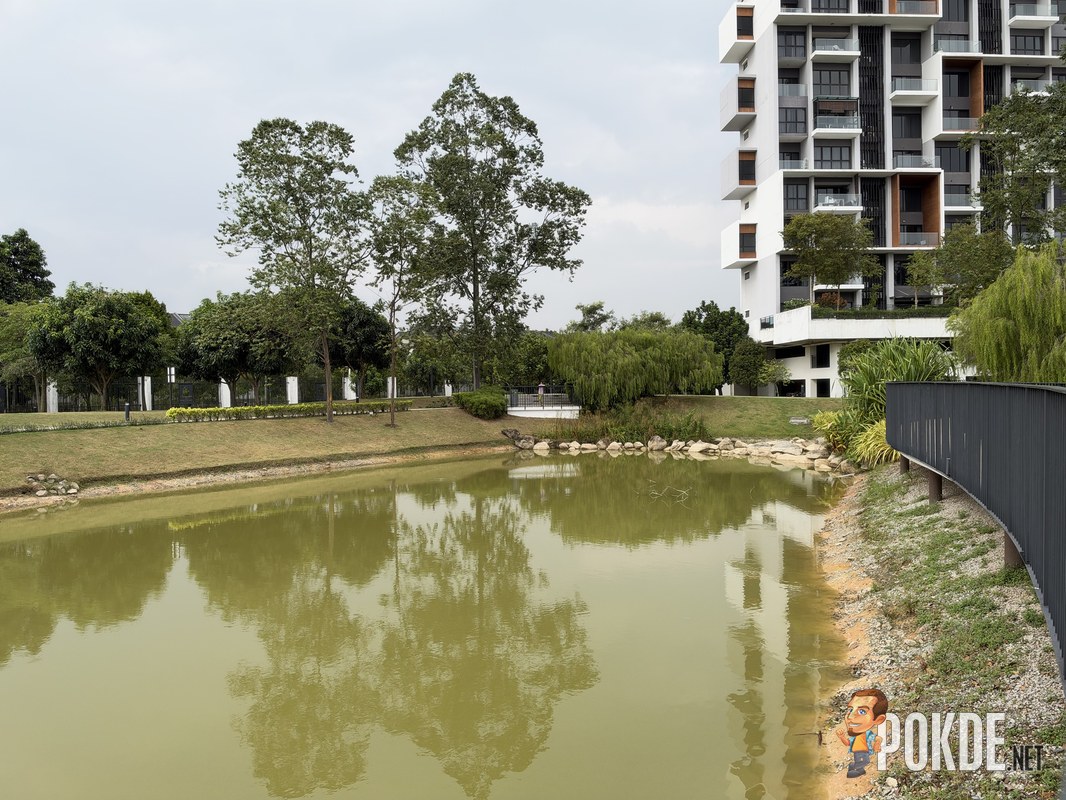
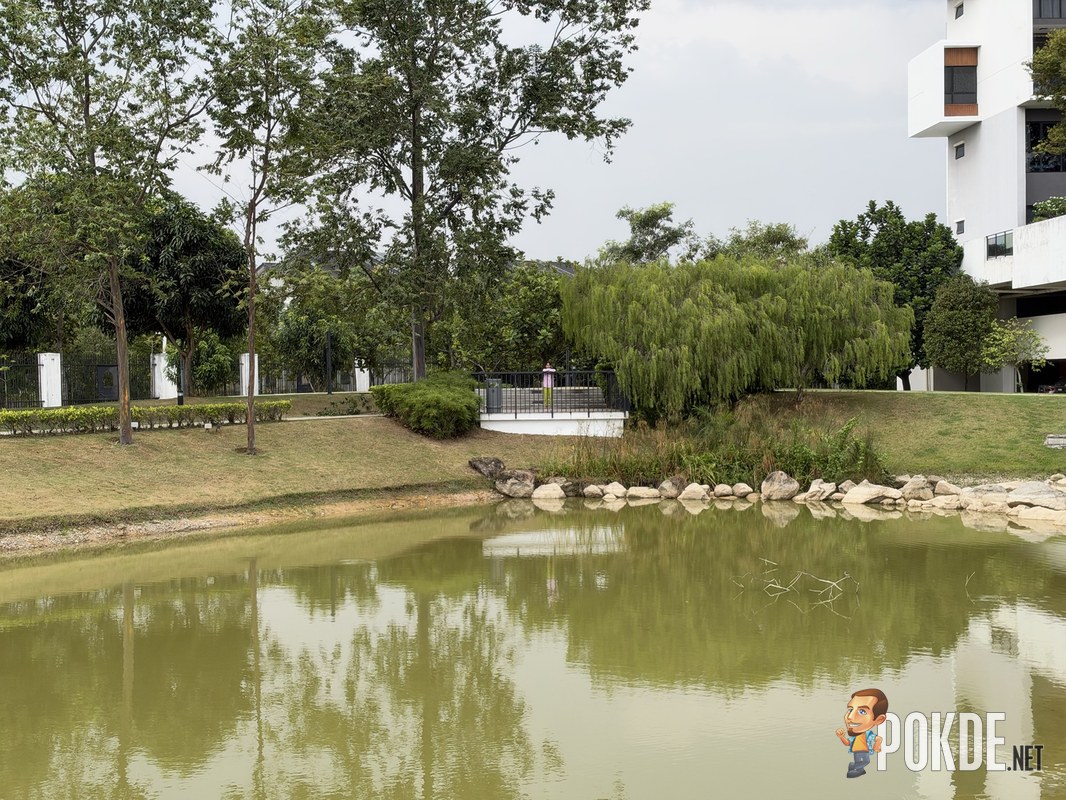
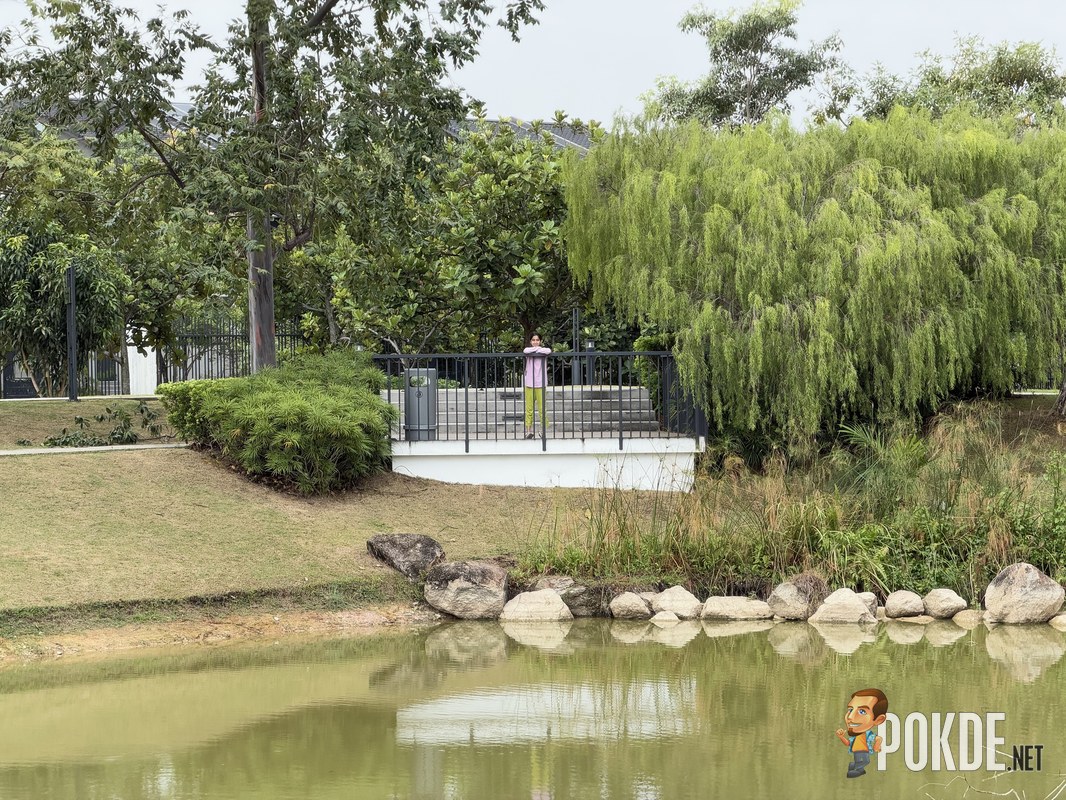
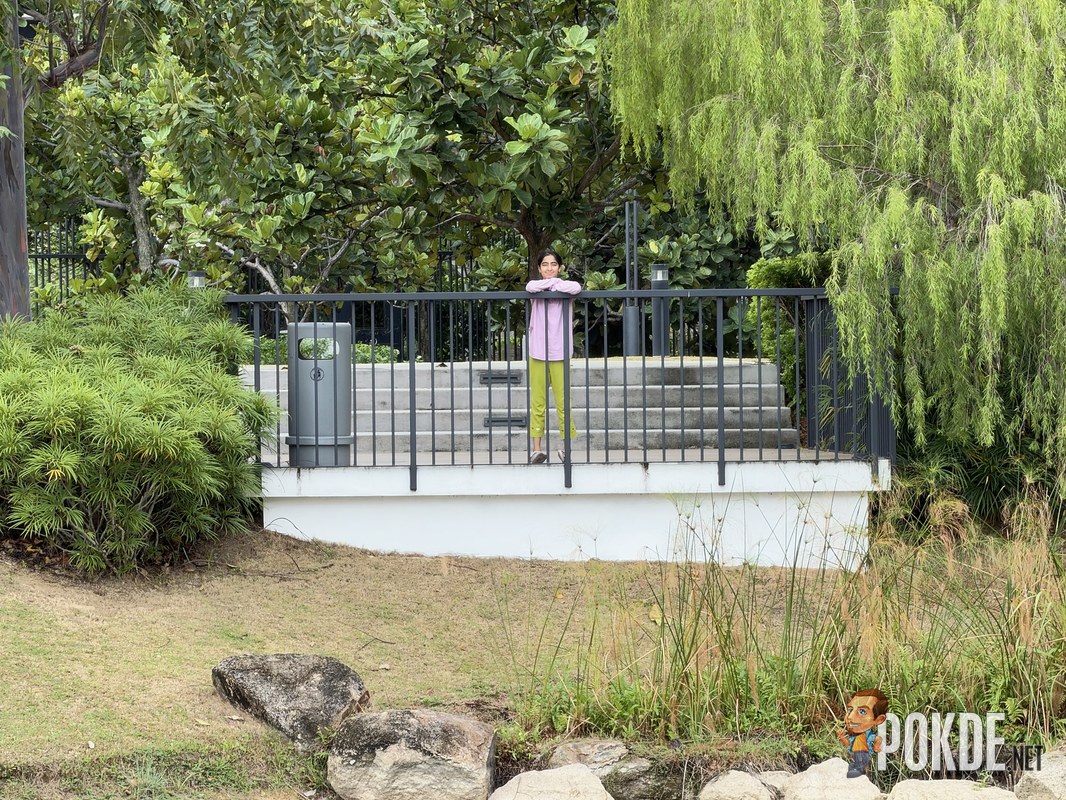
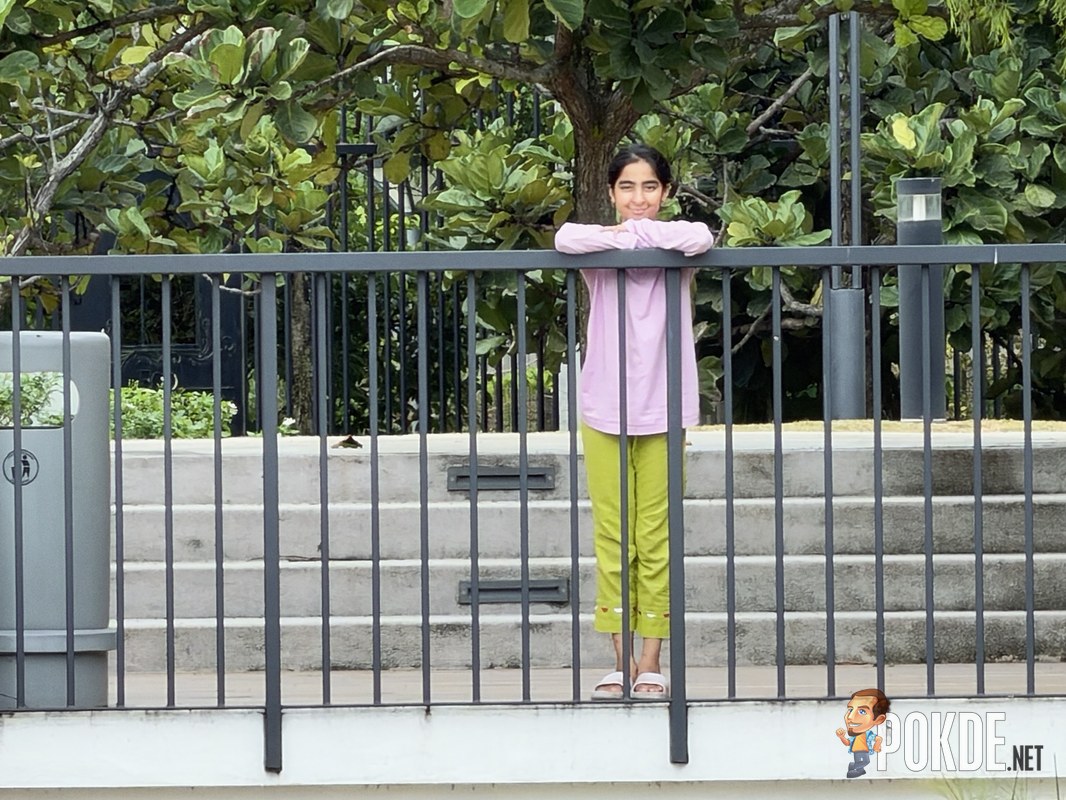
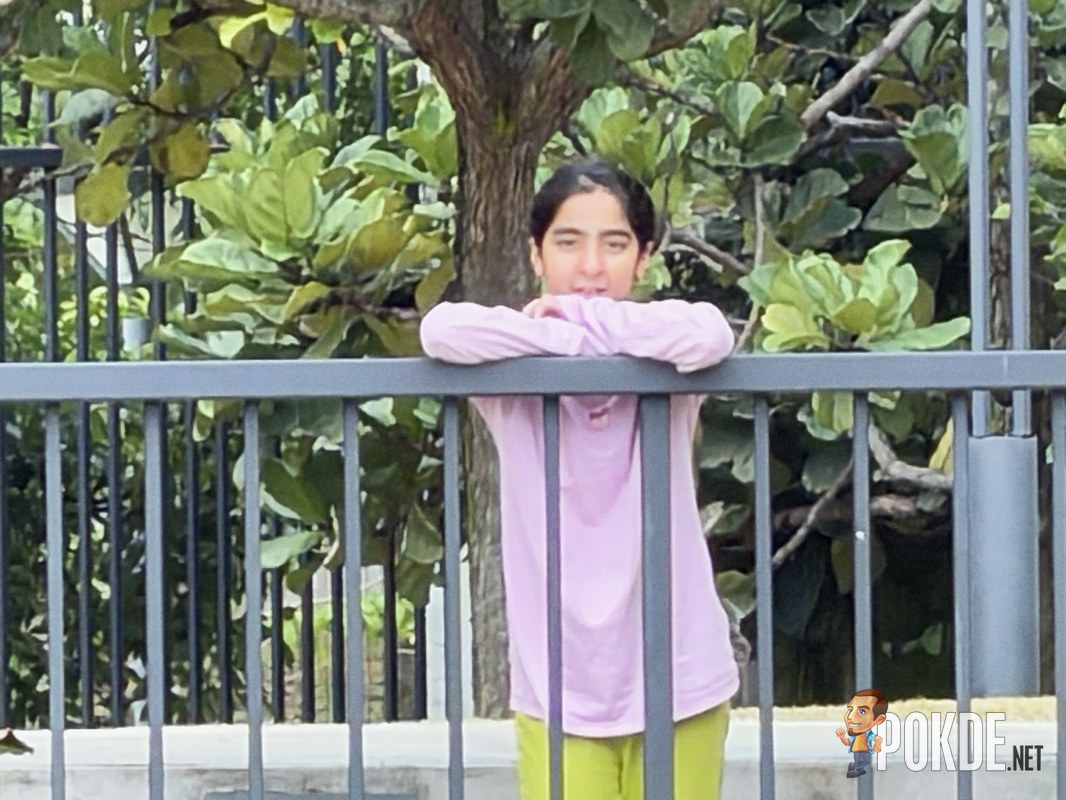
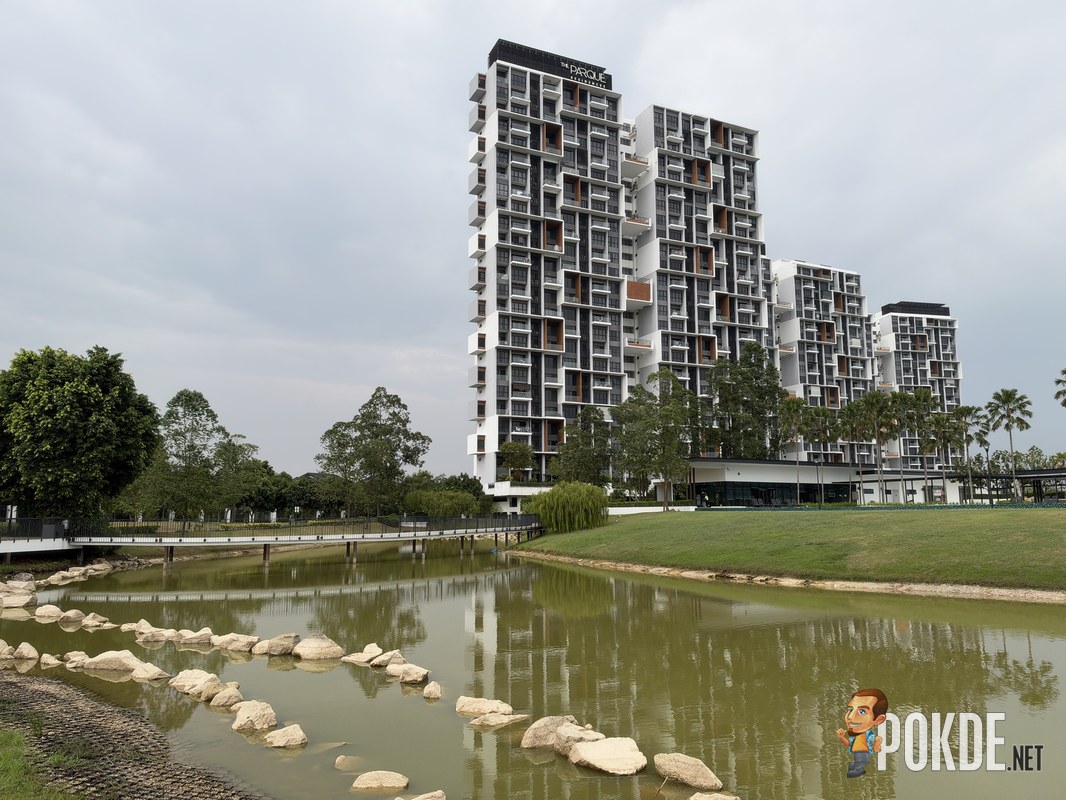
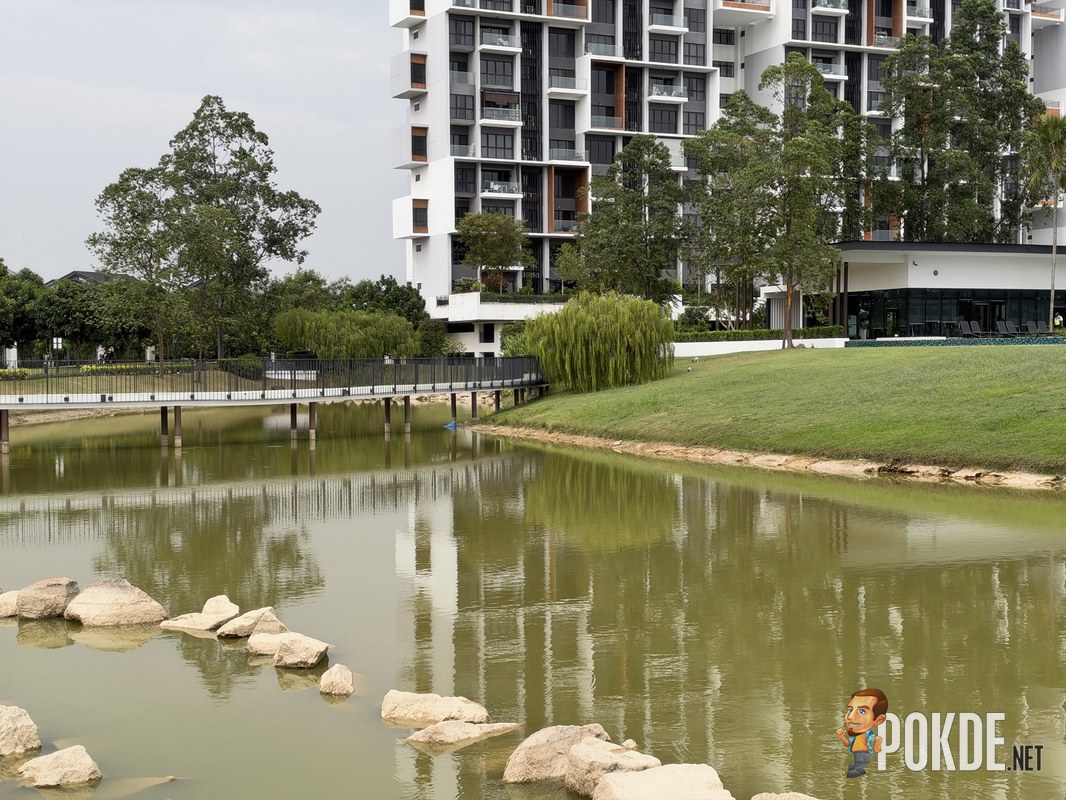
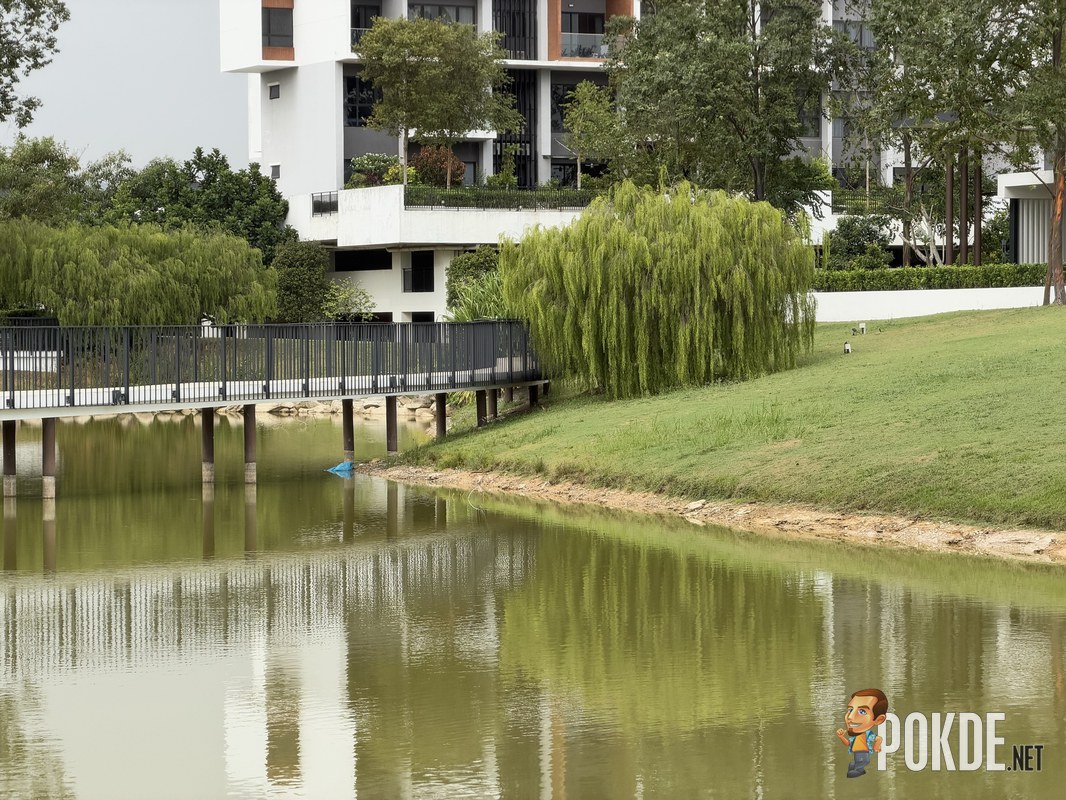
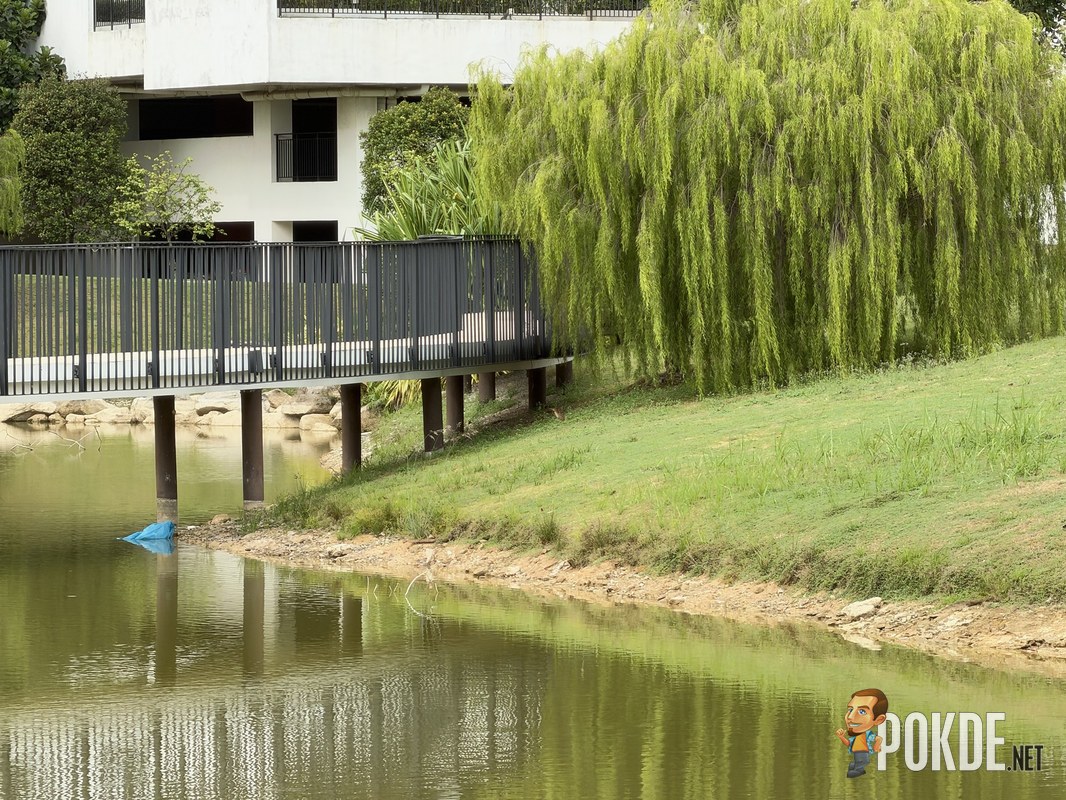
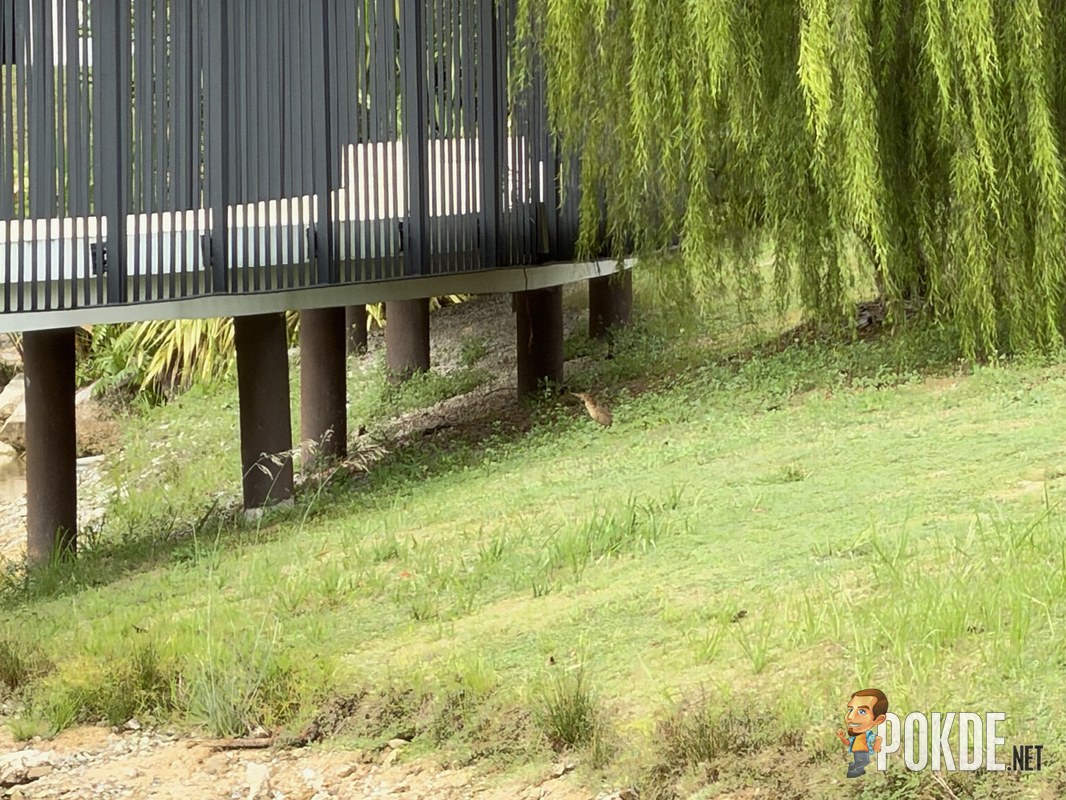

I also took a shot of the moon at 8x and again at 40x. At 40x, the surface details are still visible, which is impressive for a phone held in hand. Oh, and before anyone asks, this is not an overblown AI image of the moon.
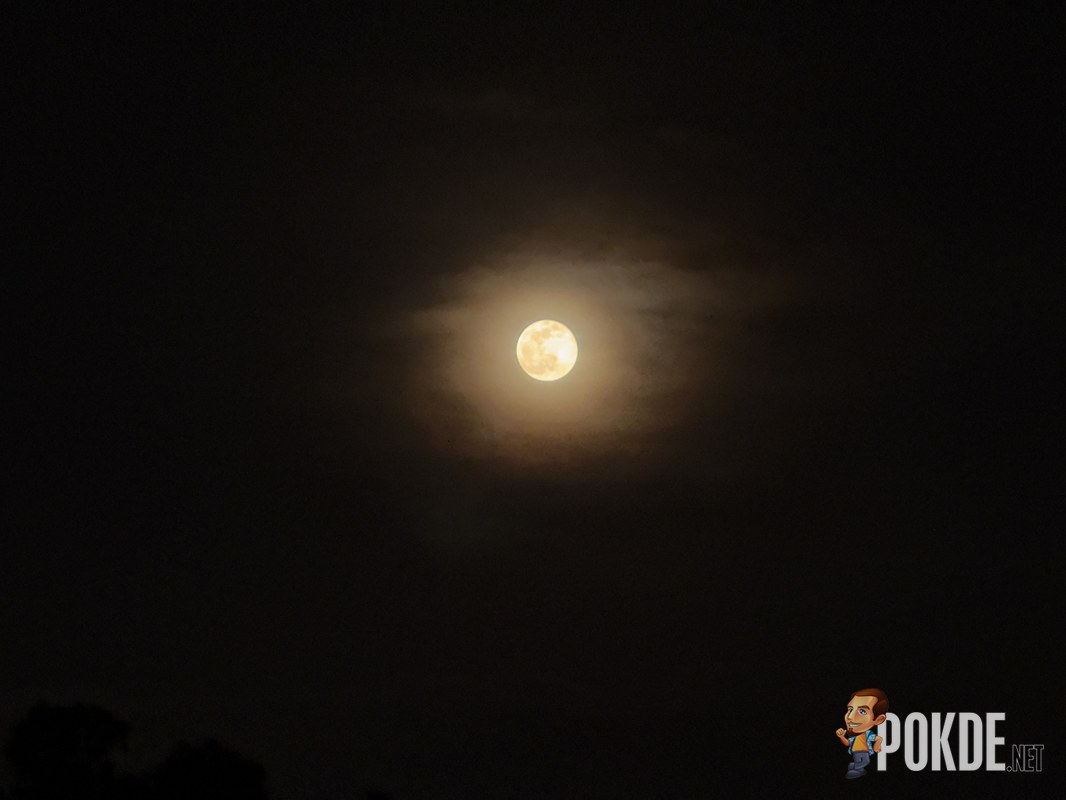
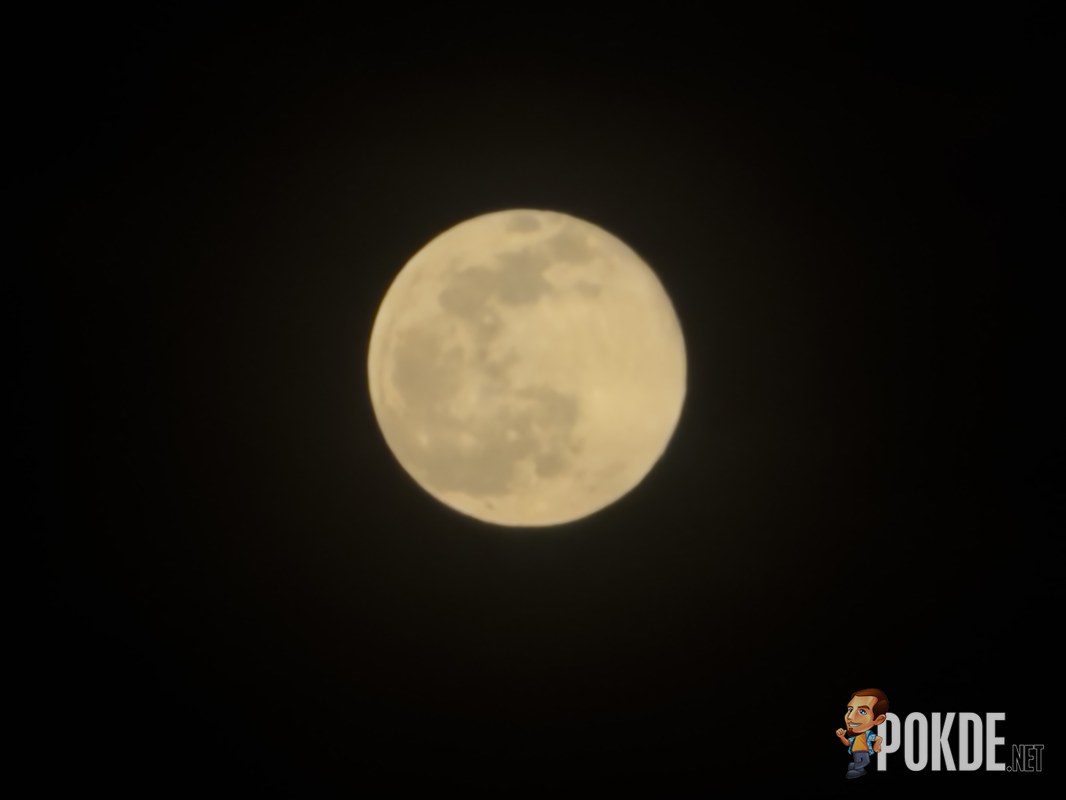
Even through the window of an aircraft, the 4x Telephoto camera kept the planes on the apron sharp and clean.

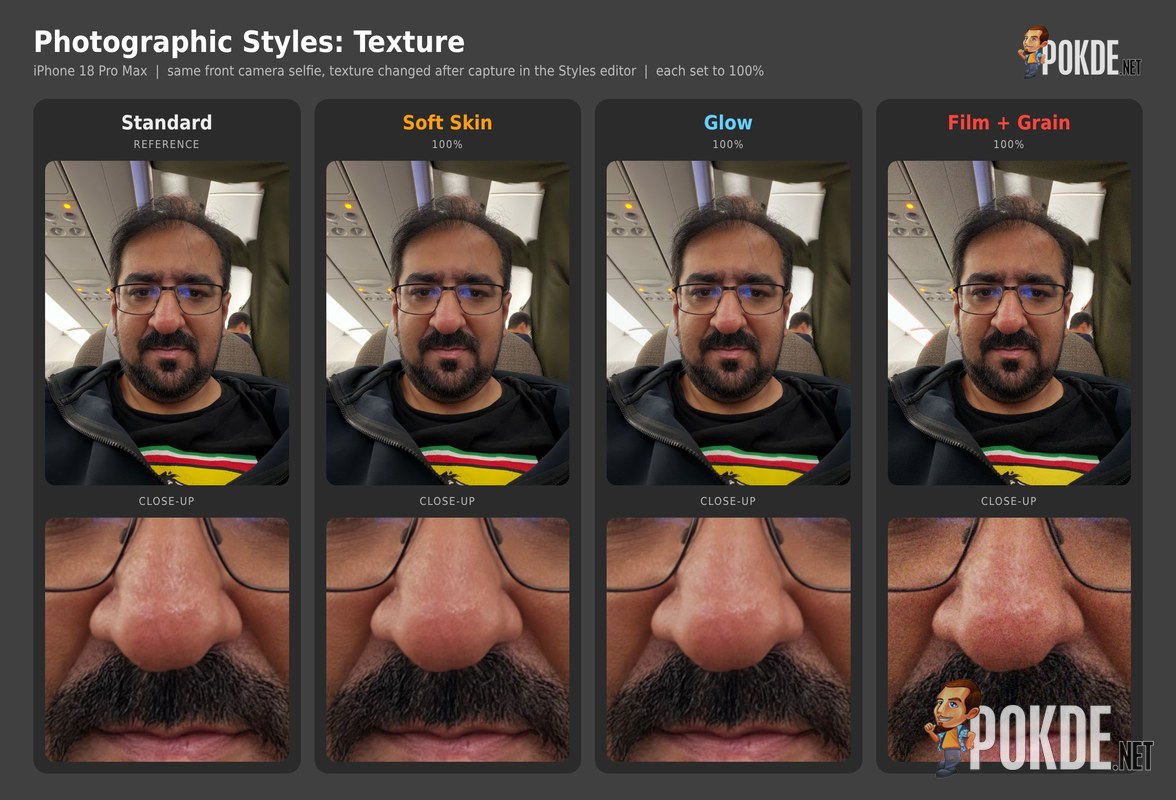
One feature I have grown to love is Photographic Styles 3. Photographic Styles first arrived on the iPhone 13, and the iPhone 16 series reworked them so you could change the look of a photo even after taking it, which already made post-processing a breeze for me. Photographic Styles 3 takes it a step further with texture and grain controls. Turn the texture down and photos look cleaner and less processed, with skin smoothing that still keeps real skin texture instead of turning faces into plastic. Add some grain and the same photo suddenly gets a film-like, artistic feel, the kind of look I would normally reach for an editing app to get. Since the style can be changed at any time, I can play around with the mood of a shot long after I have taken it.
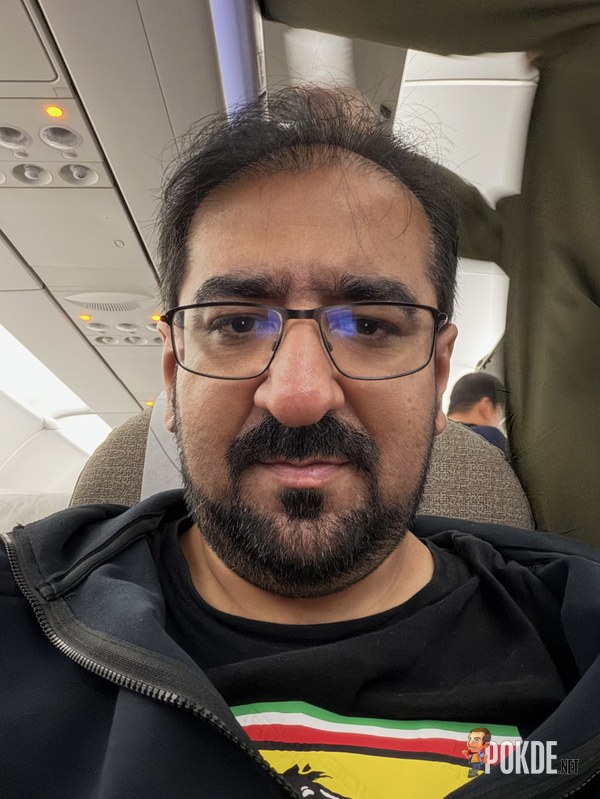
To see how far each texture goes, I took a selfie with the front camera on a flight and ran it through every texture option in the Styles editor, each pushed all the way to 100%, with Standard as the reference. Soft Skin is the most subtle of the lot. Even at full strength it only evens out the skin slightly around the nose and cheeks, while my beard and the pores on my nose keep their detail. Glow lifts the highlights a touch and gives the skin a softer sheen. Film, with Grain switched on, is the most obvious one, adding visible grain across the whole frame and a warmer tint to the highlights. All of it was done after the shot was taken, and I can switch back to Standard at any time.
There’s also a brand-new feature called Apple Reference Image, and I think it is one of the more forward-looking additions this year. It is opt-in. Once enabled, the Main camera sensor captures a reference image alongside your regular photo at the moment you press the shutter, signing it pixel by pixel. Later, you can develop that reference in the Photos app and toggle between the photo and the reference to confirm what the sensor actually saw, with metadata that works like a timestamp that can’t be altered. Think of it as a digital negative you can always go back to.
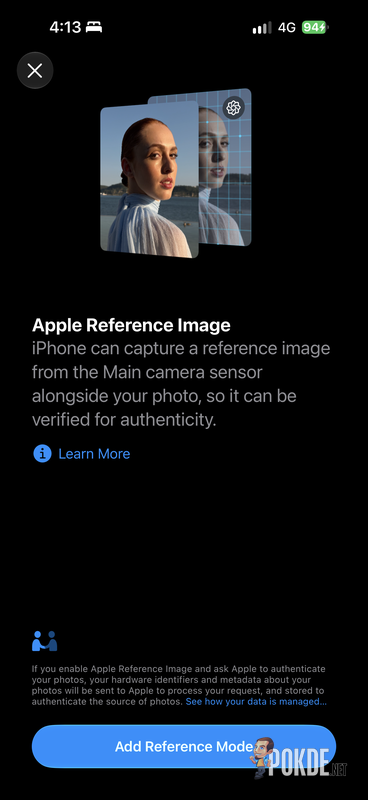
Do note that verifying a photo is done in the cloud, and the setup screen states upfront that your hardware identifiers and photo metadata are sent to Apple when you ask for a photo to be authenticated. With AI-generated images getting harder and harder to tell apart from real ones, I can see this becoming very handy soon, whether it is proving that a news photo is genuine or showing that a photo hasn’t been tampered with.
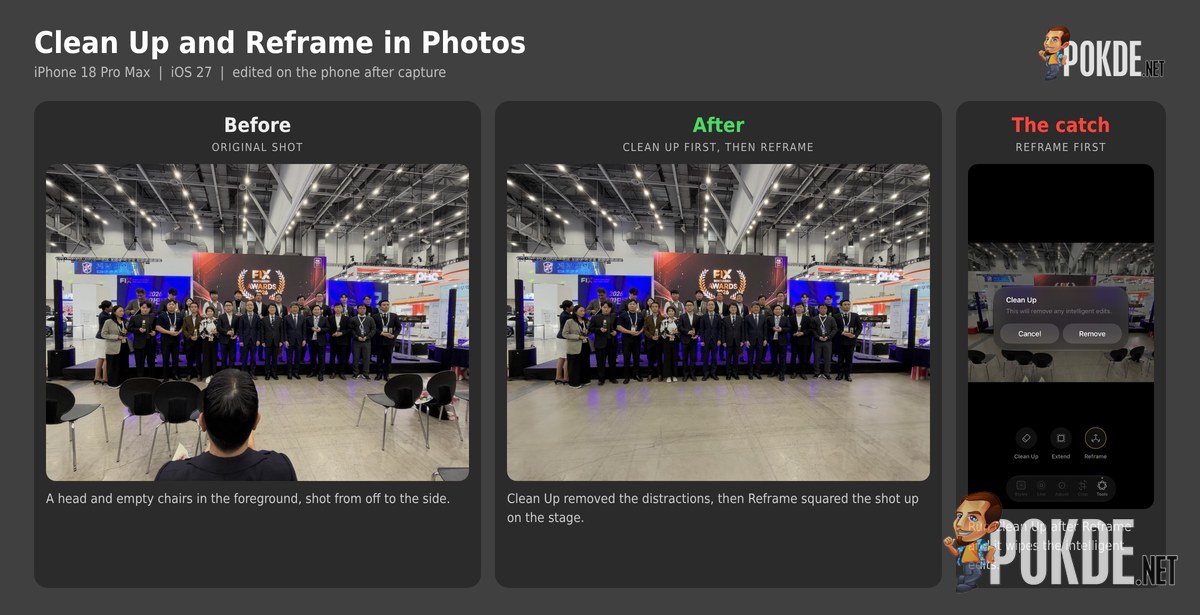
AI photography also gets a new trick in iOS 27 called Reframe, which sits in the Photos app right next to Clean Up and Extend. At FIX 2026 in Daegu, I took a photo of the award winners from off to the side, with someone’s head and a row of empty chairs in the way. I used Clean Up to remove them, then Reframe to square the shot up on the stage, and the result looks like a properly composed group photo. Clean Up also now has a High Quality option for better results.
There’s a catch though, and the order matters. If you Reframe first and then try Clean Up, the Photos app warns that it will remove any intelligent edits, and going ahead wipes the Reframe you just did. Run Clean Up first, then Reframe, and it works just fine.
Video is still the iPhone’s strongest suit. I shot this clip at night in 4K HDR while running, and it turned out great. It was totally effortless, and the stabilisation is insanely good.
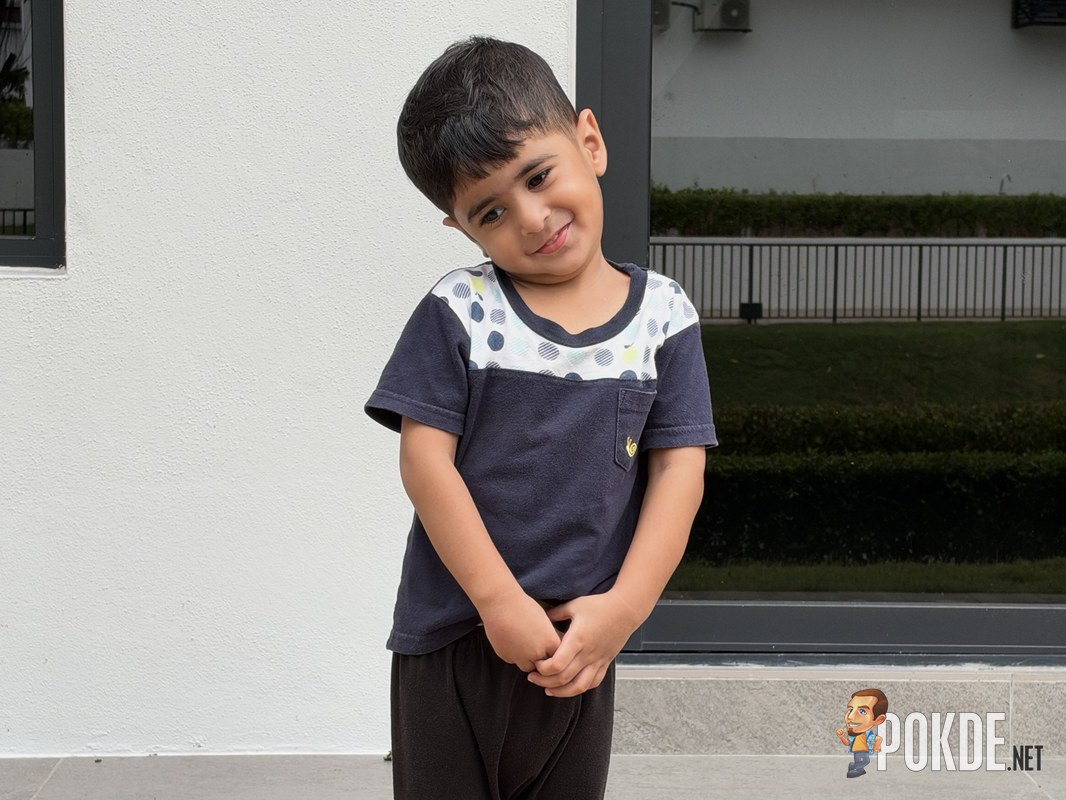
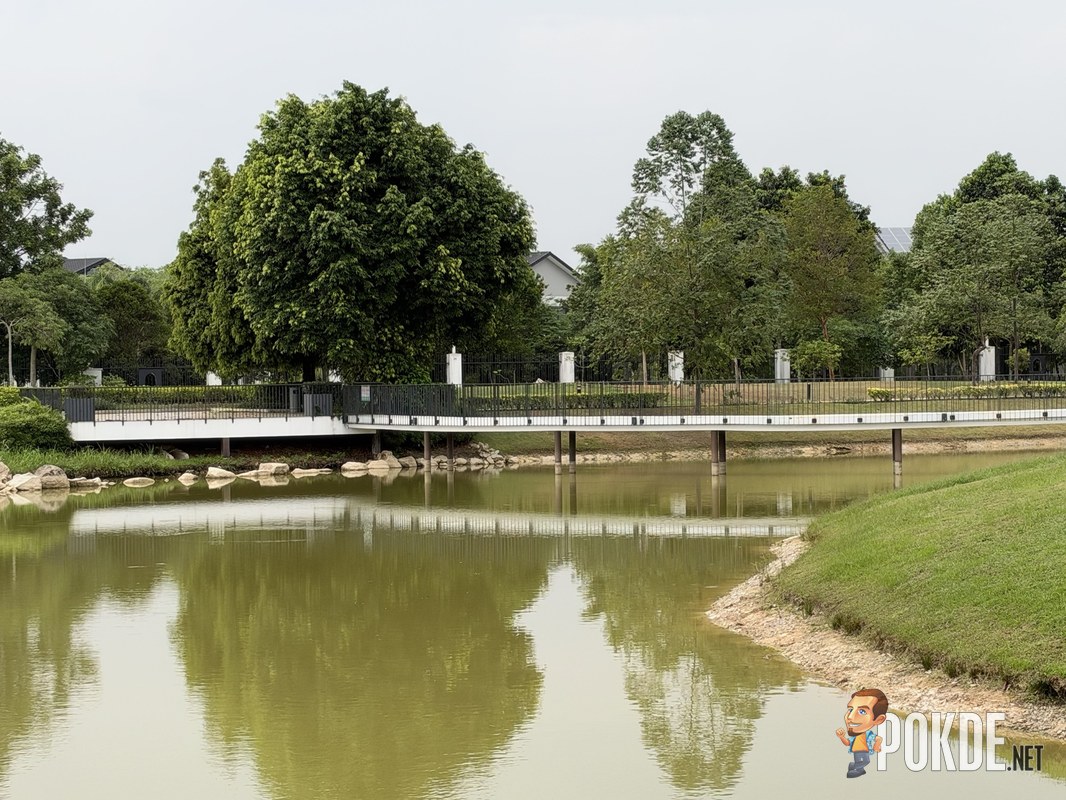
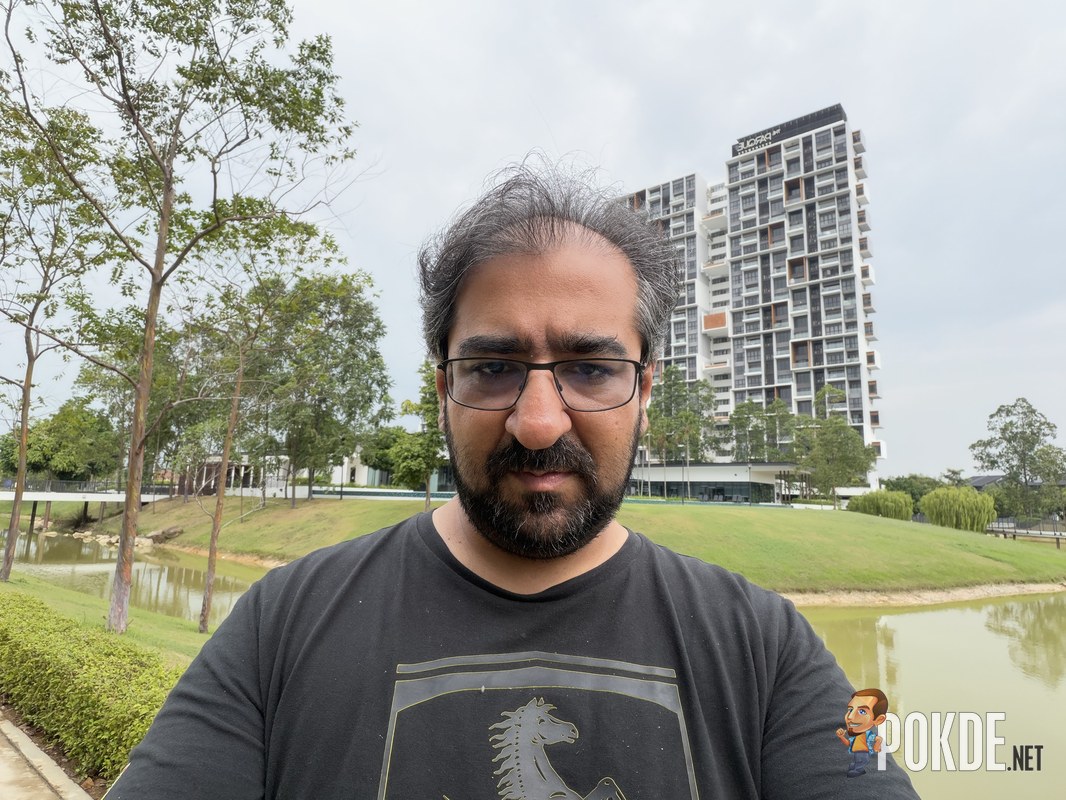
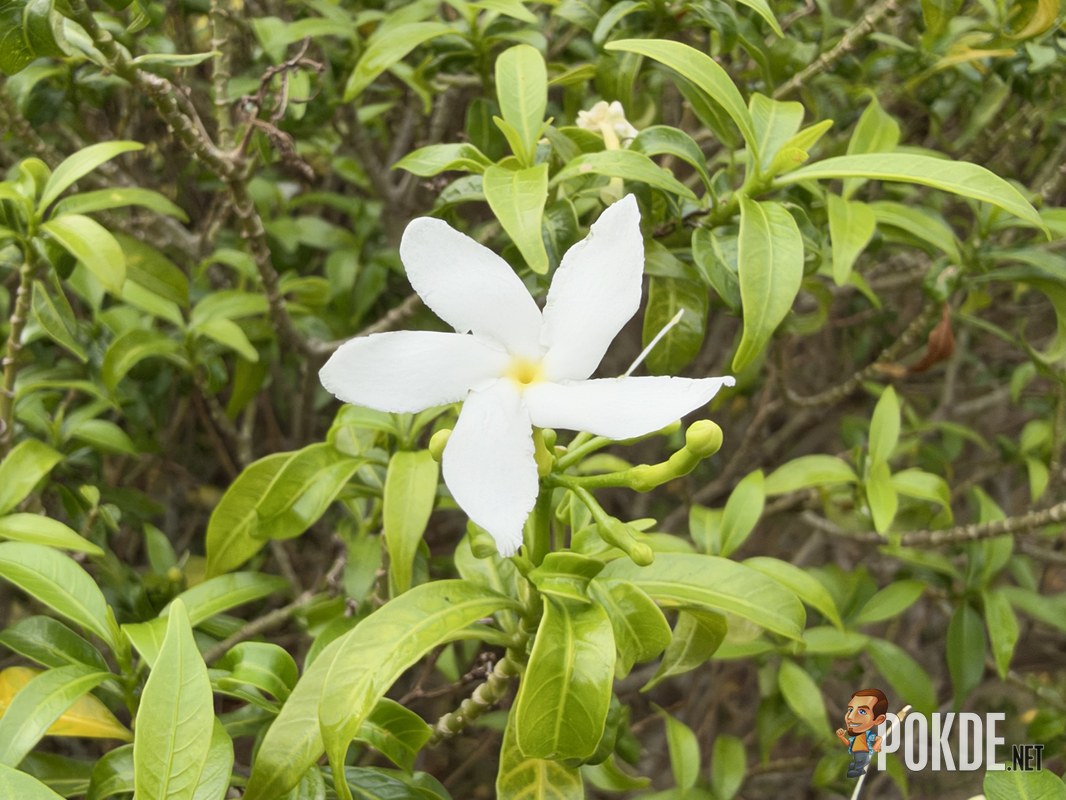
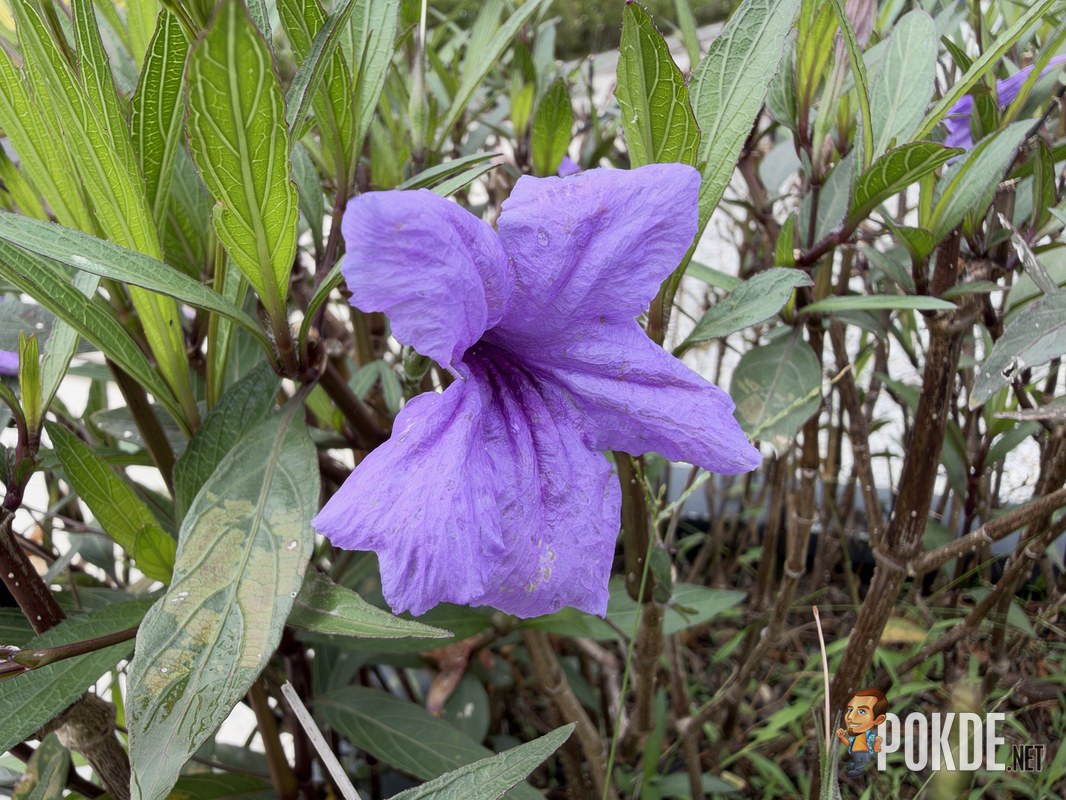
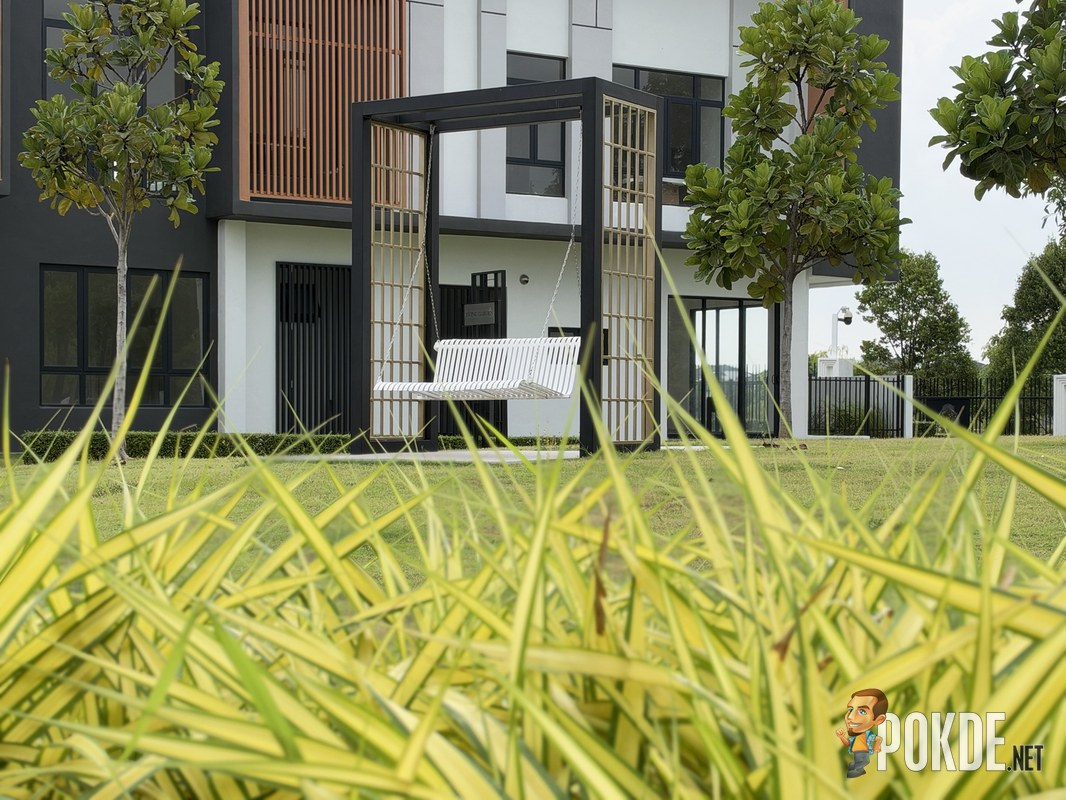
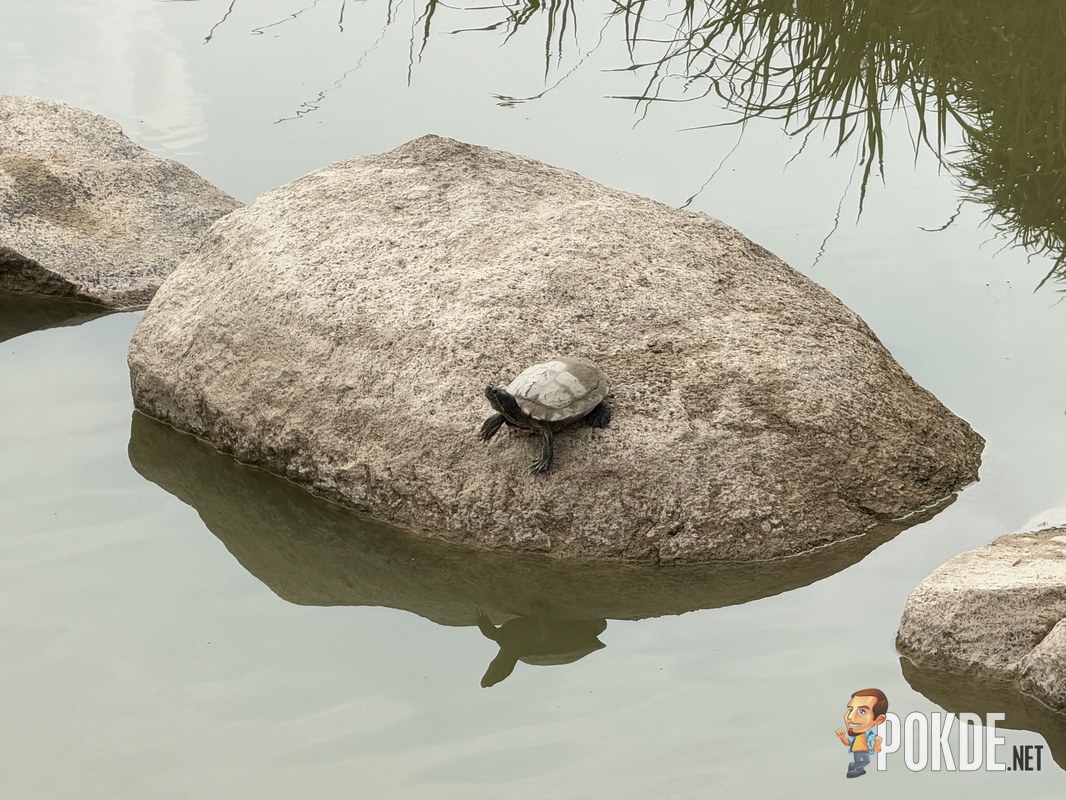
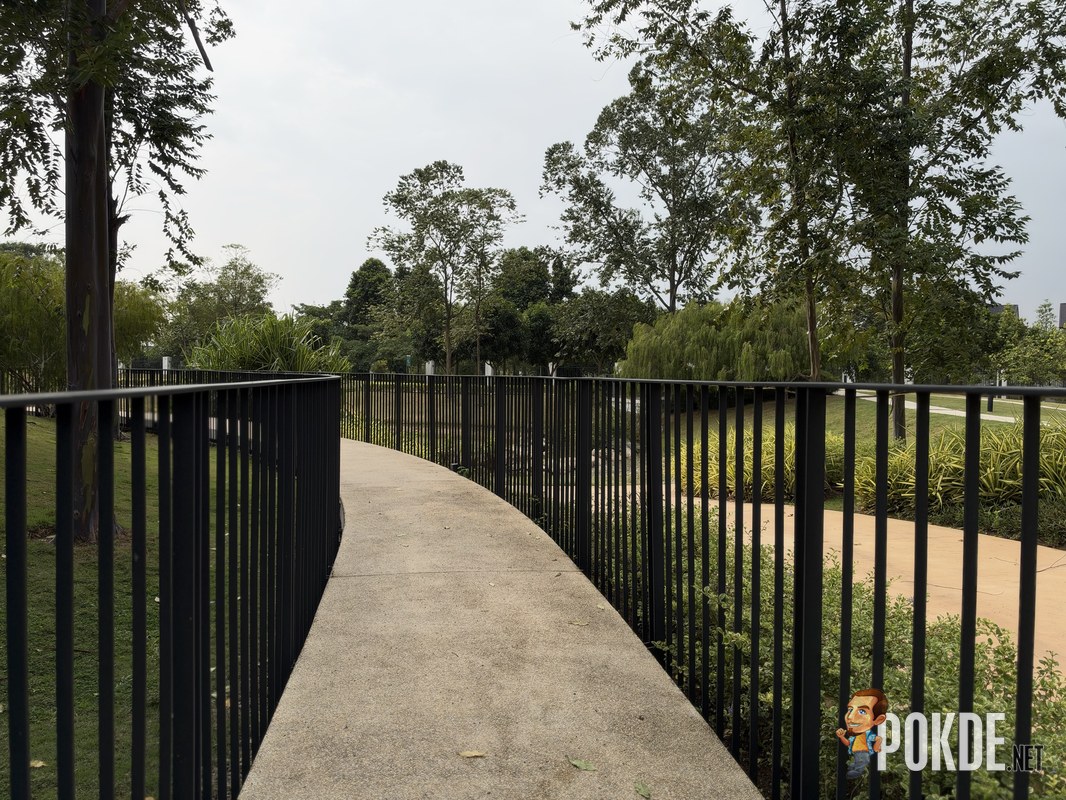
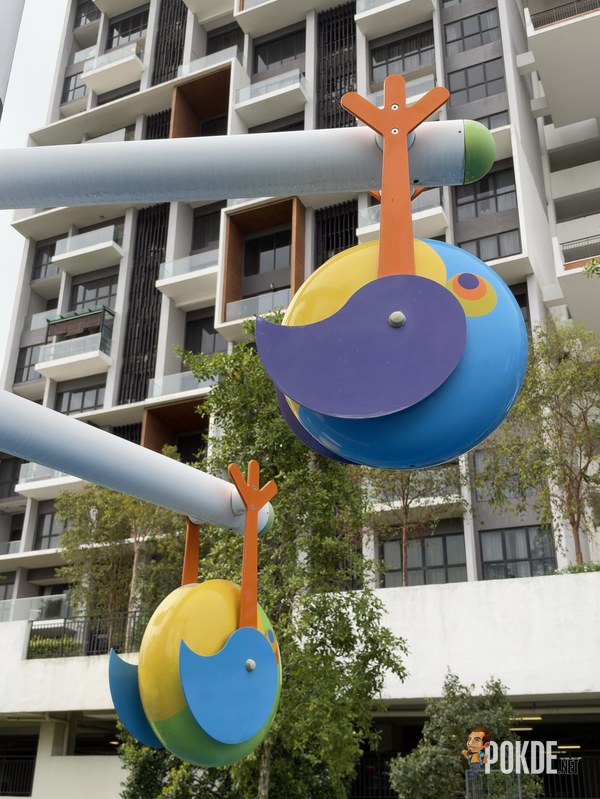
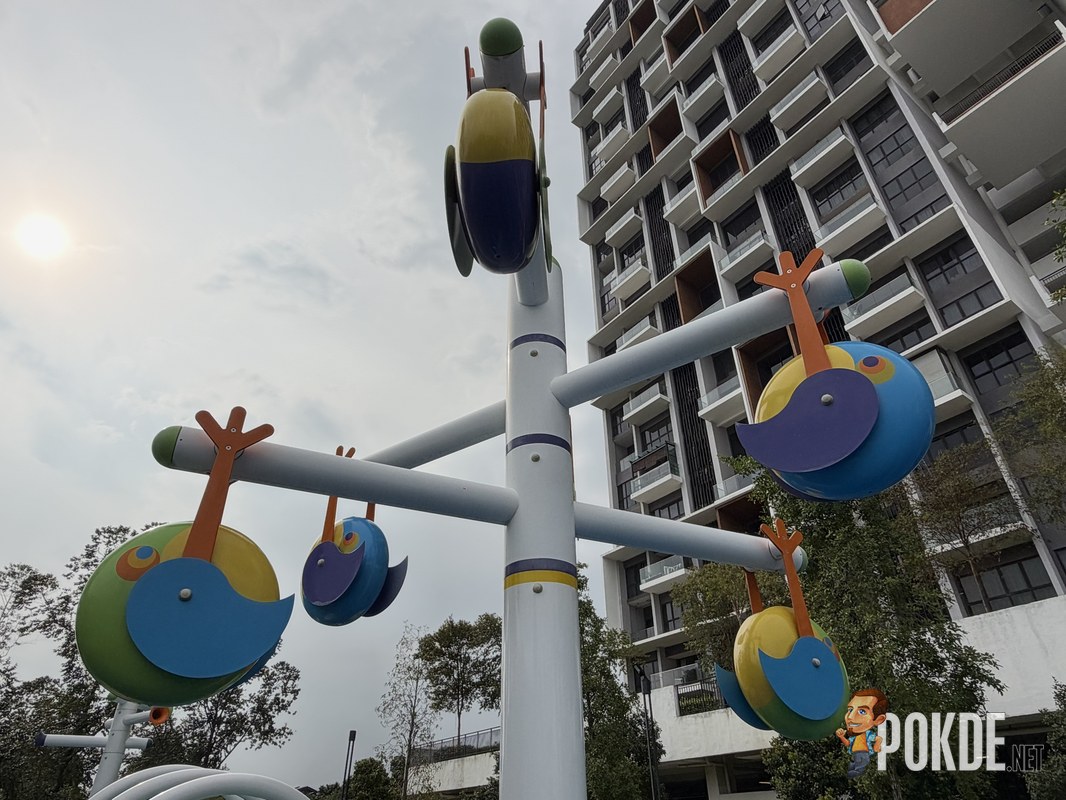
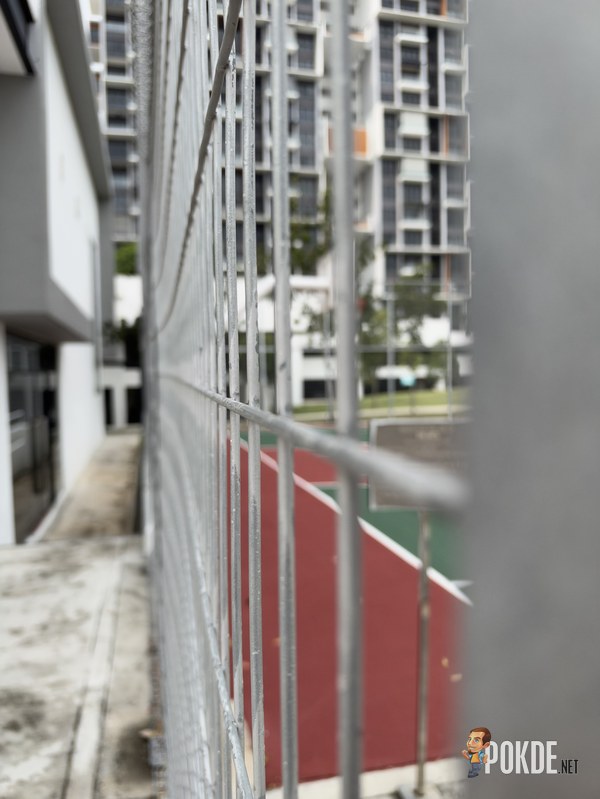
That said, feast your eyes on more pictures that I took with the iPhone 18 Pro Max. Note that the images have been converted into a browser-compatible format, so there might be some loss of quality, as the originals were all shot in HEIC.
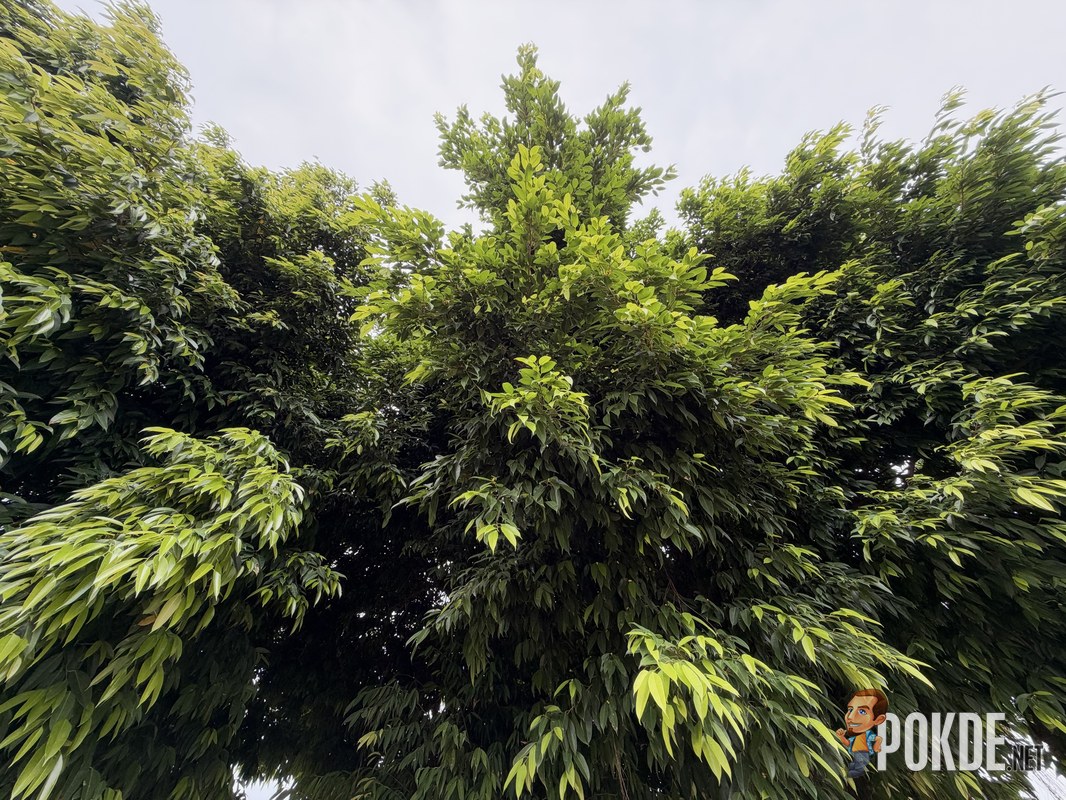
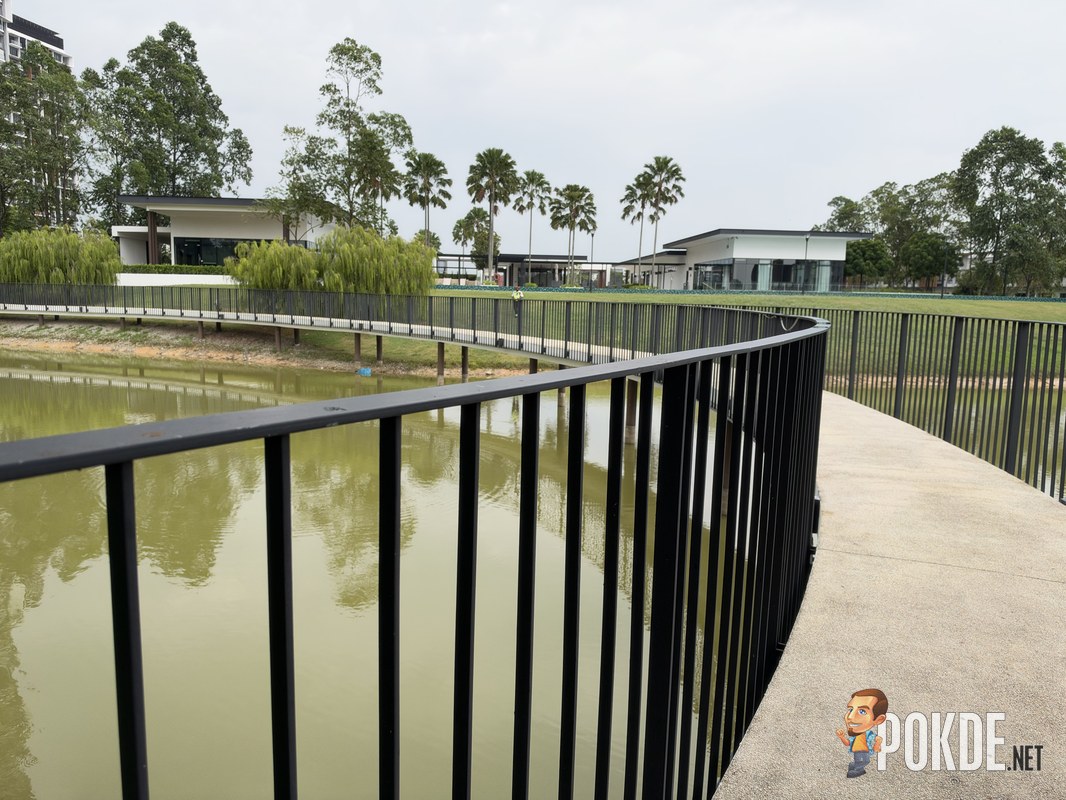
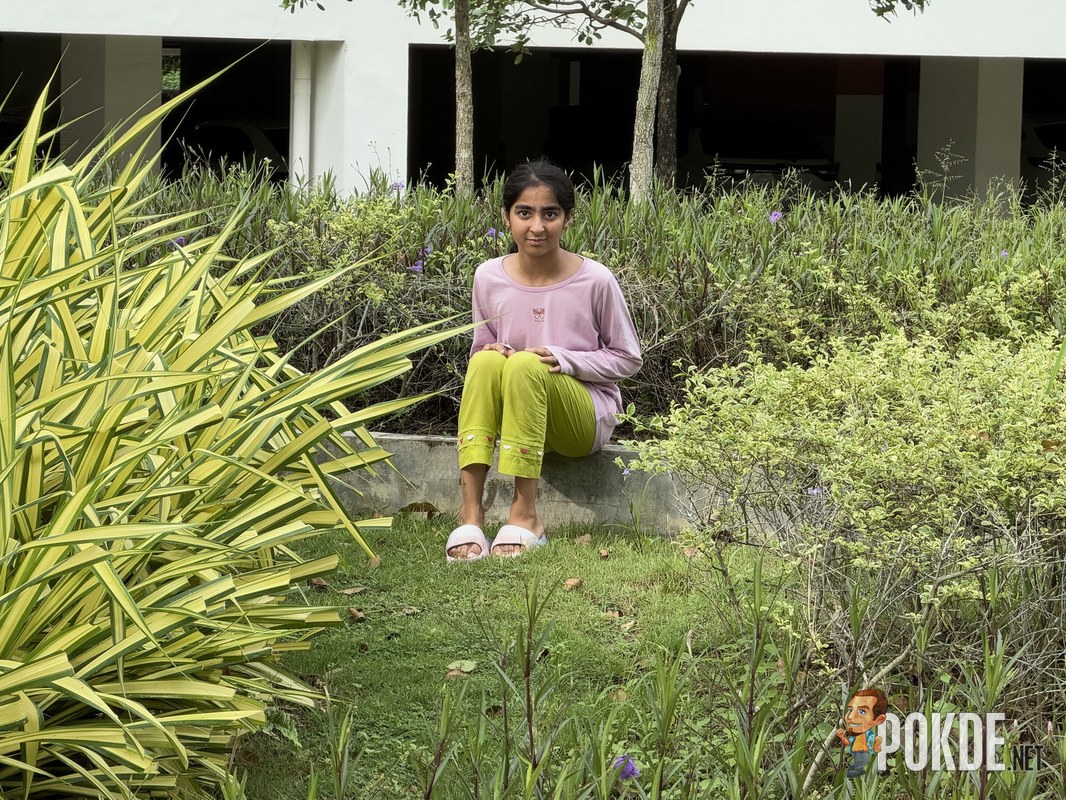
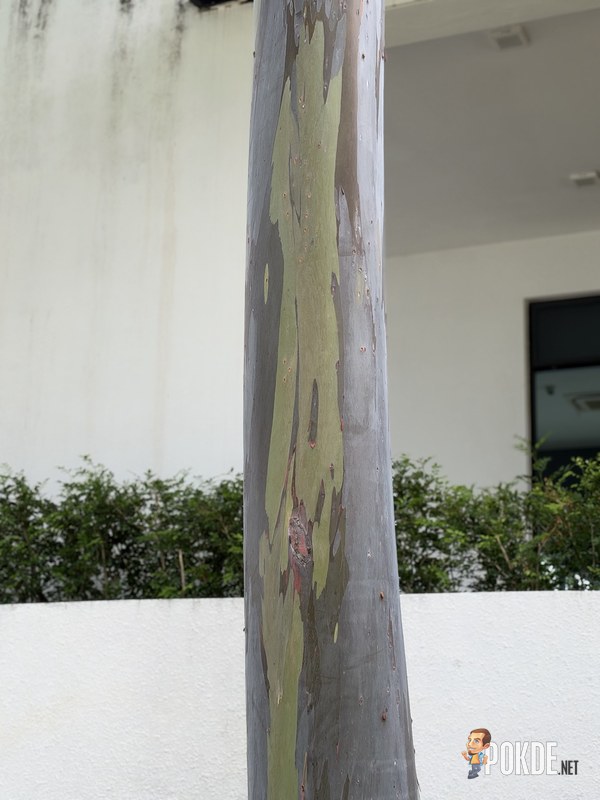


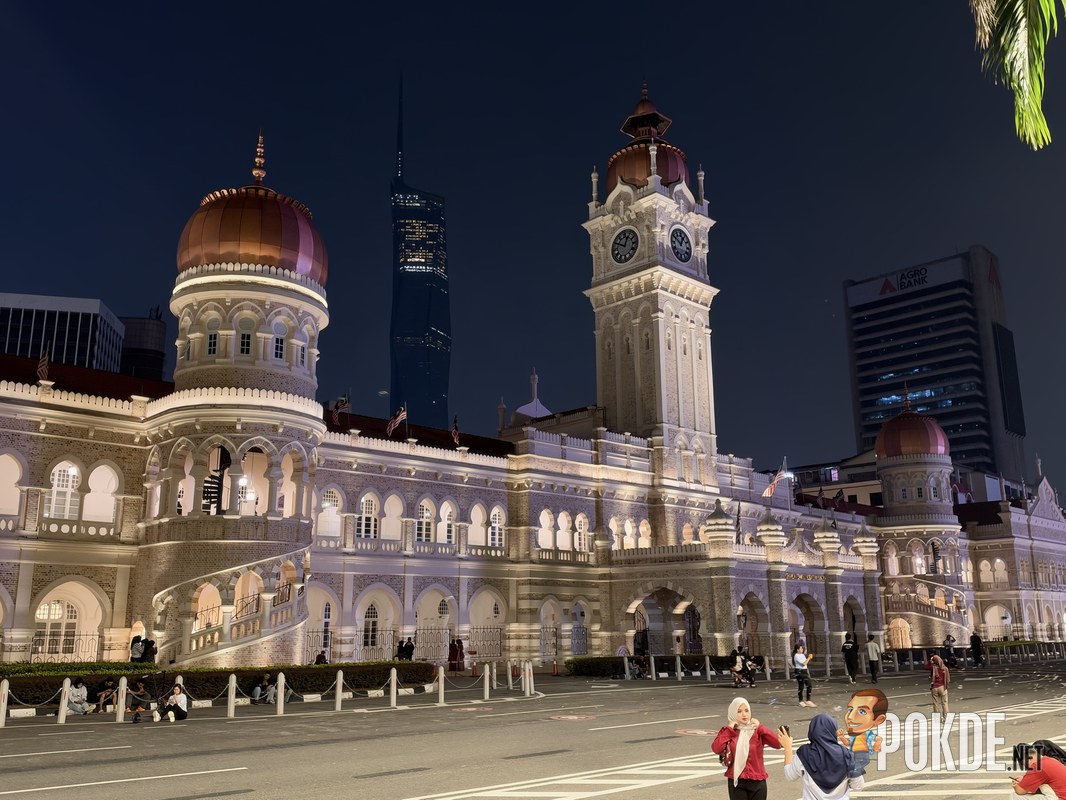
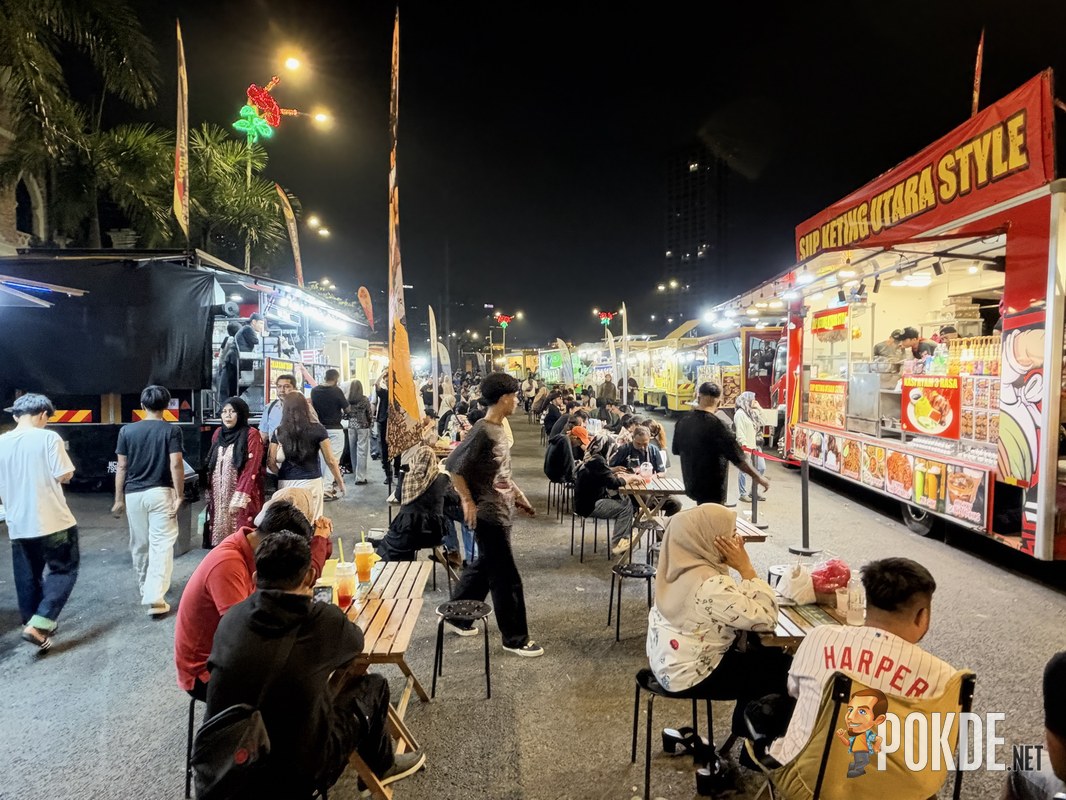
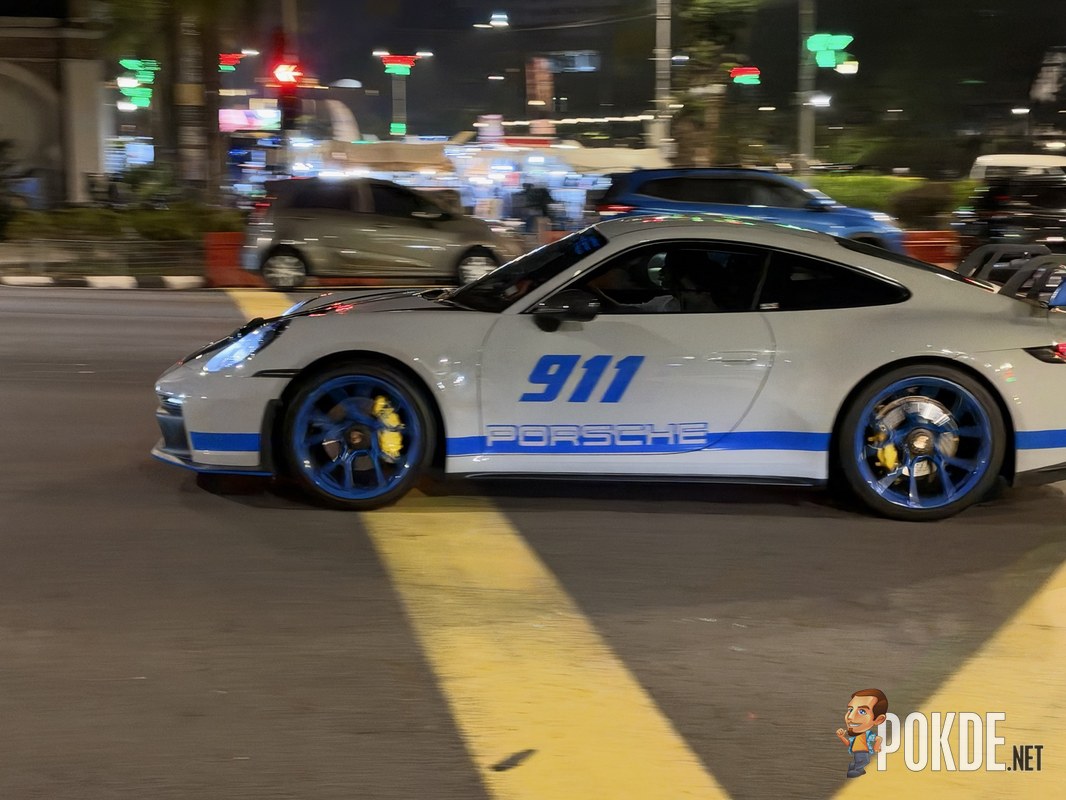
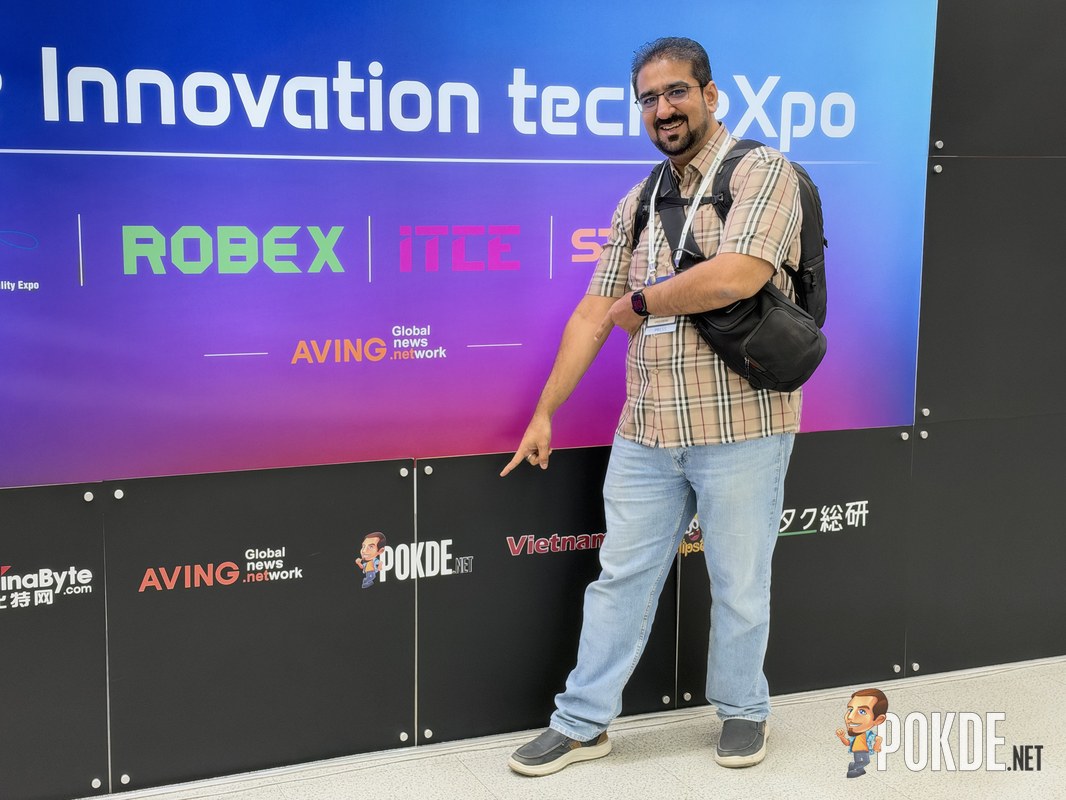
The Good
I like the camera on the iPhone 18 Pro Max. Coming from the already very good camera on the iPhone 17 Pro Max, I can still tell the improvements it brings, from the variable aperture picking the right setting on its own to how well it handled my low light shots. Our request for Pro controls was also answered, and having shutter speed and aperture right in the Camera app makes the camera so much more fun to use now.
Video stabilisation deserves its own mention. The night clip in the camera section was shot while I was running at full speed to catch up with my younger son, and it doesn’t look remotely choppy or shaky. Capturing a moment like that, in one of the trickiest setups you can put a phone through, shows just how good the iPhone 18 Pro Max is at video.
I also love the battery life. Carrying a powerhouse like this and still lasting more than a day is really great. Even on my heaviest days, it manages to deliver the juice for the entire day. I developed a habit of carrying a power bank years ago, and quite honestly, I use it less and less by the day. Maybe it is time to take the power bank out of my messenger bag for good.
Then there’s the new vapour chamber, which in my experience is doing an excellent job. In my Wild Life Unlimited stress test, the scores held up and even rose gradually over the run instead of dropping off. Long, sustained use delivers continuous performance without the phone giving up, and that is exactly what a flagship needs when the chips inside are this powerful and the workloads they handle are this heavy.
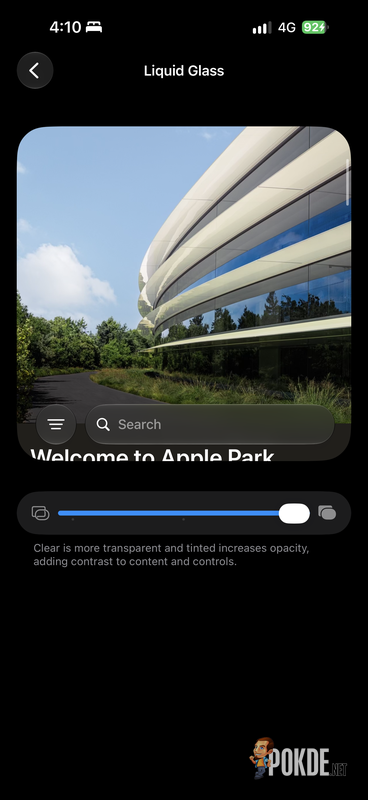
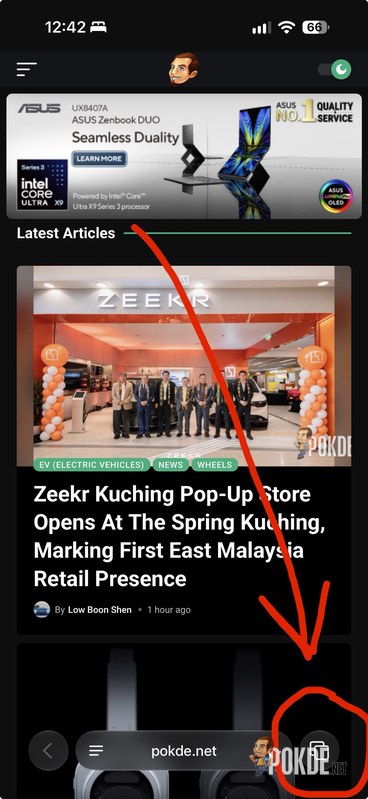
Finally, Liquid Glass has been toned down. I have complained about it in the iPhone Air, iPhone 17 Pro Max and iPhone 17 Pro, and even on the Mac, and iOS 27 finally gives it the treatment it needed. There’s now a slider that lets you go from clear to tinted, and the most important part for me is the tab switcher button in Safari, which is back where it belongs.
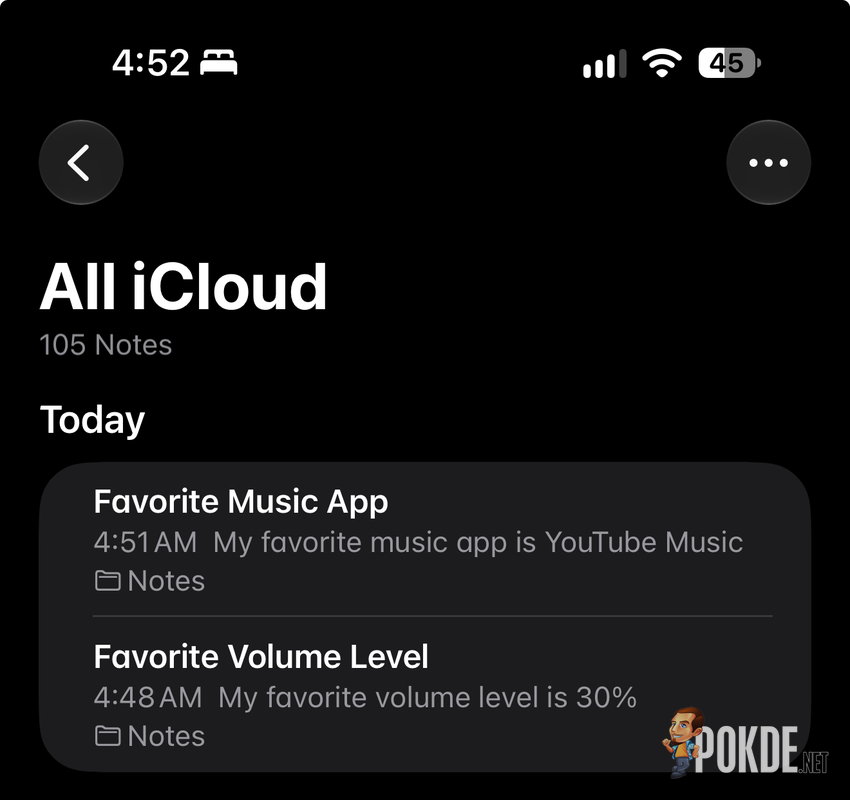
Siri AI, which is still in beta, is a big step up from the Siri I am used to. For starters, it handles multiple tasks in a single prompt a lot better, and I can chain commands one after another without it losing track. What I like the most, though, is that Siri is slowly developing a memory. With the old Siri, asking for my favourite volume level would only get me the current volume, and there was no way to tell it to bring the volume back to what I had before. With Siri AI, it didn’t know my favourite volume at first, but once I taught it, it saved that information as a note in the Notes app. The next time I asked it to set my favourite volume, it read from that note.
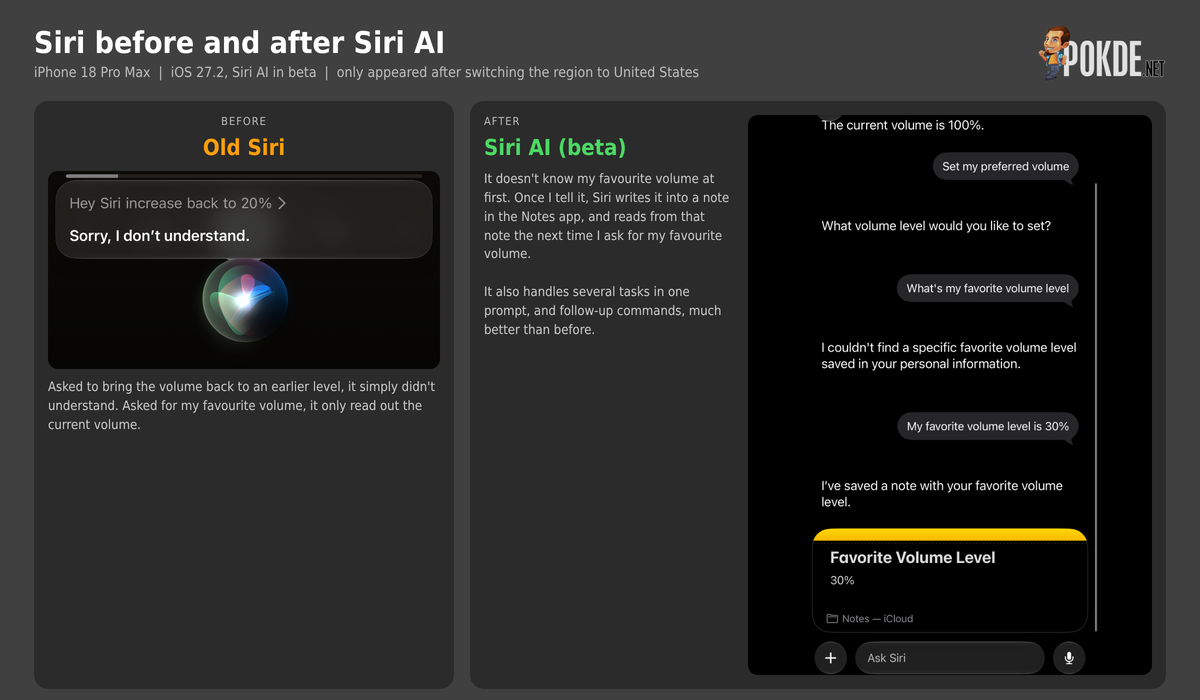
Most modern AI assistants keep their memory in files behind the scenes, but Siri seems to use the Notes app instead. As odd as that sounds, it does make it easy to see and manage exactly what I want Siri to remember.
The Bad
Like last year, the iPhone 18 Pro Max is heavy. At 249g, it’s heavier than my iPhone 17 Pro Max, and I notice the difference every time I switch between the two. For one-handed use, that extra weight adds up over the day.
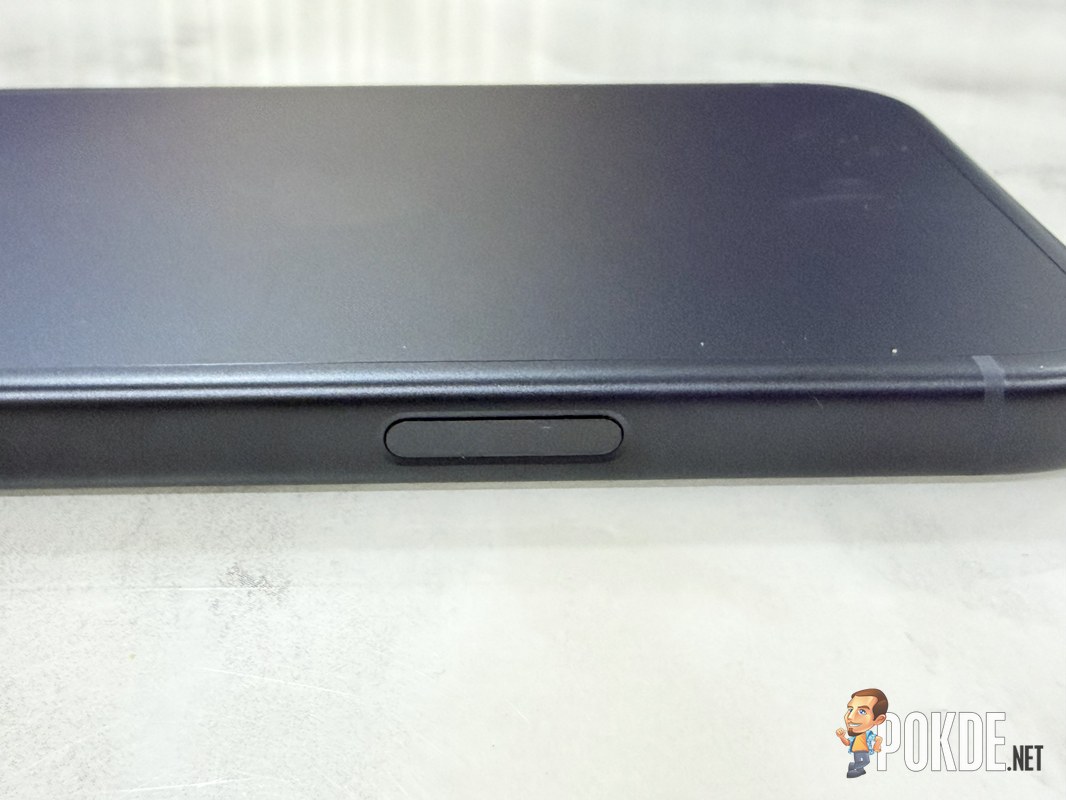
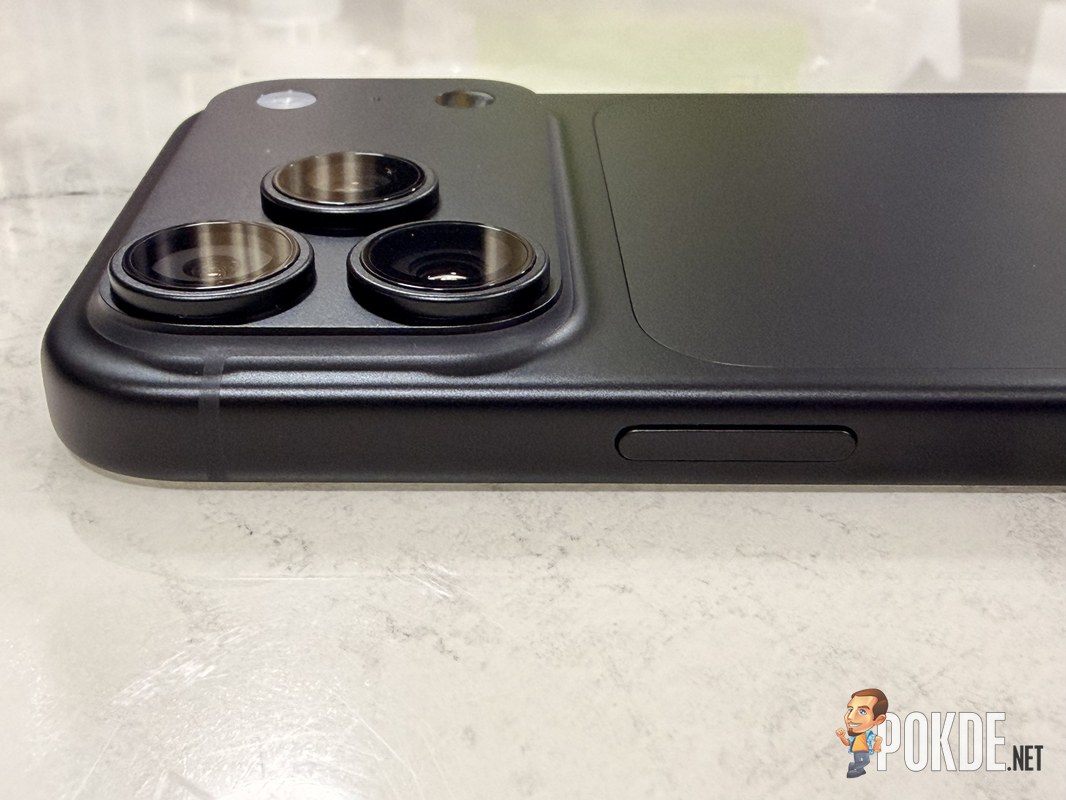
I also still don’t think the Camera Control button adds much value to the iPhone. I have said this in my past couple of iPhone reviews and I still stand firm on it. After having it on my phones for the past couple of generations, I hardly ever use it, and every time I do, pressing it shakes the phone a little, which makes the photo shaky. Sure, Live Photos can save the day, but why have a button that most of us don’t even use? I suspect most iPhone users don’t use it much either.
Siri AI also comes with a few catches. On my Malaysian unit, even on iOS 27.2, I only had the regular Siri settings. Siri AI only showed up and started downloading after I switched the region to United States, so for now, it doesn’t seem to be available for the Malaysia region.
Its memory is also a little messy. Instead of keeping one note with all my favourites, Siri creates a separate note for every single thing I ask it to remember, one for my favourite volume level, another for my favourite music app, and they all get mixed in with my existing notes. At this rate, I might end up with a gazillion notes. It is getting somewhere, but in my experience, Siri is still left behind by far compared to the AI assistants on other brands like Samsung.
Then there’s the price, and this one needs some context. The iPhone 18 Pro Max starts at RM5,999 for 256GB and RM6,999 for 512GB in Malaysia, the same as the iPhone 17 Pro Max at launch. The higher storage tiers are a different story. The 1TB model is now RM8,999, up from RM7,999, and the 2TB model is RM11,999, up from RM9,999. That’s RM1,000 and RM2,000 more for the exact storage tiers that people shooting ProRes and ProRes RAW video need the most.
This isn’t happening to the iPhone alone. Memory and storage prices have surged across the industry, and we have seen it play out everywhere, from Samsung Malaysia raising the prices of the Galaxy A07 and Galaxy A17 over memory costs and then revising the Galaxy A57 and Galaxy A37 too, to NVIDIA reportedly cutting RTX 50 supply because of the RAM shortage, and memory makers launching lower-cost options to weather the pricing storm. The base price holding at RM5,999 is good news, but if you need the bigger tiers, you are paying for the state of the memory market.
There’s one more thing I have to bring up, and that is heat during long video recordings. Gaming was fine, but when I recorded long videos, the camera plateau got noticeably warmer, more so than my iPhone 17 Pro Max does. The heat stays at the plateau, a part I rarely touch while recording anyway, so it doesn’t make the phone any less usable. Still, this is a Pro device, and many people will buy it specifically to shoot video, so it is worth bringing to your notice.
iPhone 18 Pro Max Verdict
While all eyes have been on the iPhone Duo this year, the iPhone 18 Pro Max hasn’t lost its charm one bit. If anything, it is the best iPhone your money can buy this year. When it comes to cramming cutting-edge technology into an iPhone, the iPhone 18 Pro Max reigns supreme. I won’t give away any spoilers for the iPhone Duo here, that will have to wait for my review of it. But if you are in a rush to spend your money, get the iPhone 18 Pro Max and thank me later.
Sure, there’s a price to pay, with the iPhone 18 Pro Max starting from RM5,999 for the 256GB model. But if you desire the best camera for photography or videography, or a phone that delivers uncompromised performance and still keeps its juice throughout the day, you can’t go wrong with this one. It’s always fun playing with the iPhone Pro Max series, and the iPhone 18 Pro Max is no exception. With that in mind, I award the iPhone 18 Pro Max with our Gold Pokdeward.

iPhone 18 Pro Max Price List (Malaysia)
The iPhone 18 Pro Max starts from RM5,999 in Malaysia for the 256GB model, going up to RM11,999 for 2TB. Pick a colour and storage below to see the price and what that configuration looks like. Colour does not change the price. The unit selected by default is the one I used for this review, the 512GB in Black. If you enjoyed reading this review, you can support us by buying the iPhone 18 Pro Max from here.
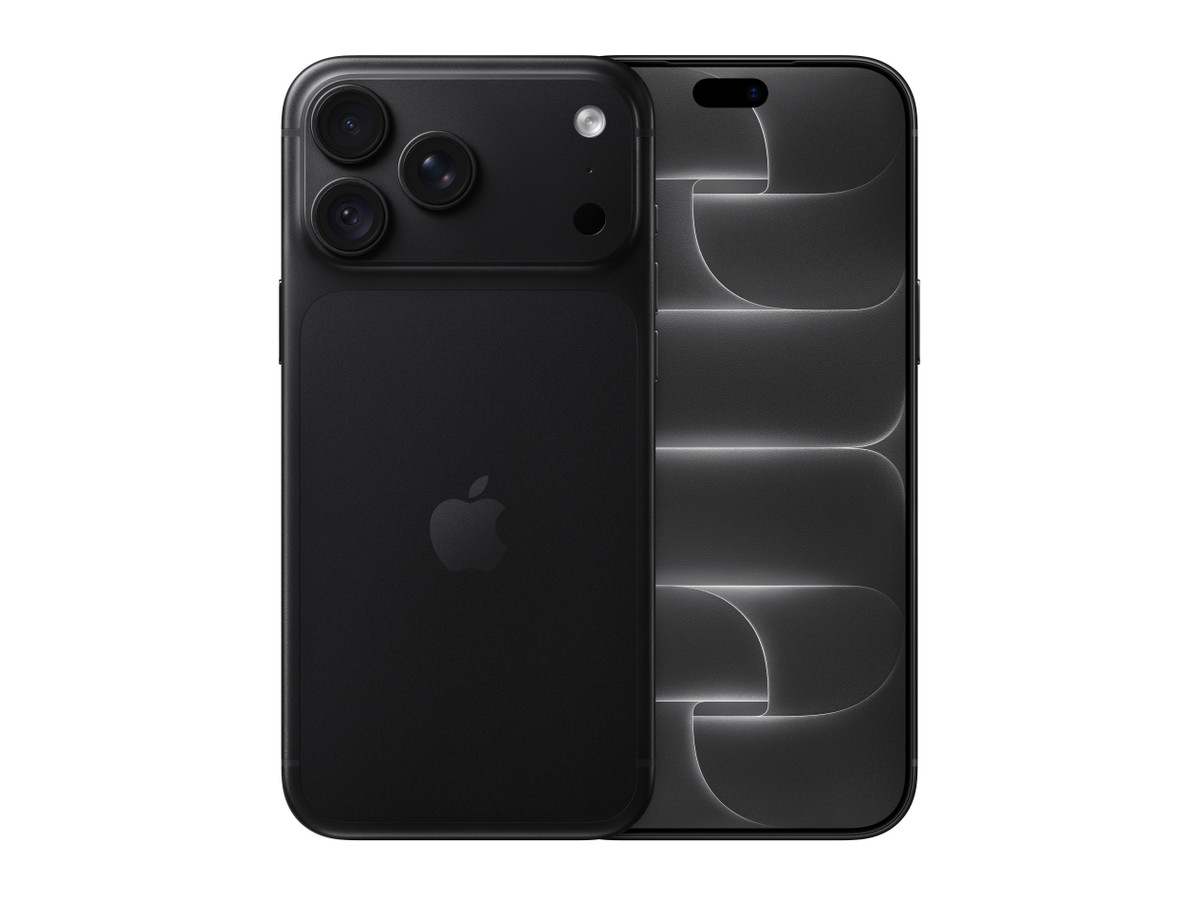
iPhone 18 Pro Max512GB Black
Every configuration at a glance
Prices in Malaysian Ringgit, from the official Apple Malaysia online store.
| Storage | Price (MYR) |
|---|---|
| 256GB | RM5,999 |
| 512GB | RM6,999 |
| 1TB | RM8,999 |
| 2TB | RM11,999 |