
- Unboxing the Canon PowerShot V1
- Walkaround
- Specifications
- Shooting Experience
- Camera Samples
- The Good
- A Sensor That Punches Well Above Its Class
- Autofocus and Subject Tracking That Just Works
- Built-In ND Filter and Wind Muffler Are Practical Essentials
- Comprehensive Connectivity for a Compact Camera
- Log Shooting and 5.7K Oversampled 4K
- Versatile Zoom Range for Both Video and Stills
- The Bad
- Internal Microphone Picks Up Zoom Noise
- Stabilisation Has Limits at the Frame Edges
- No Viewfinder
- Micro HDMI Rather Than Full-Size HDMI
- Canon PowerShot V1 Verdict
Offer price: 3999
Currency: MYR
-
Appearance - 8/108/10
-
Efficiency - 7.5/107.5/10
-
Features - 8.5/108.5/10
-
Materials - 8/108/10
-
Performance - 7.8/107.8/10
-
Portability - 8.5/108.5/10
-
User Experience (UX) - 8.5/108.5/10
-
Value - 7.5/107.5/10
Summary
The Canon PowerShot V1 is a confident, well-considered compact camera that was not what the market expected but is arguably better than what the market expected.
Overall
8/10Pros
- A Sensor That Punches Well Above Its Class
- Active Cooling Solves a Real Problem
- Autofocus and Subject Tracking That Just Works
- Built-In ND Filter and Wind Muffler Are Practical Essentials
- Comprehensive Connectivity for a Compact Camera
- Log Shooting and 5.7K Oversampled 4K
- Versatile Zoom Range for Both Video and Stills
Cons
- Internal Microphone Picks Up Zoom Noise
- 4K 60p Involves a Crop and Quality Trade-Off
- Stabilisation Has Limits at the Frame Edges
- RAW Files Have a Noticeable Warm Bias
- No Viewfinder
- Micro HDMI Rather Than Full-Size HDMI
Unboxing the Canon PowerShot V1
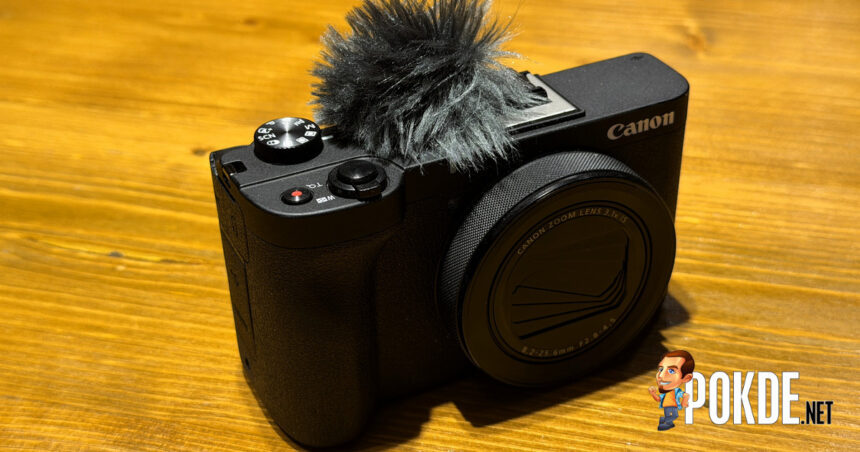
Our review unit arrived as a press loan rather than a retail package, so we only got the camera, a power cable, an external charger, a battery, a deadcat-style wind muffler for the built-in mic (already attached to the camera). As such, we will be omitting this section.
Walkaround
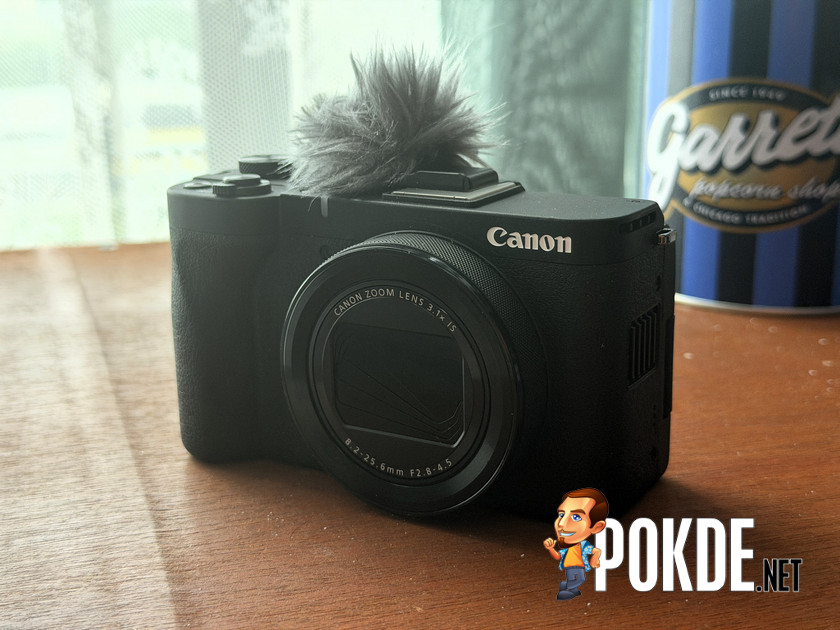
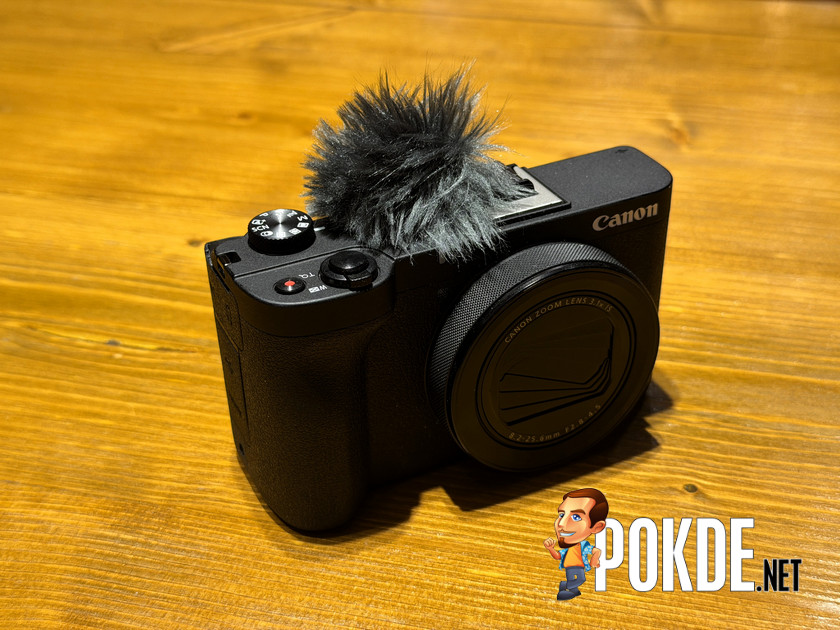
The Canon PowerShot V1 is not what most people expected Canon to announce. The expectation was a spiritual successor to the G7 X Mark III, a compact stills camera with a longer zoom range aimed at photographers. What Canon delivered instead is a dedicated content creation camera, and everything about the physical design reflects that decision.
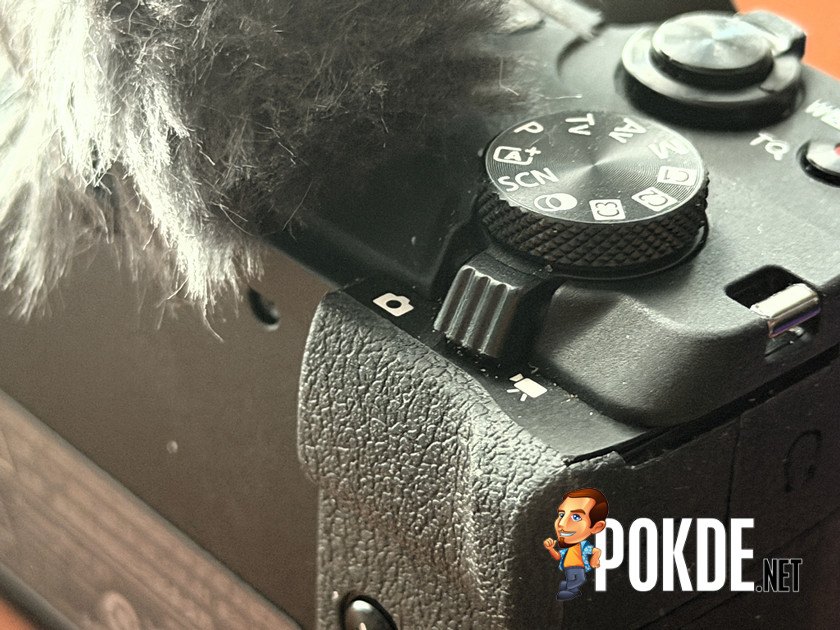
The body is compact at 118.3 x 68.0 x 52.5mm and weighs 379 grams, which is manageable for extended handheld shooting and comfortable at arm’s length for vlogging. The build feels solid and purposeful rather than plasticky, and the layout of controls is clearly oriented toward video work. A flip switch on the body lets you toggle between photo and video modes without going into menus, the zoom rocker offers a faster zoom speed when not recording that slows to a gentler push-in and push-out while filming, and a customisable control ring around the lens gives you quick access to whichever setting you use most.
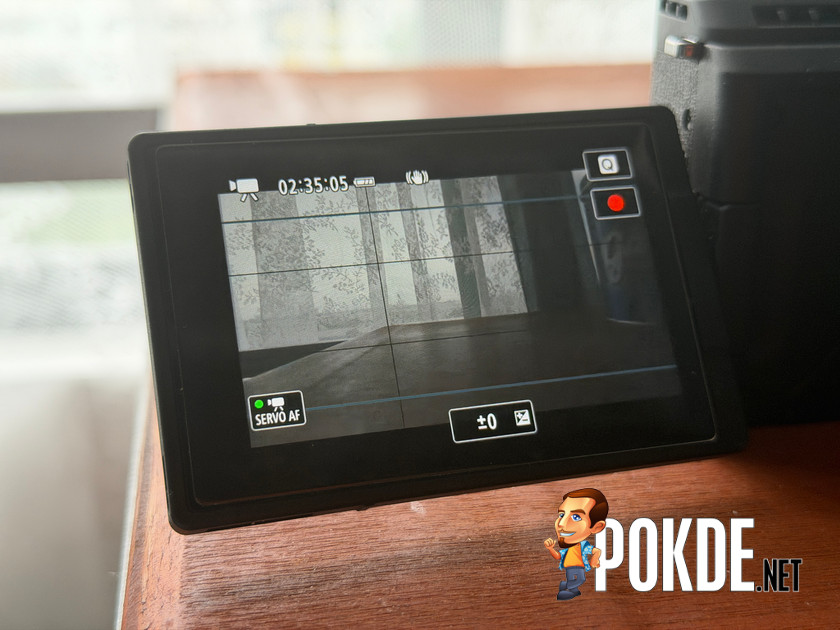
The 3.0-inch fully articulating touchscreen flips out and rotates to face forward for selfie and vlogging use, which is exactly what you need from a camera in this category. It is responsive to touch for menu navigation and subject selection, and the ability to tap a subject on screen to lock focus and tracking is intuitive and quick to learn.
One of the more distinctive design elements is the active cooling fan on the side of the body. It looks unconventional but it is one of the most practically important features on the camera, and it works exceptionally well. More on that in the Shooting Experience section.
The connectivity options are comprehensive for a compact camera. You get USB-C, micro HDMI, a dedicated microphone jack, a headphone jack for monitoring, and a Multi-Function Shoe for accessories. That shoe opens up a range of wire-free accessories including external microphones and lights, keeping the setup clean without a web of cables.
Specifications
| Specification | Details |
|---|---|
| Sensor | 22.3MP, 1.4-type CMOS (1.9x crop) |
| Lens | 8.2-25.6mm f/2.8-4.5 (16-50mm equivalent for stills, 17-52mm for video) |
| Image Stabilisation | Yes, 5 stops |
| Autofocus | Dual Pixel CMOS AF for PowerShot |
| ISO | 80 to 51,200 (102,400 extended) |
| Max Burst Speed | 30fps electronic, 15fps mechanical |
| Video | 4K 60p (cropped), 4K 30p (5.7K oversampled), Full HD 120p |
| Screen | 3.0-inch fully articulating touchscreen, 1.04 million dots |
| Viewfinder | None |
| Connectivity | USB-C, micro HDMI, microphone jack, headphone jack, Multi-Function Shoe |
| Battery | LP-E17 |
| Dimensions | 118.3 x 68.0 x 52.5mm |
| Weight | 379g (body only) |
| Price | RM3,999 retail (frequently found between RM3,449 and RM3,849 on sale) |
Shooting Experience
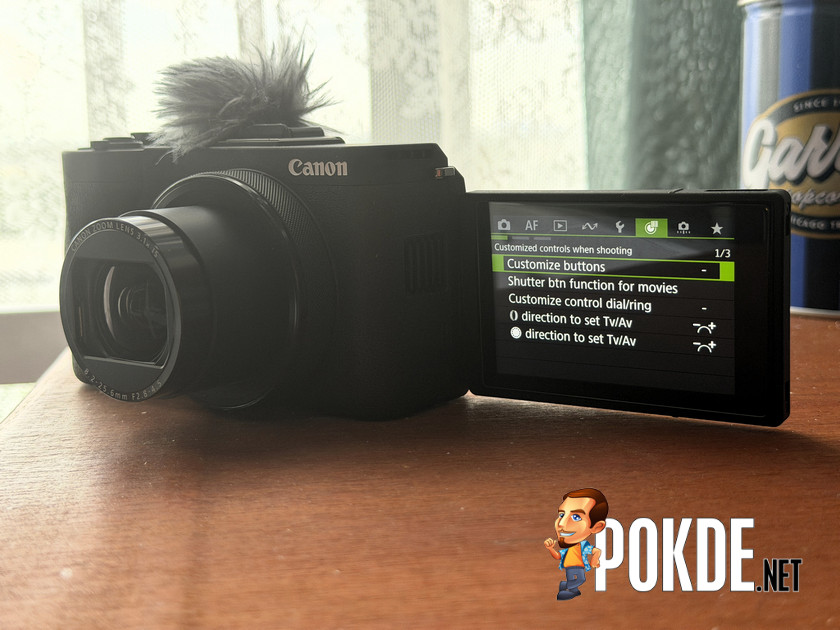
The 16-50mm equivalent zoom range immediately signals what this camera is built for. It is a vlogging lens, wide enough to shoot yourself at arm’s length with a generous amount of scene behind you, and long enough to compress subjects when you want a tighter framing. At 4K 30p, this becomes 17-52mm as the camera uses the full sensor width with oversampling from 5.7K, which produces noticeably sharper and cleaner footage than a simple 4K crop would.


The autofocus is genuinely impressive. In single-subject and selfie mode it locks onto faces and eyes reliably, and crucially it does not get distracted by busy backgrounds when you are filming yourself. It understands context in a way that makes it feel less like a technical feature and more like a camera that knows what you are trying to do. Tracking through a scene is sticky once you tap your subject on the touchscreen, and the 30fps burst mode for stills holds onto moving subjects with real tenacity.
Optical image stabilisation rated at 5 stops handles most handheld shooting scenarios comfortably. Walk-and-talk vlogging while moving produces acceptably smooth footage, though at the edges of the frame there can be a slight wobble when movement is more aggressive. For seated or slower-paced handheld work it is smooth and convincing. If you need gimbal-level stabilisation for high-intensity movement, a dedicated gimbal-mounted camera is still the more appropriate tool, but for the majority of creator use cases the V1’s stabilisation is more than sufficient.
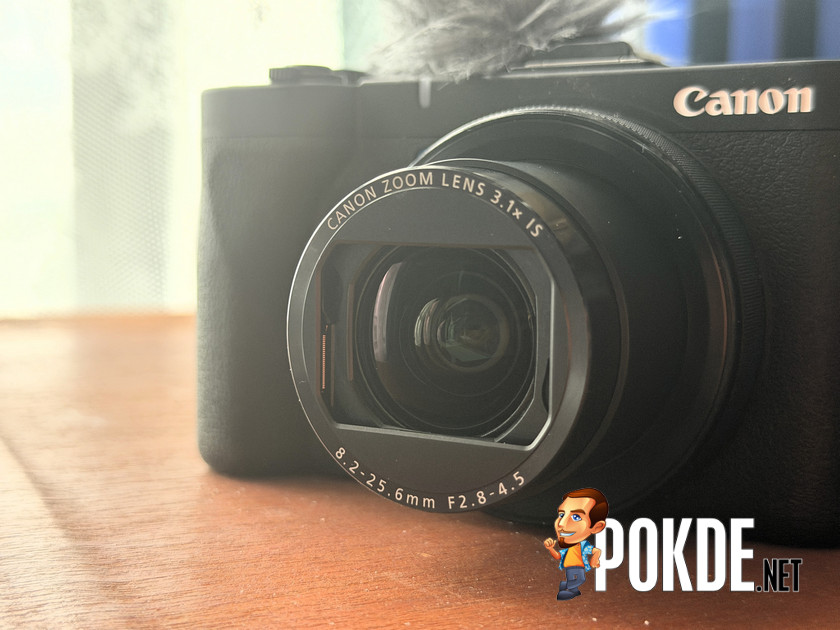
The built-in three-stop ND filter is a thoughtful and practically important inclusion. Shooting in bright outdoor conditions without an ND filter typically forces you to either overexpose or use settings that are not ideal for cinematic video, and having it built in rather than requiring an accessory filter keeps the setup minimal.
The active cooling fan is one of those features that sounds like a gimmick until you actually need it, and then it becomes one of your favourite things about the camera. With the fan running, the V1 can record 4K 30p continuously without hitting a recording limit, which is simply not something most compact cameras can offer. Even shooting 4K 60p with the fan on auto extends recording time significantly beyond what fan-off conditions allow. In practice, overheating is essentially a non-issue during normal use, which removes a genuine source of anxiety for anyone planning extended live streams or long recording sessions.
The internal microphone handles most everyday audio scenarios well, with the included wind muffler doing a solid job of cutting wind noise during outdoor shooting. One thing worth noting is that when you zoom the lens in or out, there is an audible mechanical noise that the internal microphone picks up. For any serious audio work you will want to use an external microphone, which the dedicated mic jack supports without the need for adapters.
Log shooting is available for those who want to color grade their footage in post, specifically Canon Log 3 (C-LOG 3), which is a meaningful addition for more advanced creators who want flexibility over the final look of their video.
Camera Samples
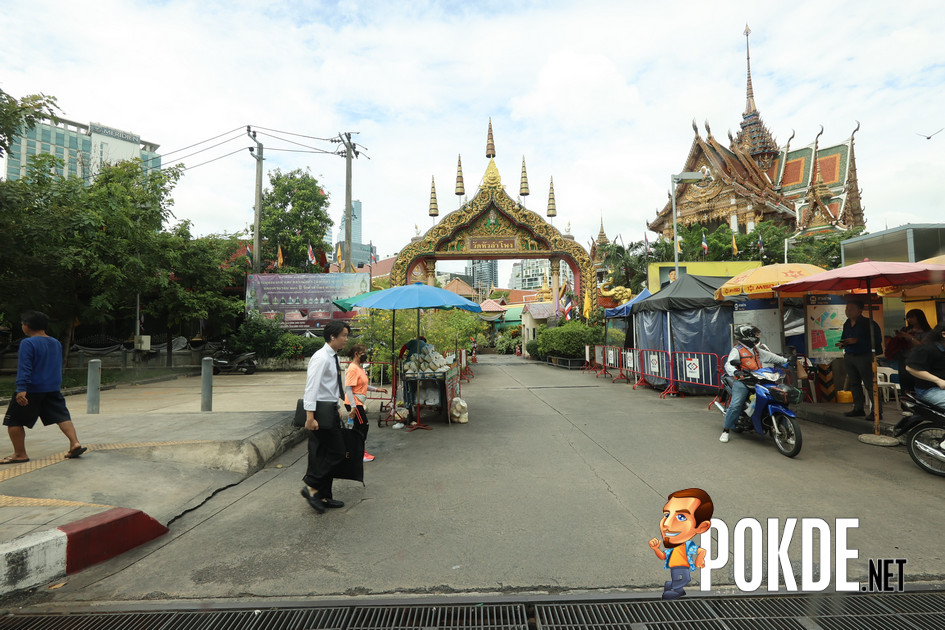

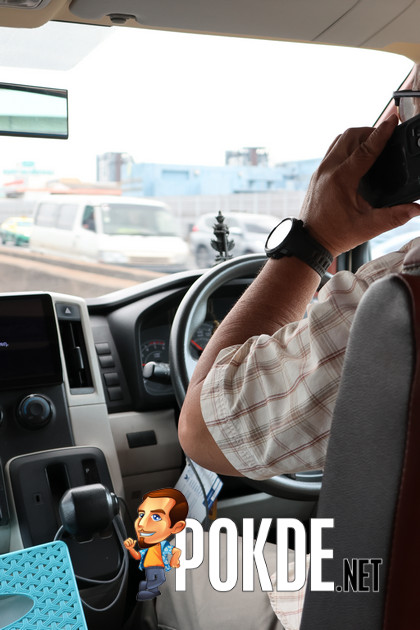
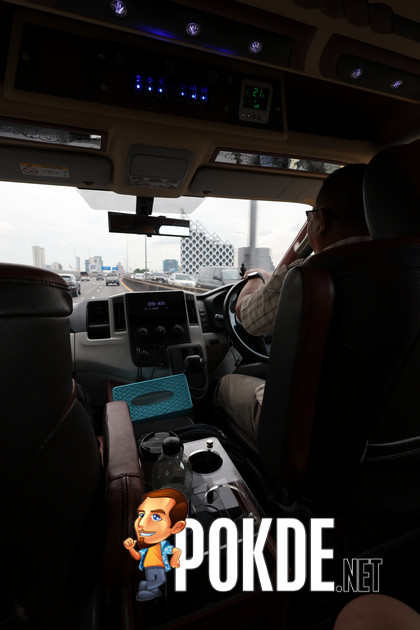
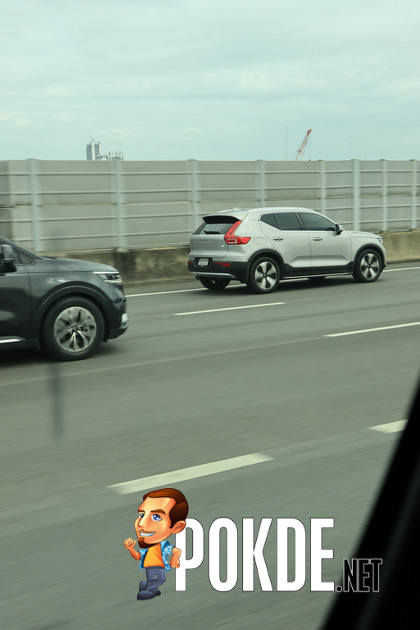


















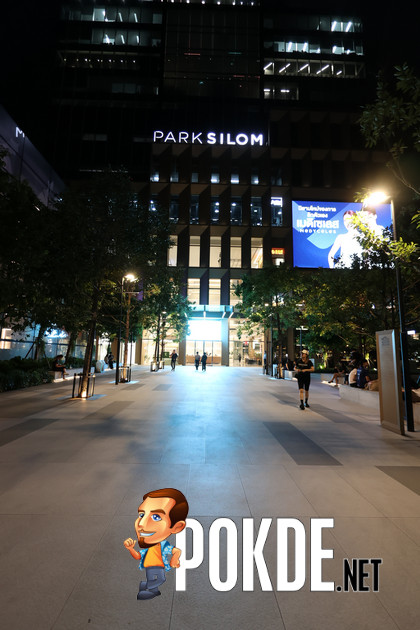





















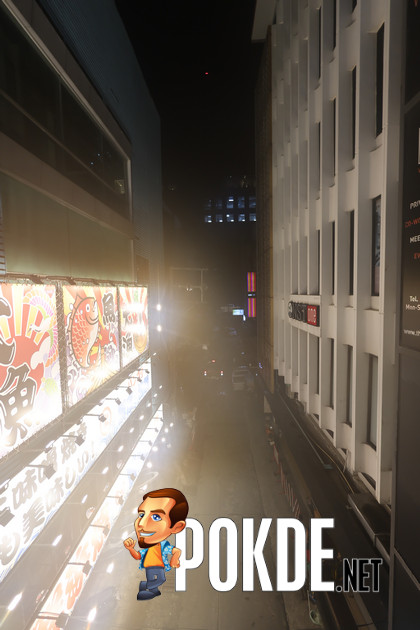
The 22.3MP 1.4-inch CMOS sensor is significantly larger than the 1.0-inch sensors commonly found in competing compact vlogging cameras, and the difference shows in image quality. Dynamic range is good, color rendition is natural and pleasing, and the camera holds up well at higher ISOs before noise becomes visibly distracting.
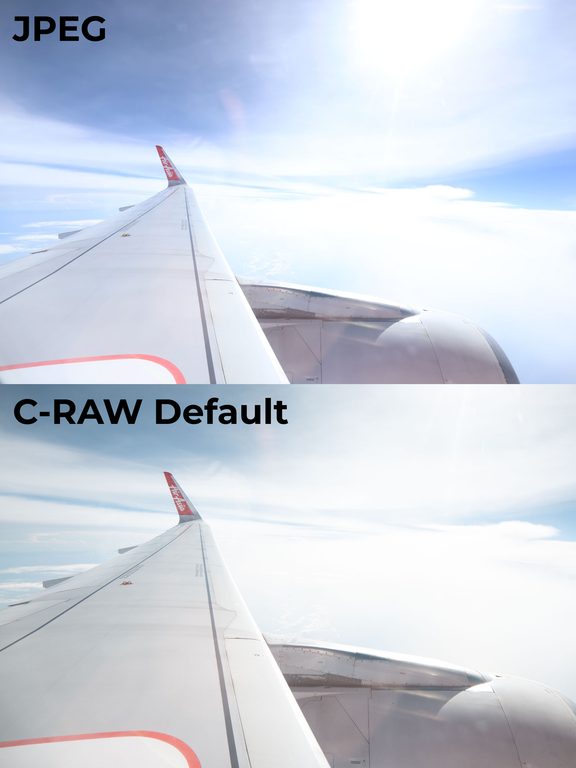


One thing worth being aware of is that the RAW files from the V1 have a notably warm, yellow bias straight out of camera compared to the JPEGs, which apply Canon’s color science to produce a more natural result. If you shoot RAW, expect to do some white balance correction in post to get to where you want to be. The upside is that the RAW files carry good dynamic range that rewards careful editing.
4K 30p footage produced by the oversampled pipeline is genuinely excellent for a camera at this size and price point. The detail is sharp, motion handling is smooth, and the color straight out of camera in standard picture profiles is appealing and social-media ready without much grading work. At 4K 60p the crop does reduce the field of view and the quality is a step below the 4K 30p output, so for anything where quality matters most, 4K 30p is the mode to default to. Full HD at 120fps is available for slow motion, which covers the most common use case for high frame rate shooting at this level.
The Good
A Sensor That Punches Well Above Its Class
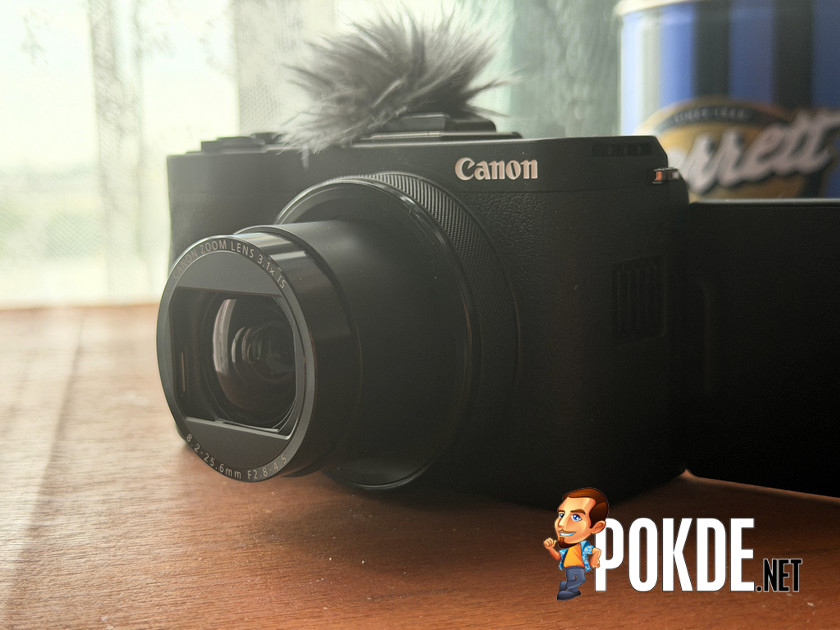
The 22.3MP 1.4-inch CMOS sensor gives the V1 a meaningful advantage over competing compact vlogging cameras that use 1.0-inch sensors. The larger sensor area translates directly into better image quality, more natural background separation, improved dynamic range, and better high-ISO performance. For a compact camera aimed at everyday creators, this is a genuinely significant technical advantage.
Autofocus and Subject Tracking That Just Works
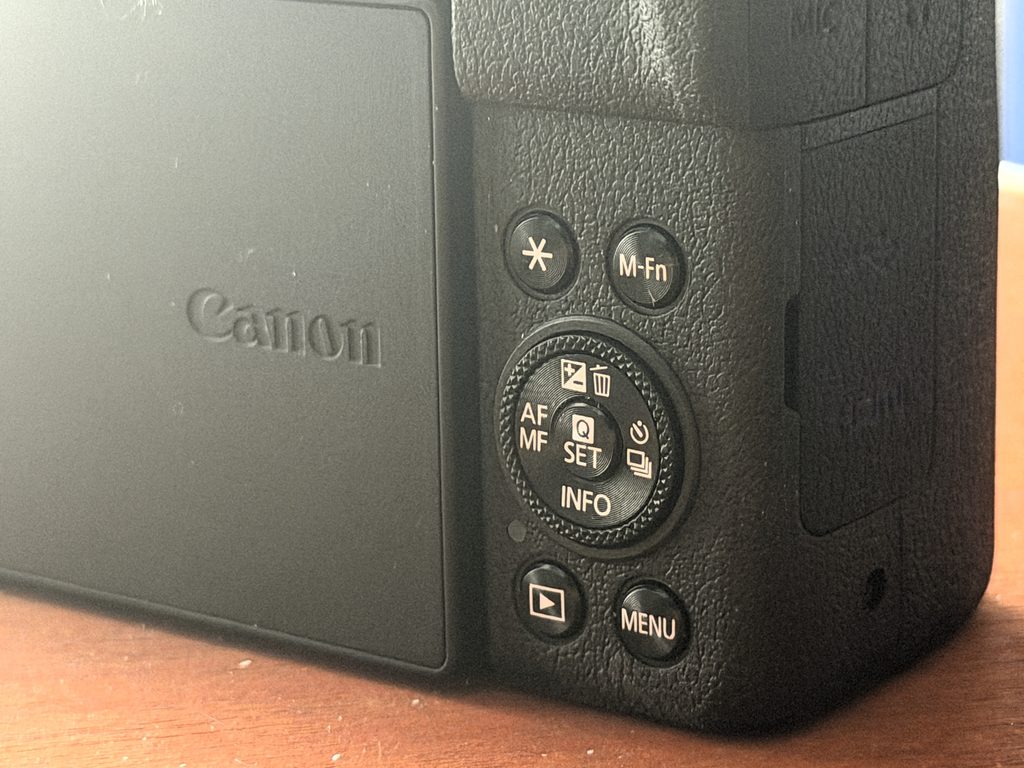
The Dual Pixel CMOS AF implementation is fast, accurate, and context-aware. Face and eye detection works reliably in vlogging mode, tracking is sticky once you lock onto a subject, and the 30fps burst capability keeps up with fast-moving subjects for stills. This is the level of autofocus that removes a layer of cognitive load from the shooting process, letting you focus on content rather than camera management.
Built-In ND Filter and Wind Muffler Are Practical Essentials
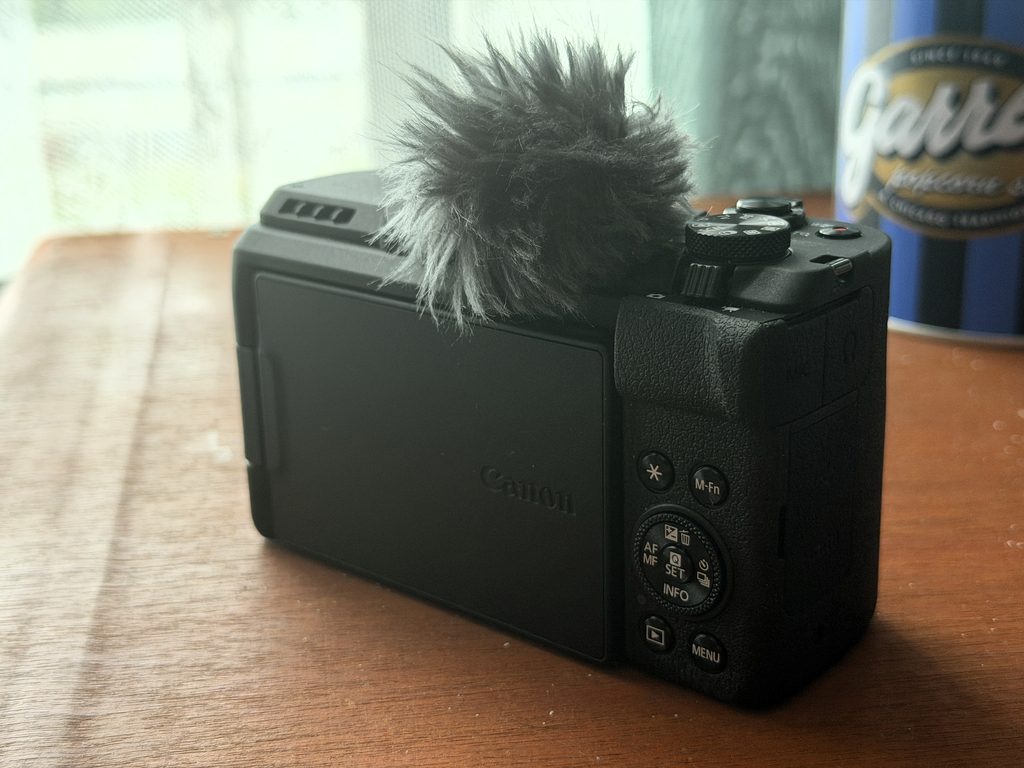
The three-stop ND filter and included wind muffler are the kind of practical accessories that content creators need but often end up buying separately and managing separately. Having both integrated into or bundled with the camera keeps the setup cleaner and faster to deploy, which matters when you are trying to shoot quickly and move on.
Comprehensive Connectivity for a Compact Camera
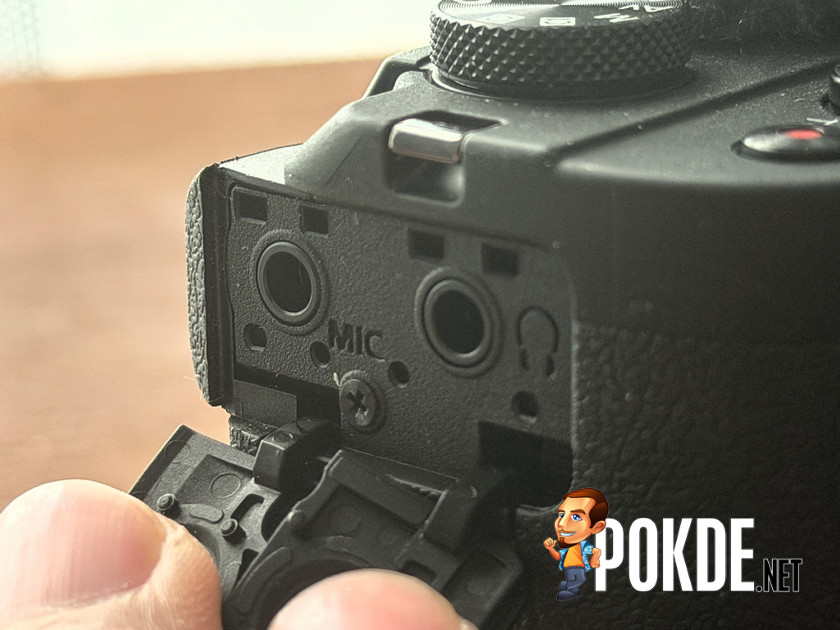
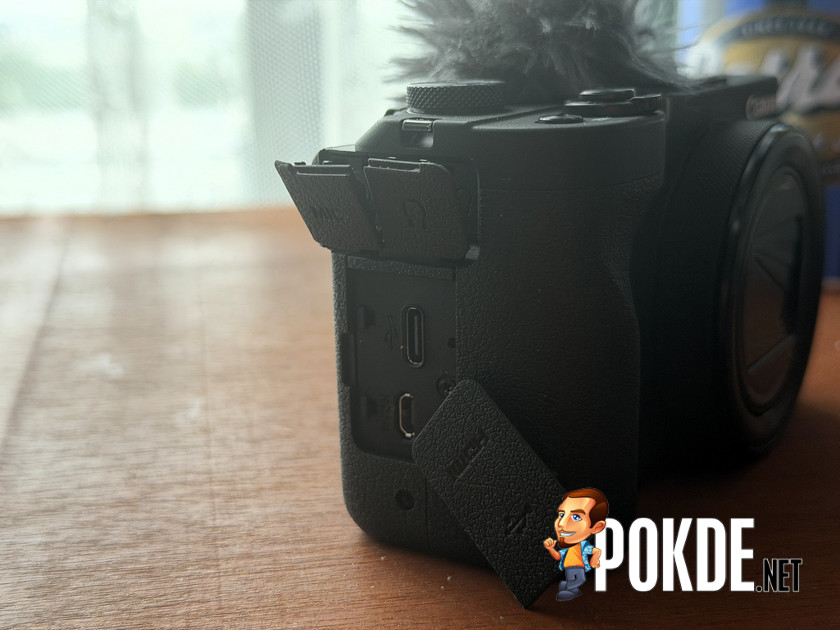
USB-C, micro HDMI, a dedicated microphone jack, a headphone jack, and the Multi-Function Shoe together make the V1 genuinely expandable for more serious production setups. The ability to connect an external microphone, monitor audio in real time, and add accessories through the shoe without a web of adapters is a meaningful advantage for a camera at this size.
Log Shooting and 5.7K Oversampled 4K
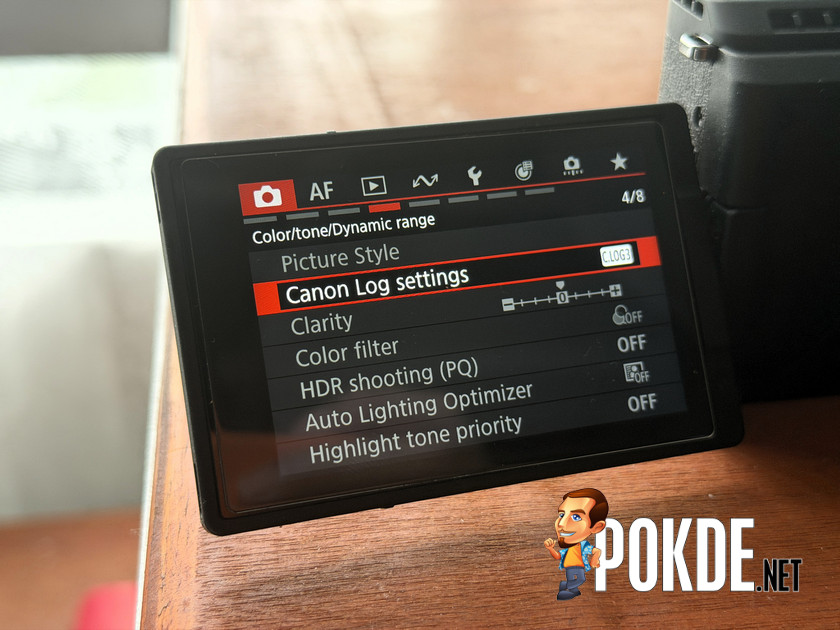
The availability of log shooting for color graders and the 5.7K oversampled 4K 30p pipeline are features that exceed what most compact cameras offer. The oversampled 4K produces noticeably sharper and more detailed footage than a straight 4K crop would, and log gives advanced users the raw material to grade their footage precisely.
Versatile Zoom Range for Both Video and Stills
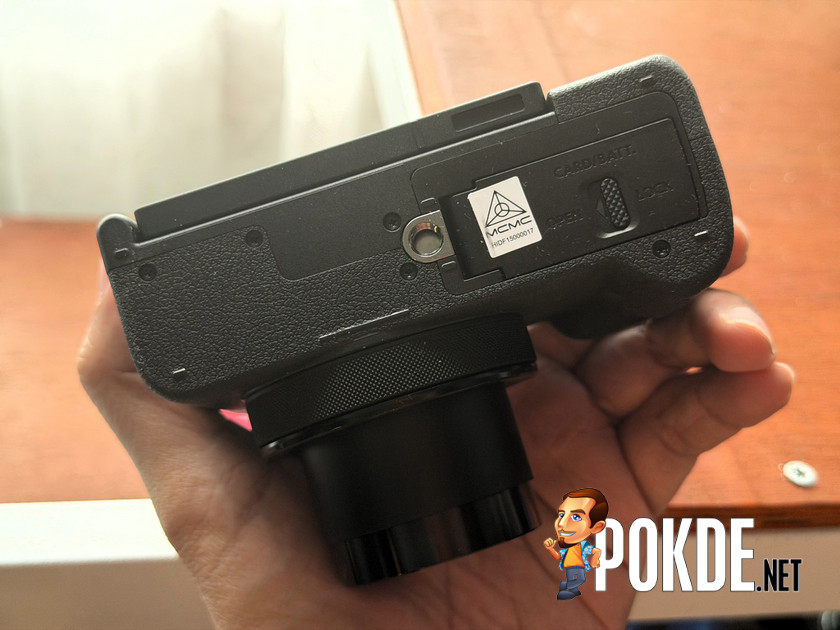
The 16-50mm equivalent range works well for the majority of vlogging and travel shooting scenarios, and the 30fps burst capability makes the V1 a more capable stills camera than its video-first positioning might suggest. It is not a replacement for a dedicated stills camera with a longer zoom, but as a do-most-things compact it covers a lot of ground.
The Bad
Internal Microphone Picks Up Zoom Noise
When you zoom the lens while recording using the internal microphone, there is an audible mechanical noise that is picked up in the audio. For any shooting where audio quality matters, an external microphone is effectively a necessity rather than an option, which adds cost and setup time. The mic itself sounds fine, far from great, but still fine if you prefer a run and gun setup and are willing to do some post-production work. The dedicated mic jack handles this cleanly, but buyers should factor in the additional accessory cost.
Shooting 4K 60p invokes a crop that reduces the field of view and produces noticeably lower quality footage compared to the 4K 30p oversampled output. For high frame rate video work where quality matters, this is a real limitation. The camera’s strongest video quality is in 4K 30p, which is worth understanding before defaulting to higher frame rates.
Stabilisation Has Limits at the Frame Edges
The 5-axis optical stabilisation handles most handheld shooting scenarios well, but during more aggressive movement such as fast walk-and-talk vlogging, there can be some wobble visible at the edges of the frame. It is not severe enough to be a dealbreaker for most use cases, but users planning very dynamic handheld shooting should be aware of this limitation.
No Viewfinder
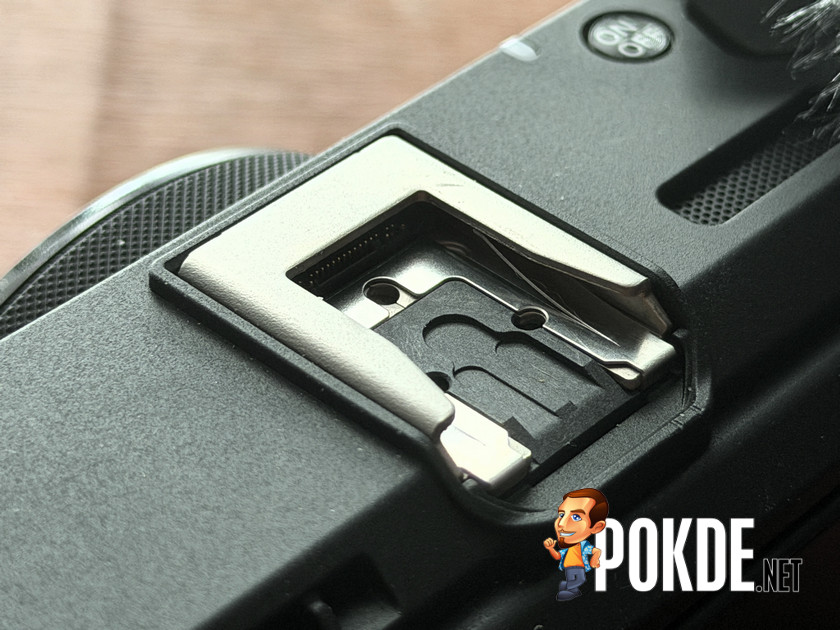
The absence of an optical or electronic viewfinder means you are always reliant on the touchscreen for composition, which is fine in most situations but becomes limiting in very bright sunlight where screen visibility is reduced. For a camera aimed at outdoor and travel shooting, this is a genuine omission worth knowing about.
Micro HDMI Rather Than Full-Size HDMI
The micro HDMI port is a minor but recurring frustration. Micro HDMI cables are less common, easier to damage, and the connection is less secure than full-size HDMI. For a camera in this category where external monitor connectivity is a relevant use case, full-size HDMI would have been a more practical choice.
Canon PowerShot V1 Verdict
The Canon PowerShot V1 is a confident, well-considered compact camera that was not what the market expected but is arguably better than what the market expected. By targeting content creators rather than stills photographers, Canon has built a camera that solves real problems, the active cooling removes recording limits, the large sensor produces quality that exceeds compact camera norms, and the autofocus works reliably enough that it mostly disappears from conscious thought. The result is a camera that lets you focus on your content rather than your camera settings, which is exactly what a creator-focused product should do.
The internal zoom noise, the 4K 60p quality trade-off, and the RAW color bias are all real limitations, but none of them fundamentally undermine what the V1 is built for. At RM3,999 retail, and more commonly found between RM3,449 and RM3,849, it sits at a price point that is competitive for what it delivers.
For creators, vloggers, and streamers who want a portable, powerful compact that is approachable for beginners but capable enough for more advanced workflows, the Canon PowerShot V1 earns our coveted Gold Pokdeward without much argument.

Big thanks to Canon Malaysia for sending us this camera for the purpose of this review.