
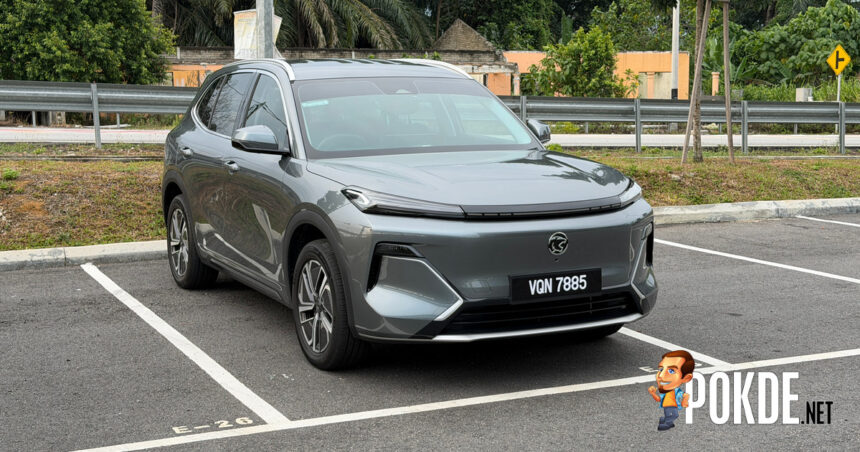
- Walkaround
- Specifications
- The Good
- RM109,800 For All Of This Is The Whole Argument
- The 1,000 km Combined Range Makes Range Anxiety Largely Irrelevant
- The Interior Space Is A Genuine Advantage
- A Driving Experience That is Enjoyable and Remains The Same Across the Board
- Relatively “Premium” For A Base Model At First Glance
- The Bad
- Too Many Controls Live On The Screen
- The Suspension Has Not Been Tuned For Malaysian Roads
- The Battery Threshold Behaviour Needs To Be Understood Before Purchase
- The Prime’s DC Charging Speed Is The Slower Option In The Range
- Some Odd Omissions That Will Likely Push You Towards the Premium
- Proton e.MAS 7 PHEV Prime Verdict
Offer price: 109800
Currency: MYR
-
Appearance - 9/109/10
-
Efficiency - 8.5/108.5/10
-
Features - 6.5/106.5/10
-
Materials - 8/108/10
-
Performance - 8.5/108.5/10
-
User Experience (UX) - 7/107/10
-
Value - 7/107/10
Summary
The Proton e.MAS 7 PHEV Prime makes a straightforward value argument and mostly wins it. For buyers who will plug the car in regularly, charge at home overnight, and treat it like the plug-in vehicle it is, the Prime delivers on its promise with conviction.
Overall
7.8/10Pros
- RM109,800 For All Of This Is The Whole Argument
- The 1,000 km Combined Range Makes Range Anxiety Largely Irrelevant
- The Interior Space Is A Genuine Advantage
- A Driving Experience That is Enjoyable and Remains The Same Across the Board
- Relatively “Premium” For A Base Model At First Glance
Cons
- Too Many Controls Live On The Screen
- The Suspension Has Not Been Tuned For Malaysian Roads
- The Battery Threshold Behaviour Needs To Be Understood Before Purchase
- The Prime’s DC Charging Speed Is The Slower Option In The Range
- Some Odd Omissions That Will Likely Push You Towards the Premium
Walkaround
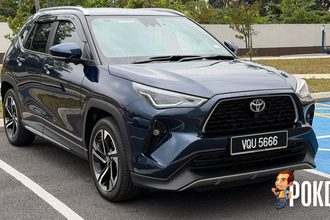
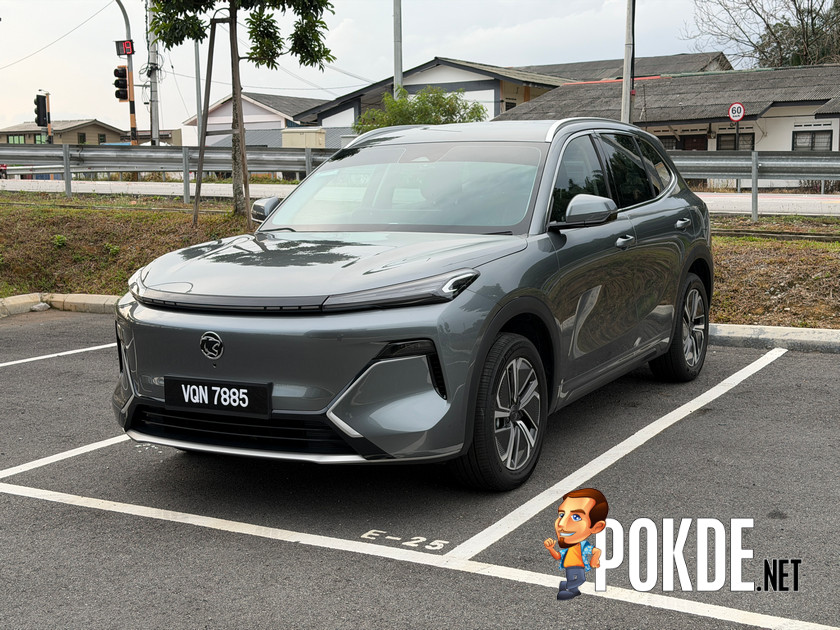
There is a version of this car that exists purely as a number. RM109,800 for a plug-in hybrid SUV with about 1,000 km of combined range, superbly spacious, a 15.4-inch display, a 6-speaker sound system, and 18-inch wheel on the corners. Written down like that, it sounds almost implausible, and yet here we are. The Proton e.MAS 7 PHEV Prime is a real car that you can walk into a showroom and buy today, and that price tag is the first and most important thing to say about it.
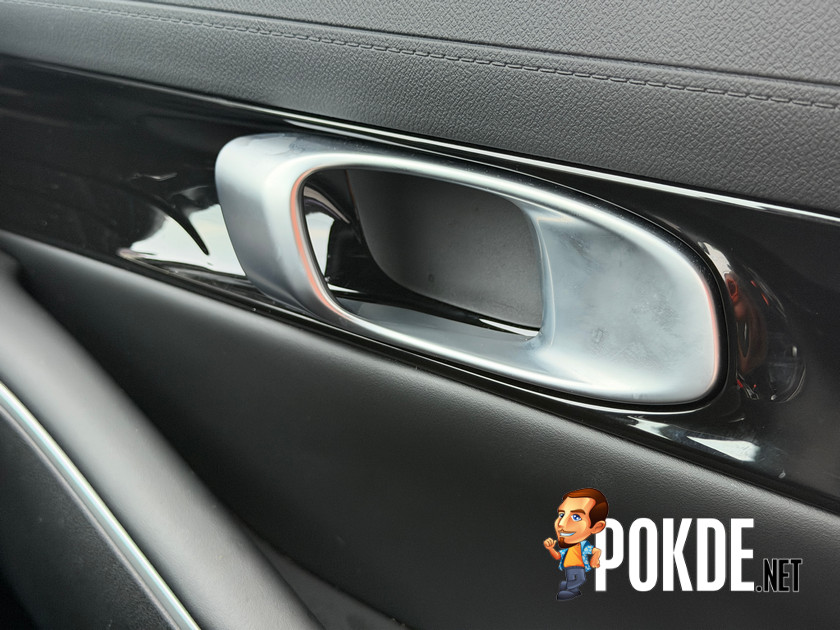
What sits behind that price tag is a design that is easier to mistake for the BEV sibling than you might expect. The PHEV and the fully electric e.MAS 7 share the same GMA platform, a similar front fascia with a covered grille rather than a traditional radiator opening, and a roofline that flows cleanly into a wide rear. The differences are there if you look for them. Conventional door handles replace the BEV’s aerodynamic flush-mounted ones, a choice that Proton has made consciously to bridge the gap for buyers who want electrification without fully committing to it. The rear is the more visually interesting end, with the number plate repositioned from the bumper to the tailgate, giving the back of the car a purposefulness that the front does not quite match.
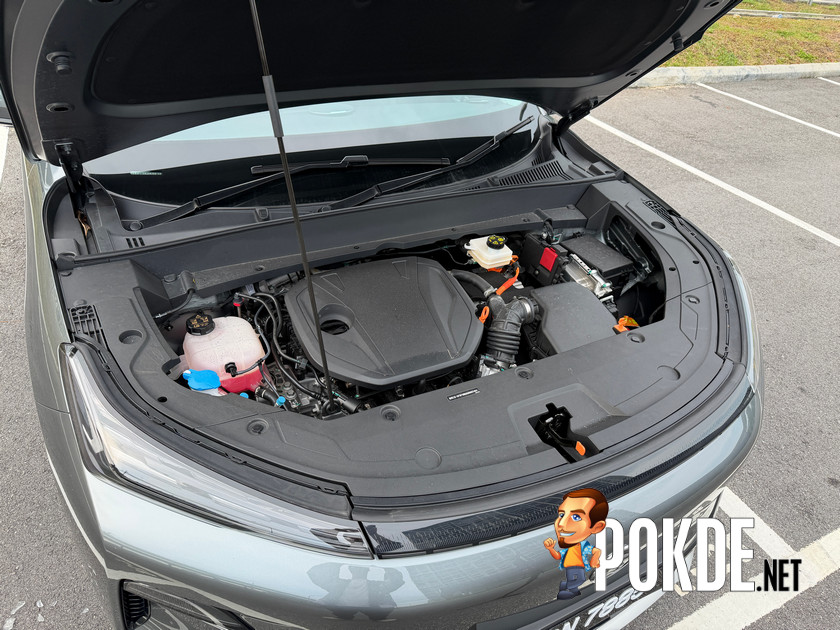
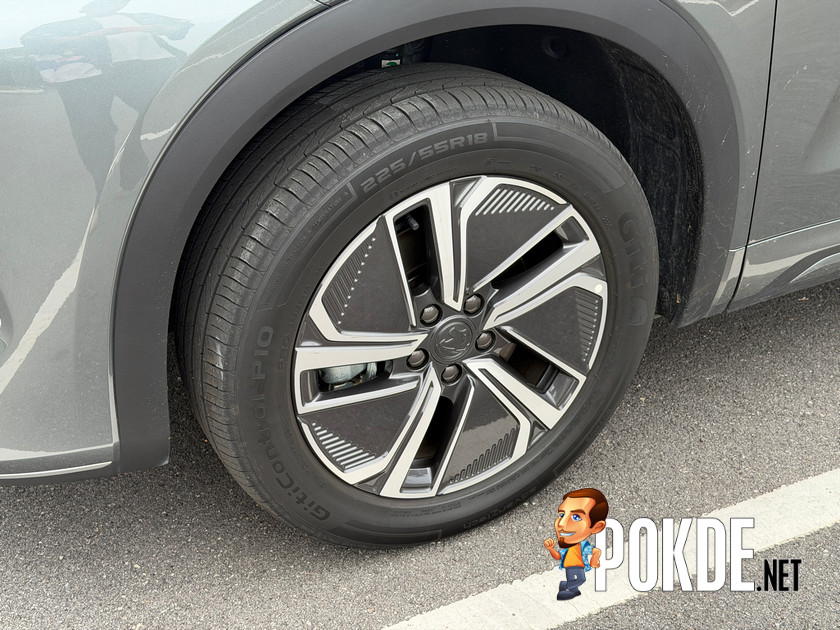
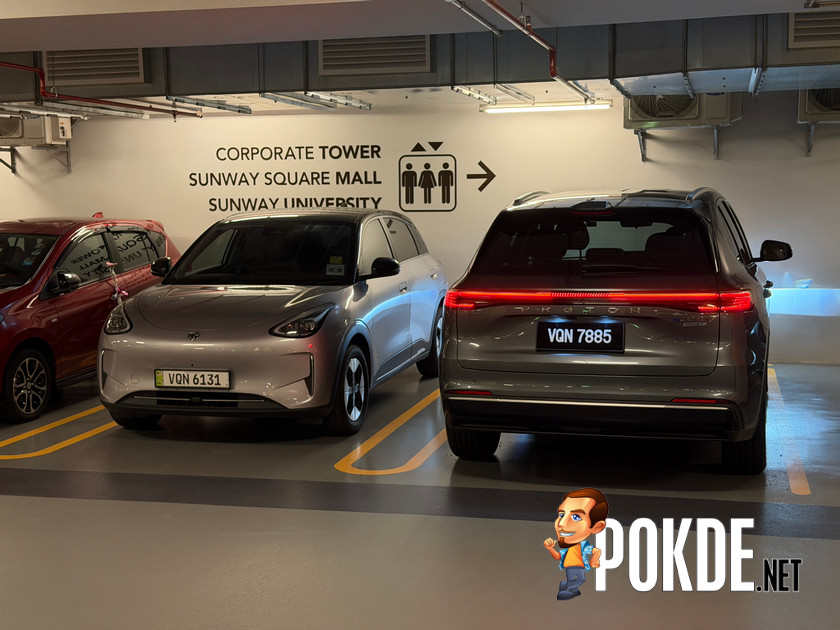
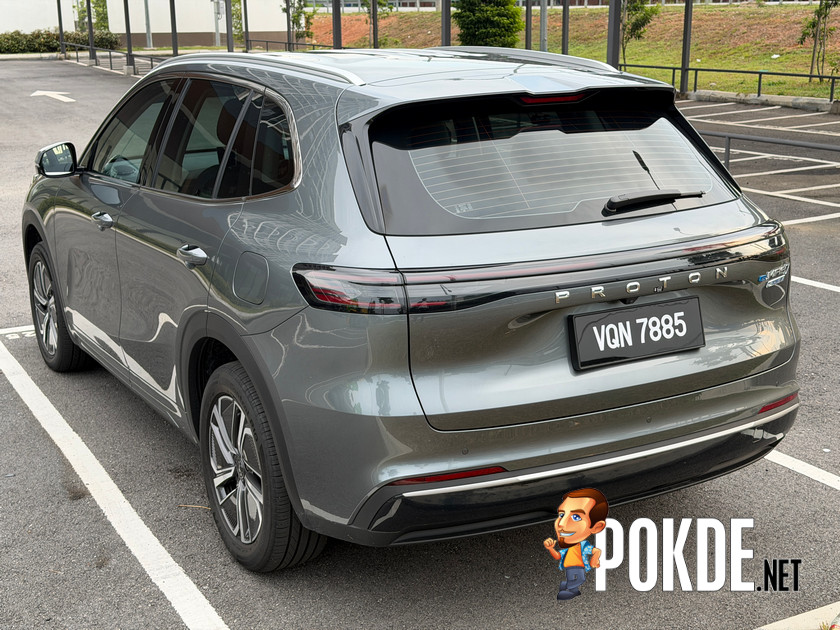
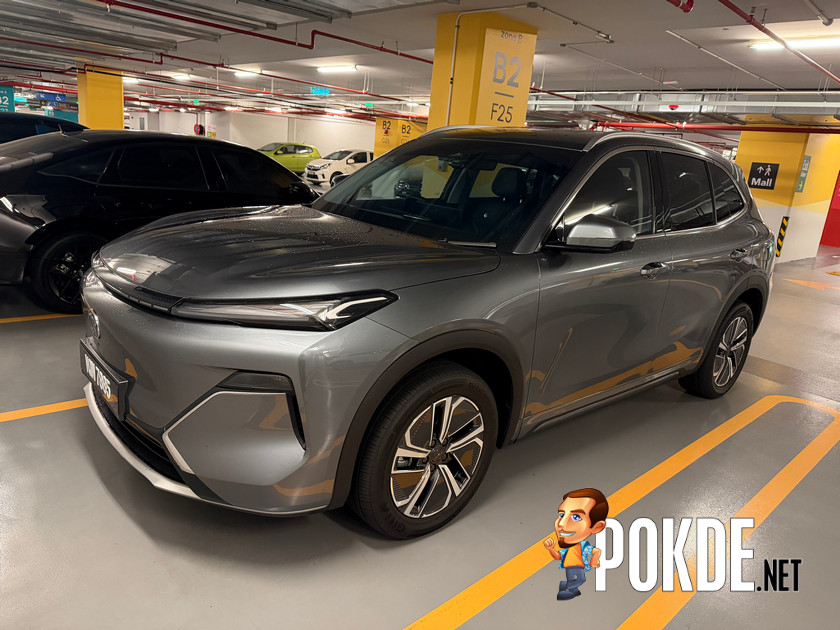
At 4,740mm long with a 2,755mm wheelbase, the e.MAS 7 PHEV is actually slightly larger than the BEV in every dimension, a necessary consequence of packaging the 18.4kWh lithium iron phosphate (LFP) battery, 1.5-litre engine, 11-in-1 Dedicated Hybrid Transmission, and 51-litre fuel tank into the same basic body. The 18-inch alloy wheels fill the arches well, and a drag coefficient of 0.288cd is competitive for the segment. Six colour options cover most tastes, from Aquamarine Blue and Emerald Green for buyers who want to stand out, through to Obsidian Black, Galena Grey, Lithium White, and Mercury Silver for those who would rather not.
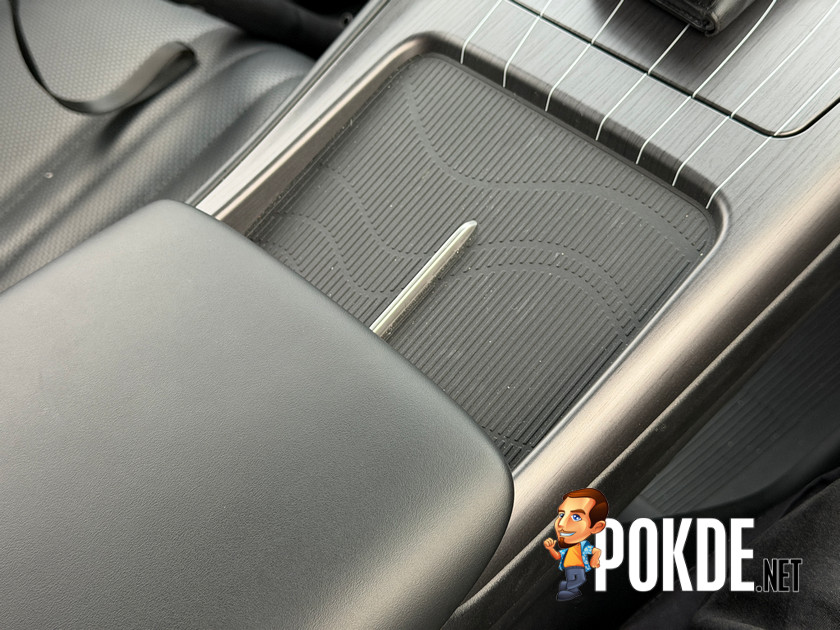
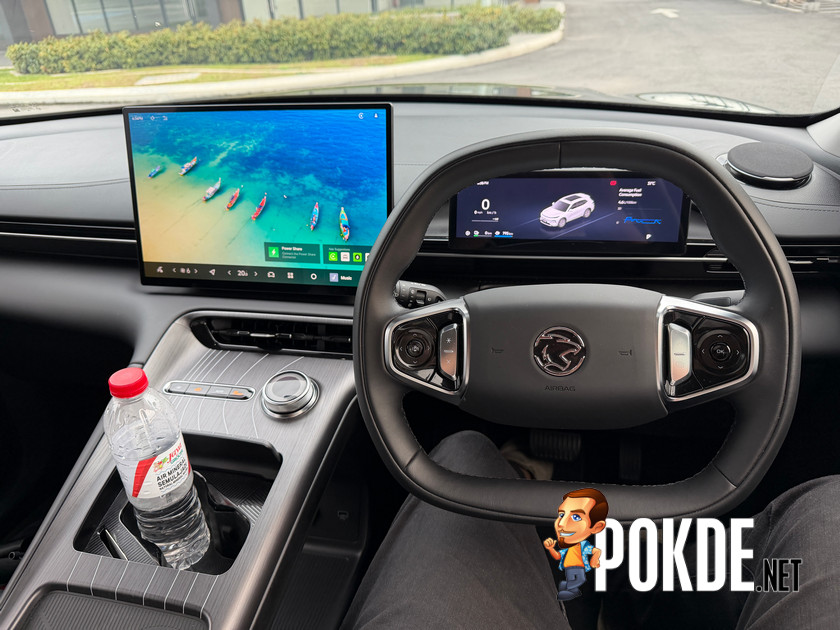
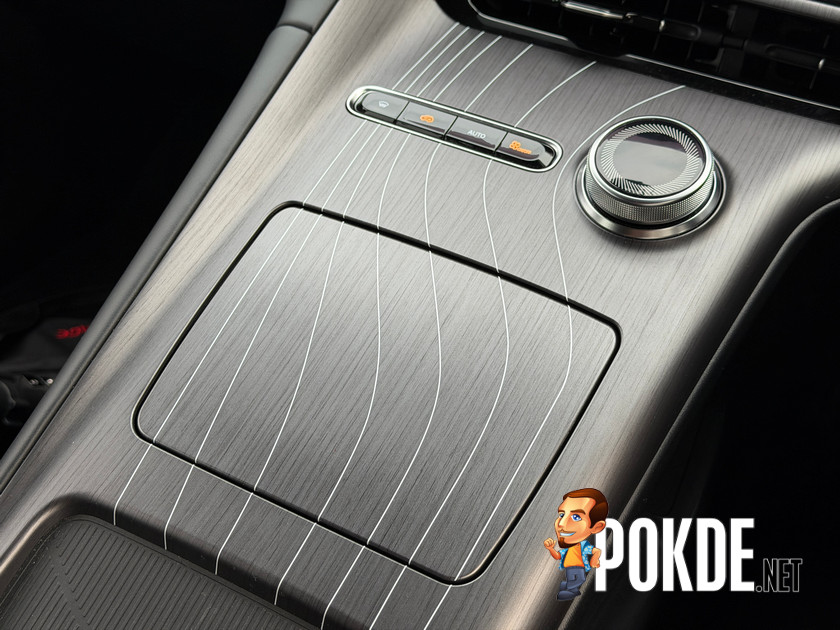
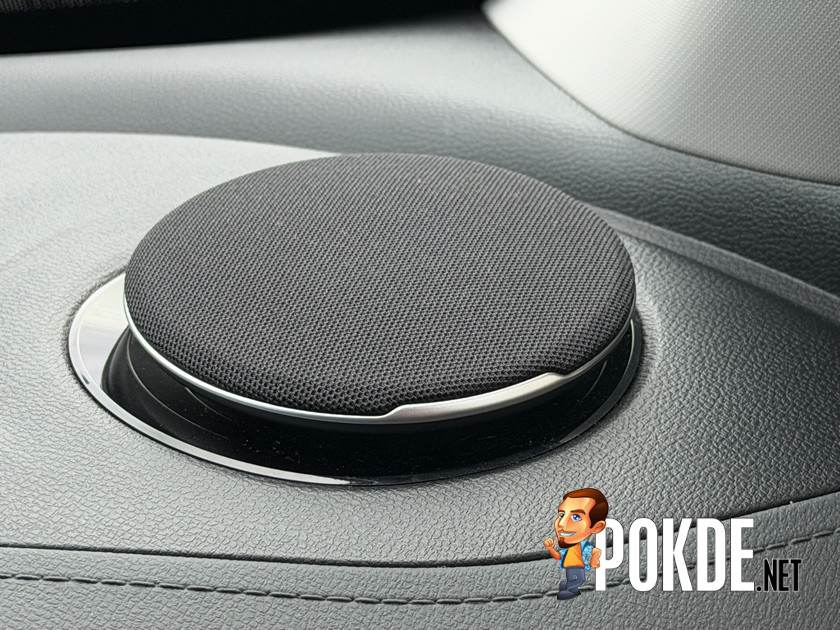
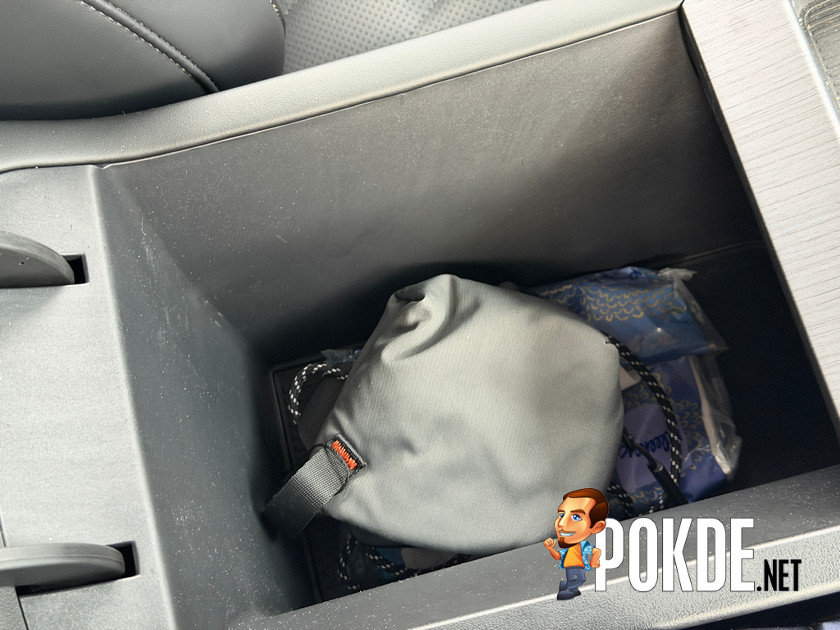
Step inside and two interior colour options are available, Onyx Black and Alabaster White. The Onyx Black interior has a more classy vibe to it but the Alabaster White cabin gives off a more premium feel and makes the space feel larger, though it will demand more attention to keep clean over time. The centrepiece is the 15.4-inch 2.5K display head unit with an integrated live charging map, which is an impressive piece of hardware at this price point, and it pairs with a 10.2-inch instrument cluster with all the necessary info you need. It would be nice to have a heads-up display but that’s reserved for the Premium / Premium Plus. The overall impression is of a cabin that has been designed with generosity in mind, wide, light, and spacious in a way that feels more expensive than the sticker suggests.
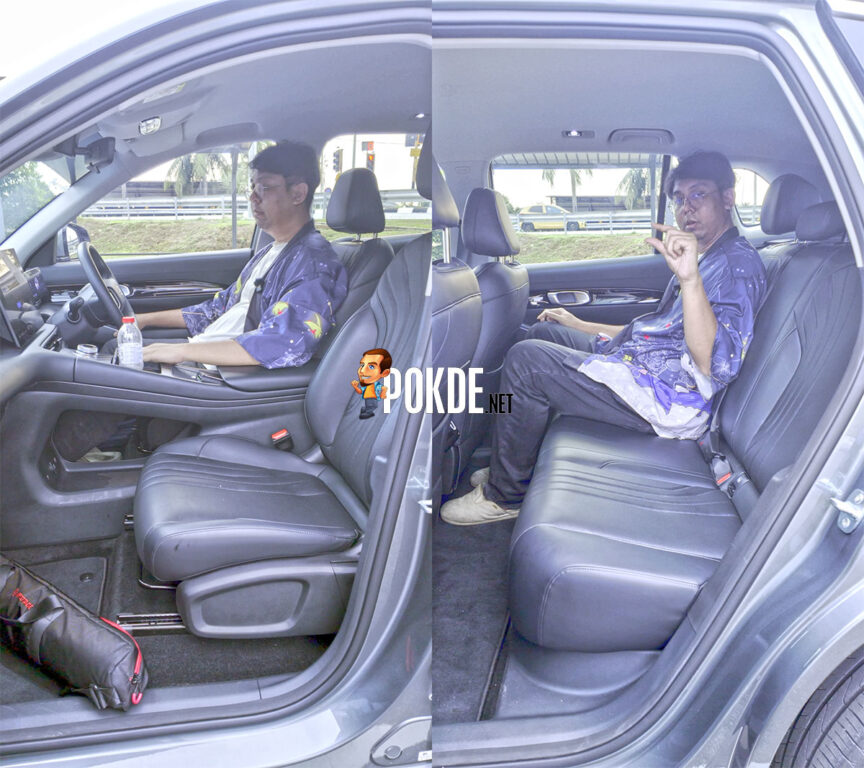
The rear is roomy in the way that Chinese-developed SUVs typically prioritise, with genuine legroom, a pair of rear air vents, and USB-A and USB-C charging ports built into the armrest. The boot offers 528 litres of space with seats up, expanding to 2,065 litres with them folded, which is actually more than the BEV variant manages. The trade-off is the removal of the underseat storage tray to make room for the fuel tank, and the additional cargo spaces that the full electric variant offers are not present here.
Build quality is consistent and appropriate for the price, though it does not carry the same tactile premium as the European or Japanese rivals that sit above this segment.
Specifications
| Specification | Details |
|---|---|
| Engine | 1.5-litre 4-cylinder EM-i Dedicated Hybrid Engine (DHE), naturally aspirated |
| Transmission | 11-in-1 Dedicated Hybrid Transmission (DHT) |
| Combined Power Output | 193 kW / 262 PS |
| Combined Torque | 262 Nm |
| Drive System | Front-wheel drive |
| 0-100 km/h | 8 seconds |
| Maximum Speed | 170 km/h |
| Battery Type | Lithium Iron Phosphate (LFP) |
| Battery Capacity | 18.4 kWh |
| Pure EV Range | 104 km (NEDC) / approx. 89 km (WLTP) |
| Combined Range | Approx. 1,000 km (NEDC) |
| Fuel Consumption | 4.3 L/100 km (NEDC) |
| DC Fast Charging | 30 kW (30%-80% SOC in approx. 20 minutes) |
| AC Home Charging | 6.6 kW (0%-100% in approx. 4.6 hours) |
| Driving Modes | Pure / Hybrid / Power |
| Suspension (Front) | MacPherson Strut |
| Suspension (Rear) | Multi-Link |
| Tyres & Rims | 19-inch Alloy |
| Dimensions | 4,740 x 1,940 x 1,685mm |
| Wheelbase | 2,755mm |
| Turning Radius | 5.2m |
| Boot Space | 528L (seats up) / 2,065L (seats folded) |
| Fuel Tank | 51 litres |
| Infotainment | 15.4-inch 2.5K Display, Flyme Auto (Apple CarPlay / Android Auto) |
| Instrument Cluster | 10.2-inch LCD digital instrument cluster |
| HUD | 13.8-inch Windshield Head-Up Display (only for Premium and Premium Plus |
| Audio | 16-speaker Flyme Sound System powered by Wanos (with headrest speakers) |
| Safety | Level 2 ADAS with 16 features, 360-degree camera with 3D display, 7 airbags, Occupant Detection Alert |
| Additional Features | 256-colour ambient lighting, panoramic sunroof with sunshade, fully reclinable front seats, 30 storage compartments, voice command in English and Malay, OTA firmware updates, Proton e.MAS app, 5-year 2GB monthly data |
| Warranty | 6-year unlimited mileage vehicle warranty; 8-year / 160,000 km high voltage electric battery and components warranty |
| Colours | Aquamarine Blue, Obsidian Black, Galena Grey, Lithium White, Mercury Silver, Emerald Green |
| Price | RM109,800 (OTR without insurance) |
The Good
RM109,800 For All Of This Is The Whole Argument
The entry point into the e.MAS 7 PHEV range is the Prime at RM109,800, and at that price, the feature list is genuinely difficult to argue against. A 15.4-inch 2.5K infotainment display (complete with wireless Apple Carplay and Android Auto support) with integrated live charging map along with the same size and range as the Premium variant. It’s not the same as the 16-speaker setup you get in the two more expensive variants, but it still sounds good enough right out of the showroom.

The 6-year unlimited mileage vehicle warranty and the 8-year, 160,000 km coverage on the high voltage battery and components are the other pillars of the ownership case. A PHEV purchase at any price involves some degree of trust in the long-term reliability of the battery system, and Proton has taken that concern seriously with a coverage period that exceeds what most established rivals offer in this segment.
The 1,000 km Combined Range Makes Range Anxiety Largely Irrelevant
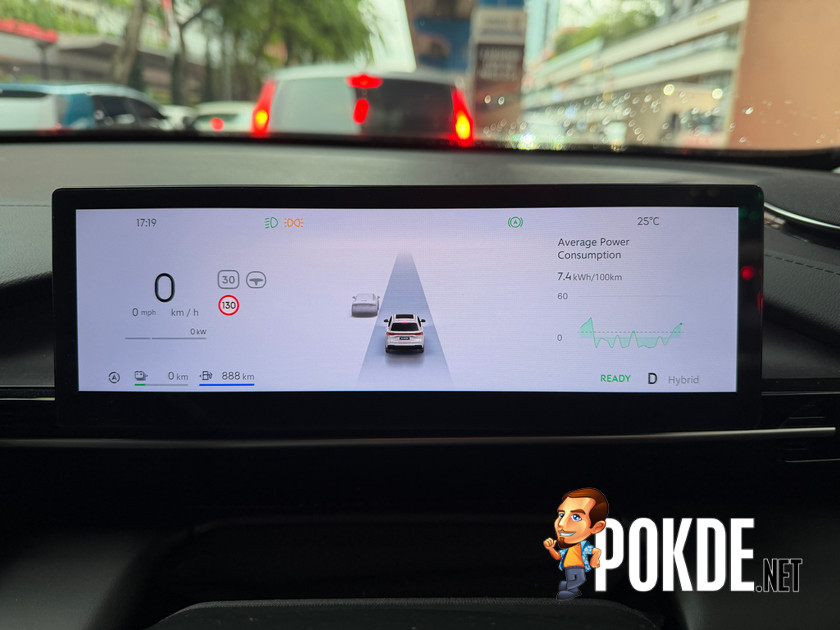
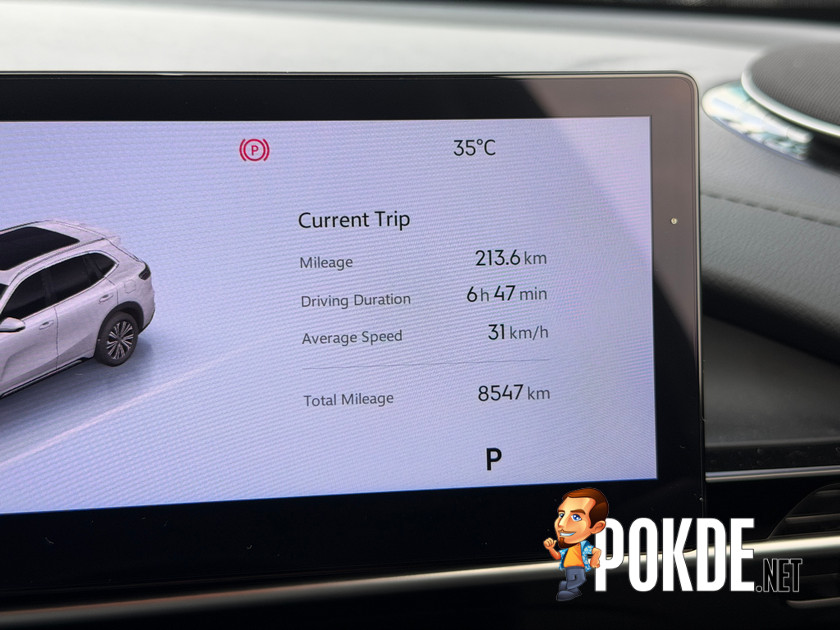
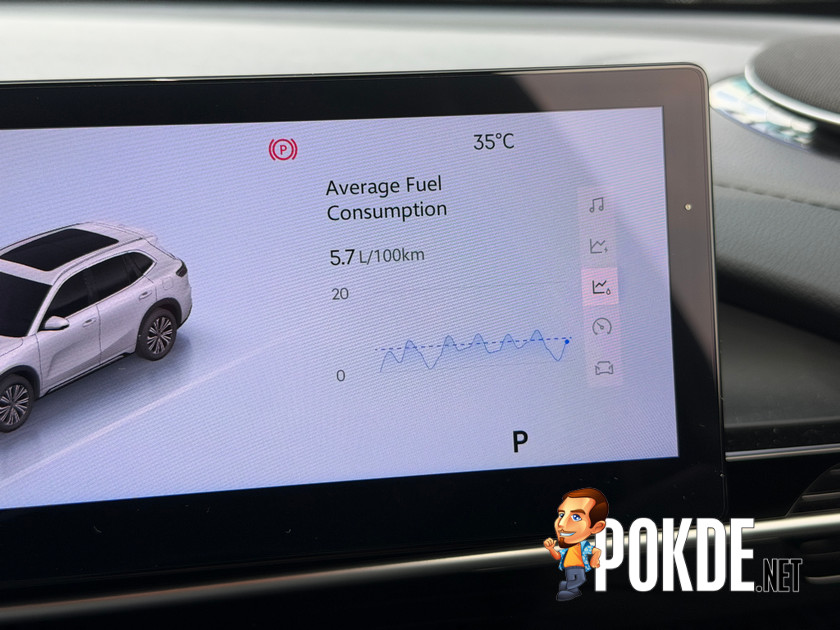
The Prime variant carries the same 18.4kWh LFP battery as the mid-range Premium, providing an NEDC electric-only range of 104 km, or approximately 89 km under the more conservative WLTP standard. By the end of the review period, the instrument cluster showed a fuel consumption of 5.7L/100km but if I do a rough calculation myself based on a 10.2L (approximately) fuel usage, 213.6/10.2 = 20.94 km/l = 4.78L/100km. I believe what’s being displayed is accounting for the low battery levels moving forward whereas my calculation has already included the use of the battery, as Super Daddy was really pressing down hard and ended up using a majority of the charge.
Regardless of whichever figure you lean towards, it’s a great figure that anyone would be happy with. For daily commuters, I’d foresee one only refuelling once a month, maybe twice at most unless one keeps traveling to other states in the country often. For the best results, get it charged as soon as you’re back home, which the 6.6kW AC charger can complete in approximately 4.6 hours from empty. The 30 kW DC fast charging capability brings the battery from 30% to 80%in around 20 minutes at a compatible public charger, which is a meaningful fast charging speed for the price.
Once the battery depletes, the 1.5-litre DHE keeps things moving with a combined range of approximately 1,000 km on a full tank and full charge (943km based on WLTP range). The 5.2-metre turning radius and the ease of daily driving in Pure mode through Klang Valley traffic make this a genuinely convenient urban vehicle, and the 0-100 km/h time of 8 seconds is brisk enough to feel composed rather than slow at highway speeds.
Just to point out, Proton recommends every user to charge the car to full at least once a month. Furthermore, the pressurized nature of the fuel tank helps to manage fuel vapor pressures and slows down fuels degradation, with the expectation of it lasting roughly 6 to 7 months..
The Interior Space Is A Genuine Advantage
The 2,755mm wheelbase is the longest in its class, and it translates directly into rear passenger space that is noticeably more generous than most competitors at this price. The rear air vents, dual charging ports, and reclining rear seat mean that the back of the e.MAS 7 PHEV is a comfortable place to be on longer drives, not just a row of seats that exist to satisfy a headcount. The 528-litre boot, expandable to 2,065 litres, handles real-world carrying demands without the compromise that the BEV variant’s floor layout introduces.
A Driving Experience That is Enjoyable and Remains The Same Across the Board
While one would often be distracted by the features and amenities but at its core, the Proton e.MAS 7 PHEV Prime has the same driving experience across all variants. It’s a quiet, effortless drive that is reminiscent of its BEV counterpart for the most part (especially that instant torque), and it only ever gets “noisy” if you floor the accelerator or are driving at highway speeds past 120km/h as the engine is being used more as opposed to normal city driving where it’s pretty much a full-electric experience.
Even then, the noise is well controlled as you can barely notice it for the most part. In fact, the transition from full electric to parallel and direct engine drive feels seamless. What you’d hear, more often than not, would be tyre noise as the Prime uses the Giti Control P10s. Something like the Continental UltraContact UC7 or the Michelin Primacy 5 would yield a more comfortable, quieter drive in comparison. Despite it being a rather large C-segment SUV, it’s still pretty easy to maneuver around traffic with it.
Relatively “Premium” For A Base Model At First Glance
With most cars in Malaysia that have more than one variant, the base model is typically presented in a more cheap fashion; more hard plastics, fabric cushions, polyurethane steering wheels, and more. That’s not the case with the Prime as you do get leatherette seats, leatherette steering wheels, soft-touch materials in more places than it matters, a huge infotainment display, and an interior that feels genuinely comfortable to be in. Sure, one might argue that it’s still a car that costs 6 digits but it’s still a rarity for a base model to feel this upmarket.
That will likely start to make you wonder what areas got compromised to make this variant more affordable. I’ll save that for the next section.
The Bad
Too Many Controls Live On The Screen
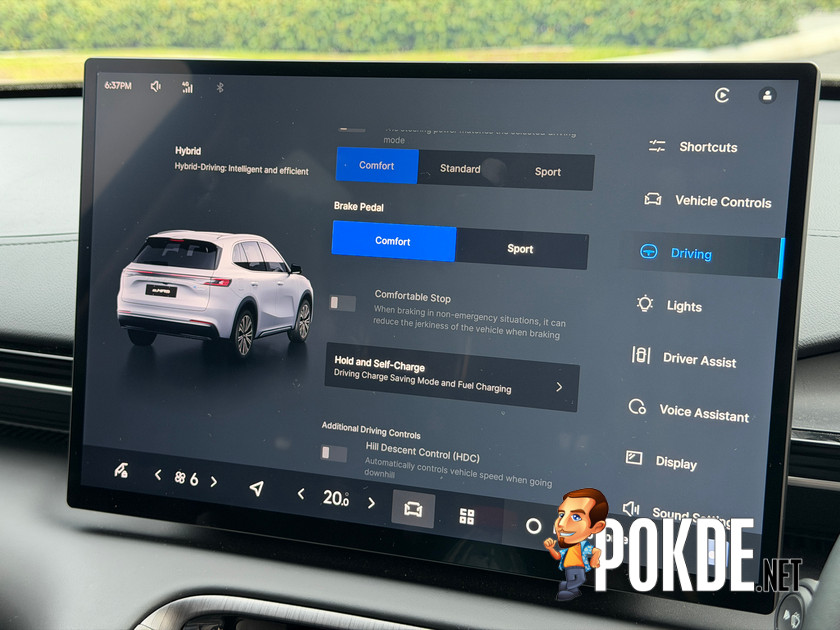
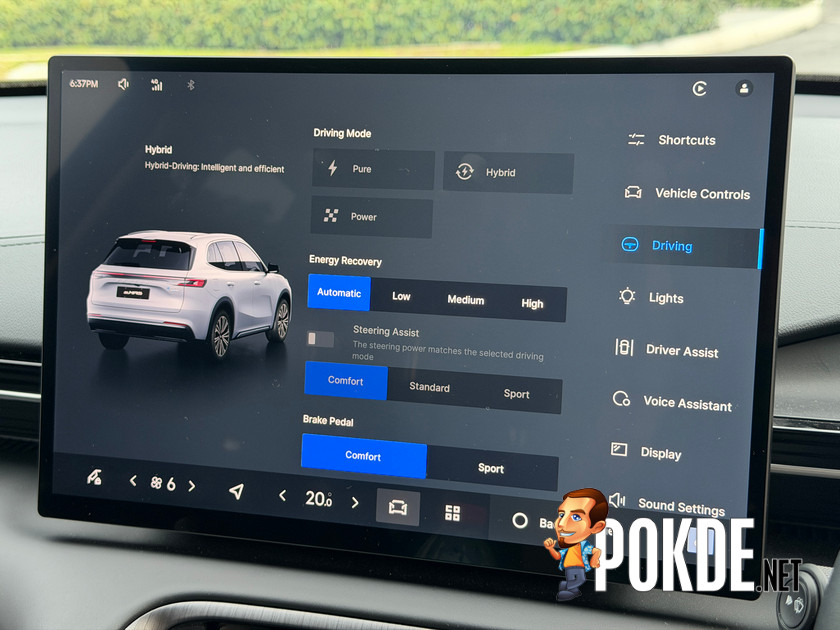
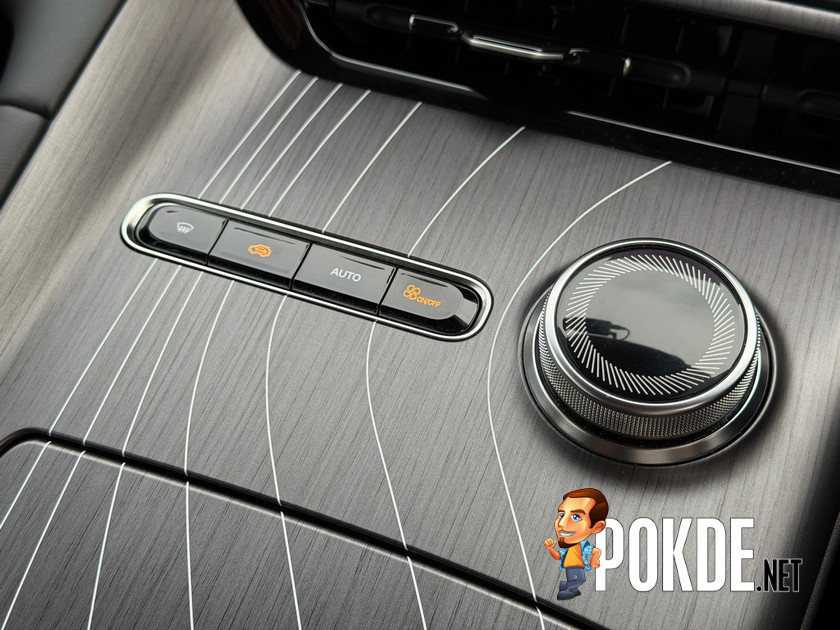
The 15.4-inch display is impressive hardware, but Proton has put too much behind it. Drive mode selection, headlight adjustments, fan speed, and air conditioning temperature all require a trip into the touchscreen rather than a physical button or dial. The rotary dial addresses the issue to a small extent, allowing you to either change fan speed or temperature depending on how you’ve set it up, but full controls still require the screen. This will become habitual over time, but it represents a genuine ergonomic trade-off that buyers accustomed to more traditional cabin layouts will notice from day one.
The Suspension Has Not Been Tuned For Malaysian Roads
The e.MAS 7 PHEV’s ride leans soft, which is a deliberate choice that prioritises comfort on smooth surfaces. The problem is that Malaysian road surfaces are not always smooth, and over the kind of undulation and surface variation common to federal roads and older highway sections, the suspension produces a pronounced body movement that can become tiring on longer drives. Switching to Power mode does reduce this noticeably, which is puzzling because Proton confirms the suspension itself is passive, with no adaptive adjustment capability.
The company attributes the change in character to throttle response and steering tuning rather than suspension changes, and whatever the mechanism, the improvement is real enough to make Power mode the preferred choice for anything beyond slow city driving. The Soft-Touch Steering also deserves a mention here. It is very light by default, which suits urban manoeuvring but does not inspire confidence on highway stretches where more weight and feedback would reassure the driver.
The Battery Threshold Behaviour Needs To Be Understood Before Purchase
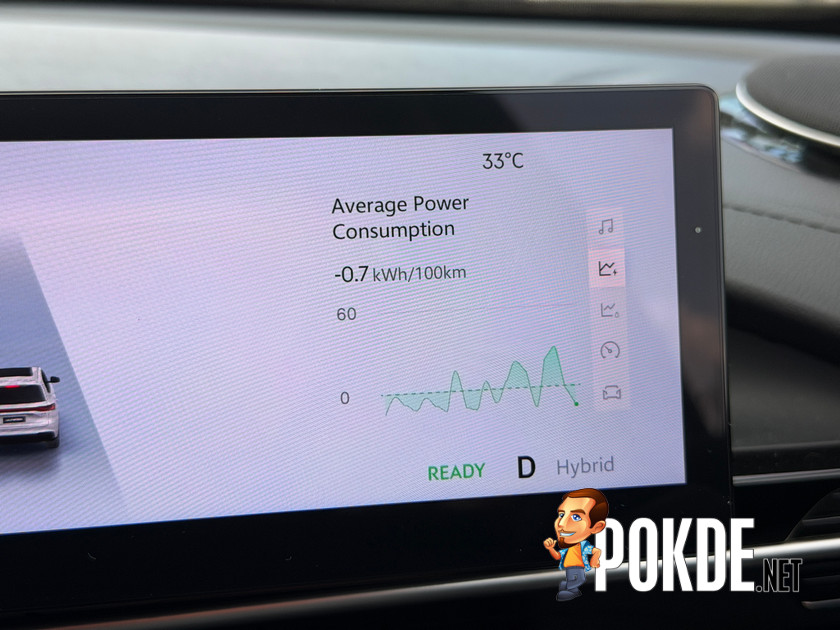
Once the battery state of charge falls to around 20% to 23%, the e.MAS 7 PHEV’s character changes in a way that first-time PHEV buyers may not expect. The engine begins to work noticeably harder to both move the car and maintain the battery at its minimum operational level, and it becomes significantly louder as a result. Fuel consumption rises accordingly. There is a force charge function that can replenish the battery using the engine as a generator, but this only operates when the vehicle is stationary and occupied, it does not function while moving, and it adds only a modest amount of range.
The practical implication is that the e.MAS 7 PHEV rewards buyers who charge regularly and treat it like a plug-in vehicle rather than a conventional hybrid. Buyers who do not plug in regularly will be carrying the weight of an 18.4kWh battery while running primarily on petrol, which is neither efficient nor particularly pleasant. While you can choose to drive without charging anyway, Proton does recommend that you fully charge it at least once a month.
The Prime’s DC Charging Speed Is The Slower Option In The Range
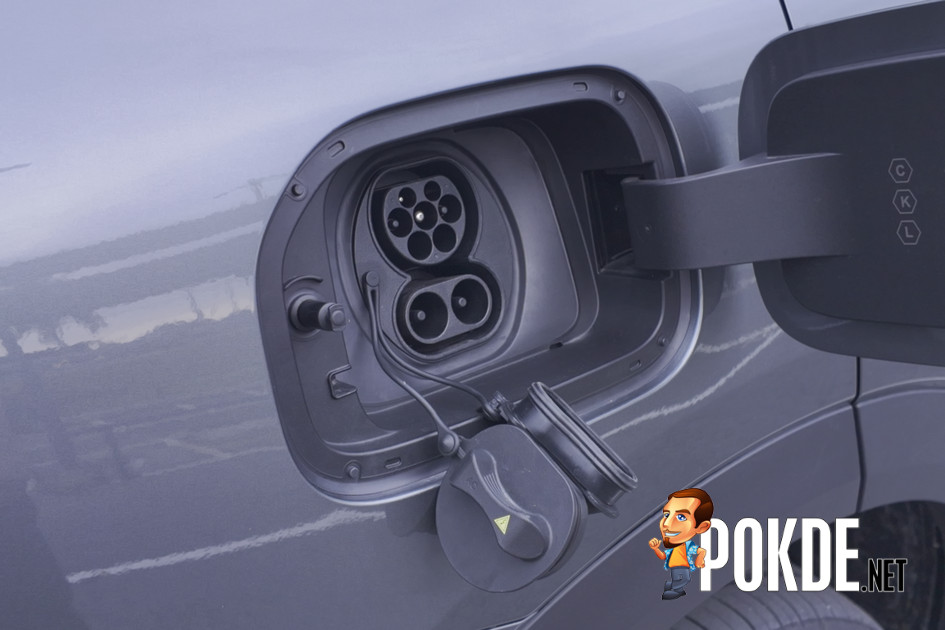
At 30 kW DC charging, the Prime and Premium variants take approximately 20 minutes to move from 30% to 80% state of charge. The Premium Plus, with its larger 29.8kWh battery, offers 60 kW DC charging and achieves the same 30% to 80% in just 16 minutes, along with a significantly larger 170 km NEDC electric range and a 1,065 km combined range. The jump from RM109,800 to RM129,800 for Premium Plus is RM20,000, and buyers who expect to use public fast charging regularly, or who want the extended daily EV range, will find that gap increasingly justifiable the more they think about it.
Some Odd Omissions That Will Likely Push You Towards the Premium
It’s natural to expect some omissions for a base model over it’s pricier siblings. The lack of a sunroof, HUD, wireless charger, ambient lighting, 360 cameras, ventilated seats, powered seat adjustments, and the downgrade from 16 speakers to 6 speakers, are what I would classify as luxury omissions. All of these are great to have, but one can easily go the full ownership cycle without them as well, either by really going without it or remedying at least some with aftermarket add-ons.
What I find odd would be the omissions of auto-folding mirrors, blind spot monitoring, rear cross traffic alert, and front parking sensors. These are what I would deem as standard for a car that costs at least RM100,000, especially auto-folding mirrors as we have cars at half the price that have this feature. While one can live without it and rear cross traffic alert, the lack of blind of spot monitoring and front parking sensors feel rather unforgivable in this day and age. I suppose this is their way of pushing people towards the Premium variant or they’re indirectly telling consumers to rely on the best sensor they have from day 1; their eyes.
Proton e.MAS 7 PHEV Prime Verdict
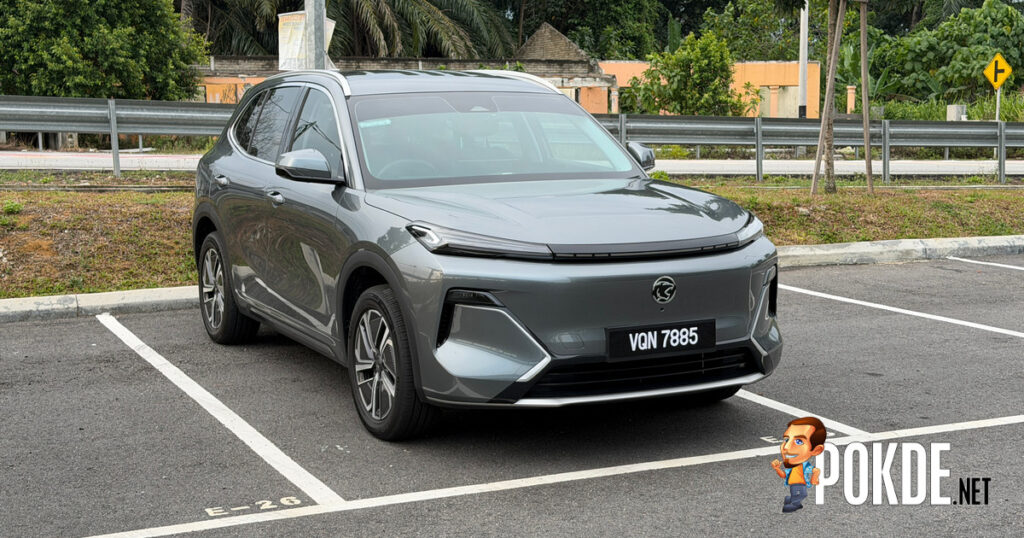
The Proton e.MAS 7 PHEV Prime makes a straightforward value argument and mostly wins it. At RM109,800 (RM105,800 after rebates), there is no other PHEV in Malaysia that offers this combination of electric range, technology, cabin space, and warranty coverage at this price point. Moreover, you get to make use of the Proton e.MAS app for charging as opposed to having multiple different apps for different charging providers. For buyers who will plug the car in regularly, charge at home overnight, and treat it like the plug-in vehicle it is, the Prime delivers on its promise with conviction.
The areas that need work are real rather than trivial. The soft suspension tuned for comfort over composure becomes a genuine irritation on certain road surfaces, the touchscreen-heavy interface is a daily friction point, and the battery threshold behaviour at low states of charge changes the car’s character in ways that should be properly understood before signing. These are not deal-breakers, but they are patterns that will show up in ownership rather than on a spec sheet. If you are someone who enjoys aftermarket add-ons / modifications, the Prime is an excellent consideration but if you want to stick to what you get from the showroom for its entire lifespan, I’d recommend going for the Premium at the very least.
There’s definitely a need for a change in driving habits when adopting this, perhaps less so than a BEV would demand, but it’s still something you need to consider. As such, we award the Proton e.MAS 7 PHEV Prime with our Silver Pokdeward.

Big thanks to Proton Malaysia and PRO-NET for loaning us this car for the purpose of this review.