
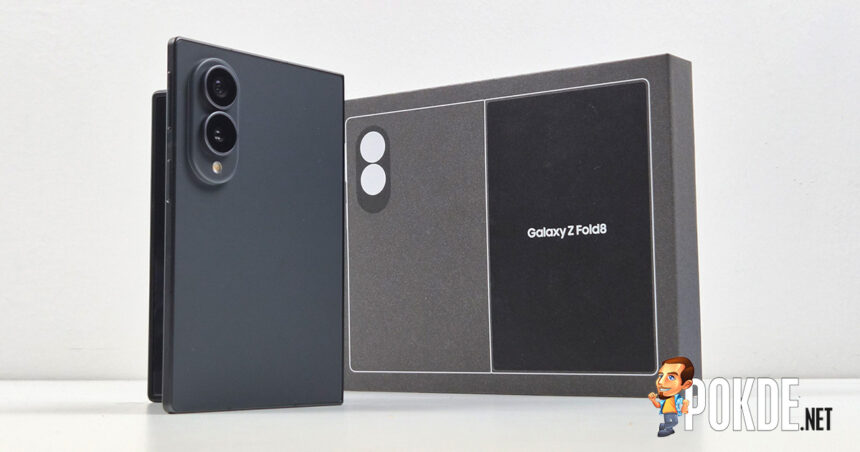
- Unboxing the Samsung Galaxy Z Fold8
- Walkaround
- Specifications
- Performance
- Camera
- The Good
- Compact, pocket-friendly shape
- 4:3 screen is great for movies and gaming
- Great multitasking tools
- Excellent Software Support
- The Bad
- UI needs some tweaks
- No Flex Mode
- Lopsided Stereo Speakers
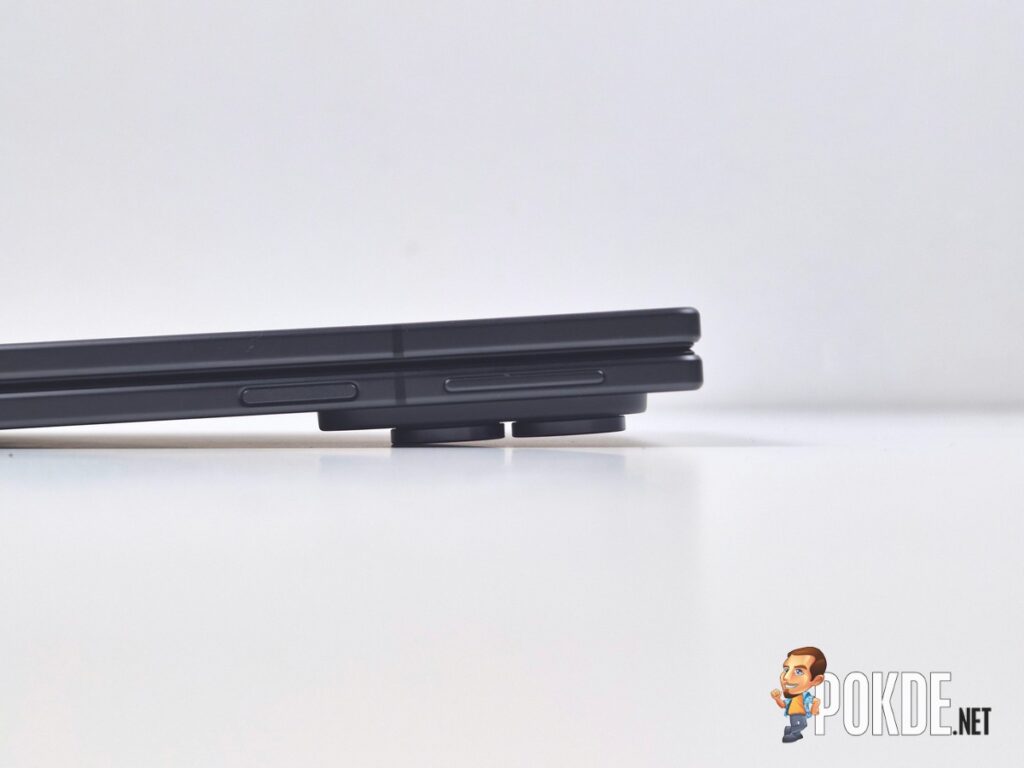
- Not Great on Flat Surfaces
- Be Mindful of Accessories, Especially Existing Ones
- Samsung Galaxy Z Fold8 Verdict

Offer price: 7099
Currency: MYR
-
Appearance - 8/108/10
-
Efficiency - 8.8/108.8/10
-
Features - 7.5/107.5/10
-
Materials - 8.5/108.5/10
-
Performance - 7.5/107.5/10
-
Portability - 8.2/108.2/10
-
User Experience (UX) - 7.5/107.5/10
-
Value - 7/107/10
Summary
The Samsung Galaxy Z Fold8 is an exciting phone, and the new shape brings some genuinely fresh energy to a category that’s started to feel predictable.
Overall
7.9/10Pros
- Compact, pocket-friendly shape
- Excellent displays
- Improved anti-reflective coating
- Fingerprint scanner / power button combo is an ergonomic design choice
- Not the best cameras by Samsung but still a solid performer
- Same chip as the Ultra, making it a smooth daily driver
- 4:3 screen is great for movies and gaming
- Class-leading battery life with decent fast charging
- Great multitasking tools
Cons
- No telephoto camera
- UI needs some tweaks
- No Flex Mode
- Gaming performance could be improved
- Lopsided stereo speakers
- Be Mindful of Accessories, Especially Existing Ones
- Not Great on Flat Surfaces
Unboxing the Samsung Galaxy Z Fold8
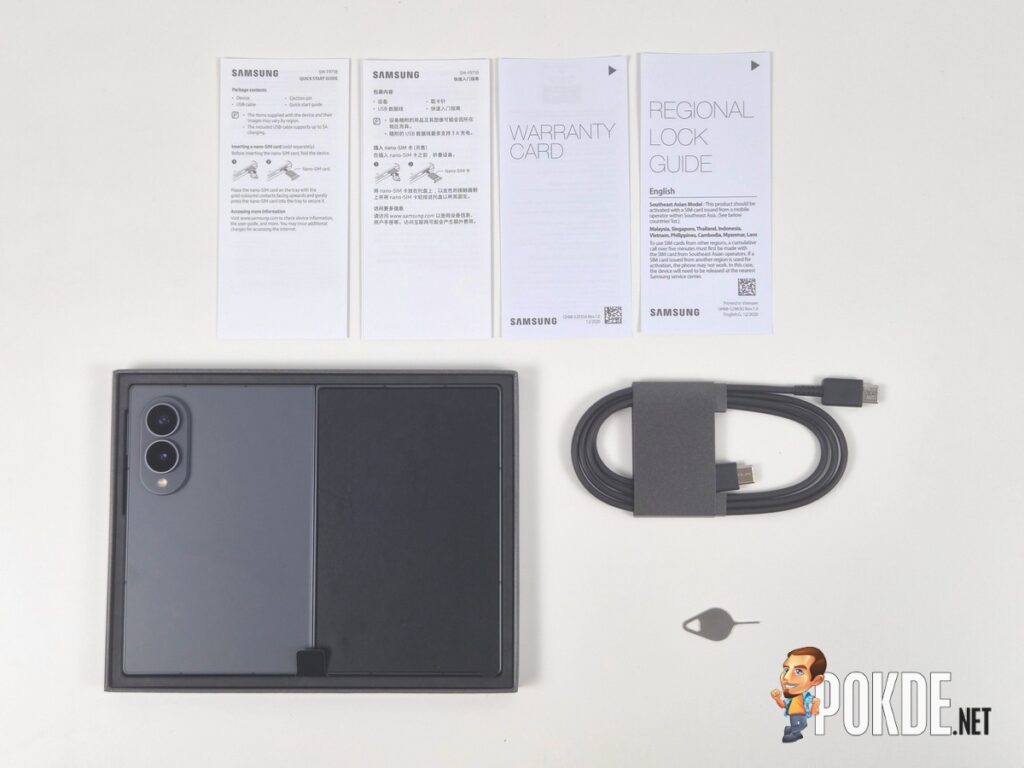
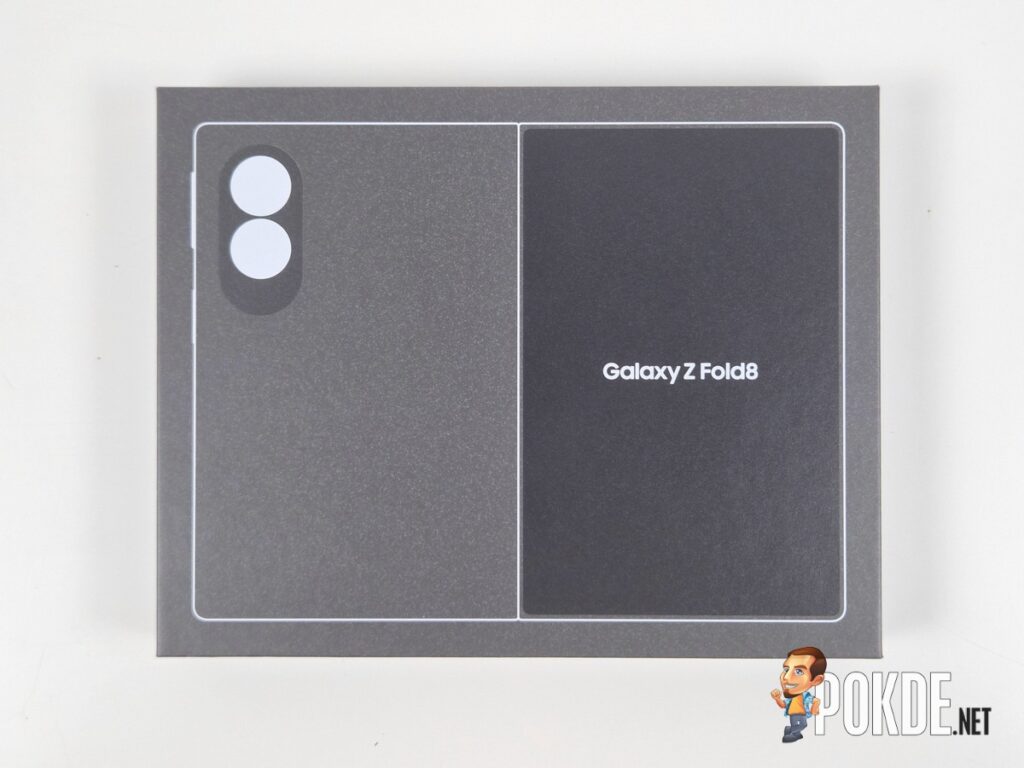
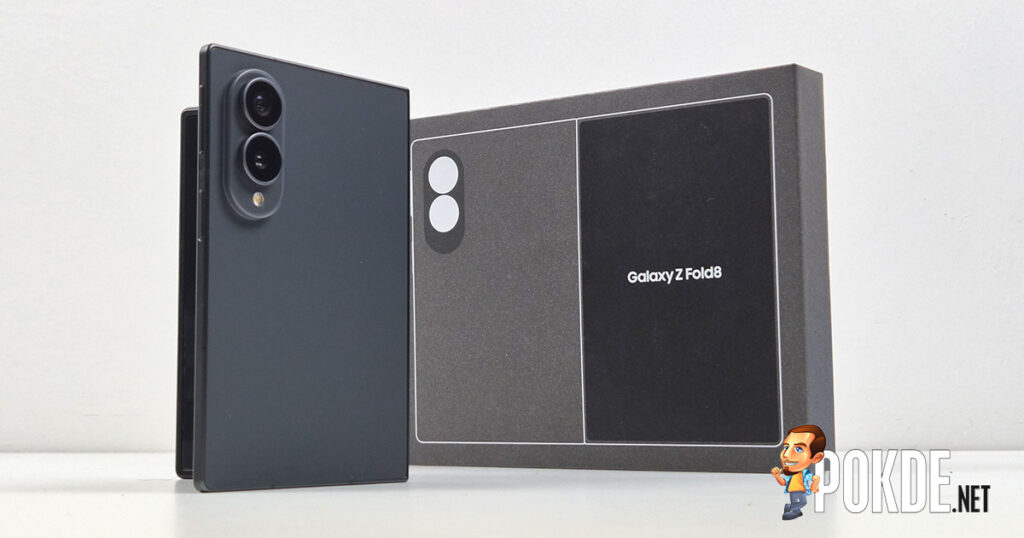
The box is a pretty standard Samsung affair, and there’s nothing unexpected inside. You get a USB-C to USB-C cable, a SIM ejector pin, documentations, and the Samsung Galaxy Z Fold8 itself. No charging brick in the box, which is par for the course these days. If you’re need to get a charger, especially faster ones, best to get yourself those high powered, multi-port GaN chargers to make it worth your while.
Walkaround
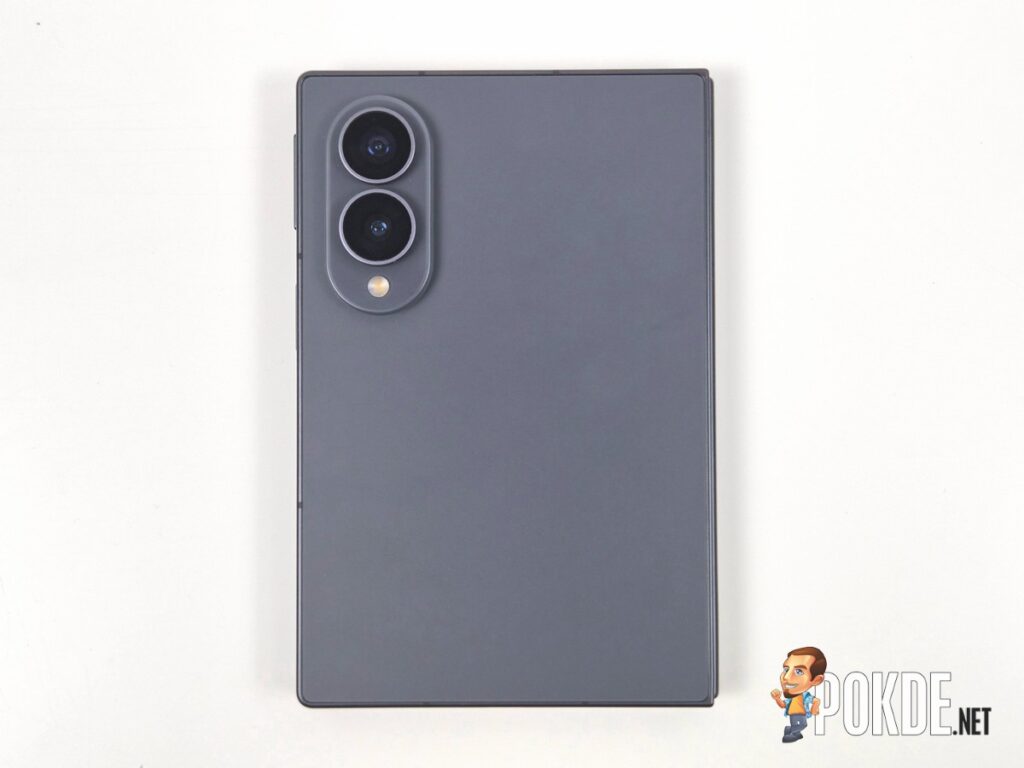
A new category of folding phones is emerging, and Samsung is leading the charge here. The Z Fold8 is the first globally available phone to adopt this passport-sized form factor, and rumors suggest Apple will follow suit. Samsung keeps the Z Fold7’s design language largely intact otherwise, with sharp, squared-off corners and the brand’s signature traffic-light-style camera arrangement. The big difference is the shape.
People have been calling this “passport-shaped” for a reason. It’s genuinely about the same size. When folded shut, the screen is roughly a full inch shorter than most typical bar-phones, and around a centimetre wider. Unfolded, the interior screen is almost the same size as an iPad Mini without the chunky bezels, so I get roughly the same screen real estate and aspect ratio, but in a slimmer, smaller overall package. It’s a fresh approach that genuinely feels different from anything I’ve used before, but as I’ll get into, it comes with real compromises too.
At 201g, it’s lighter than most non-folding flagships in this class, and it’s incredibly slim too: just 4.5mm thick unfolded, or 9.7mm folded shut. The cover display is protected by Gorilla Glass Ceramic 3, while the back panel uses Gorilla Glass Victus 2 with a matte finish that resists fingerprint smudging almost entirely. The frame is color-matched matte aluminium, and I get to choose between Graphite, Cream, Lavender, and Pistachio. The side-mounted fingerprint scanner doubles as the power button, and it sits naturally alongside the volume rocker. Somewhat oddly, this phone only has a single physical SIM slot, so a second line means relying on eSIM.
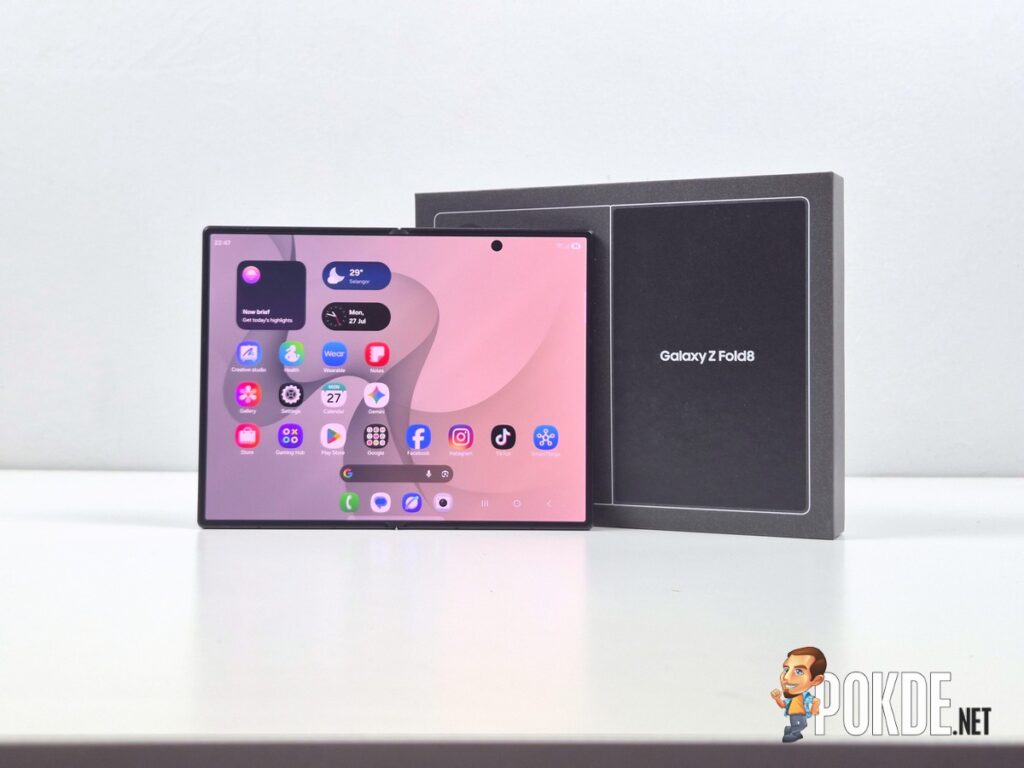
Both the inner and outer screens are brighter than the Fold7, now hitting 3000 nits at peak, and it’s no surprise both panels look excellent given Samsung’s pedigree in display manufacturing. Just like its pricier sibling, the Z Fold8 benefits from Flex Titanium screen tech, which gives it a much shallower crease that’s almost imperceptible when viewed head-on. It should also hold up better over time. The phone opens completely flat this time, whereas the Fold7 sat at a very slight V-shape, so it feels even more like a proper tablet when I’m using it unfolded. Note that the hinge is now only open or closed, unlike previous Fold generations, which means sacrificing Flex Mode.
The folding screen coating has been improved too. It’s far less shiny and now anti-reflective, so there are fewer distractions when using the main display. Some rivals go even more matte and reject reflections better, but they tend to attract fingerprints far more easily. This feels like a solid middle ground: not too shiny, but also not a smudge magnet.
The bezel is nice and slim around the main display, mirrored on the cover display, though it looks a touch bigger there given the more traditional glass coating. Samsung has again opted for a punch-hole selfie camera on the folding display rather than an under-display camera, which is the right call for video calls, though I wish the placement sat in a corner rather than the centre of the right-hand portion of the screen. It’s not a dealbreaker, just slightly distracting.
Specifications
| Spec | Details |
|---|---|
| Network | GSM / HSPA / LTE / 5G |
| Launch | Announced 22 July 2026, available now |
| Dimensions | Unfolded: 161.4 x 123.9 x 4.5mm; Folded: 81.9 x 123.9 x 9.7mm |
| Weight | 201g |
| Build | Glass front (Gorilla Glass Victus Ceramic 3, folded), plastic front (unfolded), glass back (Gorilla Glass Victus 2), aluminium frame, Advanced Armor frame |
| SIM | Nano-SIM + eSIM + eSIM (max 2 active) |
| Water/Dust Resistance | IP48 |
| Display (Main) | 7.6″ Foldable Dynamic LTPO AMOLED 2X, 120Hz, HDR10+, 3000 nits peak, 1828 x 2448 (4:3), ~403 ppi, Flex Titanium tech |
| Display (Cover) | 5.5″ Dynamic LTPO AMOLED 2X, 120Hz, Gorilla Glass Ceramic 3, 1248 x 1972, 428 ppi |
| OS | Android 17, One UI 9, up to 7 major OS updates |
| Chipset | Qualcomm Snapdragon 8 Elite Gen 5 (3nm), Octa-core, Adreno 840 GPU |
| RAM/Storage | 12GB/256GB, 12GB/512GB, 16GB/1TB, UFS 4.x |
| Rear Cameras | 50MP f/1.8 wide OIS + 50MP f/1.9 ultrawide |
| Front Cameras | 10MP f/2.2 (main screen) + 10MP f/2.2 (cover screen) |
| Video | Up to 8K@30fps, 4K@120fps on main sensor |
| Audio | Stereo speakers, no 3.5mm jack |
| Connectivity | Wi-Fi 7, Bluetooth 6.0, NFC, UWB, USB-C 3.2 |
| Battery | 4800mAh Si/C Li-Ion, 45W wired, 20W wireless, 4.5W reverse wireless |
| Colors | Graphite, Cream, Lavender, Pistachio |
| Price | From RM7,099 / $1,899.99 / €1,999.00 |
Performance
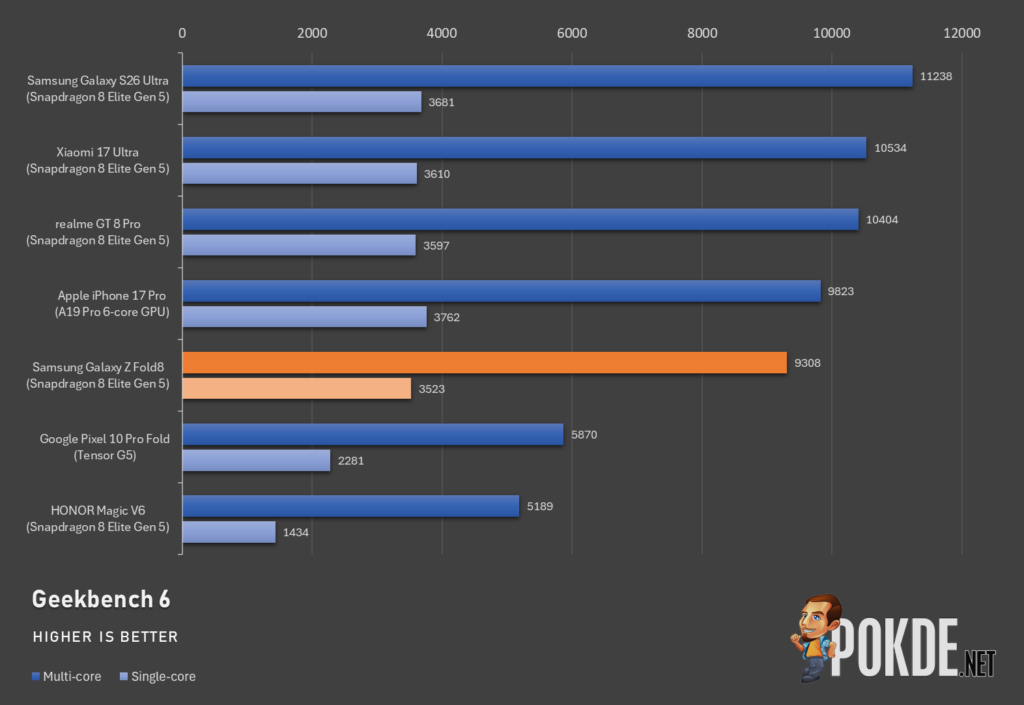
We’re starting off our benchmark suite with Geekbench 6 since AnTuTu simply refuses to install at the moment. From what we can see here, the Snapdragon 8 Elite Gen 5 shows off some decent performance but it’s on the lower end of the spectrum compared to other devices running a similar chip. Since this is the “For Galaxy” variant, I expected scores to be on the higher side but due to its foldable nature, I suspect thermal throttling might be an issue, especially given how warm it easily gets.
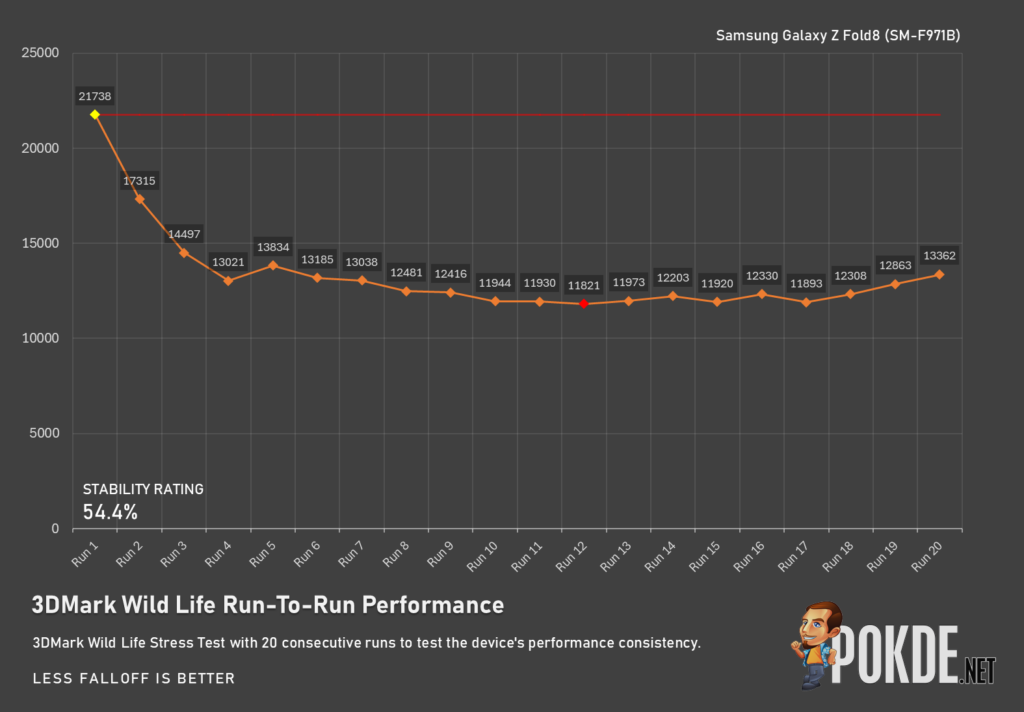
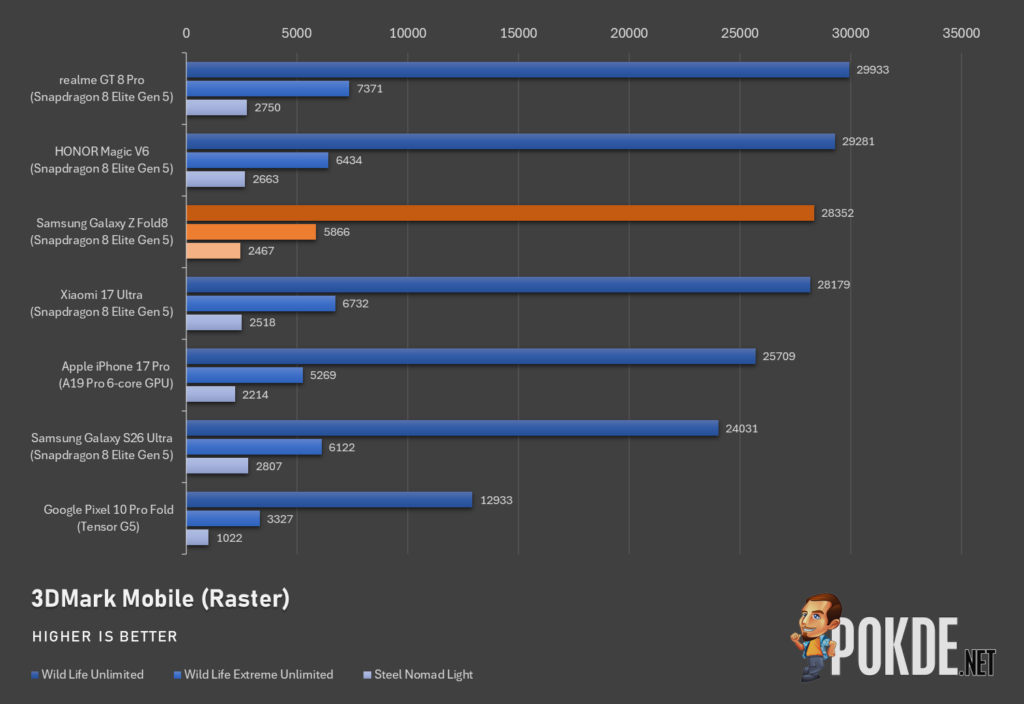
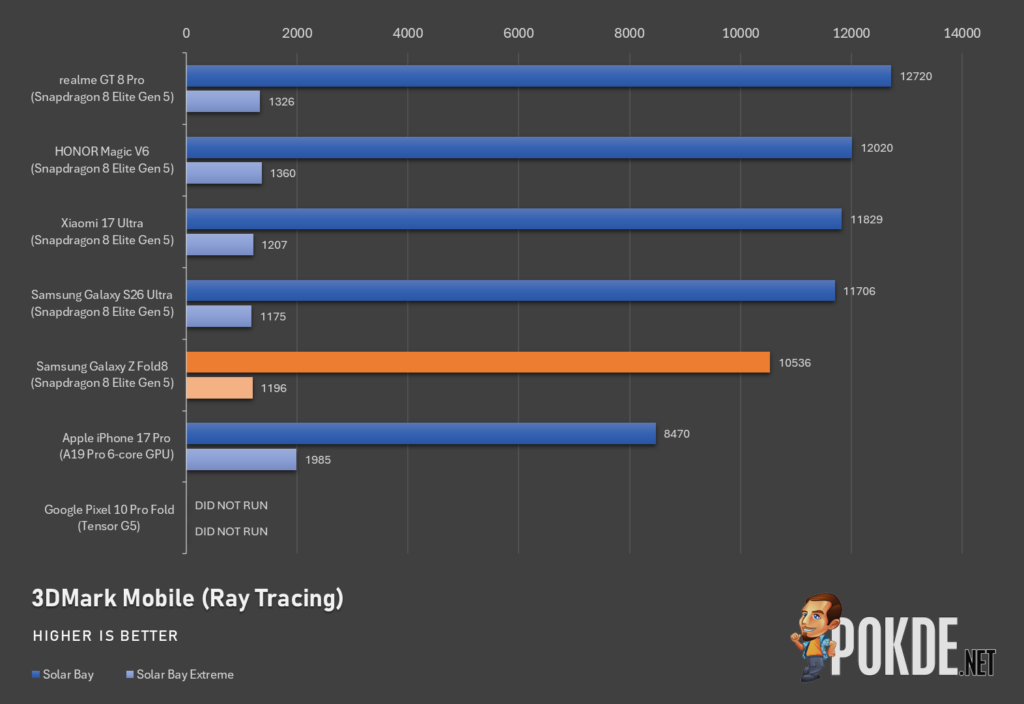
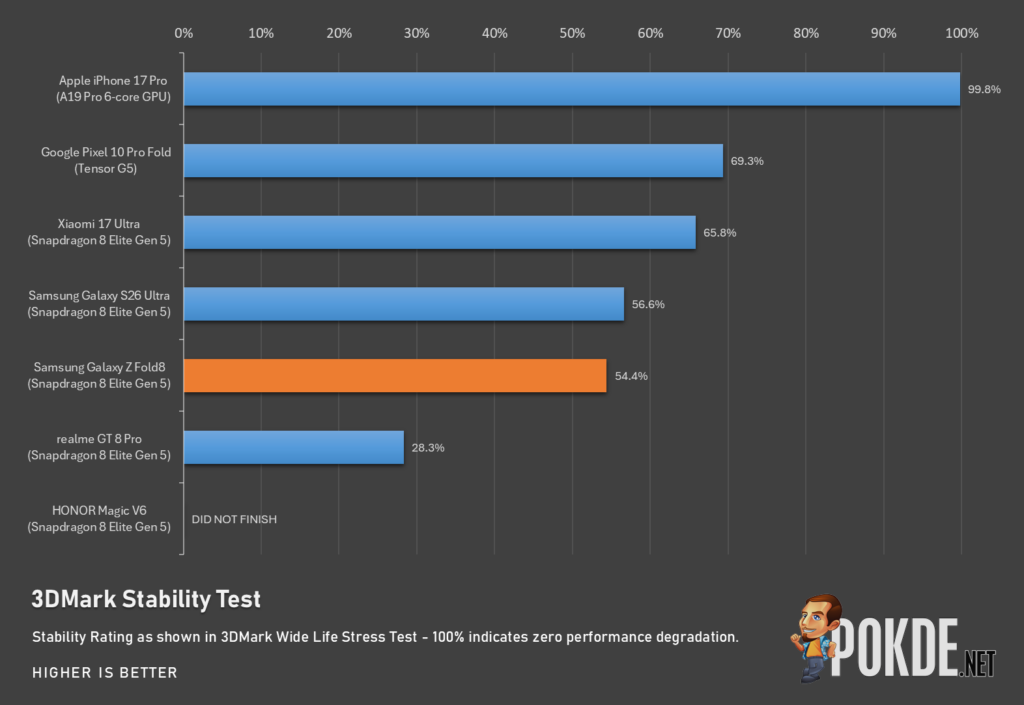
And true enough, 3DMark shows us exactly that. While it’s still pretty strong in both raster and ray tracing, it does suffer quite a bit in its thermals as it has a stability rating of 54.4%. We see significant drops within the first 3 runs, after which the performance levels pretty much maintained until the end of the stress test. The drops aren’t small either as it’s mostly running at half of its peak capabilities.
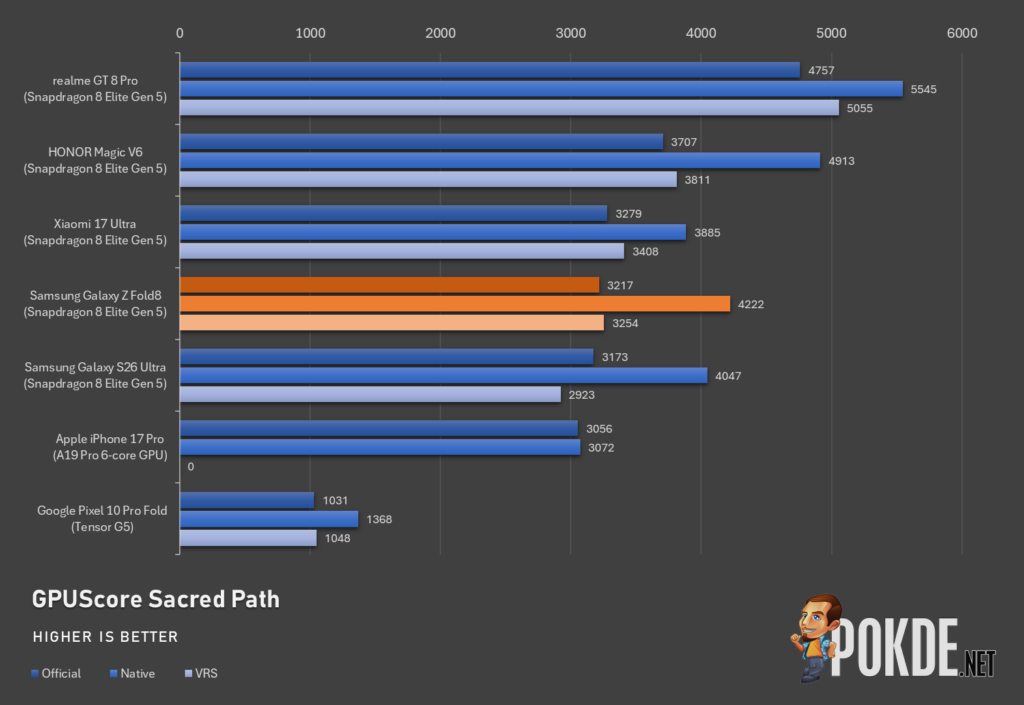
To paint the picture in a bit more details for its graphical capabilities, it’s certainly no fluke as the Samsung Galaxy Z Fold8, while showing strong performance, isn’t performing at a level where its potential can truly be unleashed. It can certainly do better if you can figure out how to cool it down. While in previous years I would always suggest the brands to improve on their devices’ cooling systems, perhaps we should shift towards making more energy-efficient chips that can run even resource-intensive tasks with less heat. That way we can make use of more of the chip’s actual capabilities.
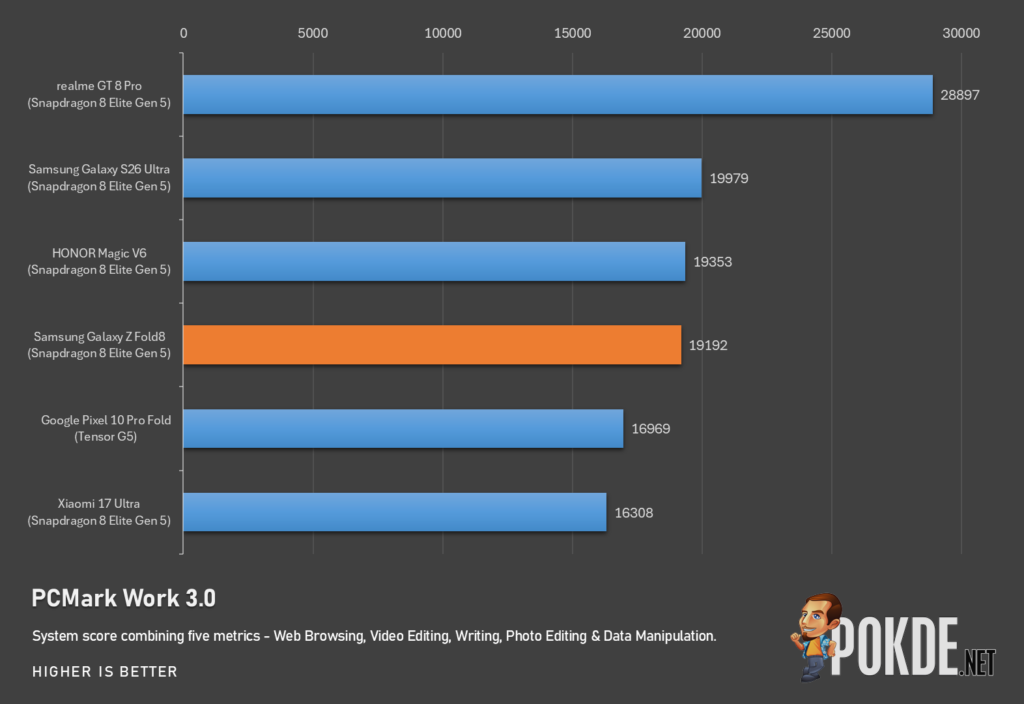
Lastly on PCMark’s Work 3.0 benchmark, the Samsung Galaxy Z Fold8 excelled greatly as it’s pretty much on par with the other Snapdragon 8 Elite Gen 5 devices (discounting the outlier that is the realme GT 8 Pro). This means that it would work great as a daily driver, and consumers would certainly appreciate it more given its foldable nature.
Based on my own day-to-day use, the phone feels as rapid as the spec sheet suggests. Apps open quickly, multitasking is effortless, and it handles graphically demanding games without much fuss. Thermal performance is another story. Even with light use like browsing and messaging, I could feel it warming up around the rear camera housing, and both screens dim noticeably to manage heat, which gets frustrating outdoors in direct sun. This isn’t unique to the Fold8; all foldables run warm, but this one seems to dim a little sooner than most, likely due to the limited surface area for heat dissipation.
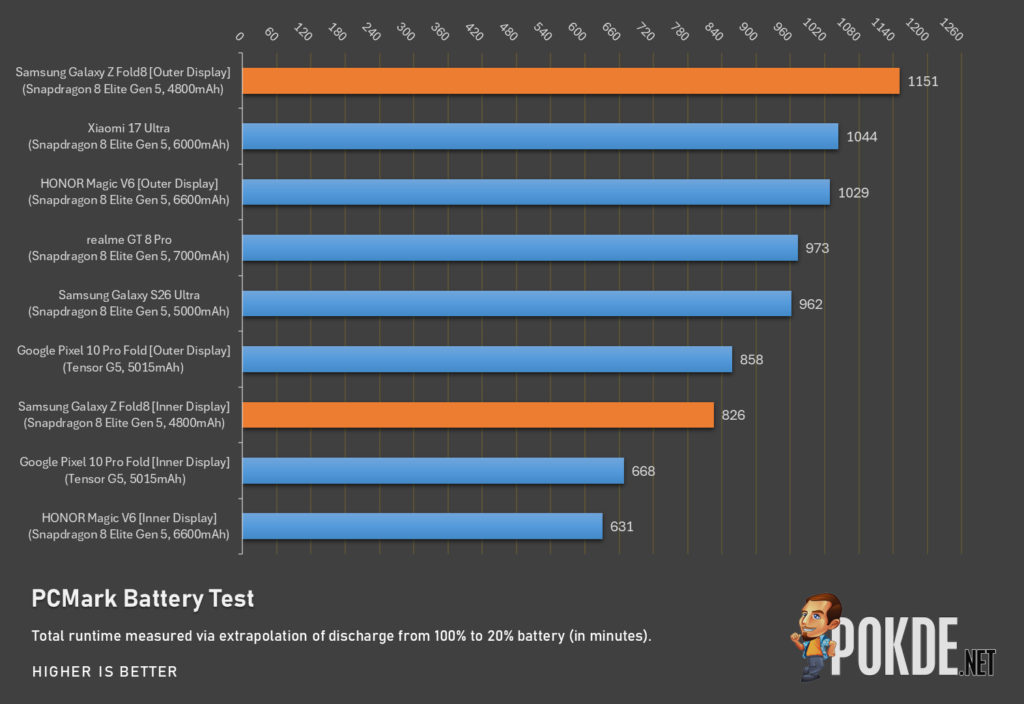
If you’re wondering about battery life, the Samsung Galaxy Z Fold8 performed way above expectations in this area. From 100% to 20%, it took a whopping 19 hours and 11 minutes when folded, and 13 hours and 46 minutes unfolded. If you rely on the cover display more, you can easily go two full days whereas primarily using the inner display should see a solid day and a half’s worth of use. This is by far the best battery life we’ve seen in a foldable thus far, which says a lot given that it only has a 4,800mAh battery capacity.
As for charging speed, this is what I managed to get using a 100W GaN charger from 2% battery life:
- 15 minutes = 40% battery
- 30 minutes = 67% battery
- Full charge = 1 hour and 7 minutes
Yes, a full charge will still take slightly over an hour (assuming battery is low when charging) but for me, this is within acceptable levels. Considering that we’ve been stuck with 25W with Samsung devices for a long time, the 45W upgrade is a welcome one. I’m hoping to see at least 65W in future models but as it is, I’m perfectly happy with it.
Camera
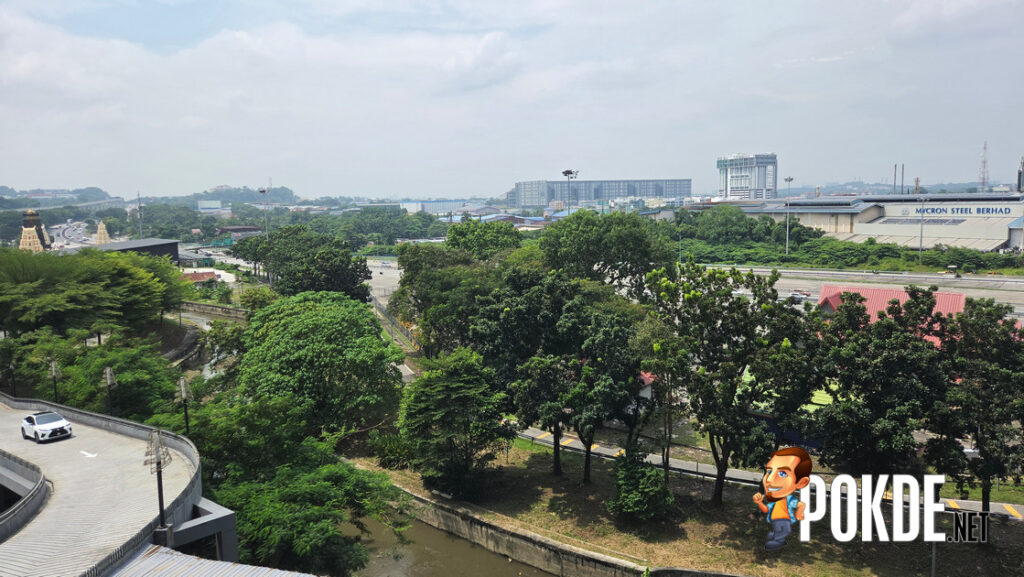
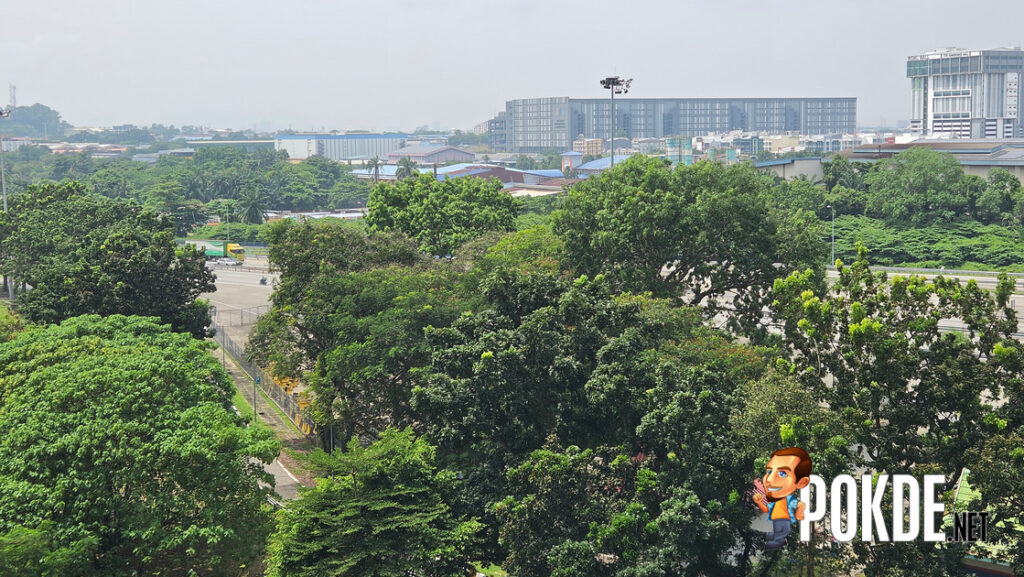
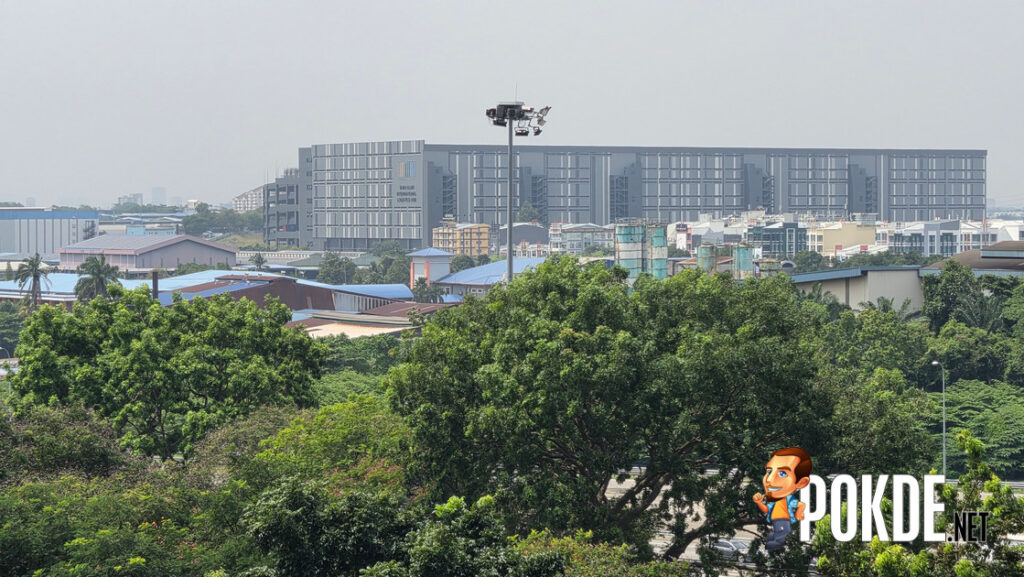
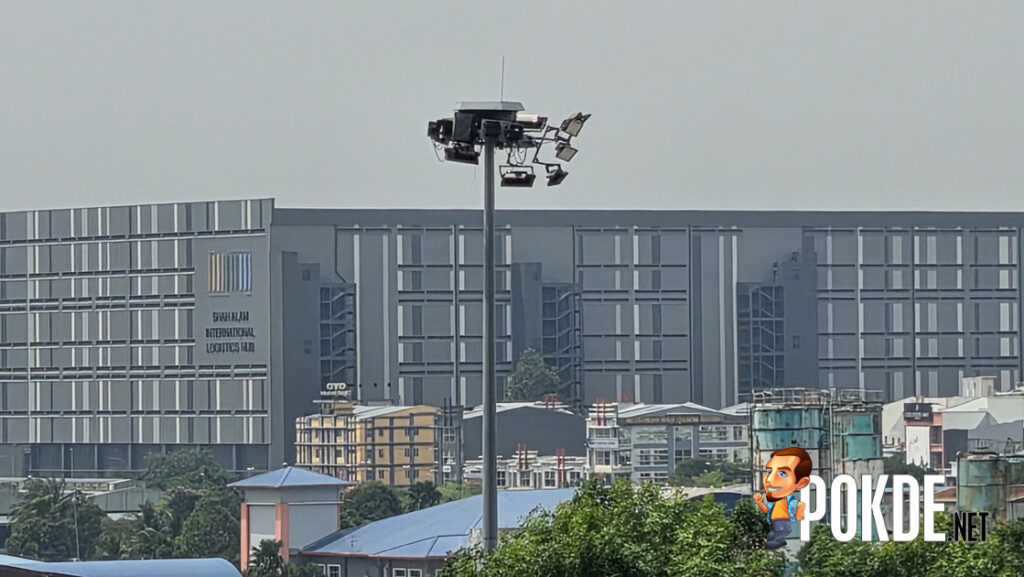


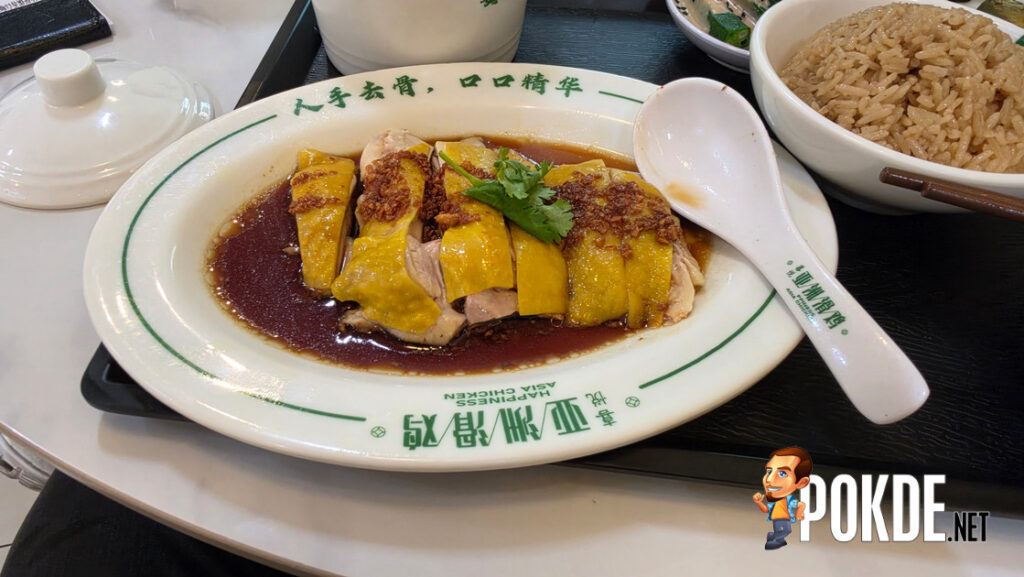
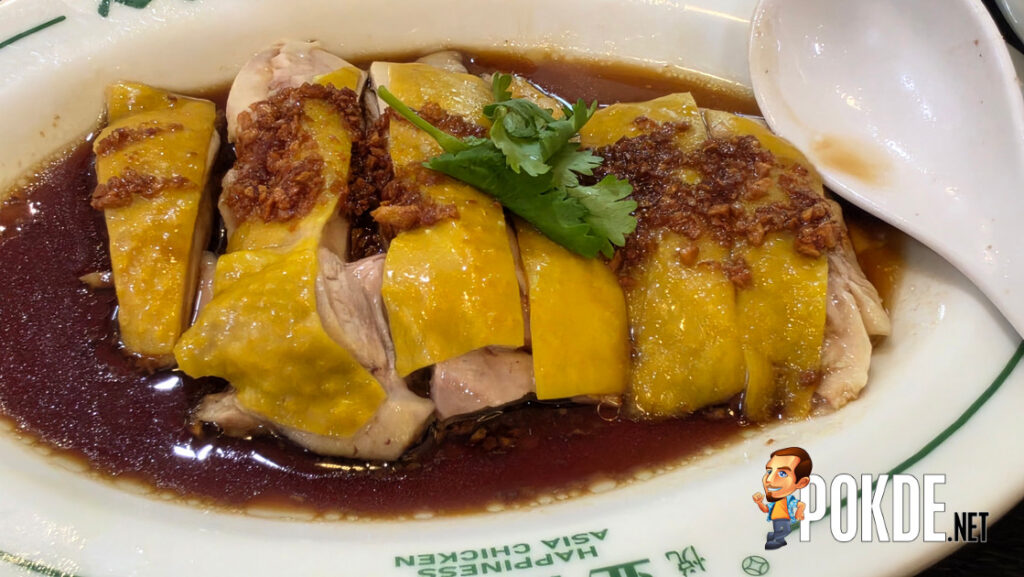
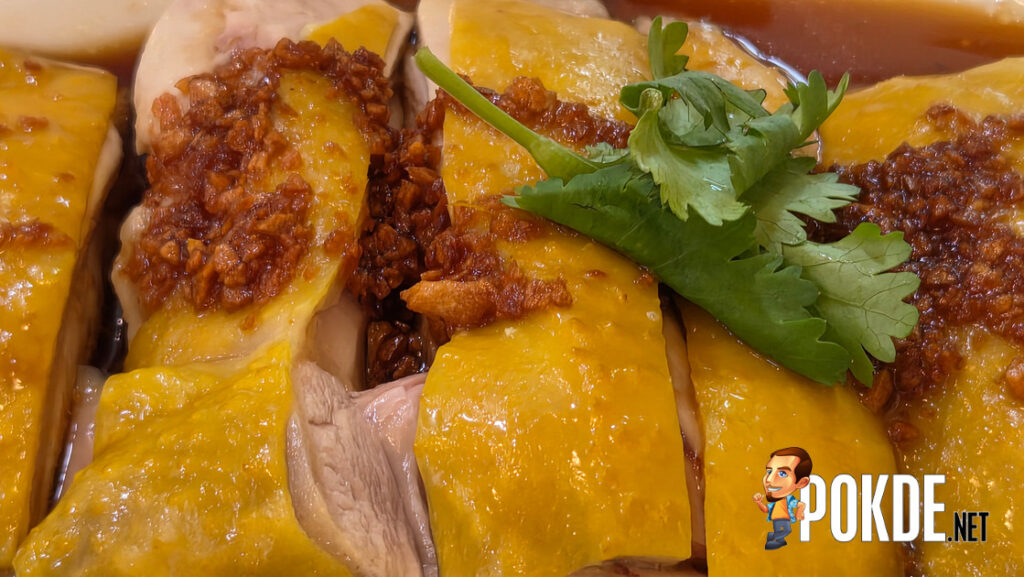
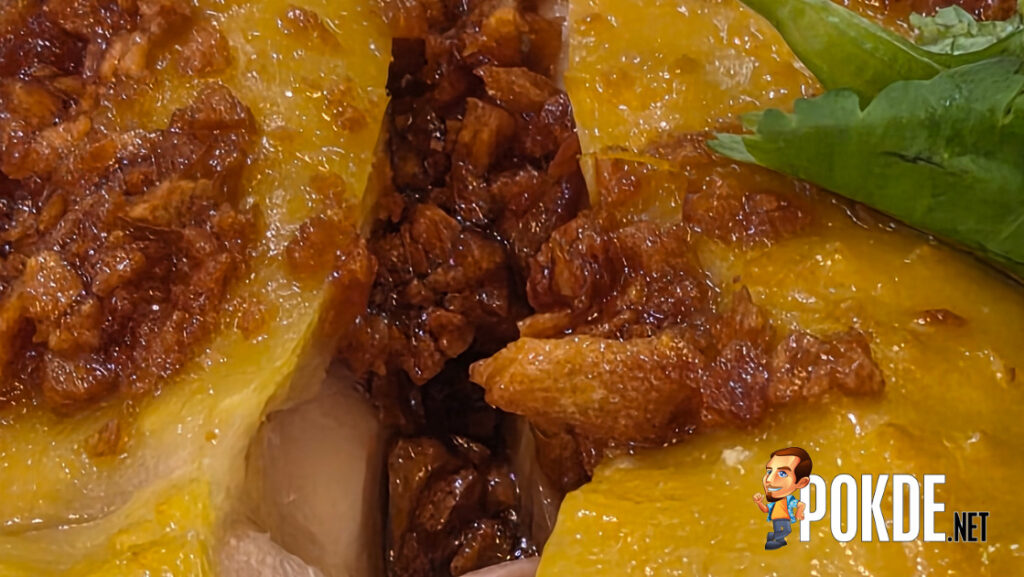
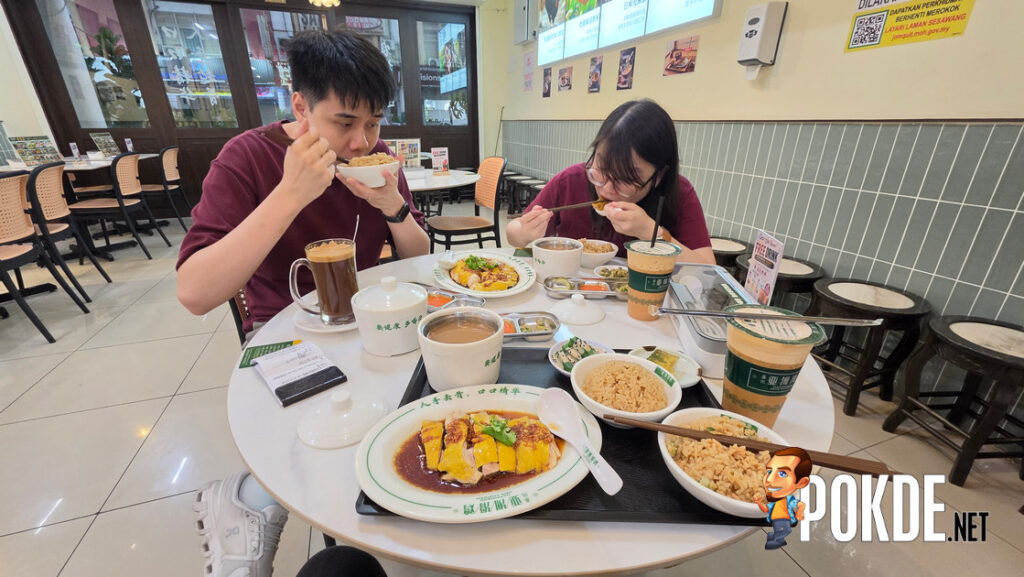

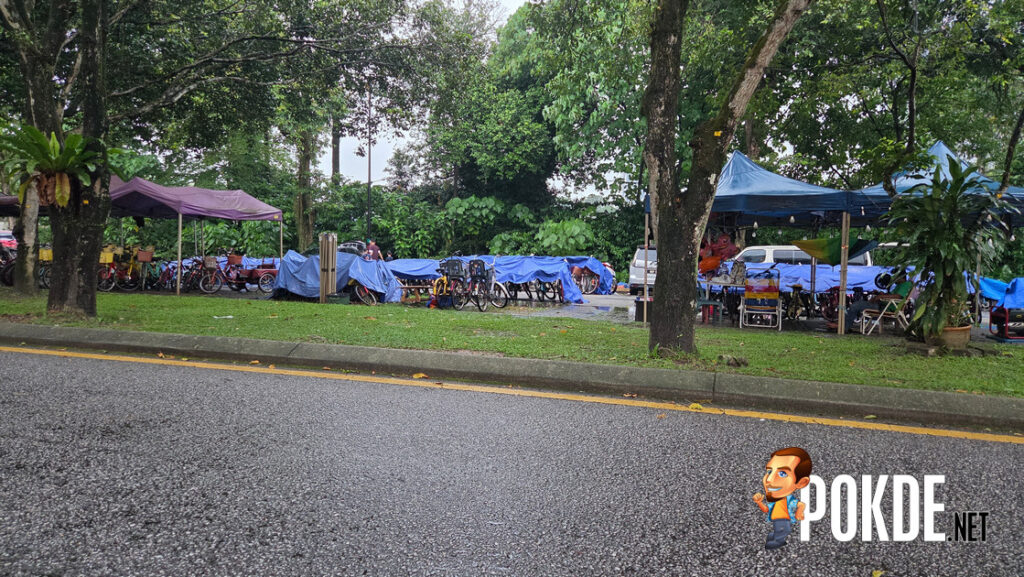
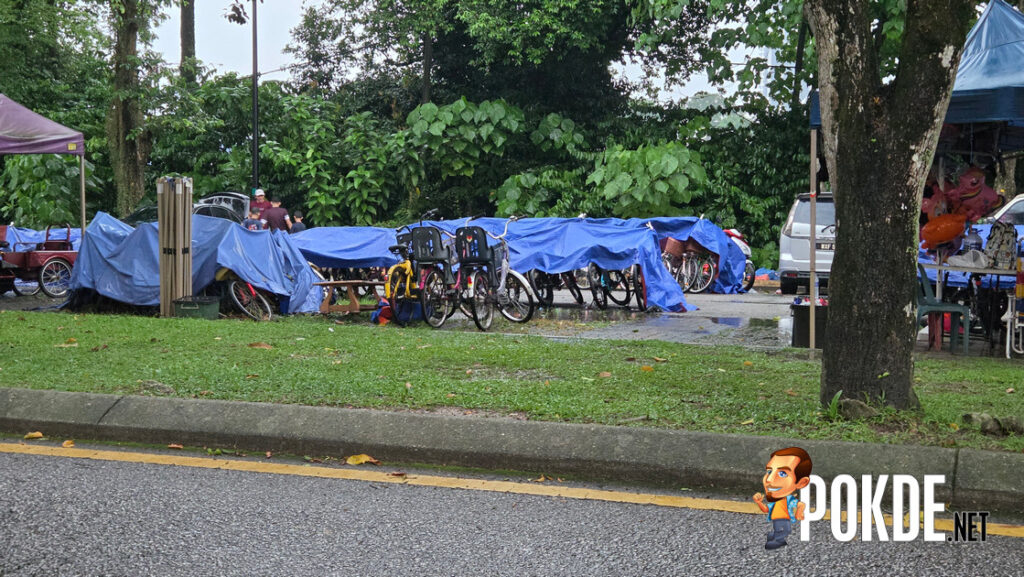
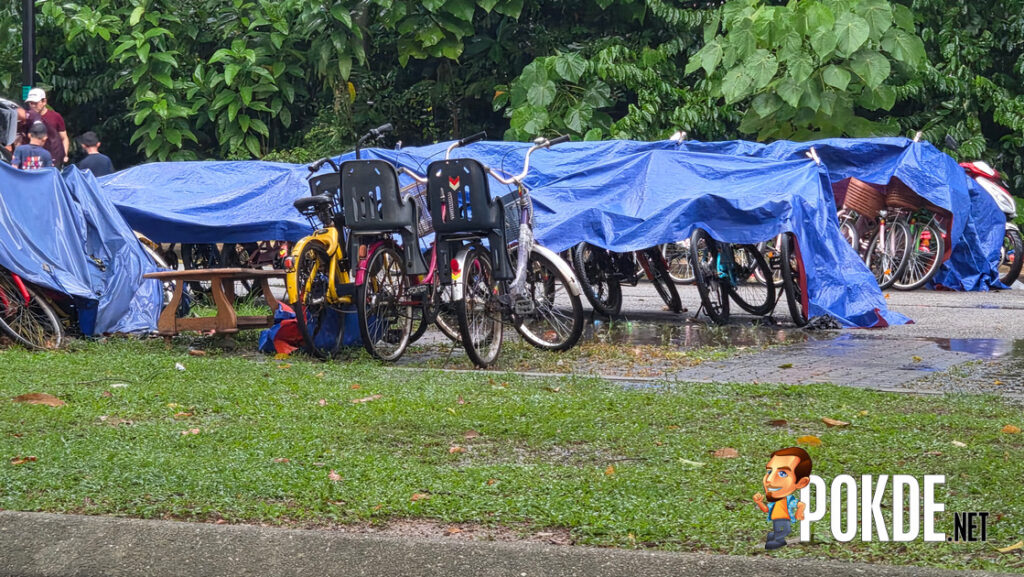
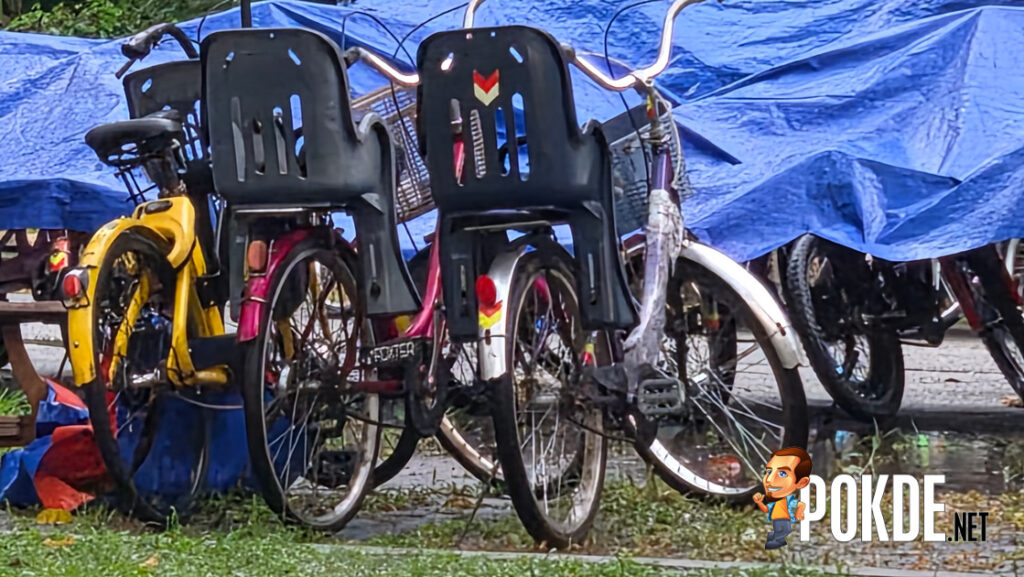
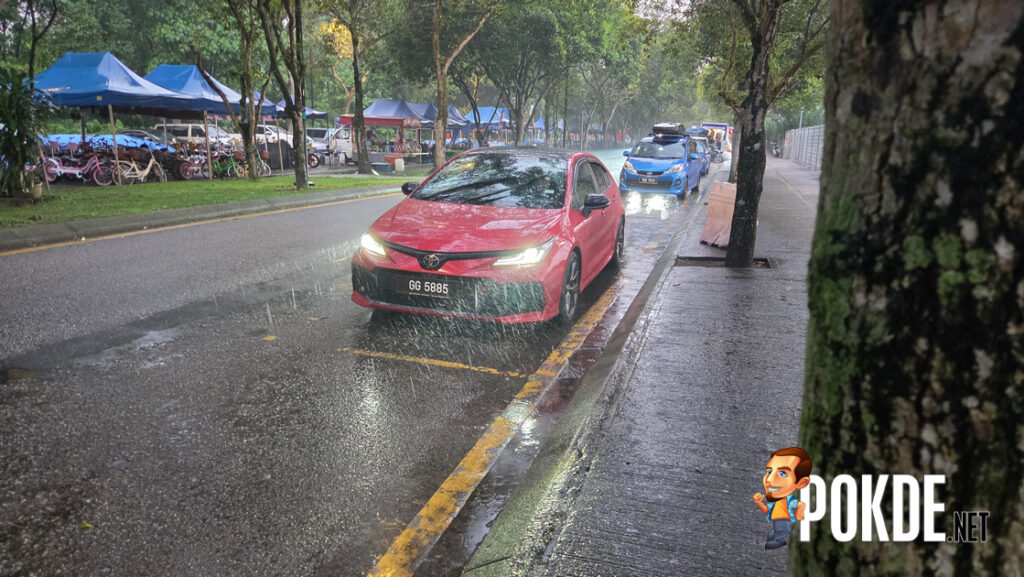
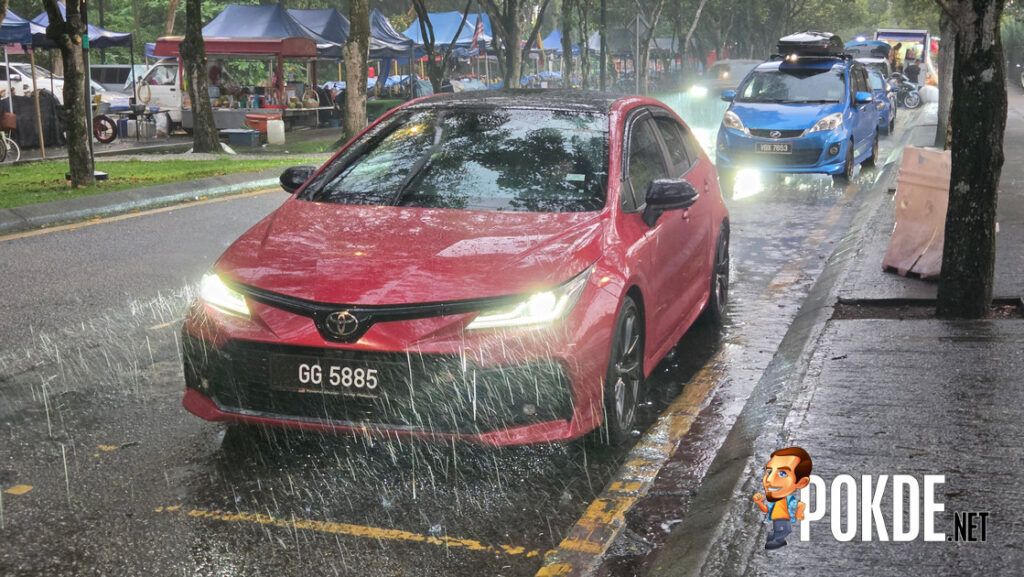
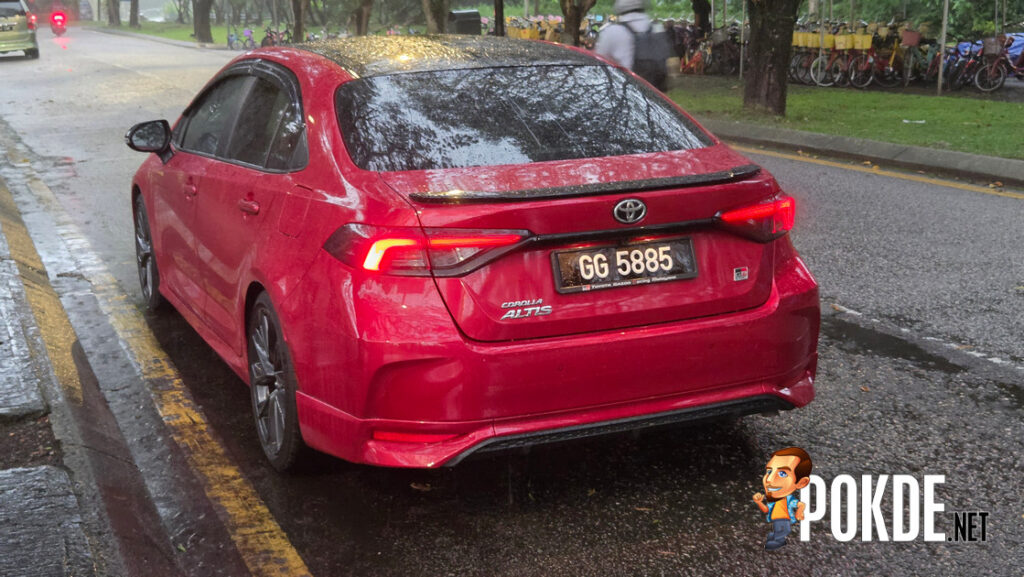
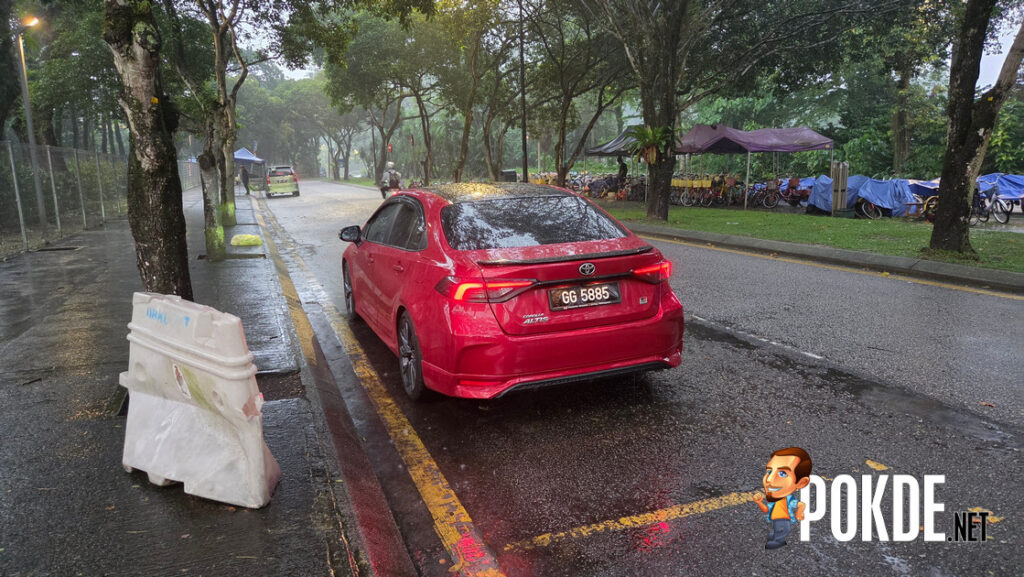
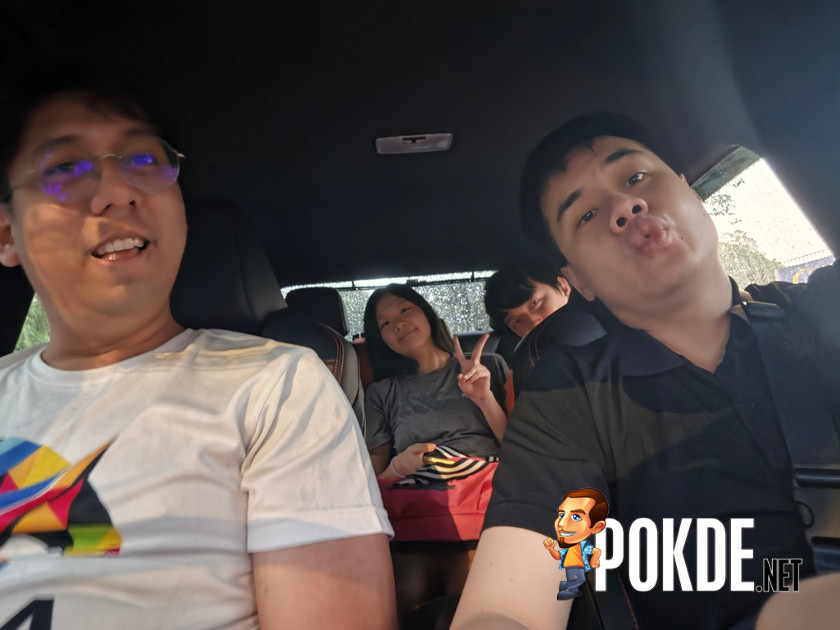
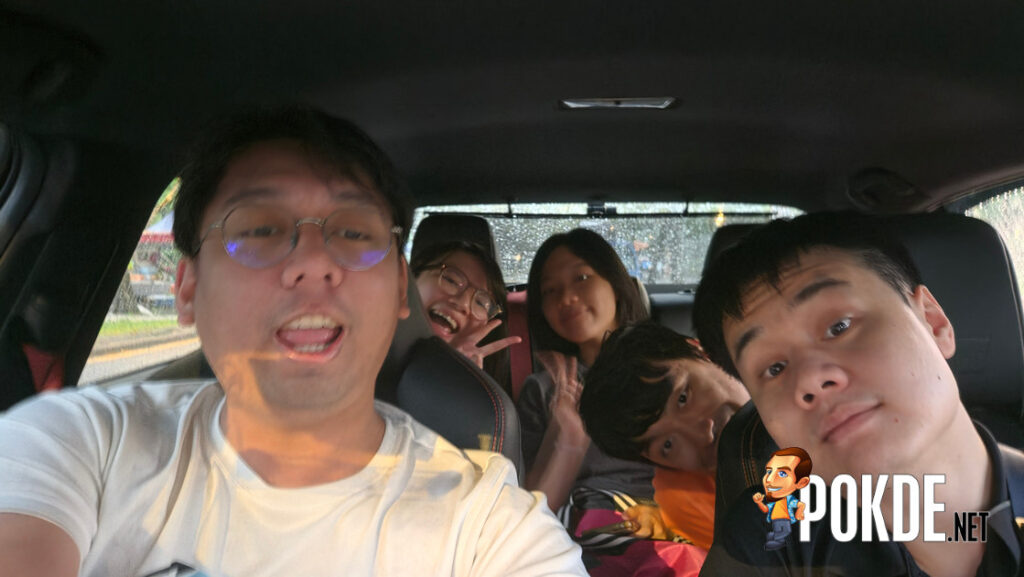
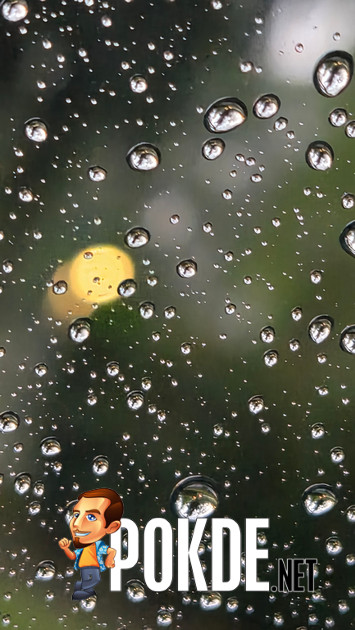
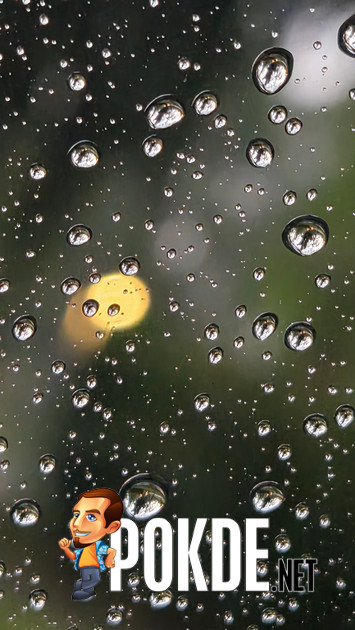
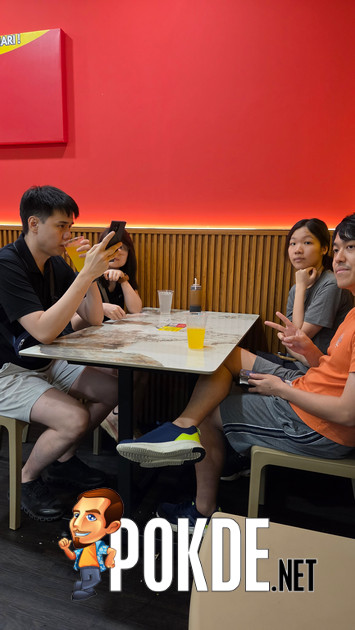
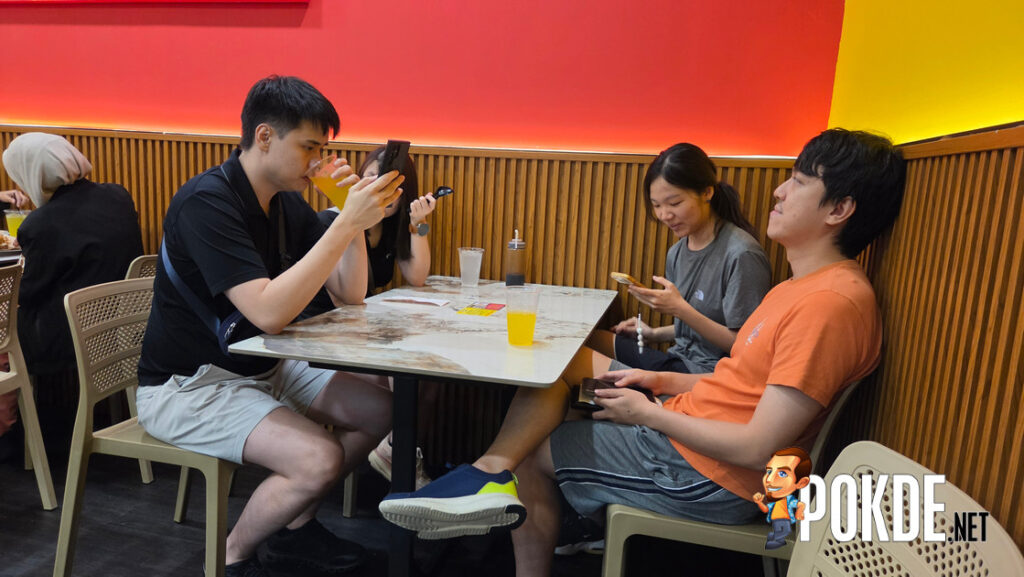
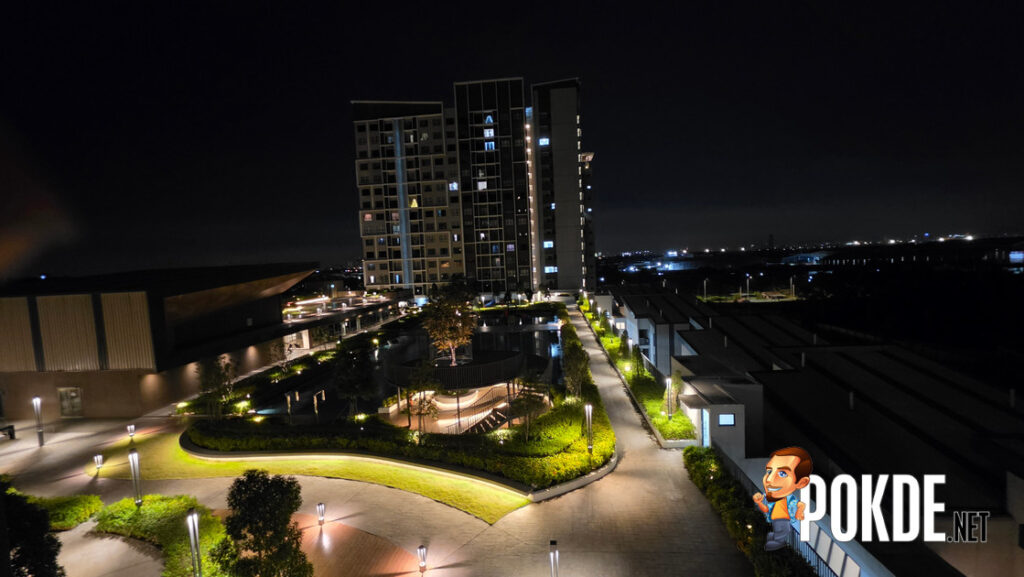
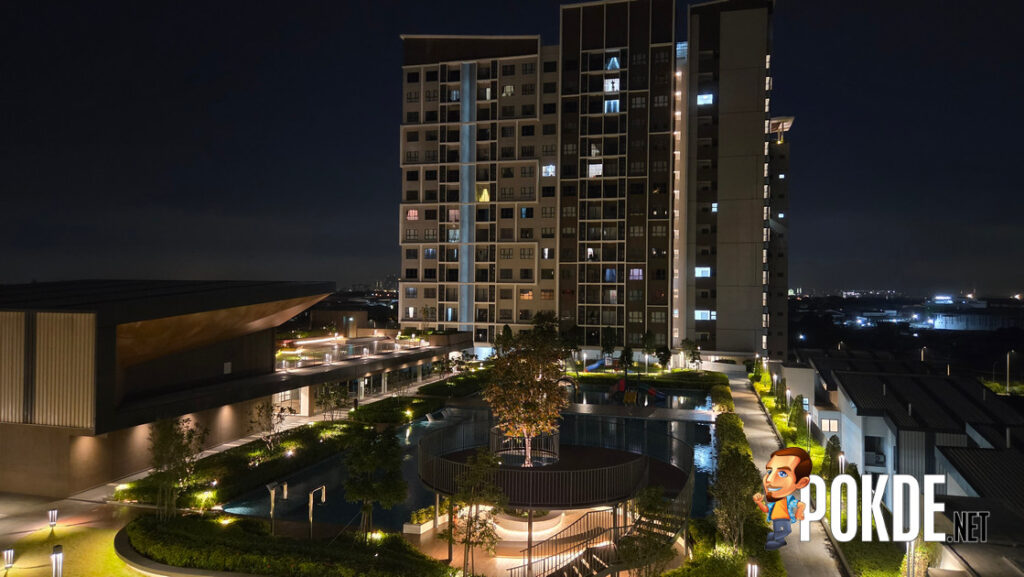
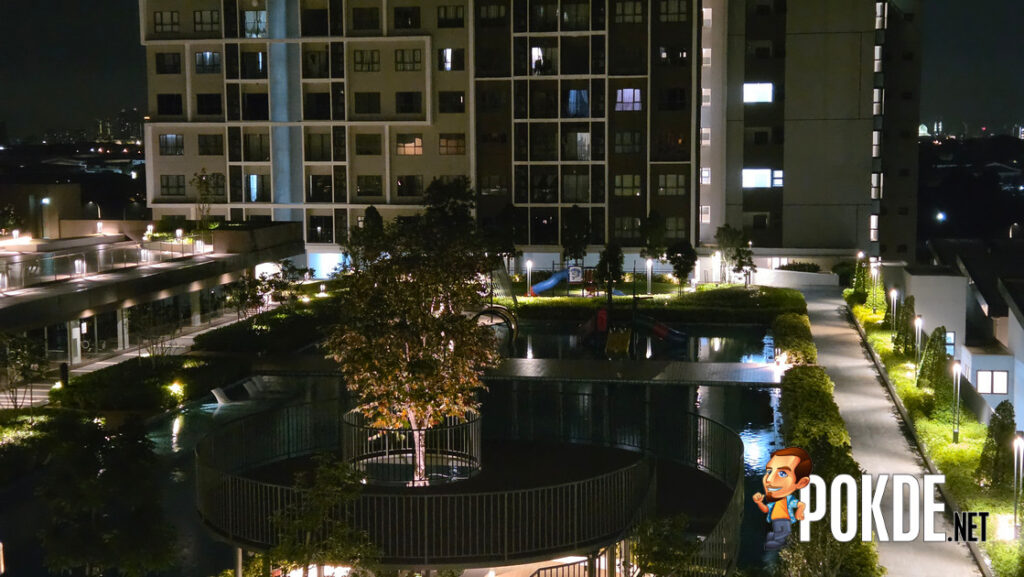
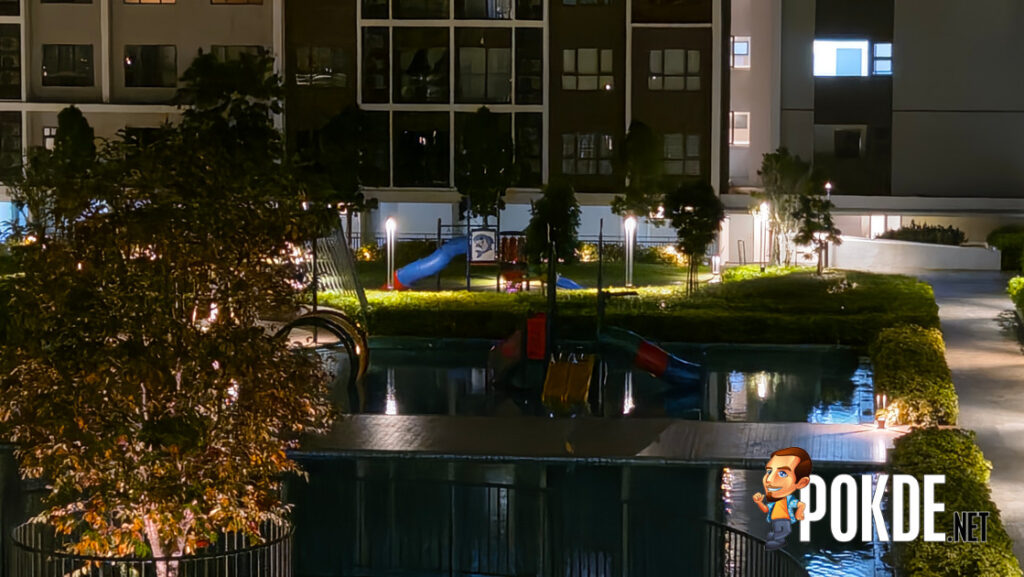
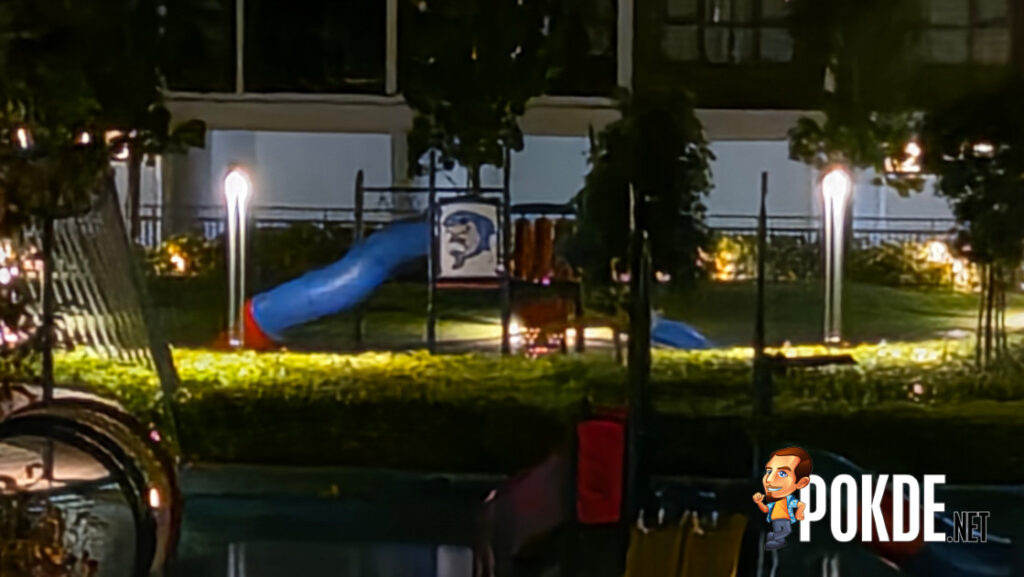


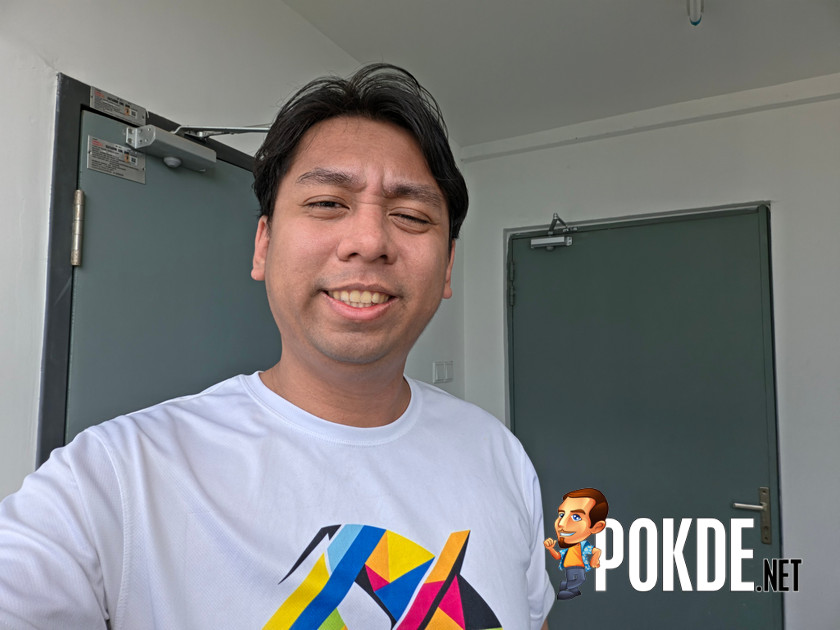
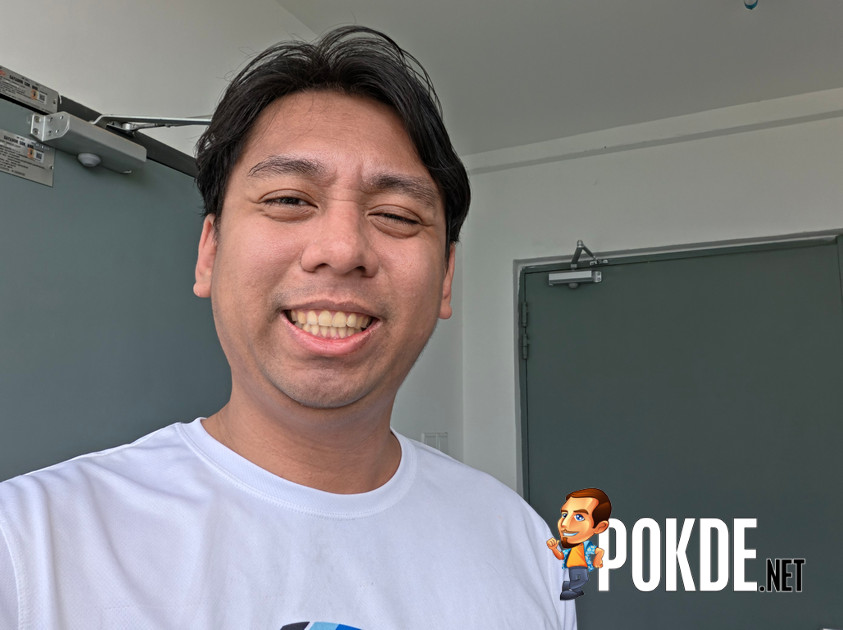
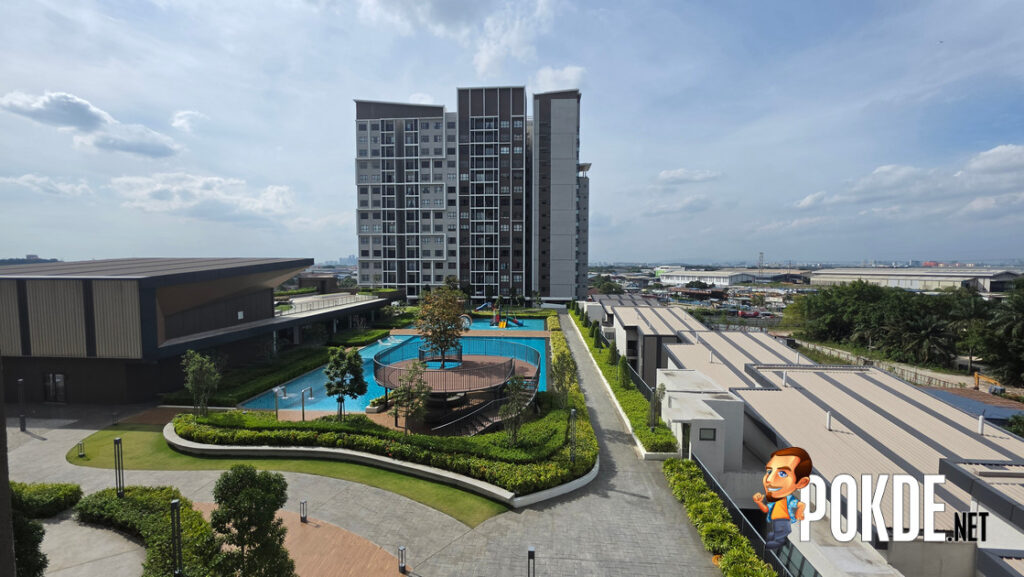
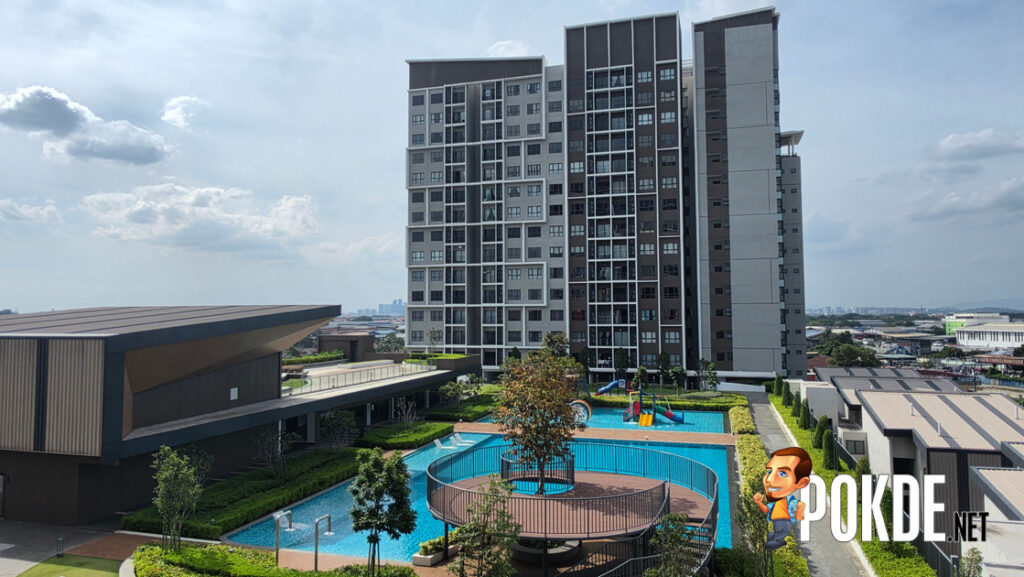
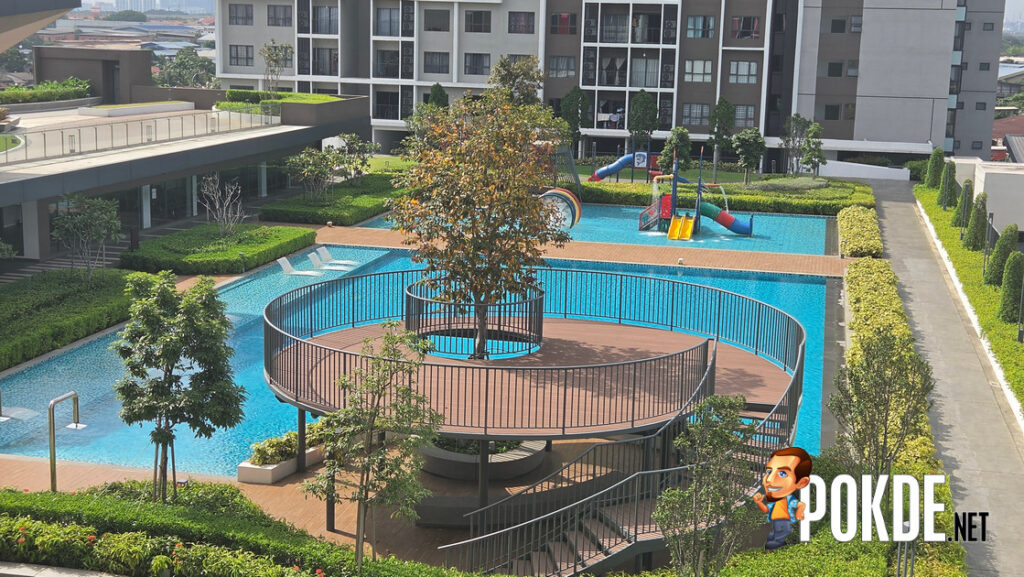
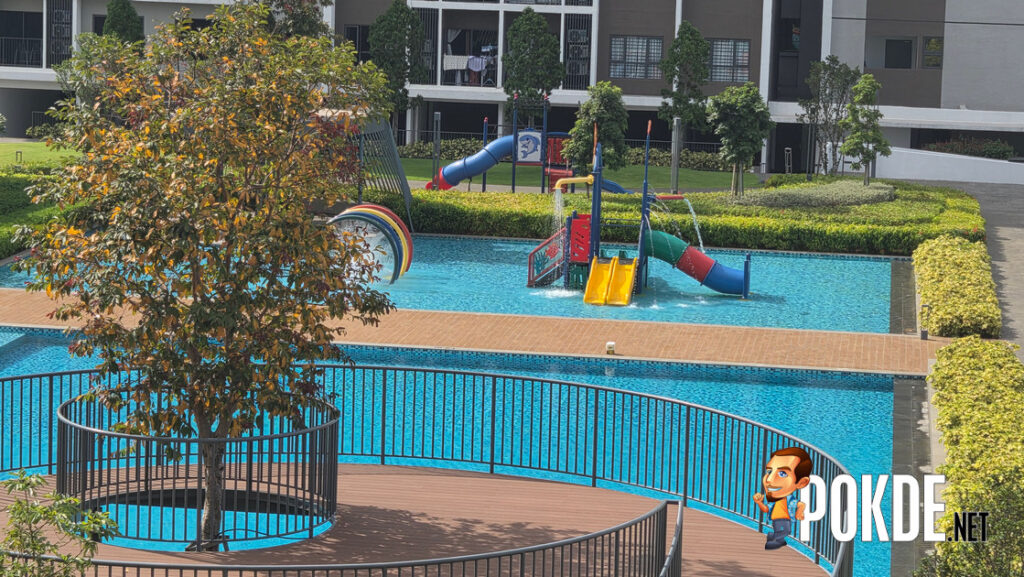
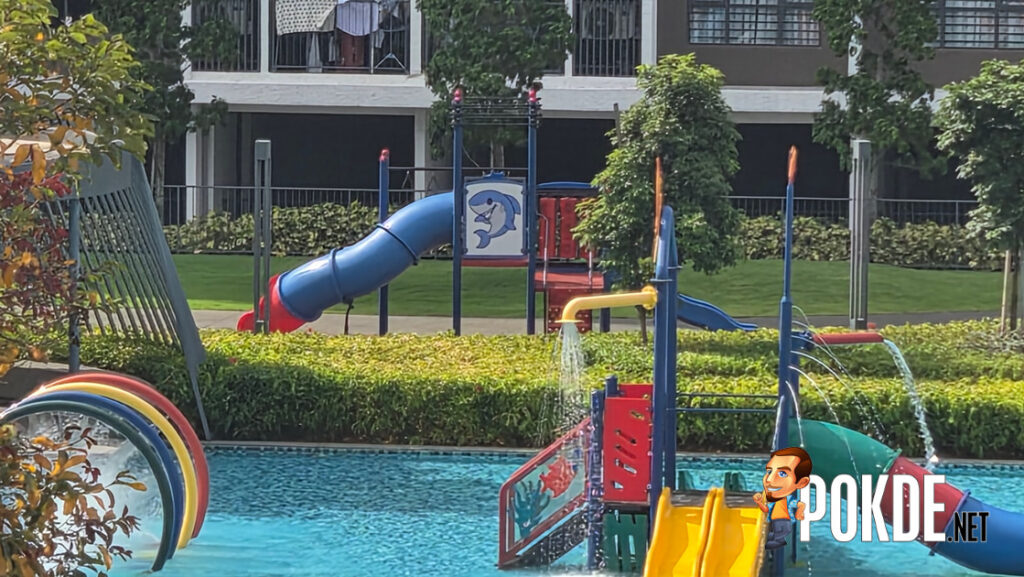
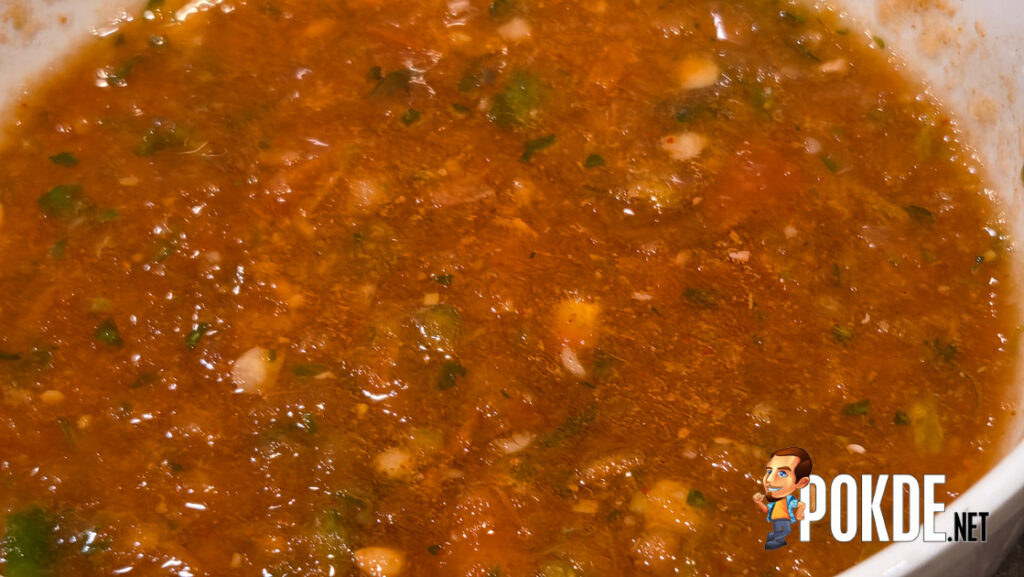
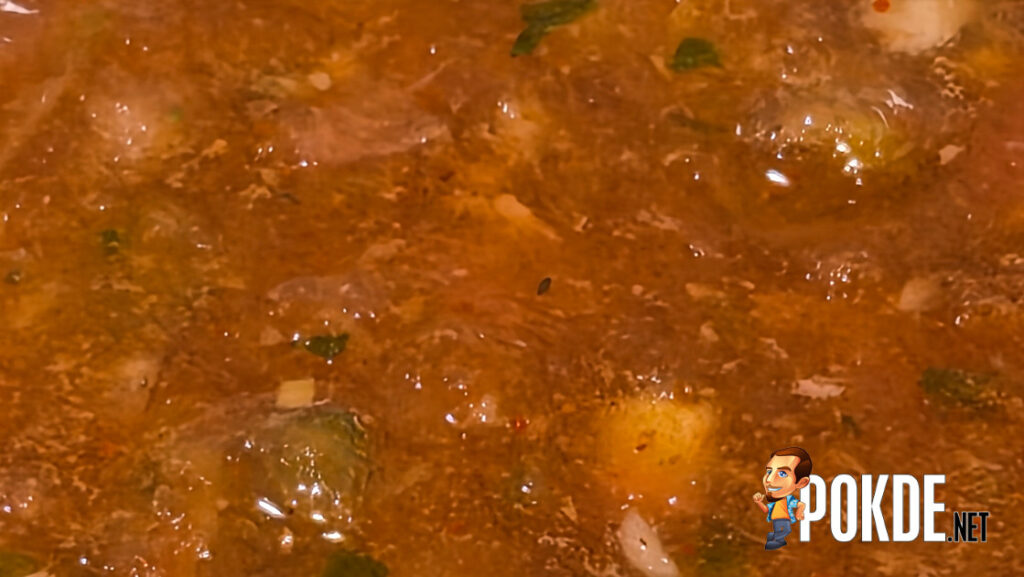
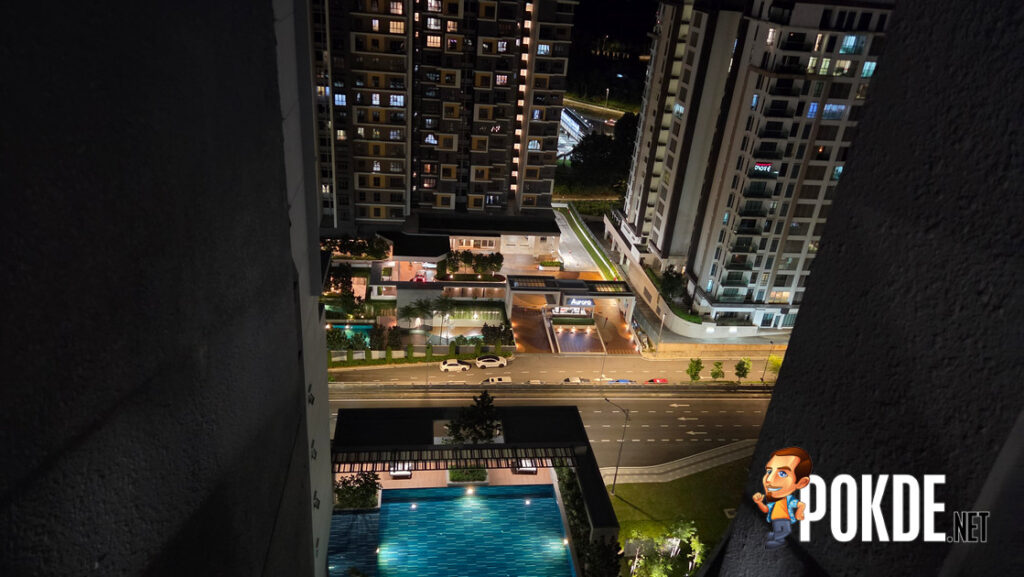
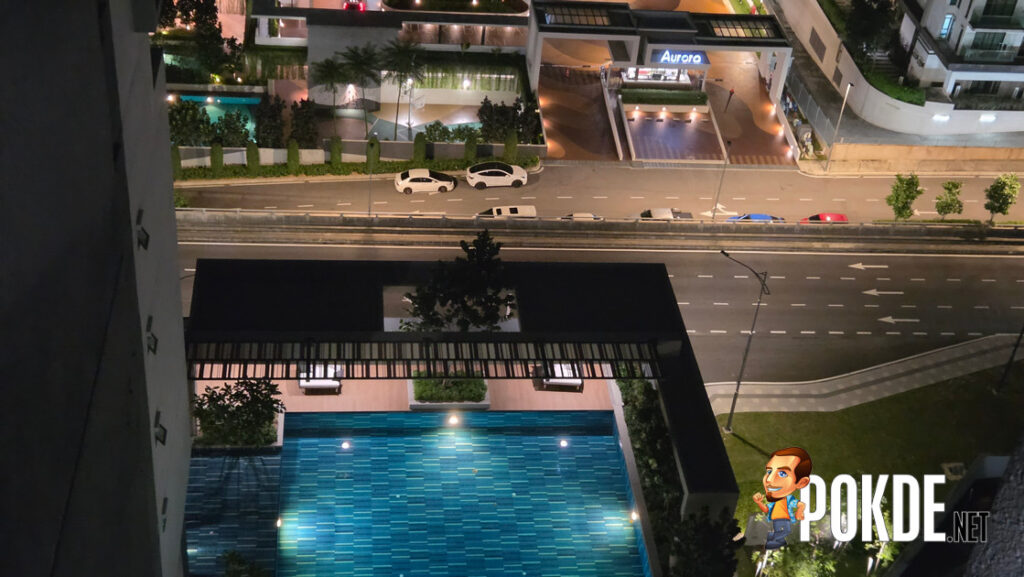
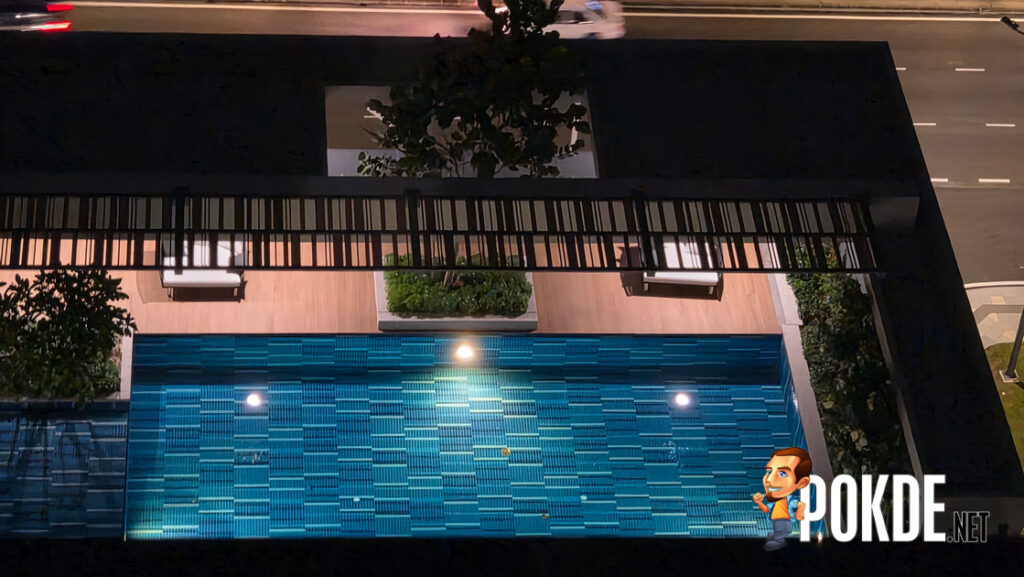
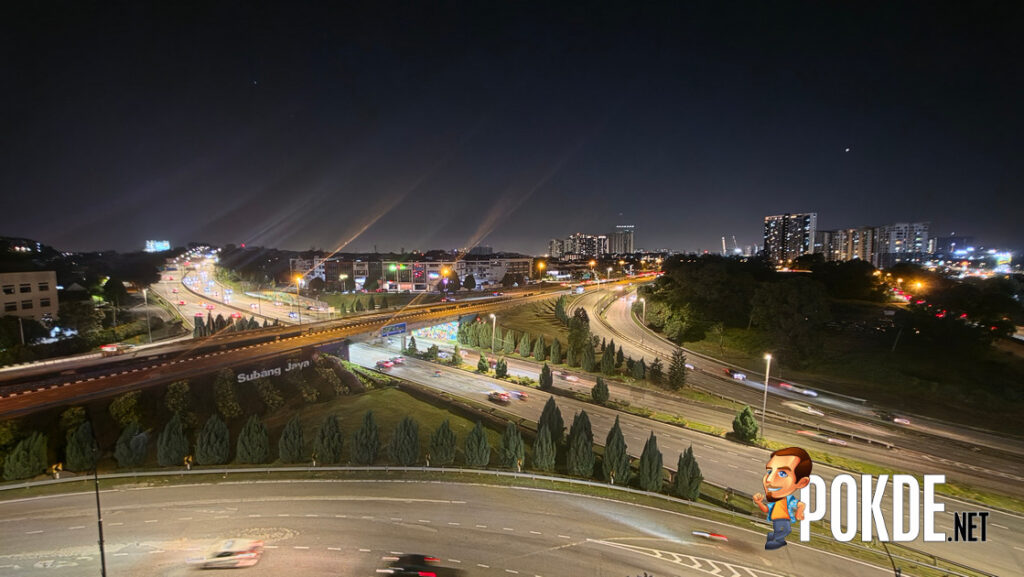
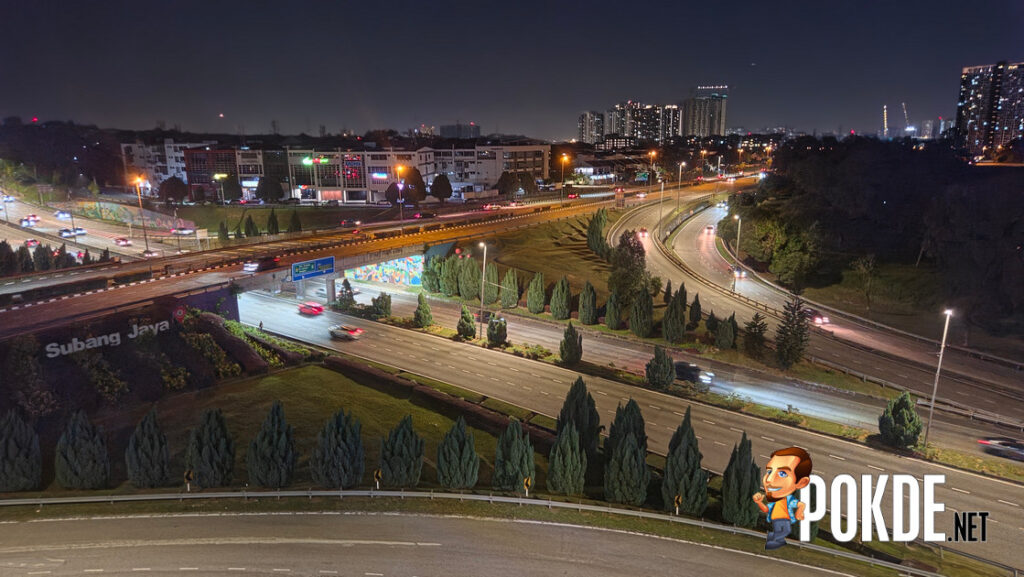
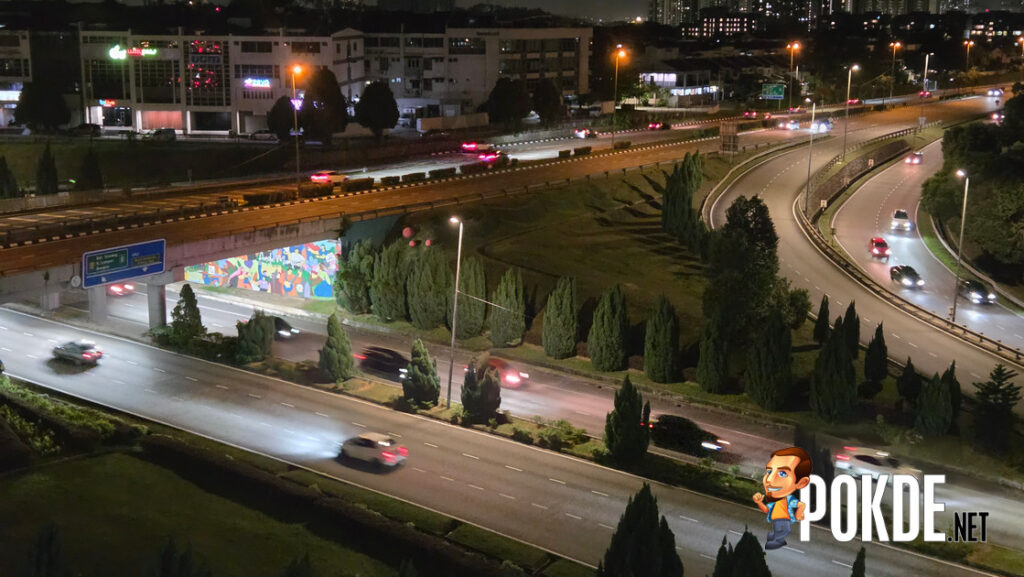
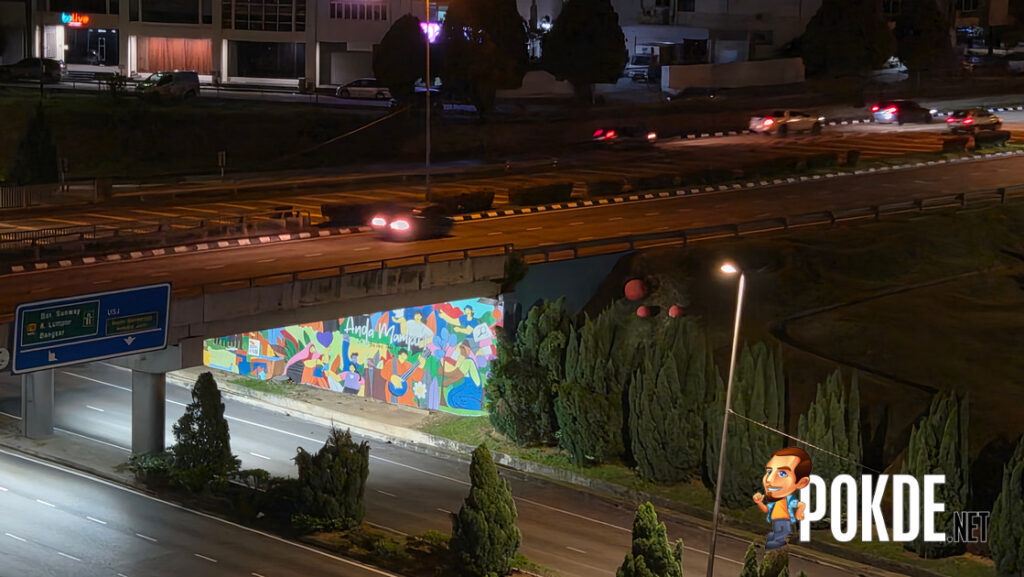
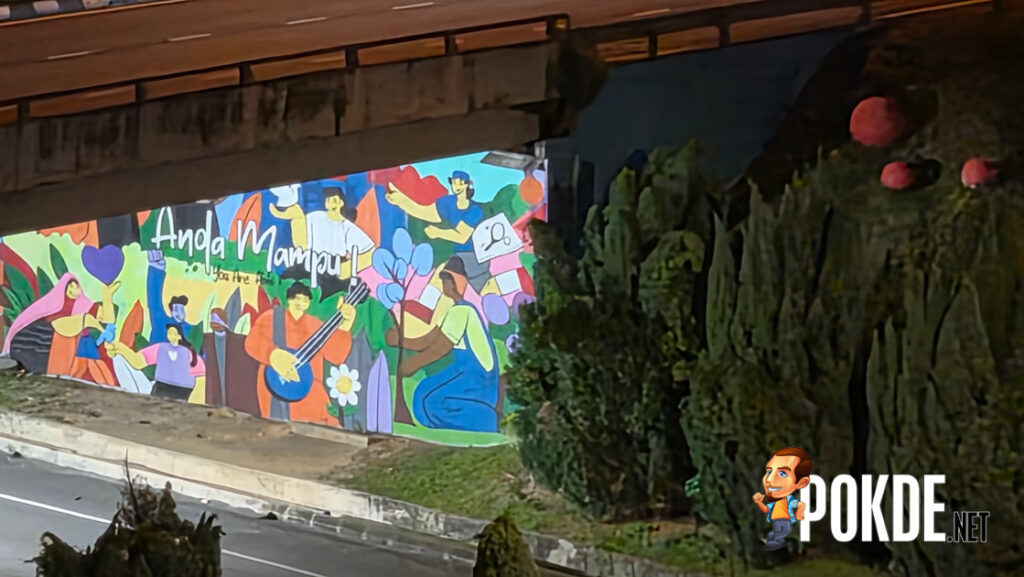
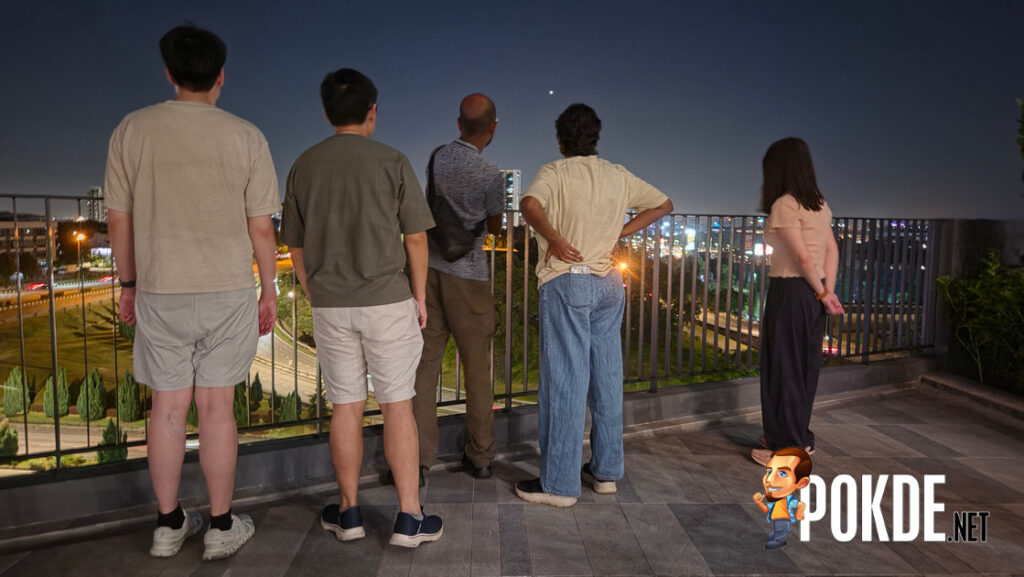
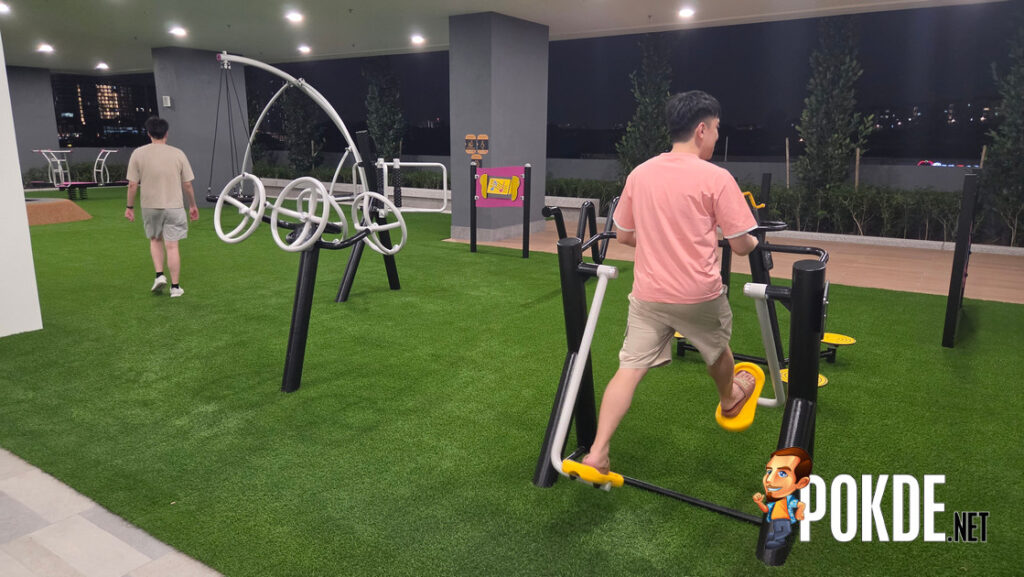
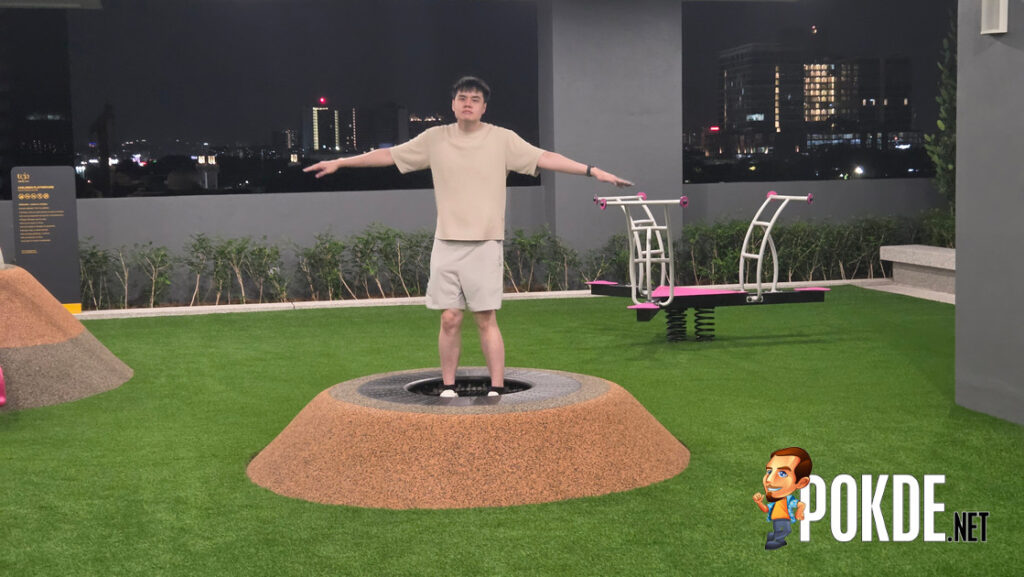
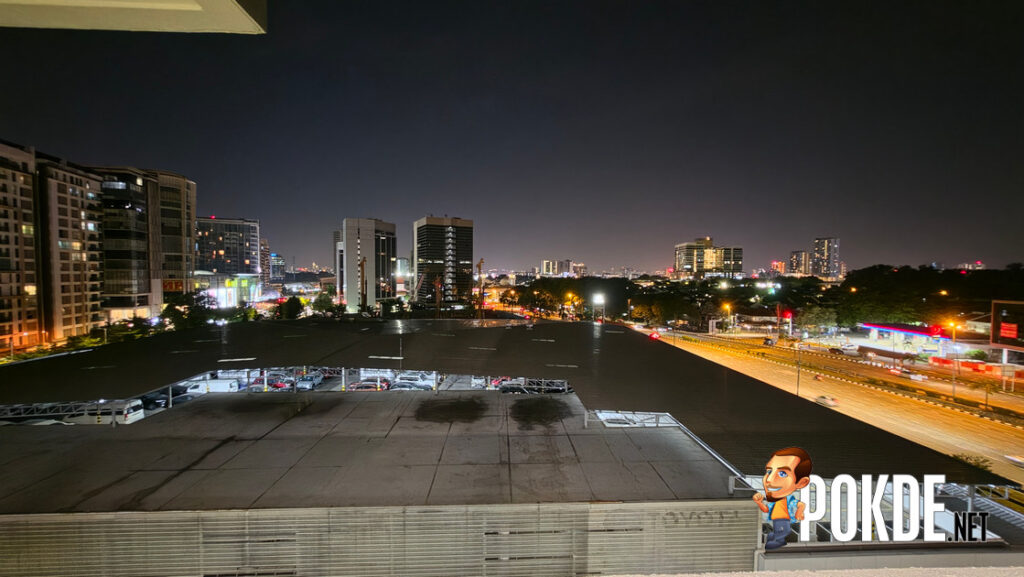
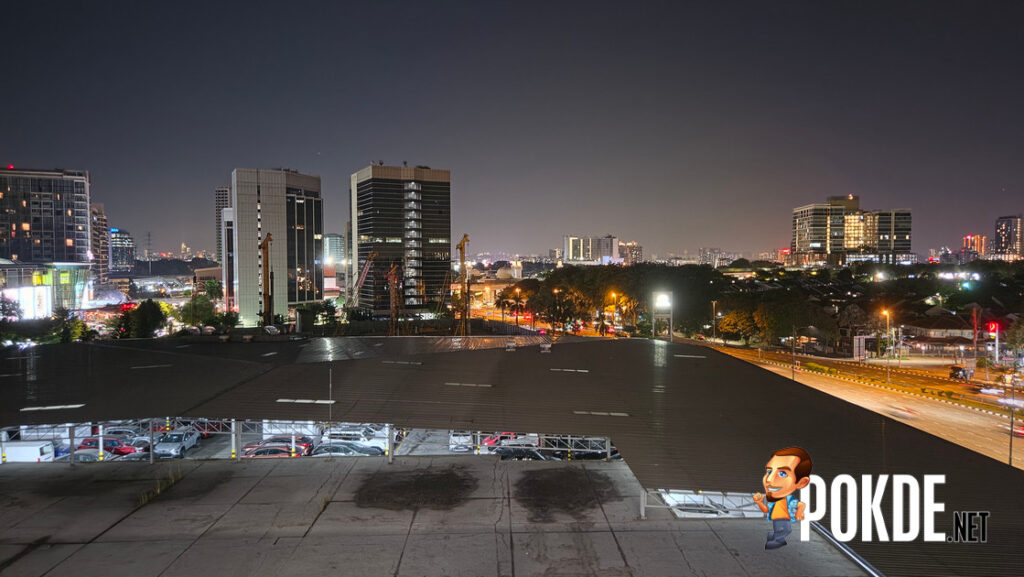
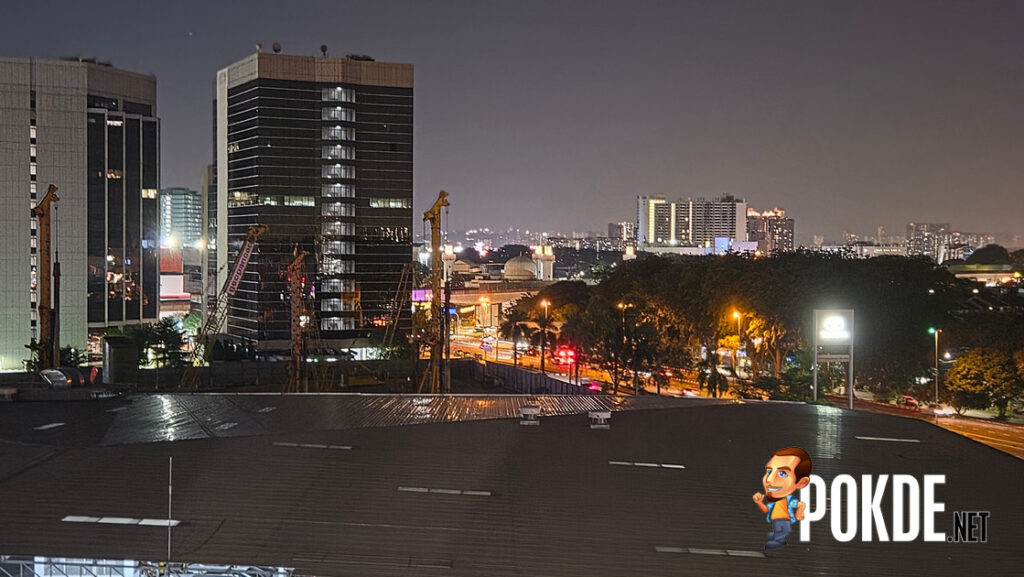
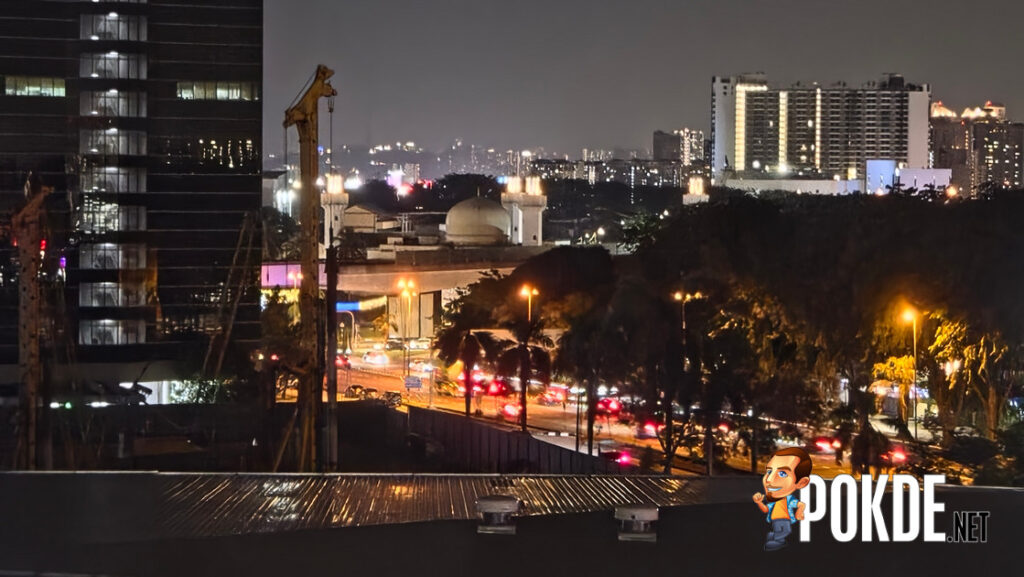
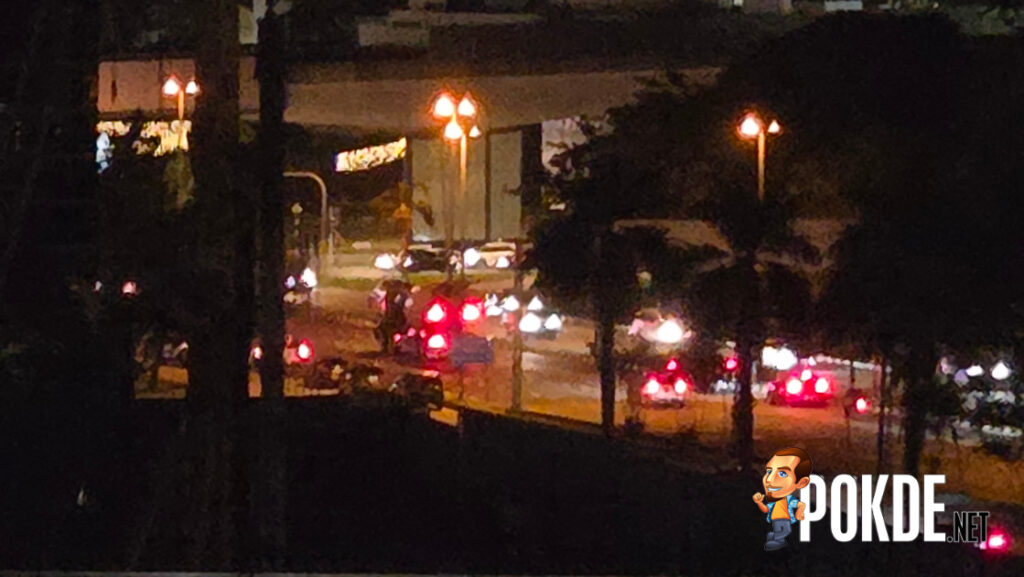
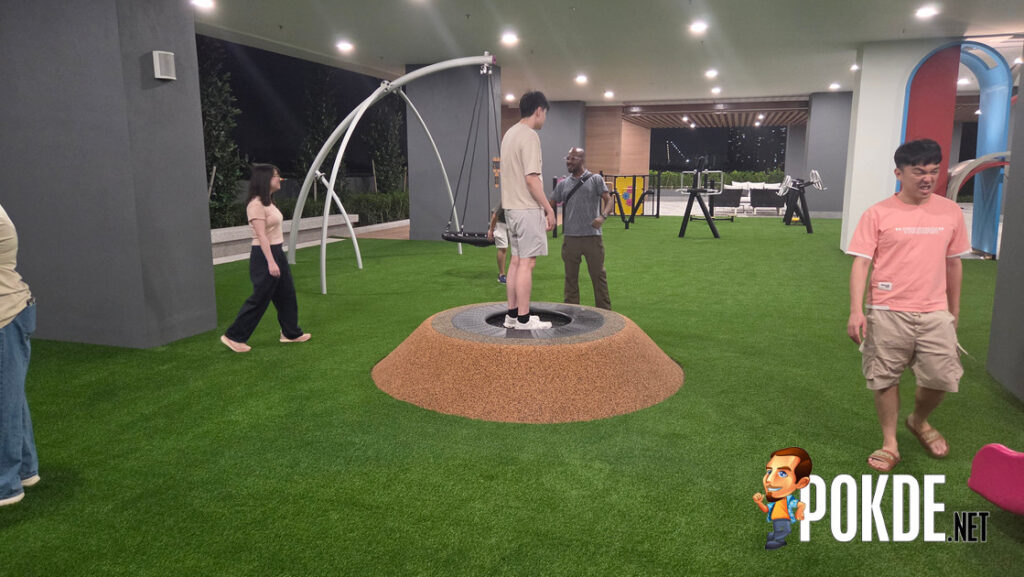
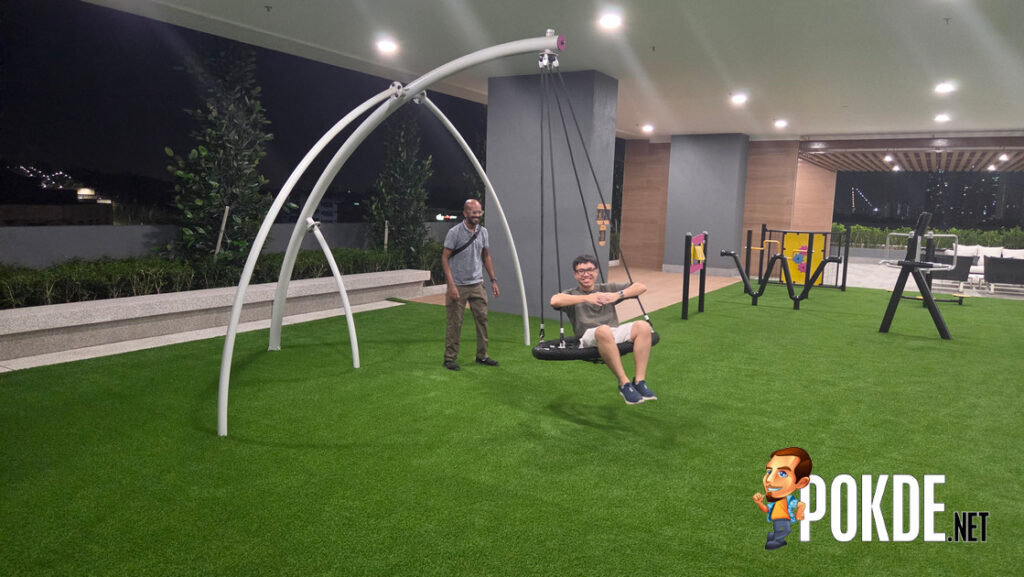
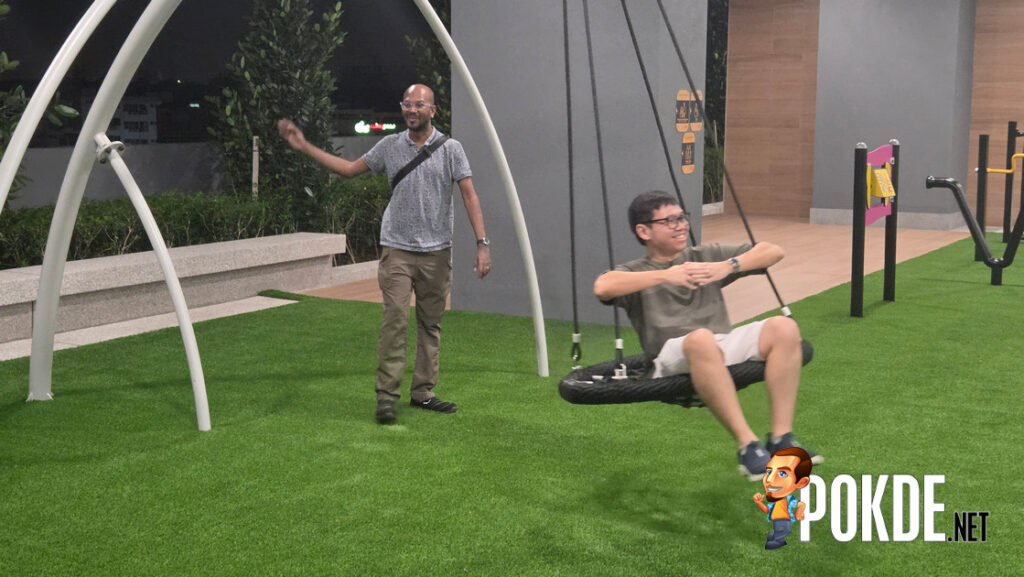
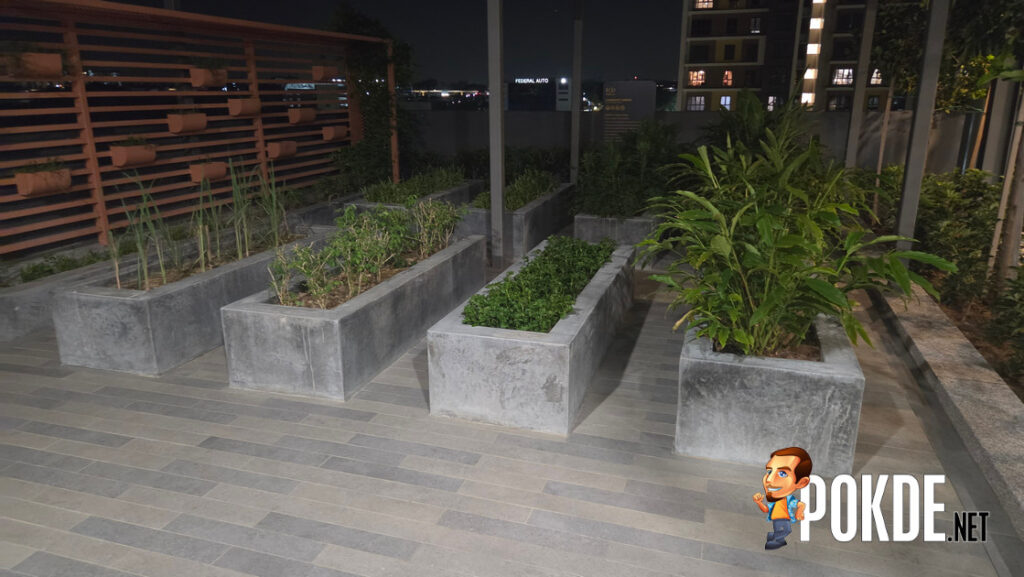
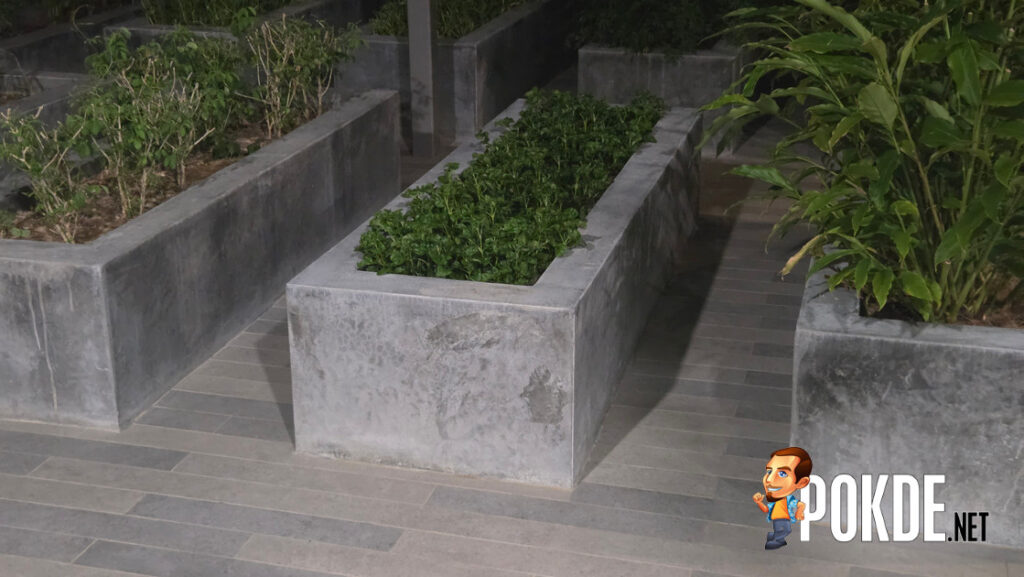
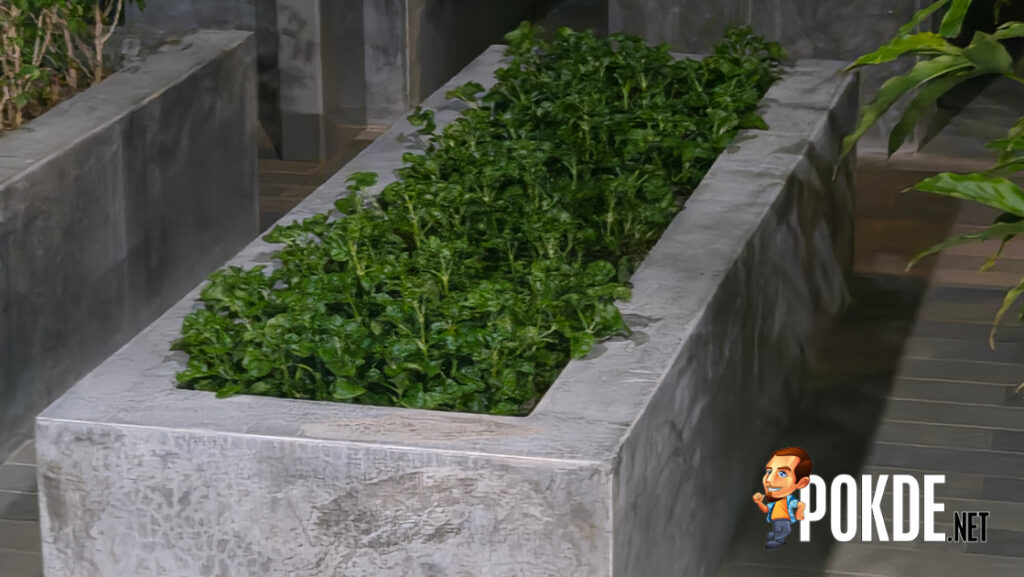
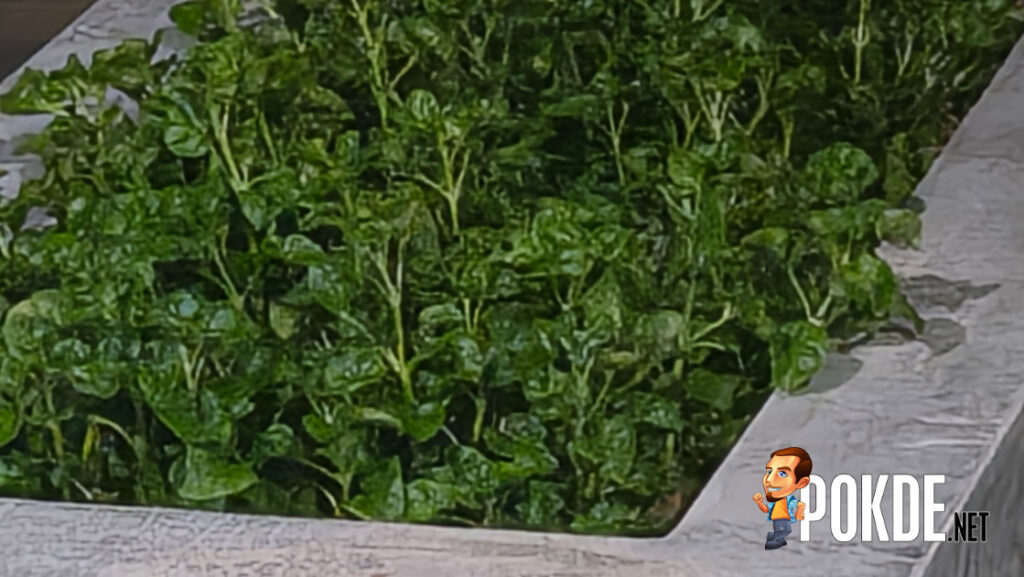
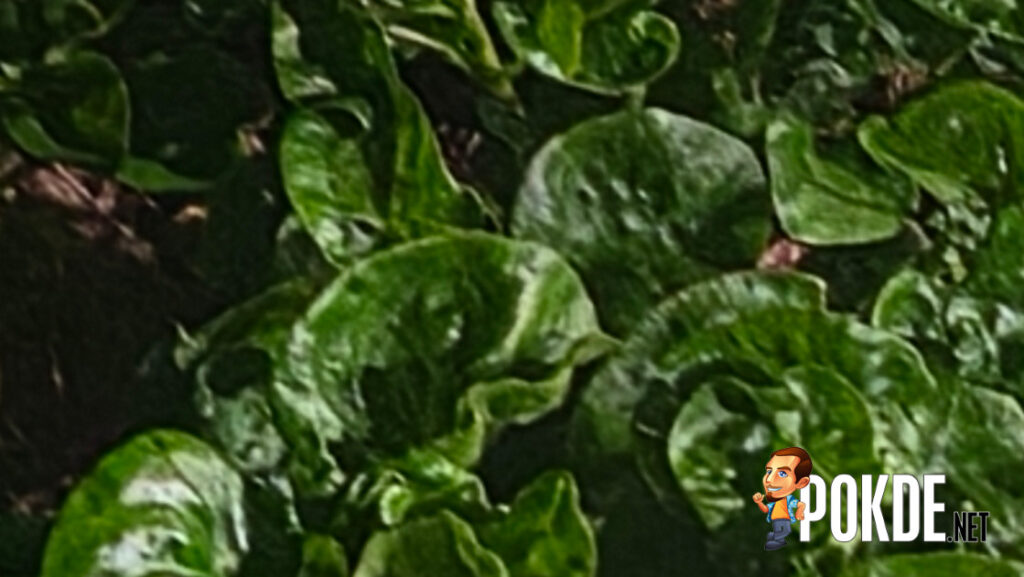
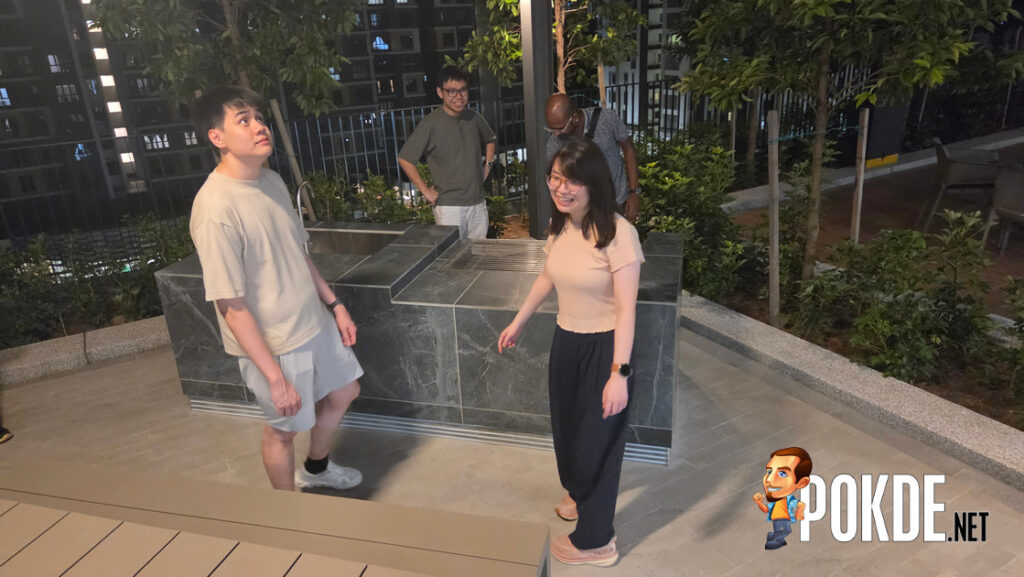
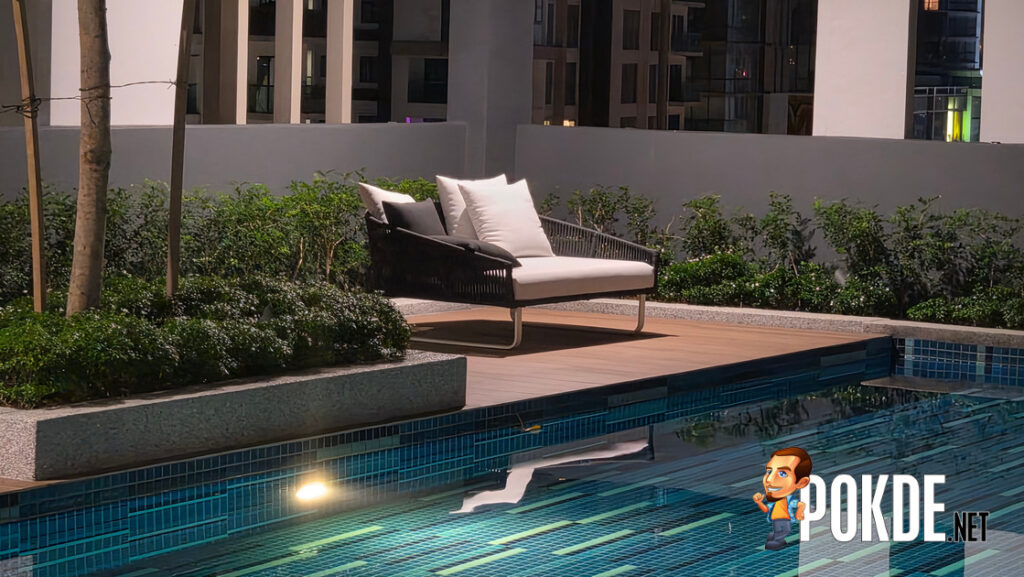
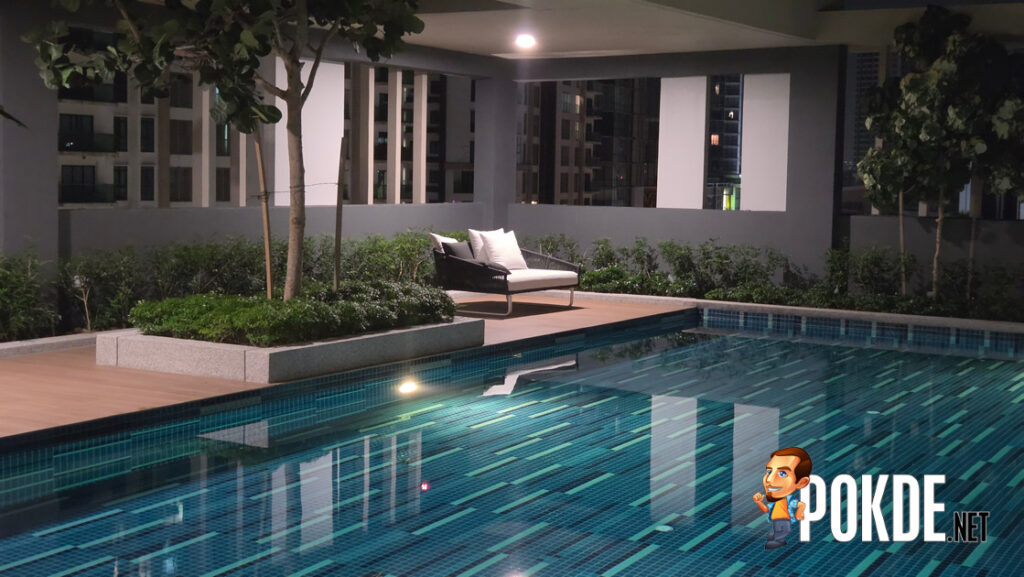
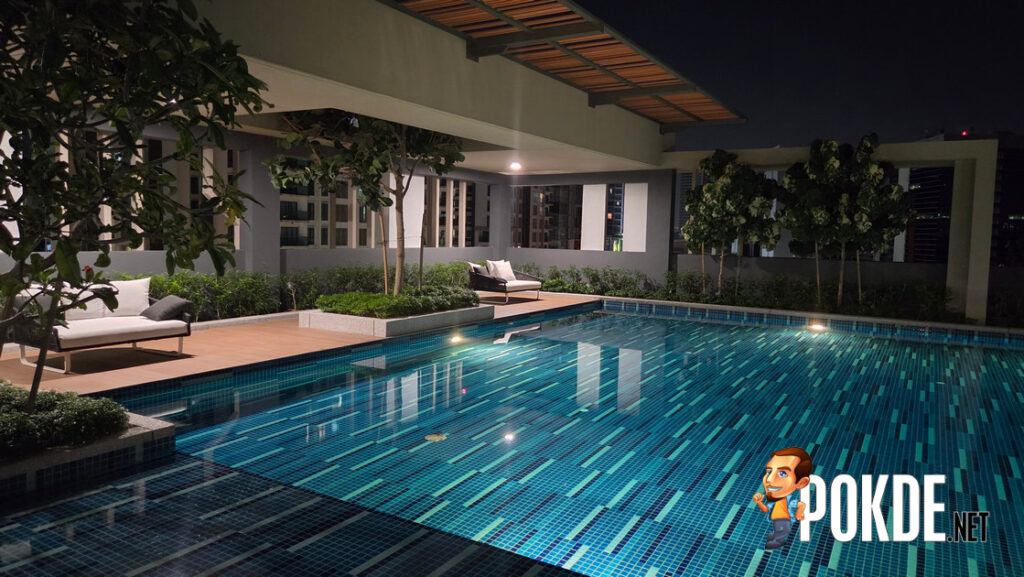
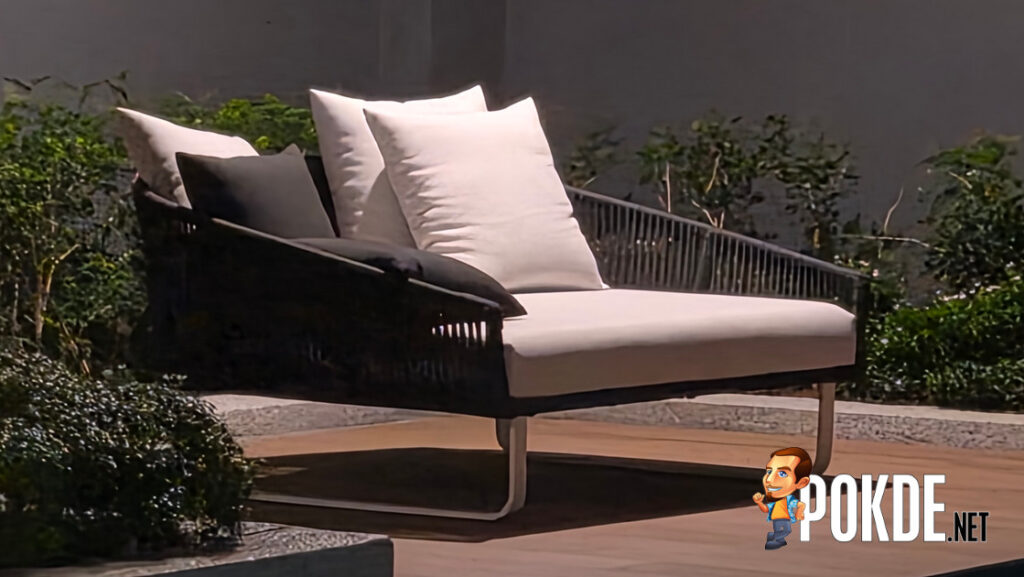
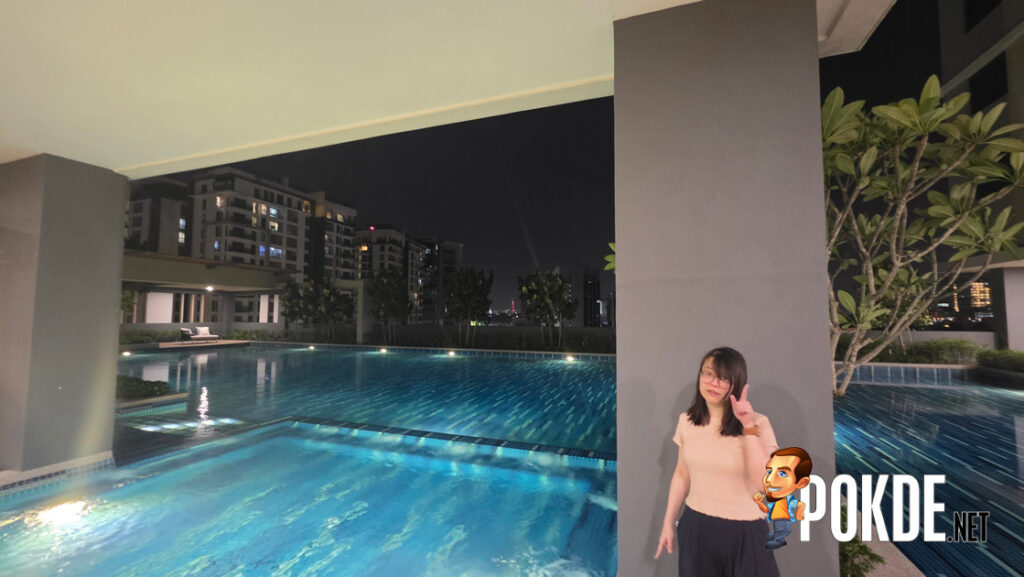
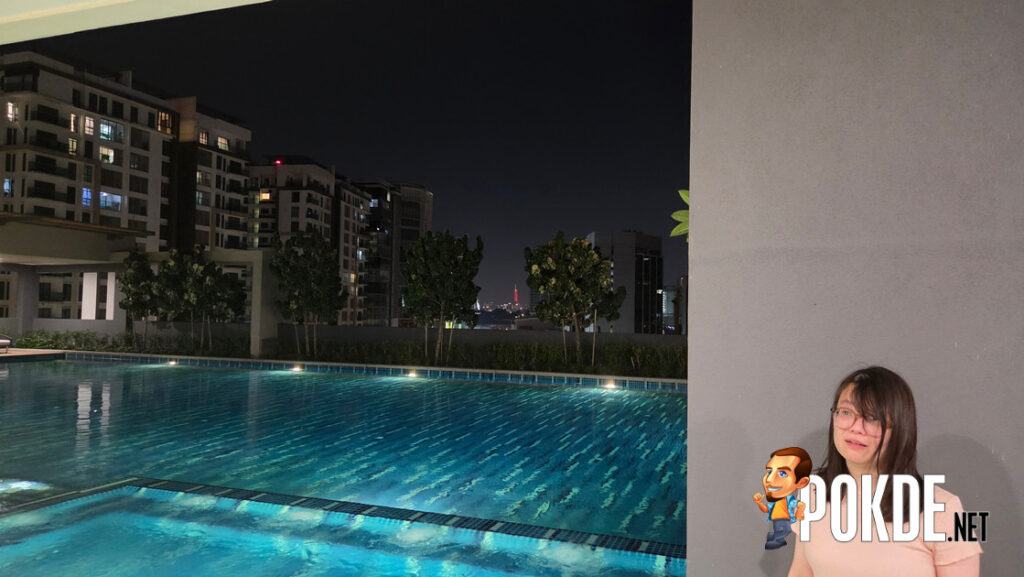
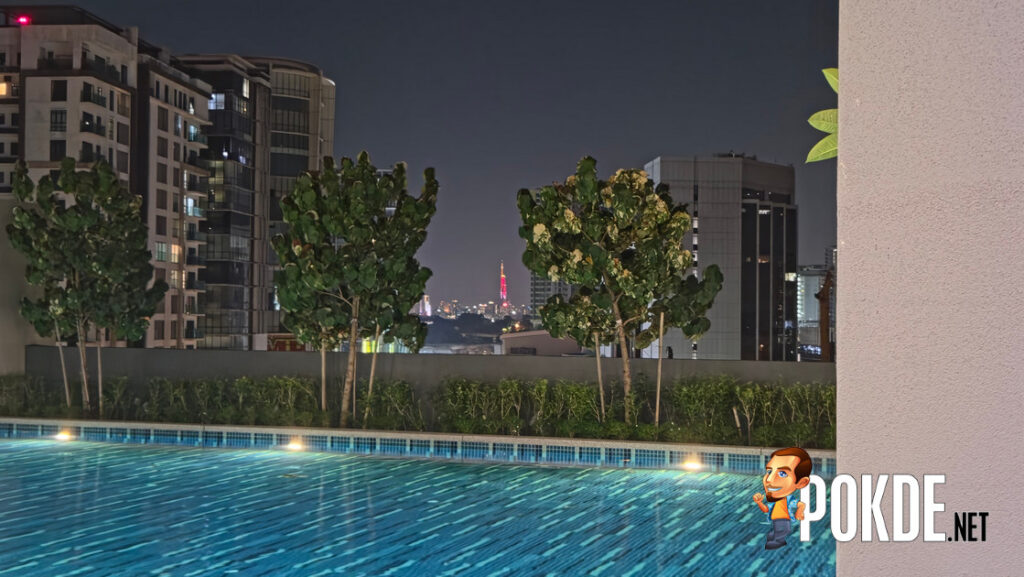
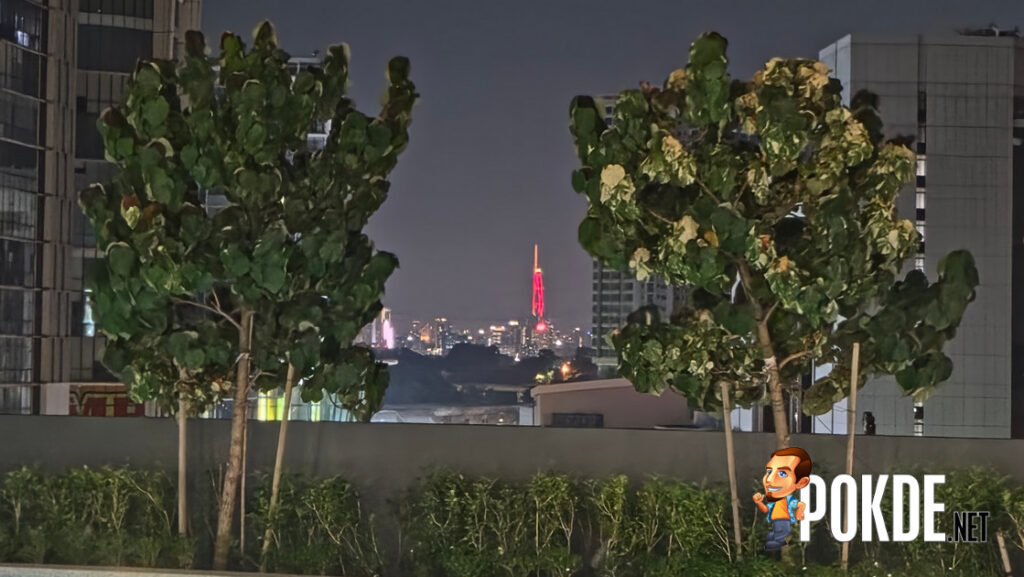
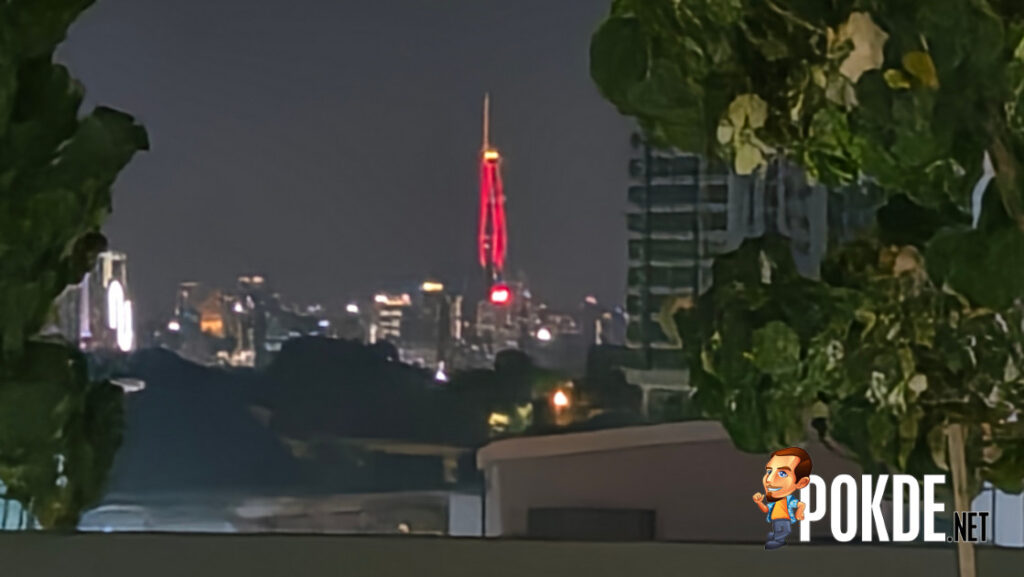
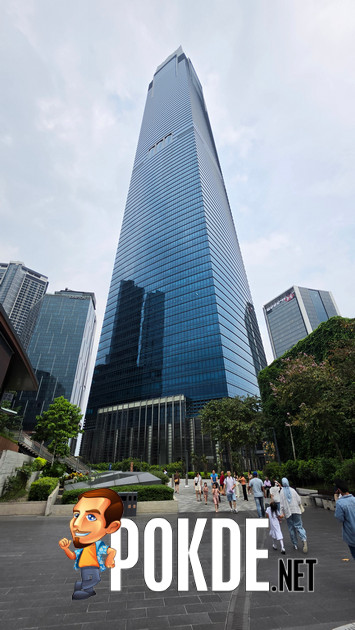
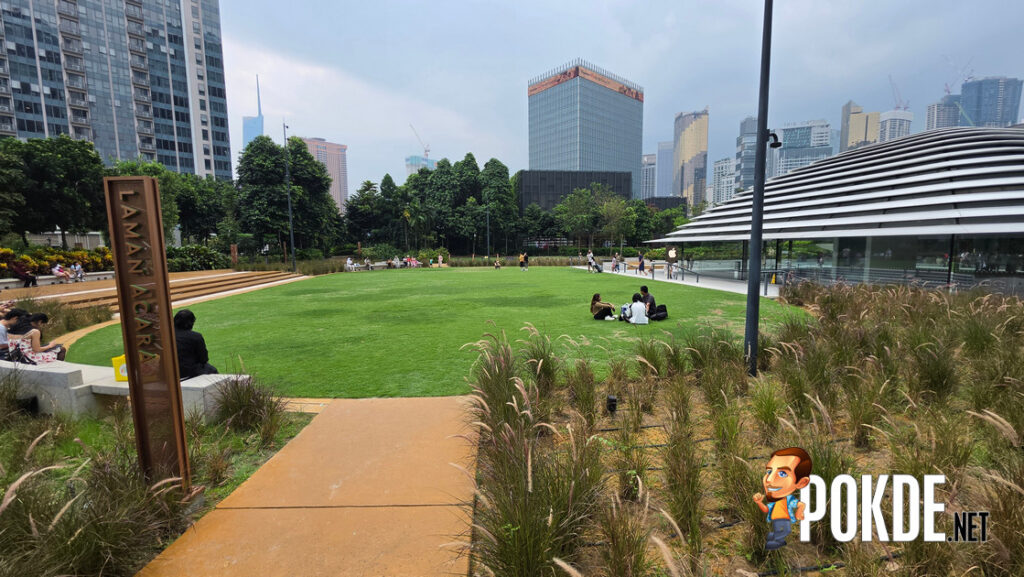
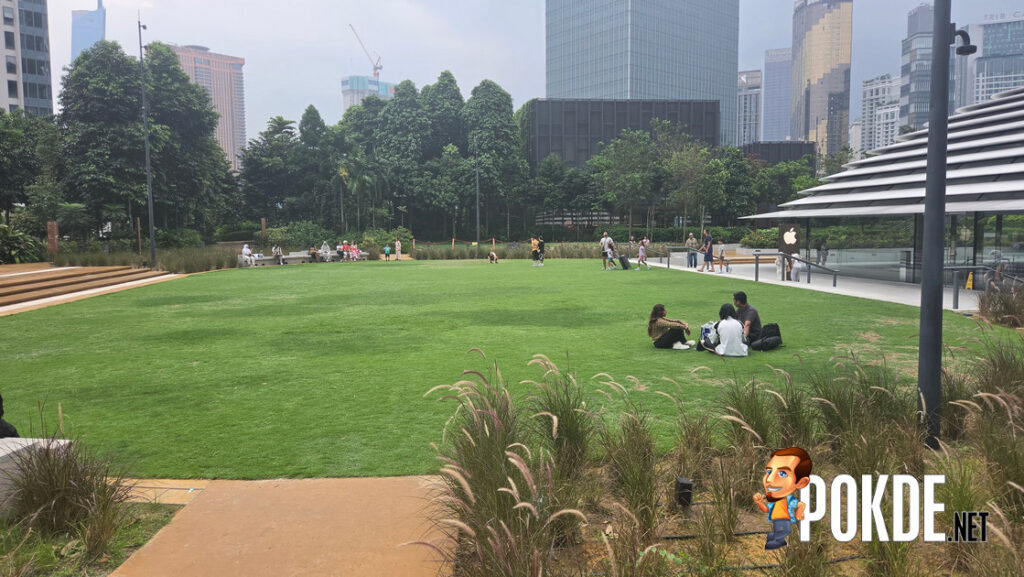
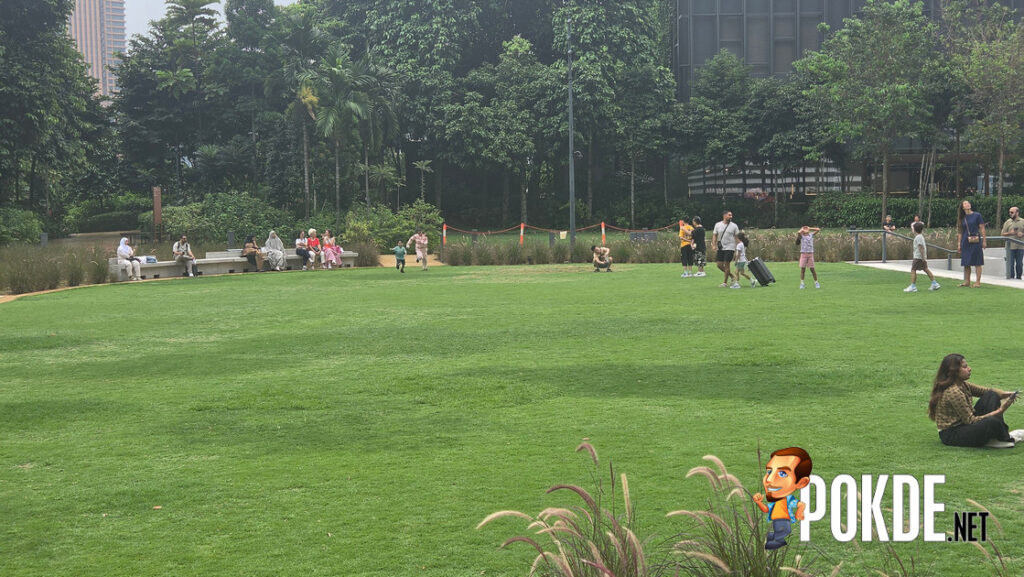
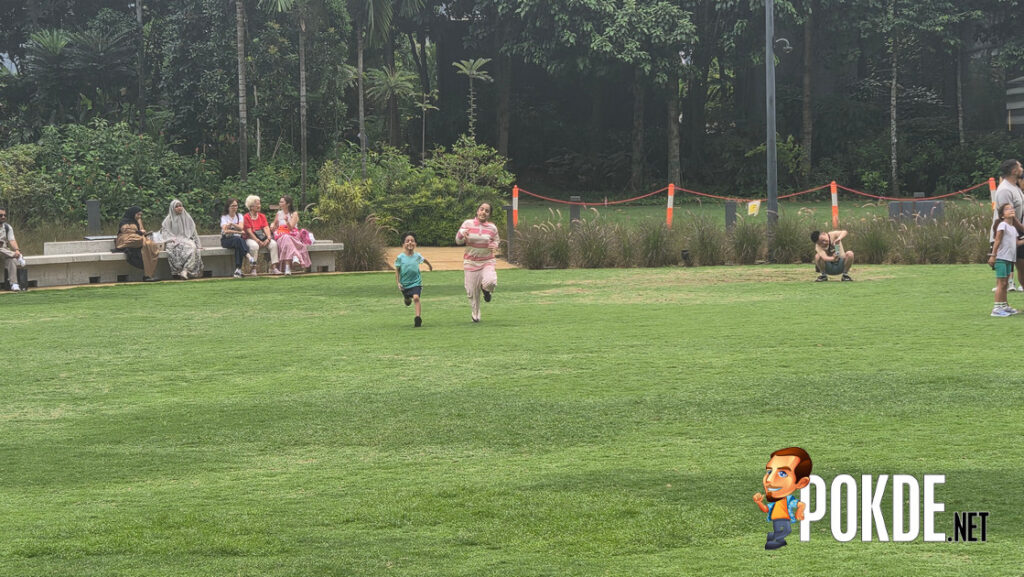



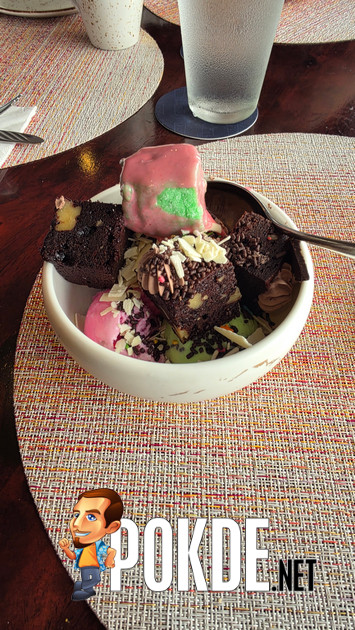
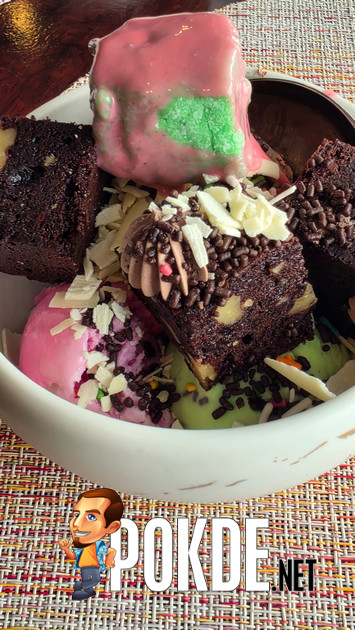
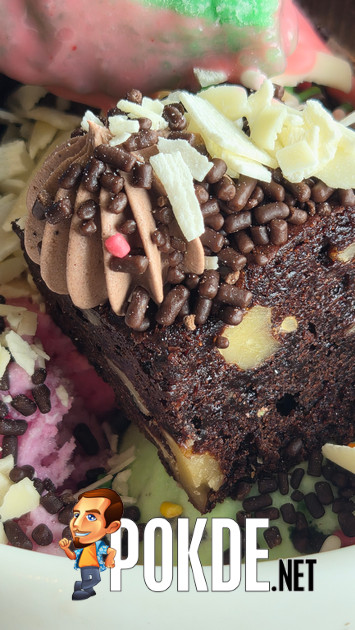
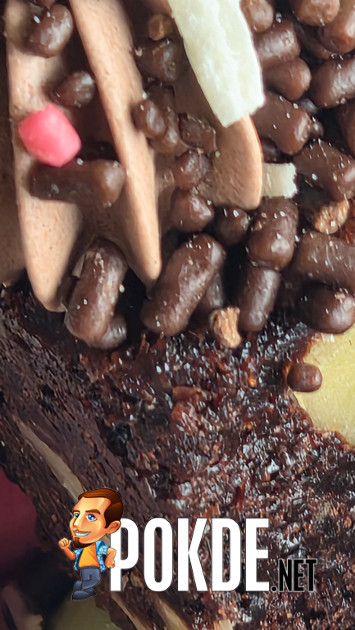
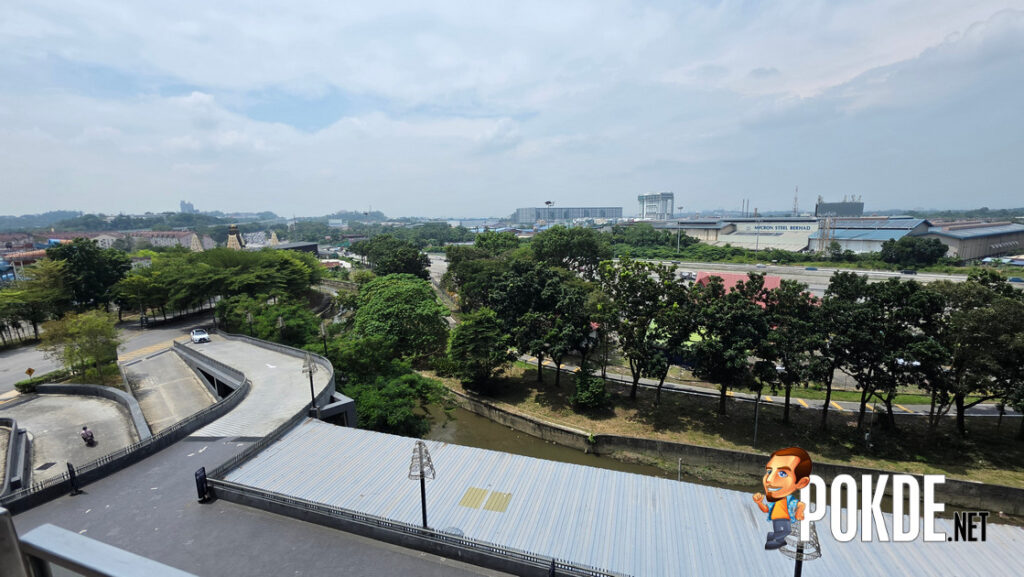
Photos carry that familiar Samsung signature; sharp, just vibrant enough, with strong HDR and natural colors that won’t wow or offend anyone. Filters add a lot of personality if I want to push past the default look, and they’re highly customisable. RAW shooting is on offer too for a more deliberate workflow. In daylight, results are consistently solid and reliable, if lacking the wow-factor of Ultra-tier flagships. At night, graininess can creep in, though the wide apertures on both rear cameras keep motion blur mostly in check and images rarely look too dark.
The biggest drawback is the missing telephoto lens. It’s rare to find a phone this expensive without one, and the absence is immediately noticeable if I’m used to having it. The camera app lets me digitally zoom to 10x, but quality drops off fast, and anything past 4x starts to look rough. It’s the kind of limitation I might not notice day to day, but it stings the moment I’m at a concert or similar event.
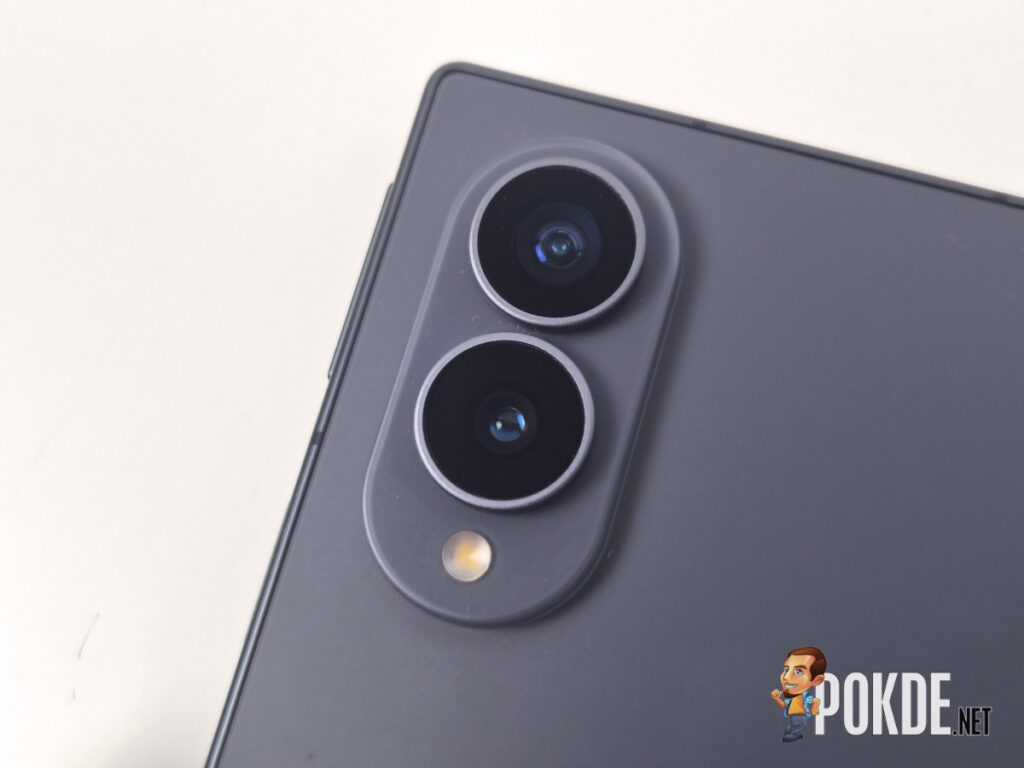
For those of you who might not be aware, the Samsung Galaxy Z Fold8 has two rear cameras; a 50MP f/1.8 main sensor and a 50MP f/1.9 ultrawide. Compared to last year’s Fold7 and the pricier Fold8 Ultra, this is a step down. There’s no dedicated telephoto, and fewer megapixels on the main sensor. The camera app lets me digitally zoom to 10x, but image quality drops off fast, and anything past 4x starts to look genuinely rough. Still, it’s a better showing than the Flip8, which makes do with just a 12MP ultrawide.
Interestingly, it has a 10MP selfie camera on both the cover and main displays, though they’re not identical. The one on the folding screen has a wider field of view, which is great for video calls and decent for group shots, though the rear ultrawide is genuinely better, and the folding shape makes it nearly as convenient to use for selfies anyway. They also opted against using under-display cameras, which should yield better results for video calls.
Speaking of video, this new Fold punches well above its price in this area. You get up to 8K recording at 30fps and 4K at 120fps on the main sensor, alongside a proper Log profile, the newer APV codec, and horizontal lock stabilisation, all features inherited from Samsung’s S-series flagships. Being able to unfold the phone and use the cover screen as a live preview monitor also makes it a surprisingly capable vlogging tool.
The Good
Compact, pocket-friendly shape
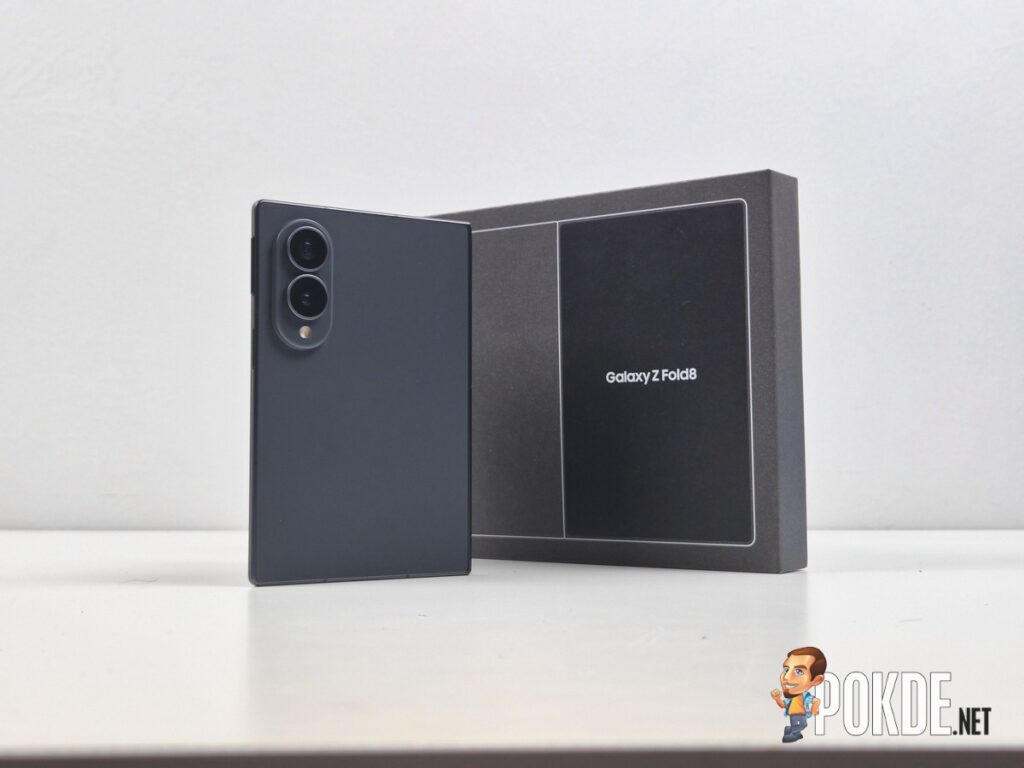
The passport-sized folded form factor is a genuine departure from anything else on the market right now. Folded shut, it’s noticeably shorter and wider than a typical bar-phone, and it slips into a pocket in a way no other foldable has managed for me. It sparks a bit of excitement every single time I pull it out, and that novelty hadn’t worn off even after a full week of daily use.
4:3 screen is great for movies and gaming
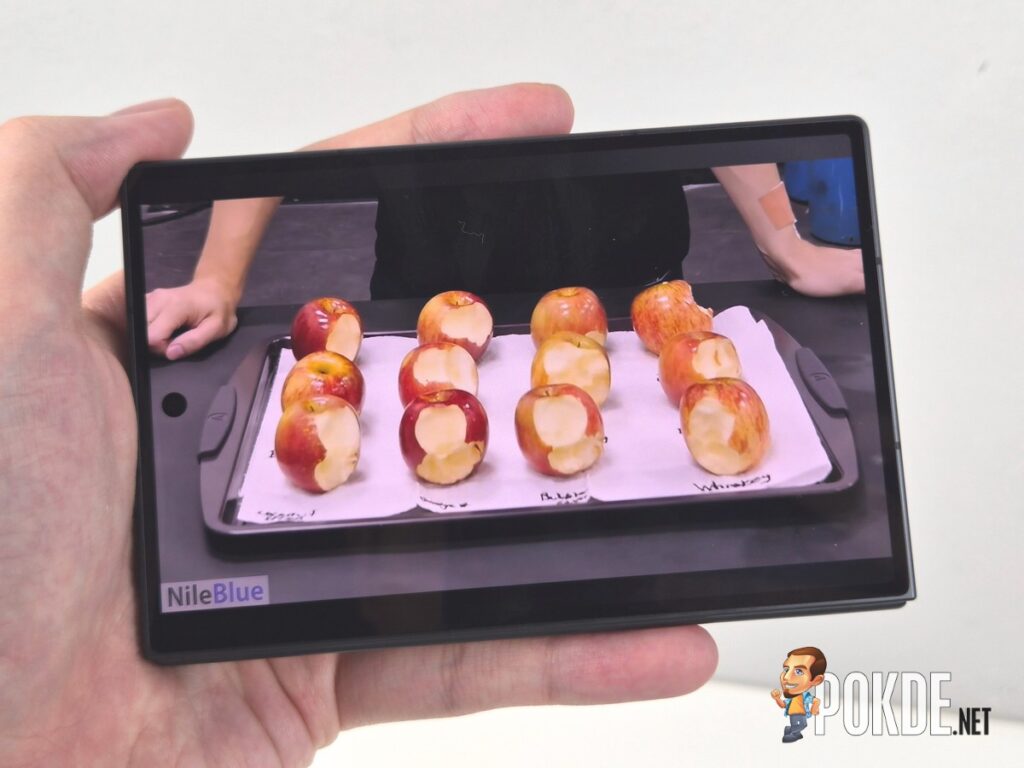
The main display’s 4:3 aspect ratio, borrowed from tablets rather than phones, pays off constantly. Game UIs and cutscenes scale far more naturally here than on the more square-shaped foldables I’ve tried, and movies fill the screen without the awkward letterboxing I’m used to. Emulation is where it really shines, though. Older titles in 4:3 fill the entire display edge to edge, and PS1-era games in particular look fantastic on it.
Great multitasking tools
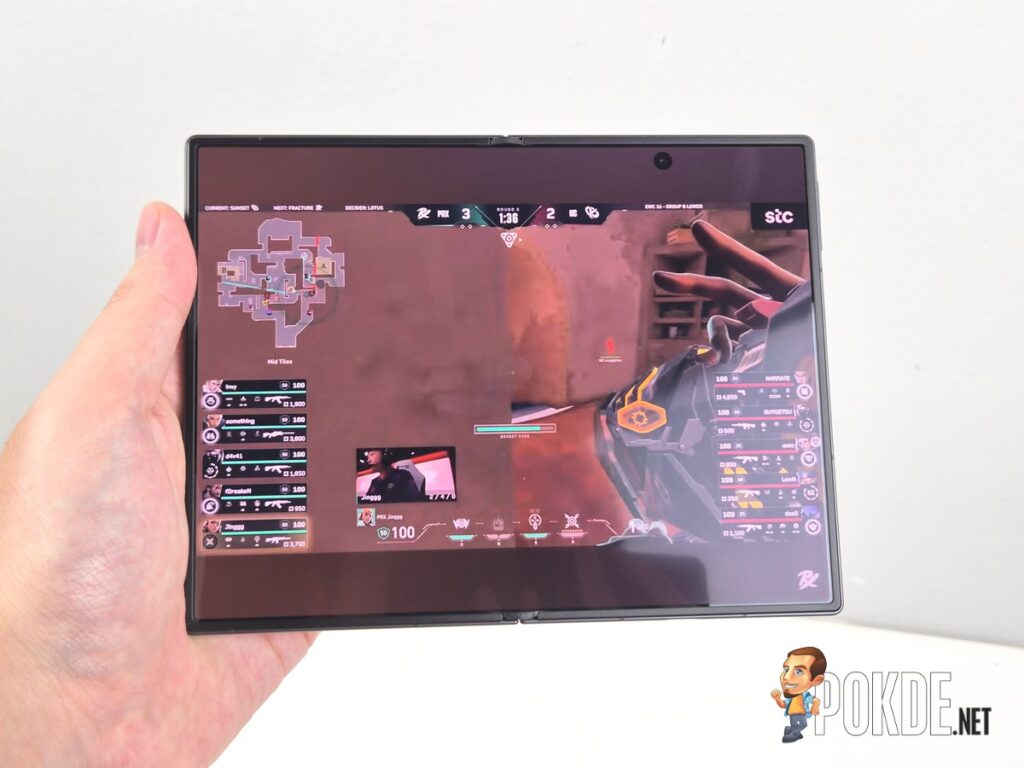
The reworked multitasking tools let me run three apps side-by-side in split screen, making genuine use of the wide folding display rather than just stretching phone UI across a bigger canvas. It’s a real productivity upgrade, and it’s one of the clearest examples of software actually catching up to what this hardware shape enables.
This is one of the most interesting phones I’ve used in recent years. I absolutely love how two-handed typing feels on the wider cover display, since the keyboard is noticeably more spacious. But one-handed typing is a real challenge, as I have to stretch my thumb to reach the other side of the screen, and I say that with long fingers. If you have smaller hands, expect it to be even more of a stretch.
Excellent Software Support
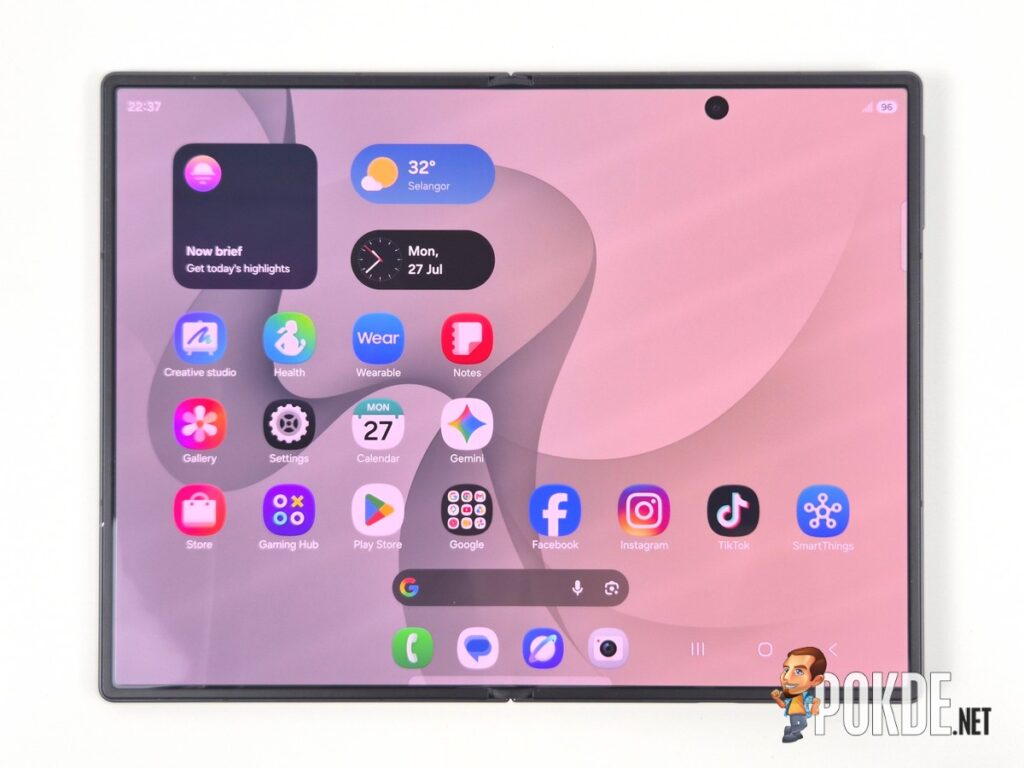
The Samsung Galaxy Z Fold8 runs One UI 9 on Android 17. It remains fast and endlessly customisable, and Samsung is promising 7 years of updates and security patches, so this should stay usable for a long time. Given that it is far from being a cheap smartphone, even among foldables, one would be completely assured of its longevity thanks to this.
The Bad
UI needs some tweaks
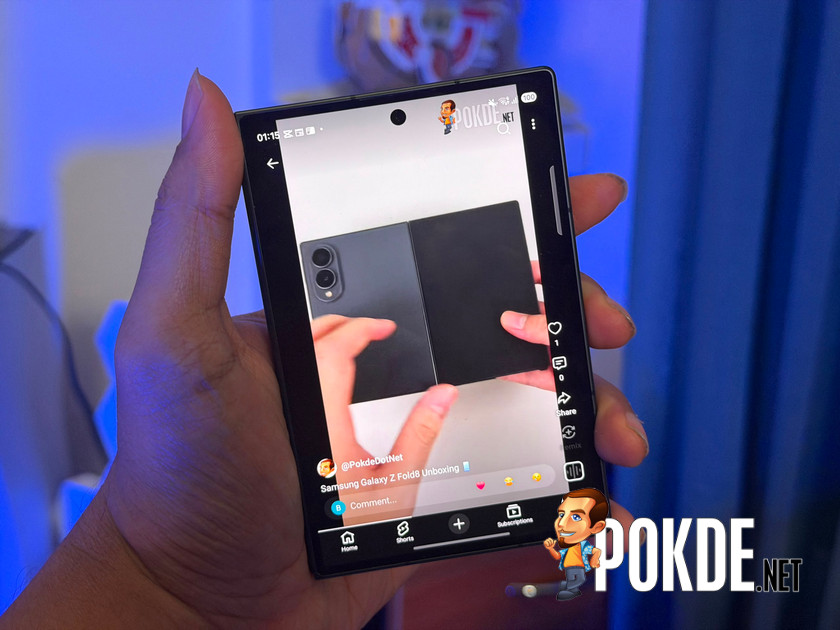
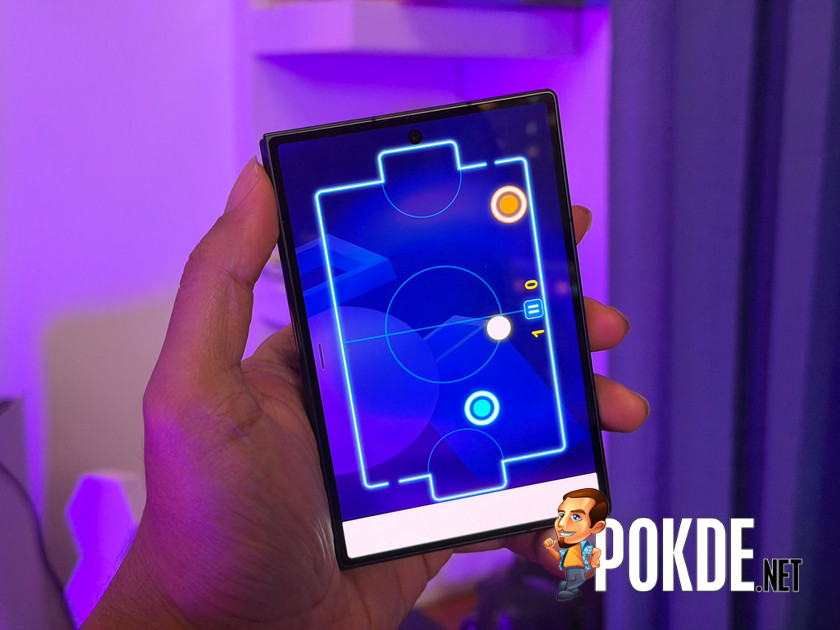
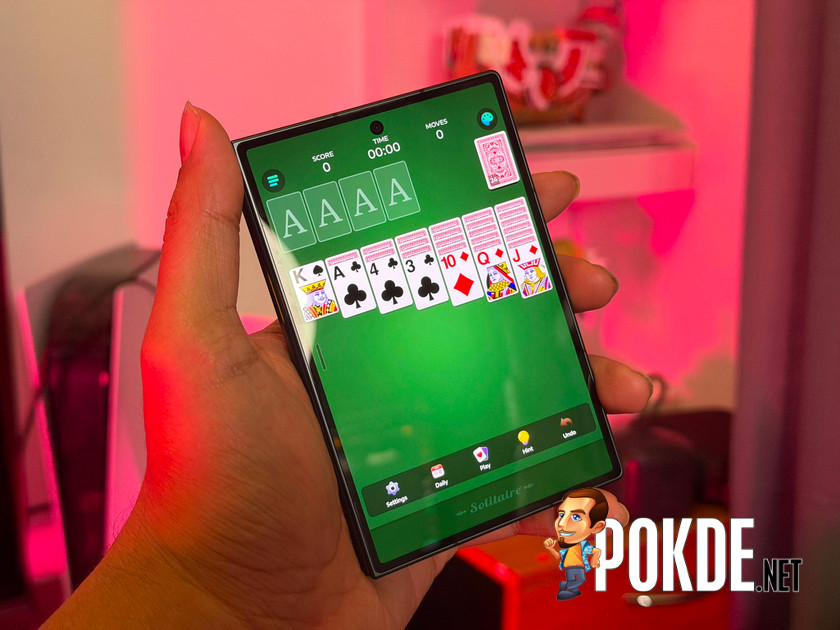
One UI clearly isn’t fully optimised for this new shape yet. I can only fit four apps per row on the cover display’s home screen, while the main screen allows five, which feels arbitrary given even the narrower Z Fold7 manages five on its cover screen. Homescreen apps also jump around when switching between portrait and landscape on the unfolded display, and I can’t add an app to the homescreen in portrait mode on the folding display at all, only landscape. Speaking of UI, there is a major UI feature in previous Z Fold devices that unfortunately didn’t make the cut, which brings me to my next point.
No Flex Mode
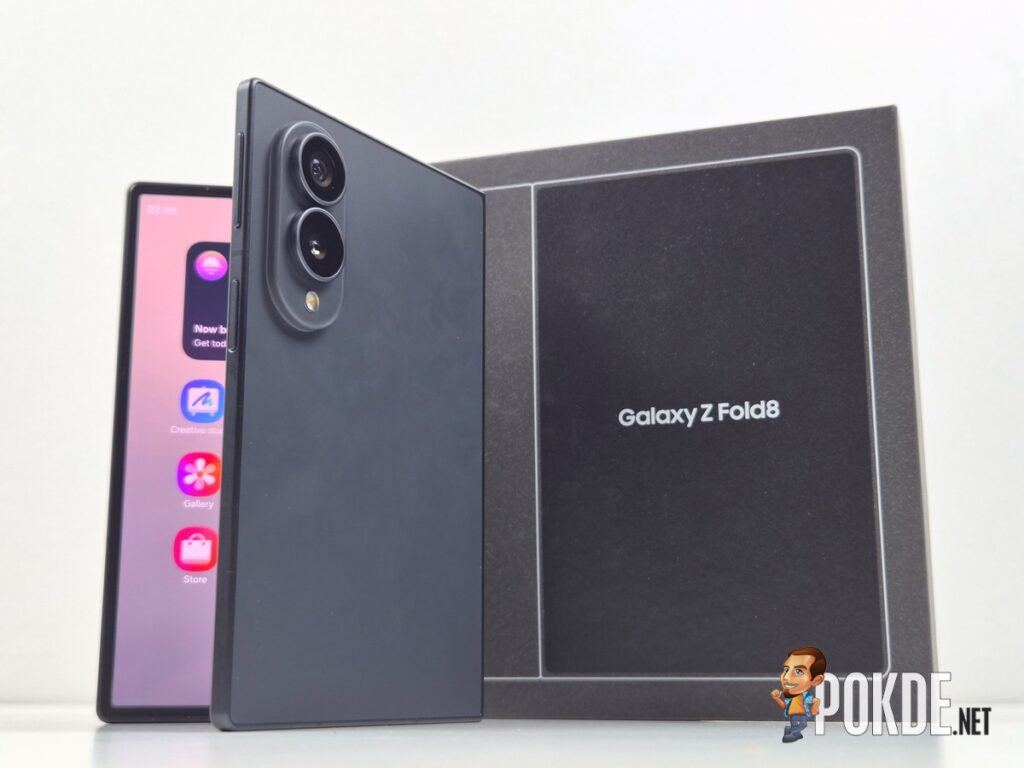
With the Samsung Galaxy Z Fold8, the hinge makes it strictly open-or-closed and nothing in between. This means that Flex Mode is gone entirely, taking hands-free video calls and half-screen control panel tricks with it. You can kind of get it to partially fold and have it propped up like a laptop for instance but there will be no UI changes whatsoever. It’s a shame that it wasn’t included, and given the nature of the hinge itself, it’s not something that can be simply brought over in a future software update either.
Lopsided Stereo Speakers
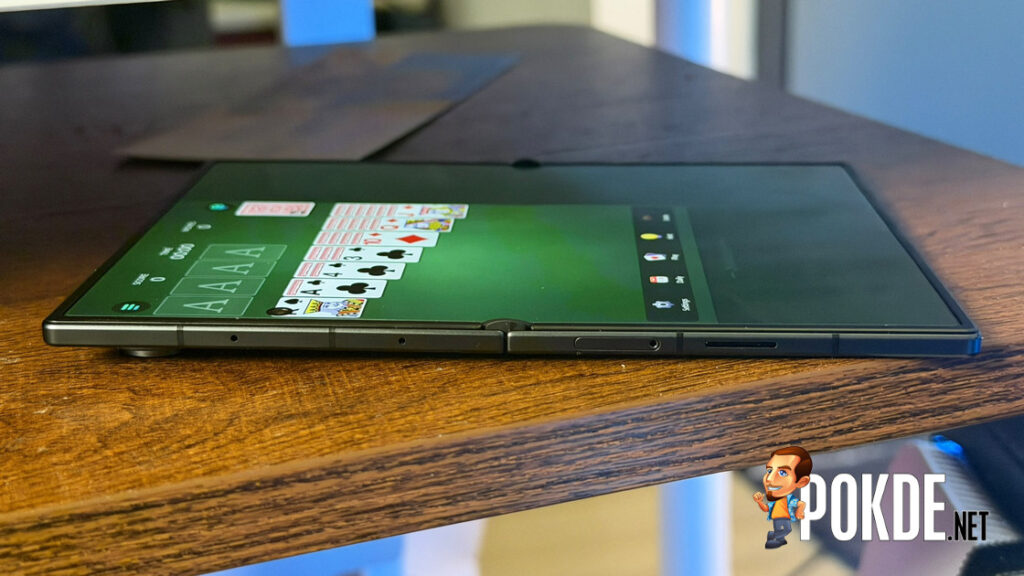
The speakers are quite good, though not as full-sounding as I’d get from a flagship bar-phone of similar size. I get dual stereo speakers firing from the top and bottom when the phone, giving a stereo effect for landscape content on the cover screen or vertical content on the folding screen. Personally, I’d have preferred the opposite orientation, since landscape videos and games on the bigger screen end up sounding lopsided with all the audio coming from one side. Vertical videos on the cover screen on the other hand sound great.
Not Great on Flat Surfaces
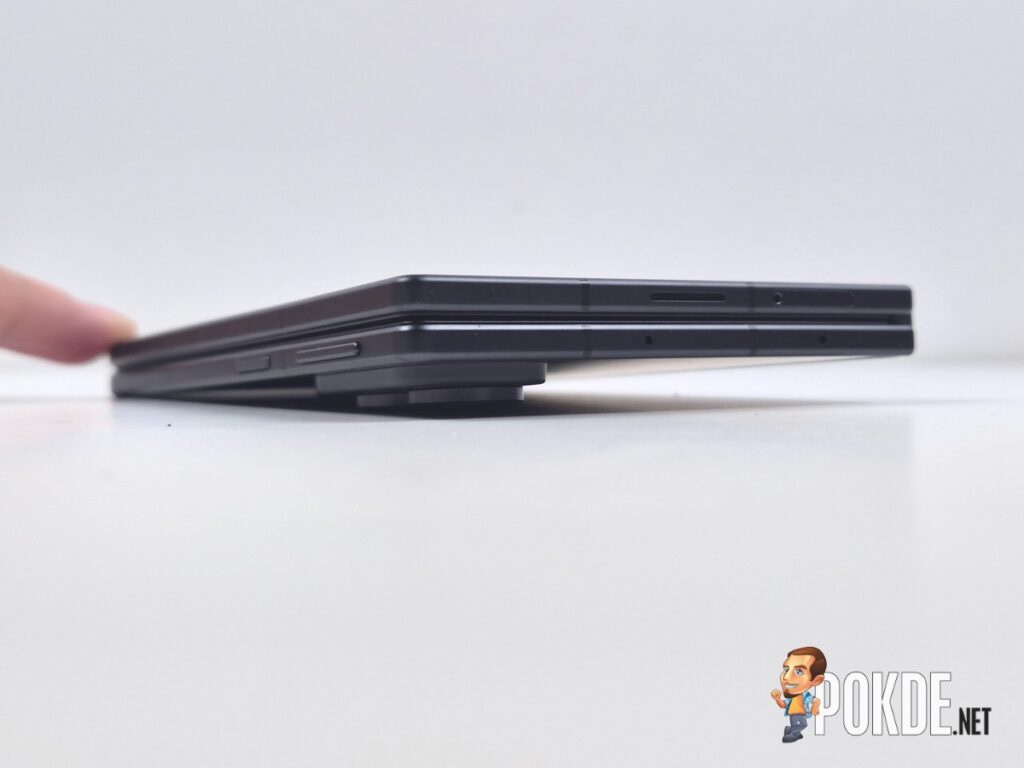
One mild annoyance with the Samsung Galaxy Z Fold8 is that it doesn’t exactly sit well on a flat surface unless you put it down screen first. Due to the thick camera module, it will wobble quite a bit, which can be a bit annoying. It can be remedied to some degree with protective case but it requires a rather thick one for it to sit on a flat surface in a stable manner. At that point, it’s a matter of deciding between enjoying how thin the foldable is or remove the wobble.
Be Mindful of Accessories, Especially Existing Ones
While I love the new design, it may cause problems with your existing accessories, especially for those who drive. The two common issues you’d hear with it would be wireless chargers and phone holders. In the case of the former, if you have the type that lies down flat, you might still have hope but if it’s slanted with the higher elevation pointing towards the sky, it might not be able to lie in the spot needed for it to charge. For the latter however, it might be awkwardly held up not because of its width but how short it is.
Personally for me, this would be the best time for you to adopt magnet-based accessories. In the case of two I mentioned earlier, it would still work great with the Samsung Galaxy Z Fold8 but you will need to invest in a protective case with built-in magnets. If you ever change to another phone in the future with a more unique design, it should still work if it either has built-in magnets or you’re willing to invest in a magnetic case for that, and the ease of use makes it worthwhile.
Samsung Galaxy Z Fold8 Verdict
The Samsung Galaxy Z Fold8 is an exciting phone, and the new shape brings some genuinely fresh energy to a category that has been feeling predictable for a good number of years now. My worry is that the novelty could eventually wear thin, and the small annoyances I’ve outlined here start to outweigh the fun factor. That hasn’t happened for me yet, but it’s a real possibility down the line.
Unfolded, the new shape offers real benefits for gaming, content consumption, and reading, but the trade-offs are just as real. It really comes down to what you need from a phone on a daily basis. I wouldn’t recommend it for those who chase after high performance gaming figures nor for the people who wants the most crisps visuals a smartphone camera can give. But if you’re more into consuming videos, social media, productivity, or you simply want something fresh, then it’s something I can wholeheartedly recommend
At the end of our Samsung Galaxy Z Fold8 review, I award this foldable smartphone with our Silver Pokdeward.

Big thanks to Samsung Malaysia for sending us this foldable smartphone for the purpose of this review.