



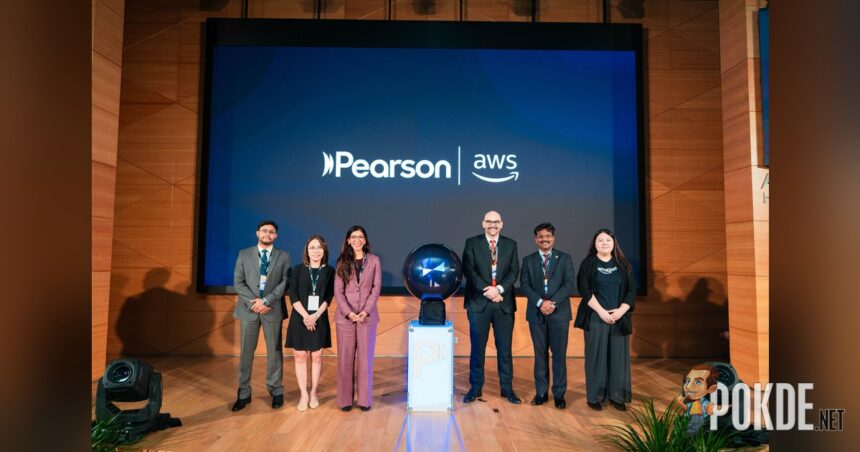
Pearson and Amazon Web Services (AWS) have jointly launched a new report titled “AI Readiness: Building the Bridge from Higher Education to Work in Malaysia,” revealing that while momentum toward AI workforce readiness is building, a significant gap persists between what educators believe they are delivering and what Malaysian employers actually need.
The Malaysia AI readiness report is part of a broader international study spanning six countries and surveyed 402 local participants across learners, educators, and employers. The study found that nearly half (49%) of Malaysian educators believe their institutions are keeping pace with most or all AI developments, far above the 32% cross-market average. However, this confidence is not shared equally across the board, with employers and learners painting a more sobering picture of the current state of AI-skills preparation.
Malaysia AI Readiness Report’s Key Findings
The data from the Malaysia AI readiness report highlights a striking disconnect between self-assessment and real-world outcomes. While 77% of Malaysian learners believe they are ready for the workforce, 69% of Malaysian employers report difficulty finding graduates with the right skills as a primary AI-related challenge. Close to half of employers (45%) specifically cite limited practical experience or application skills as the core issue.
There is also a notable divergence in what each group considers essential skills. Educators prioritise functional AI tool use (47%) and creativity and innovation (45%), whereas employers rank communication and collaboration (51%), the ability to combine human judgment with AI capabilities (51%), and adaptability (41%) at the top of their requirements.
Both learners (71%) and educators (70%) describe the pace of AI-driven change as extremely or very fast, surpassing the cross-market average of 67%. Employers are comparatively measured, with 61% sharing that view, broadly in line with the global benchmark.
Despite these gaps, confidence in AI-focused education remains broad. Some 80% of higher education leaders and 76% of employers believe AI makes university education more important, not less. Still, 49% of learners say more practical experience would increase the value of their education, and 37% want more AI-based problem-solving opportunities. More than half of learners (52%) and employers (53%) favour a hybrid model where university education and practical work experience carry equal weight.
AI Readiness Friction Framework
Beyond identifying the gaps, the report introduces the AI Readiness Friction Framework, a practical tool designed to help leaders in education and enterprise move from diagnosis to action. The framework identifies six compounding friction points that slow progress along the education-to-work pathway: pace, connection, capability, governance, experience, and skills. Each friction point is accompanied by concrete recommendations for institutions, employers, and policymakers.



Malaysia has been classified as a “Fragmented Adaptive” market under the framework, meaning the country’s primary challenge is not generating interest in AI readiness but converting that momentum into consistent, governed, and professionally relevant outcomes. AI is projected to contribute up to USD 115 billion to Malaysia’s GDP by 2030, with the country targeting AI Nation status under the National AI Action Plan 2026-2030.
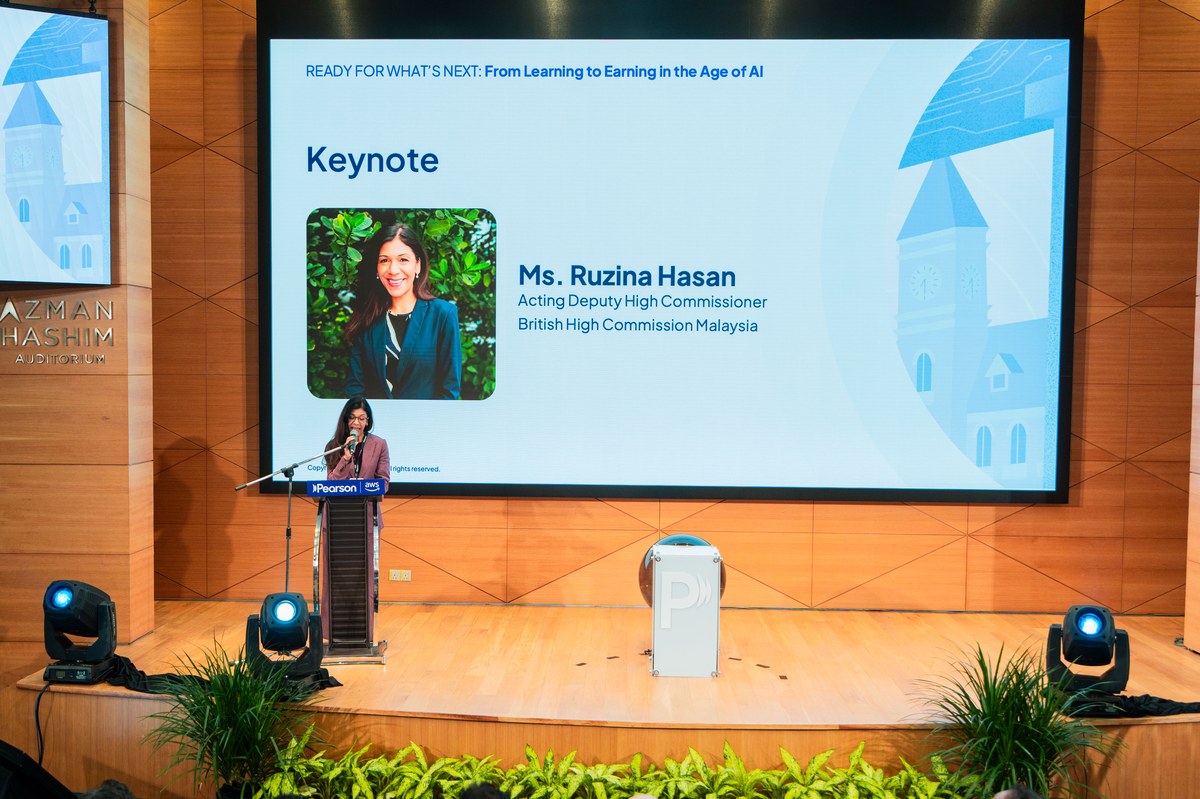
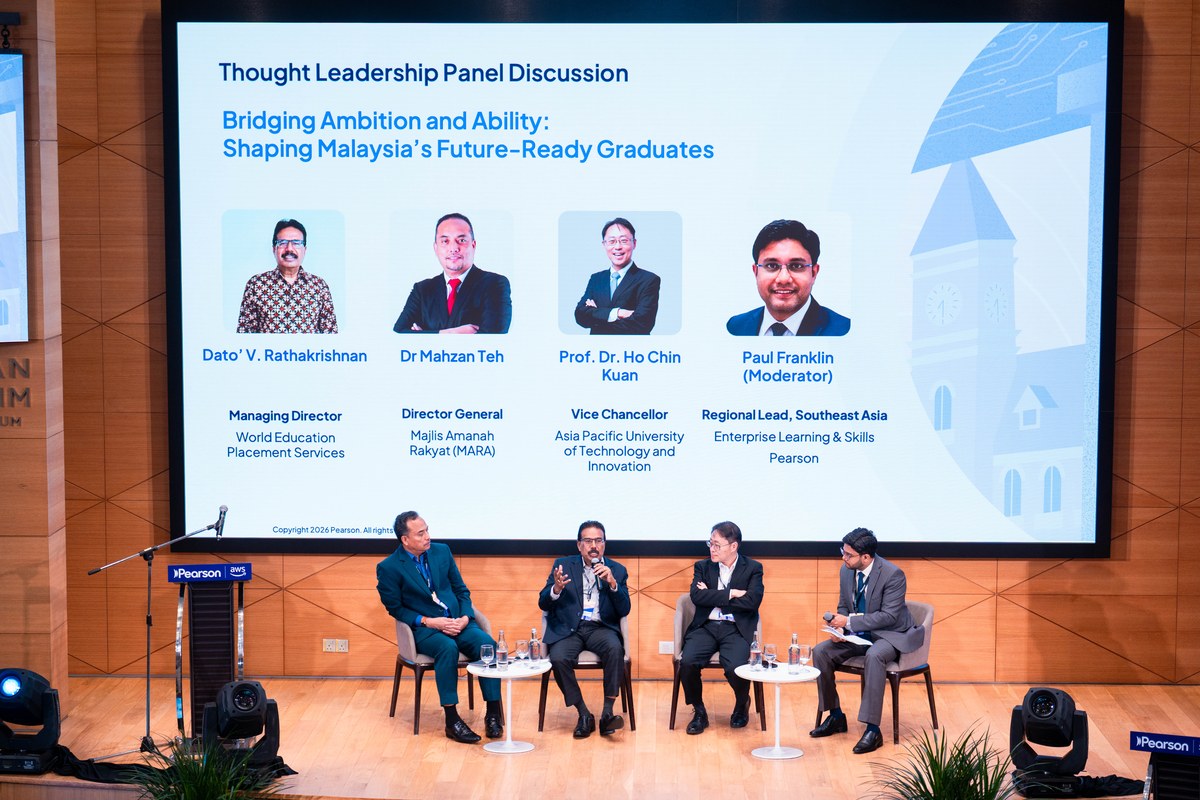
The full report covers findings from more than 2,700 students, educators, and employers across Malaysia, the United States, the United Kingdom, Brazil, Saudi Arabia, and Vietnam. The launch event in Kuala Lumpur included a plenary session and a thought leadership panel on translating AI ambition into workforce-ready graduates, alongside demonstrations of AI-enabled learning, assessment, and cloud learning experiences.
Pokdepinion: Employers want judgment and adaptability, graduates think knowing the tools is enough, and somehow everyone is surprised there is a gap.