
A new global study has revealed a striking paradox at the heart of Malaysia’s digital landscape: while 98% of Malaysians describe themselves as frequent users of digital services, cybersecurity awareness in the country has not kept pace with adoption. The findings come from IDEMIA Secure Transactions’ 2026 Global Cybersecurity Awareness Report, conducted by Ipsos across 11 countries with 3,303 respondents aged 15 and above, surveyed between February and March 2026.
40% Of Malaysians Experienced Data Theft


Malaysia ranked among the most digitally engaged nations in the study, alongside Brazil and South Africa. Yet despite this high adoption rate, 87% of Malaysian respondents expressed concerns about digital fraud, and 91% reported worries about personal data theft. 84% of respondents globally are aware that cyber threats exist, but only 40% claim a good understanding of how those risks actually work.
Among the 11 markets surveyed, Malaysia stood out on several metrics. Some 40% of Malaysian respondents reported having already experienced hacking or data theft, with 18% stating those incidents had direct financial consequences. Meanwhile, 53% of Malaysians said they feel more vulnerable online compared to five years ago, placing the country among the highest in the study on that measure, alongside France and South Africa.

The study also highlights a knowledge gap around emerging threats. Globally, 81% of respondents had never heard of quantum computers or did not know what they involve. Among Malaysians who were familiar with the technology, 83% perceived quantum computing as a potential cybersecurity threat, one of the highest rates across all countries surveyed. (Just so you know, the concerns are valid – current cryptographic standards cannot survive quantum-based techniques, despite highly effective against classical computers.)
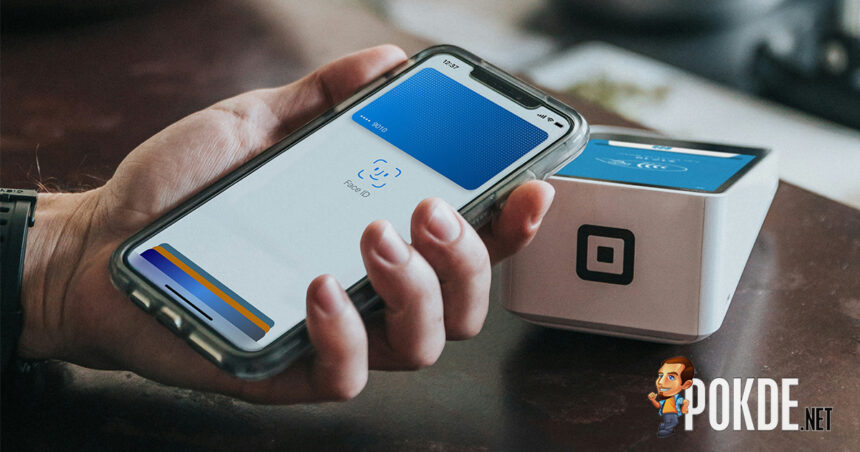
On digital payments, 63% of global respondents cited ease of payment as the primary advantage, while 61% associated digital payments with cybersecurity benefits. Interest in managing payment security settings directly from banking applications was particularly high in Malaysia, consistent with the country’s strong digital payment adoption.
Cryptocurrency awareness also scored high in Malaysia, with 37% of respondents saying they actively use digital currencies, well above the global average of 24% and notably ahead of European markets. However, understanding of how cryptocurrencies work remained at 40%, suggesting enthusiasm outpaces comprehension in this area as well.

The eSIM segment showed similar trends. Some 64% of Malaysian respondents said they were equipped with eSIM-capable smartphones, above the global average of 59%. Convenience was cited as the primary appeal, though 44% of global respondents also recognized security benefits such as easier device protection in the event of theft or loss.



Demand for Security Built Into Digital Services
Across all sectors covered in the study, including payments, connected vehicles, and digital identity, consumers increasingly expect security to be a built-in feature rather than an optional add-on. The report notes that 74% of global respondents are concerned about fraud and personal data theft when using digital services, and 67% believe AI-driven cyberattacks are escalating cybersecurity risks.

In the automotive segment, 47% of respondents associated digital car keys with stronger security compared to traditional physical keys, and 27% specifically valued biometric authentication capabilities.
IDEMIA Secure Transactions’ CTO Marc Bertin noted that while digital adoption continues to accelerate globally, understanding and confidence are not always evolving at the same pace. He added that the company’s position is that security fosters trust, and that as AI, connected ecosystems, and quantum computing reshape the cybersecurity landscape, the industry’s challenge extends beyond securing individual transactions to building digital trust that is resilient, transparent, and future-ready.
Pokdepinion: Malaysians are clicking, tapping, and transacting at world-class rates but nearly half still cannot explain what a cyber risk actually is, which is a bit like driving at highway speeds with no idea what the brakes do.