

Product Name: KP230 512GB
Brand: KingBank
-
Features - 7/107/10
-
Materials - 7/107/10
-
Performance - 8/108/10
Summary
The KingBank KP230 (512GB) is a decent performer as far as PCIe 3.0 SSDs go, offering solid performance in mixed conditions, and the HMB allows it to still perform great in large-file transfers despite not having onboard DRAM.
Overall
7.3/10Pros
- Solid performance for a PCIe 3.0 SSD
- Works on low-profile slots (i.e. laptops)
- Host Memory Buffer (HMB) support
Cons
- Lacks heatsink
Unboxing & Walkaround
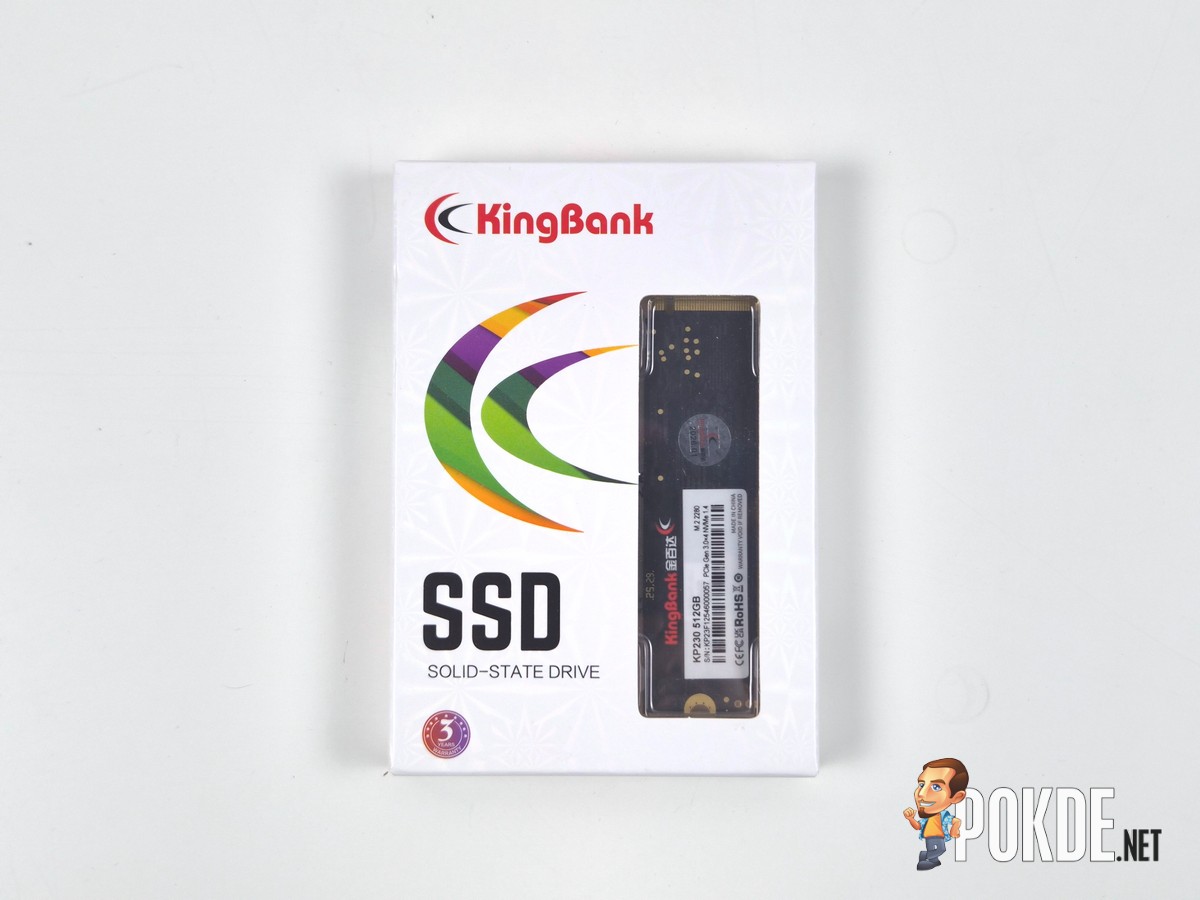
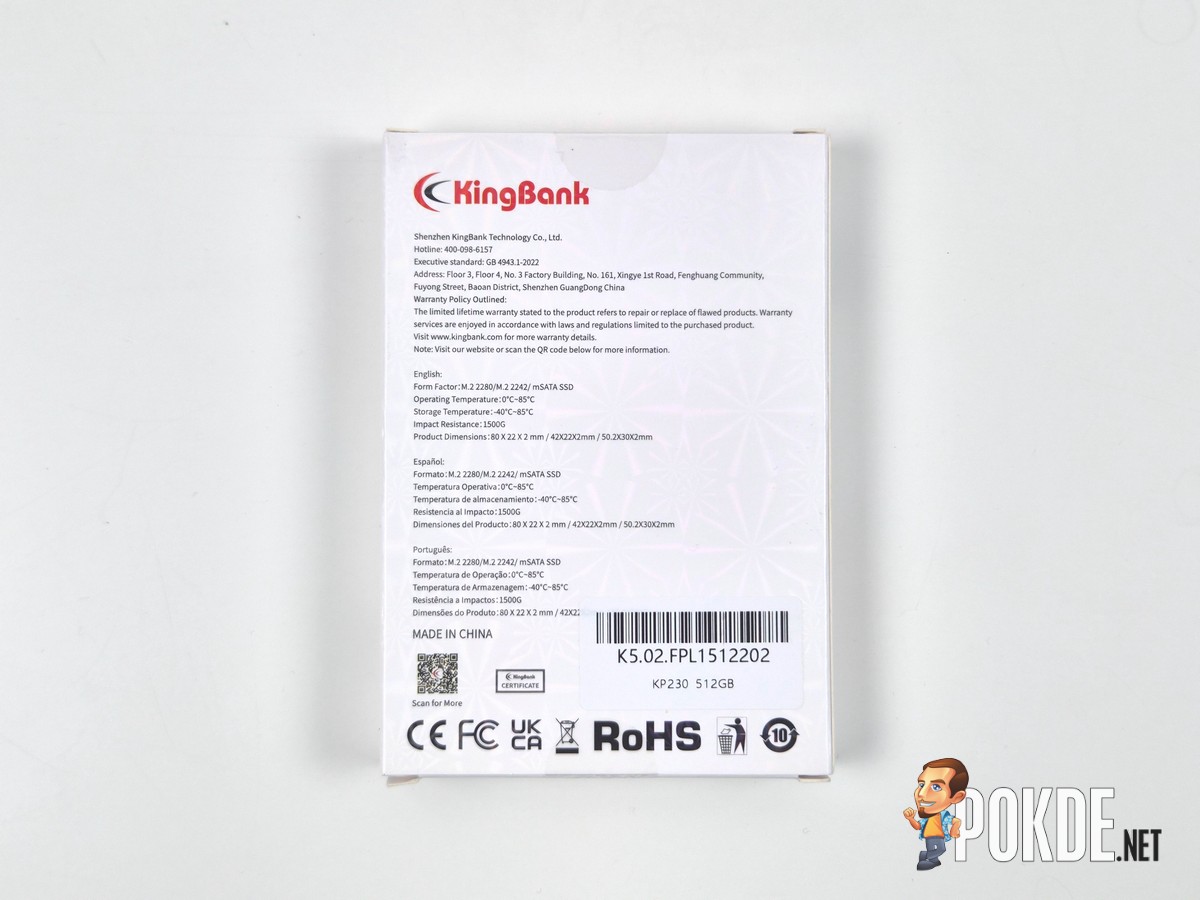
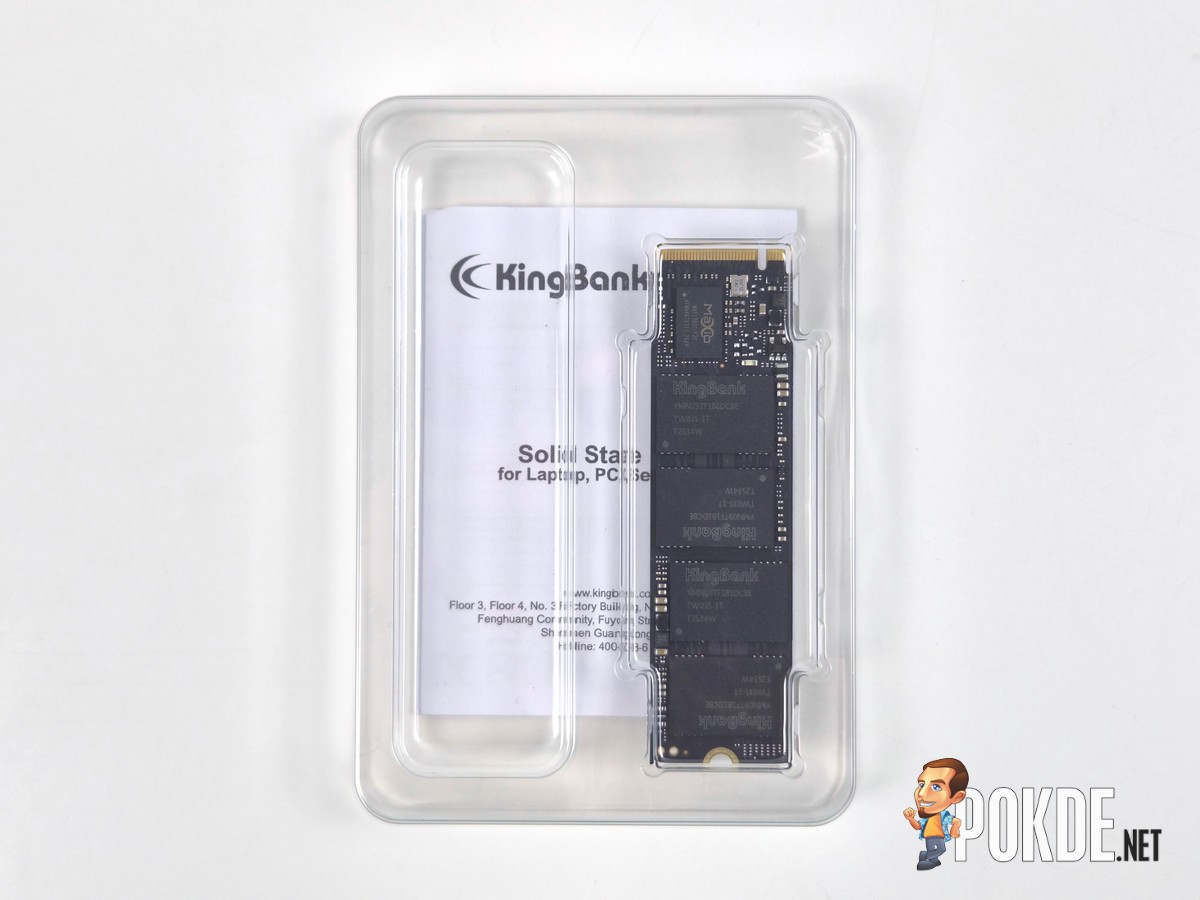
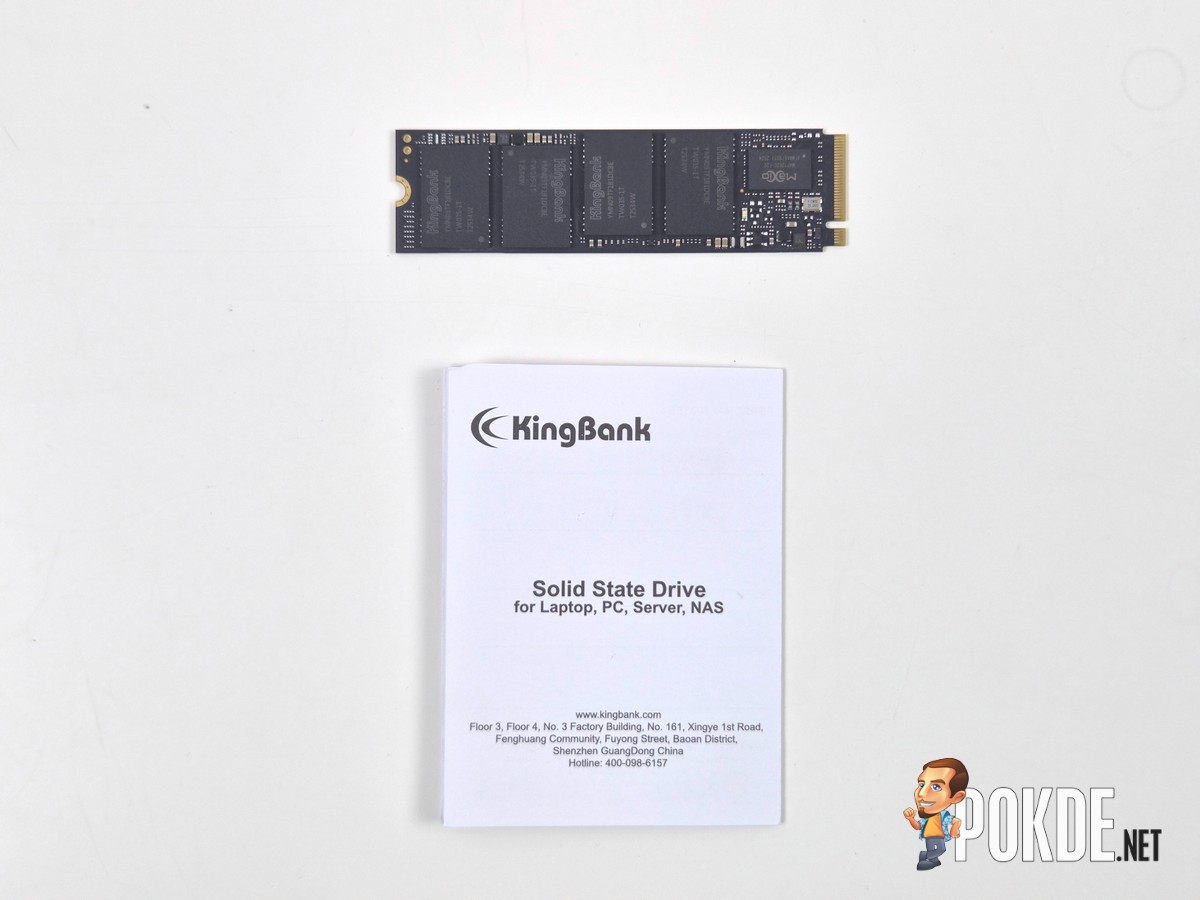
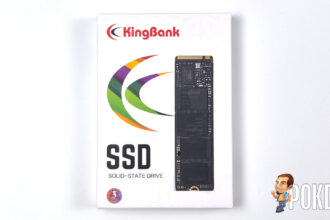
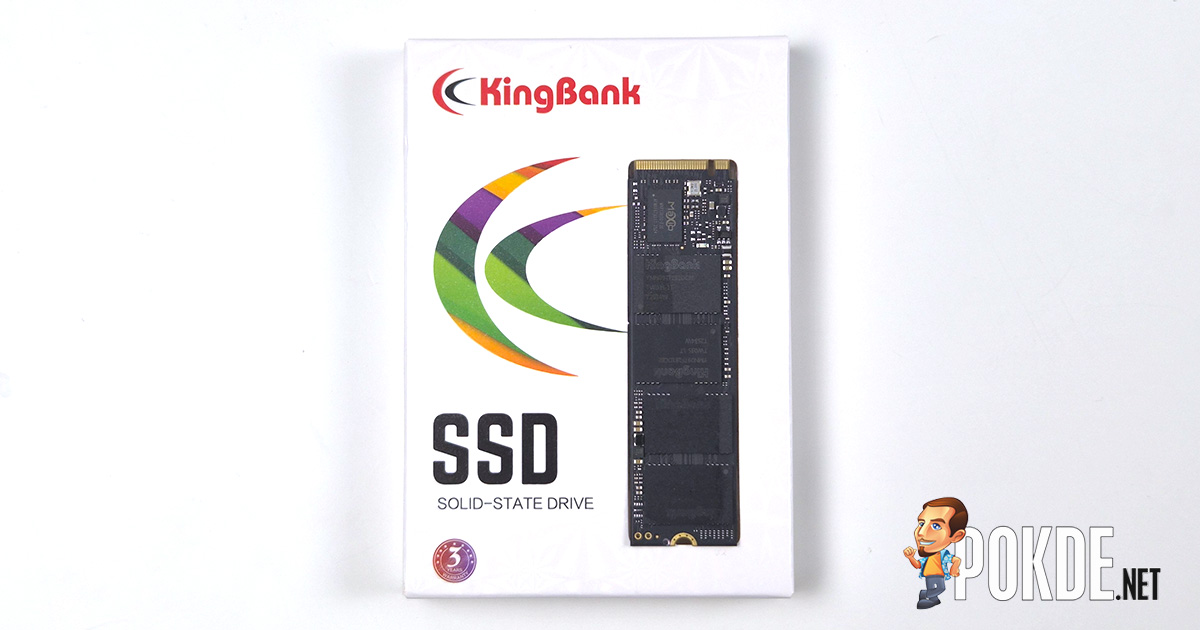
Some of you may have heard the brand KingBank before, though it’s certainly not a common brand here in Malaysia; this company is largely known for its affordable SSD and RAM products, and today we’re potentially looking at one product of such kind.
The KingBank KP230 is by no means a bleeding-edge product, featuring an aging PCIe 3.0 x4 protocol that, while old, is still plenty fast when compared to SATA SSDs, let alone the HDDs of old. For this review, we got the 512GB variant, though the company offers at least three other storage options as well.
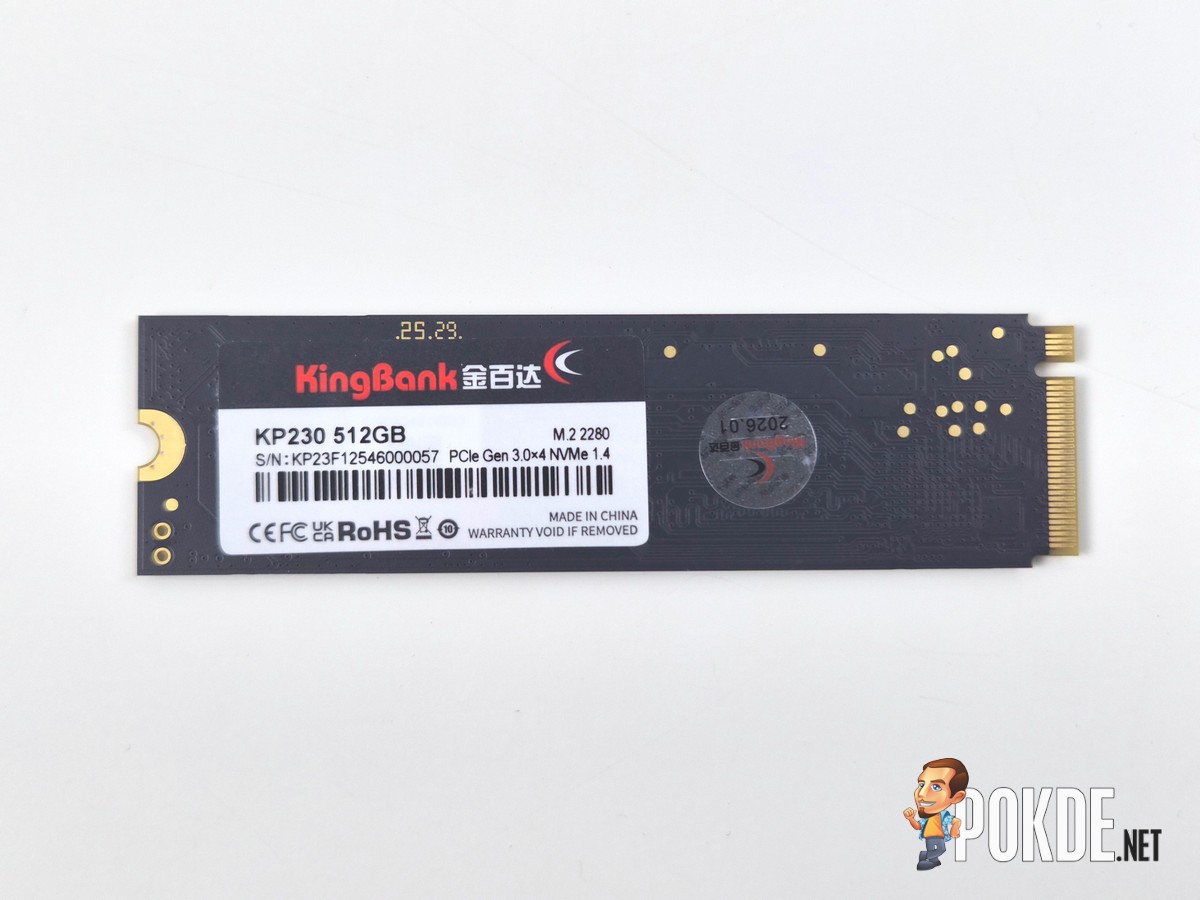
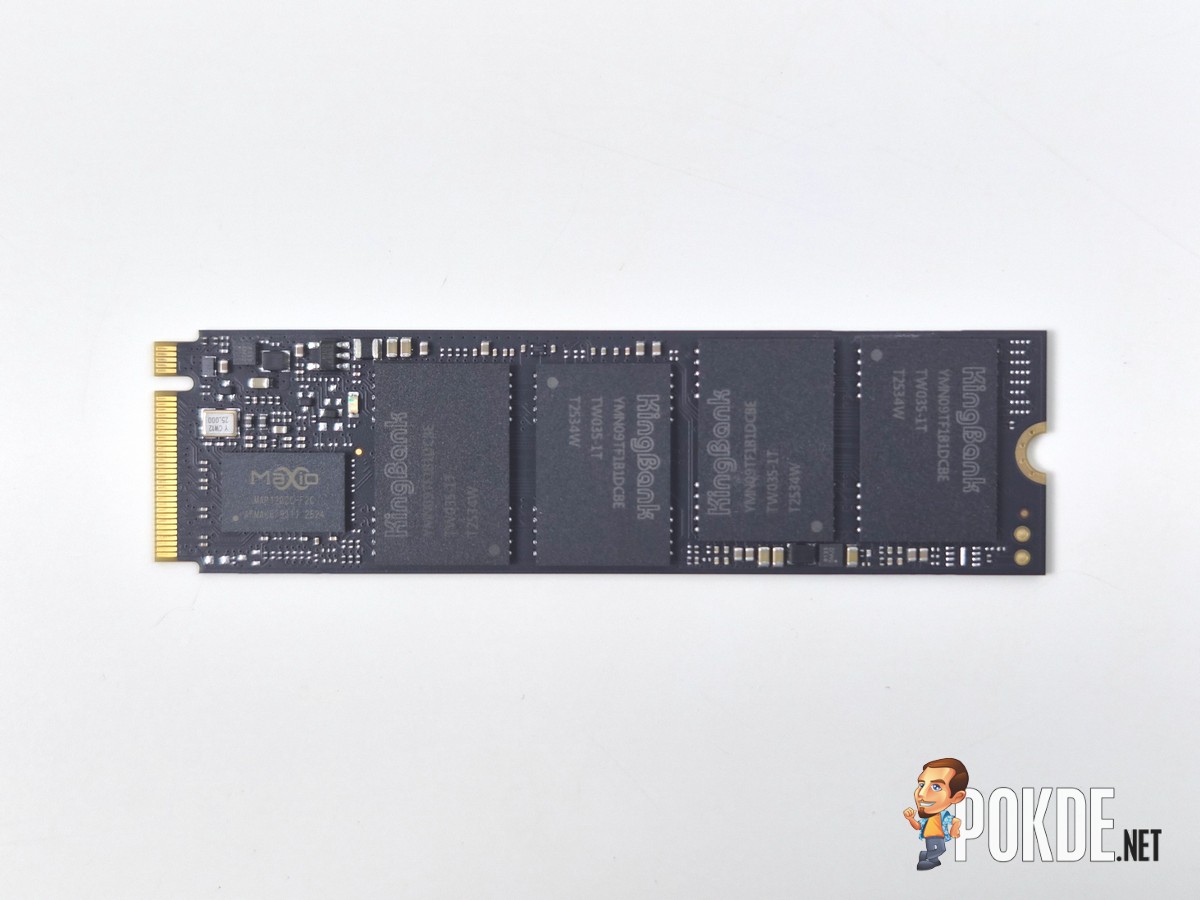
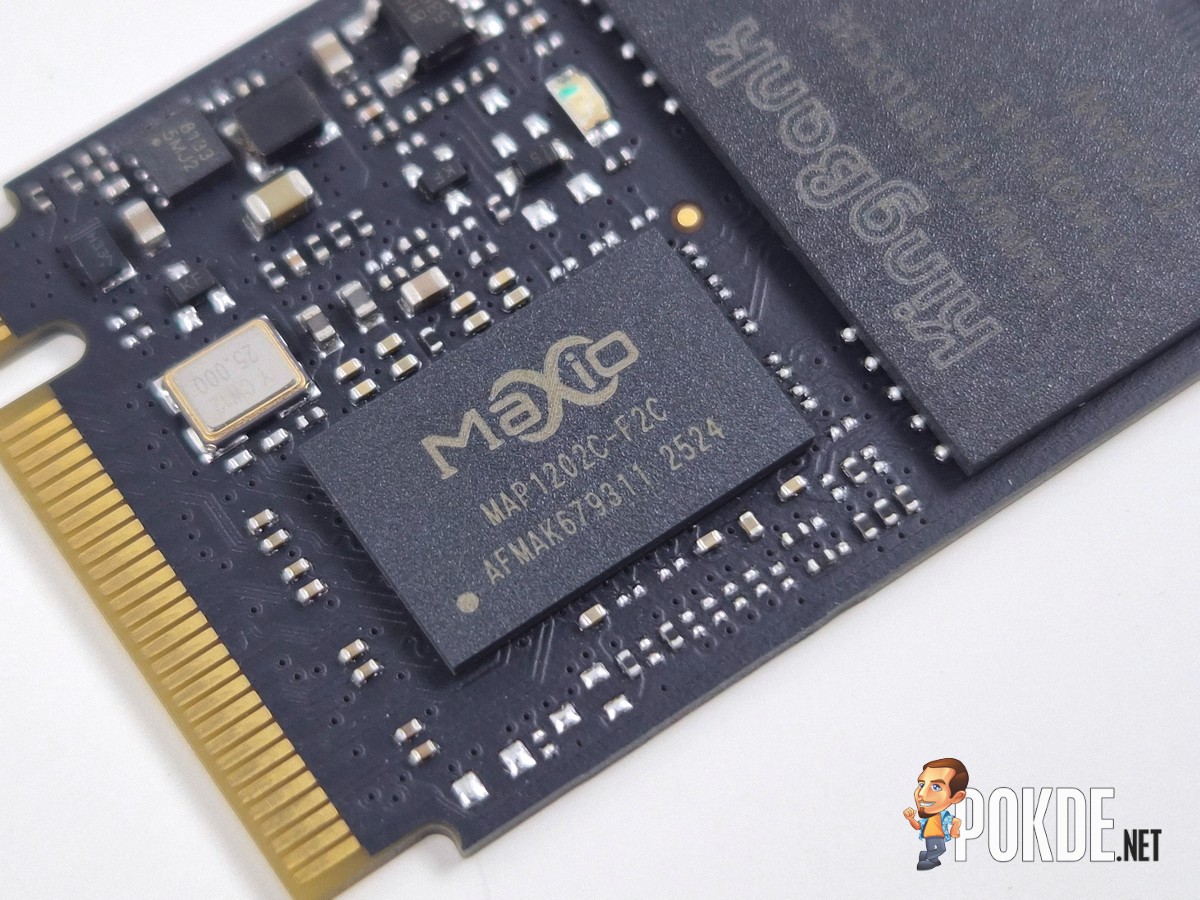
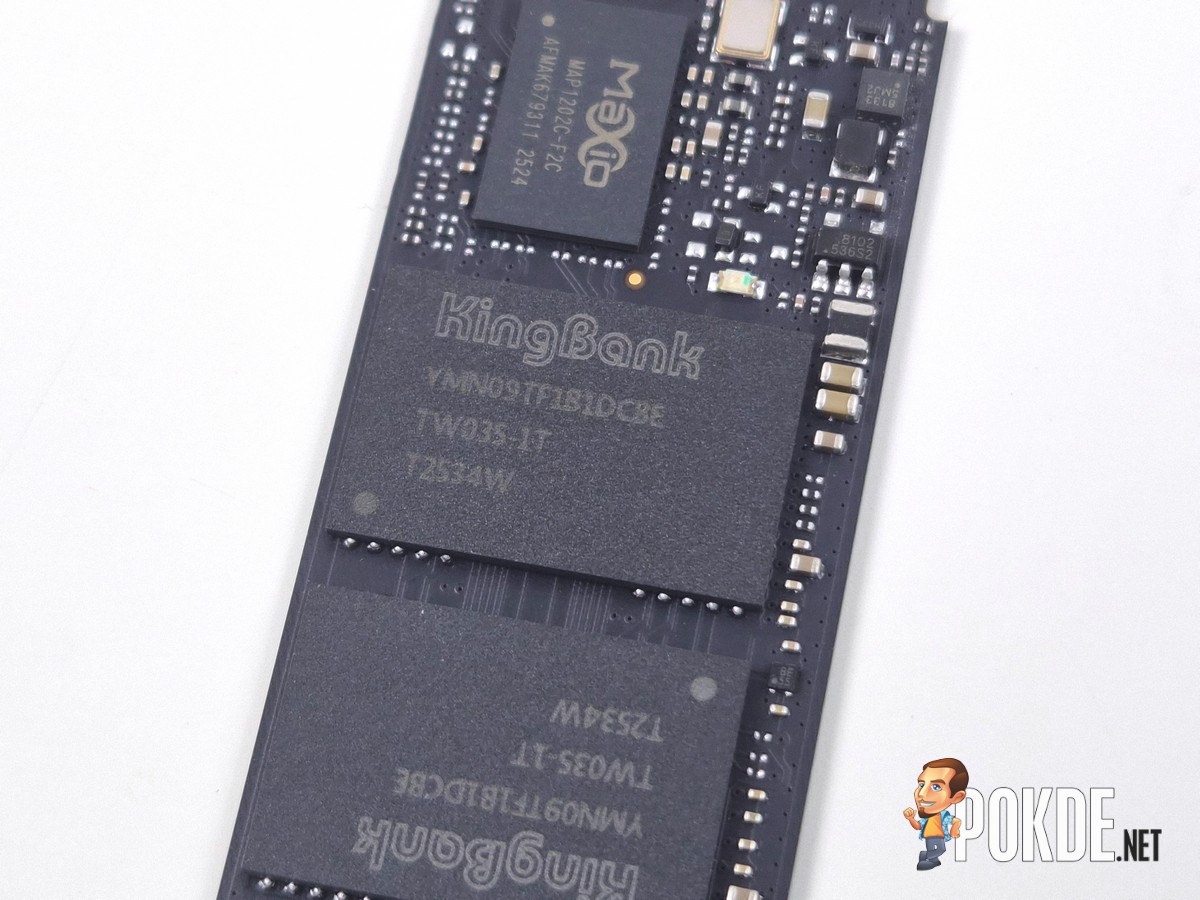
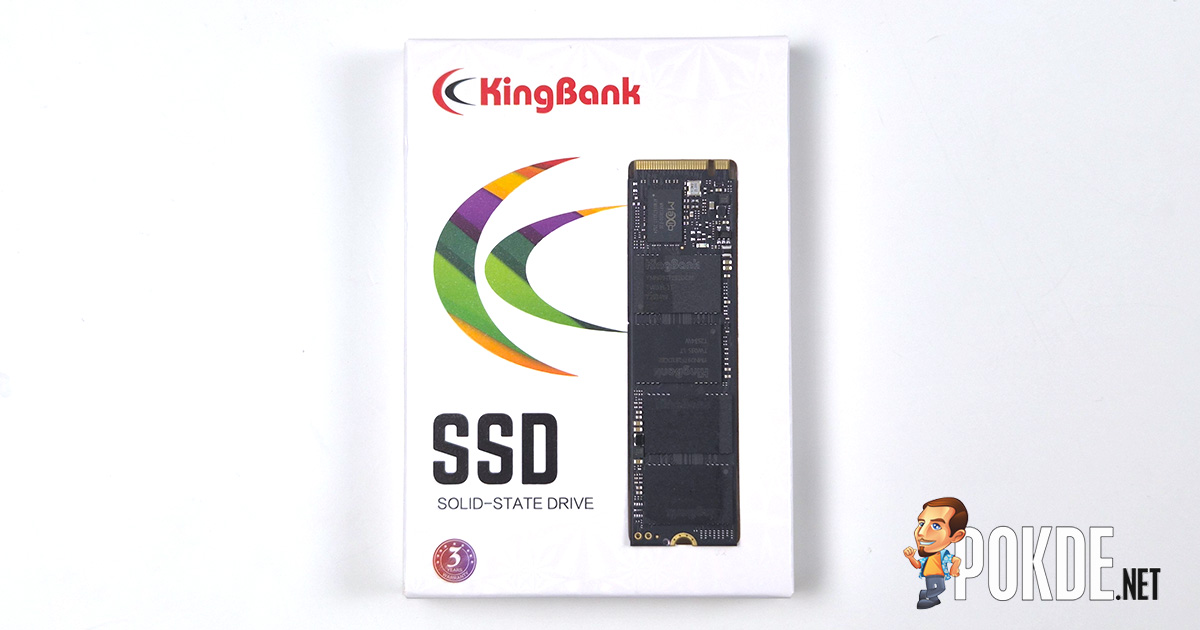
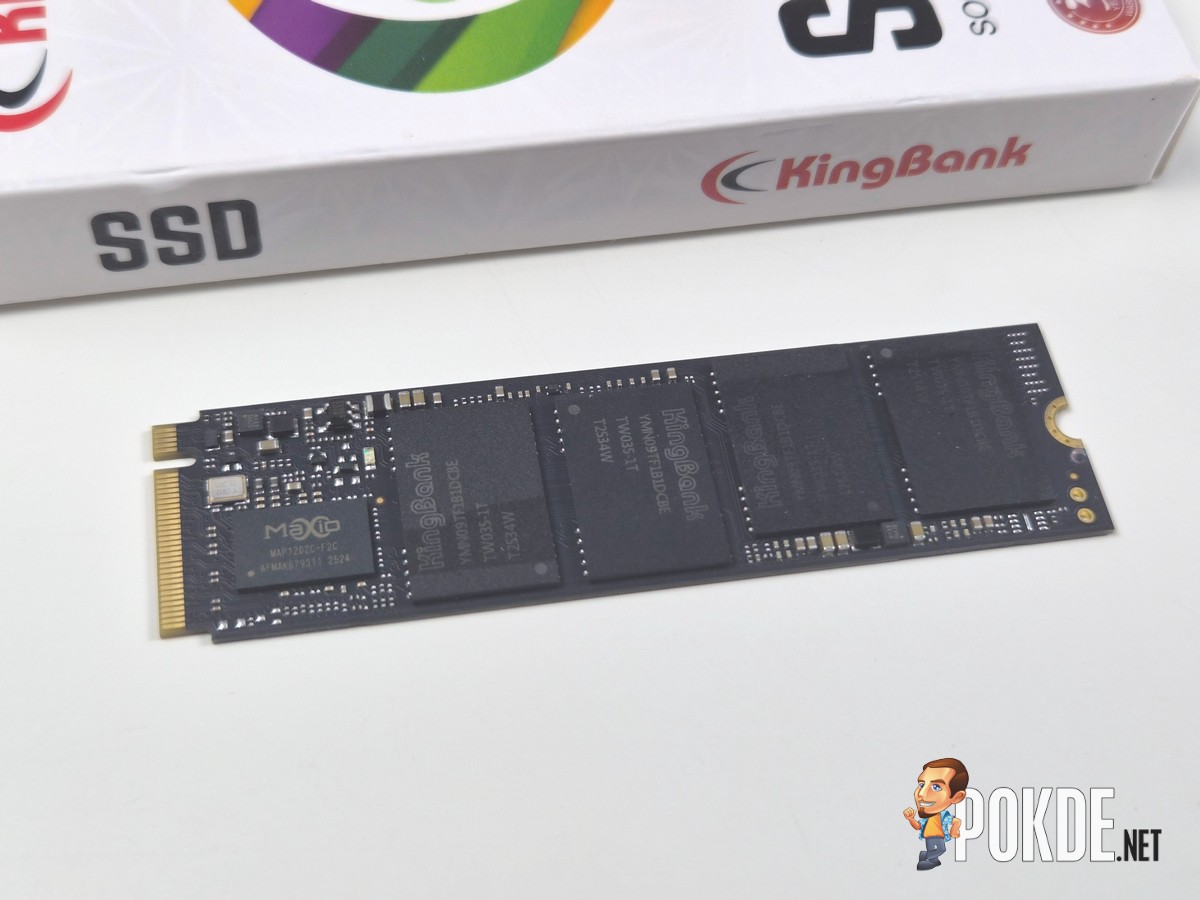
Inspecting the SSD up close and we find the KP230 features a single-sided design with all four of its TLC NAND chips (which is apparently rebranded from YMTC, a Chinese NAND producer) exposed on the top-facing side, where you’ll also find the Maxio MAP1202C-F2C controller handling the processing side of things. This controllers supports Host Memory Buffer (HMB), which uses a portion of host system’s RAM to act as onboard DRAM to help accelerate file transfers.
Specifications
KingBank KP230 (512GB, K5.02.FPL1512202)
Official specifications available on product webpage.
| Capacity | 128GB, 256GB, 512GB (as tested), 1TB |
| Form Factor | M.2 2280, single-sided |
| Interface | PCIe 3.0 x4 |
| Controller | Maxio MAP1202C-F2C (Datasheet) |
| NAND Type | YMTC YMN09TF1B1DCBE (128GB x4) TLC NAND |
| DRAM | None, Host Memory Buffer (HMB) only |
| Read/Write Speed (Rated) | 128GB: 1,800 MB/s (Read) / 560 MB/s (Write) 256GB: 3,500 MB/s (Read) / 1,700 MB/s (Write) 512GB: 3,200 MB/s (Read) / 2,200 MB/s (Write) 1TB: 3,500 MB/s (Read) / 3,200 MB/s (Write) |
| IOPS | Unspecified |
| Write Endurance | 128GB: 70 TBW 256GB: 150 TBW 512GB: 300 TBW 1TB: 600 TBW |
| Power Draw | Unspecified |
| Mean Time Between Failure (MTBF) | Unspecified |
| Warranty | 5 years |
Test System
| CPU | Intel Core i9-14900K |
| Cooling | Cooler Master MasterLiquid PL360 Flux 30th Anniversary Edition Thermal Grizzly Kryonaut |
| Motherboard | ASUS ROG Maximus Z790 Dark Hero |
| GPU | NVIDIA GeForce RTX 5090 Founders Edition |
| Memory | ADATA XPG CASTER DDR5-6000 CL30 (2x16GB) *configured to DDR5-6400 CL32 |
| Storage | ADATA LEGEND 960 MAX 1TB ADATA XPG MARS 980 BLADE 1TB > KingBank KP230 512GB |
| Power Supply | Cooler Master MWE Gold 1250 V2 Full Modular (ATX12V 2.52) 1250W |
| Case | VECTOR Bench Case (Open-air chassis) |
| Operating System | Windows 11 Home 25H2 |
Performance
CrystalDiskMark
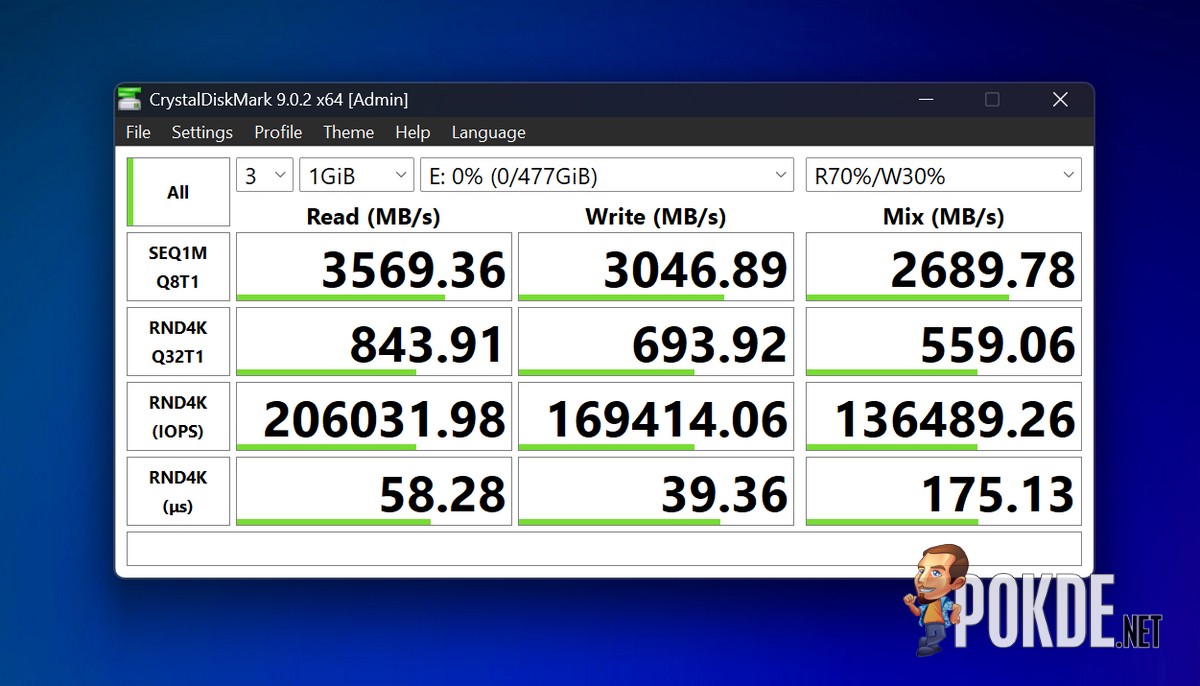
For a PCIe 3.0-based SSD, the KingBank KP230 did decently – for comparison, the PNY CS1031 SSD (the 500GB one) we tested exactly three years ago was substantially slower in write and mixed workloads, and even on a more realistic test scenario, random I/O performance is still in favor of the KP230. Granted, controller technologies certainly has improved since then, and KingBank stands to benefit with its new model.
It’s also worth noting that KP230’s sequential write performance massively outperforms what is claimed by the manufacturer – KingBank lists 2,200MB/s in its spec sheet, whereas our test shows the drive exceeding 3,000MB/s. Similarly, the sequential read is also higher than its claimed 3,200MB/s figure (which in itself is slightly slower than 256GB and 1TB variants).
AS SSD Benchmark
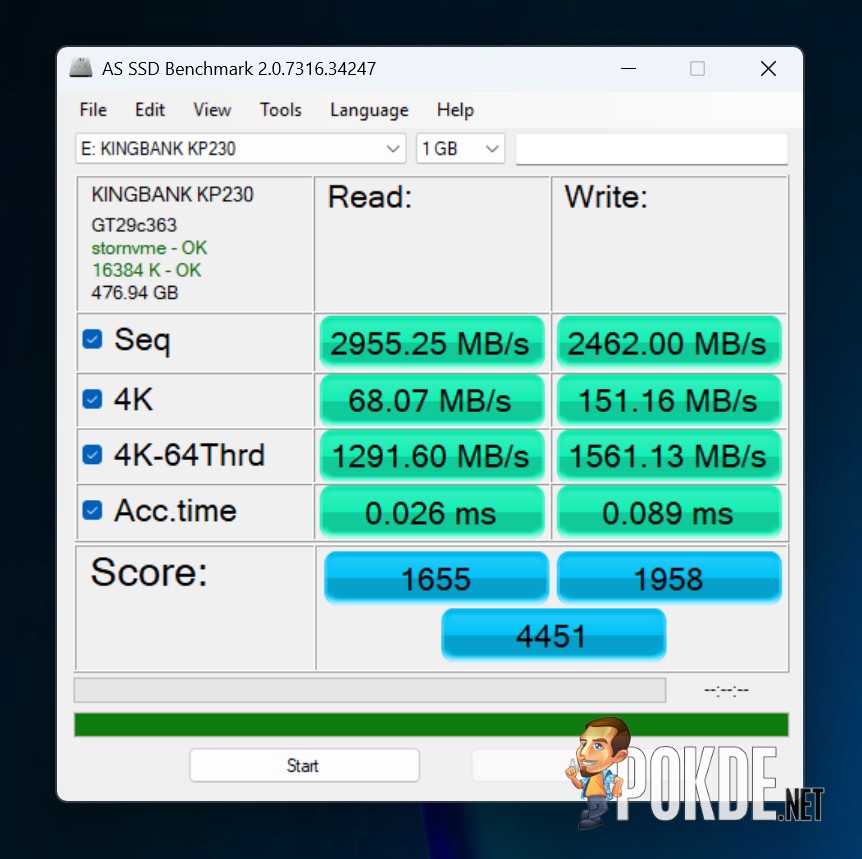
In AS SSD Benchmark, we recorded 2.95GB/s sequential read and 2.46GB/s write, the latter of which once again is faster than advertised. 4K Write performance is a fair bit lower than what we’ve seen in various other models, though in highly-threaded scenarios it still offers solid performance.



Anvil’s Storage Utilities
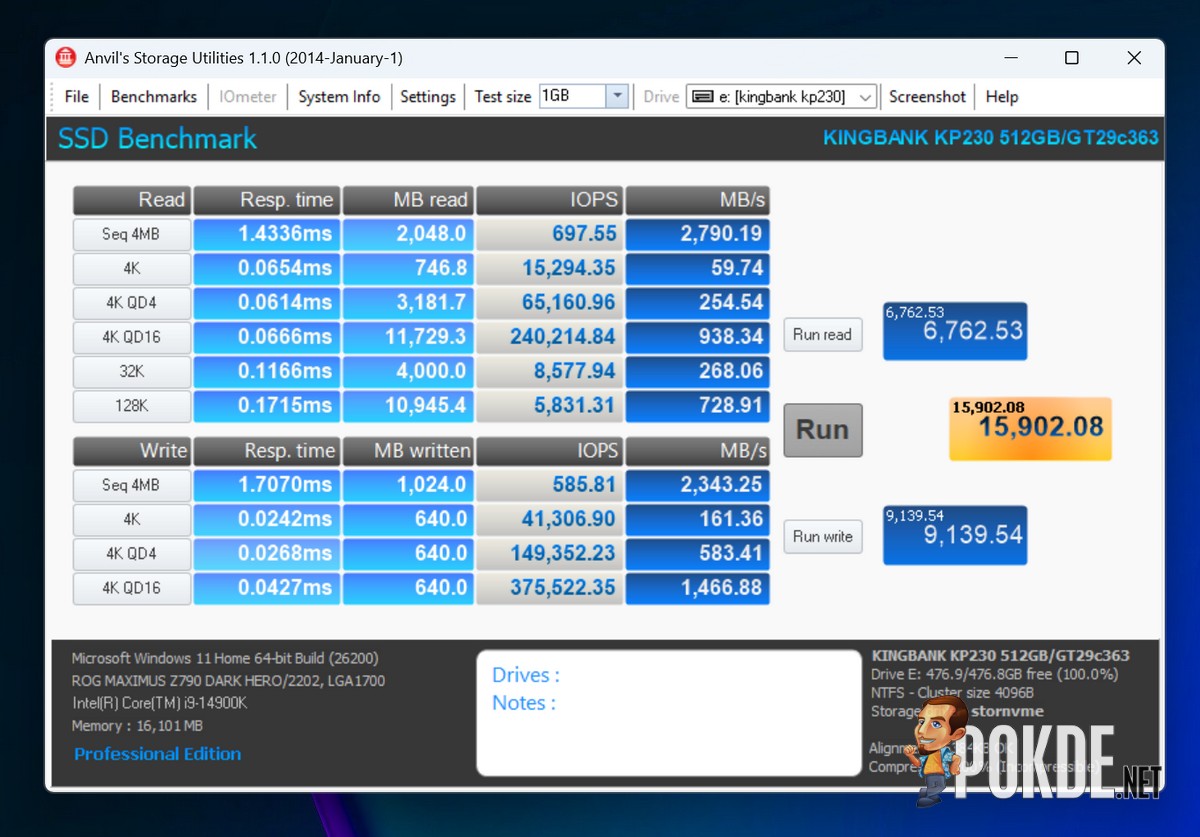
Next, Anvil’s Storage Utilities. We recorded ~2.8GB/s sequential read and ~2.35GB/s sequential write, with 4K (QD1) both in line with what we saw in AS SSD Benchmark, recording ~60MB/s and ~160MB/s respectively. In most conditions, the speed hovers at three-digit values, be it under higher queue depth or larger block sizes.
ATTO Disk Benchmark
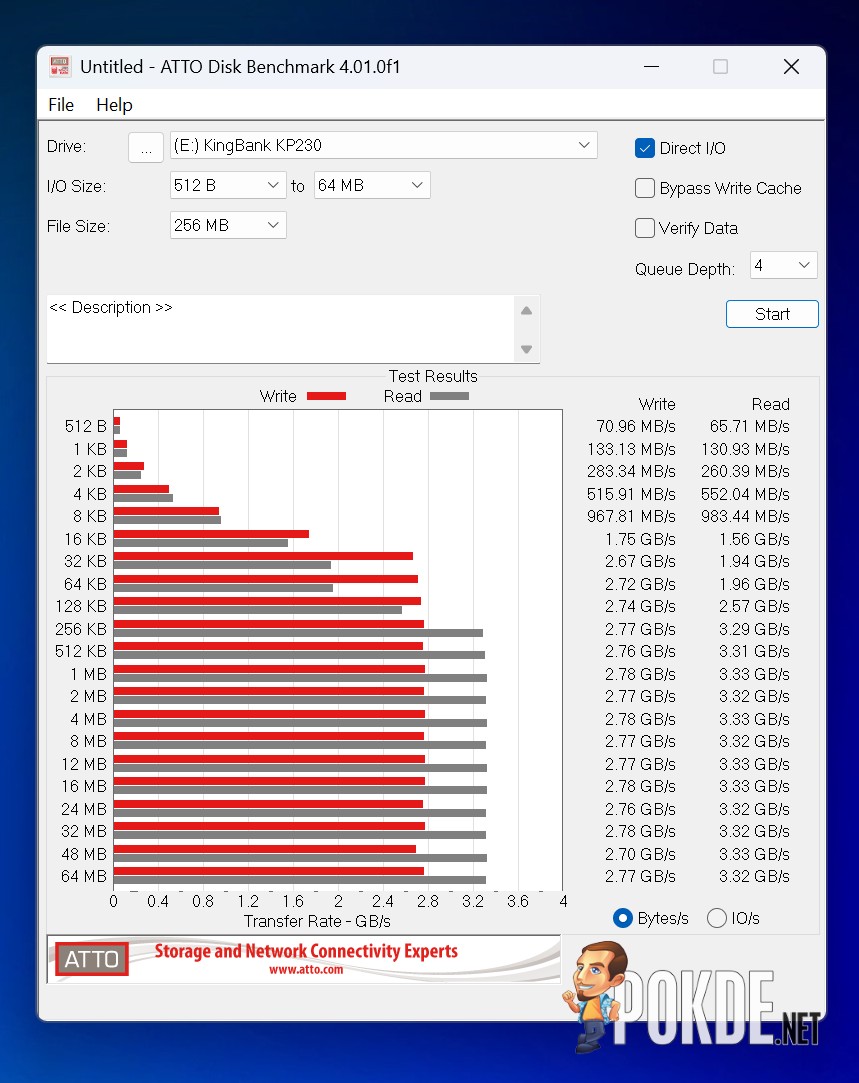
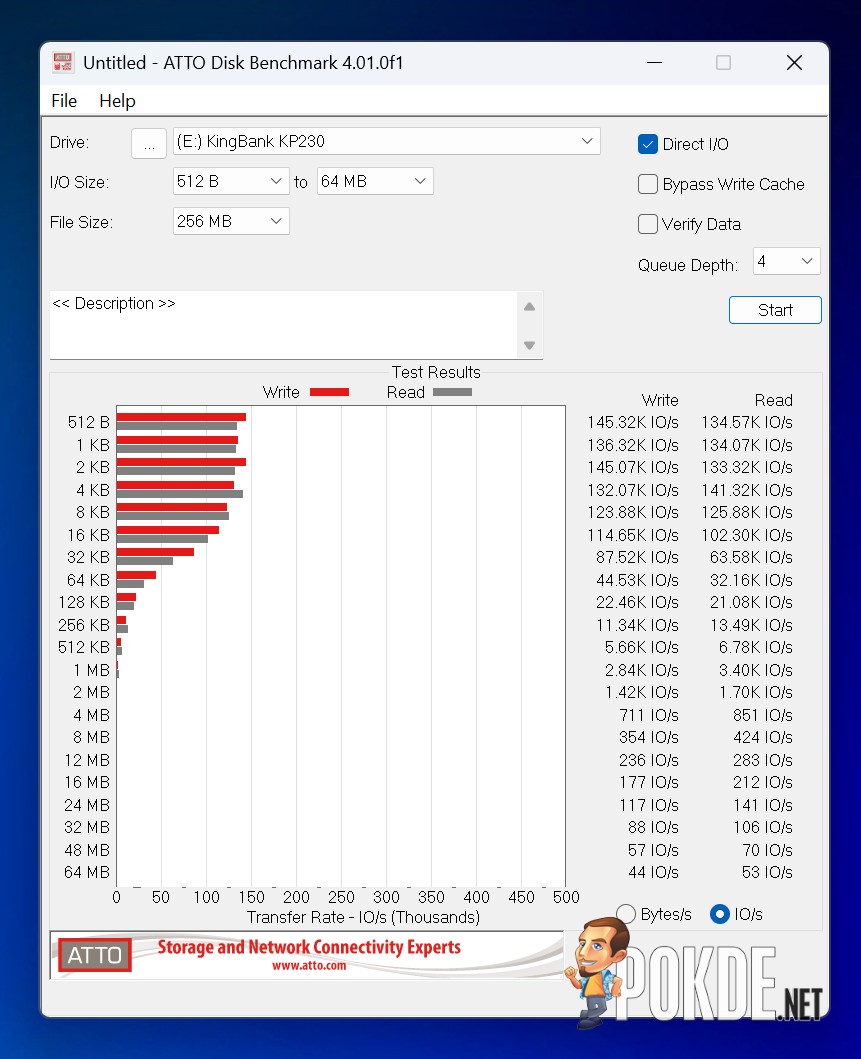
ATTO Disk Benchmark shows how the drive behaves as block sizes scales up -write speed maxes out starting from 32KB blocks, while read speeds take up to 256KB blocks to fully saturate the drive’s performance. For reference, one of the top-performing drives we have tested, the ADATA XPG MARS 980 BLADE with PCIe 5.0 x4 protocol, is only somewhat faster in 4KB blocks, while the KingBank SSD is actually faster in read speeds in 512-byte, 1KB, and 2KB blocks.
AIDA64 Write Endurance Test
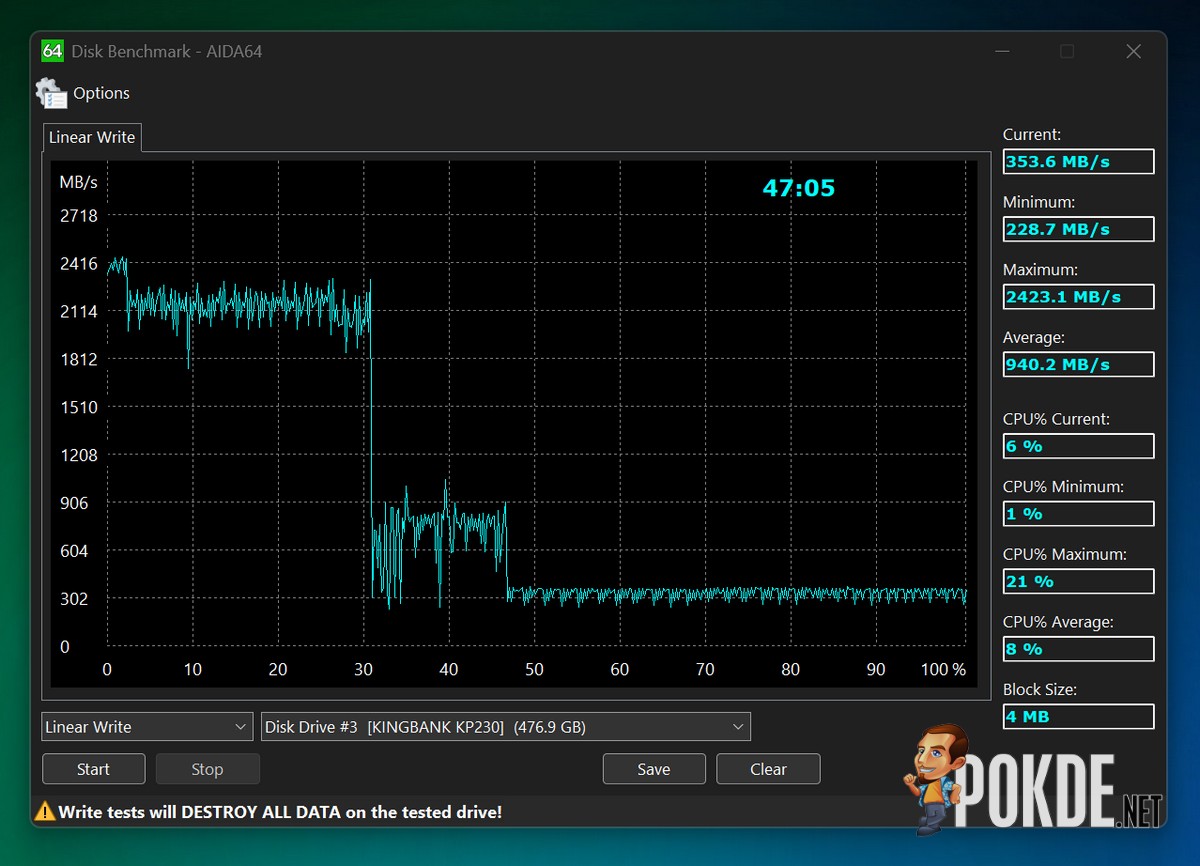
For write endurance test, the KingBank KP230 fared decently, starting with 2.4GB/s burst before stepping down to around 2.1GB/s; after around 160GB of data written (~30% drive fill), it steps down further to around 800MB/s, before finally settling at around 350MB/s starting from ~45% drive fill onwards. That’s a pretty solid performance in terms of handling large file transfers, which is something that video production environments will appreciate.
Verdict
We couldn’t obtain any official pricing for this particular storage variant of the KingBank KP230, though we’ve seen the 256GB versions going northwards of RM300 at the time of publishing (though it should be noted that SSD pricing remains volatile, so the value proposition may change over time). In any case, the KingBank KP230 512GB is a decent option performance-wise, and we believe it should be cheaper than PCIe 4.0 equivalents you’ll find out there regardless of the current supply situation.

Special thanks to KingBank for providing the KP230 512GB SSD for this review.