



Last month, NVIDIA introduced a new version of Ray Reconstruction as part of DLSS 4.5 upscaling suite – it differs from the original DLSS 3.5 version by switching to a new Transformer model that promises more efficient processing. In case you aren’t familiar with this technology, let us explain.
Explaining DLSS 4.5 Ray Reconstruction
Let’s start with Ray Reconstruction itself. As the name would indicate, it reconstructs rays – but what rays exactly? Ray tracing (or Path Tracing, depending on situations). RT/PT works by physically simulating how light travels in a space just like how you’d expect in real-life, but there is a big tradeoff: it is computationally extremely expensive to do so. That’s why NVIDIA has came up with many upscaling technologies, including Super Resolution, Frame Generation (and subsequently, Multi-Frame Generation), to make RT/PT possible in games.
While upscaling is one way of minimizing compute demands, another way is to reduce the amount of rays. Less rays means less time spent on simulating them, but that comes with a tradeoff of its own. Too little rays, and the result is a bunch of “noise” in the final render. 3D artists working on Blender or other similar software will be very familiar with this, but if you’re unaware, here’s how it looks like (on the left half of the image):
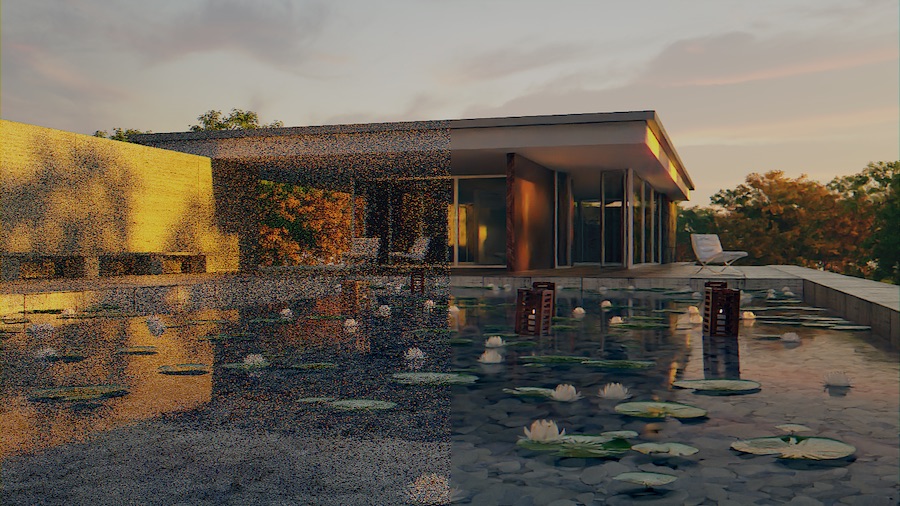
You don’t want your games to look like a bunch of noisy mess as soon as you turn on Ray Tracing or Path Tracing features, but how do you work around the limitation of the number of rays allowed? Well, the answer is, of course, AI. Like Super Resolution for upscaling resolutions, Ray Reconstruction works by filling in the blanks in between the rays with approximation to produce an image/render of equivalent quality.
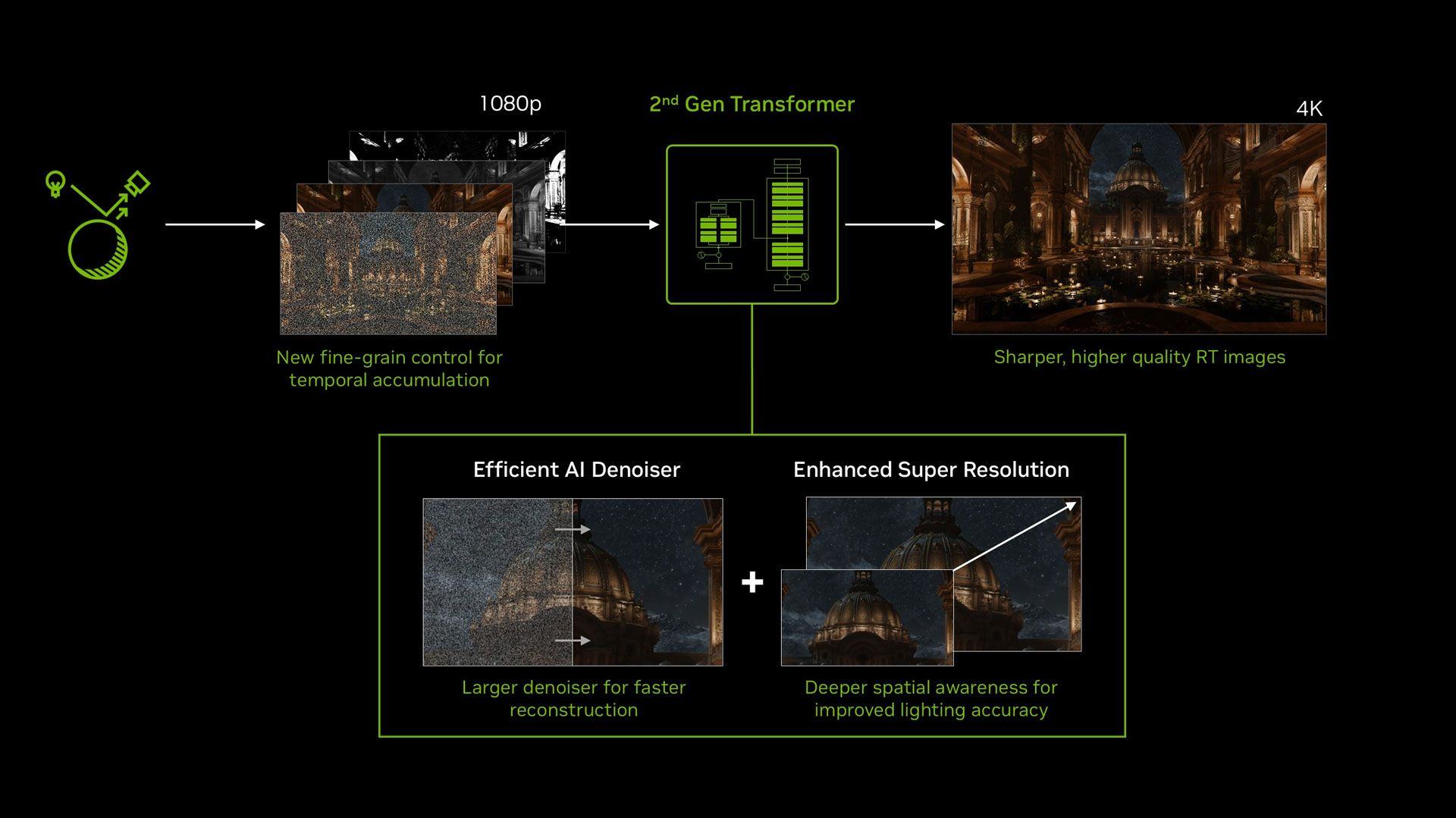
Compared to the previous version (DLSS 4), DLSS 4.5 Ray Reconstruction features a second-generation Transformer model that delivers 35% more compute capability and processes 20% more parameters than its predecessor, while maintaining comparable performance. NVIDIA also made improvements in the model’s spatial awareness, lighting accuracy, temporal stability, and motion clarity, along with an expanded training dataset and finer developer controls for temporal accumulation. The result is slightly improved quality, and a minor performance bonus as well.
DLSS 4.5 Ray Reconstruction Quality Tests
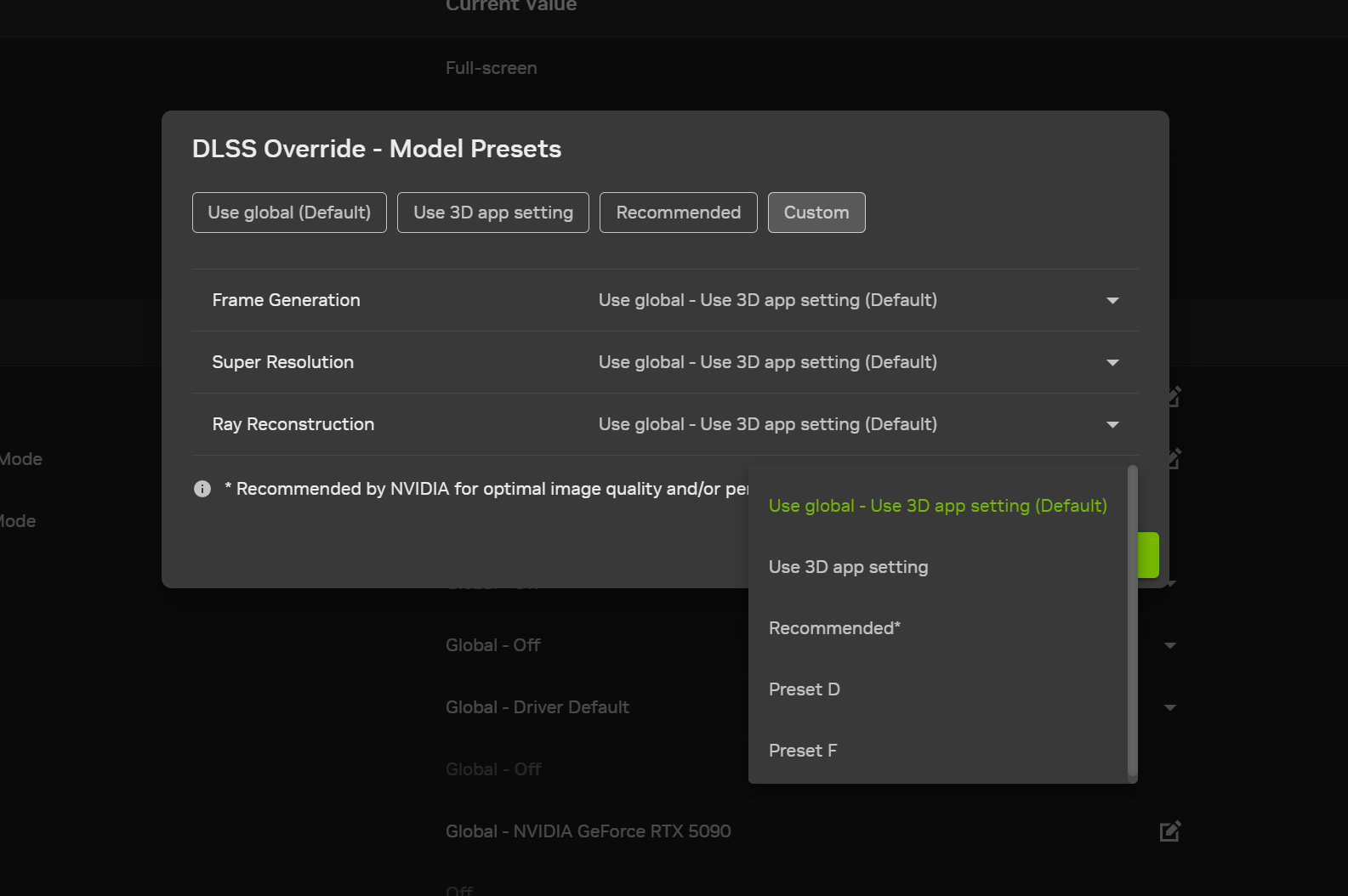
For the quality tests we’ll be using two DLSS 4.5-supported games – Alan Wake 2 and Cyberpunk 2077. Both titles support path tracing (which renders all lighting physically instead of the hybrid approach in ray tracing), and they will be enabled in all quality assessments here. Note that post-processing effects such as film grain and lens distortion (chromatic aberration effects) are disabled, and we use the default settings with no model overrides set in the NVIDIA app settings (shown above).
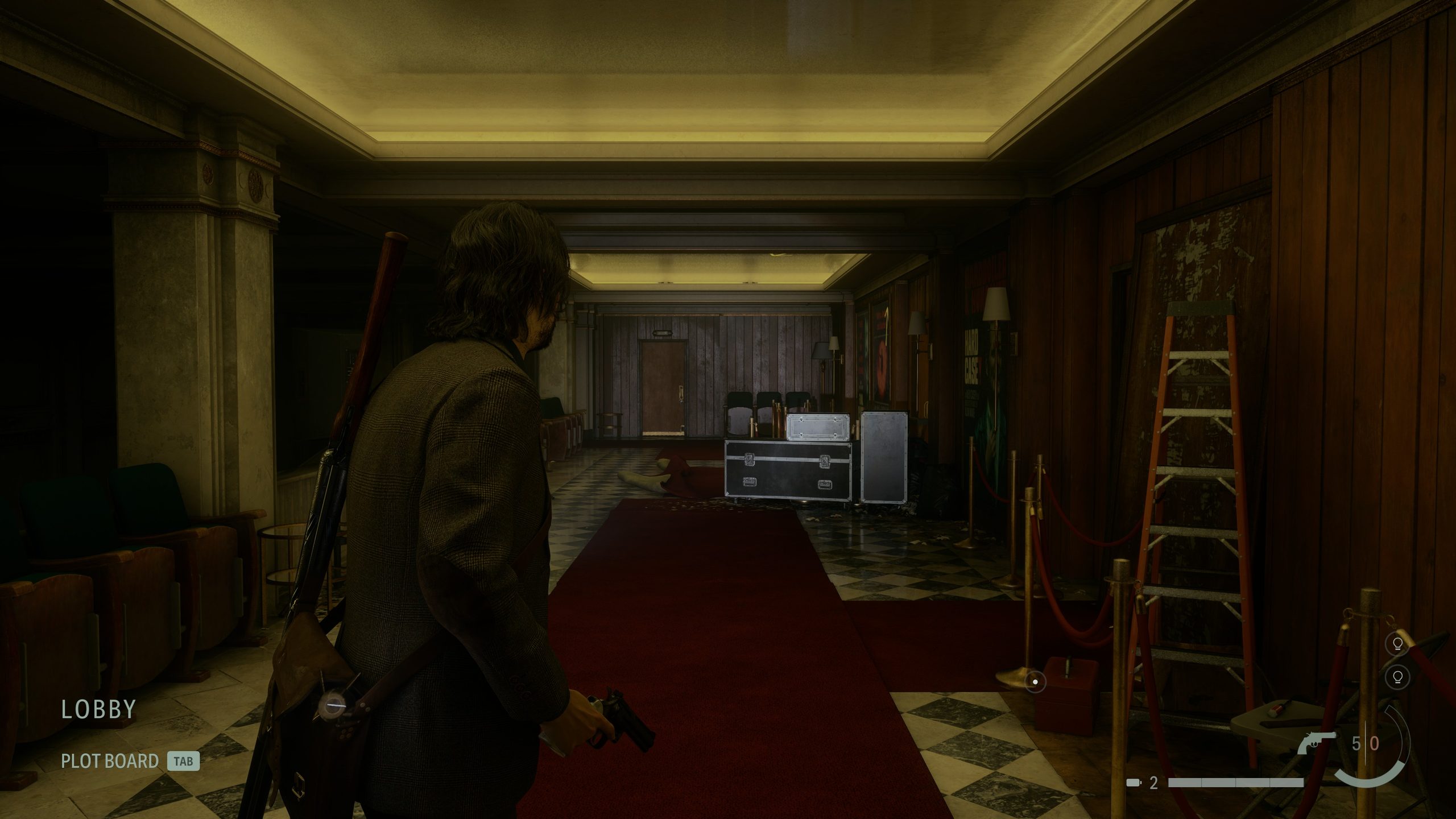
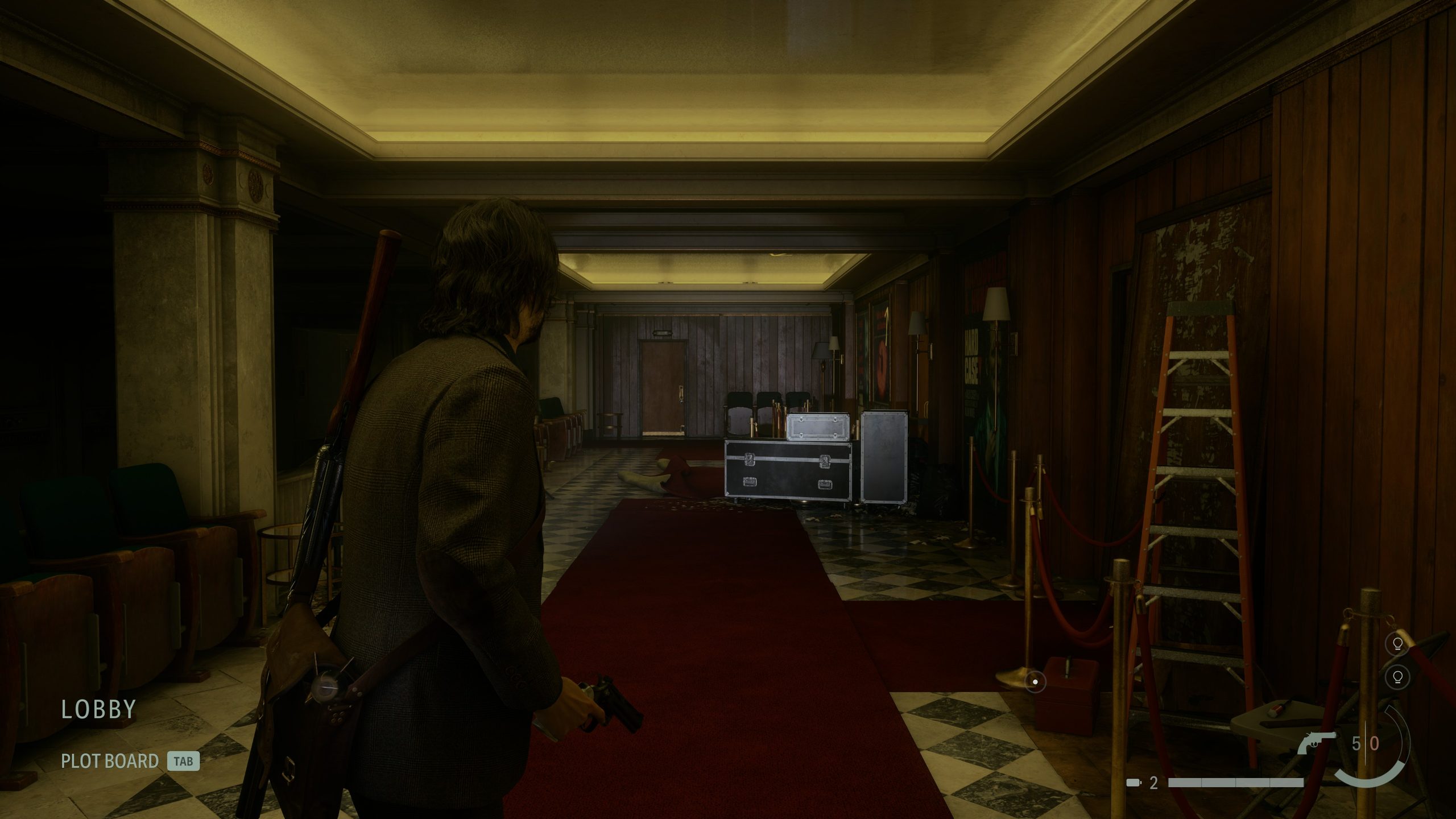
Alan Wake 2 is a survival-horror title, so naturally the game is full of dim lighting environments; still, the main character’s flashlight makes for a useful tool to present what Ray Reconstruction can do in various scenes. The first example above shows a room with two lighting sources – the overhead tinted ceiling light and the aforementioned flashlight.
Related Article



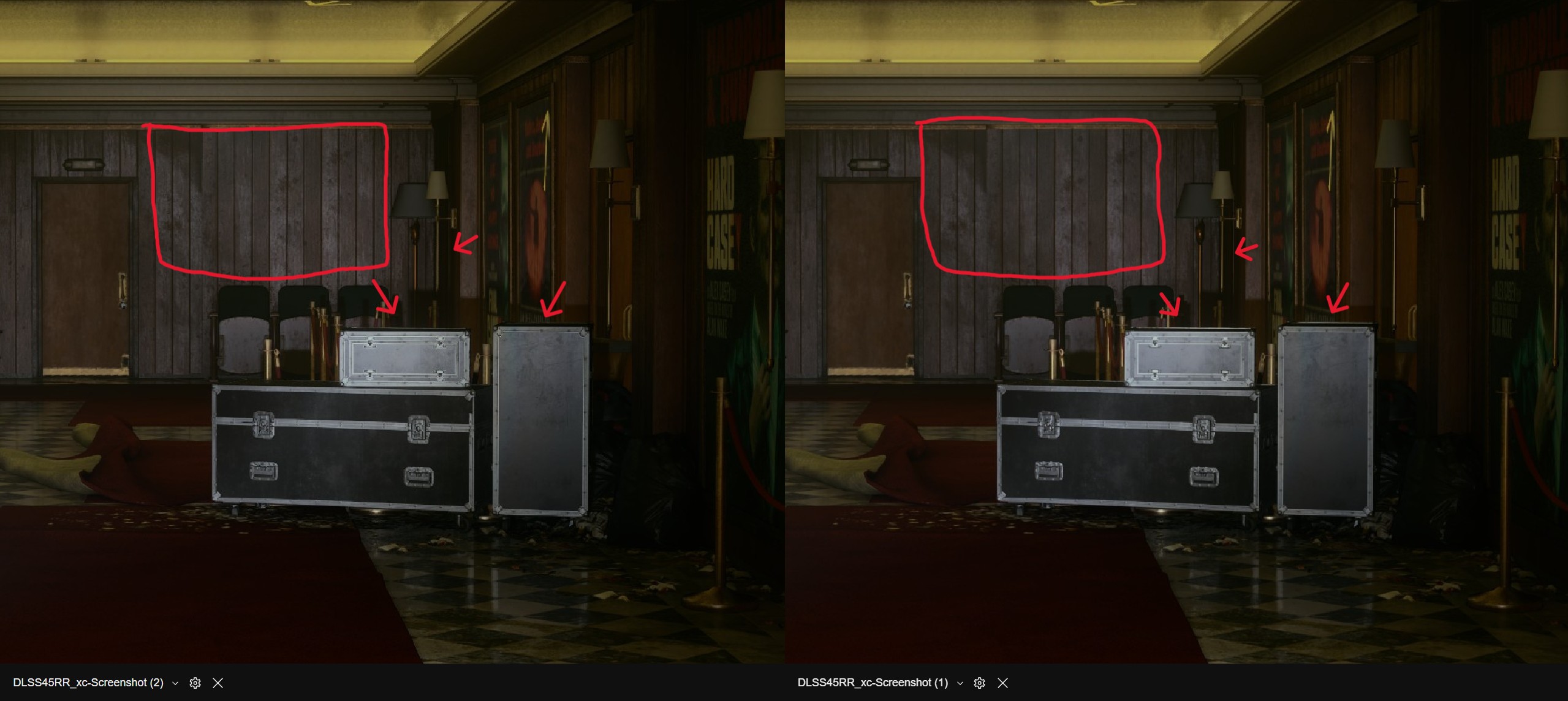
The difference between Ray Reconstruction on and off shows varying interactions between specific object surfaces and the lighting, as evidenced in the top-facing surfaces of the concert boxes, as well as the lamp and wooden wall behind them. Interestingly, while the arrow-indicated sections show extra reflections with RR enabled, the wall in such case actually looks softer than the one with RR disabled.
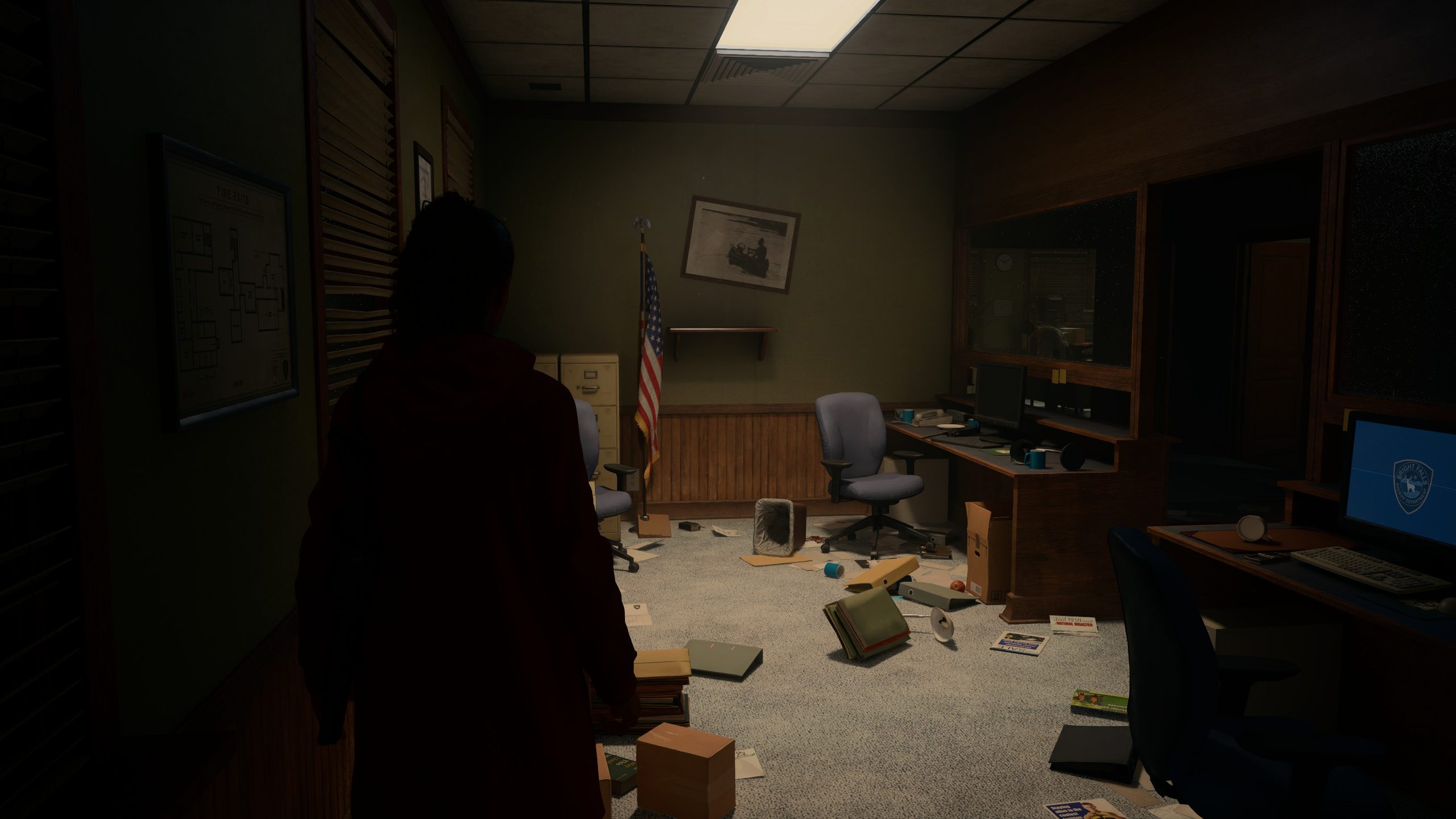
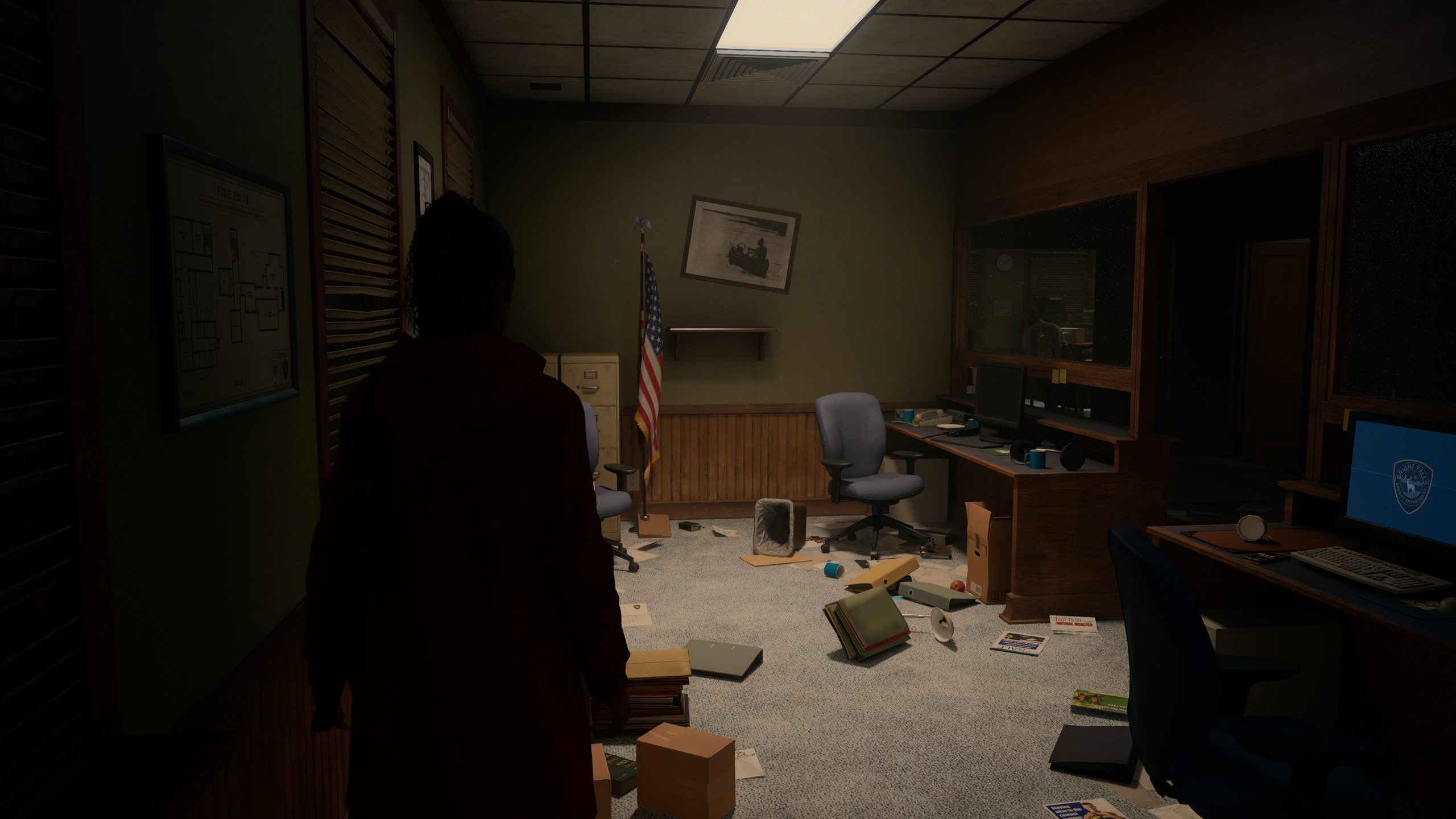
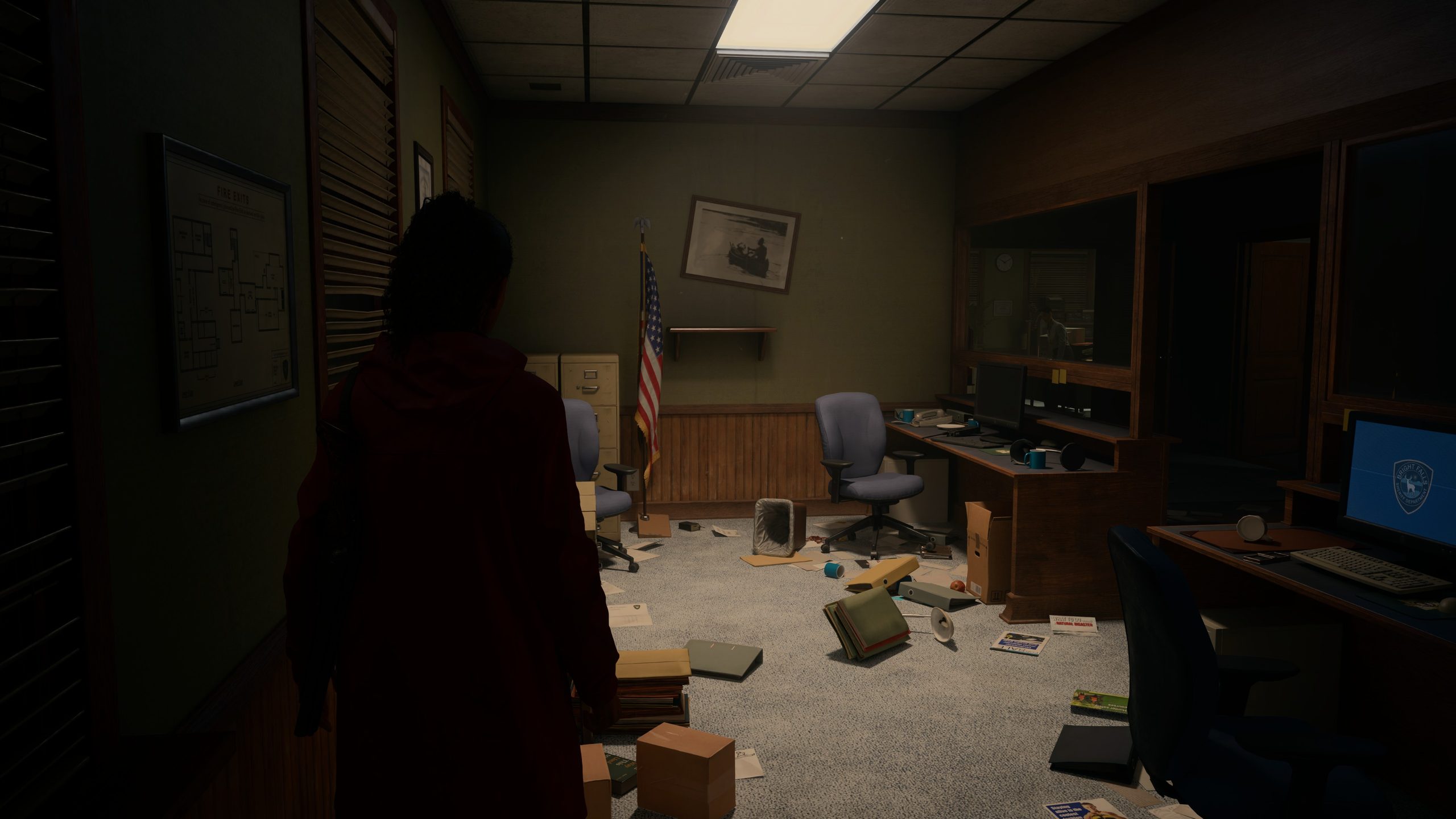
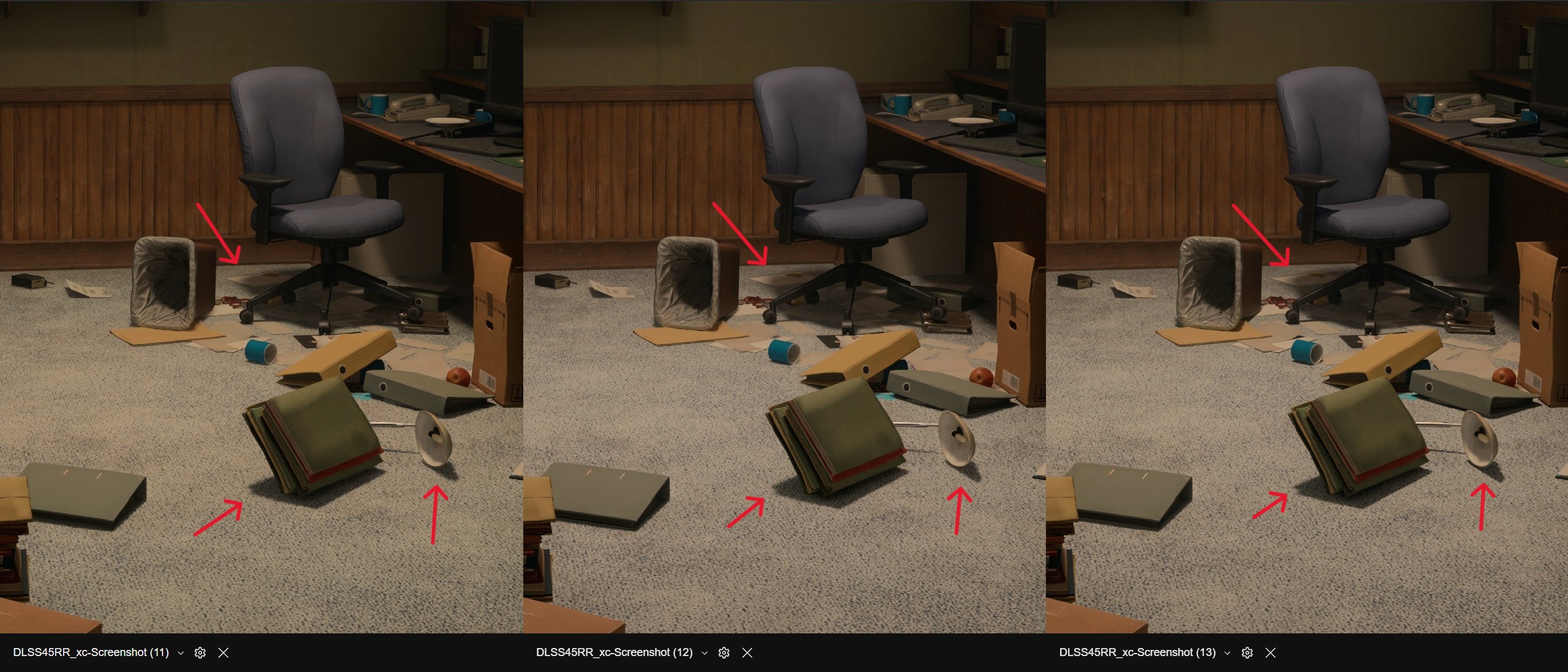
For the second set of examples, we also introduce a comparison between the game’s native denoising modes – if Ray Reconstruction is disabled, the game offers you an option to choose denoising quality from Low to High. We noticed something rather interesting: on Low, the lighting actually produces a slightly different hue than High or RR enabled.
With Ray Reconstruction enabled, there is a small but noticeable difference in shadows: they are noticeably sharper than both cases where RR is disabled. Notice the book’s shadow having more pronounced shadows that shows two distinct shapes instead of almost blending into one blurred corner. Same case for the lamp’s shadow, though that’s not the same for the chair’s shadow, where the Low option has the sharpest shadow, while the other two looks slightly softer.
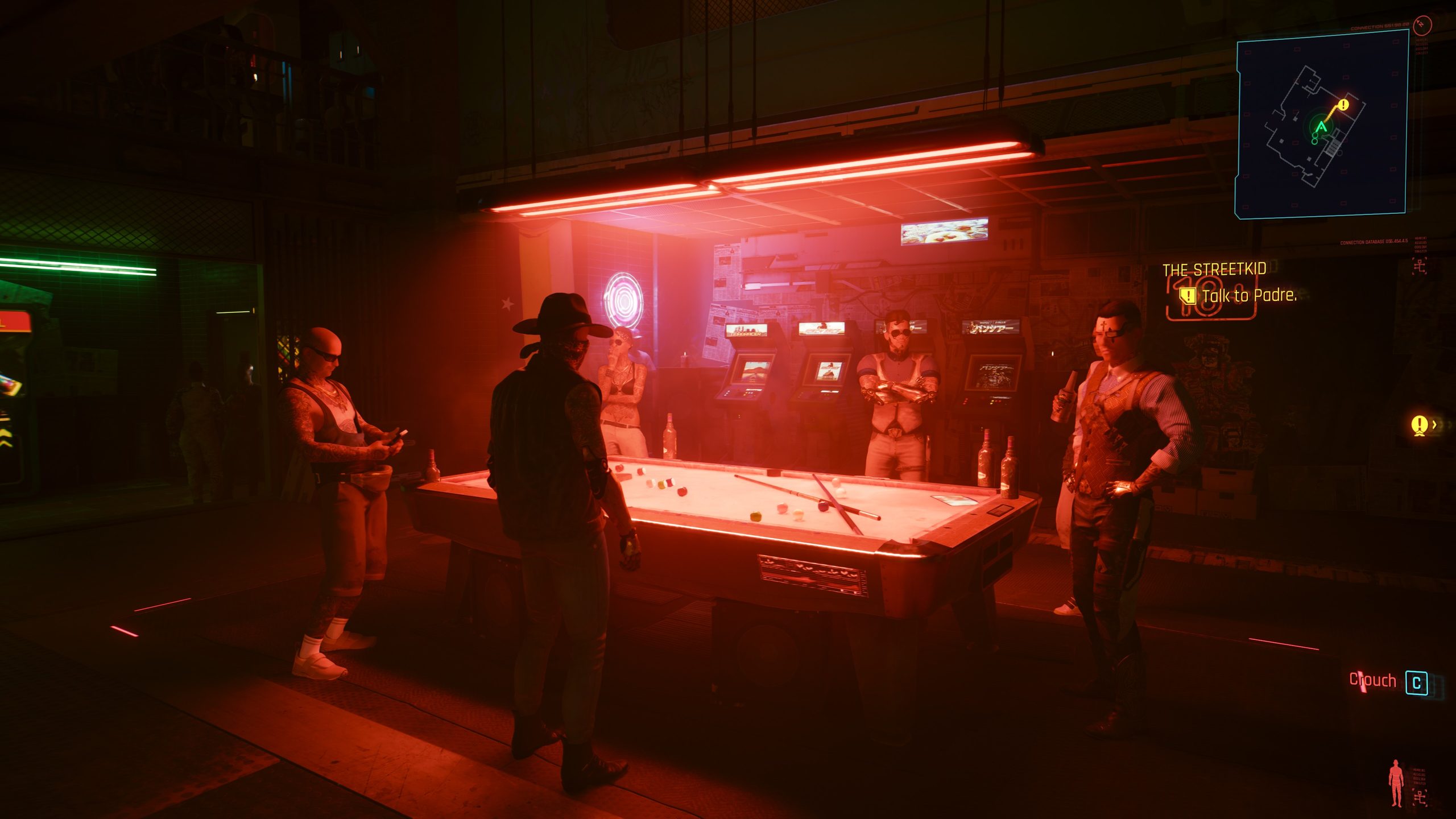
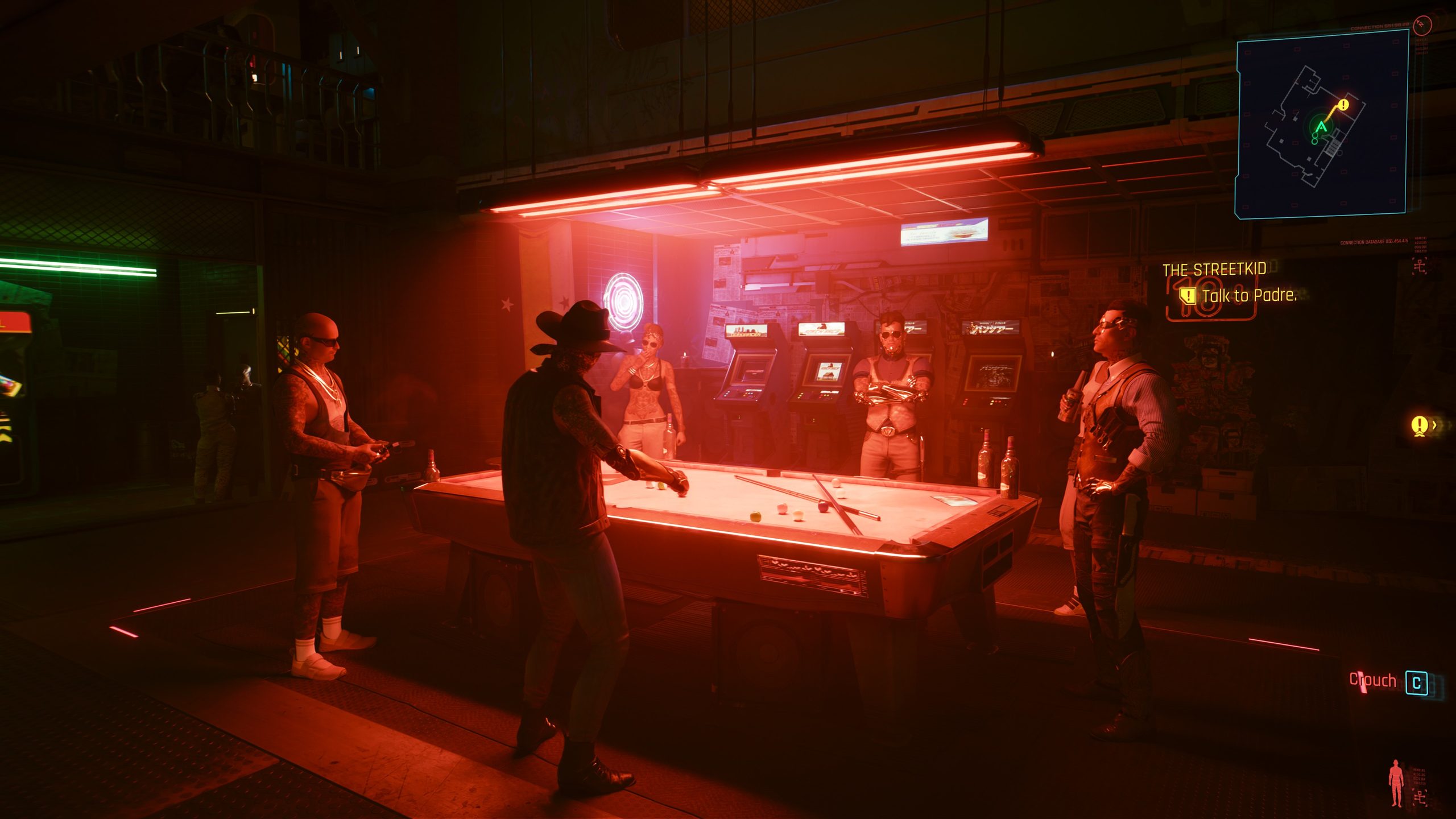
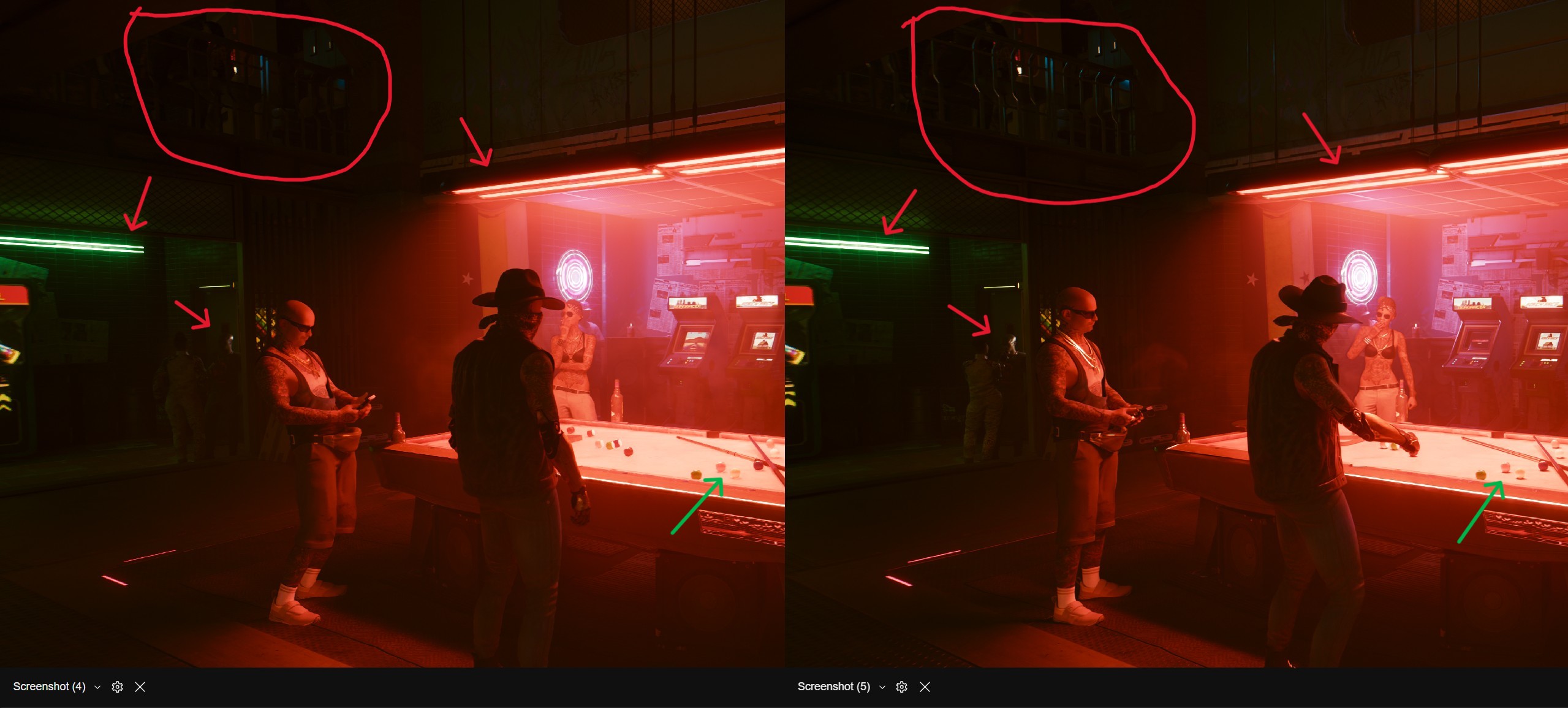
Moving on to Cyberpunk 2077, the spot where benchmark scene uses is a solid place to start for comparisons, with its neon-lit rooms that blends many colors into one. Immediately we see a few noticeable differences, especially in darker parts of the scene: the reflection on the second floor is more pronounced, lighting sources are brighter (which likely contributed to brighter reflections), and shadows on the pool balls are more visible. The people on the far side of the scene is more visible, too.
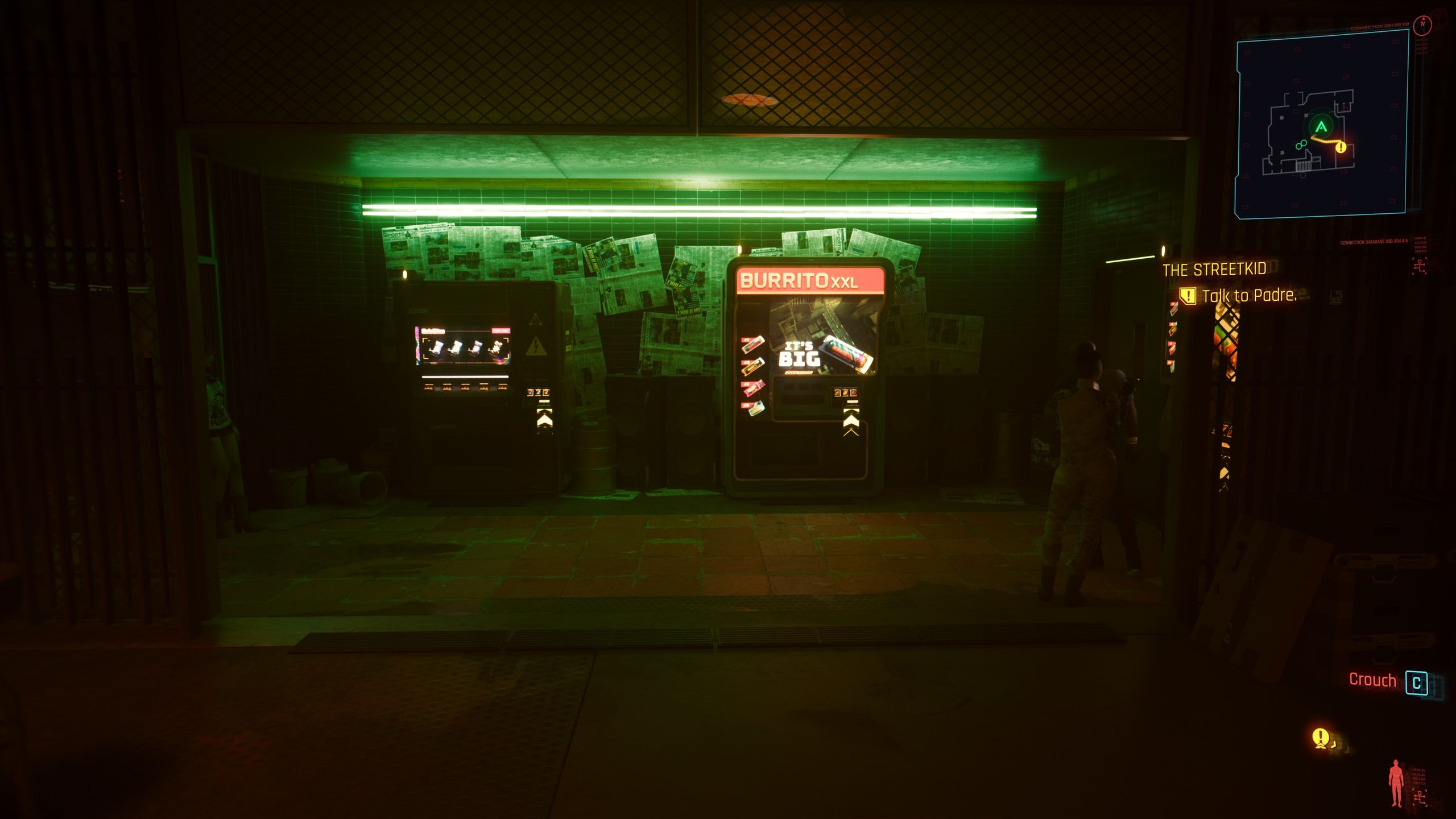
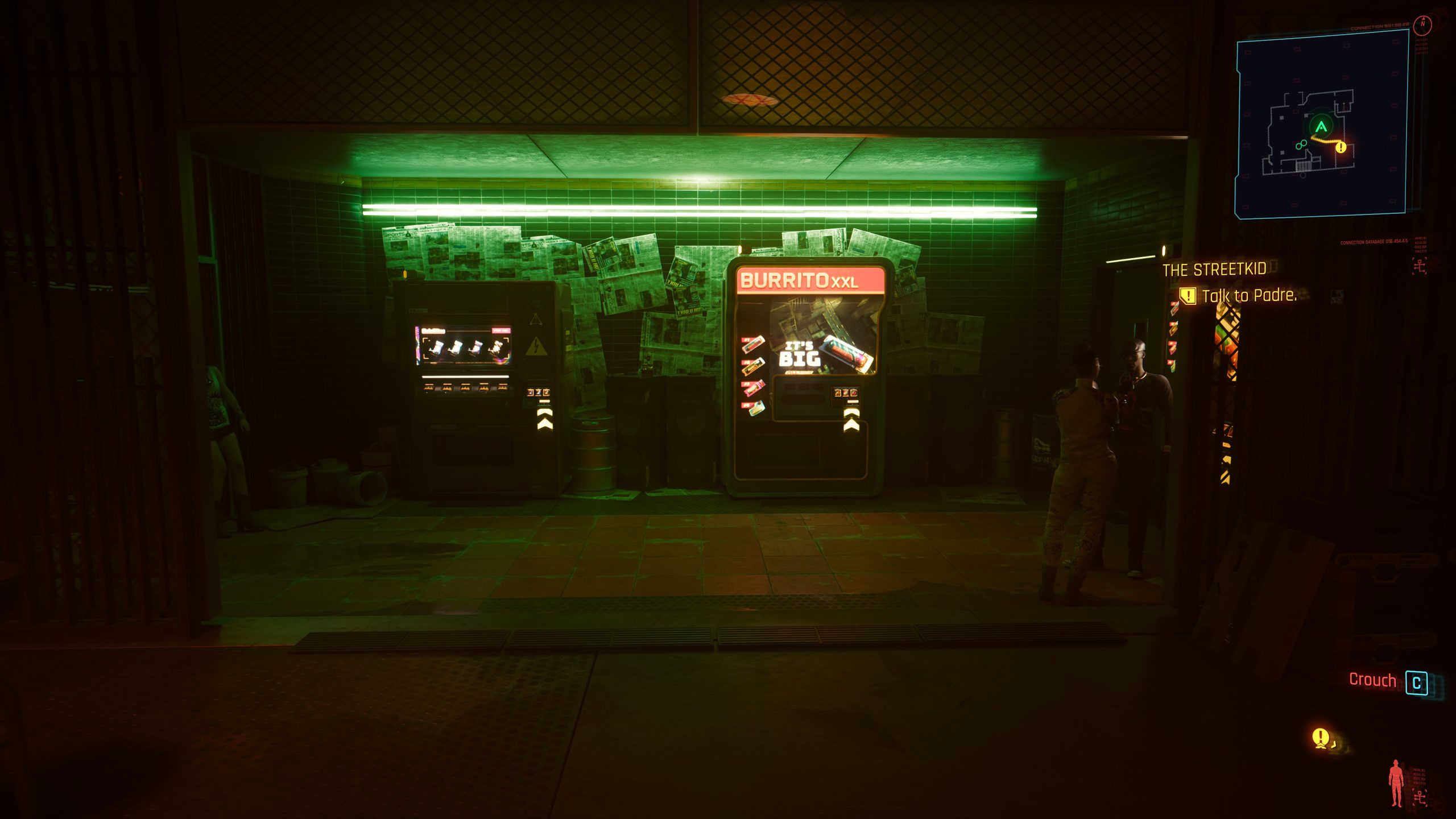
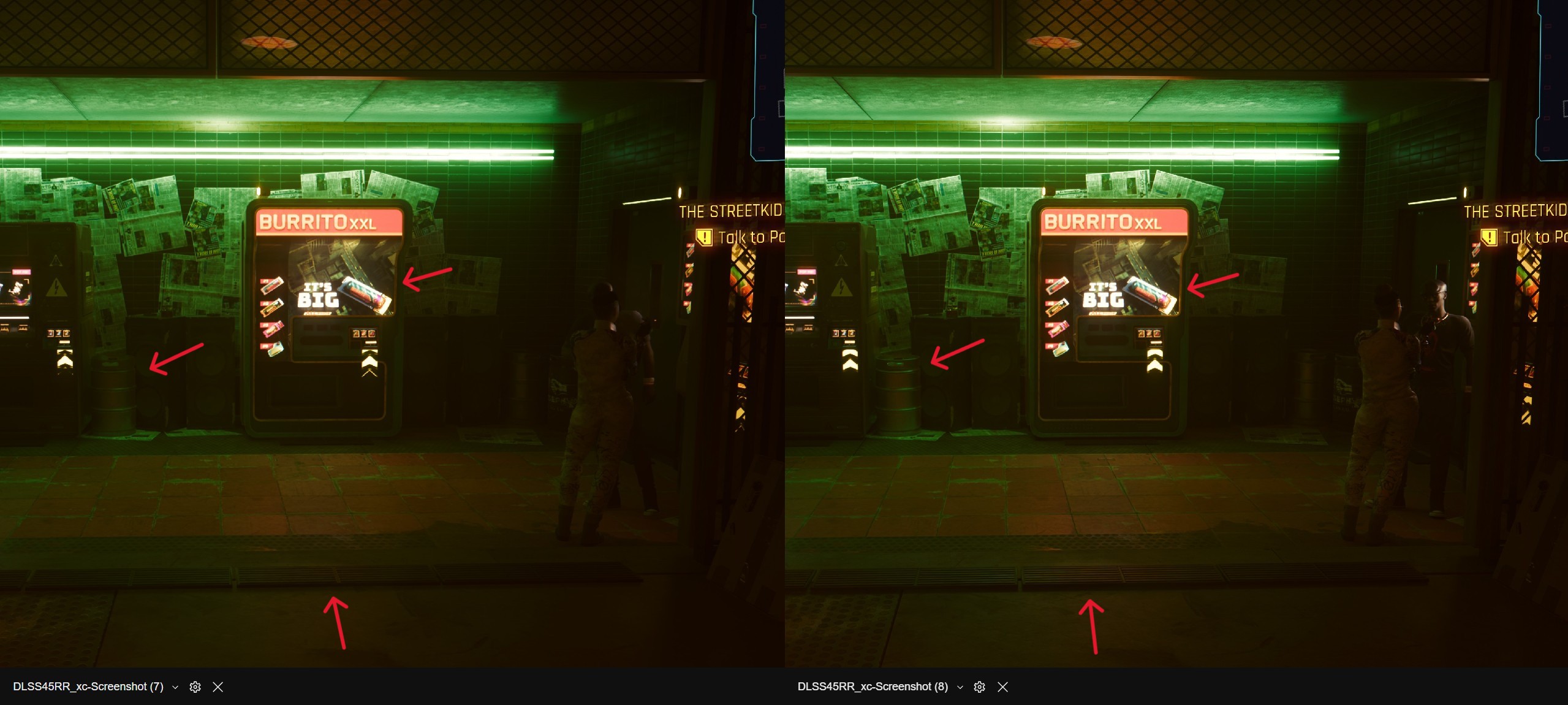
Similar deal here, the green light source spills to the barrel on the left and on the edge of the vending machine, and the shadows look sharper and more natural on what we assume is a drain cover of sorts on the floor. Generally, enabling Ray Reconstruction allows the environment to be better lit, which is probably a small gameplay benefit if you’re not a fan of overly dark scenes in-game.
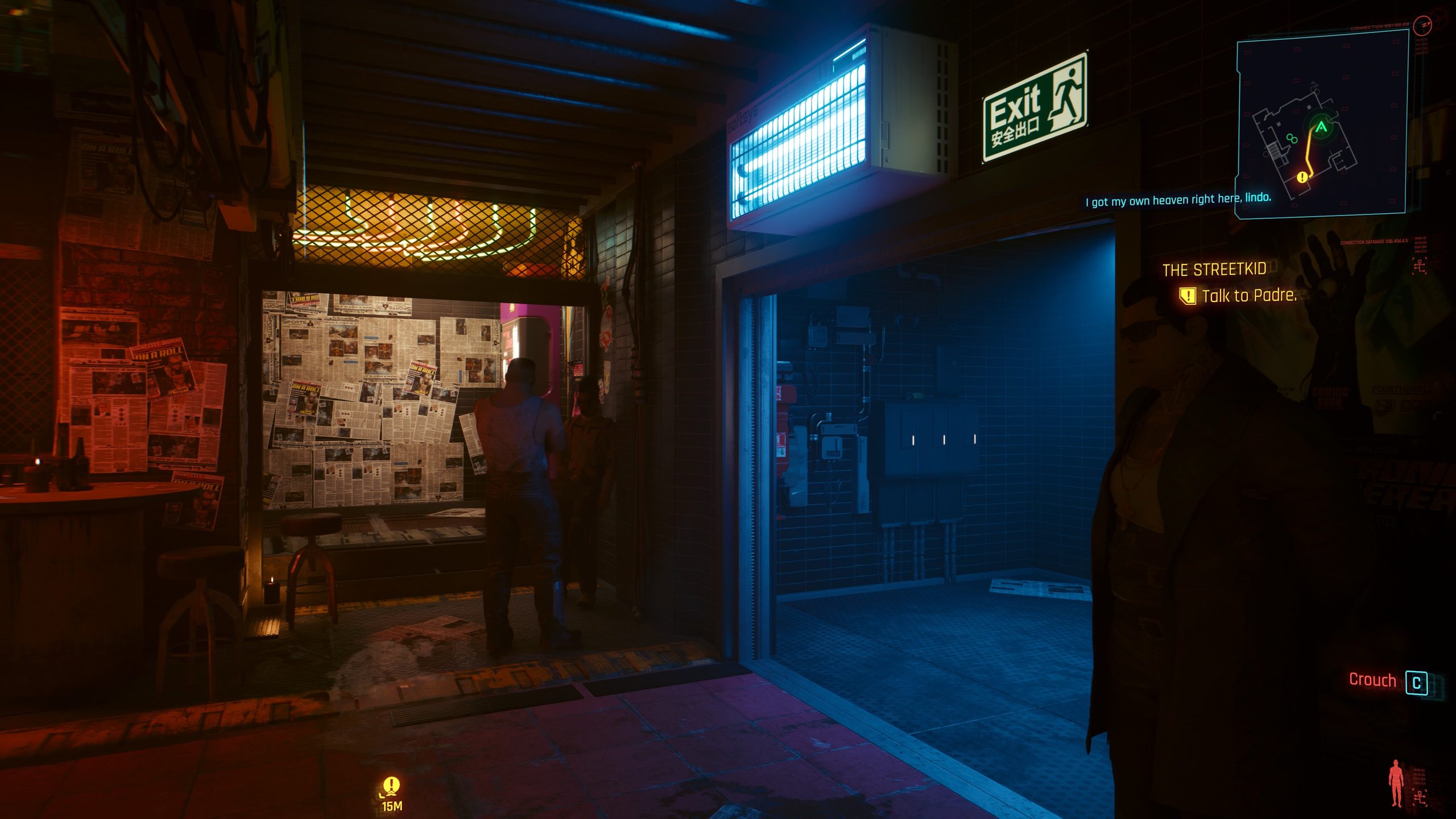
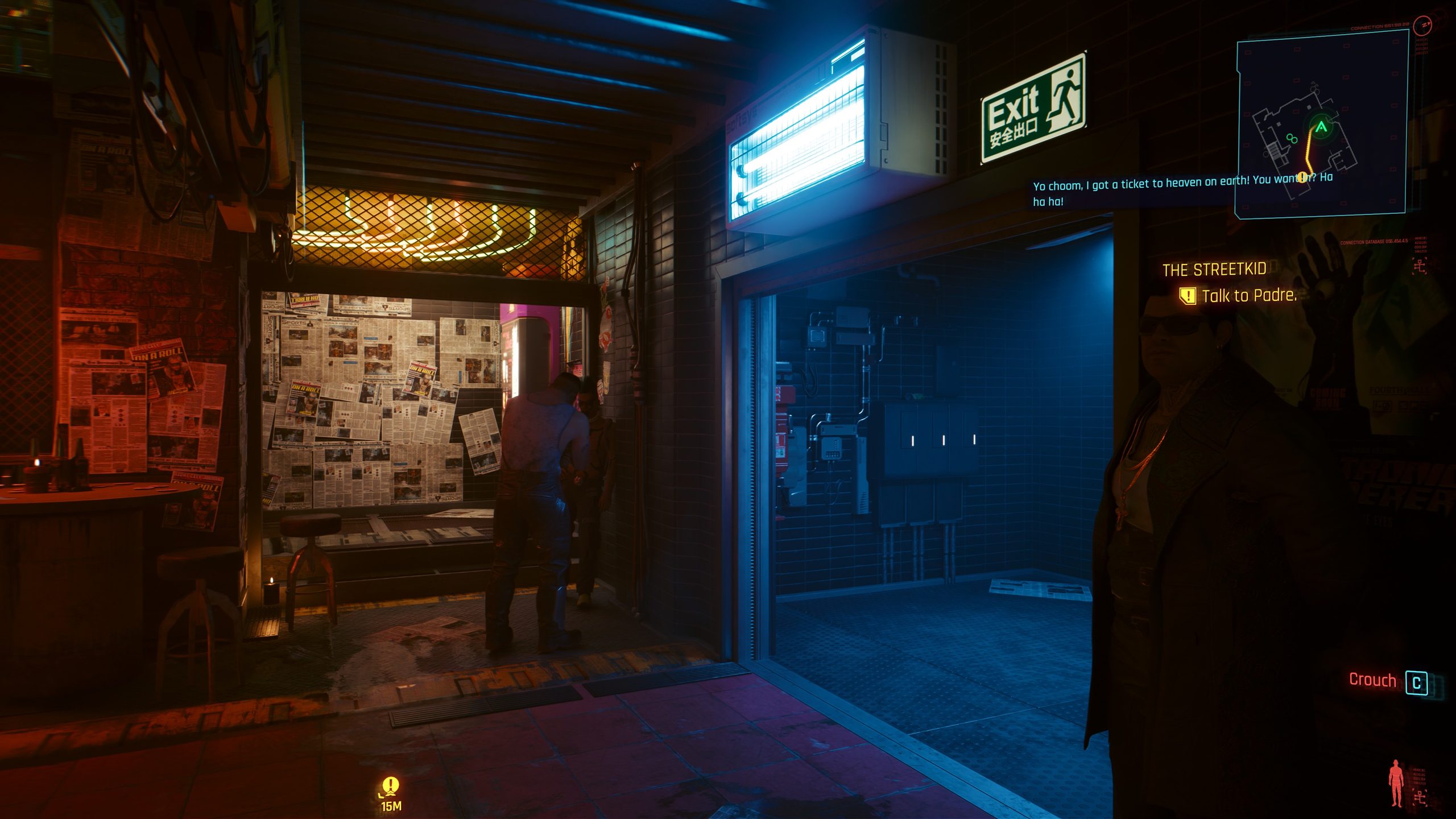
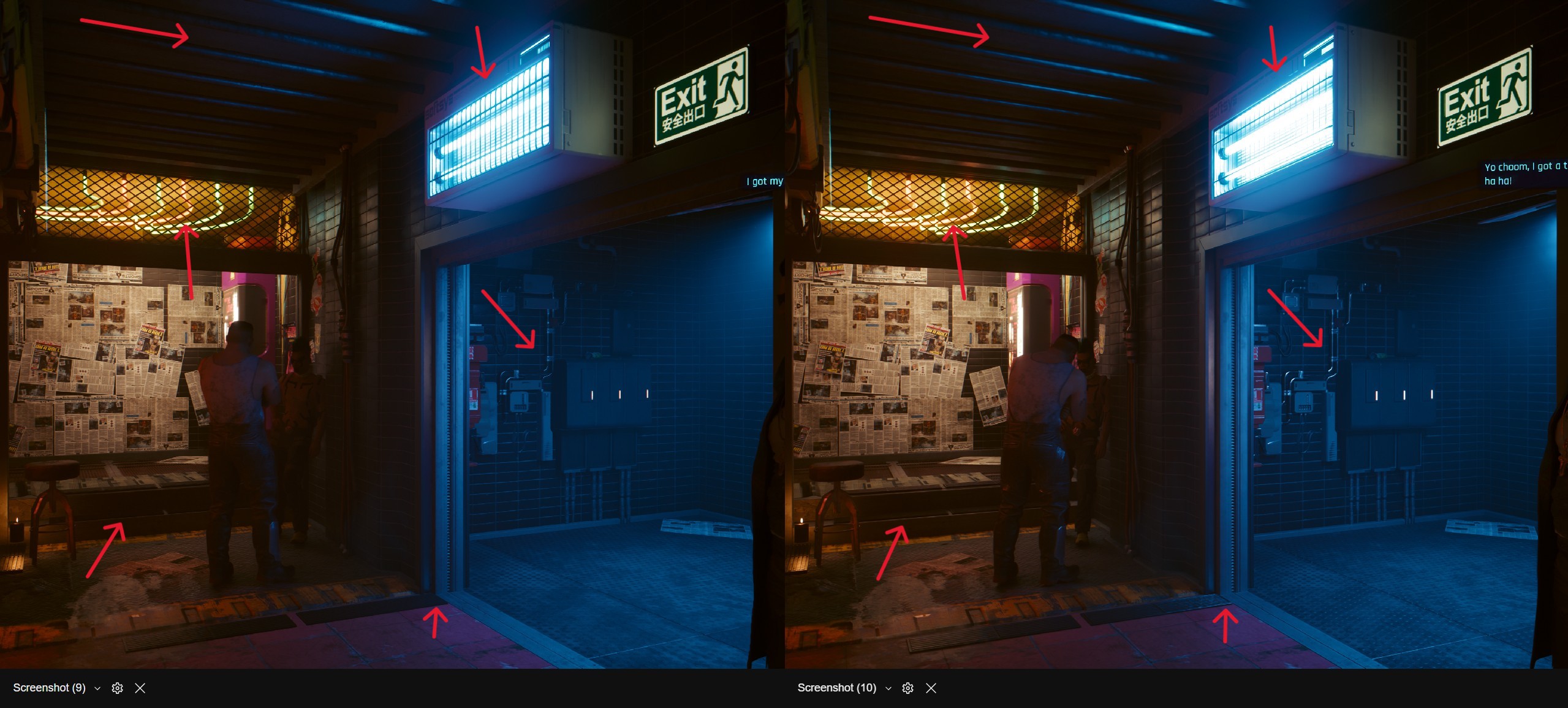
Finally, this is the most obvious example of Ray Reconstruction doing its work: light sources are brighter likely as a result of more light bounces, and objects surrounding them has more reflected light shown. Objects such as stairs, door frames, ceiling lining, are among the examples that features more physically accurate reflections as a result.
Our Takeaways
Quality-wise, DLSS 4.5 Ray Reconstruction does bring some level of visual benefit and compensates for some of the technical limitations of path tracing-based lighting in games. We know that path tracing is very demanding on GPUs – even on the RTX 5090 that we used for these tests – and Ray Reconstruction indirectly benefits performance by allowing lesser rays to be cast while maintaining similar visual quality. That said, as we have mentioned earlier, the improvements made in model performance already offers a small performance boost on its own.
We should note that this doesn’t mean Ray Reconstruction is the be-all-and-end-all of denoising technologies. Alan Wake 2 has its own denoising filters which some may prefer depending on the results, as what AI can interpret may not necessarily be the same as what the developers envision (and NVIDIA even offers two different models for this purpose, so what works on one may not work on the other). Feel free to experiment with the titles you own and you shall decide what fits best for you.