



City travel in China depends heavily on stable mobile data. Travelers use their phones for maps, train details, hotel messages, ride services, translation tools, and payment-related tasks throughout the day. A weak connection can slow down plans very quickly in a fast-moving urban schedule. A China eSIM can make that experience smoother when the traveler understands how coverage, setup, and plan choice work across different cities. Many providers in this category highlight high-speed 4G and 5G access in major cities, digital installation before departure, and prepaid plan options designed for short visits or broader regional movement. Those features are useful, but city-to-city performance still depends on a few practical factors.
Major Cities Usually Offer the Best Experience

Coverage is usually strongest in major urban centers where travelers spend most of their time. Service in Beijing, Shanghai, and Guangzhou tends to suit travelers who depend on regular access for transport, bookings, and daily navigation. That makes embedded SIM a strong fit for city-based travel itineraries.
This matters because many international trips focus on the largest business, tourism, and transit hubs. A traveler moving between major cities is more likely to benefit from steady network access than someone whose route depends on smaller or less connected areas. Urban travel in China usually gives digital SIM the best chance to perform well day after day.
Intercity Travel Needs Continuous Coverage
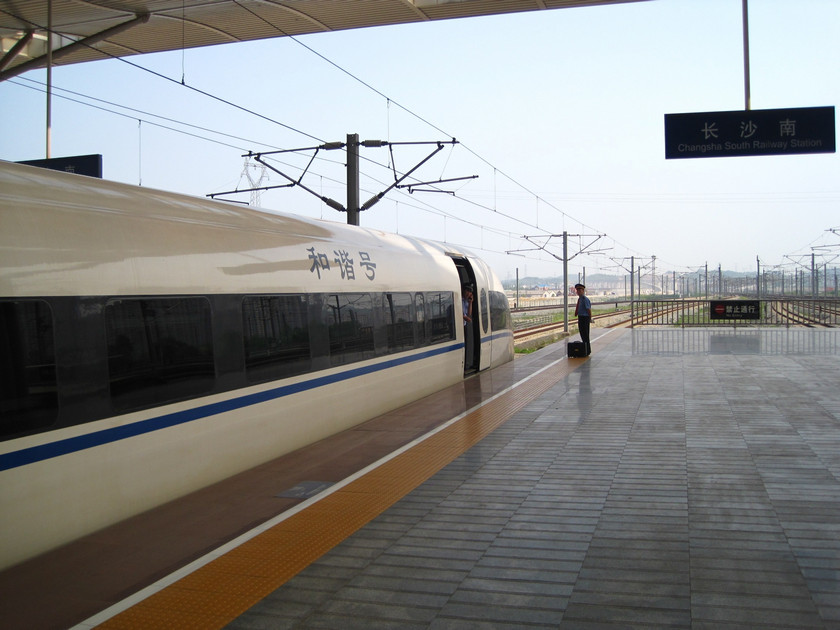
China trips rarely stay in one place for long. Travelers may move from Shanghai to Hangzhou, from Beijing to Xi’an, or from Guangzhou to Shenzhen within a short period, so a plan needs to stay useful during transfers and arrivals. Coverage quality matters most when the traveler is moving between stations, hotels, and city centers.
This is why broader prepaid options can help beyond a single destination. Some travelers may choose a country-specific plan, while others may want a wider option that fits a longer regional route. For travelers whose route may expand, that flexibility adds value.
Indoor Use Can Feel Different From Street-Level Use
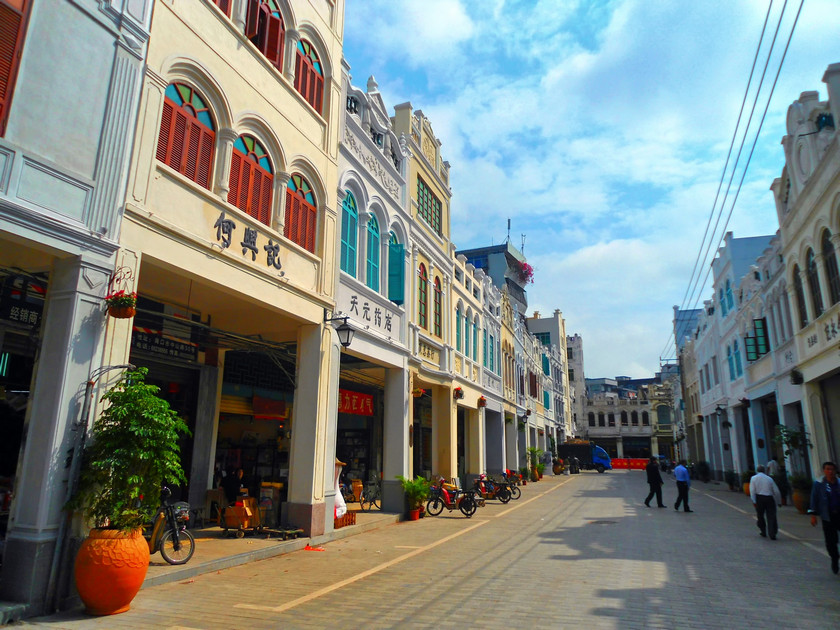
A city may have strong network access overall and still feel uneven in daily use. Hotels, underground transit areas, shopping centers, and older buildings can change how a connection feels from one location to the next, even inside the same city. Travelers should judge performance by the whole day, not just by outdoor signal strength.
This is one reason a supported 4G or 5G label should be read as a general capability, not a promise of identical speed everywhere. Slow speed can come from local conditions, phone settings, or plan limits, even in cities with strong network coverage. City access feels strongest when network quality, device setup, and data plan all line up well.
Related Article



Set-Up Details Affect City Coverage More Than Many Expect
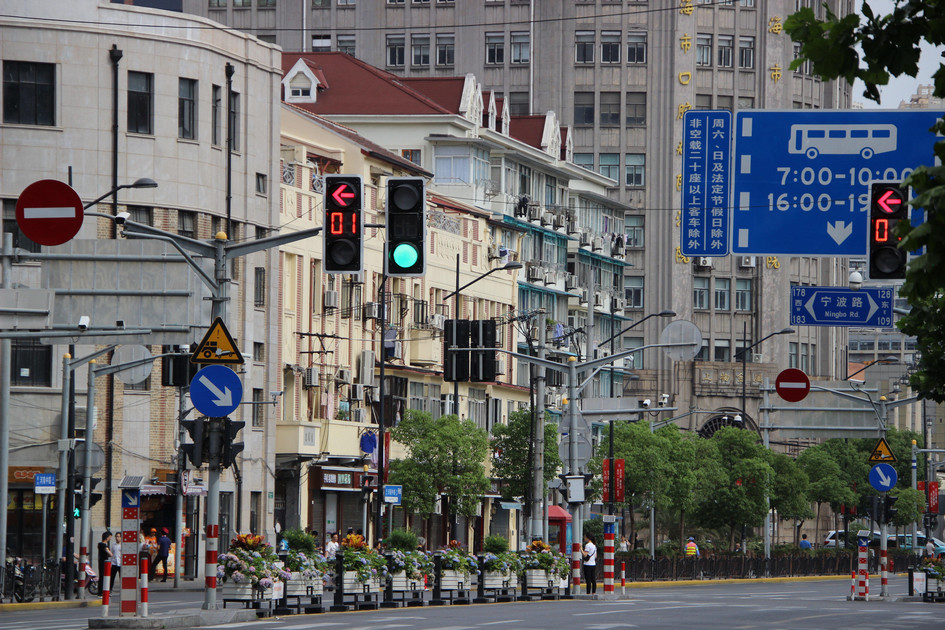
A traveler can buy the right plan and still struggle in the city if the setup is incomplete. Many providers require users to turn on the virtual SIM, enable data roaming, and select it as the cellular data line when ready to use it. Those steps directly affect whether the phone connects properly after arrival.
APN settings may also matter on some plans. Certain embedded SIMs require provider-specific APN details, and incorrect APN information can lead to slow or missing data service. A China eSIM tends to work best when the traveler checks these details before assuming city coverage is the problem.
Plan Size Should Match City Habits

Network coverage alone does not decide whether the service feels reliable. A traveler in large cities may use much more data than expected because maps, translation, ride apps, messaging, and ticket access stay active throughout the day. The right plan should reflect that pace of use, not just the destination name.
Fixed-data bundles can work very well when the user estimates daily needs with care. A small plan may look economical at first and still run out too soon during long city days packed with movement and app use. For city travel, a poor data estimate can interrupt an otherwise strong network experience.
Hotspot Support Helps Multi-Device City Travel
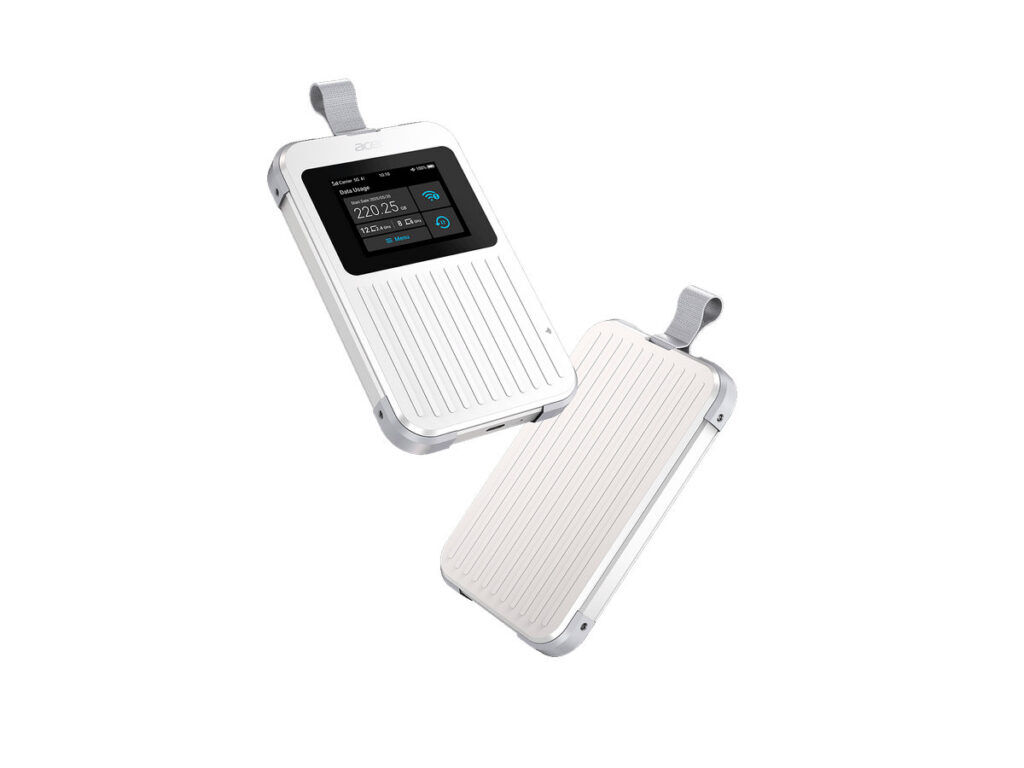
Travel in major Chinese cities may involve more than one device. A phone may handle navigation while a laptop supports work, or a tablet holds booking details during train travel or hotel stays. Many travel eSIM services support hotspot tethering for this reason.
That support can make city travel feel more flexible, especially for business travelers or families. It allows one active data connection to help with more than one screen during a busy day. A China eSIM becomes more useful when the traveler plans for device sharing in advance.
City travel in China depends on more than having a plan with data on it. Coverage quality, setup accuracy, plan size, hotspot use, and support access all influence how well the connection works from one city to the next. Travelers who prepare these details in advance are more likely to avoid interruptions during transport, bookings, and daily navigation. For people who want steady mobile access across China, careful planning can make embedded SIM service far more dependable.