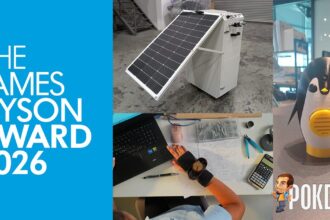



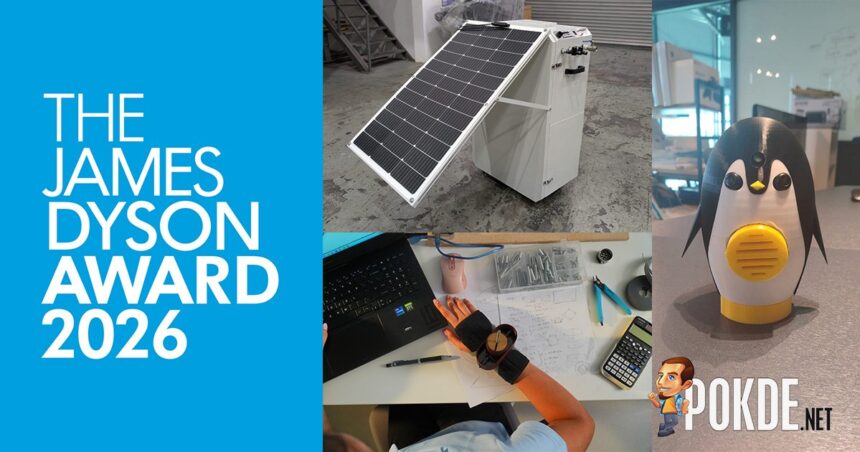
A 24-year-old engineering graduate from Monash University Malaysia has been named the Malaysia National Winner of the James Dyson Award 2026 for ZeMor, a battery-free wearable device designed to reduce hand tremors in people living with Parkinson’s disease. Hayley Nea Iaduray developed the device by applying the same engineering principle used to stabilize skyscrapers during earthquakes and typhoons, scaled down to fit on the wrist.
Two national runners-up were also announced alongside Hayley’s win: S.L.I.C (Solar Liquid Integration for Communities), a portable solar-powered water purification system, and Pillay, a contactless vital-sign screening device shaped like a penguin for use with young children. All three inventions will now advance to the international stage of the James Dyson Award 2026.
James Dyson Award 2026 Malaysian Winner – ZeMor
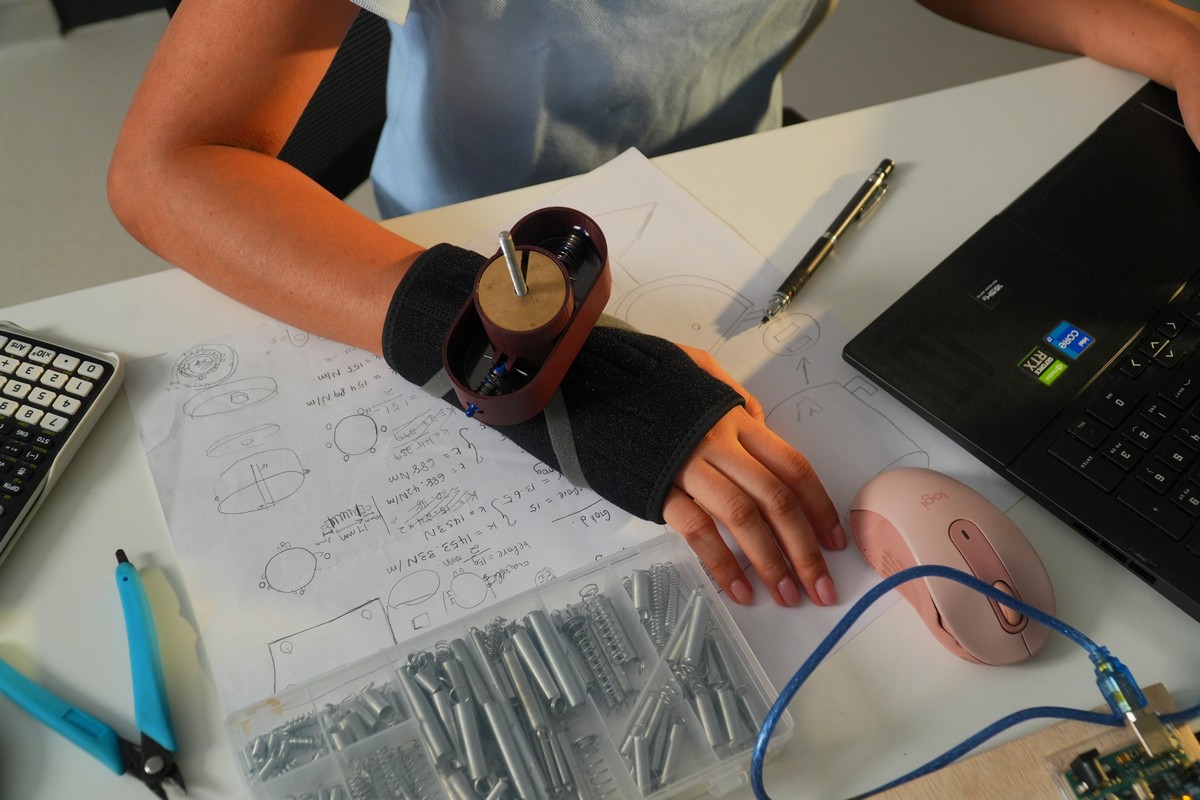
ZeMor, short for “Zero Tremor”, uses a miniaturized Tuned Mass Damper (TMD), a mechanism widely used in tall buildings such as Taipei 101 to counteract sway (in the tower’s case, it’s a huge metal sphere hanging mid-air, the structure of which is open to public). When tremors occur, an internal weighted mechanism moves in response, absorbing and dissipating kinetic energy without requiring any batteries or electrical power.
Unlike conventional passive tremor devices that use a fixed mass, ZeMor allows the user to adjust the device to suit different tremor frequencies by adding or removing weights. The device is built from readily available components including slotted weights, steel ball bearings, spring-based dampeners, and other off-the-shelf hardware, housed in a 3D-printed casing.
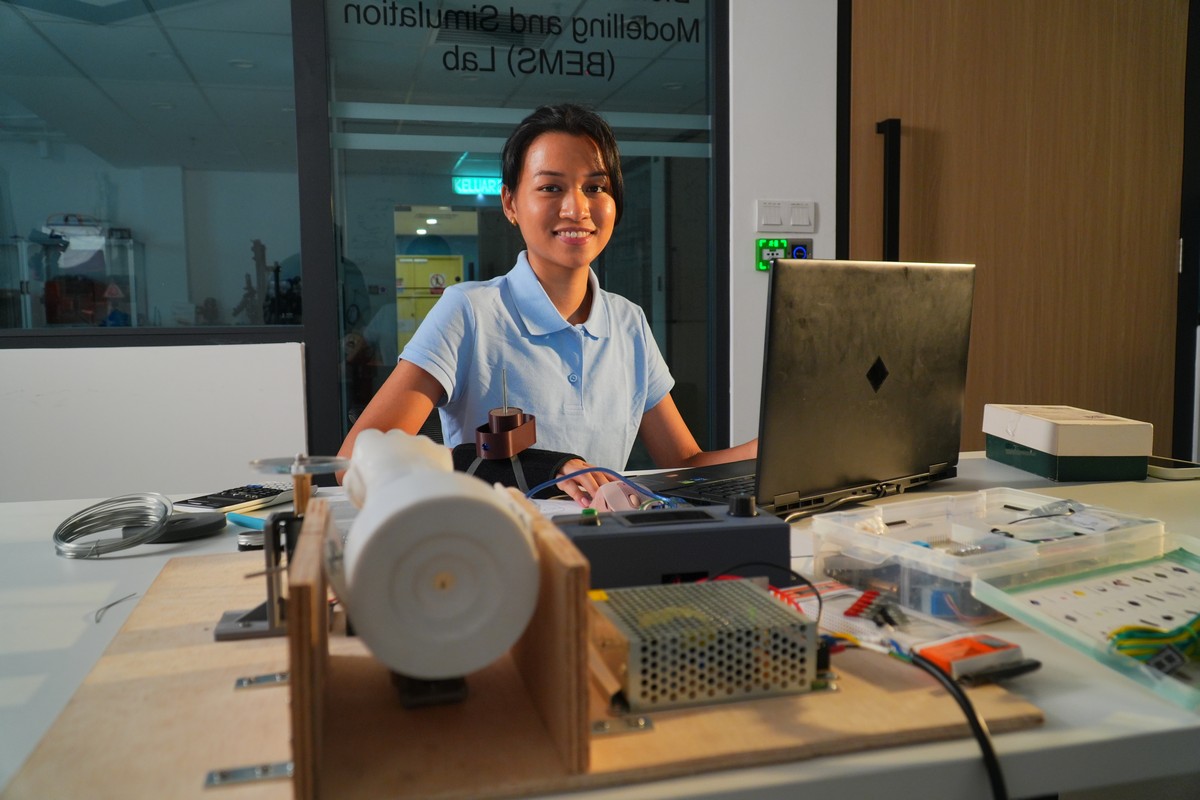
Hayley spent a year developing and refining multiple prototypes, testing the concept using a custom-built rig that simulated Parkinsonian tremors. The design was conceived as her final-year engineering project and was driven by the need to create a tremor support solution that is both affordable and accessible to a broader range of patients.
Parkinson’s disease is among the fastest-growing neurological disorders globally, with researchers projecting the number of people living with the condition could reach 25.2 million by 2050. In Malaysia, an estimated 20,000 people are currently living with Parkinson’s, with prevalence expected to increase five-fold over the next two decades.
The Two National Runners-Up
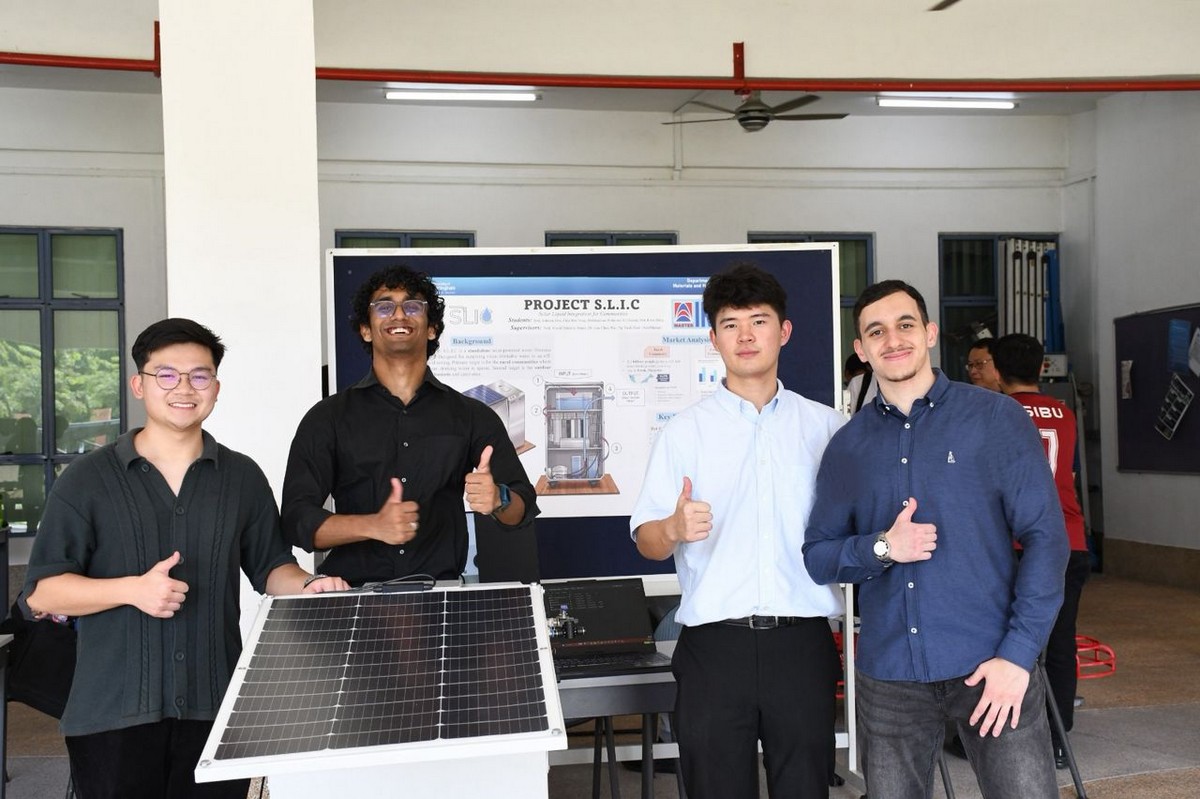
S.L.I.C., developed by a team from the University of Nottingham, is a suitcase-sized, portable water purification unit that combines multi-stage filtration, UV sterilization, integrated heating and cooling, and real-time water quality monitoring. It runs entirely on solar energy and can also supply basic power for household needs such as charging phones or powering a fan. The device was designed with off-grid communities in mind, including Orang Asli settlements in areas such as Pos Kemar, Perak, where access to clean water and reliable electricity remains limited.



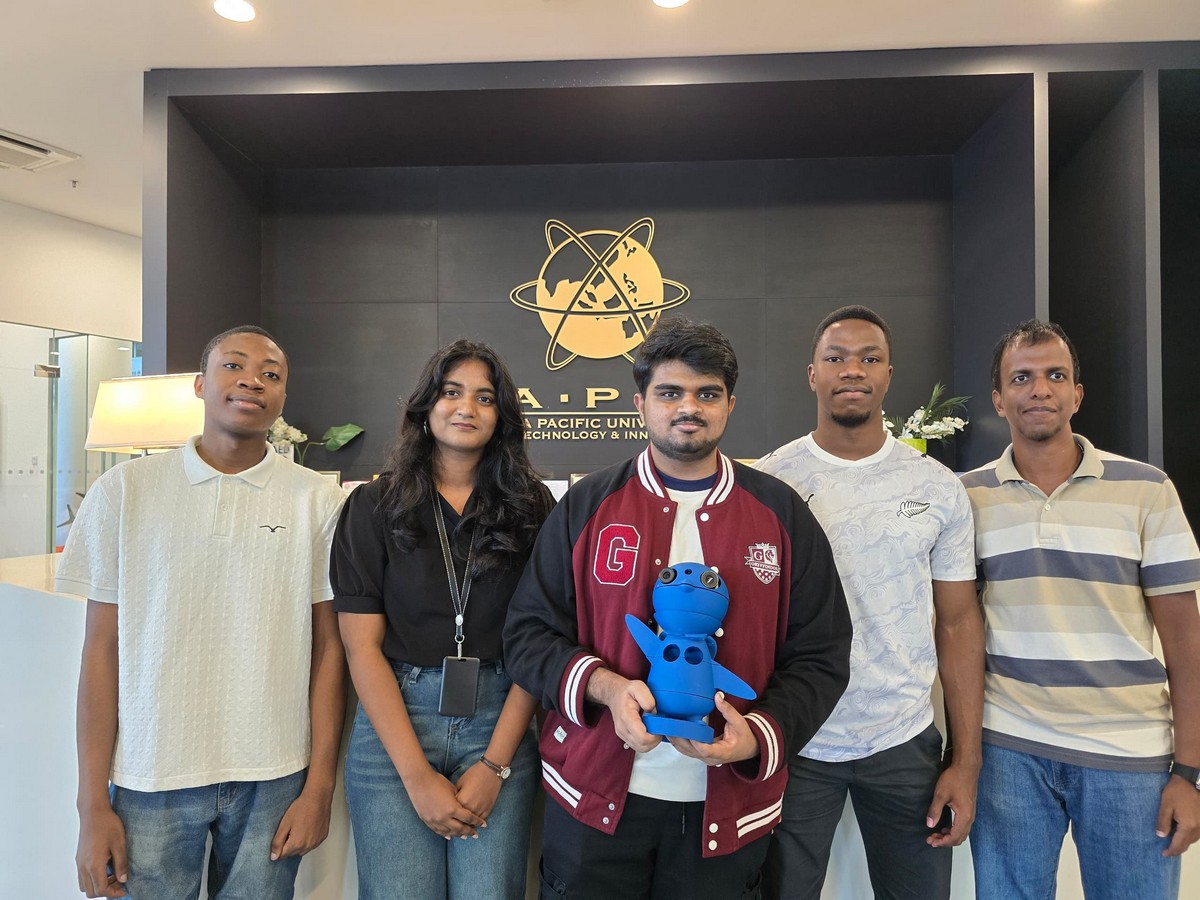
Lastly, students from Asia Pacific University presented Pillay, a contactless vital-sign screening device designed for young children. Taking the form of a friendly penguin, it uses optical, thermal, and acoustic sensing technologies to measure heart rate, breathing rate, fever, and cough patterns without any physical contact. The design aims to reduce anxiety during clinical assessments by engaging children’s natural curiosity rather than requiring cooperation with unfamiliar medical equipment.
Next Steps & Prize
As Malaysia’s National Winner, Hayley receives RM27,160 from the James Dyson Foundation. She plans to use this to develop ZeMor into a multi-directional system capable of responding to tremors from multiple angles, improving on the current prototype which dampens tremors along a single axis. The next phase will also involve collaboration with medical professionals and research partners to evaluate the device with people living with Parkinson’s disease.
All three Malaysian inventions will progress to the international stage of the James Dyson Award. A global shortlist of 20 entries, selected by a panel of Dyson engineers, will be announced on 14 October; the international winners, chosen by Sir James Dyson – founder of Dyson – will be revealed on 4 November and will each receive up to RM162,999.
Pokdepinion: These inventions can really go a long way.