
- Walkaround
- Specifications
- The Good
- Fuel efficiency that genuinely impresses
- Design that stands out in its segment
- A thoughtful and generous feature set
- Smart packaging where it counts
- The Bad
- Engine noise under load is hard to ignore
- Interior material quality does not match the exterior promise
- A few ergonomic oversights that should have been caught
- 2026 Toyota Yaris Cross HEV Verdict
Offer price: 109900
Currency: MYR
-
Appearance - 8.5/108.5/10
-
Efficiency - 8/108/10
-
Features - 7.5/107.5/10
-
Materials - 6.5/106.5/10
-
Performance - 7/107/10
-
User Experience (UX) - 7/107/10
-
Value - 7.5/107.5/10
Summary
The 2026 Toyota Yaris Cross HEV makes a compelling case for itself as a compact hybrid SUV that punches above its weight in the areas that matter most to daily drivers.
Overall
7.4/10Pros
- Fuel efficiency that genuinely impresses
- Design that stands out in its segment
- A thoughtful and generous feature set
- Smart packaging where it counts
Cons
- Engine noise under load is hard to ignore
- Interior material quality does not match the exterior promise
- A few ergonomic oversights that should have been caught
Walkaround


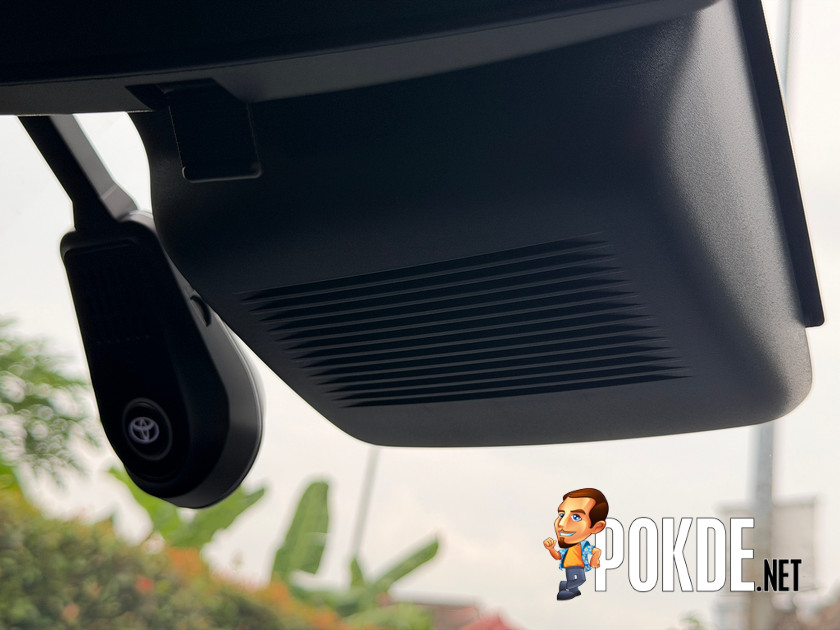
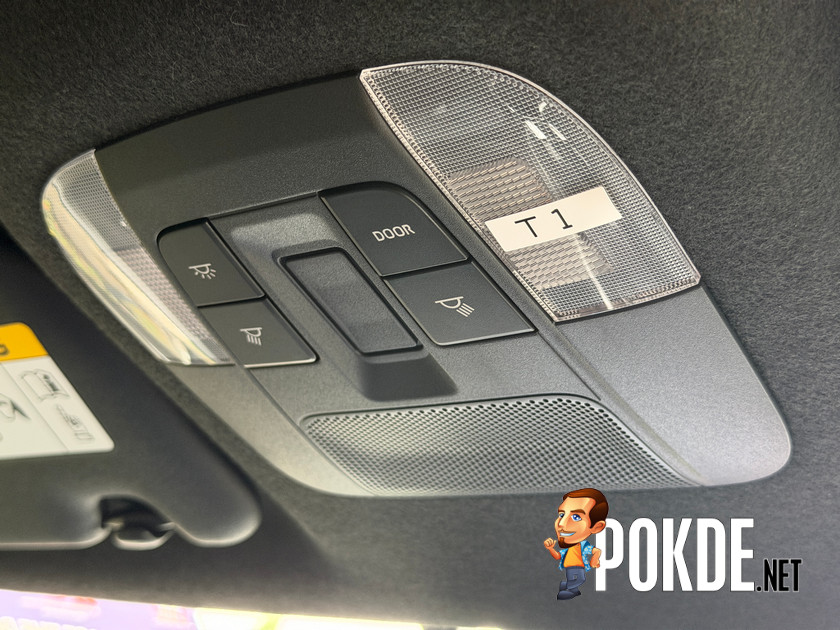
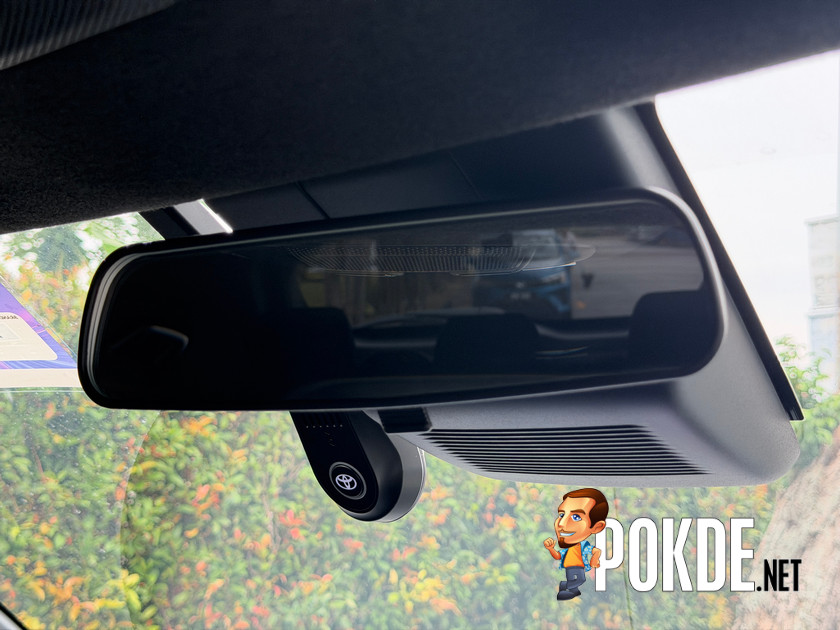
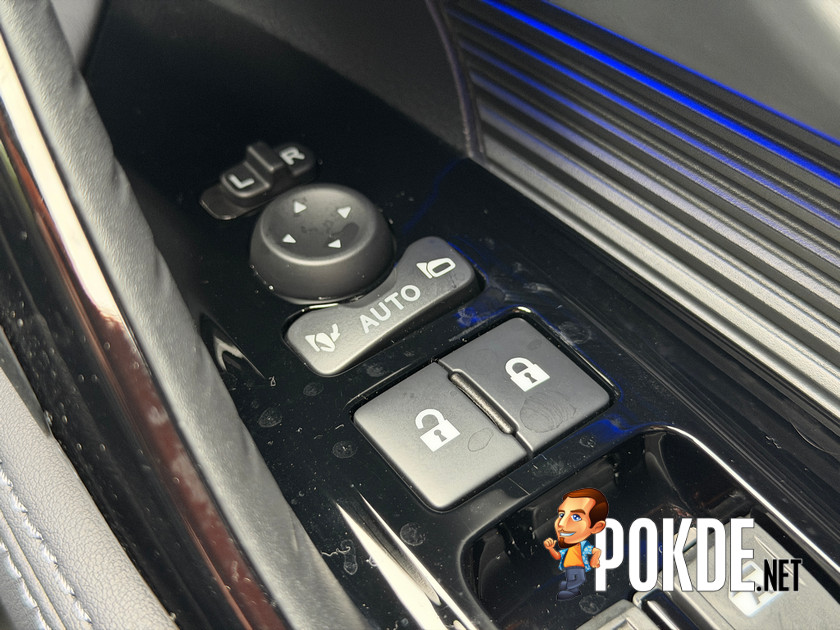
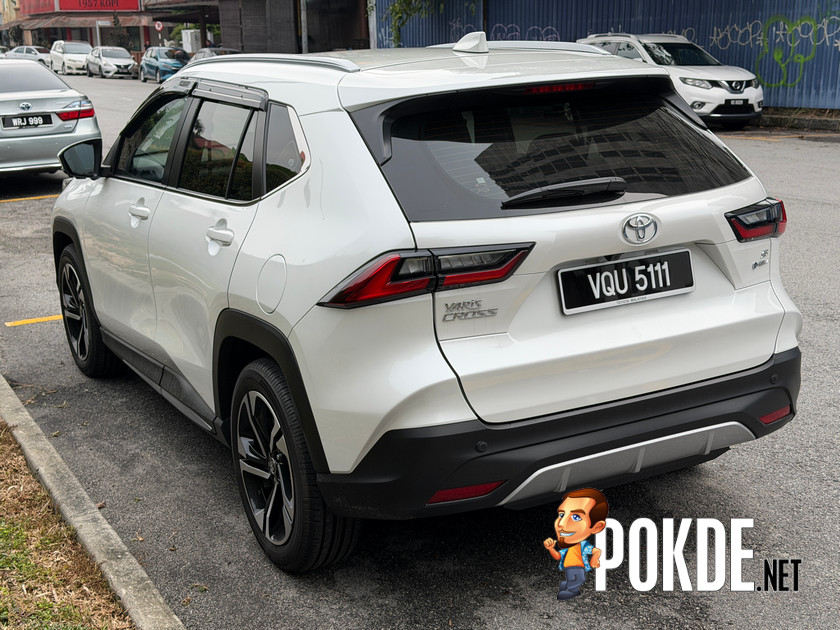
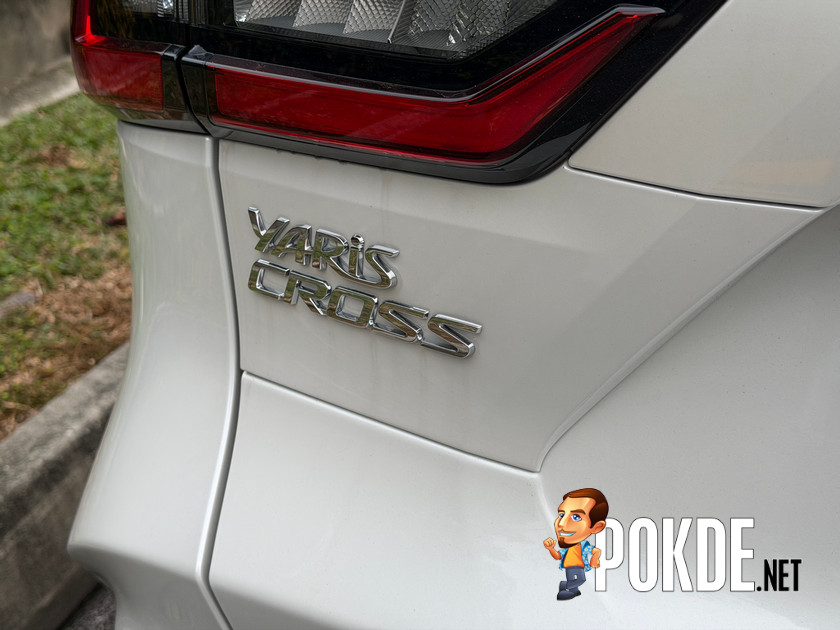
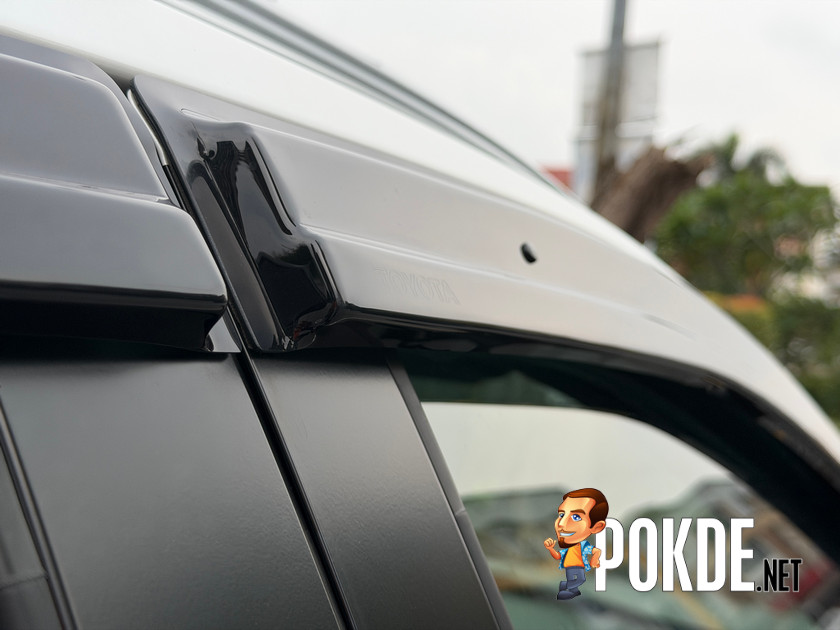
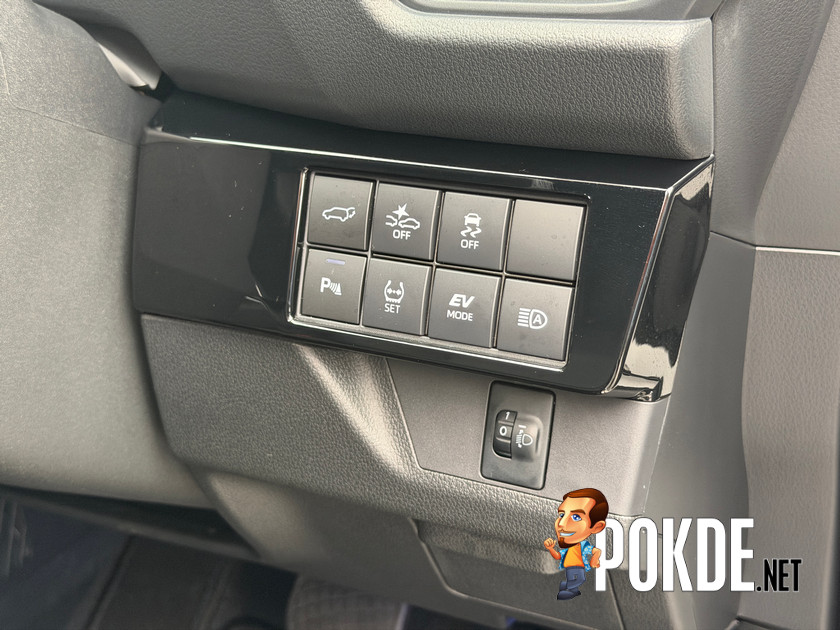
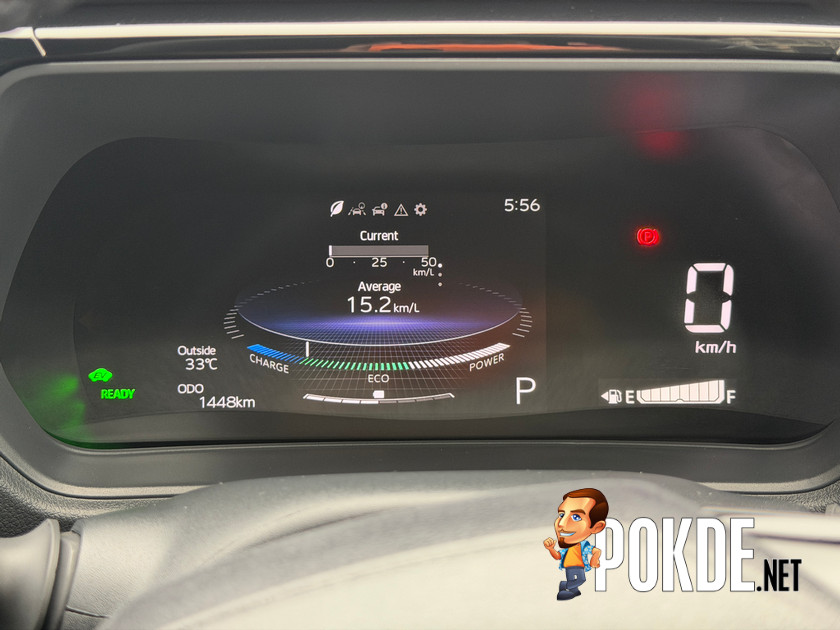
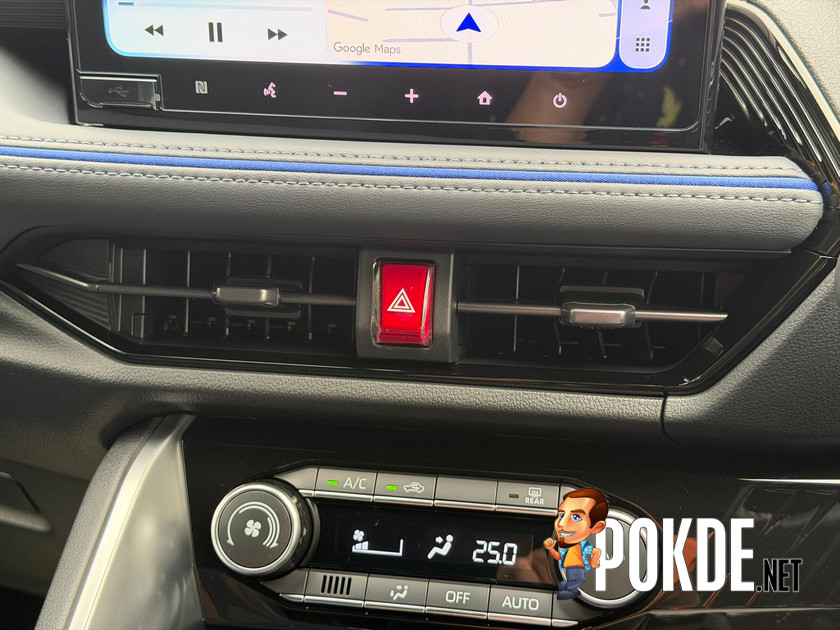
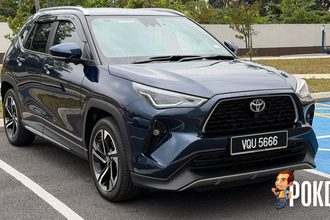
When you think of a compact hybrid SUV that ticks both the “practical daily driver” and “actually looks good in the parking lot” boxes, the options narrow down pretty quickly. Toyota’s answer to that is the All-New Toyota Yaris Cross HEV, and it makes a strong case for itself right from the first glance. Just to point out, it’s also referred to as the Yaris Cross 1.5S HEV but to make it easier, I’m simply going to refer to it as the Yaris Cross HEV.
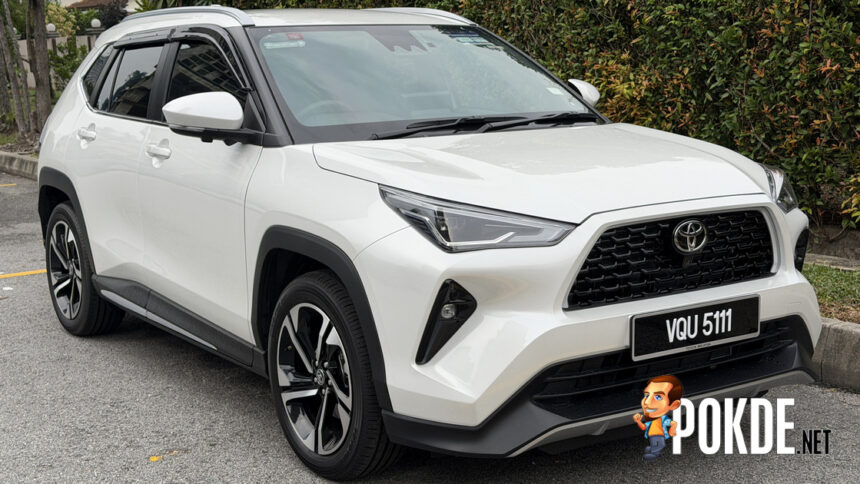
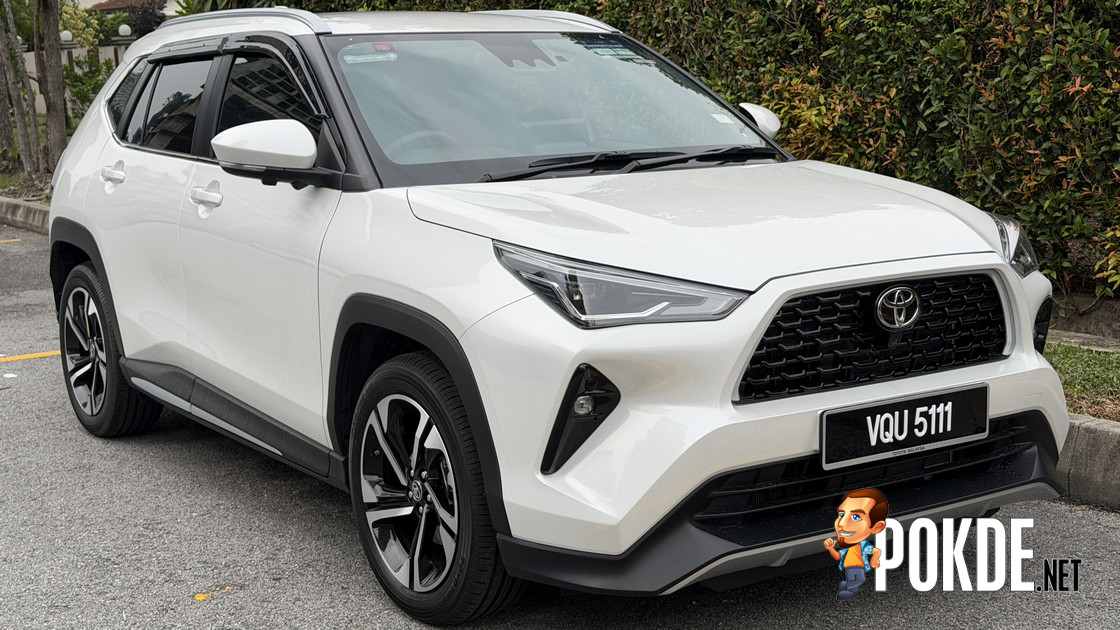
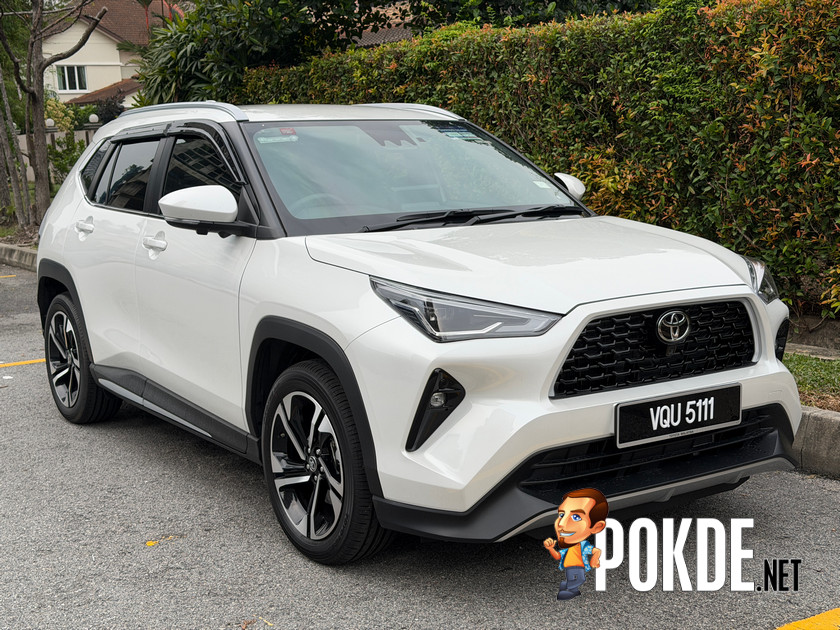
If there is one thing the Yaris Cross gets absolutely right from the get-go, it is the way it looks. Toyota describes the design language as “Playful Boldness,” and honestly, that is not just marketing fluff. The bold trapezoidal grille, sharp LED headlamps, square fenders, and muscular rear haunches give it what I can only describe as baby RAV4 energy, and that is very much a compliment.
The 18-inch two-tone machined alloy wheels round off the exterior nicely, and the light curtain LED rear combination lamps tie the whole rear end together with a clean, uniform glow. It is the kind of car that still draws a second look even after becoming a more common sight on the road, and that is not something many cars in this segment can claim.
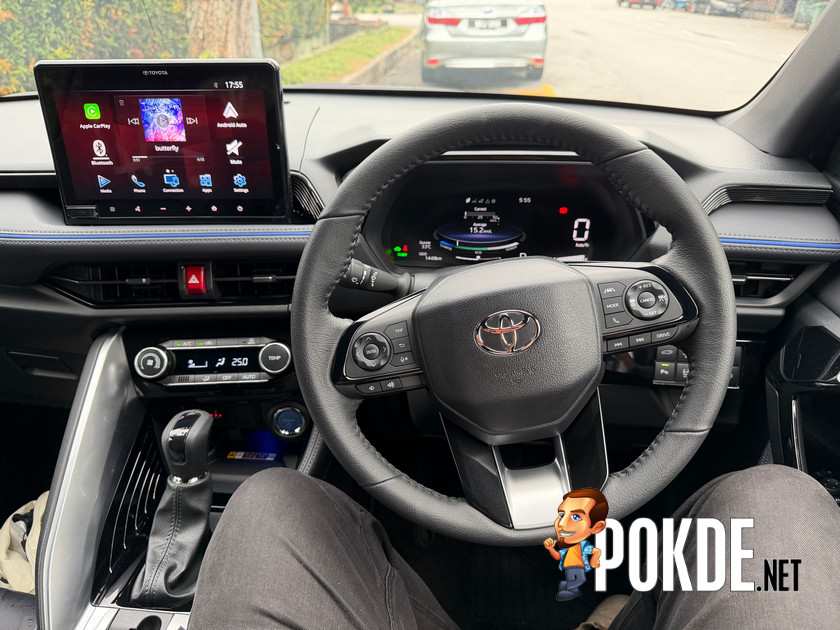
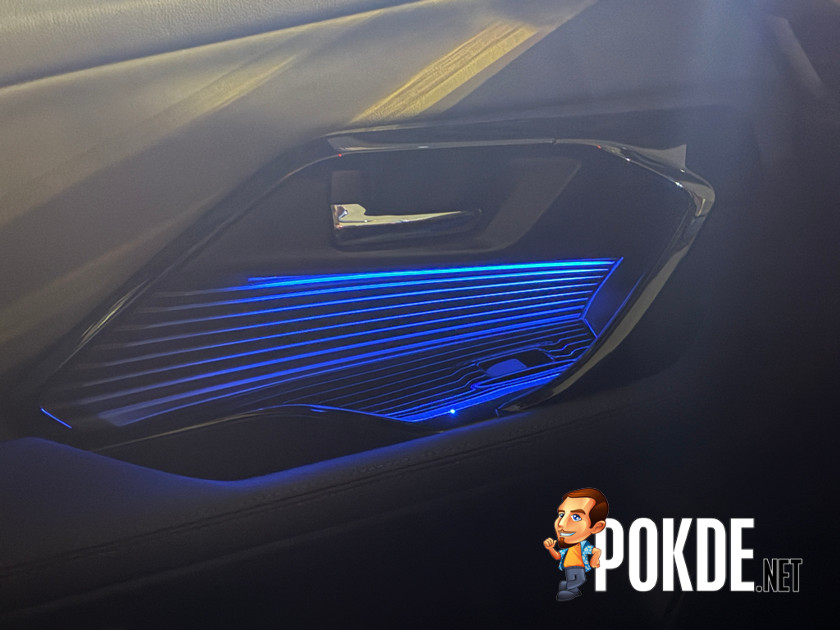
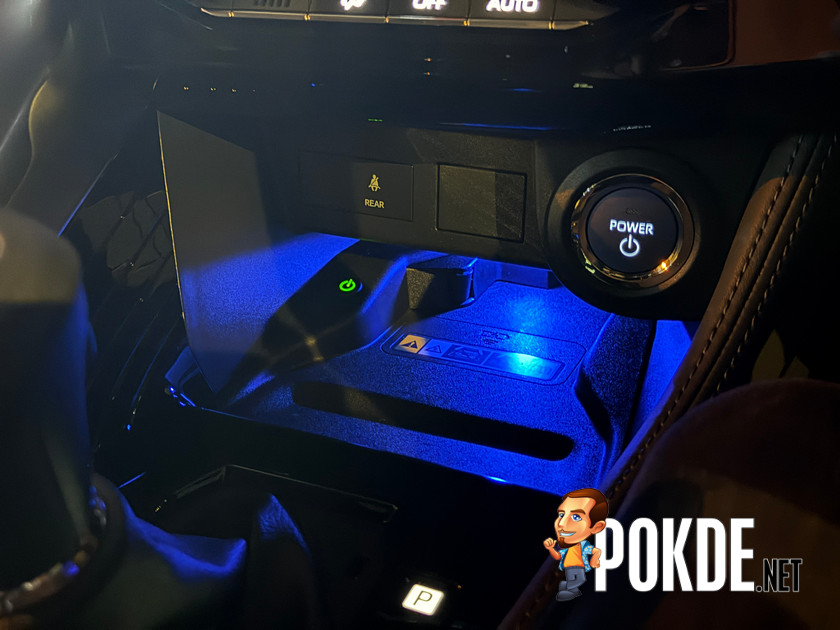
Step inside and the Yaris Cross is genuinely well-equipped for its segment. A 10.1-inch touchscreen handles wireless Apple CarPlay and Android Auto, a 7-inch TFT digital instrument cluster with four configurable display modes sits ahead of the driver, and blue ambient interior lighting adds a premium feel to the cabin at night. The 8-way power adjustable driver seat is a welcome touch, and rear passengers are not forgotten either, with dedicated air conditioning vents and two USB-C charging ports tucked into the back.
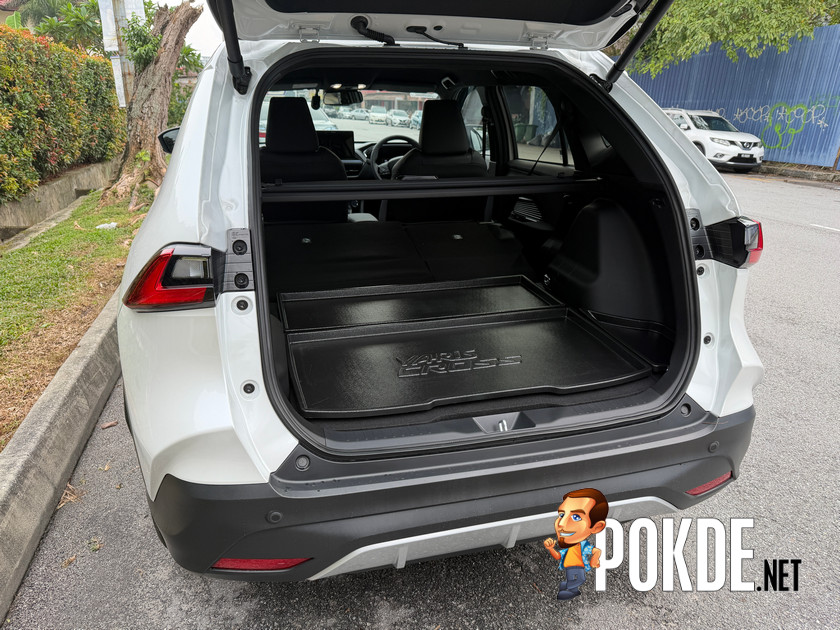
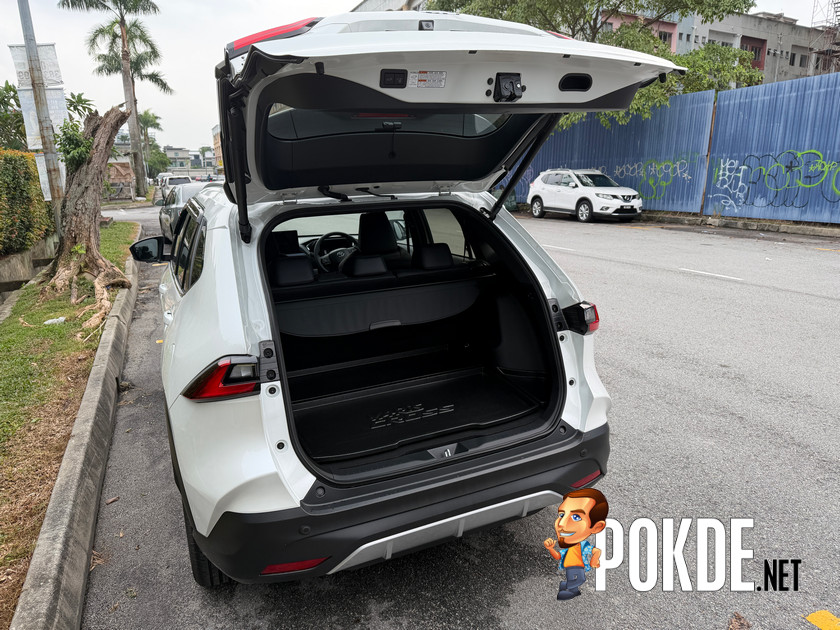
The kick-sensor power tailgate is genuinely handy when your hands are full, and one particularly smart piece of engineering worth calling out is the high-voltage battery being mounted beneath the rear seats rather than eating into boot space. This allows for a spare tyre (space-saver spare tyre (195/65 R16)) under the floor and an adjustable cargo floor height, making the 465-litre boot as practical as it is well-thought-out.
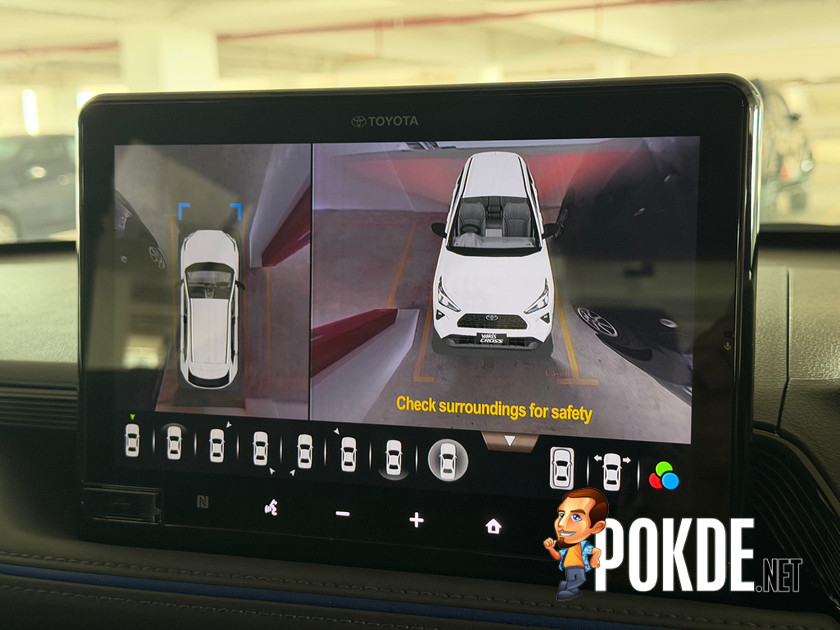
That said, the economy platform origins are hard to completely mask. Hard plastics dominate much of the dashboard, and the hollow-sounding door panels do little to elevate the perceived quality. The interface on the 10.1-inch screen looks noticeably low-resolution up close, and the 360-degree camera image shares the same underwhelming sharpness.
There is also a somewhat awkward silver trim piece that juts out near the shifter, which does nothing useful except eat into the front passenger footwell. The wireless charger placement is equally awkward, sitting close enough to the shifter and start button arrangement that anything larger than a standard-sized phone becomes a hassle to seat properly. Small gripes in isolation, but they add up.


Specifications
| Specification | Details |
|---|---|
| Engine | 1.5L 2NR-VEX DOHC + Dual VVT-i |
| Electric Motor Power | 59 kW (80 PS) |
| Engine Power | 67 kW (91 PS) at 5,500 rpm |
| Engine Torque | 121 Nm at 4,000–4,800 rpm |
| Electric Motor Torque | 141 Nm |
| Combined Output | 82 kW (111 PS) |
| Transmission | e-CVT |
| Drive System | Front-Wheel Drive |
| Suspension (Front) | Macpherson Strut with Stabiliser |
| Suspension (Rear) | Torsion-Beam with Stabiliser |
| Brakes | Disc / Disc |
| Tyres & Rims | 215/55 R18 Alloy (Machining) |
| Length | 4,310 mm |
| Width | 1,770 mm |
| Height | 1,615 mm (inc. antenna) |
| Wheelbase | 2,620 mm |
| Ground Clearance | 210 mm |
| Kerb Weight | 1,245 kg |
| Fuel Tank Capacity | 36 litres |
| Cargo Space | 465 litres |
| Fuel Consumption | 3.6L/100km (NEDC Combined) |
| Safety Rating | 5-Star ASEAN NCAP |
| Warranty | 5 years unlimited mileage (vehicle), 8 years unlimited mileage (hybrid components) |
The Good
Fuel efficiency that genuinely impresses
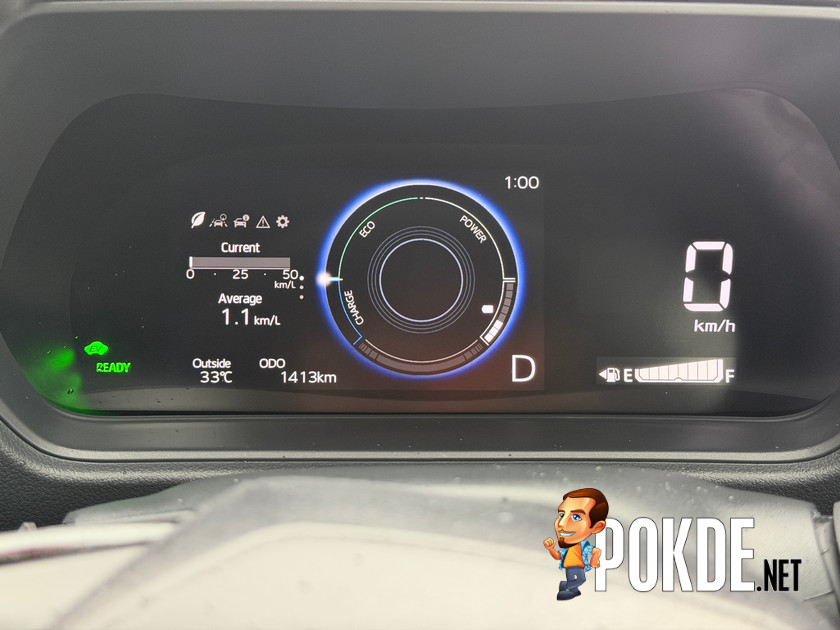
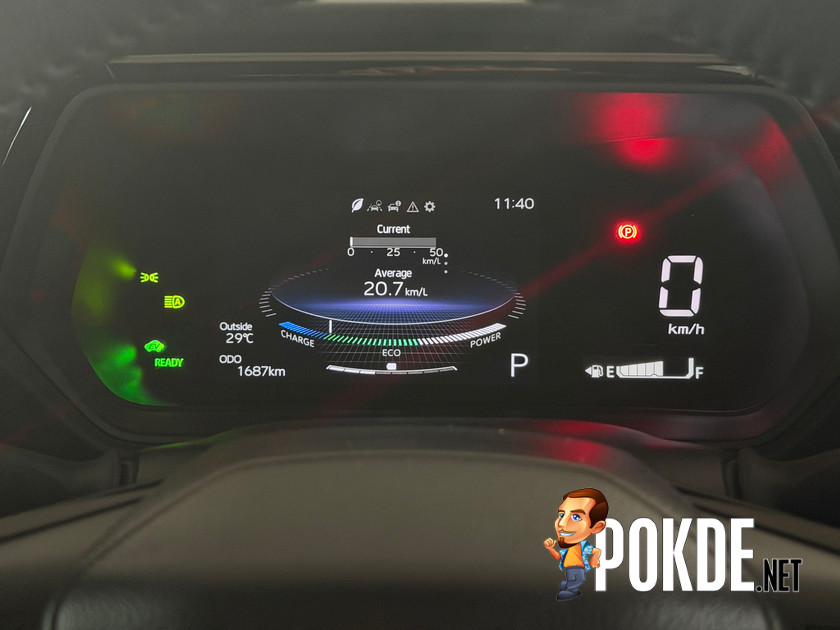
The Yaris Cross HEV’s real-world fuel consumption is one of its strongest arguments. Achieving figures well north of 20 km/L in mixed driving conditions is no small feat for a compact SUV, and the NEDC combined rating of 3.6L/100km sets a high benchmark for the segment.
From our own testing, we drove for 274 km and used about 13.5 litres of fuel. Based on those figures, the fuel consumption we got is 274 km / 13.5 L = 20.3 km / L = 4.92 L / 100km. Just for comparison’s sake, the instrument cluster shows a reading of 20.7 km / L, which is pretty close to our calculated figures. If this doesn’t seem like a particularly high figure, do keep in mind that the car is still relatively new so I expected fuel consumption to improve after it has broken in a bit. Moreover, I was driving like a mad man at times just to see how far I can push the car, which also leads me to my engine noise complaint, which I will explain in a later section.
For anyone doing regular daily commutes, the savings over a conventional petrol car will be felt at every trip to the pump. Factor in the 4th generation Toyota Hybrid Electric System’s ability to run on battery power alone during lower-speed conditions and the efficiency story becomes even more compelling. Your best bet to maximize fuel efficiency is to be relatively light footed.
Design that stands out in its segment
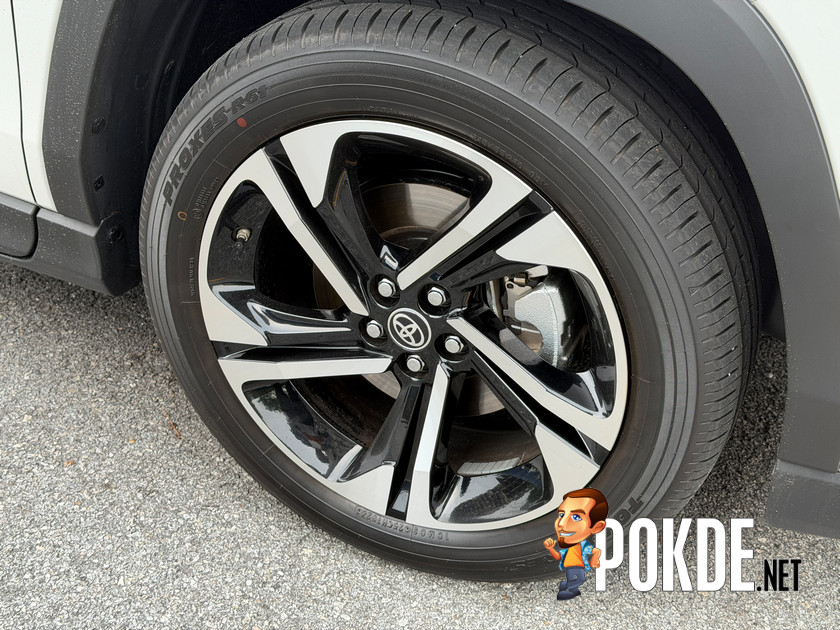
In a segment where most competitors play it safe with anonymous, inoffensive styling, the Yaris Cross HEV is genuinely attractive. The bold exterior proportions, sharp lighting signatures, and 18-inch alloy wheels give it a presence that feels a size above what it actually is. It still draws attention without trying too hard, which is a balance that is surprisingly difficult to achieve at this price point.
I’d also like to point out that with its 1,615mm height and ground clearance of 210mm, some may consider it on the shorter side but it’s still a proper crossover and it’s the ride height is just nice to get a good overview of what’s in front of you as you drive it. It would be nice if it was a little taller but personally, this is perfectly fine for most drivers as you can still see clearly past all the non-crossover or equivalent vehicles.
A thoughtful and generous feature set
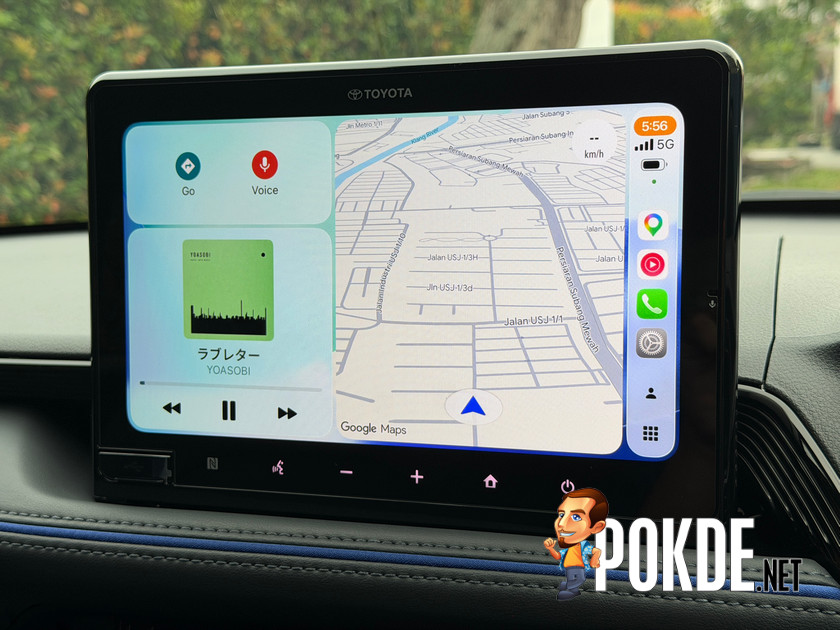
Wireless CarPlay and Android Auto, a dual-screen digital cockpit, ambient interior lighting, an 8-way power driver seat, rear USB-C charging, a kick-sensor power tailgate, and a full Toyota Safety Sense suite make for a feature list that would be considered generous at a higher price point. The safety system in particular is worth highlighting, covering pre-collision warning and braking, adaptive cruise control with full speed range, lane departure warning and prevention, blind spot monitor with rear cross traffic alert, and a 3D panoramic view monitor. Better still, sensitivity levels and alert timing for most features can be adjusted through the menu, and you can even mute certain audible warnings entirely, which means the system assists without annoying.
Smart packaging where it counts
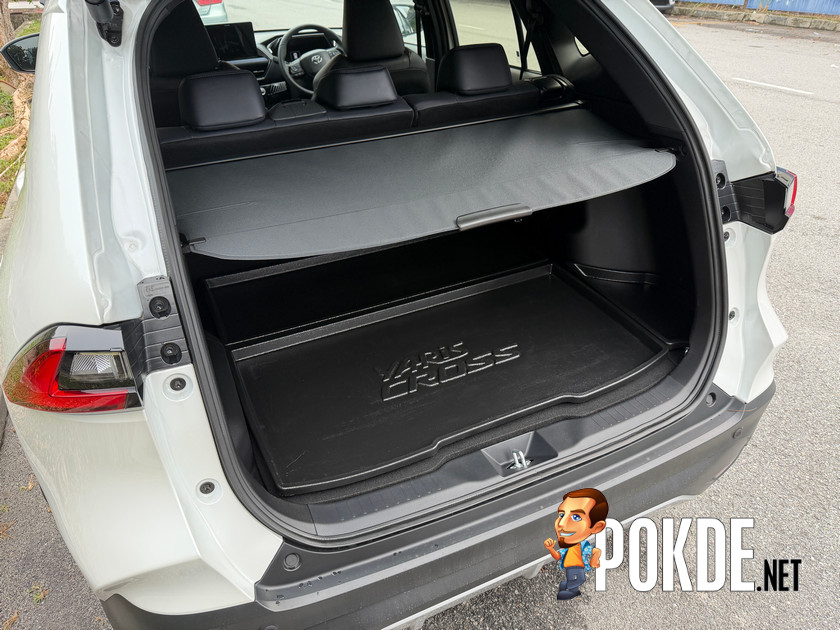
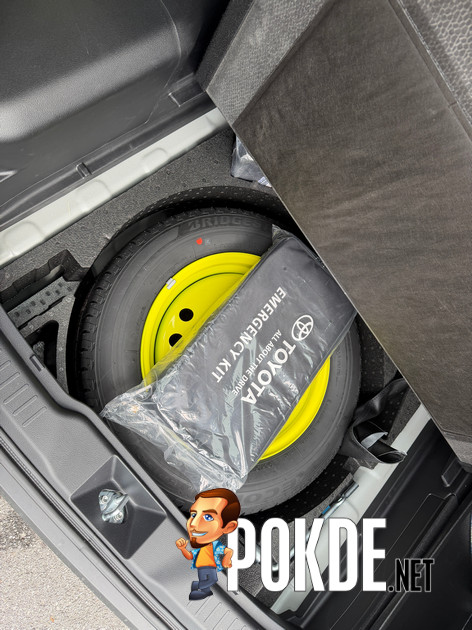
Mounting the high-voltage battery beneath the rear seats is a stroke of practical engineering. It preserves a proper 465-litre boot, allows for a spare tyre under the floor, and enables an adjustable cargo floor height for flexible loading. For a car built on an economy platform, Toyota has clearly thought carefully about how everyday usability translates into ownership satisfaction.
The Bad
Engine noise under load is hard to ignore
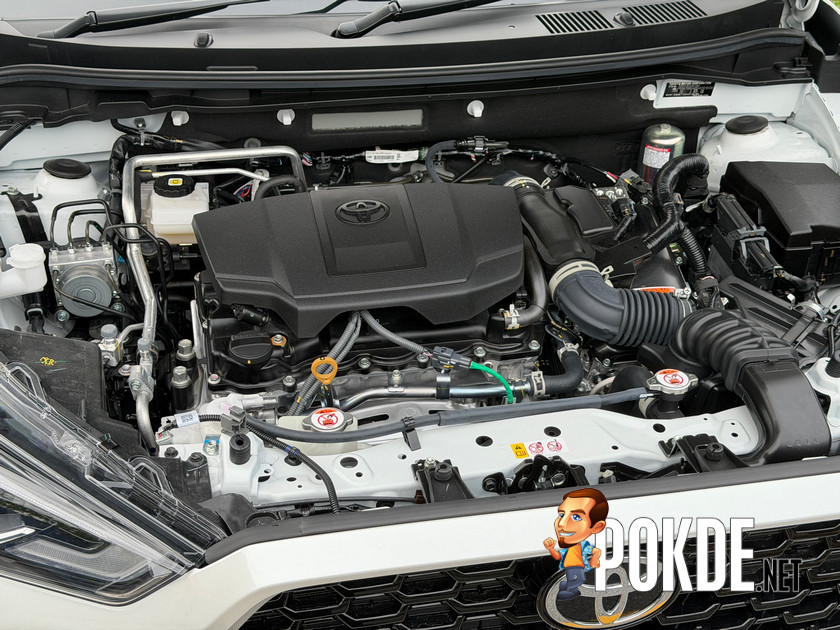
When the 1.5-litre engine kicks in and starts working harder, particularly when replenishing the hybrid battery at higher revs, cabin noise levels rise noticeably. It is the one area where the refinement gap between the Yaris Cross and a larger, more premium hybrid becomes most apparent. If anything, it kind of reminds me of the Perodua Ativa, a car I previously owned. Light-footed drivers will encounter this less often, but it is an unavoidable trait of the powertrain that is worth knowing going in.
Interior material quality does not match the exterior promise
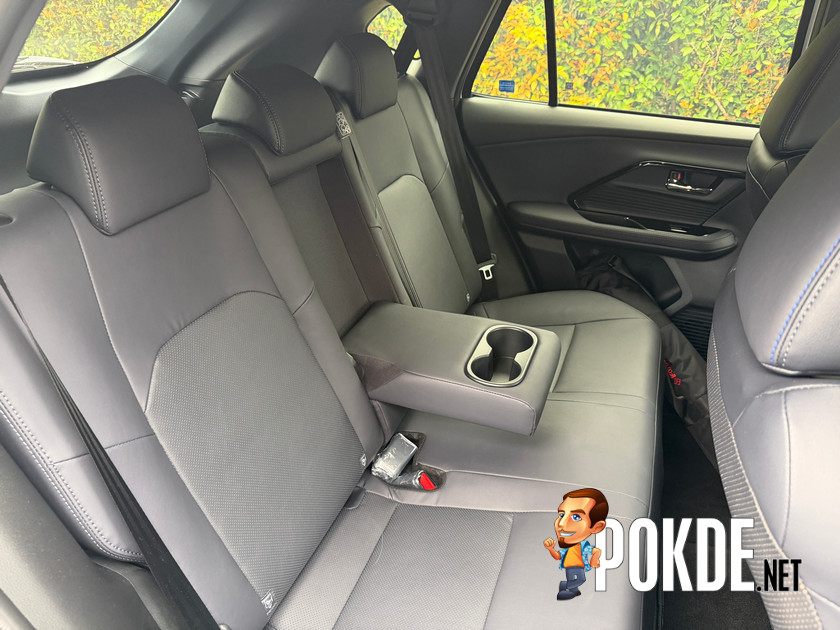
The dashboard is dominated by hard plastics, and the doors carry a hollow, tinny feel when shut. The 10.1-inch infotainment screen and 360-degree camera both look noticeably low-resolution up close. For a car that looks as premium as it does from the outside, stepping inside is a mild reality check that the economy platform roots are never too far away.
A few ergonomic oversights that should have been caught
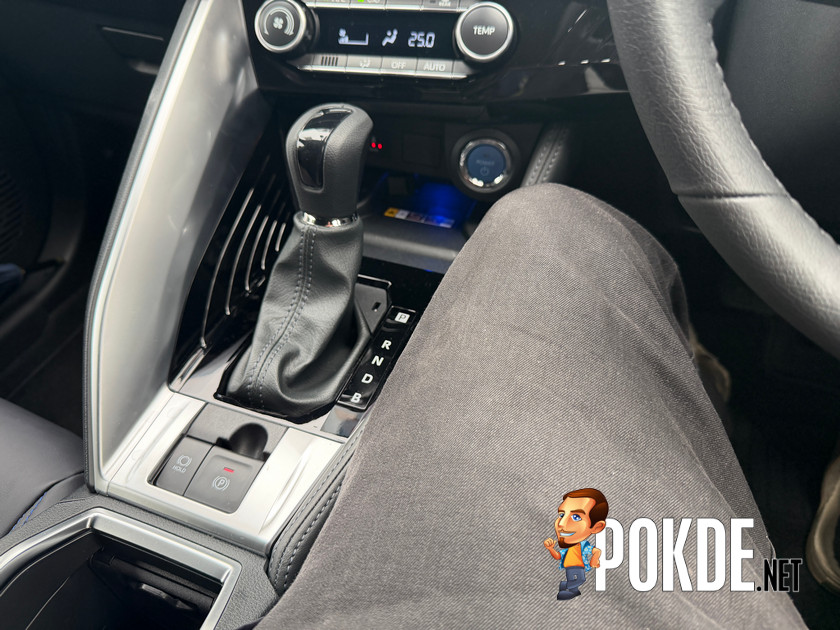
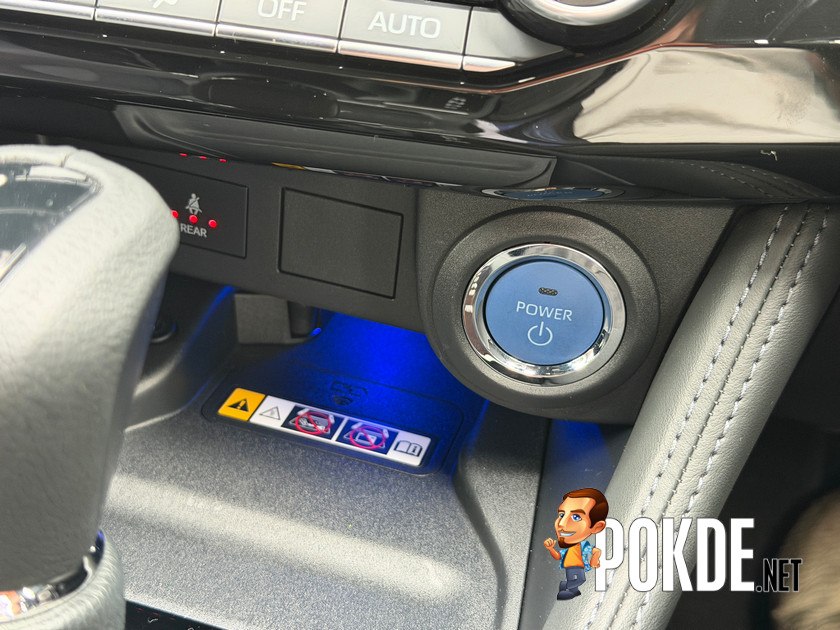
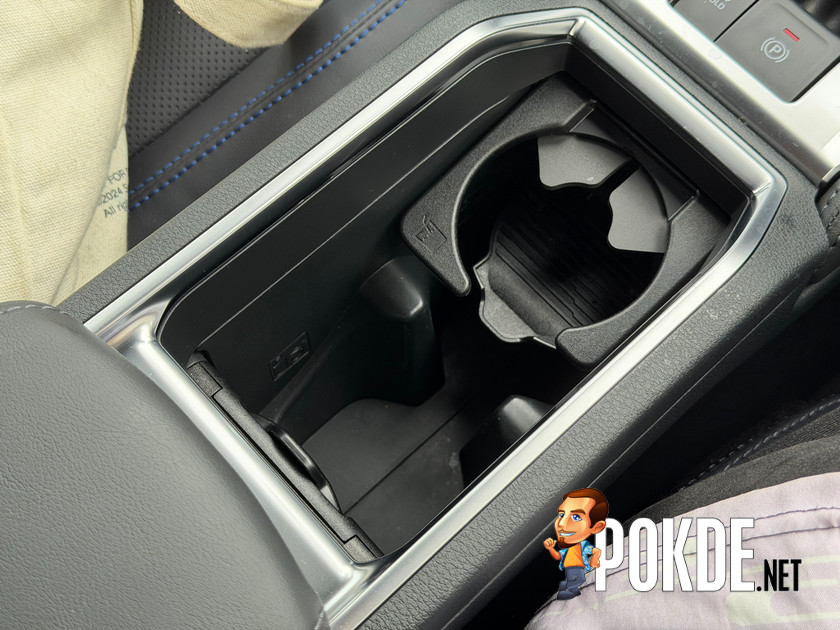
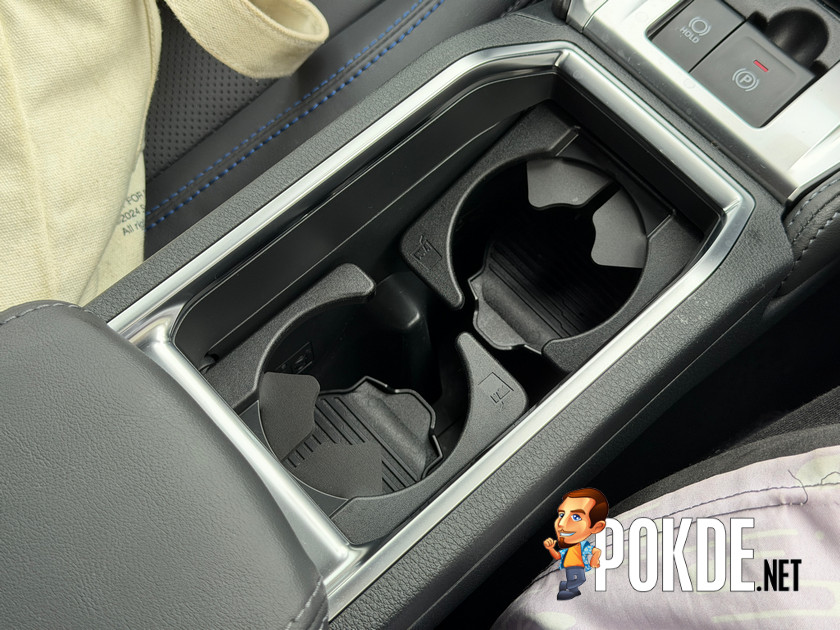
The wireless charger placement is awkward, sitting close enough to the shifter and start button arrangement that anything larger than a standard-sized phone becomes a hassle to seat properly. The cup holder sleeve designed to accommodate smaller drink containers is flimsy, and the silver trim near the shifter serves no functional purpose while cutting into the front passenger footwell. None of these are deal-breakers individually, but collectively they suggest some corners were cut during the interior development process.
2026 Toyota Yaris Cross HEV Verdict
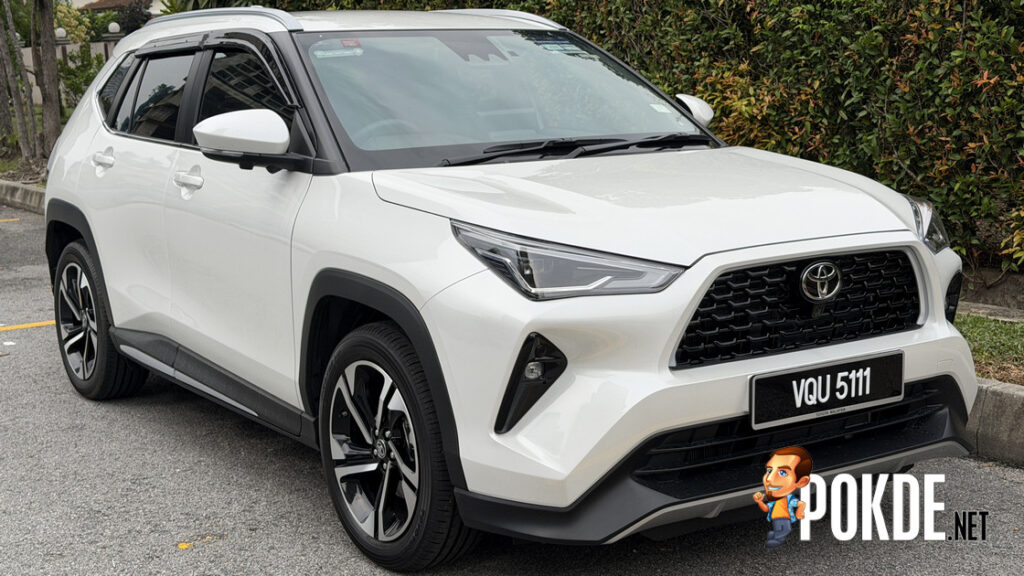
The 2026 Toyota Yaris Cross HEV makes a compelling case for itself as a compact hybrid SUV that punches above its weight in the areas that matter most to daily drivers. The fuel efficiency is genuinely excellent, the exterior design is one of the best-looking in its class, and the feature set is more generous than the price tag might suggest. Where it falls short is refinement, particularly engine noise under load and an interior material quality that does not quite match what the exterior promises. If your priorities sit firmly on style, running costs, and features, the Yaris Cross HEV delivers confidently. If a more premium cabin feel is non-negotiable, you may find yourself looking a segment up.
I would love to give it a Silver but at its refinement level, it reminds me too much of the Perodua Ativa. I was expecting a fit and finish that would resonate more with the Corolla Cross but perhaps that would be asking too much at its price of RM109,900. At the end of our 2026 Toyota Yaris Cross HEV review, I award this hybrid SUV with our Bronze Pokdeward.

Big thanks to Toyota Malaysia for loaning us this SUV for the purpose of this review.






![[Updated: Pricing] COROS PACE 4 Pro Now Available With Larger Display And Longer Battery Life - 138](https://cdn.pokde.net/wp-content/uploads/2026/10/14185816/corospace4procover-330x220.jpg "[Updated: Pricing] COROS PACE 4 Pro Now Available With Larger Display And Longer Battery Life - 139")