

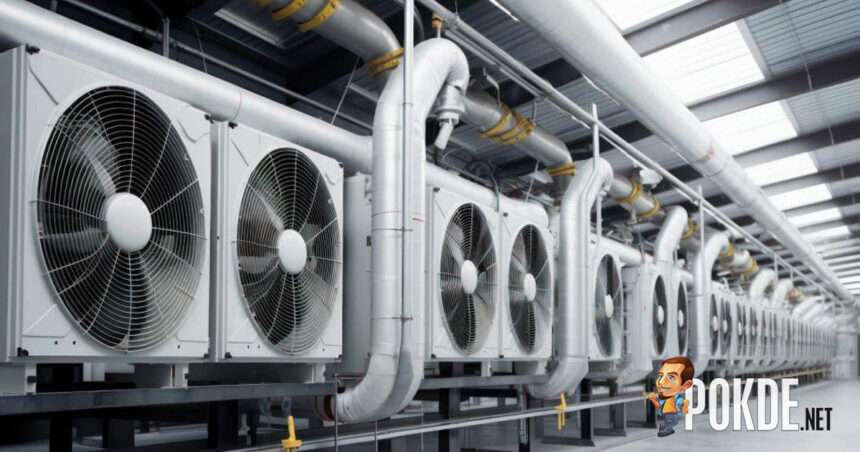
Schneider Electric has called for increased focus on HVAC efficiency across commercial, industrial, and critical facilities in East Asia, citing rising temperatures, growing cooling demand, and mounting pressure on building energy performance.
According to the International Energy Agency’s Energy Efficiency 2025 report, space cooling is the fastest-growing source of electricity demand in buildings globally, increasing by more than 4% annually. The United Nations Environment Programme’s Global Cooling Watch 2025 states that cooling demand could more than triple by 2050 under a business-as-usual scenario.
Schneider Electric: Smarter HVAC Key To Energy Efficiency

The pressure is particularly significant in Asia’s hot and humid markets, where commercial buildings, hospitals, airports, data centers, and industrial facilities rely on consistent cooling for operations. Xingjian Pang, Zone President for East Asia at Schneider Electric, said cooling is becoming a strategic capability as urbanization, electrification, and AI increase demand for efficient buildings, adding that the challenge involves operating cooling systems more intelligently rather than simply expanding capacity.
In large or complex facilities, chillers, pumps, fans, and air-handling units may continue running at fixed or inefficient levels even when cooling demand is lower. Schneider Electric states that connected controls, real-time monitoring, data analytics, and AI can help operators align cooling output with actual demand and identify inefficiencies.
The growth of AI and digital infrastructure is contributing to increased cooling demand, as expanding AI workloads drive investment in data centers with higher power density and cooling requirements. The International Energy Agency projects that global electricity consumption from data centers could more than double by 2030, reaching approximately 945 terawatt-hours. McKinsey separately estimates AI-related data center capacity demand could reach around 156 gigawatts by the end of the decade.
Kyung Rog Kim, Vice President of Industrial Automation for East Asia at Schneider Electric, said the future of HVAC systems will depend on software, connectivity, and intelligence, noting that open, software-defined automation and connected controls can help operators identify inefficiencies and anticipate maintenance needs. “This gives organizations a clearer path towards measurable operational improvements, including lower energy consumption, reduced downtime and greater adaptability across the system lifecycle,” he continued.
Eugene Quah, Country President of Schneider Electric Malaysia, said: “In Malaysia, rising investment in data centers, commercial buildings and advanced industries is increasing pressure on energy use, operating costs and infrastructure resilience. Smarter, integrated HVAC systems can help businesses improve efficiency in line with priorities such as the Energy Efficiency and Conservation Act, while supporting Malaysia’s energy transition and Schneider Electric’s role as the country’s energy technology partner.”



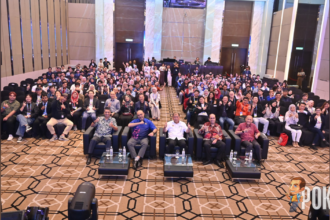
The statements were shared during Schneider Electric’s East Asia Partners Event in Kuala Lumpur, where the company introduced its Altivar HVAC ATH200 and ATH600 variable speed drives, along with Active Harmonic Filter solutions intended to support cooling efficiency and power quality management.
Pokdepinion: While Schneider Electric’s emphasis on intelligent HVAC systems aligns with documented regional cooling trends, the actual adoption rate among facility operators will likely hinge on upfront costs versus long-term energy savings.