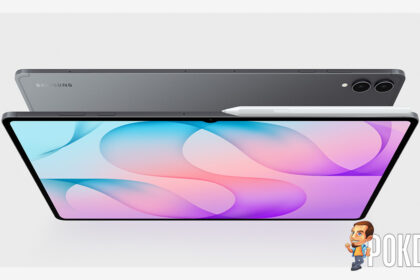

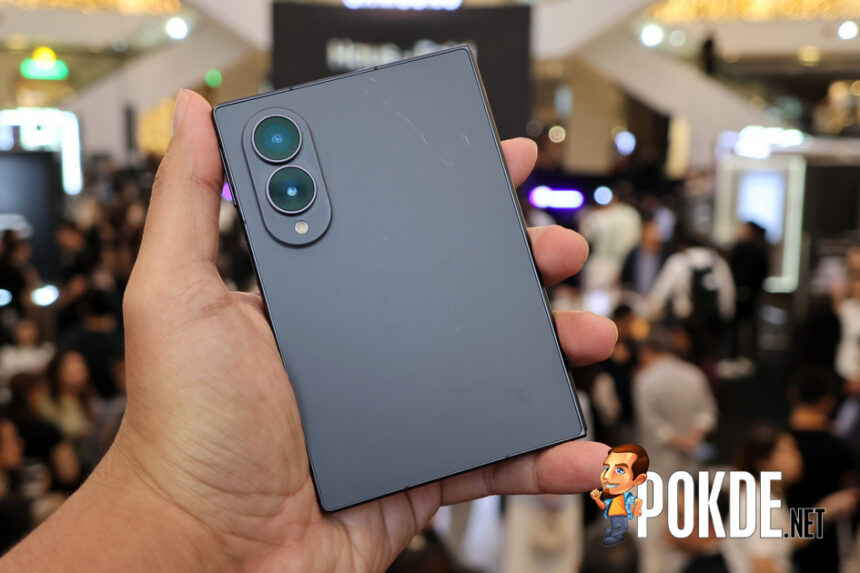
Samsung’s Galaxy Z Fold8 lineup arrives with an unusually blunt trade-off built into the price tag. Buy the standard Z Fold8, and you get Samsung’s lightest, most pocketable book-style foldable yet. Buy the Z Fold8 Ultra, and you get the camera system that actually earns the word “flagship.” The catch is that Samsung isn’t letting you have both, and that decision has turned the Fold8’s missing telephoto lens into the most contested detail of this year’s launch.
The Spec Sheet Gap
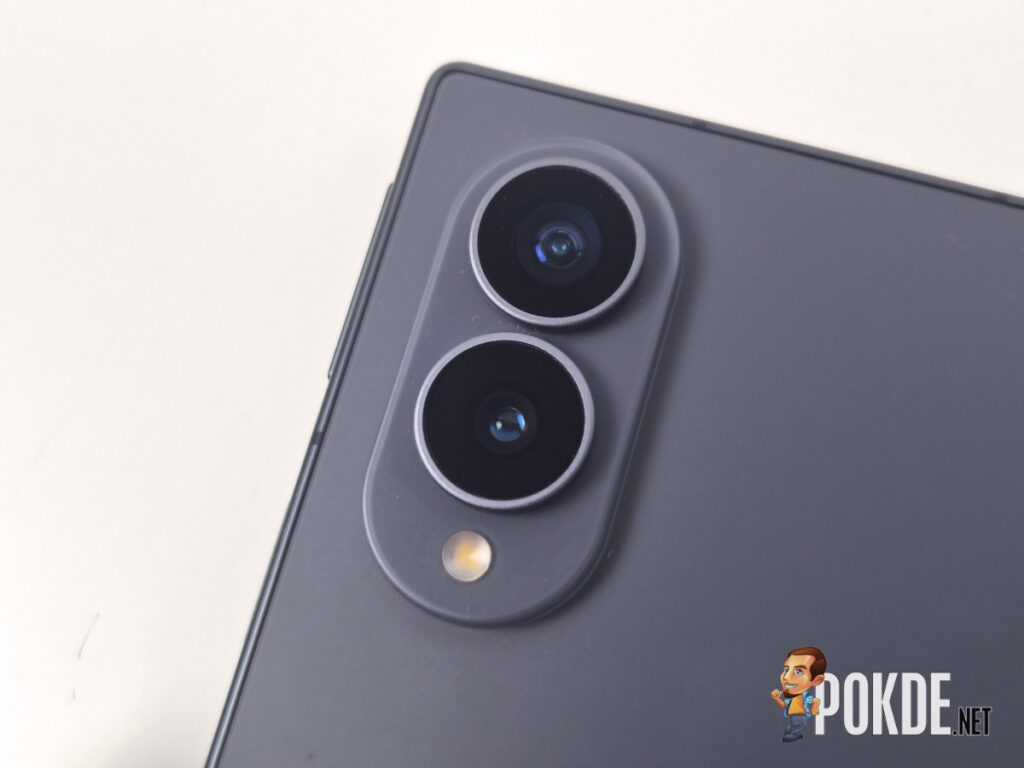
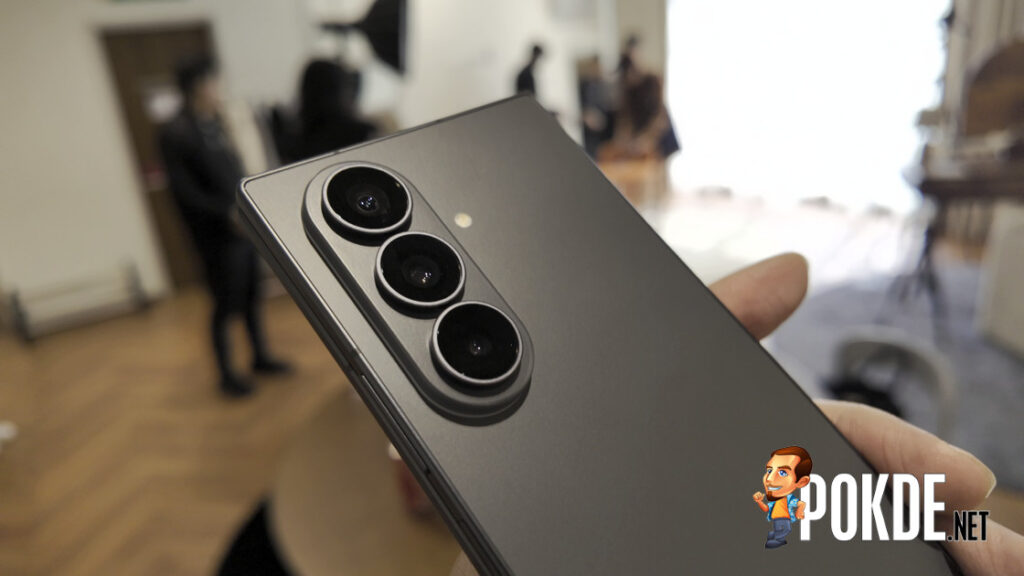
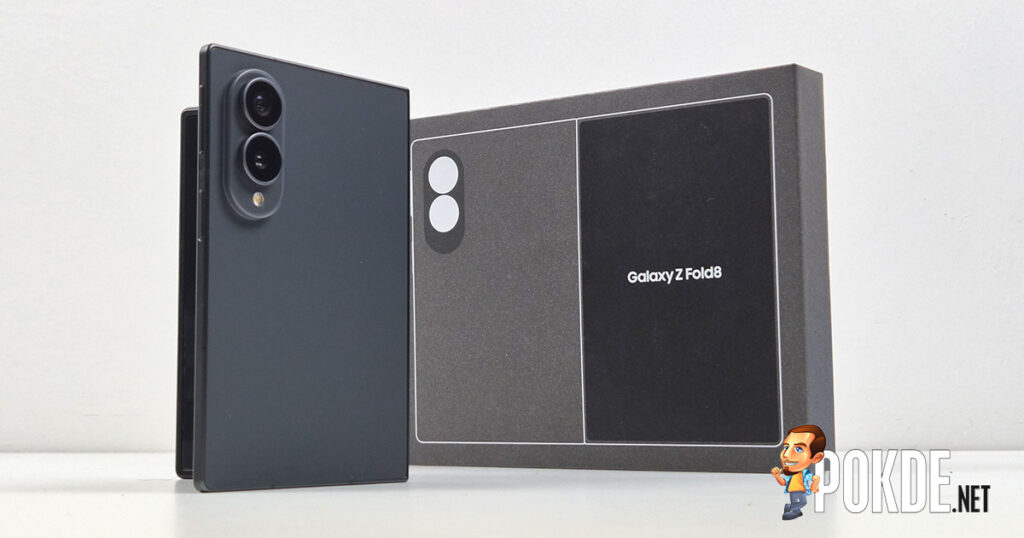
The standard Z Fold8 ships with a two-camera rear setup: a 50MP wide sensor and a 50MP ultrawide, the latter shared with the Ultra model. The Z Fold8 Ultra adds a third lens and swaps in meaningfully better hardware across the board:
- 200MP main sensor (versus 50MP on the Fold8), paired with a faster f/1.7 aperture for better light gathering
- 10MP telephoto lens with 3x optical zoom, hardware the standard Fold8 doesn’t have at all
That gap isn’t a rounding error. It’s the difference between a phone that treats its camera as a secondary feature and one that treats it as the headline.
Samsung’s Argument: You Won’t Miss It
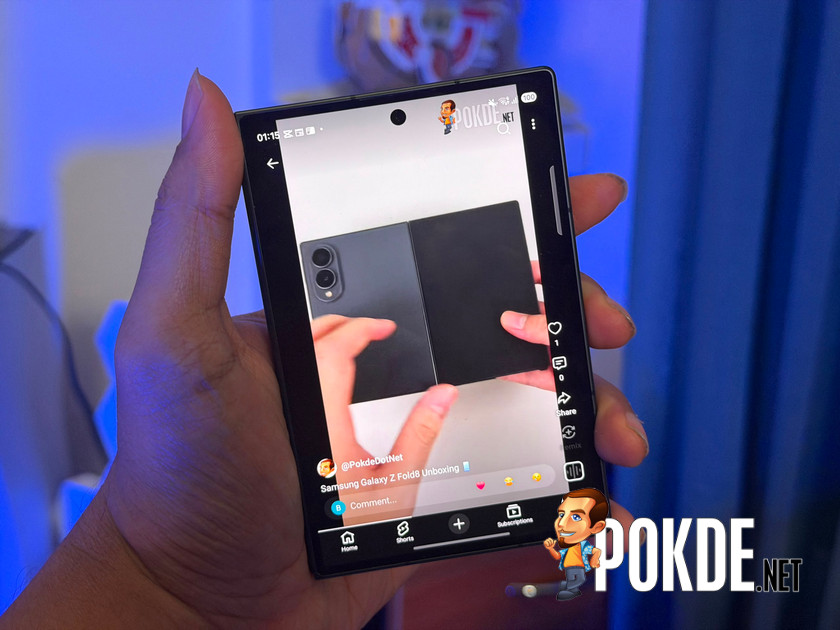
Samsung’s pitch for the standard Fold8 leans on a fairly reasonable premise, that most foldable buyers reach for these devices to multitask, read, or juggle apps across a big inner screen, not to chase professional photography. A few points support that framing:
- The 50MP main sensor still allows a 2x in-sensor crop that holds up reasonably well for everyday shots and social posts.
- In good lighting, some early testing suggests the visual gap between the Fold8’s digital crop and the Ultra’s optical zoom narrows at the 3–4x range, though it doesn’t disappear.
- Dropping the telephoto module and the larger sensor helped Samsung trim the Fold8 down to 201g, a real 14g lighter than the Ultra’s 215g, noticeable in a phone this size.
The Upside Nobody’s Talking About
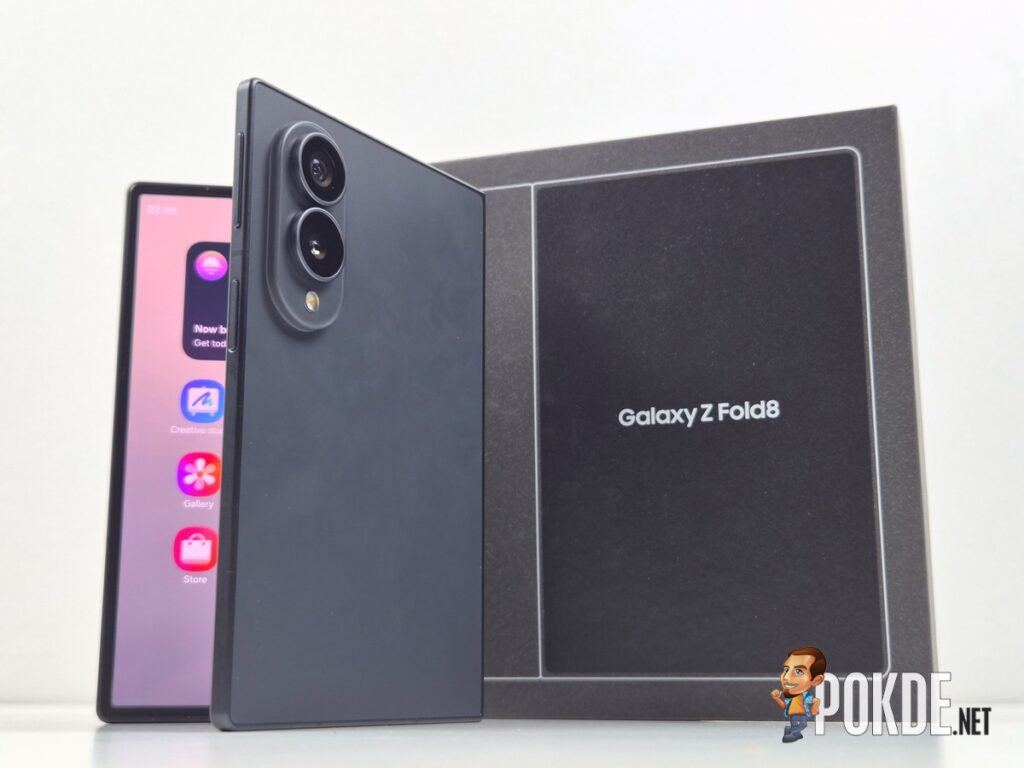
Buried under the complaints, there’s a genuinely fair case that leaving the telephoto off the standard Fold8 was the right call for the phone Samsung was actually trying to build.
- It keeps the price gap honest. The standard Fold8 starts at $1,899.99, a full $200 under the Ultra’s $2,099.99. That’s not a token discount, it buys real hardware elsewhere, and it keeps Samsung’s foldable line from becoming a $2,000-plus-only category.
- Fewer camera modules means a thinner, cleaner build. A third lens and a larger sensor stack take up real estate inside a chassis that’s already fighting to be thin when folded. Skipping the telephoto is part of what let Samsung market the Fold8 as its lightest foldable to date, rather than adding bulk for a feature a chunk of buyers wouldn’t use often.
- It simplifies the camera app. With one fewer focal length to manage, switching between wide and ultrawide is more direct, and there’s no telephoto module to factor into autofocus hunting or low-light handoff between lenses, a small but real usability plus.
- It’s a clearer product line, not a confusing one. Rather than nickel-and-diming a mid-tier zoom lens onto every model, Samsung drew a hard line: the Ultra is the camera-first phone, the standard Fold8 is the everything-else phone. That’s arguably more honest than years of “flagship” phones that included a token zoom lens too weak to be genuinely useful anyway.
The trouble is that “you probably won’t need it” is a harder sell on a device that starts well north of $1,700. Optical zoom isn’t a nice-to-have Samsung skipped for fun, it’s a hardware capability no amount of software can fully replicate. Digital zoom crops and upscales; optical zoom physically magnifies without shredding detail. The difference shows up fastest in exactly the situations people actually reach for zoom: kids and pets that won’t sit still, distant signage, anything where you can’t just walk closer.
For a phone in this price bracket, asking buyers to give that up entirely, not scale it back, but lose it outright, is a tougher pitch than Samsung’s marketing suggests.
Related Article

The Real Frustration: You Can’t Mix and Match
The sharpest criticism isn’t really about the telephoto lens in isolation. It’s that Samsung has split its best ergonomics and its best camera across two different bodies, and won’t let you choose one from each column.
The standard Z Fold8 introduces a genuinely well-liked new shape, a shorter, wider “passport” form factor that a lot of users prefer in hand. But to get the 200MP sensor and 3x zoom, you have to move up to the Ultra’s taller, heavier chassis. There’s no version of the Z Fold8 that pairs the shape people want with the camera people want.
That leaves a real segment of buyers stuck making a compromise Samsung didn’t have to force on them; better feel in hand, or better photos. For now, they’re waiting on a future Fold that finally offers both. At its current state, the Samsung Galaxy Z Fold8 is a great foldable, but there will always be a thought of “getting more” from any device that a consumer would get their hands on. In this case, it’s the camera.
In case you missed it, check out our Samsung Galaxy Z Fold8 review by clicking right here.