
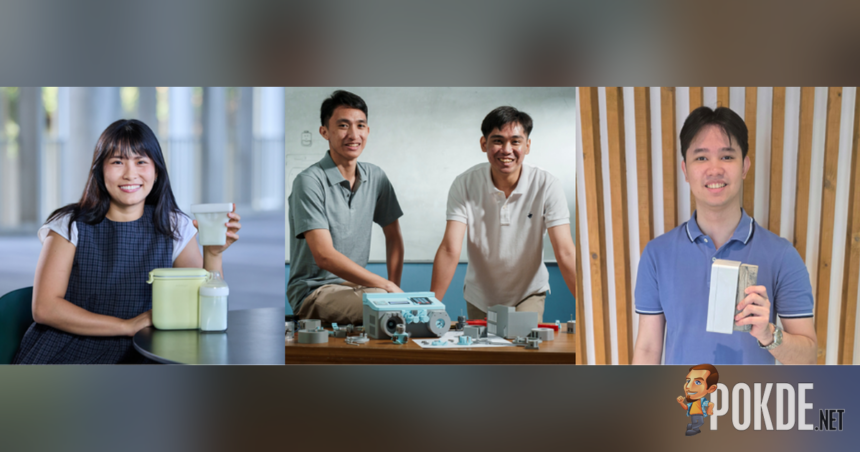
Three student-led inventions from Southeast Asia have been recognized in the 2026 James Dyson Award Global Top 20, a shortlist of 20 finalists selected from entries across 28 countries and regions. The three inventions, from Singapore and the Philippines, are mömigo, BiDaKidney, and Sentinel. Each invention now advances to the final stage of judging, where Sir James Dyson will select the global winners to be announced on 4 November 2026.
The Three Southeast Asian Finalists Of 2026 James Dyson Award


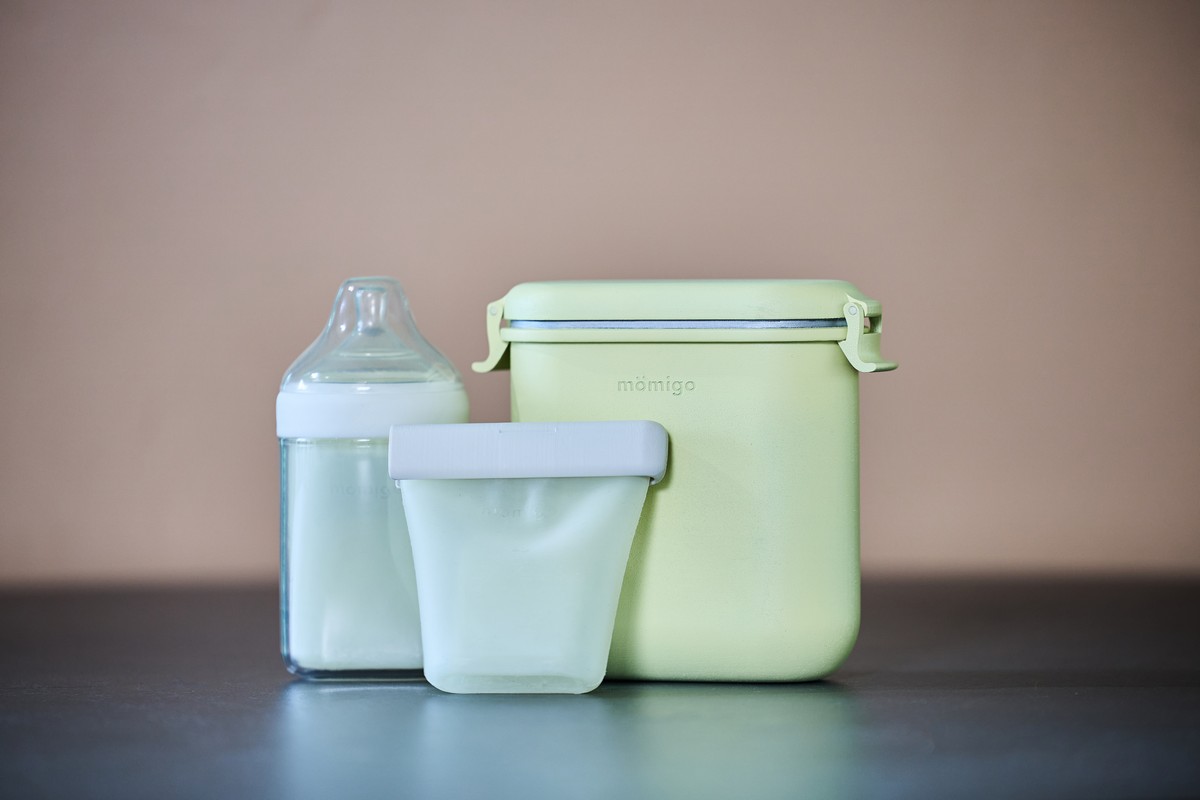
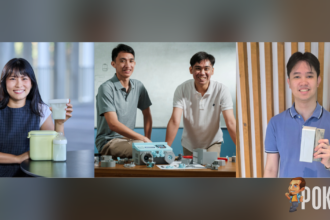
mömigo was developed by Nicolette Wong from the National University of Singapore (NUS). Inspired by watching her sister navigate early motherhood, Wong created a reusable silicone system that allows expressed breastmilk to be stored, warmed, and fed from the same container. The system combines the portability of a breastmilk storage bag with the functionality of a feeding bottle, sealing flat for storage and connecting to a warming unit when needed before attaching a teat for feeding. It is designed to reduce the number of containers and transfers required when parents are away from home.
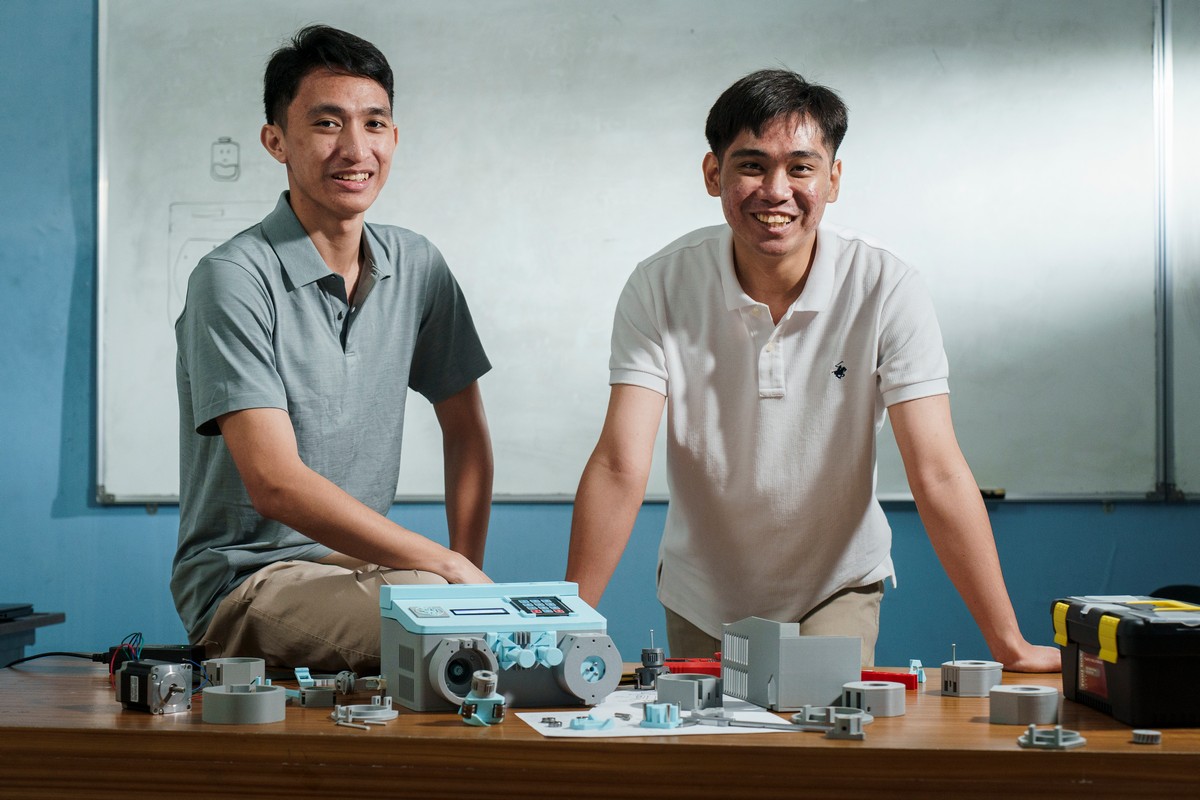
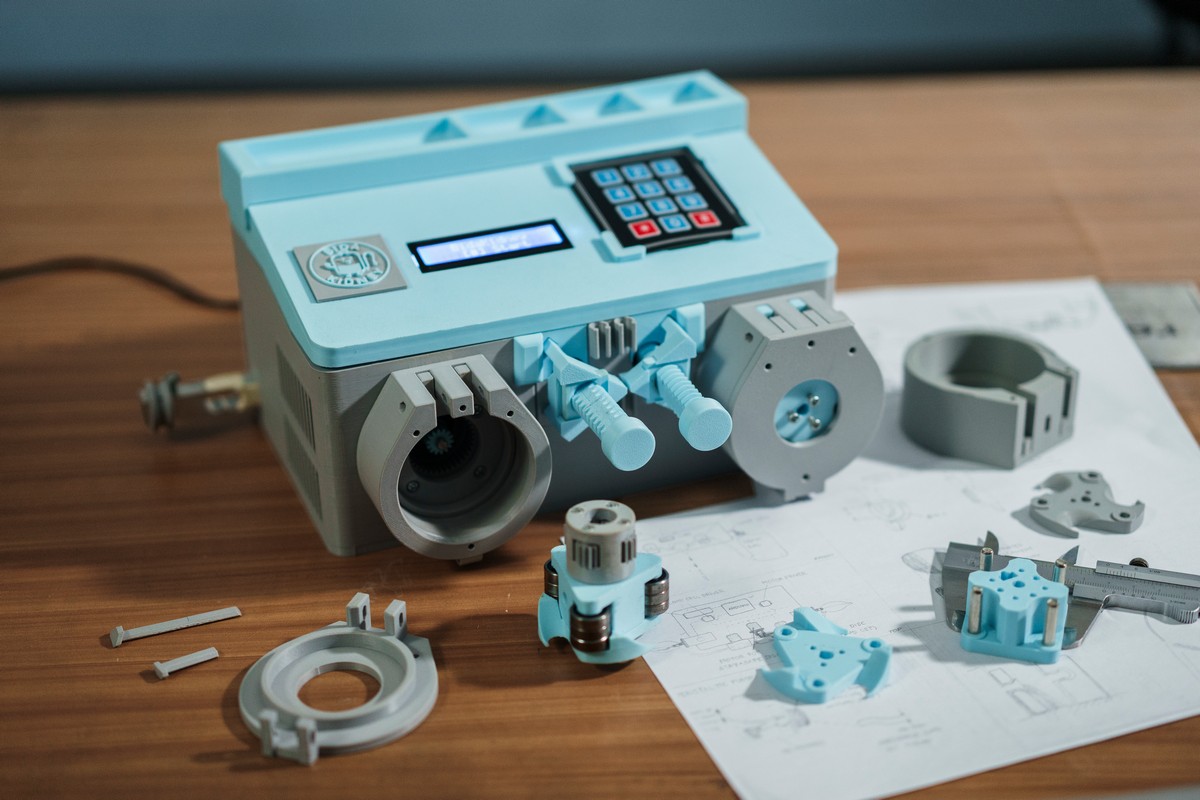
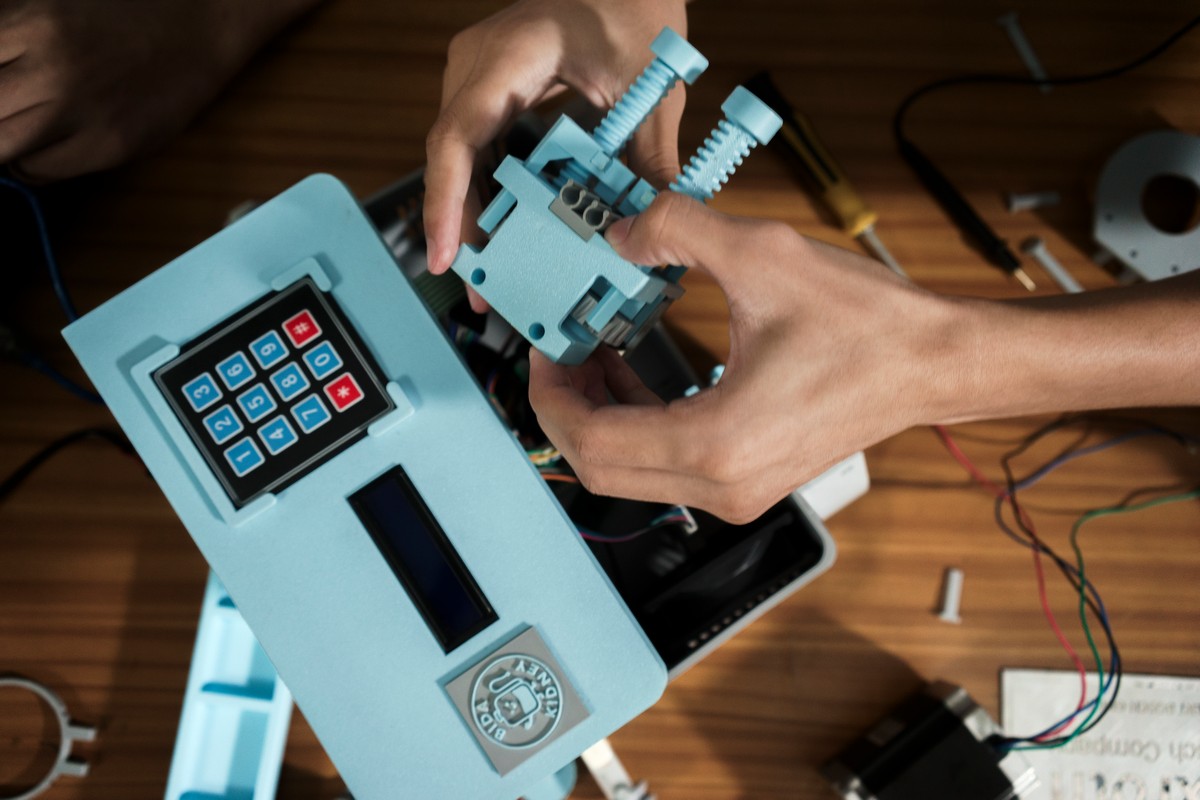
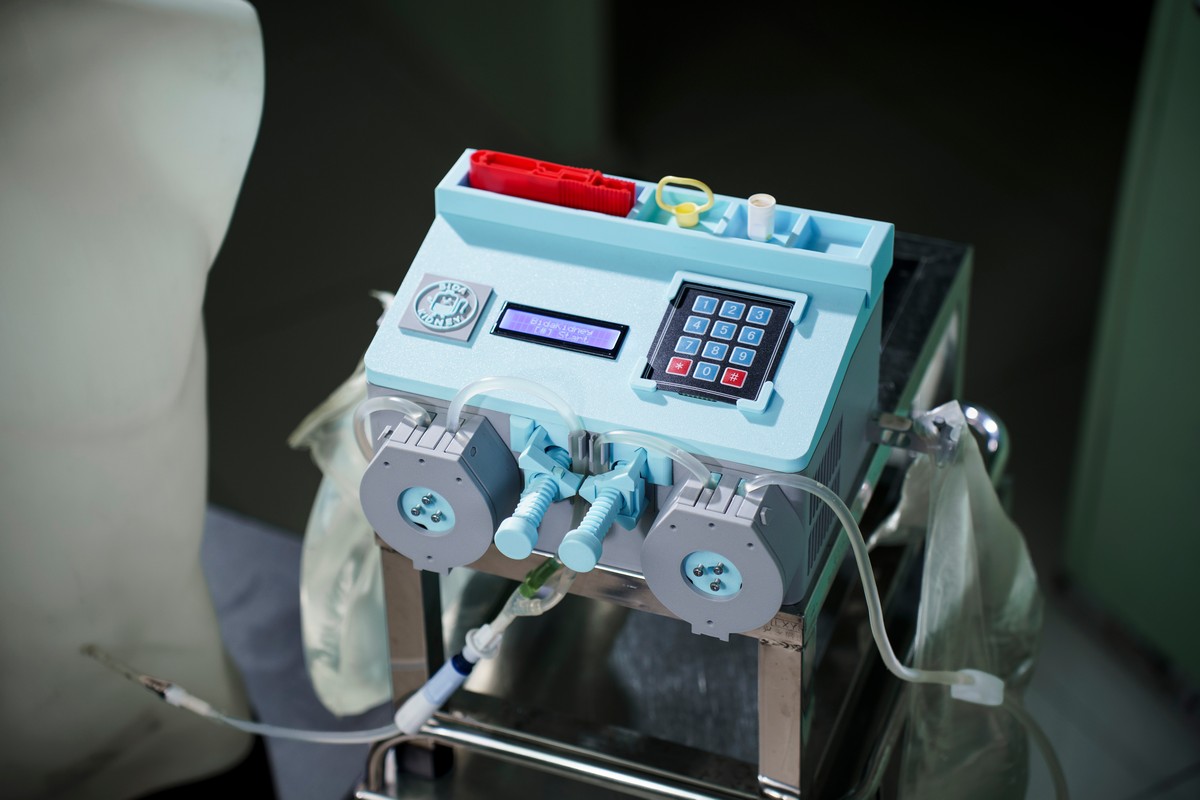
BiDaKidney was developed by Andrew Jacob Buensalido and Allyson Cabrestante from the University of the Philippines Diliman. The device is a low-cost, semi-automated peritoneal dialysis machine which makes automated dialysis treatment more accessible to patients with kidney failure. Commercial automated peritoneal dialysis machines can cost RM40,850 and above, while BiDaKidney targets a manufacturing cost of approximately RM410. The compact device automates the movement of dialysis fluid, monitors the volume delivered, and is designed for compatibility with widely available dialysis sets.
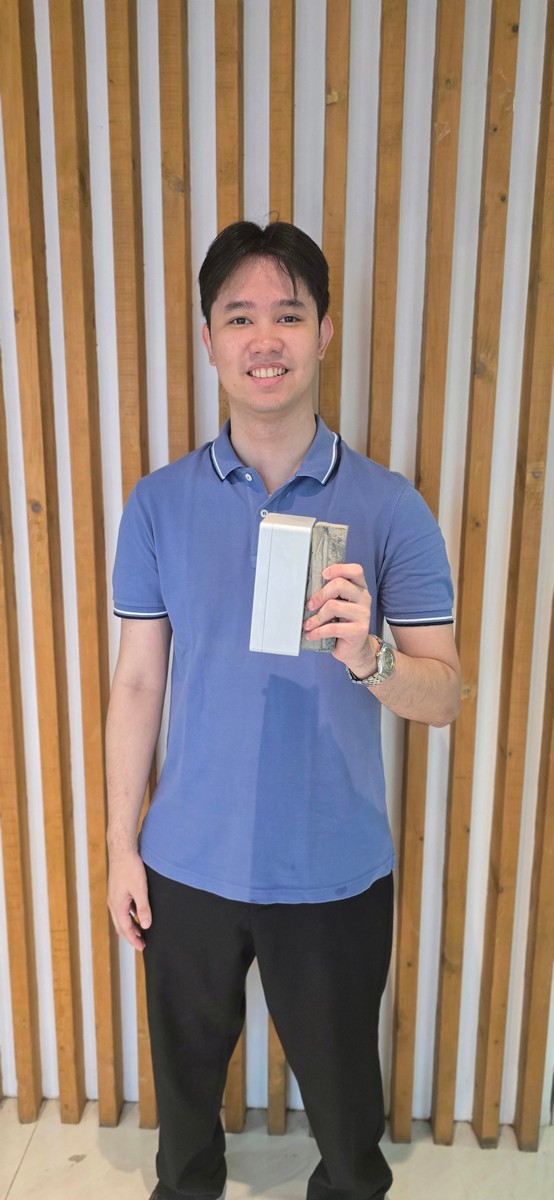
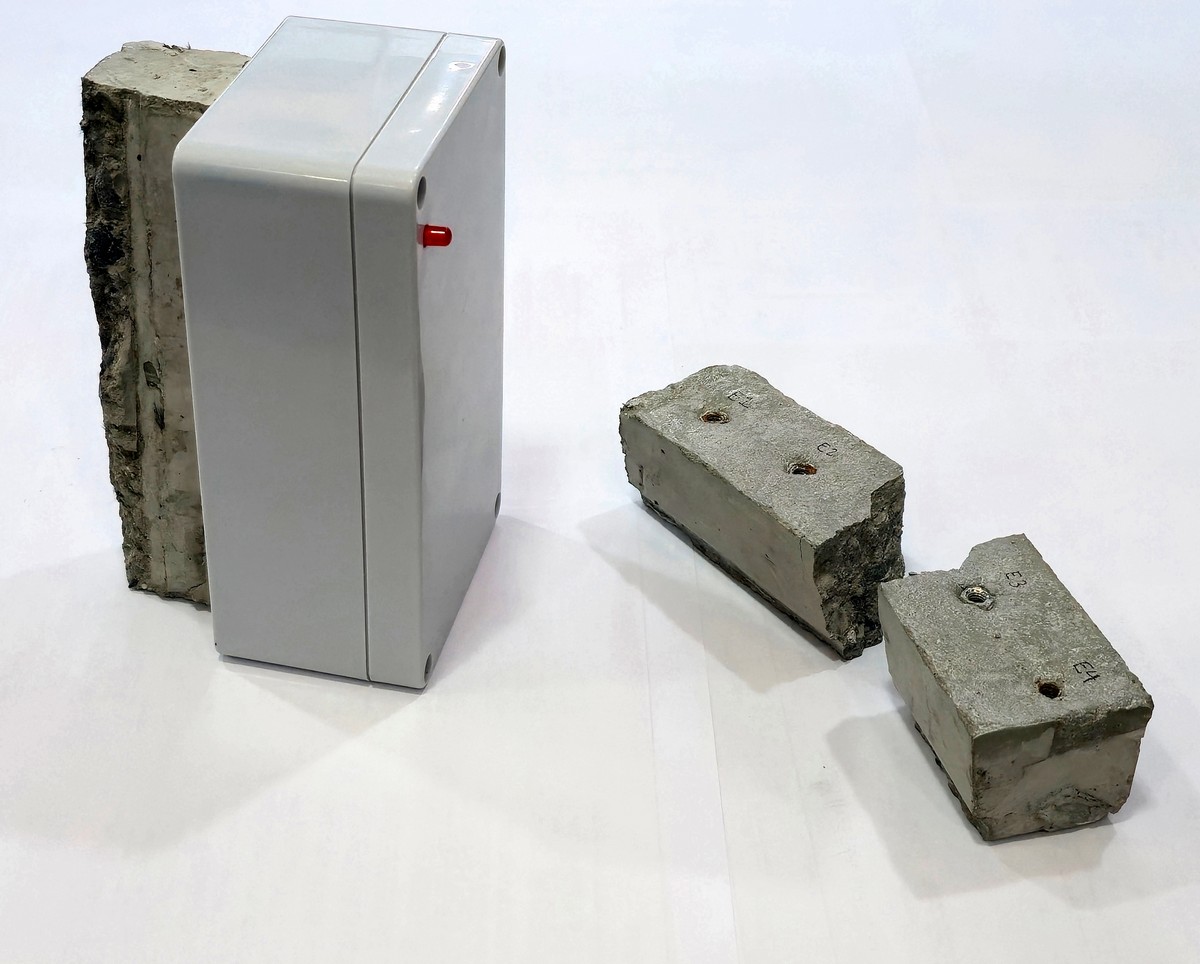
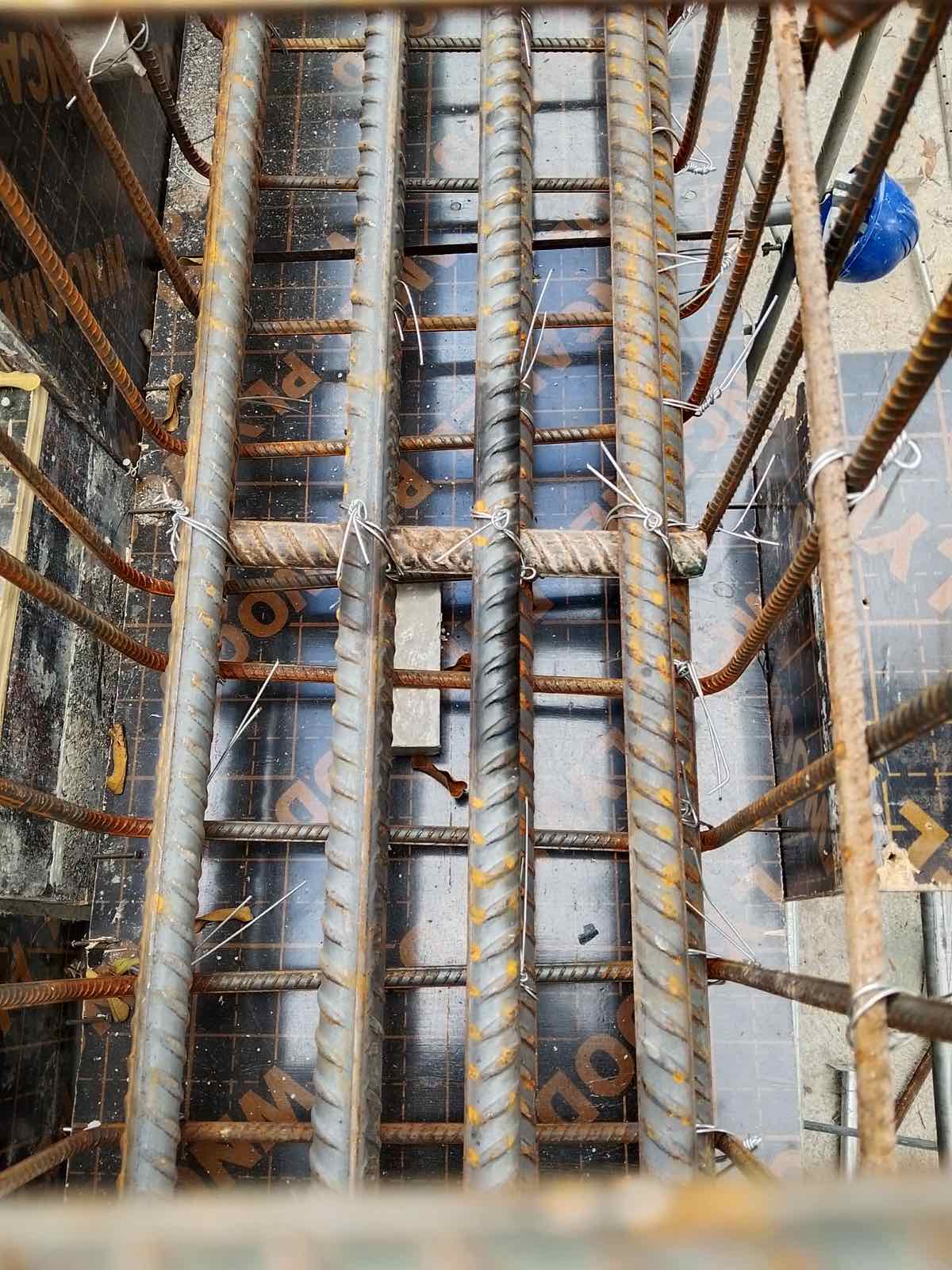
Sentinel was developed by Aldrei Ong from De La Salle University-Manila – it converts an ordinary concrete spacer block into an embedded sensor capable of detecting cracks and internal structural damage. Made from self-sensing concrete, the block measures changes in electrical resistance when damage occurs and transmits that data wirelessly for monitoring. By integrating the sensing technology into a component already used during construction, Sentinel is designed to make continuous structural health monitoring more scalable, with each block estimated to cost just RM0.60 to manufacture.
This year’s Top 20 shortlist was selected by a panel of 12 Dyson engineers based across the UK, US, Singapore, Malaysia, and the Philippines. Entries were evaluated on functionality, design process, originality, and commercial viability. The 2026 James Dyson Award global winners will each receive RM162,999 in prize money to support the next stage of their inventions. Now in its 21st year, the James Dyson Award has supported more than 400 inventions with over RM8.18 million in prize money across 28 countries and regions.
Pokdepinion: These are the kinds of ideas that actually matter.