
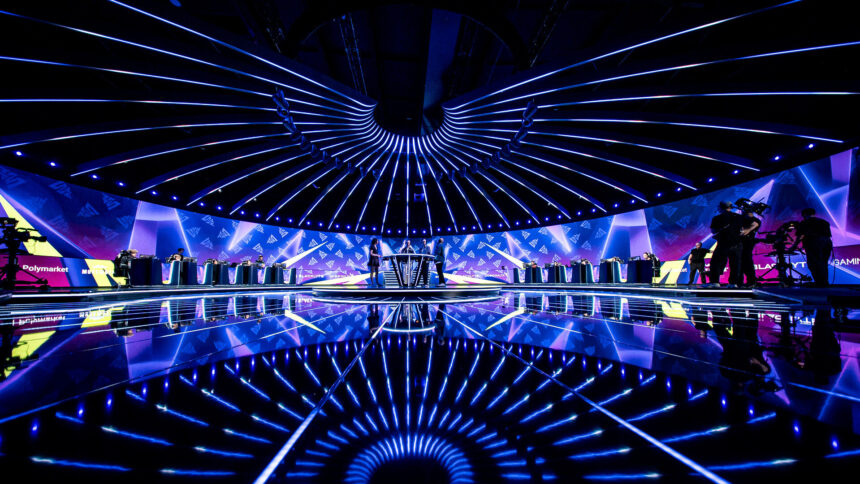
Twenty-three teams flew home from Cologne on June 22, and the next plane out is already booked. Falcons lifted the IEM Cologne Major trophy on June 21 after a 3-0 sweep of FURIA. Nine days later, BLAST Bounty Summer opens in the same competitive window as the Esports World Cup roster lock. There is no gap between seasons anymore, just a hard cut from one broadcast to the next.
CS2, Dota 2, and VALORANT collide in July and August 2026. Here’s how to track every Major esports stream without missing the matches that matter.
That overlap is the actual problem. Not “there’s a lot of esports right now,” but the fact that three or four broadcasts you care about can be live at the same hour, on different platforms, in different time zones, and nobody sends you a single notification that covers all of them. Reddit threads about missed Grand Finals spike every summer for the same reason: people assumed a tournament page would tell them when the next match started, and it didn’t update until the result was already in.
What’s Actually Running This Summer (June Through August 2026)
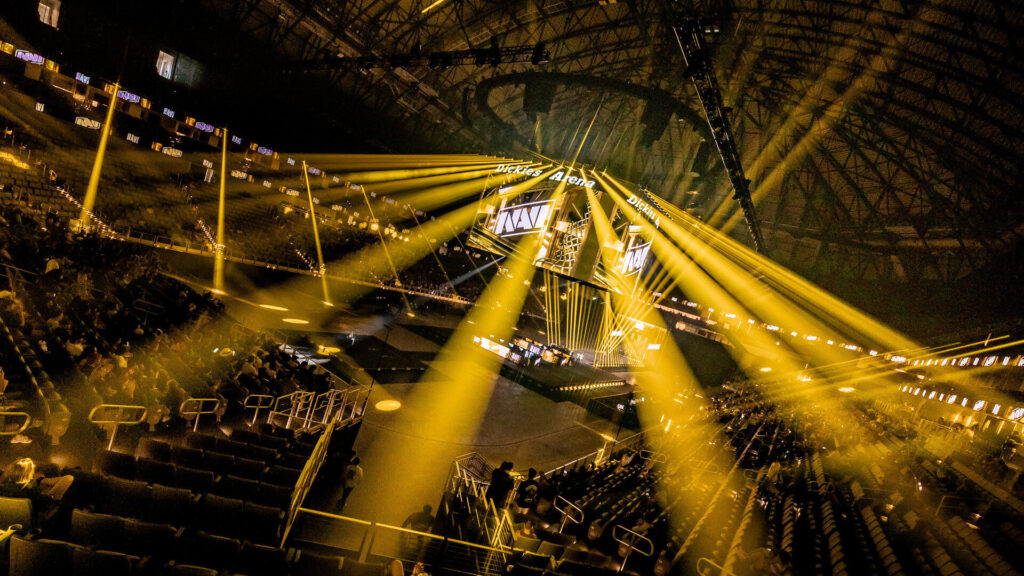
Three things are stacked on top of each other right now. Cologne just wrapped, the Esports World Cup runs August 12-23 in Paris after a relocation from Saudi Arabia announced May 20, and BLAST Bounty Summer fills the gap from July 30 to August 2. Dota 2’s biggest event of the year, The International 2026, lands August 13-23 in Shanghai, directly inside the EWC window, not after it.
That’s four separate broadcast calendars, four sets of time zones, and at least one day in mid-August where a CS2 EWC match, a Dota 2 TI group-stage game, and a VALORANT bracket match could all be live within the same three-hour block. None of those organizers coordinate start times with each other. They schedule around their own venues and their own broadcast partners, full stop.
Does One Site Actually List Every Stream in One Place?
Mostly, no, and that’s the part people get wrong. HLTV covers CS2 schedules in detail but won’t tell you when the Dota 2 group stage starts. Liquipedia‘s are reliable for bracket dates across multiple titles, but checking five separate wiki pages every morning isn’t a system, it’s a chore.
What actually works is picking two or three trackers that cover your specific games and checking them at the same time every day, rather than refreshing Twitter and hoping a mod posts the schedule. A site that pulls match times, VODs, and recaps into a single feed gaming guides and news section, for example, runs daily playoff breakdowns during overlapping events like this one, with kickoff times converted to a fixed time zone instead of whatever the broadcaster used saves the step of cross-referencing five regional pages just to find out a match got pushed by forty minutes. The value isn’t the existence of the page; it’s that someone already did the time zone math for the day’s overlapping matches so you don’t open six tabs to do it yourself.


How Do You Build a Schedule That Doesn’t Fall Apart by Week Two?
Pick your three. Not every tournament, three. For most CS2 fans right now that’s whatever’s left of the Cologne storylines (Falcons defending a title they just won, NAVI’s early Stage 3 exit at 2-3 still getting picked apart on forums), plus EWC, plus whatever regional league fills the gap in between. Trying to track all four major calendars at full attention is how people end up watching none of them properly.
Set calendar alerts for start times, not “the day of.” A 9:45 CEST match start means something different depending on whether you’re in Kyiv or Los Angeles, and “watch tomorrow” turns into “missed it” more often than it should. I keep a recurring reminder fifteen minutes before any Bo3 decider I actually care about. That’s the one slot in a tournament day where missing the start usually means missing the whole story.
Don’t chase every VOD. Recaps exist because nobody needs three hours of dead air between rounds. If a match ended 13-4, a five-paragraph recap with the round-by-round swing tells you more in ninety seconds than scrubbing through a stream looking for the highlight.
Why Tournament Pages Alone Won’t Save You
Liquipedia and HLTV are excellent for static information: rosters, prize pools, head-to-head history. They’re built as references, not live trackers. HLTV’s events page lists every CS2 tournament running concurrently, but it won’t push a notification when a match time shifts, and during a stacked week like mid-August, that’s exactly when shifts happen most.
The fix isn’t more tabs. It’s fewer sources that update on a predictable schedule, checked at a time that fits your day: morning for EU matches, evening for NA-heavy brackets. Screenshotting the day’s match list each morning and crossing games off as they finish sounds primitive, but it beats refreshing four separate schedule pages every hour hoping something changed.
The Short Version
Summer 2026 doesn’t have a quiet month. Cologne ended June 21, BLAST Bounty Summer starts July 30, and EWC overlaps directly with The International from August 13 onward. Pick three tournaments, set alerts for actual start times in your own time zone, and lean on recap coverage instead of trying to watch every map live. The fans who keep up aren’t the ones with the most tabs open — they’re the ones who stopped trying to watch everything and started tracking the matches that actually decide something.